Raheela

Meet Raheela, your friendly neighborhood content wizard, armed with over four years of experience in the realm of writing. An enthusiast of all things tech, lifestyle, chemistry, dyes, paints, spray paints, interior design, and exterior design, Raheela crafts articles that are both informative and engaging. Dive into the world of knowledge and creativity with Raheela's articles, where every piece is thoughtfully curated to bring you insights and a dash of inspiration.

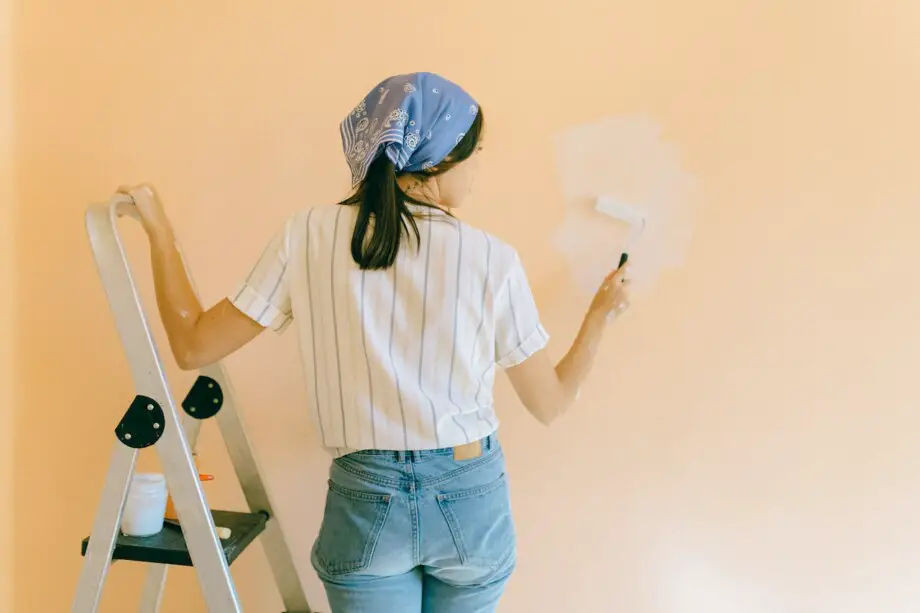
pexels nataliya vaitkevich 5641397 6 Best Primers for Interior Walls – Buying Review

6 Best Primers for Interior Walls – Buying Review

Wondering about giving your interior walls a new look this 2023? There are many factors and products that go before ensuring your walls look insta-worthy. And one of those important factors is PRIMERS!

Whether you are a professional painter or a DIY enthusiast like me, using the right primer is crucial for achieving a smooth, long-lasting finish. Moreover, primers also help in covering up those unsightly marks you struggle to cover and provide better adhesion for paints.

But the question arises, which is the best primer for interior walls in 2023? In this post, I’ll be sharing the top picks for the best primers on the market, as well as the rating criteria before picking up your primer can.

You should also read our guide, Do I Need Primer for Interior Walls Before Painting, for more information on priming your interior walls. 

The goal is to ensure your walls look the best. It’s time to grab your paint brushes, and let’s get started!

OUR TOP 3 PICKS OF BEST PRIMERS FOR INTERIOR WALLS 2023

Best overall

ZINSSER White, Bulls Eye 1-2-3 Water-Based Stain Blocking Primer/Sealer

811+yX3C NL. AC SY300 SX300 6 Best Primers for Interior Walls – Buying Review
  • Extra durable
  • Multi-surface
  • Pocket-friendly
  • Primer and sealer

bEST MULTI-SURFACE

KILZ Adhesion Primer, Interior/Exterior

61ShkTRHN L. AC SX300 SY300 QL70 FMwebp 6 Best Primers for Interior Walls – Buying Review
  • Interior/exterior use
  • High adhesion
  • Excellent for glossy surfaces
  • Reduces sanding needs

BEST STAIN BLOCKING

INSL-X AP100009A-04 Prime All Multi-Surface Primer, White

813hvctbaVL. AC SL1500 6 Best Primers for Interior Walls – Buying Review
  • Multi-surface latex primer/ sealer
  • Powerful stain blocking
  • Strong adhesion and sealing
  • Low VOC

RATING CRITERIA

With the rising competition and a plethora of products out there, picking up the best one is a literal headache. When everyone is claiming to be the best, you certainly are unsure what to go for. 

With stringent rating criteria, we’ve evaluated the following factors before curating our list of best primers for interior walls. The list will save you from scrolling down unlimited options and being in two minds.

1. Durability 

You are probably not planning to paint your interiors in the near future. This means the primer should provide a durable base that will help the paint last longer and also helps to prevent the stains and imperfections from reappearing.

2. Cost Effective

It is good to stay within the budget of your project. Primers can vary widely in price. Opt for the one that is cost-effective yet provides good results and lasts for a long time.

3. Brand Reputation and Customer Reviews

We have also considered what people are saying about the primers to get valuable insights about the products. Brand reputation and customer reviews are a great way to see if the products live up to the manufacturer’s claims and if it’s reliable. 

8 BEST Primers for Interior Walls

Our rating criteria give you an idea about what we’ve considered before finalizing the list. But make sure to check every detail before picking up the one that suits your needs. All primers have their pros and cons and our top picks may not necessarily fall under the list of your project needs. Read the specs for each of the following to ensure a flawless finish for your job.

1. ZINSSER White, Bulls Eye 1-2-3 Water-Based Stain Blocking Primer/Sealer – Best Overall

Key Features

  • Wins five stars for durability. 
  • Pocket-friendly. 
  • Suitable for multiple surfaces.
  • Stain-blocking primer.
  • Primer and sealer in one.

What do we like best?

Zinsser Bulls Eye 1-2-3 Water-Based Stain Blocking Primer/Sealer is a versatile and high-performing primer that is perfect for any interior painting project. This primer is specially formulated to block stains, hide dark colors, and seal porous surfaces, making it an ideal choice for walls that have been previously painted or have stains that need to be covered.

One of the best things about this primer is its water-based formula, which makes it easy to clean up with just soap and water. It also has low VOC (volatile organic compounds) content, making it an eco-friendly choice for those who are concerned about the environment. Additionally, this primer is able to dry quickly, allowing you to paint over it in just one hour, which makes it perfect for those who are in a hurry to finish their projects.

The primer works on a variety of surfaces, including wood, drywall, and even metal, making it a versatile choice for any project. The best part is, it’s cheaper than other interior primers out there.

What needs to be improved?

Some people have been complaining about receiving dented or bent cans. There’s room for making their delivery systems secure, so people receive properly sealed cans. Another shortcoming is the need for multiple coats of primer for covering colored tiles or porous surfaces. 

Pros

  • Seals uniformly
  • Sticks to all surfaces without sanding
  • Dries in one hour
  • Mold and mildew resistant
  • Compliments any kind of top coat

Cons

  • Complaints received about leaked cans
  • May require multiple coats for porous or tiled surfaces

Note: For tiled and glossy surfaces, look out for the primer mentioned on number 4 on the list. 

2- KILZ Adhesion Primer, Interior/Exterior – Best Multi-Surface

Key Features

  • Bonds to most tough-to-paint surfaces
  • Reduces the need for sanding dense and glossy surfaces
  • Provides excellent adhesion for the top coat.
  • For both interior and exterior usage


What do we like best?

Say goodbye to the frustration of sanding tough-to-paint surfaces and embrace the convenience and reliability that Kilz Adhesion Primer offers. Kilz is the ideal choice if you’re looking for a high-performance solution that can handle any surface, dries quickly, and provides a secure base for your topcoat. 

Its exceptional bonding capabilities eliminate the need for sanding on dense and glossy surfaces. This versatile primer can be used for both interior and exterior surfaces, making it a suitable option for all your painting needs. Its ease of use makes it accessible for both professional painters and DIY enthusiasts alike, while its durability guarantees long-lasting protection for your surface

What needs to be improved?

While Kilz primer is an excellent choice for many painting projects, it’s important to consider a few potential drawbacks. Firstly, it is more expensive than some other options on the market. However, its exceptional bonding capabilities and quick drying time make it a worthwhile investment for those looking for a high-quality primer.

Secondly, Kilz primer may not be the best choice for floors that are exposed to prolonged water contact.

Pros

  • Easy to use
  • Durable and gives long lasting finish
  • Quickly dries up in one hour
  • Excellent coverage
  • Does not require sanding

Cons

  • Heavy on pocket
  • Not suitable for floors subject to prolonged water contact

3. INSL-X AP100009A-04 Prime All Multi-Surface Primer, White – Best Stain Blocking

Key Features

  • Multi-surface latex primer sealer
  • Powerful stain blocking
  • Strong adhesion and sealing properties
  • Low VOC

What do we like best?

INSL-X is a multi-surface latex primer sealer with a powerful stain-blocking formula. Its strong adhesion and sealing properties make it ideal for a variety of surfaces. Whether you’re painting drywall, wood, or concrete, INSL-X will adhere to the surface and create a long-lasting, durable base for your paint. 

The easy-to-clean formula saves you hours of scrubbing the primer of your brushes, rollers, and other tools. This primer is also easy to spread and has a quick drying time, so you can get your painting done faster. Its low VOC formulation makes it safe for both you and the environment. Plus, its mildew-resistant formula helps protect your walls from moisture and mold.

And the best part? The primer is pocket-friendly, making it accessible for all budgets.

What needs to be improved?

While the interior primer boasts many impressive features, there are a few areas that could use improvement. Firstly, some customers have reported that a few coats may be necessary when using the primer on wooden surfaces. This may result in increased time and material costs. Additionally, some users have found it difficult to open the lid of the primer container leading to frustration. 

It’s important to note that these drawbacks are not universal and may vary from customer to customer.

Pros

  • Easy to clean
  • Easy to spread
  • Pocket-friendly
  • Quick drying
  • Mildew resistant

Cons

  • May need a few coats for wooden surfaces
  • Some people found it hard to open the lid

Note: If you need to prime your wooden surfaces, use the primer mentioned on number 6 to gain maximum benefit. 

4. INSL-X SXA11009A-04 Stix Acrylic Waterborne Bonding Primer

Key Features

  • Bonds to hard-to-coat surfaces
  • Excellent adhesion and sealing 
  • Cures in low temperatures and high humidity
  • Excellent enamel

What do we like best?

INSL-X Waterborne Primer is known for its ability to bond to hard-to-coat surfaces, including glossy surfaces like tiles. In addition, the primer offers excellent adhesion and sealing properties, ensuring a smooth and uniform surface to the paint to adhere to. This leads to a longer-lasting and more durable paint job.

Another advantage of this primer is its ability to cure in low temperatures and high humidity, making it a great choice for those working in challenging environments. It also offers excellent enamel holdout, providing a great base for an even topcoat finish.

This primer is also low in Volatile Organic Compounds (VOCs), making it a more environmentally friendly option. And when it comes time to clean up, the primer’s easy cleanup formula makes it a convenient choice.

What needs to be improved?

Other than many desirables, there is room for improvement in this primer in a couple of areas. One drawback of this primer is that it doesn’t perform well on laminated cabinets. This can be a problem for those looking to prime these surfaces.

Another issue with this primer is that it is slightly more expensive compared to other options on the market. This may be a concern for those who are working within a budget.

Pros

  • Low VOC
  • Easy cleanup
  • Easy to apply
  • Bonds to the most challenging surfaces – glossy surfaces
  • Quick drying time

Cons

  • Does not work well for laminated cabinets
  • Is a little overpriced

5. ZINSSER 1 qt 260925 White, Peel Stop Triple Thick Binding Primer

Key Features

  • Water-based primer/sealer 
  • interior/Exterior Uses
  • Tintable
  • Stops Peeling Paint

What do we like best?

Zinsser Peel Stop Triple Thick Bonding Primer is a water-based primer/sealer that can be used for both interior and exterior surfaces. It is tintable and has the ability to stop peeling paint while sealing weathered surfaces. Its outstanding flexibility and smoother finish is a great feature that makes this product on par. Moreover, it dries to the touch in 30 minutes while ready to put on a topcoat in two hours. Overall, it is an excellent choice for anyone looking for a reliable and high-performance primer.

What needs to be improved?

While Zinsser Peel Stop Triple Thick Primer is an excellent primer overall, there are a few aspects that could be improved upon. Some people have found it to be challenging to work with. Additionally, depending on the condition of the surface being primed, Zinsser may require additional coats or alternative preparation methods for optimal coverage.

Pros

  • Seals weathered surfaces
  • Creates a smoother finish
  • Outstanding flexibility
  • Dries to touch in 30 minutes
  • Stops peeling paint

Cons

  • Challenging to work with
  • For optimal coverage you may incur additional costs

6. KILZ 3 Premium Primer, Interior/Exterior, 5 Gallon

Key Features

  • Interior/Exterior
  • Water-based formula
  • High hide stain blocker
  • Thick and creamy formula

What do we like best?

KILZ 3 Premium Primer is an excellent choice for both interior and exterior surfaces. Its water-based formula makes it easy to work with, and its high hide stain blocker ensures that stains and discolorations are thoroughly covered. Its low VOC  feature makes it eco-friendly. The thick and creamy formula provides excellent coverage while it’s easy to clean up with just soap and water.

For exterior use, KILZ 3 Premium Primer is extra durable, making it a great choice for high-traffic areas that are exposed to the elements. Its excellent adhesion also means that it can be used on a variety of surfaces, including wood, metal, and masonry. Additionally, it can be recoated in just one hour, which makes it a great option for those who are short on time.

What needs to be improved?

Despite its excellent features, there are still certain areas that you need to look into before investing. The primer is a great choice for light to medium stains, but heavy stains may bleed out of it. Additionally, the thick consistency of the primer may make it challenging and messy to work with, especially for those who are new to using primers. However, with proper technique and practice, these minor drawbacks can be overcome.

Pros

  • Low VOC
  • Easy to clean
  • Extra durable for exterior use
  • Excellent adhesion
  • Recoat in one hour

Cons

  • Not good for heavy stains
  • Thick consistency is challenging and messy to work with

Note: If you’re looking for a thick primer for an even finish, place your bets on number 5 in our list. 

TIPS TO USE PRIMERS ON INTERIOR WALLS

Now that we’ve cherry-picked the best primers for you, it’s time to order them and get ready with your brushes. To make your wall priming steps smooth and effective, here are some tips to help you use primers for interior walls:

  • Before applying primer, make sure to clean the walls thoroughly to remove any dirt, dust, or grease. This will help the primer adhere better to the surface.
  • Using a quality roller or brush will help ensure an even application of the primer and will reduce drips and splatters.
  • Before applying paint, make sure to allow the primer to dry completely. This can take anywhere from several hours to a full day, depending on the primer and the conditions.
  • After the primer is dry, you can lightly sand the walls with fine-grit sandpaper to create an even smoother surface for painting.
  • Always read and follow the manufacturer’s instructions for application and drying times.
  • Make sure to have good ventilation when using primers and paints in order to prevent inhaling the fumes and to have a better drying environment.
  • Always wear protective gear like a mask, gloves, and eye protection when using primers.
  • Using an excessive amount of primer will not make the surface smoother or better; it may actually cause unevenness and drips.
  •  

HOW TO CHOOSE THE BEST PRIMERS FOR INTERIOR WALLS FOR PROFESSIONAL FINISH

Even after listing our top picks, there are still certain factors you need to consider before investing your hard-earned cash, plus precious time on painting your walls. These factors will help you evaluate the best of the best primers for a smooth, durable, and professional finish. 

Make your walls wow-worthy with these tips.

The Wall and Primer Type

First things first, there are many kinds of primers like oil-based primers, latex primers, or pigmented primers. But they only make your painting job easy when you know which one to pick. 

It boils down to the type of walls and the job you have. For drywalls, a latex primer works best. If you use an oil-based primer for drywalls, it will raise the grain of your drywalls and give an uneven finish. However, oil-based primers do work for drywalls if you are planning to cover it with satin or put up wallpaper. 

If you have a bare wall that has never been painted before, the best primer for this is an oil-based primer. Because if you ever decide to put a wallpaper, an oil-based primer will prevent the wallpaper from making a permanent bond with the wallboard facing. But if you do not decide to go for wallpaper, you can always cover the oil-based primer with a latex primer. 

Shellac-based primers are the strongest and oldest types of primers used. They are versatile enough to be used over various materials like metal, wood, plaster, drywall, as well as plastic. The great catch-all is an interior-only primer and can be mixed with other primers like latex and oil. Moreover, shellac primers have a fast drying feature and dry within an hour. 

But the downside of shellac primers is the VOC fumes. You need to ensure your room is well-ventilated for the fumes to get evaporated and ensure it is safe to use. Shellac-based primers may dry fast but proper time is needed to clear away the fumes. 

Fast Drying

Primers that take up ages to dry can consume a lot of your time. Fast-drying primers are best suited if you are running short on time and want to finish the job ASAP. 

Some automotive spray guns or paint kits have multiple nozzles of different sizes. We recommend getting a kit with numerous nozzles to reduce your time and effort on the project.

Stained Walls

Stain-blocking primers are best for hard stains that can bleed through the walls, like water, grease, crayons, ink, markers, and smoke. Cover these stains with a stain-killing primer to prevent using multiple coats of paint.  

Darker Finish

Use a tinted primer if you are considering wallpapering your walls or use a darker color. This ensures a better finish as compared to using white primers.

Adhesion

Another factor to consider is adhesion. The primer should offer good gluing for the paint to stick to, especially with concrete surfaces where adhesion is a real problem and paint can crack and peel in a short time. So if you’re planning to paint a concrete wall, ensure your primer is compatible. 

VOC (Volatile Organic Compounds) Emissions

It’s up to you to decide if you need low-VOC primers. Primers with low or no VOC emissions can prevent strong odors and also reduce the environmental impact. But on the other hand, this benefit comes at the cost of some drawbacks like reduced performance, higher prices, and lack of compatibility. If you’re allergic to strong odors, low VOC is your go-to primer. 

Ease of Application

Make sure the primer you invest in is easy to apply and has a smooth consistency that makes it easy to spread and work with.

FINAL WORDS

To sum up, choosing the right primer for your interior walls can make all the difference in the final result of your painting project. The six best primers for interior walls that we have listed in this blog are all high-quality options that will provide excellent adhesion, coverage, and durability. Whether you are looking to hide stains, create a smooth surface, or improve the overall look of your walls, these primers are sure to deliver. 

But remember, be sure to consider your specific needs and budget when making your selection, and always follow the manufacturer’s instructions for the best results. 

Happy painting!
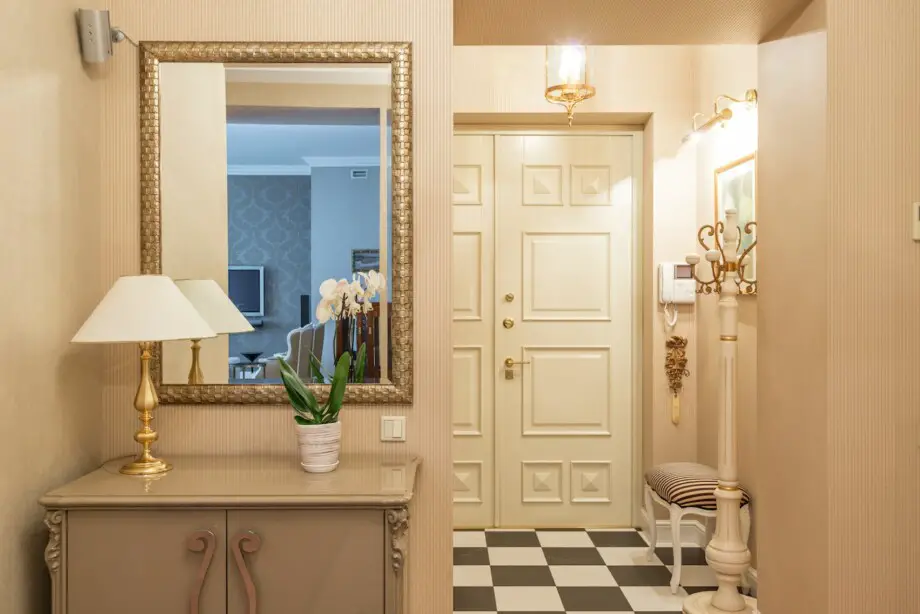
pexels max vakhtbovych 7061065 How To Spray Paint Mirror Frames In 7 Easy Steps

How To Spray Paint Mirror Frames In 7 Easy Steps

Well-placed mirrors in the living area can make the room appear brighter and more spacious. However, worn-out mirror frames can ruin the aesthetics of your space, regardless of their size.

If you want to spruce up your mirror frames on a budget, spray paints are an excellent alternative to replacing them altogether. All you need are a few supplies and free hours to breathe new life into your mirrors.

Spray painting mirror frames is pretty straightforward. Start by cleaning the surface with a damp cloth and thoroughly sanding it. Next, cover the mirror with paper and tape to avoid stains, and apply two layers of primer. Finally, cover the frame with the color coat of your choice.

Spray painting seems effortless, but you must prepare the mirror frames correctly to ensure the results will last. But don’t worry; I will simplify the process and add a few extra tips to sweeten the deal.

Let’s get painting!

Things you will need

Spray painting mirror frames require different materials and tools, but luckily, you would already have most of them lying around the house. Here are a few things you should keep on standby before you start painting the mirror.

●     Tack cloth

●     Scissors

●     Newspaper

●     Sandpaper

●     Primer

●     Spray paint

●     Painter’s tape

●     And, of course, a mirror that needs some TLC

How to paint mirror frames in 7 quick steps

Step 1: Clean the frame

It’s always best to paint on a clean surface to ensure a smooth finish. Take a tack cloth soaked in warm soapy water and clean the frame thoroughly. Remove all dust and debris before cleaning it again with a dry cloth.

Step 2: Sand the surface

Sanding helps remove any irregularities from the frame’s surface, allowing you to work on an even base. This step is crucial if you’re repainting a frame that has a protective sealant on top.

Using fine-grit paper, sand the frame thoroughly until you’re satisfied with the results.

Pro Tip: When painting a wooden mirror frame, you should fill in any cracks and holes before sanding the surface.

Step 3- Prepare your workstation

Spray painting is undoubtedly fun but can get messy within a few minutes. So unless you want to color your floor along with the mirror frame, spread two to three newspapers or cardboard just to be safe.

Step 4- Cover the mirror

A freshly-painted frame looks spectacular, but if you accidentally get paint on the mirror’s surface, the result can look sloppy! 

Fortunately, this can be easily avoided by covering the entire mirror with paper and painter’s tape. Just make sure not to leave any tape touching the frame itself, or you might miss a spot while painting it.

Step 5- Apply primer

You can skip this step if you’re working with an all-in-one paint.

Start by applying a thin layer of primer on the frame and allow it to dry for at least 15 minutes. Once the first coat becomes dry to the touch, apply another thin layer. The primer creates an ideal base for the paint to adhere completely.

Pro Tip: Opt for white primer if you want to spray paint the mirror frame gold or any other light color, such as silver or gold. But if you prefer to spray paint the mirror frame black or another deep shade, you can use a gray-colored primer.

Step 6- Paint away!

After the final layer of primer is dry, pick up the spray paint can and give it a good shake. Start spraying a thin coat of paint and keep a steady hand to avoid oversaturation at any spot. Make sure you cover the top and the sides of the mirror while painting it.

Allow the first layer to dry before going in with another one. If you achieve your desired shade intensity in 2 coats, your job’s done. But if you prefer a more vibrant color, feel free to apply more layers of paint until you are satisfied.

A bathroom mirror frame requires waterproof paint for lasting results, so make sure to buy waterproof spray paint.

Pro Tip: Allow the primer to dry overnight before your spray on the color coat. But make sure to wipe away any dust the frame collects over time.

Step 7- Peel away the tape

Don’t wait for the paint to dry completely before removing the paper and tape from the mirror. If you wait too long and the paint dries with the tape, parts of the frame’s paint may come off when you pull it away.

Best spray paint for mirror frames

Finding a high-quality and superior finish spray paint is crucial if you want professional results. If you’re wondering how to spray paint wood frames, try the Rust-Oleum Painter’s Touch 2X Ultra Cover. It is an oil-based formula that goes on smoothly and resists chipping and fading. The highlight of this paint is its quick drying time which helps you complete your painting projects quickly.

Black frames look modern and chic, but metallic frames have their own appeal. If you’re a fan of metallic colors, try the Rust-Oleum Pure Gold Spray Paint. This paint is highly versatile and works well on different surfaces. So, whether you are working with a wood frame or want to learn how to paint metal frames, this rust-resistant formula is ideal for both.

FAQs

How do you paint a mirror frame without getting it on the mirror?

The best way to paint a mirror frame without getting it on the mirror is by covering the whole surface with paper and some tape. The only part visible should be the frame.

Can you spray paint a mirror?

Yes, you can spray paint a mirror, but pick a paint compatible with the frame’s material. Before buying one for your project, read more about using water-based paints on wood.

Does spray paint stay on mirrors?

Spray paint lasts if you pick one according to the frame’s surface. You can always add a sealant to the color coat for added protection.

How to spray paint a mirror frame without taking it apart?

Cover the sides of the mirror’s surface entirely if you don’t want to remove the mirror from the frame. The best way to get a secure fit is by measuring the dimensions with a tape measure and carefully cutting the paper according to the mirror’s size.

Conclusion

Spray painting is an inexpensive way of upgrading your home, whether you want to paint a bathtub or a mirror frame. With the correct type of paint and technique, everything is possible!

So, get your painting gear on and grab all the frames that need a makeover. 

Happy painting!
pexels cottonbro studio 5599645 How Long Does Chalk Paint Take To Dry - Things You Must Know

How Long Does Chalk Paint Take To Dry – Things You Must Know

I didn’t know chalk paints existed until my neighbour told me about them. They had recently painted their house, which was a sight to watch. I couldn’t resist trying out this incredibly vibrant chalk paint look, and thus I pulled out my car and headed to the store to buy some chalk paint.

Chalk paint will take about 15 minutes to dry but makes you wait an entire day; that is, 24 hours in between, you can apply a second coat or top it up with wax.  

My money went down the drain. I ruined how my walls previously looked. It took a couple of weeks to fix the mess I had created, but all I wished for was that if I had known how long to wait between coats, the picture would’ve been much better.

How long does chalk paint take to dry?

Chalk paint is one of the fastest-drying wall paints. It dries to touch within 15 minutes of application and takes about a day to cure fully. The rule is to wait 24 hours before applying the next coat. 

However, numerous other factors can make chalk paint dry faster or slower than average. The thickness of your paint coat also affects the time it will require to dry completely. A thick layer dries slower, while a thin layer dries faster. Moreover, humidity levels, temperature, and exposure to sunlight can also affect the drying time of your paint. 

Does chalk paint dry darker or lighter?

Paints dry the same color they are presented in the sample. They may appear darker in the shade due to the wetness of the paint, but once they have completely dried, they will match the original shade.

Chalk paints appear to dry lighter because they are matte finish type. Such paints are non-reflective and absorb most of the light, making them appear dull. Chalk paints, exterior paints, and eggshell paints are some types of paints that become lighter on drying. 

How to Use Chalk Paint correctly – Things to know

Before you get your hands on the expensive chalk paints, here are a few things you need to know. We don’t want your money going down the drain and your happy DIY family painting day turning into a bad one.

  • Wipe down the dust off the surface with a damp cloth
  • Sand out slippery or laminate surfaces to ensure adequate adhesion
  • Dry the paint appropriately before the second coat or the wax top coat.
  • Wax your paint for longevity and protection.

Waxing Chalk Paint

As the name suggests, chalk paints leave a dry texture. If that seems boring, you can apply wax as a top coat, which you will find at the same store you purchased your chalk paint. This buttery consistency wax will not only add shine but also protect the paint from daily wear and tear. Moreover, a waxed surface can easily be cleaned compared to bare chalk paint.

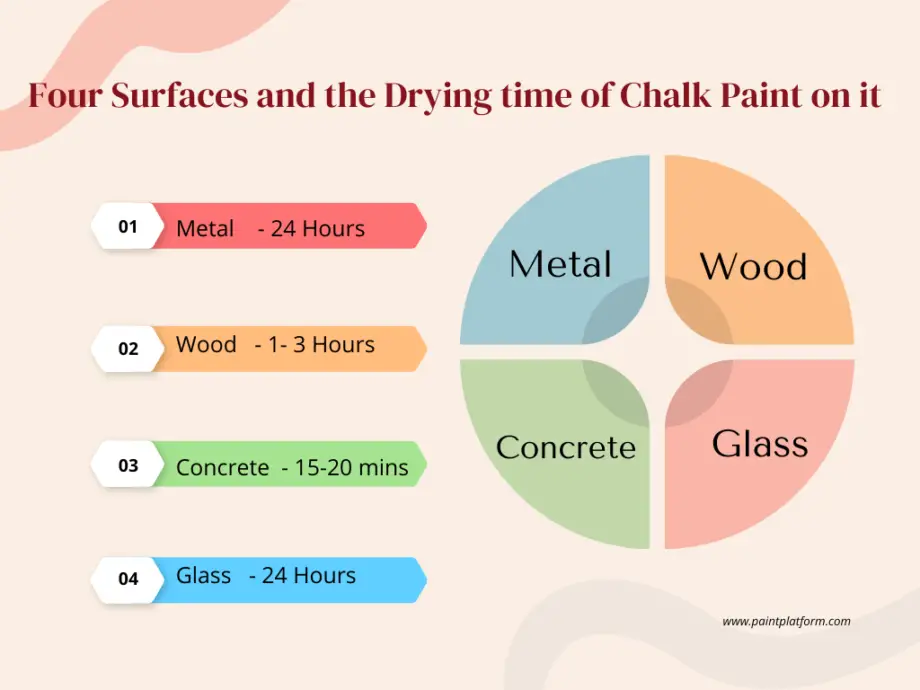
Chalk paints on different surfaces

Just like all paints, chalk paints behave differently on different surfaces. However, the best part is that they do not require special prepping. Chalk paints can be applied directly to any surface.

Circle Infographic Diagram SWOT Analysis How Long Does Chalk Paint Take To Dry - Things You Must Know
Metal 24 HoursChalk paint can easily be applied on metallic surfaces. It will dry out in about an hour, but make sure you let it sit for a long time to adhere to the surface completely. A metallic surface requires a minimum of 2 paint coats. If you don’t know how long chalk paint should dry before applying polycrylic, let me tell you, the final coat must also sit for another 24 hours.
Wood1-3 HoursWooden surfaces absorb more paint if they aren’t prepped and primed. It is natural to wonder how long chalk paint takes to dry on wood. It takes about 1 – 3 hours, depending on how much paint the wood has absorbed. Painting furniture with chalk paint can create an outstanding finish if you remember to follow the rule of 24 hours gap between coats.
Concrete 15 – 20 MinutesWalls are usually made up of concrete. Chalk paint dries within 15 minutes after a coat is applied to the concrete. No special prepping or expensive primers are needed. Chalk paints can work equally efficiently on their own.
Glass24 HoursLike metal, concrete, and wood, chalk paints are used over glass, too. Glass is a smooth and slippery surface; many wonder whether you sand between coats of chalk paint or before you begin applying the first quote. Since paint from glass chips off quicker, sanding makes it last longer, and thus we recommend you do so.

Frequently Asked Questions

How long does chalk paint take to dry completely?

Chalk paint dries quickly after application. It takes about 15 minutes for the chalk paint to dry. However, you must wait 24 hours between painting the second coat to ensure that the paint has properly adhered to the surface and the moisture has evaporated. 

How many coats of chalk paint are needed?

Ideally, you need two coats of chalk paint to achieve your desired color. However, painting a light color such as white or off-white over dark surfaces may ask for a third coat of paint.

Do you need to seal after chalk paint?

Yes! It would be best to seal the chalk paint, so it is not exposed to the natural distressing and regular wear and tear. Chalk paints are vulnerable and require a seal, usually a protective top coat of wax, to make them last a while.

Final Words

Irrespective of the paint you use to give your house a personal artistic touch, patience serves as the most important key. Especially when it comes to chalk paints, waiting the entire day is worth it. Do not repeat the mistakes I made. Make sure you know how long chalk paint takes to dry between coats and how long chalk paint should dry before applying wax.

If you’re a beginner looking for a guide to painting, check out my blog on if chalk paint be used on outside furniture or the best temperature and humidity for painting your interior and the best time of the year to paint. Happy painting!
woodwork furniture

Can I Use Water-Based Paint On Wood – 7 Mind-Blowing Tips!

Wood is an outstanding building material that can be used for various projects. However, wooden objects, such as furniture, doors, panels, etc., can lose their shine and color over time. Fortunately, the problem can be quickly fixed with a fresh coat of paint.

The best part about painting wood is the versatility you can achieve in terms of colors and finishes. Whether you want to paint your wooden door a bright yellow or give your table a vintage look in black, paint opens up many options. But what paint to use on wood furniture?

Yes, you can use water-based paint on wood; in fact, it is a popular choice for woodwork as it is effortless to apply and clean. Besides its ease of use, water-based paint dries quickly, allowing you to finish your projects in minimum time.

However, water-based paints are not as durable as oil paints, which makes prepping the wood more important for lasting results. But rest assured, as I will explain how you can achieve a durable finish with water based paint on woodwork without taking the traditional oil-based route.

Types Of Water-Based Paints

There are two types of paints, acrylic, and latex, and each has distinct properties. However, many paint manufacturers use confusing naming conventions, making it challenging to identify which color is acrylic and which is latex.

While both are water-based, it would be best to pick a type according to the surface of your next painting project.

Here’s a quick guide to help you get started:

Acrylic Paint

If you come across a paint label that says ‘acrylic,’ it means the formula contains more acrylic polymers than latex paint. Hence, it will provide better adhesion and superior durability. However, this option is more costly and perhaps not worth buying for interior drywalls. But if you’re looking to color wooden kitchen cabinets and outdoor furniture, acrylic paint is your best bet.

Pro Advice: Water-based acrylic paint is called acrylic latex paint, whereas solvent-based acrylic paint is termed as 100% acrylic. This difference will help you pick the right one from the home store.

Latex Paint

Latex paint is a more affordable, water-based variant with a lower ratio of acrylic polymers. In addition to its reasonable price point, it is also more eco-friendly, making this formula a popular choice among DIY enthusiasts. The only downside to this paint is that it’s not as durable or resilient as acrylic paint.

Regardless of this comparison, latex paint works well on vertical surfaces and indoor wooden surfaces. But applying this water-based paint on outdoor furniture will not deliver the same lasting results as acrylic paint.

Recommended Paint Brands

Krylon COLORmaxx Acrylic Paint

51n3OhokzOL. AC SL1000 Can I Use Water-Based Paint On Wood - 7 Mind-Blowing Tips!

The Krylon acrylic paint is a versatile option that works on various materials, including wood, metal, wicker, plastics, and more. This easy-to-apply paint can be used for indoor and outdoor projects and is available in a wide variety of colors.

Rust-Oleum Acrylic Enamel Spray

Can I Use Water-Based Paint On Wood - 7 Mind-Blowing Tips!

The Rust-Oleum spray is another excellent option for painting wood surfaces. The upside of selecting this variant is that it includes a primer, so you don’t need to buy it separately. Rust-Oleum acrylic paint is available in modern colors such as aluminum, cherry red, ultra matte black, etc., so you have plenty of options to choose from.

Rust-Oleum Imagine Craft & Hobby Spray Paint

71p4rHSSsuL. AC SL1500 Can I Use Water-Based Paint On Wood - 7 Mind-Blowing Tips!

If you’re looking for a quick transformation, the Rust-Oleum Craft paint is perfect, as it dries to the touch in 20 minutes and can be recoated within 1 hour. In addition, it comes in exciting colors like gloss sky blue, azalea pink, satin azure blue, and suede brown.

Krylon Fusion All-in-one Spray Paint

51B2W XR4OL. AC SL1000 Can I Use Water-Based Paint On Wood - 7 Mind-Blowing Tips!

The Krylon Fusion is an ideal option for wood surfaces, whether you’re working on interior or exterior surfaces. The highlight of using this paint is that you don’t need sanding or priming before applying it, which reduces your prep time in half.

Are oil-based paints better for outdoor furniture?

Here’s a question I often get: Should I use oil or water-based paint for exterior wood?

The answer depends on a few factors. First of all, oil-based paints contain high VOCs, which can be harmful to your health. This is why many traditional painters have switched from oil-based paints to water-based alternatives.

However, technology and innovation have made oil-based paints much safer, thanks to lower VOC levels. In addition, if you plan to color an outdoor project, any fumes from the paint will dissipate quickly.

That said, oil-based paints are more difficult to use than water-based paints. They take longer to dry and require significant prep work. So, if you can achieve a similar result with an easy-to-use water-based alternative, why take the harder route?

Pro Tip: Remember to seal water-based paint for wood with a top coat for outdoor projects. It will help increase the surface’s resistance to moisture and avoid wear and tear signs.

Can you use water-based paint on oil-based coatings?

A common problem DIYers face when using water-based paints on wood is that the previous coating is usually oil-based. This makes the application challenging and also affects the final result. So, how can you achieve a flawless finish with water-based paints that doesn’t just peel away?

The answer is Thorough prep work!

The idea is to clear the oil painting from the surface before you apply any type of water-based paint. While removing the base coat completely can be pretty time-consuming, sanding the surface well enough can still provide adequate results.

In addition to sanding and dusting, adding two layers of primer helps build a clean and smooth foundation for the water-based paint to adhere to.

7 Tips for achieving a durable finish on wood with water-based paints

If you’re wondering whether water-based paint is suited for woodwork, the answer is yes, but there are a few conditions you must meet. Here are a few tips to help you get a flawless finish on wooden surfaces.

  • Always sand in the direction of the wood’s grain, or you may create noticeable scratches on the surface.
  • Sanding is crucial for a smooth surface but remember to clean the area with a vacuum cleaner and a bristle brush attachment once you’re done.
  • Using a damp cloth after sanding also does the trick.
  • Do not apply water-based paint directly on a previously painted surface. Instead, remove the coating with a scraper, followed by thorough sanding.
  • If you plan to apply matte or chalk paint on glossy wooden furniture, it will only stick if you sand the glossy coating away.
  • Always apply a water-based primer on the wooden surface before the color coat.
  • If you’re painting a high-traffic area or furniture that is used often, it’s best to seal the paint with a sealer for longevity.

You can learn more about using chalk paint on outdoor furniture if you prefer a matte and vintage look.

FAQs

How do you paint wood with water-based paint?

To paint wood with water-based paint, it’s crucial to prepare the surface for maximum adhesion. This includes sanding, priming, and sealing the surface to ensure lasting results.

Should I use water-based paint on wood?

Water-based paints are a great option for painting wood as they are easy to apply and deliver lasting results. In addition, they don’t contain VOCs, making them ideal for indoor projects.

What kind of paint do you use on wood?

You can use both oil-based and water-based paints on wooden surfaces. If you prefer water-based paints, you can choose acrylic, latex, and chalk paint, depending on the finish you want.

What are the disadvantages of using water-based paint?

Water-based paints are difficult to use in lower temperatures and have poor adhesion on metal and shiny surfaces. Another problem is that water-based paints leave behind more brush strokes if not applied correctly.

What paint can you use on wooden doors?

You can easily use water-based paints to color wooden doors, but it’s essential to use a primer before the application. Moreover, you should seal the deal with a top coat for added protection and longevity. You can find out more about which paint finish is best for interior wooden doors in this blog.

Conclusion

Wooden surfaces are tricky to work with since they are organic. However, the correct technique can make the process easier and provide a lasting finish. Water-based paints are excellent for wooden surfaces since they let you choose between various finishes. So, if you’re about to start a new wooden paint project, don’t hesitate to reach out for water-based paints.

is chalk paint waterproof

Is Chalk Paint Waterproof- 5 Affordable Ways To Make It Last

Chalk paint is a favorite among DIYers thanks to its thick consistency that covers surface imperfections like a dream. Another significant benefit of chalk paint is that it can be applied to any surface without multi-step preparations.

While it is perfect for the quick transformation of household objects, a question that troubles many homeowners is whether chalk paint is waterproof.

The short answer is No! Chalk paint is water-resistant but not waterproof. For this reason, the paint finish is not recommended for outdoor projects that must endure plenty of rain and snow. However, there are ways to seal chalk paint for maximum durability.

I love chalk paint because it can be painted over most clean and dry surfaces without prep work. Since the formula is water-based, it’s easy to clean paint brushes and equipment once I am finished. 

But I also want my hard work to last, so I always go the extra mile to make the chalk paint finish waterproof. You can also use any of the methods mentioned below to increase the durability of your paint job.

Is Chalk Paint Waterproof?

Chalk paint isn’t waterproof, but that doesn’t mean it will simply wash off whenever it comes into contact with water.

You see, there’s a difference between water-resistant and waterproof. That’s why your laptop keeps working if you accidentally splash water on it but shuts down entirely after being immersed in the same water for a long time.

In the same way, when you apply chalk paint to a surface, it doesn’t come off with occasional water spills and splashes. But, if the object is submerged in water, the moisture seeps into the paint’s texture and forces it to chip and peel.

Hence, chalk paint is water-resistant on its own but not waterproof.

Luckily, various sealants are available in the market that help in waterproofing your chalk paint.

How do you make chalk paint waterproof?

Chalk paint is an excellent option if you prefer a matte look on different surfaces. 

Originally, chalk paint was used to color furniture, but now people use it on various surfaces, including walls, doors, fences, etc. The only downside is that the paint could be more durable when it comes to resisting water.

Fortunately, different sealers can make your chalk paint finish waterproof when used as a top coat. Here are my top picks:

1. Acrylic Paint Coating

When using chalk paint outdoors, it’s necessary to protect it from moisture and other environmental stressors. Acrylic paint is one of the best coatings you can apply to your chalk paint finish.

The highlight of applying an acrylic top coat is that it can be used on various surfaces, such as concrete, leather, wood, metal, fabric, and canvas. If you are interested in learning more about painting fabrics, you can check my blog for some insights.

A transparent acrylic coat keeps water away from the chalk paint finish, making it more durable than when it’s on its own. This way, you can give your outdoor furniture a new matte look without compromising its life span.

The Aleene’s Spray Acrylic Sealer is a perfect option if you want to apply an acrylic top coat. It is available in three finishes: Gloss, matte, and pearlescent, so you are free to choose whichever suits your taste best.

It is a spray-on formula; therefore, it is effortless to use and perfect for covering large surfaces. Once it dries down, the acrylic sealer provides a clear protective finish that is waterproof, precisely what you want for your outdoor furniture.

2. Lacquer Paint Coating

Applying a lacquer coat on top of your chalk paint surfaces is another effective method for making it more resistant to water damage.

Some people believe that lacquer and acrylic coating is the same, but the two vary significantly in composition. Lacquer paints are solvent-based, while acrylic paints are water-based.

Since pigments are carried in a solvent base, lacquer paints are more toxic than acrylic paints. However, if you plan on using the top coat on outdoor furniture, its toxicity should not be a problem.

Regardless, you should remember that lacquer is water-resistant, not waterproof. So, if you immerse the painted object in water, it may not hold up.

A good option is the Krylon Lacquer Spray, a fast-drying formula that protects surfaces from moisture. The lacquer dries down to an ultra-hard finish, which helps improve the paint job’s longevity.

The Krylon Lacquer spray delivers a factory-like high-gloss finish, but if you prefer something more matte, you can check out the Minwax Lacquer Spray. This one has a satin finish that doesn’t require sanding between coats. The Minwax lacquer is ideal for interior wood surfaces but can also waterproof outdoor surfaces.

Expert Advice: The inventor of chalk paint, Annie Sloan, also recommends covering painted surfaces with a lacquer coating, primarily when used outdoors.

3. Wax Coating

Wax coating is another quick way of making your chalk paint surfaces waterproof. Most chalk paint manufacturers, including Annie Sloan, produce wax that can seal the chalk finish for improved durability.

The wax coating works similarly to acrylic or lacquer coating, creating a film over the chalk paint that prevents water from passing through it.

However, the wax coating doesn’t deliver the same strength as the previous two since its formula isn’t designed to withstand extreme temperatures and rain.

Wax coating is best suited to indoor furniture that requires an extra layer of protection from accidental or constant water exposure. For example, dining tables and kitchen stools.

Pro Tip: If you cover outdoor painted surfaces with wax, be prepared to watch it melt off in excessive heat.

4. Varnish Coating

Varnish is generally used on wood surfaces to protect them from moisture. In the same way, it can be used on objects colored with chalk paint. 

Varnish effectively makes any surface waterproof and extends the object’s life by 3 to 5 years. Since varnish dries slowly, using it may seem intimidating to some. However, if you clean up the surrounding areas thoroughly before starting, there will be fewer chances of dust and lose debris sticking to the surface.

Pro Tip: You should use varnish on outdoor horizontal objects where you suspect water to sit on the surface.

5. Polyurethane

Polyurethane sealant is also used to protect chalk-painted surfaces from water. However, this method isn’t as effective as the others, so I have placed it at the end.

Although several people have reported that polyurethane coatings make their painted surfaces more resistant to environmental stressors. Since chalk paints already have water-resistant properties, there isn’t enough evidence to support whether the polyurethane sealant offers waterproof protection.

If you decide to go down this road, the Rust-Oleum Specialty Polyurethane Spray is a quick way to seal and protect interior surfaces. The spray can be used on painted surfaces, wood, and metal but is only suitable for indoor use. Thus, use an acrylic coating if you want better protection for your outdoor surfaces.

Will Chalk Paint Wash Off in the Rain?

Chalk paint is water-resistant, so it will not wash off in the rain. However, if the rainwater stays on top of the painted surface long enough, it may seep into the paint finish and cause damage.

Owing to chalk paint’s water-resistant qualities, you don’t require a sealer for vertical surfaces. That is because when you color vertical surfaces with chalk paint, water will not be able to sink into the paint finish and simply slide off.

Hence, the painted finish will not be affected by water.

On the flip side, painting horizontal surfaces with chalk paint increase the likelihood of water sinking into the finish. Therefore, it is recommended to apply a top coat to seal the paint and increase its life.

If you plan on using chalk paint for outdoor furniture or other surfaces, use an acrylic sealer or similar coating to protect it from environmental stressors.

You can learn more about which paint types are waterproof in this blog to decide the best one for outdoor use.

Will Chalk Paint Last Outdoors?

The question, ‘Is chalk paint durable enough to be used outdoors? is one I have been asked many times.

The short answer is yes, but the weather conditions where you live make a significant difference in the durability of your paint job.

If you live somewhere, that stays dry for the most part of the year with occasional showers, your chalk-painted furniture will last a long time. But if you experience heavy rain and snow in your area, the painted surfaces may show signs of wear and tear much earlier.

Make sure to check out the detailed blog on “Can chalk paint be used on outside furniture?”

Is Chalk Paint Washable?

Chalk paint isn’t washable. Here’s why:

As a rule of thumb, paints with a glossier finish can be cleaned more easily than matte finishes. And chalk paint is classified as a matte finish since it has almost no sheen in its formula. In fact, its chalky appearance actually makes it popular among homeowners.

However, chalk-painted surfaces can be cleaned gently from time to time. But if you overdo the washing part, you will notice signs of degradation, such as the paint fading and peeling quickly.

Fortunately, a way to make your chalk-painted surfaces washable is to coat them with wax!

If the paint’s washability is vital for your project’s success, read this blog to find out which paint finish is easily washable.

How to Determine If Chalk Paint is Waterproof?

Chalk paint isn’t waterproof on its own, but adding a sealer can significantly improve its water resistance. If you want to assess the strength of your paint’s finish against moisture, you can conduct this simple test.

  • Pour a small amount of water on the chalk-painted surface (with or without sealer).
  • Wait for a few minutes.
  • The finish isn’t waterproof if you observe the water sinking into the top coat.
  • The finish is waterproof if the water stays on top of the surface without changing its color or penetrating the finish.

FAQs

Is chalk paint permanent?

Chalk paint is permanent and can easily last on a surface for several years. However, you can increase its durability by adding a sealer on top of the finish for extra protection. 

Is chalk paint toxic?

Chalk paint is not toxic and doesn’t emit any harmful fumes. For this reason, you can use it on both indoor and outdoor objects without worrying about the paint’s adverse effects on your family’s health.

Does chalk paint come off with water?

Chalk paint doesn’t come off with flowing water. However, if the water remains on the surface for too long, it will eventually sink into the paint finish and cause it to chip and peel. The best way to avoid this situation is to cover the chalk paint finish with a top coat such as acrylic sealer or varnish.

Is Rustoleum chalk paint waterproof?

Rust-Oleum chalk paint is water-resistant but not waterproof like most chalk paints from leading manufacturers. Regardless, you can improve the durability of your paint finish by sealing it with a waterproof top coat like Rust-Oleum LeakSeal Flexible Rubber Coating Spray or the Rust-Oleum Universal All Surface Clear Topcoat Spray.

How many coats of wax do you need on top of chalk paint?

You must apply two to three layers of wax on top of chalk paint for maximum protection. Layering an inadequate amount of wax will result in a thin top layer that cannot completely resist water damage.

Conclusion

Chalk paint delivers a clean and soft look to any surface it’s applied to. Because the paint finish differs from its traditional counterparts, many DIYers prefer chalk paint for indoor and outdoor projects.

The only downside is that the paint isn’t waterproof and can lose its color when exposed to excessive rain. However, different sealers can help make chalk paint waterproof and protect it from water, moisture, scratches, and other damage.

Hence, if you want to use chalk paint on outdoor surfaces, applying a waterproof top coat is best to improve its durability.

outdoor furniture

Can Chalk Paint Be Used On Outside Furniture – Will It Last?

Outdoor furniture gets to witness its fair share of wear and tear thanks to the relentlessly bright sun in the summer, and icy cold gushes in the winter. And when you add heavy rainfall to this equation, you are left with furniture pieces that look a far cry from when they were freshly painted.

Fortunately, DIYers have several paint options to renew shabby-looking furniture, and chalk paint is a popular choice among them. It doesn’t require prep work and can be applied directly to any surface, making many wonder, ‘Can chalk paint be used on outside furniture?’

The answer is: Yes! Chalk paint is suitable for outdoor furniture, whether wood, plastic, or metal. You only need to remember to add a sealer on top of the final paint layer to make it weather-resistant and durable.

Chalk paint delivers a unique texture that’s aesthetically pleasing, but if it’s not applied and sealed correctly, the paint finish can deteriorate quickly over time. I will discuss how you can achieve lasting results with chalk paint and make your outdoor furniture as good as new.

Can You Use Chalk Paint On Outdoor Furniture?

Chalk paint is an excellent choice for painting furniture because of the clean and modern finish it delivers. But the paint is water-resistant and not waterproof; therefore, you must be careful about where and how to use it.

Generally, indoor furniture is exposed to occasional spills and water splashes from time to time. For this reason, waterproof paint isn’t really a priority when selecting a suitable paint for the job.

However, it’s not the same with furniture pieces that remain outdoors. Here you need a paint formula that dries to a waterproof finish and keeps your outdoor furniture safe from rain, snow, wind, and the sun.

Chalk paint has water-resistant qualities, so it will not wash off when it comes into contact with water. But if you want to use it on outdoor furniture, applying a sealer on top is a must. You can read more about ‘Is chalk paint waterproof’ to figure out where to use it outdoors.

Expert Advice: Chalk paint is best suited to small furniture pieces, so avoid using it on large surfaces like the outdoor patio or gazebo.

How To Apply Chalk Paint To Outdoor Furniture

Chalk paint is a favorite among DIYers because it requires practically no prep work or primer. Since it can be applied directly to the object you want to paint, that significantly reduces the time it takes to complete the paint job.

That being said, I prefer to do some prep work before applying chalk paint to my furniture. That is because a little TLC makes the final result look crisp and smooth and makes the color vibrancy last longer.

Here is my take on using chalk paint on outdoor surfaces.

Step 1- Clean the Surface

It’s crucial to start your paint application with a clean surface. This helps ensure the paint goes on smoothly, without any dust or debris getting stuck underneath its layer. Also, I prefer to remove the previous color from the furniture to avoid problems of flaking paint.

For this step, the pressure washer can be your ultimate friend. It not only removes the dust off the furniture quickly and thoroughly but also partially removes the previous color stain.

After cleaning with a pressure cleaner, you can finish with a professional heavy-duty cleaner used prior to painting any surface.

Don’t try to save time on this step because any grime or dirt left behind is sure to find its way back up, resulting in peeling paint on those spots.

Step 2- Apply the Chalk Paint

Make sure to give your paint a good shake before you begin in case you’re using a spray can. Apply one thin layer of chalk paint to the object and wait for it to dry.

As the paint dries down, you will notice cracks and other imperfections in the surface becoming more pronounced. Now is a good time to repair and fill these gaps with a wood filler.

Allow the filler some time to dry before sanding the surface for a smooth finish. Now, apply two more thin layers of chalk paint to complete this step. Remember to give each coat ample time to dry.

Step 3- Seal the Deal with a Top Coat

This is crucial, especially when getting your furniture ready for outdoor use.

After your final chalk paint layer has dried, apply one to two layers of top coat to protect and seal it. This will help make the surface waterproof and withstand rain, snow, and other environmental pressures.

Also make sure that you check out our blog on “Is chalk paint waterproof?” to get a clear answer to this question that might have popped up in your mind.

Best Chalk Paint for Outdoor Furniture

Everyone loves the farmhouse-chic appeal of chalk paint, and when you combine that with quick-drying properties, we have a winner! However several chalk paint options are available in the market, but only some deliver good results.

To save you the trouble of searching for the best chalk paint for outdoor furniture, here are my top picks for the job:

Rust-Oleum Ultra Matte Chalked Paint

71VyDC+4lpL. AC SY300 SX300 Can Chalk Paint Be Used On Outside Furniture - Will It Last?

The Rust-Oleum chalk paint is a highly versatile option that covers various surfaces like wood, metal, canvas, ceramic, etc. It is perfect for a quick touch-up since it dries in just 30 minutes, but if you want a more professional finish, I’d recommend you wait up to 2 hours before applying another coat.

The paint is effortless to apply and dries down to a contemporary, ultra-matte finish with rustic aesthetics. Another thing I love about the Rust-Oleum Chalk Paint is the exciting variety of colors available, for example, blush pink, coastal blue, serenity blue, etc.

It also comes as a matte clear top coat which is ideal for waterproofing your outdoor furniture.

KILZ Chalk Style Paint

Can Chalk Paint Be Used On Outside Furniture - Will It Last?

Here is another great option for chalk paint. The KILZ Chalk Paint is perfect for renovating and upcycling your outdoor furniture. It can be used on different surfaces like wood, cast stone, glass, wicker, metal, concrete, etc. Because of its versatility, you can use it on different objects to create a customized look.

The KILZ Chalky Paint is available in 13 colors, so you have plenty of options. Whether you’re looking for a subtle and neutral shade or a bright, eccentric hue, you’re sure to find something that tickles your fancy.

Krylon Chalky Finish Spray Paint

51GkTbWT5 L. AC SX300 SY300 QL70 FMwebp Can Chalk Paint Be Used On Outside Furniture - Will It Last?

Krylon is a name you can trust when it comes to excellent color payoff and durability. The Krylon chalk paint is flexible enough to be used on wicker, plastic, vinyl, metal, and other surfaces. Since it is available in aerosol form, it can be sprayed onto furniture quickly and with minimum fuss.

Apart from several practical colors, it is also available in ‘Wax coating,’ which can be used to seal the chalk paint and increase its life.

Chalk paint is a popular choice among homeowners but whether or not it’s an ideal choice for outdoor furniture is debatable.

Here is a breakdown of the advantages and disadvantages of using chalk paint outdoors.

ProsCons
No preparation requiredPricier than other paint finishes
No primer neededToo many visible brush strokes
Less time consumingUsing a sealer on top is necessary
Easy to clean up
Quick drying

Advantages of Applying Chalk Paint

1.      No prep work Required

In most cases, prepping your surface is necessary for a good finish. From cleaning the furniture to removing the old paint, sanding, and repairing gaps, you need to spend considerable time getting your surface ready for paint.

However, chalk paint is more forgiving when it comes to application. This is the reason why you can skip the prep work but still achieve a decent finish.

2.      No need for a primer.

While topping off the chalk paint finish with a clear coat is essential, there’s no need to apply primer to the surface before you begin. This helps cut down your painting time that would otherwise be spent on primer application. Another benefit of skipping primer is that your paint job’s total budget decreases as you no longer need to purchase the primer.

3.      Perfect for quick paint jobs

Since there’s no prep work required for chalk paint application, you can start and complete a project on short notice without compromising on its quality. Whether you have to repaint your outdoor furniture on short notice or need just a few quick touch-ups, chalk paint is an excellent option that delivers quick results.

Another perk of chalk paint is its quick drying time compared to other paint finishes. Although the actual drying time can vary based on humidity, the application process, etc., most people vouch that chalk paint doesn’t take too long to dry.

4.      Easy Clean-up

If you’re new to painting furniture, chalk paint is perfect because it is extremely easy to clean. From accidental spills to washing paint brushes, the clean-up is quick and effortless. Also, as a beginner, you have a high chance of getting paint on your hair and clothes, but not to worry because we have you covered! Here is a useful article about removing paint from skin and hair.

Disadvantages of Applying Chalk Paint

1.      More Expensive

Chalk paints are comparatively more expensive than latex paints. This can be a problem if you’re on a tight budget or have several pieces of furniture to color simultaneously.

2.      Too many brush marks

A common problem that many DIYers have observed is that it’s not easy to get a smooth finish with chalk paint. Since the paint dries to an ultra-matte finish, brush marks appear more prominent than in other paint finishes.

A quick way to tackle this issue is using a sprayer or aerosol chalk paint.

3.      You Cannot Skip the Sealer

Sealing the deal is a crucial step that decides the success of your paint job. When you’re painting furniture for outdoors, you cannot skip the sealer application, or else the paint will weather away quickly. This added cost can be avoided if you use a two-in-one paint.

How to Seal Chalk Paint for Outdoor Use?

Sealing the chalk paint finish is necessary if you want to protect it from moisture. Although the paint’s formula has water-resistant properties, it’s not enough for the exposure it will get outdoors. This is why it’s best to apply a sealer after the final layer of chalk paint has dried down completely.

Depending on the surface you’re applying the sealer to, here are a few solid options you can try:

  • Wax
  • Lacquer
  • Polyurethane
  • Varnish
  • Wood glaze

Remember that the final chalk paint layer should be fully cured before you apply the sealer. If you seal the paint too quickly and the solvent hasn’t fully evaporated from the surface, it will get trapped between the two layers.

The solvent will prevent both finishes from drying, leaving behind a sticky paint film.

FAQs

Can I use chalk paint on exterior door?

Yes, you can color your exterior door with chalk paint as long as you apply a layer of sealer on top to protect it from rain.

Can Rust-Oleum chalk paint be used outside?

Rust-Oleum chalk paint can be used outdoors on surfaces such as wood, ceramic, wicker, metal, etc. The paint’s formula has water-resistant properties, which makes it a good choice for furniture. However, it’s best to add another protective layer of sealer to make the finish waterproof for the outdoors.

Can chalk paint be used on metal?

Chalk paint has a highly versatile formula that can be applied to various surfaces, including metal. Remember to clean any rust from the metal before you layer on the paint for the best results.

Is chalk paint permanent?

Chalk paint is permanent on any surface, from wood and metal to wicker. So, if you get any paint on your rugs or floor by accident, you should try to clean it with soap and water while it is still wet.

Conclusion

Chalk paint is an exciting alternative to regular semi-gloss paint that’s usually used to color furniture. It has an aesthetically pleasing texture that instantly gives your home a modern look. But if you’re concerned about the durability of chalk paint, you can expect it to last for 3 to 5 years when sealed correctly.

So the next time you want to color your outdoor furniture, don’t hesitate to reach out for chalk paint in the paint store.

Untitled design How to Make Navy Blue Paint

How to Make Navy Blue Paint

Creating your desired paint shade at home can be a fun and rewarding, allowing you to customize the color and finish to suit your needs. Navy blue is a popular and versatile color that can be used in various settings, from walls to furniture to crafts.

To make navy blue paint at home, you will need blue and black pigments and base paint, such as white. Mix the pigments together in a container, gradually adding more of one color or the other until you achieve the desired shade of navy blue. 

While it is possible to purchase premade navy blue paint at a store, making your own paint at home allows you to control the exact shade of navy blue that you desire, as well as any additional ingredients that you may want to include.

How to Make Navy Blue Paint – Step-by-Step Guide

To make navy blue paint at home, you will need the following materials:

Blue pigment: 

This can be any type of blue pigment, such as ultramarine blue or Prussian blue. You can purchase pigments at an art supply store or use natural materials such as indigo or blueberry juice to create your own pigment.

Black pigment: 

This can be any type of black pigments, such as carbon black or lamp black. As with the blue pigment, you can purchase pigments at an art supply store or create your own pigment using materials such as charcoal or coffee grounds.

Base paint: 

This is the paint that will act as the carrier for the pigments. You can use any type of paint for this purpose, such as acrylic, oil, or watercolor. For the best results, choose a white base paint or a light neutral color.

Container for mixing: 

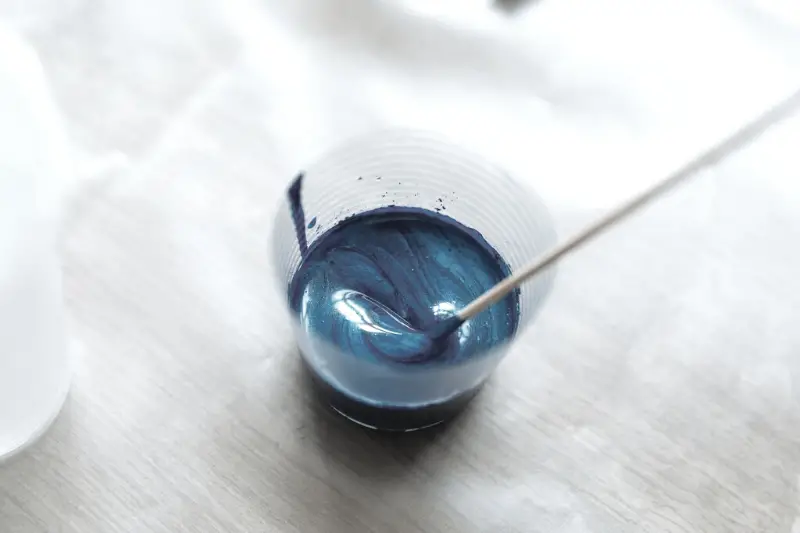
This can be any type of container that is large enough to hold the paint, such as a jar, bowl, or plastic cup. The amount of paint you need would depend on the size of container, so make sure you create your desired shade in all the quantity you want in one go. Chances are that you might not get the exact same shade next time unless you are extremely precise with the pigment mixing.

Mixing tool: 

This can be any type of tool that is suitable for mixing paint, such as a stir stick, palette knife, or brush. You can use anything to mix the paint thoroughly just make sure your paint is evenly mixed with the brush or stir stick so it coats evenly on the desired surface.

To make the navy blue paint, follow these steps:

Step 1:

Begin by mixing a small amount of blue pigment into the base paint. Use a small amount of pigment at first, and gradually add more until you achieve the desired shade of blue.

Step 2: 

Mix in a small amount of black pigment. Adjust the amount of black pigment until you achieve the desired shade of navy blue.

Please note here that you can alternately keep adding the colors to achieve the desired shade, there is no hard-and-fast rule to it, just go with what your heart desires. 

Step 3: 

Once you are happy with the color, transfer the paint to a storage container. Be sure to label the container with the date and the ingredients used. It is recommended that your mention the ingredients for future reference. 

Step 4: 

When you are ready to use the paint, stir it well before applying it. You may want to thin the paint with water or other medium if it is too thick or viscous. Just make sure to use what goes with the base paint. If it is waterbased you can use water, if it is oil based you can use relevant solvents. 

Step 5:

Use your navy blue paint as desired, following any specific application instructions for the surface you are painting. Enjoy your homemade paint!

Note: You may want to experiment with different ratios of blue and black pigments to achieve the exact shade of navy blue that you desire.

You can also try adding other pigments or ingredients to the mix, such as white to lighten the color or glaze medium to create a glossy finish. Have fun and be creative!

FAQs

How to make navy blue without black?

Other colors that may be used to create navy blue include purple, green, and brown. Mixing these colors with blue can produce different shades of navy blue with different undertones. Experimenting with different shades and ratios of these colors can help achieve the desired navy blue hue.

Which is darker navy blue or royal blue?

Navy blue is generally a darker shade of blue compared to royal blue. Navy blue is a deep, rich blue almost resembling black, while royal blue is a brighter and more vibrant blue with a red or purple tinge.

Is cobalt blue and navy blue the same? 

Cobalt blue and navy blue are not the same color. Cobalt blue is a bright, vivid blue with a strong red or purple tinge, while navy blue is a deep, rich blue that is almost black. Cobalt blue is generally considered to be a more vibrant and attention-getting color than navy blue, which is often used as a neutral or background color. However, the specific shades of cobalt and navy blue can vary, so it’s possible to find versions of these colors that are closer in hue.

Final Words:

In conclusion, making navy blue paint at home is a fun and rewarding project that allows you to customize the color and finish to suit your needs. By mixing blue and black pigments with a base paint, you can easily create a wide range of shades of navy blue to suit any project. This method is an excellent way to save money, experiment with different pigments and finishes, and enjoy the process of DIY. 

You can check out our blogs on what is the best time of the year to paint your house and also which temperature and humidity levels are best for interior painting of your house. 

pexels romka 2065650 Does Paint Dries Darker Or Lighter - The Astonishing Science

Does Paint Dries Darker Or Lighter – The Astonishing Science

Have you ever wondered why the color of the paint inside the paint bucket looks different than the paint that dries on the walls? This is because some paints appear darker, while some may dry down and become lighter.

After drying, the paint appears darker if it is too glossy and lighter if the sheen factor is none or negligible. Flat paints and matt finish always dry out lighter. Surroundings within the room also plays a part in making the paint appear darker or lighter. Brighter areas bring out the true shades of the paint. 

Before you finalize the renovation of your room, it is important to understand that there may be instances where the color on your walls may appear slightly different from what you have imagined. Sometimes the differences go unnoticeable. However, you must be prepared for things going north. I can help you understand the science behind it.

Effect of sheen on paint color

The paint sheen is the glossiness of the paint finish. It refers to the amount of shine and lustre a paint gives off. Choosing a sheen is as important as choosing the type and color of paint for your walls. 

Paint sheen can alter the perception of color. Depending on the type of sheen used, it makes the color appear bright and vibrant or matte and flat. Paint sheens come in various categories based on how much light they reflect off the paint surface. 

Matte Finish

Matte finishes neither absorb nor reflect light giving off a smooth flat film. Instead, they have a low gloss percentage, making the paint appear natural. Unlike the flat finish, which pulls away the attention from the paint on the wall, the matte finish has a soft glow. 

It is ideal for hiding flaws and can easily be used on textured or damaged walls. 

Gloss Finish

The gloss finish is the highest reflecting sheen among all others. It provides maximum shine and durability to any surface it applies to. The high gloss percentage makes the paint color look darker, brighter, and most vibrant of all. 

The gloss finish can be applied to any surface you want. However, one thing to remember is that it highlights the flaws and imperfections of the surface you are painting over.  

Satin Finish

Satin finishes are slightly reflecting and give off a soft shimmer when applied. The gloss percentage is higher than that of matte and eggshell finishes, making the paint colour darker. Due to its versatility, a satin finish is among the most preferred sheen coats. 

Satin finishes can be used over ceilings, walls, doors, trims, windows, kitchens, garages, and other surfaces as its very versatile.

How to Maintain the Originality of Paint? – Must Know Tips and Tricks

Time for your yearly room renovation? We want your paint to turn out exactly how you imagined. However, besides having the skills, time, energy, dedication and patience, here are a few tips I have gathered for you from my painting experience. These tricks would help you achieve an even color coat throughout the walls.

1. Mixing the Paint Properly 

The paint thoroughly before applying it to the wall. If you paint a larger surface area, ensure that you mix together all the paint buckets. Sometimes, the amount of pigment varies inside different paint buckets, which could lead to differences in the color output.

2. Quality over Quantity

Tie a knot for this rule as it applies strongly to paints. Always purchase paints recommended by the experts. Read reviews and compare brands to get the best quality paint to maintain color on the walls.

3. Primer is Essential

A factor that hinders painting output is missing out on the primer. Some people perceive primers as an additional cost. However, what you don’t know is that the primer is also an excellent color enhancer. Using a primer before you start painting can help you achieve the exact color you want.

4. Avoid Unnecessary Touch Ups

Touching up your paint may cause intense colored patches on the walls. Instead, to achieve an even tone color, let the surface be as it is or consider applying an additional coat to the entire wall. 

5. Checking Temperature

The painting above 60 F is a great idea to maintain the consistency of paint throughout, resulting in an equal paint coat, and the color is also maintained.

6. Optimal Humidity

Wet paint is slightly different in the shade than the same paint when it is dry. Ensuring painting ideal humidity, which is 50% to 70%, you can obtain the same shade of paint as you can see on the sample patch outside the paint can.

Does paint dries DArker Or LIGHTER

Paint can appear to dry either darker or lighter, depending on a variety of factors.

One factor is the type of paint you are using. Some types of paint, such as latex or acrylic, tend to dry slightly lighter than they appear when wet. This is because the paint dries by evaporation, and the water or solvent in the paint evaporates as it dries, leaving behind the pigment and binder. The remaining paint film will be slightly thinner and less intense in color than the wet paint, which can make it appear lighter.

Other types of paint, such as oil-based paint, tend to dry slightly darker than they appear when wet. This is because the solvent in oil-based paint (usually mineral spirits or turpentine) takes longer to evaporate than the water in latex or acrylic paint. As a result, the paint film has more time to oxidize and dry before the solvent has evaporated, which can cause the paint to darken slightly as it dries.

Another factor that can affect the final color of the paint is the thickness of the paint film. If the paint is applied in a thin layer, it will dry lighter than if it is applied in a thick layer. This is because the paint film will be thinner and less intense in color when it is applied in a thin layer.

Finally, the color of the paint can also be affected by the lighting conditions in the room where it is applied. Different lighting conditions can make the paint appear lighter or darker, so it’s a good idea to view the paint in different lighting conditions to get a sense of its final color.

Frequently Asked Questions

Does the second coat make paint darker?

No, applying a second coat of paint won’t make it any darker. The initial dark appearance when a second coat is applied is due to the wet paint’s reflective quality. Wet paints appear darker in the shade, but as soon as the solvent evaporates, the pigments resume their original shade. 

Does sheen change the color? 

Paint sheens cannot change the original color of paint. However, they can make the color appear dull or bright depending on the type of sheen used. For example, gloss finishes offer a high reflection of light and thus make the paint appear darker. On the other hand, flat or matte finishes offer low reflection making the paint look dull and light. 

How long does it take for paint to dry to true color?

The paint shows its true colors once it has dried and cured completely. Wet paint reflects the light differently, which makes it appear a different shade. 

Latex paint dries in about 2 hours but takes almost 30 days to cure completely, while oil-based paints dry to touch in 6-8 hours and take seven days to cure completely.

Does paint blend when it dries?

No, the paint can not be blended after it has dried. Since the water has evaporated from the previous paint coat, the new coat of paint will not blend into it. Because of this, touch-ups produce different results than the original painted wall, and the shade is slightly different. 

If you try hard and mess up your hands with paint you can always check out our blog on how to remove paint from your skin and nails.

Wrapping it up 

Choosing the right shade and the optimal quality of paint are the two most essential factors that determine the outlook of the paint inside your rooms. Followed by the techniques used to apply the paint.

However, how paint dries depends on the sheen of the paint. You may also notice that the color of surrounding objects and furniture affects whether paint turns out lighter or darker. 

Keeping the sheen type and furniture color in mind, you can expect how your color will turn out. Knowing the science behind whether paint dries up darker or lighter is better than being disappointed in the final shade.

pexels karl solano 2883049 Can You Use Exterior Paint On Furniture - Important Facts

Can You Use Exterior Paint On Furniture – Important Facts

Exterior paint is hard-wearing and capable of resisting a lot of wear and tear; everything you want from your furniture paint. However, a major concern many homeowners have is, ‘Can you use exterior paint inside?’

While I understand how tempting it can be to utilize leftover exterior paint on indoor items like furniture, trims, and doors, it’s better to understand the basics before you start.

Yes, you can use exterior paint on furniture, but it’s not recommended due to the high levels of VOCs it contains. However, hybrid or low-VOC exterior paint are good options since they offer the durability of exterior paint without health risks.

Wood paint and lacquers are best suited to wooden furniture; therefore, you can’t expect exterior paint to adhere similarly to a wooden surface.

So, invest in quality wood paint if you’re planning to paint furniture inside your home. But, if you’re on a budget and want to save the wall paint left after renovation, I can help you make it work on furniture for lasting results.

Does exterior paint work on furniture?

Before we dive into the nitty gritty details of using exterior paint inside your house, it’s crucial to find out if exterior paint works at all on furniture.

The short answer is: Yes, it does!

Exterior paint is, after all, a highly durable form of wall paint that’s designed to resist water, wind, hail, mold, and several other environmental stressors. Therefore, when you apply exterior paint to the wood properly, it delivers a lasting finish.

Still, exterior paint isn’t formulated for wooden surfaces, making it necessary to prime your furniture before going in with the paint coat.

Should you use exterior paint on furniture?

Now that you know the answer to ‘Can you use exterior acrylic paint inside,’ let’s come to the next important question: Should you apply exterior paint to furniture or not?

If we talk about paint formulation, exterior paint is designed to work on surfaces like stucco, fiber cement, brick, etc. In contrast, wood paint is specially created to last on wooden furniture, making wood paint an obvious choice.

However, this doesn’t mean using exterior paint on furniture is a strict no-no. In fact, there are different ways you can make exterior paint finish last on furniture without compromising your family’s health.

How to color furniture with exterior paint

Exterior paint isn’t designed for furniture, but you can still apply it if you want to. I would recommend starting with water-based paint if you’re a newbie. Oil-based paints can be difficult to work with, especially for beginners.

Another thing you should be mindful of is that exterior paint is supposed to be used outdoors; therefore, it’s best to bring the furniture outside your home to paint. This will also help ensure you don’t inhale harmful VOCs the formula may contain.

Also, remember to wear protective gear, including a mask and gloves, when using any exterior paint. And in case you get stuck with color on your skin or hair, you can read my blog to figure out how to remove it safely.

Here’s a step-by-step guide to help you color your furniture with exterior paint.

Step 1- Clean the surface

Before you begin the painting process, it’s crucial to clean the surface thoroughly. You can use a damp cloth to wipe away superficial dirt and grime. However, if your furniture needs a deeper cleaning, don’t hesitate to apply a suitable stain remover to scrub it off. 

Once you’ve cleaned the wood surface, allow it to dry properly.

Step 2- Remove the old layer of paint

If your furniture has been painted previously, it’s probably chipping or peeling away. Not removing the old layer means the new top coat will not get a chance to adhere to the surface completely.

An effective way to scrape old paint is by using a metallic scraper. While you may not get rid of the entire layer, you will remove most of it.

Step 3- Sand the furniture

Sanding the surface gives the primer and paint a smooth surface to adhere to. So, make sure to give this step ample time and remove any surface inconsistencies. 

Step 4- Fill in the wood cracks

Natural wood has inherent surface imperfections, so to get a consistent base, you should cover any cracks or nail holes in the wood. You can use a good quality wood filler and a putty knife to do the job.

Allow it time to dry after filling in the cracks, and then sand again to prepare the surface for primer.

Step 5- Apply primer

Many exterior paints have a primer mixed in their formula. While the 2-in-1 colors work well on exterior walls, they can deliver different results on wooden furniture. Another point of consideration is the durability of the paint finish on furniture. Applying a primer ensures the surface is adequately prepped for the color coat.

If you’re wondering, ‘Can I use exterior primer inside?’ the answer is yes! Just make sure to use the same type of primer and paint. For example, the color should also be water-based if your primer is water-based.

Cover the surface entirely with two to three layers of primer. Once the second coat is on, sand the surface to create some texture. This will help the paint stick to your furniture pieces properly. Remember to clean the sanding residue when you’re done.

Step 6- It’s time to color

If you’re going to use an old stored spray paint, check if its nozzle is clogged before you begin. In case it needs unclogging, you can check my blog for quick tips and tricks to unclog the spray paint nozzle.

Spray paints are easier to use but if you plan on applying liquid paint, use a high-quality foam roller or brush. Foam applicators ensure a streakless finish and also help avoid paint drips and overlapping paint lines that are normal with bristle brushes.

Apply two to three coats of color, giving each layer enough time to dry before proceeding with the next one. 

For a flawless finish, sand in between coats to remove any imperfections.

What happens when you use exterior paint indoors?

Despite the tough appearance of exterior paint, it’s not recommended for indoor use. A significant reason is the high level of VOCs that exterior colors contain. When you use the same paint outdoors, you are saved from inhaling the toxic fumes as they evaporate. However, the tables are turned when you apply exterior paint inside your home.

Inhaling VOCs can be hazardous to health, and according to the American Lung Association, it can irritate the eyes, nose, and throat. The potent fumes are also known to cause difficulty in breathing and nausea. And in extreme cases, it can impair the central nervous system and other organs. You can read this blog for more information on VOCs and their impact on health.

If you’ve accidentally used exterior paint indoors on furniture, you should keep it outdoors for a few days. Since most VOCs are released in the next 48 hours after painting, placing the furniture outside your home can reduce the health risk.

In case that’s not possible, keep your home well-ventilated for some days or use an air purifier to mitigate the effects of VOCs.

If you want to learn more about the differences between interior and exterior paints and why they’re not interchangeable, check out my blog for a detailed comparison.

Which exterior paint is best for furniture?

When searching for the best exterior paint for furniture, we are looking at two things:

  •  Which exterior paint is safe for indoor use?
  • Which exterior paint provides a durable finish on furniture?

Which exterior paint is safe for indoor use?

Today, paint manufacturers acknowledge the need for low-VOC paints and design exterior paints so that they emit minimum VOCs. You can also find hybrid paints in the market that can be used outdoors and indoors.

So, if you plan on applying the same paint on your exterior walls and furniture, it would be best to opt for low-VOC or hybrid paint. This way, you can enjoy the best of both worlds: long-lasting furniture paint without any health risks.

A good example is the Rust-Oleum Painter’s Touch Multi-Purpose Enamel Paint, which can be applied to various indoor and outdoor objects such as wood, masonry, and metal. It has a semi-gloss finish which looks more attractive on wooden furniture compared to satin and eggshell finishes. The multi-purpose paint has a water-based acrylic formula with low odor, making it ideal for indoor use.

61ccWrqmLrL. AC SX300 SY300 QL70 FMwebp Can You Use Exterior Paint On Furniture - Important Facts

Another all-rounder is THE ONE Paint & Primer, which is ideal for both indoor and outdoor use. You can apply it to surfaces such as walls, front doors, furniture, and even brick and stone. This water-based paint is non-toxic with low odor and ultra-low VOC. So, if you’re looking for safe interior and exterior paint, you should definitely consider this option.

616+mwaP4SL. AC SX300 SY300 Can You Use Exterior Paint On Furniture - Important Facts

The Montage Signature Interior/ Exterior Paint is an excellent choice if you favor environmental-friendly and pollutant-free paint finishes. This low-sheen paint can be used on interior and exterior surfaces and is available in over 20 shades. So, you have plenty of color options to choose from for your furniture.

Can You Use Exterior Paint On Furniture - Important Facts

Which exterior paint delivers lasting results on furniture?

When it comes to durability, exterior paints can give other colors a run for their money but what’s important to know here is if they perform well on wooden furniture.

There are two main types of exterior paints:

  • Water-based/ Latex
  • Oil-based/ Enamel

There was a time when professional painters swore by the superior durability of oil-based paints. But thanks to modern technology, water-based paints can offer an equally good finish now. So, which one should you choose for furniture?

Technically, you can use either of them because each has its advantages and disadvantages. Here’s a side-by-side comparison of the two to help you narrow down the right choice.

Water-based paintsOil-based paints
Dries quickly but takes longer to harden fullyHardens much quicker than water-based paints
Low-odorHas an unpleasant odor
Low VOCsHigh VOCs
Non-yellowingYellows over time (predominantly white shades)
Low level of sheenHigher level of sheen
Less durable (Prone to chipping)More durable

While water-based paints have no health hazards, oil-based paints deliver a more durable, high-sheen result on furniture.

This leaves you with two options. You can buy low-VOC oil-based paint or superior water-based paint suitable for wooden surfaces.

When is the best situation to apply exterior paint to furniture?

While it’s not recommended to use any other type of paint on furniture other than wood paint, there are a few situations when exterior paint seems like a good fit.

Painting outdoor furniture, for example, patio chairs, tables, etc. with interior paint is a good idea. After all, the paint’s formula is designed to withstand environmental stressors. And since the furniture is expected to endure weather elements like wind, rain, and ice, exterior paint can protect it from damage while providing durability to the paint finish.

Another perk of using exterior paint on outdoor furniture is that there’s no need to worry about harmful VOCs. Hence, you can apply any variant, whether water-based or oil-based, on your furniture.

Can I use exterior paint on the inside of my front door?

Yes, it’s alright for you to use exterior paint on the inside of your door to match its front view. However, you should remain mindful of the health risks that high-VOC exterior colors are accompanied by. So, if you choose to paint the inside with exterior paint, make sure it contains minimum VOCs or is a hybrid paint.

Can you use exterior paint in a bathroom?

Bathrooms are generally closed spaces with little ventilation. Therefore, applying exterior paint inside a bathroom on cabinets and shelves may pose health risks. If you need to color the furniture pieces inside your bathroom with exterior paint, it would be best to paint them outdoors. You can leave them outside for two to three days before installing them back in their place inside the bathroom.

In case you’re confused and thinking, ‘Can I use exterior paint on drywall inside my bathroom?’ you should avoid painting your interior walls with exterior paint. 

Can I use exterior paint inside my garage?

Absolutely! You can color inside your garage with exterior paint, but you must ensure the room is adequately ventilated. Consider leaving the garage door open while you paint to facilitate air circulation. This will help reduce the effects of paint fumes.

FAQs

What is the difference between exterior and interior wood paint?

Exterior wood paint is formulated to withstand moisture, mildew, and fading caused by sunlight. On the other hand, interior wood paint is designed to be easier to clean and durable enough to tolerate daily wear and tear.

Is it better to brush or roll paint on furniture?

You can use a mix of brushes and rollers to paint your furniture for the best results. Large plain surfaces can be rolled on, while narrow grooves and curves are better painted with a brush.

Does exterior paint make wood waterproof?

Using waterproof exterior paint on wood helps seal its surface and protect it from moisture and water. However, if holes and cracks appear on the wood over time, the exterior paint can no longer stop the water from seeping in.

Does exterior paint keep wood from rotting?

Exterior paint is formulated to withstand rotting from environmental stressors; therefore, applying the same color to wood ensures that its surface remains safe from wood rot.

What happens if you paint over rotting wood?

Painting over rotten wood means you will only mask the damage and not undo it. Eventually, the rot will find its way to the surface, ruining the appearance of your paint job.

Conclusion

Exterior paint is undoubtedly more durable than any other paint type. Therefore, it only makes sense to apply it to your furniture, hoping its paint finish would last too. However, you must sand and prime your furniture before using the paint to maximize its longevity.

Now that you know the answer to ‘Can you use weather shield paint indoors’ remember to use low-VOC or hybrid paint for indoor pieces to avoid any health risks.

pexels max vakhtbovych 8146147 What Is The Best Paint Finish For Interior Ceilings

What Is The Best Paint Finish For Interior Ceilings

Selecting the best paint finish for ceilings among all the options available can be confusing. Is flat better than an eggshell finish? Or is semi-gloss finish the ideal paint for creating an inviting open space? Getting these answers before you start a DIY paint job is crucial to help you make a careful selection that’s durable and attractive.

The most popular choice for interior ceiling paints is a flat finish because it conceals surface imperfections and gives your ceiling a clean look. Since ceilings aren’t exposed to a lot of wear and tear, the lack of washability of flat paint isn’t a major concern for users.

Although most homeowners prefer a flat finish, there are some drawbacks to using the paint. To counter those problems, eggshell and satin finishes are also becoming popular as durable ceiling paint options. 

Let’s find out how to select an ideal ceiling finish for individual rooms without compromising quality and durability.

Which paint finish is best for ceilings?

Flat finish

Flat finishes are ideal for ceilings because they are the most forgiving when it comes to surface imperfections. They effectively hide blemishes without calling attention to the ceiling in particular. The non-reflective finish of flat paint reduces glare from artificial lights overhead and creates the illusion of open space.

However, there’s a downside to this paint, and that is they’re not as easy to clean compared to other glossier finishes, but that shouldn’t be a concern since there are usually no spills on the ceiling anyway.

Matte finish

Matte finish paints are similar to flat, but with a slight sheen. They absorb light and effectively cover any surface imperfections on the ceilings. Another perk of using this paint on the ceiling is that you don’t need several coats since it’s highly pigmented and delivers excellent color payoff.

The only downside to matte paint is that it’s not easily cleaned, but that shouldn’t be a problem if it’s used on the ceiling.

Satin finish

Satin finishes are also good options for ceilings. It has a velvety soft finish with a small amount of sheen, which looks flattering. Satin sheen helps add warmth to a room and makes it feel more inviting.

Eggshell finish

The Eggshell paint finish is another durable choice for ceiling paint. It is slightly glossier than satin, with some texture on it. It’s a popular choice among homeowners who don’t want their ceilings to look dull and inconspicuous. The eggshell finish also adds character to your ceilings and makes them a noteworthy part of the room.

Here’s how the finishes fare against each other:

TYPE OF PAINTFlat FinishMatte FinishSatin FinishEggshell Finish
Is it durable?It doesn’t last as long as other finishesIt is more durable than a flat finishYesYes
Can it be easily cleaned?NoNoYesYes
Does it cover ceiling imperfections?YesYesYesNo, the sheen highlights surface imperfections
What is the sheen level?No sheenVery Low SheenLow sheenLow sheen
Details about the preferred Ceiling Paint for Interior Walls

Should ceiling paint be flat or eggshell?

Choosing between flat and eggshell finish is a personal choice because they’re both excellent options for painting the ceiling.

If you have an accent wall in a room, you’d want to draw attention to it and not the ceiling; therefore, flat paint will work better in that case. On the other hand, if you’ve chosen a matte finish for all the walls in a room, an eggshell finish on the ceiling will add some depth to the overall look.

Another factor you should consider is the room where you want to paint the ceiling. Does your room require washable ceiling paint? Like the bathroom or the kitchen. If that’s the case, you should prefer a finish with some sheen to easily wipe away dirt, food splashes, mold, etc.

If your house has high ceilings that hardly require any cleaning, a flat finish will work perfectly and last as long as any other glossier finish.

Best paint for ceilings- Flat or satin?

A flat finish looks clean and crisp on ceilings, but many homeowners find it too dull for their taste. They opt for satin paints because it has a low sheen that looks flattering on both walls and the ceiling. Satin finish generally looks more soothing to the eyes, regardless of whether it is white or some other color.

Another reason for choosing the satin finish for ceilings is that its low sheen makes it easier to clean compared to flat paints and doesn’t highlight surface imperfections.

The right paint finish according to room type

Did you know that you don’t have to use the same ceiling paint in every room? That’s because only some spaces need washable paint, and most rooms can do without touch-ups for many years.

Best paint finish for kitchen

Here’s a question that I often hear, ‘What paint finish is best for kitchen ceiling?’ and my answer is always the same: ‘One that you can clean.’

pexels max vakhtbovych 7061668 What Is The Best Paint Finish For Interior Ceilings

Kitchen ceilings see a lot of cooking action every day- from blender jug mishaps to sauce splashes; there is a long list of things that can stain the ceiling.

Therefore, you need a paint finish that is durable and washable. While semi-gloss is definitely an option you can try, an eggshell finish looks more aesthetically pleasing on kitchen ceilings.

Best paint finish for bathrooms

Your bathroom ceiling has to pay the price for all those steamy showers you enjoy during the winter. From splashes to sprays and lingering mists, bathrooms have plenty of moisture to trigger the bubbling and peeling of the ceiling’s paint.

For this reason, you need a lasting finish that withstands moisture and remains to look good as new for longer.

pexels max vakhtbovych 6436764 What Is The Best Paint Finish For Interior Ceilings

An eggshell finish is better suited to such spaces since it is mold-resistant and washable. And if you apply flat paint on your bathroom ceiling, it may result in the paint peeling over time.

Best paint finish for living room and bedrooms

Living rooms and bedrooms can get away with less durable paints on the ceiling because the chances of splashes, mold, and mist are almost non-existent there. Flat colors are ideal for these rooms because they don’t draw attention to themselves or take away from the space’s décor.

pexels max vakhtbovych 6238614 What Is The Best Paint Finish For Interior Ceilings

Qualities you need from ceiling paint

Before you pick out the best finish for ceilings, let’s first understand how we want the ceiling paint to perform. This will help you figure out which paint sheen is better suited to your needs.

1. Make the room look bright and spacious

The ceiling is often overlooked in a home DIY painting project, but the truth is giving your ceilings a fresh coat of paint can elevate the entire appearance of your room. So, the first thing you want from the paint finish is to create an illusion of spaciousness.

Paints with sheen bounce off light; therefore, a high or low-sheen finish will make the room look brighter. Dark colors can make your ceilings appear lower than they are, whereas light hues, mainly white, gives the perception of an open space.

2. Cover ceiling imperfections

Ceilings are often painted in a lighter color compared to the walls. This often results in your eyes wandering to the ceiling every time you look up. For this reason, your paint finish should give a clean look, concealing blemishes and covering any imperfections.

A flat finish is best for camouflaging wall imperfections as it absorbs light. Paints with more sheen reflect light and highlight surface flaws. Hence, a flat finish will help create a smooth canvas that draws attention to the walls if your ceiling is less than perfect.

3. Easy to clean and maintain

Interior paints are subjected to considerable wear and tear, especially in high-traffic areas. This makes the paint’s washability a crucial factor when choosing between finishes. However, all rooms do not require washable ceiling paint, for example, the foyer, living room, staircase, etc.

As a rule of thumb, glossy finishes are easier to clean and washable, making them ideal for rooms susceptible to dirt, grease, and mold, like the kitchen and bathrooms. On the other hand, flat finishes are difficult to clean with water, so you may need to repaint your ceilings more frequently to keep them spot-free.

If you’re interested in learning which paint finishes are washable, check out my blog for more details.

4. Durable and long-lasting

When you paint your house, whether it’s the ceilings, walls, trims, or doors, you want it to last a long time, so you don’t have to repaint it quickly. If we compare different paint finishes, high-gloss is the most durable because it dries to a hard finish and resists wear and tear.

However, high gloss isn’t recommended for ceilings but for trims, doors, and other objects we want to draw attention to. As we move down on the spectrum, from high-sheen to flat paints, the durability of the finish continues to fall. However, eggshell and satin finish sits in the middle, making them lasting and more durable than matte paints.

pexels f h 2747901 What Is The Best Paint Finish For Interior Ceilings

Are flat and matte finishes the same thing?

We have discussed how flat finishes are ideal for ceilings, but there’s always some confusion about whether flat and matte paints are the same. Let me clarify so you can choose a ceiling paint more confidently.

A flat paint finish has zero sheen, while matte paints have a very low level of shine. For this reason, matte colors are also referred to as velvet finish. So, if you want a flat finish for your ceilings but with a hint of sheen, matte paints are what you need.

Can I use glossy paint on ceilings?

Since high-gloss paints are the most durable, you may be tempted to use them on your ceilings. However, you should know that glossy paints are better suited to objects with a smaller surface area. This is why high-gloss and semi-gloss finishes are considered the best paint finish for doors, trims, and window panes.

You can read more about what paint finish is best for doors and trims, so you buy the best type for each of them.

While too much sheen might not look flattering on ceilings, several interior designers prefer to use paints with low-to-mid gloss levels to draw attention to the ceiling. This is because when natural light enters a room, the ceilings often look darker than the rest of the walls. Therefore, a slightly higher level of sheen on the top helps bounce the light around, making the ceiling of the room light up as well.

So, if you want to increase the light in your living space, you can opt for an eggshell, satin, or silk paint finish.

Can I use wall paint on the ceiling?

If you’re repainting your home, you must have probably decided on buying acrylic or latex paint for your walls. It’s normal to wonder if you can apply the same paint finish for walls to ceilings, but no matter how much you’re tempted to paint the whole room with a single paint, stick to ceiling paint to color your ceilings.

Here’s why:

Latex-based wall paints are effortless to apply on walls but tend to drip a lot during the process. Now imagine using the same paint on your ceilings; do you think it will stick properly? Probably not.

The reason is that wall paints have a low viscosity, and that causes drips. Therefore, applying wall paint on ceilings is a recipe for paint drops all over the floor. Not only does that leave you with a hard-to-clean floor, but it also creates unsightly areas on the ceiling that are difficult to fix once the paint dries. On the other hand, ceiling paint has a higher viscosity, and that prevents it from dripping as much as wall paint.

The viscosity difference isn’t based only on observation but can also be measured. The standard unit of viscosity of a Krebs Unit (KU) and most ceiling paints have a higher KU than interior wall paints.

Using ceiling paint will make the painting process smoother and result in neat ceilings. Since it is a higher-viscosity paint, it contains more solids, so you can expect fewer drips and very little paint mist.

FAQs

Are ceilings usually painted in satin or eggshell?

The most popular finish for ceilings is flat color, but many homeowners are moving towards low-sheen options like satin and eggshell paints to add some definition to their rooms.

Why does my ceiling look patchy after painting?

The primary reason why your ceiling may look patchy after paint application is low-grade paint. Sometimes, not applying a thick enough coat of paint can cause the same situation.

Is it still in style to paint ceilings white?

Most homeowners prefer white color because it reflects the most light and makes any room appear brighter.

Should you paint the ceiling or walls first?

It’s always recommended to paint the ceiling first because you don’t have to worry about paint drips or over-sprays. However, you can paint the walls first, too, as long as you hang plastic sheets on the walls when you start painting the ceiling.

Conclusion

Applying a fresh coat of paint on your ceilings can help elevate the entire look of the room. But before you start any project, it’s best to identify which paint type and finish are best suited for that surface.

After reading this article, you can pick paint for your ceiling without worrying about messy application or short-term results. For an even better result, find the best temperature and humidity for interior painting before you start.