How to Prep Walls for Painting: Good Enough Is Enough
How to prep walls for painting the practical way: wash first, patch the obvious flaws, scuff lightly, and spot prime. Skip the full sand-down.

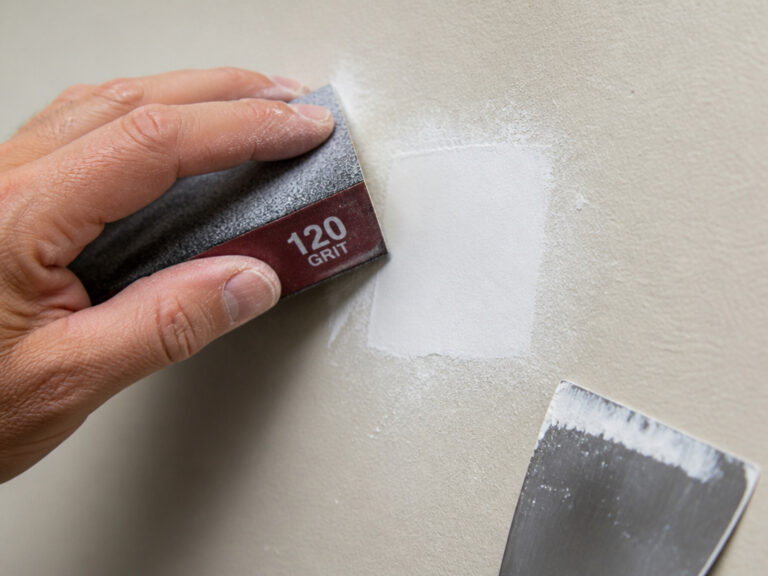
How to prep walls for painting the practical way: wash first, patch the obvious flaws, scuff lightly, and spot prime. Skip the full sand-down.
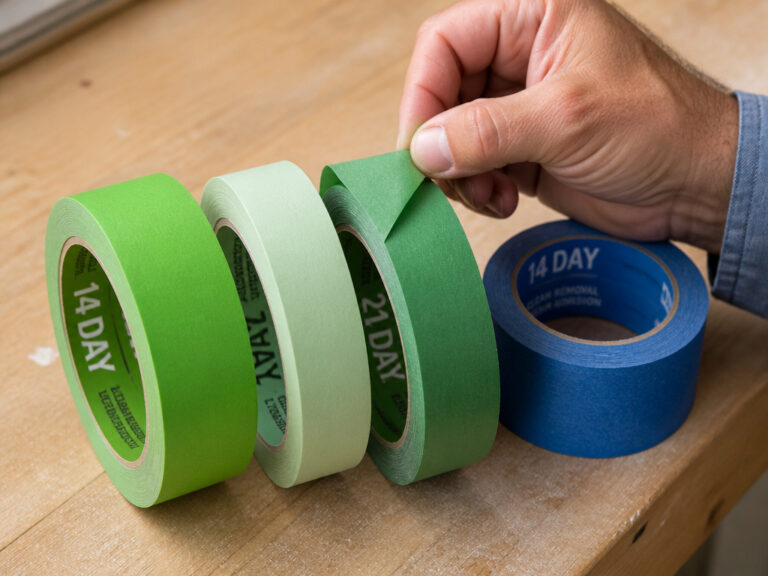
Learn how to choose painter’s tape by removal window, adhesive tier, and surface, with 3M and Shurtape numbers compared side by side.
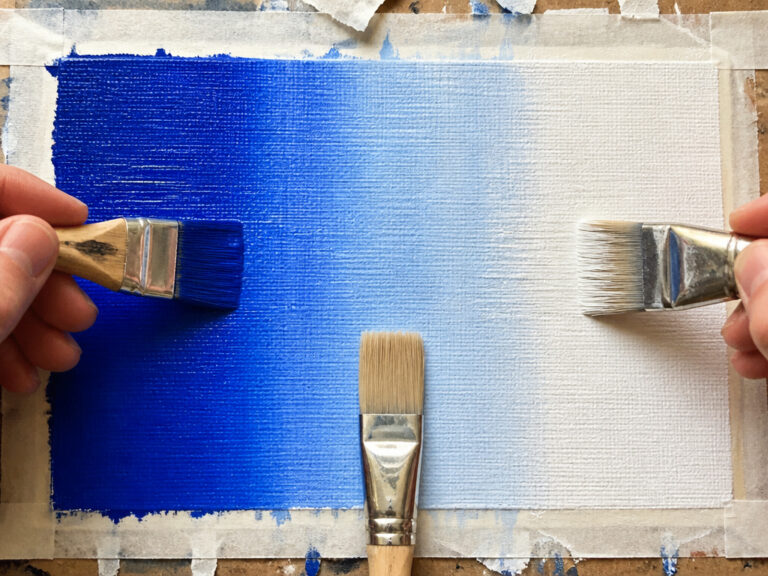
Learn how to blend paint on canvas with matched consistency, light pressure, and clean brushes, plus the wet-to-dry color shift that ruins blends.
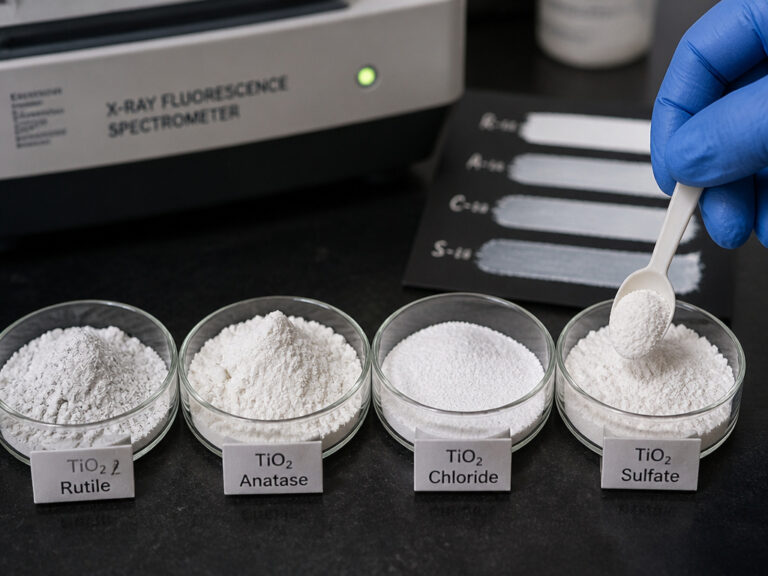
Titanium dioxide is the pigment that makes paint white and opaque. Here’s how it scatters light, why grades differ, and what it does to durability.
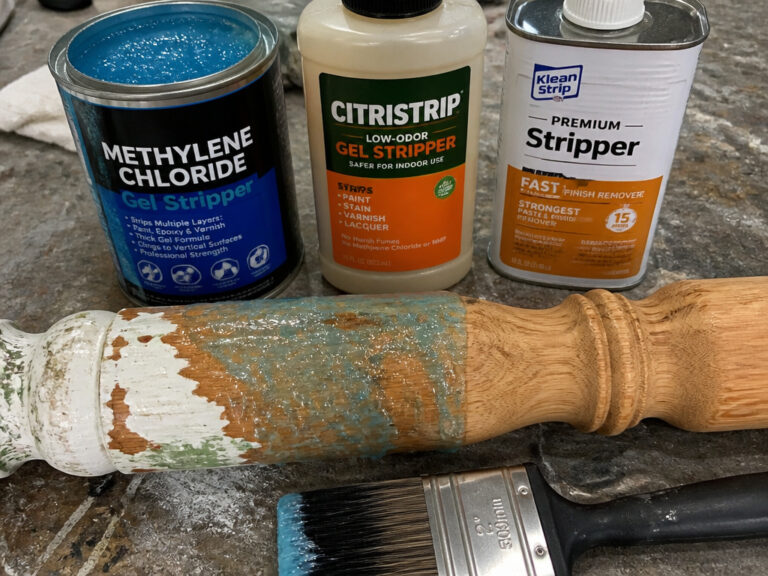
Learn how to strip paint from furniture with a chemical stripper, the right scraper, and the sanding grits that match your new finish. Test a patch first.
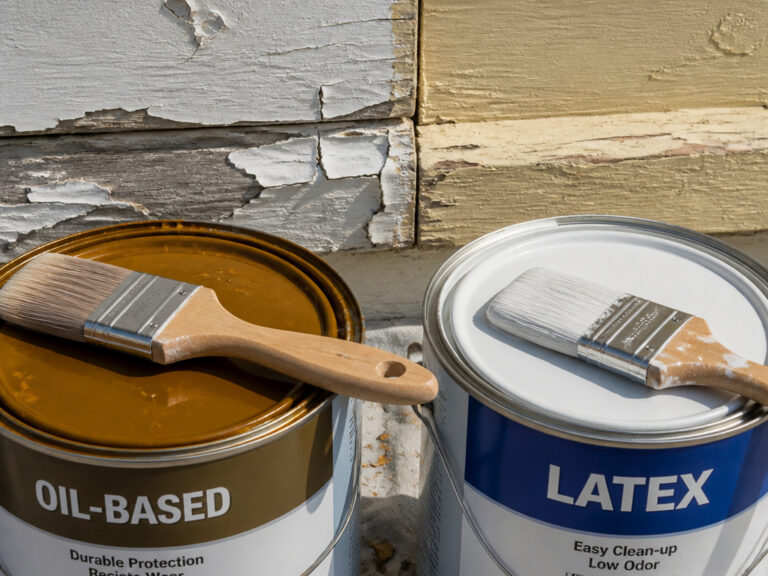
Oil-based paint still wins on doors and trim, but it yellows, chalks, and needs 40 F held for 24 hours. Here’s where it earns its place and where to skip it.
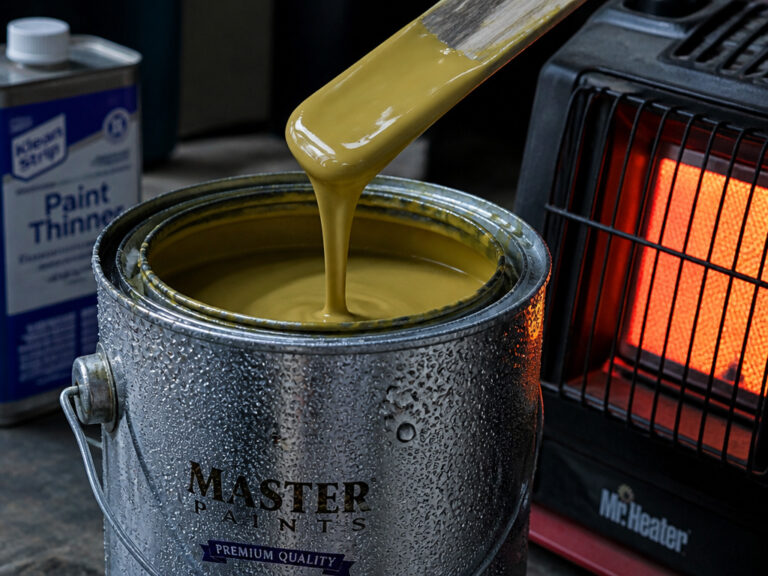
How to thin oil paint using the numbers coating makers actually publish: mix first, add thinner in small steps, and know when thinner ruins the film.
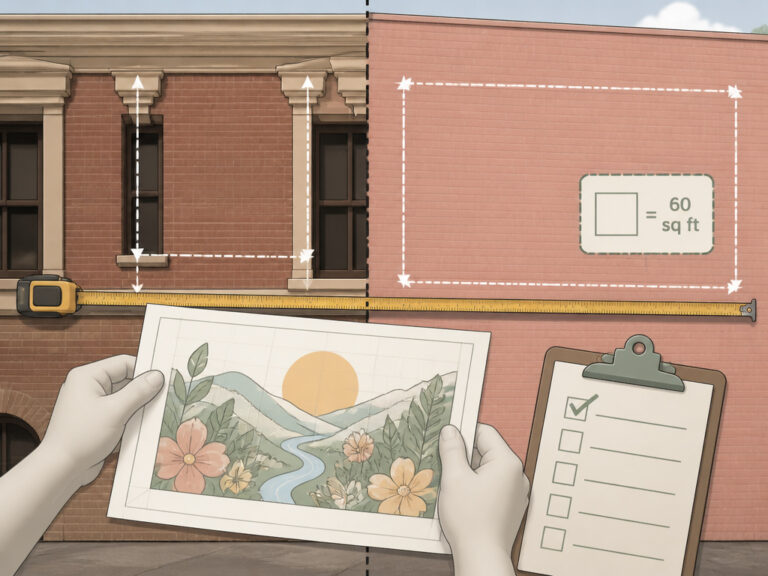
Learn how to plan a mural layout that survives the wall: measure the real support, set border clearances, lock panel seams, and block big shapes first.
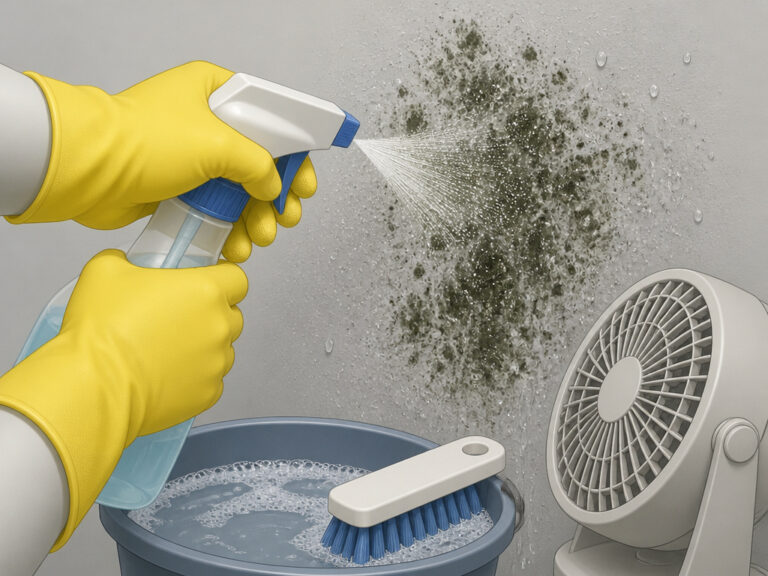
Learn how to remove mold from painted walls the way the EPA and CDC actually specify: size limits, PPE, drying windows, and whether bleach helps.
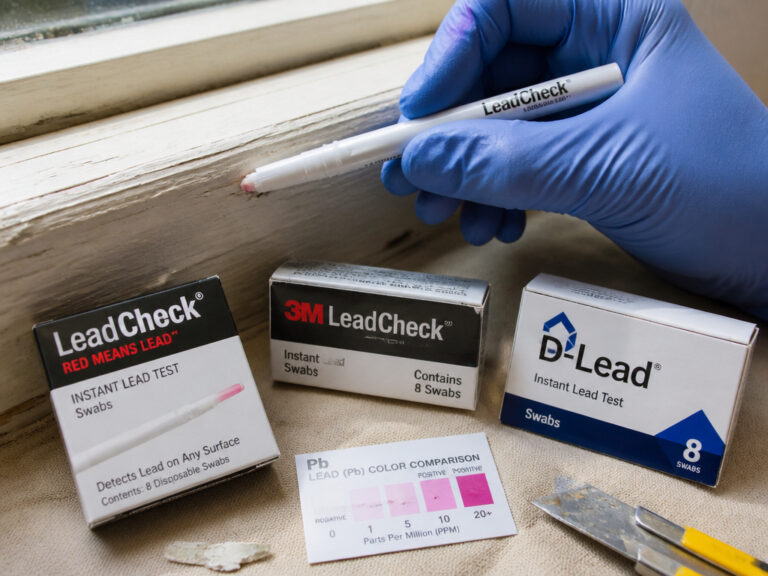
Three ways to test for lead paint, what each one can and cannot tell you, and when to call a certified inspector instead of trusting a swab.