The worn-out showerheads, faucets, or taps, never look good especially when they clash with your freshly updated bathroom. But we also get that changing everything is not so budget-friendly, so what’s the solution?
Well, you can spray-paint your bathroom fixtures!!
We’ve got all the tips and tricks you need to successfully spray paint your bathroom fixtures. From choosing the right type of spray paint to prepping the surfaces and applying the paint, we’ll walk you through each step.
Not only will you save money, but you’ll also give your bathroom a whole new vibe without the stress and expense of replacing everything.
So grab your spray paint and let’s dive in!
Key Takeaways: Spray Painting Bathroom Fixtures:
Yes, You Can Spray Paint Bathroom Fixtures Spray painting is a budget-friendly way to update your bathroom fixtures. Here’s the short version: clean and sand the fixtures, use primer, tape off the surrounding areas, and then spray on even coats. Keep your hand moving steadily to avoid drips, and don’t forget to let it dry completely.
Is It Safe to Spray Paint Bathroom Fixtures?
First, let’s discuss the safety part. It’s completely safe to spray paint the bathroom fixtures.
Although the fixtures won’t look completely new, they can easily give your bathroom a clean and updated look. However, there are a few important considerations for this clean to last long and have the right texture.
For instance, the type of spray paint you’re using, the material of the fixtures, and also the way you apply the spray paint coat. Everything matter! Meaning if you’re after perfection, you need to follow every step mentioned below.
What You Need to Spray Paint Bathroom Fixtures
Remember you need all the items listed below—no shortcuts. It’s all or nothing if you want a professional-looking finish.
Fine grit steel wool/sandpaper: Fine grit sandpaper or steel wool you can pick any one among them. Both of them will work right!
Painter tape: It will help you protect the area around the fixtures.
Plastic drop cloth: Plastic drop cloth can save the bathroom floor and furniture from spray paint.
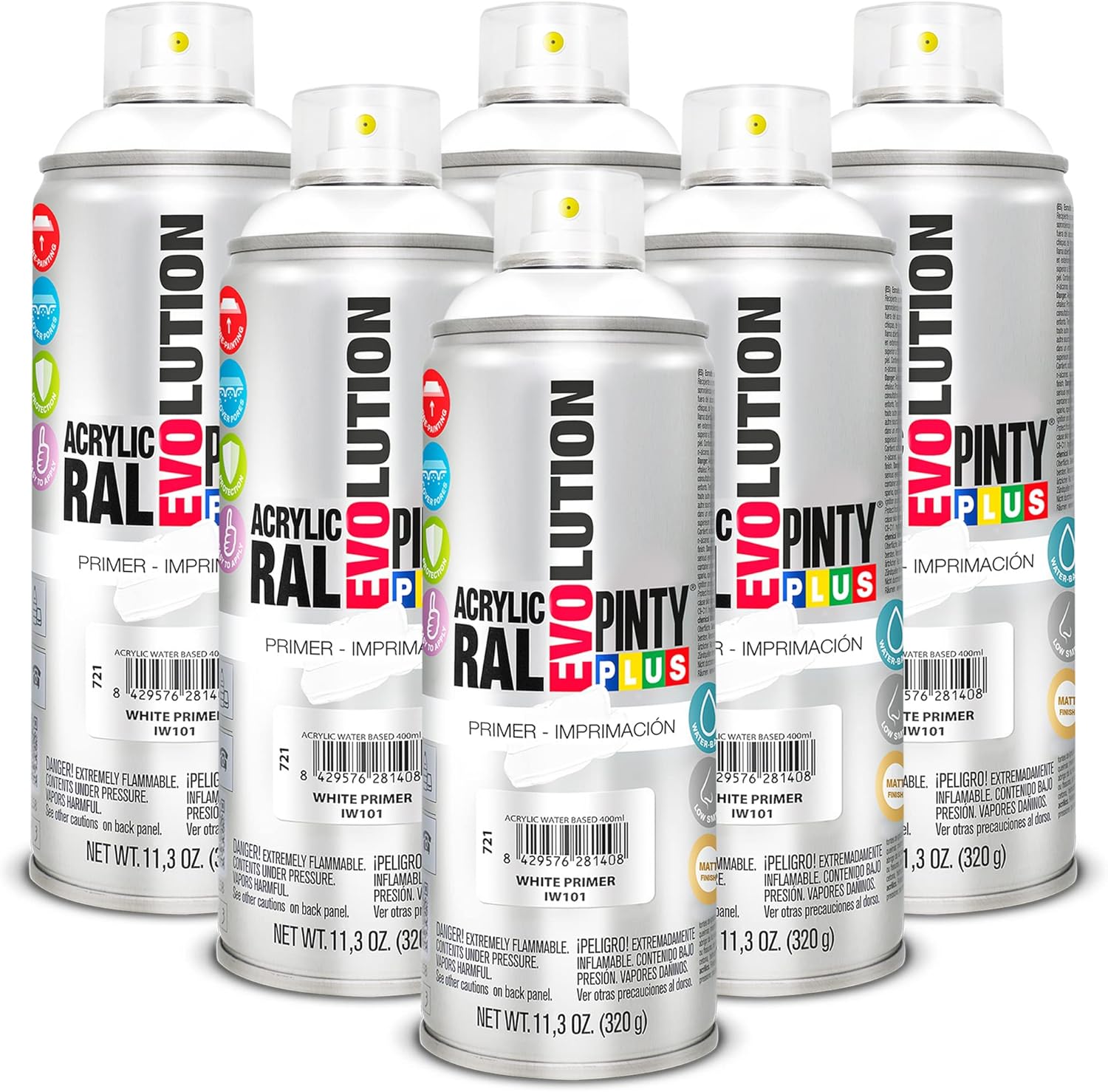
Primer: Primer will help you prepare the surface of the fixtures.
Respirator mask and gloves: The respirator mask keeps you from breathing in fumes, and gloves protect your hands from getting covered in paint.
Spray Paint: Last but most importantly you need a spray paint that’s designed for the metal of fixtures.
4 Tips to Select the Best Spray Paints for Bathroom Fixtures:
Make sure the spray paint is designed for your specific fixture type. Some paints work on metal but not on wood, while others suit multiple surfaces.
The type of finish you want is also important when choosing spray paint. If you prefer a matte look over glossy, choose a spray paint that delivers a matte texture.
For bathrooms, find spray paints that are washable and moisture-resistant; otherwise, the paint could start chipping in a few months.
Invest in high-quality spray paint to ensure it stands up to daily wear and tear. A cheaper option might save you money now, but it could cost you more later if you need to redo the job.
We suggest you choose a matte color for spray paint over shiny options. Glossy paints tend to highlight surface imperfections, even if the surface is prepped well.
5 Simple Steps Guide to Spray Paint Bathroom Fixtures
Now let’s jump into the main part of spray painting the bathroom fixtures.
Step 1: Give It a Deep Clean
The biggest mistake people make when spray painting bathroom fixtures is skipping the cleaning step.
Don’t be that person who sprays paint over dirt and then wonders why it looks terrible. A dirty surface won’t hold paint, and you’ll end up with a patchy, peeling mess.
So, grab a good cleaning solution and a scrubbing brush, and really get in there. You want to remove any grime, soap scum, or other gunk that’s built up over time.
Take your time and clean every nook and cranny.
Step 2: Prep for Fixtures
Now that you’ve given your fixtures a good cleaning, it’s time to prep them for painting. This step is crucial for making sure the paint sticks well and lasts longer.
Grab some fine-grit sandpaper or fine steel wool. Start scrubbing the surface of your fixtures, applying enough pressure to remove any rust or stubborn grime.
Create a slightly rough texture for the paint to grip onto, but don’t go overboard—you just need to take off the top layer of old paint, rust, or anything else that might interfere with a smooth finish.
Once you’ve scrubbed thoroughly, rinse the fixtures with clean water to wash away all the sanding dust. Dry them off completely with a soft cloth or towel. If there’s any moisture left, the paint might not adhere properly, so make sure they’re bone dry then apply a coat of primer.
Step 3: Cover Surrounding Area
Next up is to make sure you don’t accidentally turn your bathroom into a spray paint art project.
To keep paint where it belongs, cover the surrounding area with painter’s tape and drop cloths. Start by using painter’s tape around the fixture you’re about to spray.
After that, lay down drop cloths to protect the surrounding area. Cut a hole in the drop cloth where the fixture is, then tape the cloth securely to the taped area around the fixture.
This way you’ll have a double barrier against the spray paint. If the paint leaks through the first layer of tape, the second layer, plus the drop cloth, will keep your walls and floor safe from accidental splatters.
Step 4: Start Spraying
You’re ready to spray, but before you start, grab the can and give it a good shake. Shake it for at least 60 seconds to make sure the paint is thoroughly mixed.
If you’re new to spray painting, do a practice round on a piece of cardboard first. Hold the can about 15 to 18 inches away and practice spraying in a steady back-and-forth motion. This helps you get a feel for the can and the ideal distance to hold it from the surface.
Maintain steady back-and-forth motion of hand while spray painting, and make sure you cover the entire surface. Since bathroom fixtures can be round or have multiple angles, move your hand in a 360-degree motion to reach all sides evenly.
Be careful not to stay in one spot too long—that’s a quick way to get drips or uneven layers.
Designed for multipurpose (wood, metal, plastic, wicker)
Provides ultra-matte finish (no minor imperfection would be seen)
Suitable for Indoor and outdoor use.
Ensure long-lasting protection
Step 5: Let It Dry
Last but not least, let the spray paint dry. The time it takes depends on the material of the fixtures. You may have to wait an hour or a few hours, but make sure not to touch the fixtures until they’re dry.
Once everything is dry and set, you can reassemble any parts you removed and enjoy your freshly painted bathroom fixtures.
Does spray painting bathroom fixtures last?
Spray painting bathroom fixtures can last for several years, but it depends on how well you prepare and apply the paint.
If you follow the right steps, you’ll have a durable finish. If you cut corners, well, you could end up with a peeling mess.
So, to ensure your spray-painted fixtures stand the test of time, make sure to follow each step mentioned above and use good quality spray paint.
Final Thoughts
Congratulations, YOU DID IT!!
You’ve found the answers to can you spray paint bathroom fixtures along with a way to give your old faucets, showerheads, and taps a whole new look.
Now step back, admire your handiwork, and start planning your next DIY project. Let us know in the comments section if you’ve any other questions for us.
Our love-hate affair with plastic is a modern-day conundrum. No matter how much we detest plastic, it’s still an ubiquitous entity that makes up most of our lives.
And since we really can’t do much about plastic, we can surely upgrade the older pieces to reduce the environmental impact of producing more plastic.
Because of its smooth and non-porous nature, it’s nothing unimaginable to think of the question: Can you spray paint plastic?
Here’s your short and simple answer:
Yes, you can spray paint plastic, but you need to use a special type of spray paint that is specifically designed for plastic surfaces. Regular spray paint will not adhere properly to plastic and will likely peel off.
But we’re definitely not leaving you in the middle of nowhere. We’ve got some tricks up our sleeves to help you overcome the challenge of painting plastic that is notorious for being sleek and impermeable.
Let’s learn how you can be a part of the upcycling movement!
Supplies For Spray Painting Plastic
Just as they say, “A craftsman is only as good as his tools.”
Here are some supplies that you need to make your job easier:
Spray paint: Choose a spray paint that is specifically designed for plastic. There are many different brands and colors of spray paint available, so you can find one that will match your project perfectly.
Sandpaper: Sanding the plastic will help the paint adhere better. Use fine-grit sandpaper (180-220 grit) to avoid damaging the plastic.
Primer: A good plastic Primer will provide a smooth and long-lasting finish to your spray paint.
Drop cloths: Drop cloths will protect your work surface from overspray.
Painter’s tape: Painter’s tape will help you create clean lines and prevent paint from getting where you don’t want it.
Gloves: Gloves will protect your hands from the paint.
Newspaper or cardboard: Newspaper or cardboard can be used to protect your work surface from overspray.
Rags: Rags can be used to clean up spills and drips
A well-ventilated area: Spray painting should be done in a well-ventilated area to avoid inhaling the fumes of the paint.
Steps to Spray Paint Plastic
Here are the basic steps that can help you upgrade all your older items to completely new:
Step 1: Preparing the Plastic Surface for Painting
Proper surface preparation is the key to a durable and flawless finish.
Start by cleaning the plastic surface thoroughly with soapy water to remove dirt, grease, and any existing paint or coatings. Once it’s squeaky clean, allow it to dry completely.
Next, it’s time to give that plastic surface a bit of a rough-up. Sanding creates a slightly textured surface, providing better ‘teeth’ for the paint to grip. Use fine-grit sandpaper and go easy – you don’t want to gouge the plastic.
Step 2: Apply a Layer of Primer
A layer of primer is important to avoid chip-off in the future.
Make sure to select a primer spray based on the size of the object you want to paint. Each primer spray bottle covers a specific square foot area.
Once you have the primer, shake the spray paint and apply one even coat on the plastic surface. After applying the coat, wait at least 10 minutes to let the primer dry (you can wait more depending upon the condition of the primer).
Choosing the Right Spray Paint for Plastic
Don’t just grab any can of spray paint from the hardware store. There are specific paints formulated for plastic surfaces, ensuring that your masterpiece won’t peel off after a few weeks.
When it comes to finish, the world is your oyster. Choose from gloss for a shiny finish, semi-gloss for a subtle shine, satin for a smooth, low-luster look, or matte for an eggshell-like finish.
Step 3: Spray Painting Technique: The Art of Light, Even Coats
Shake the can vigorously for at least a minute to ensure the paint is well mixed. Hold the can about 12 to 18 inches away from the plastic surface and move it steadily back and forth, keeping your hand level.
Apply light, even coats, rather than thick, gloppy ones. Thick coats can lead to drips, runs, and an uneven finish. Let each coat dry completely before applying the next.
Bonus Tips for Smooth Finish:
Your spray bottle should be moving while applying the paint.
Hold the spray bottle vertically and move it as you apply the paint, ensuring that each pass slightly overlaps the previous one for a smooth, even finish.
If you’re new to spray painting, practice on cardboard or another spare surface to get the hang of it before painting your main project.
Use painter’s tape to protect the areas you don’t want to paint for a picture-perfect look.
Apply light, even coats, rather than thick, gloppy ones. Thick coats can lead to drips, runs, and an uneven finish. Let each coat dry completely before applying the next.
For a smoother finish, lightly sand the final coat with fine-grit sandpaper once it’s completely dry. If you want to add extra protection and shine, apply a clear sealant.
Let the paint dry completely before applying another coat of spray paint. Drying times can vary from 10 to 30 minutes or longer, depending on the type of paint. Acrylic and oil paints, for example, may need several hours to fully dry.
To speed up the process, open the windows and door for good airflow. Always let each coat dry completely before adding another, as thicker coats will take longer to dry than thin ones.
Step 5: Seal the Deal
Now comes the fun part – adding color and style with your spray paint! Choose a color that complements the decor of your room or expresses your unique personality.
Apply the spray paint in thin, even coats. Allow each coat to dry completely before applying the next.
For a smoother finish, lightly sand the final coat with fine-grit sandpaper once it’s completely dry. If you want to add extra protection and shine, apply a clear sealant.
Can You Spray Paint Plastic Without Primer
We already know that it’s challenging for paints to adhere to plastics, and you need spray paint specifically designed for the purpose.
However, if you’re spray painting without plastic paint (sometimes that’s all you have and the project is too small to invest in another spray can), you need a medium to help normal spray paint adhere to the plastic’s non-porous surface.
And that medium is primer. Primer helps the paint adhere to the plastic and prevents it from chipping or peeling.
Although spray paint designed for plastic can indeed be used without a primer, we still recommend using one. It’s because primer serves not only to bond the paint to the plastic but also to ensure a smooth, chip-resistant finish.
Troubleshooting Common Spray Painting Issues
Even the most seasoned spray painters encounter hiccups along the way. Don’t panic – we’ve got solutions to common problems.
If your paint is peeling, it’s likely due to poor surface preparation or using the wrong type of paint. Sand the surface again and start over with a primer specifically designed for plastic.
Drips and runs can occur if you apply too much paint at once or move the can too slowly. Keep your coats light and move your hand steadily.
Uneven coverage is often caused by spraying from too far away. Maintain a consistent distance between the spray can and the surface for more even results.
Overspray and Safety Precautions
Overspray, the mist of paint that goes beyond the intended target, can be a pesky problem. To minimize overspray, choose a well-ventilated area to work in and cover surrounding objects with drop cloths or plastic sheets.
When spray painting, it’s crucial to prioritize safety. Wear protective gear, including gloves, goggles, and a respirator, to avoid inhaling harmful fumes. Remember, spray paints are highly flammable, so stay away from fire or open flames.
Avoid exposing the plastic object to heat or direct sunlight. It’s best to spray paint indoors, but if you must paint outside, do so only when the weather is favorable.
Plastic Items You Can Spray Paint
Here are the most commonly asked questions about plastic items that can be spray painted.
Can you spray paint plastic chairs – of course you can!
Can you spray paint plastic cups – easy peasy, lemon squeezy, read our steps above and revamp your cups your style.
Can you spray paint plastic car parts – Yes, you can spray paint plastic car parts. In fact, it is a popular way to customize or repair plastic parts such as wing mirror caps, bumper strips, and spoilers. Here’s our guide to revamp your car door handles. Keep them shiny and rust-free!
Can you spray paint plastic bottles – just like everything else, this too can be painted.
FAQs
What kind of spray paint will stick to plastic?
Just any other spray paint won’t stick to plastic. It is important to use spray paint specifically designed for plastic.
Does paint peel off plastic?
Yes, paint can peel off plastic if it is not applied correctly, or when wrong paint is used.
How do you permanently paint plastic?
To permanently paint plastic, you either need a paint designed for plastic or need to use a primer and a topcoat. Read our steps above for thorough guidance.
Can you spray paint plastic for outside?
Yes, you can spray paint plastic for outside, but it is important to use a paint that is specifically designed for outdoor use. Outdoor spray paints are more durable and weather-resistant than indoor spray paints.
Conclusion
Spray painting plastic is a transformative art form, allowing you to breathe new life into old objects and create unique pieces that reflect your style. Moreover, it’s also a great way to take a step to reduce footprint. After all, mother earth belongs to all of us and keeping it happy and healthy is everyone’s responsibility.
Embrace the process, experiment with different colors and techniques, and don’t be afraid to make mistakes – they’re just stepping stones to mastering the art of spray painting plastic.
Imagine transforming an ordinary, plain cardboard into a vibrant masterpiece with just a can of spray paint.
Spray painting on corrugated cardboard is an incredibly captivating and innovative art form that allows artists to express themselves honestly.
If you explore the world of cardboard spray painting online, you’ll be astounded by the remarkable creations artists can craft with this unique medium.
Here’s the answer to your query: can you spray paint cardboard right away:
Yes, you can spray paint cardboard, but it’s essential to use a primer before applying spray as the primer provides a vital barrier, prevents soaking and ensures vibrant, long-lasting colors. Although you can skip this step, skipping primer makes the work less efficient.
Yet, mastering the art of spray painting cardboard is a complex task. Cardboard is composed of absorbent kraft paper which makes it readily soak up liquids. This property makes it essential to employ a crucial tool in this creative process: a primer.
Our comprehensive guide on spray painting on cardboard will walk you through the essential steps, revealing why primer is a game-changer. While it’s theoretically possible to skip the primer and spray paint directly onto the cardboard, this approach is not only challenging but also highly inefficient.
So, here are the intricacies of this technique, helping you unlock the full potential of your cardboard canvases.
Read along!
Step-to-Step Guide to Spray Paint Cardboard?
Let’s not lie to you; mastering the art of spray painting on cardboard demands patience and precision, especially when dealing with this absorbent canvas. Here’s your step-by-step guide to achieve stunning results:
Assemble your essentials – gloves, safety glasses, and a ventilator mask. Lay out drop cloths, old newspapers, and tape for a mess-free workspace.
Choose a well-ventilated area, preferably outdoors or in a garage, and be mindful of the temperature; spray paint adheres best in moderate conditions.
Shield your surroundings with plastic sheets or newspapers, but remember that the latter may become soggy from overspray. Tape off areas you want to protect from paint.
Elevate your cardboard canvas – vertical positioning is ideal. For cardboard boxes, find a suitable elevated platform for a steady working surface.
Clean and dry surface can prove to be a friendly tool. Before painting, remove any dirt, grease, or tape residue hindering paint adhesion.
Don your safety gear and apply a primer, as previously discussed. You can even craft your own gesso, a handy DIY alternative. All you need is a little white glue, water, and some acrylic paint.
Shake the spray can thoroughly to mix the pigments. Test on spare cardboard or newspaper to assess consistency and determine the optimal spray distance (typically around 10 inches).
Begin with a thin, even first coat. Move methodically from edge to edge to avoid overloading a single spot, which can result in patchiness or damp cardboard. If you’re a newbie, practice spraying the strokes on a scrap cardboard first. Here are more tips for spray painting techniques for beginners.
Allow the first coat to dry for several hours or overnight. Now apply a second coat with the same technique to ensure even color and coverage.
Finish with a sealing coat, whether it’s varnish or a clear coat, providing a protective finish that enhances your cardboard masterpiece. Discover more about sealers in the next section. Your patience and skill will transform cardboard into an artistic canvas worth celebrating.
How Can You Spray Paint Cardboard without Applying Primer?
While it’s a tightrope walk, mastering the art of spray painting on cardboard can be a rewarding feat. It’s best achieved with acrylic or oil paints and a steady artistic hand. However, it requires plenty of patience and precision.
The creation of a perfect painting often involves applying multiple layers of color. The key is to allow each layer to dry before adding the next. Unlike traditional brushwork, spray painting requires steady hand and nozzle control to prevent oversaturation, which can lead to uneven patches or soggy cardboard, ruining your project.
If you haven’t primed the cardboard, applying a thin first coat of spray paint is essential to prevent excessive absorption. While the paint may look great when you apply it, you’ll notice that the cardboard absorbs some of the color as it dries, leaving a faded finish. So, apply multiple thin coats, letting each dry thoroughly to reveal your masterpiece layer by layer.
Pros and Cons of Spray Painting without Using Primer
It is important to note that there are both pros and cons to spray painting without using a primer. The ultimate decision depends on the type of project you’re working with.
Pros
Cons
Quick and convenient application.
Reduced paint adhesion, leading to peeling.
It saves time and effort in the preparation stage.
Uneven paint coverage and color variation.
It can be cost-effective, as no primer is needed.
Increased risk of the substrate absorbing the paint.
Suitable for some small, non-porous surfaces.
It may require more coats for the desired opacity.
May work for temporary or short-term projects.
Reduced durability and longevity of the paint job.
Overall, spray painting without using primer is a good option if you’re in a hurry or if you’re painting a small project. However, if you’re painting a large project or if you want a professional-looking finish, it’s best to use primer.
Best Spray Paint for Cardboard Boxes – Our Top Four Picks
Elevate your cardboard box transformation game with Uline Maskout Tape – the secret weapon for masking and revamping those tan and brown cardboard boxes. Say goodbye to unwanted lettering, logos, or markings that stand in the way of your creative vision. This impressive 13-ounce can of Maskout Tape is a game-changer, resisting frustrating clogs and ensuring a flawless, professional finish. With each spray, it bestows a smooth and even surface, virtually erasing the past and leaving your boxes looking almost as good as new.
Enter the world of creative possibilities with Pintyplus Aqua Mini Spray Paints, tailor-made for small projects, stencils, scrapbooking, and arts and crafts. Designed to ignite the artist and hobbyist within you, these paints are the perfect companion for unleashing your imaginative flair. What sets them apart? Pintyplus Aqua Mini Spray Paints are not only bursting with vibrant color, but they’re also water-based and boast a low odor profile. Hence, spray paint on cardboard boxes has become an easy and hassle-free task with Pintyplus Aqua spray.
Elevate your creative endeavors with Rust-Oleum Glitter Spray, an enchanting burst of high-intensity sparkle that transforms your projects into dazzling, multi-dimensional masterpieces. Whether you’re a DIY enthusiast or a home décor lover, this glitter spray is your ticket to crafting magic. This spray paint is ideal for cardboard boxes, and it adds a mesmerizingly shimmering finish to an array of surfaces, including cardboard.
Unleash your creativity with Krylon COLORmaxx, a versatile spray paint that’s not just a primer but also your vibrant canvas for countless projects, both indoors and outdoors. These wonder-in-a-can packs added rust protection and dry to the touch in 20 minutes or less, allowing you to bring your vision to life in no time.Plus, its “spray anyway” feature lets you coat from any angle, and the user-friendly big button spray tip ensures a smooth application.
Safety Tips for Spray Painting
As you dive into the art of spray painting, remember to steer clear of fiery hazards. Stay away from anything that sparks, sizzles, or cracks, like open flames, pilot lights, and stovetops, and put a pin in that cigarette.
Your spray can have a sweet spot – it craves an excellent, dry place. Avoid roasting it under the blazing sun, radiator heat, or cooking stovetops. It’s all about keeping things chill.
When it’s time to part ways with your trusty spray can, don’t resort to punctures or bonfires. Opt for recycling instead of letting it meet its demise in the trash compactor. Mother Earth will thank you.
Shield yourself with proper respiratory gear, and never bask too long in the intoxicating embrace of those spray paint fumes. Make sure your workspace breathes easily with adequate ventilation. Here are 12 tips to clear your lungs of spray paints in case of incidence.
Lastly, give your electrical items once over. Watch out for exposed wires, unplugged cords, and any open electrical outlets – a simple safety check that ensures a smooth and incident-free painting journey.
FAQs
Does paint ruin cardboard?
Painting cardboard, if done correctly, will not ruin it. In fact, painting can protect cardboard from moisture and wear and tear. However, if you use the wrong type of paint or apply it too thickly, you can damage the cardboard.
Can you spray paint cardboard boxes?
For spray painting cardboard boxes, just make sure that the boxes are clean and dry before you start painting.
Can we use any brand of spray paint on cardboard?
Yes, you can use most of the spray paint brands on cardboard, but it’s essential to choose the appropriate type, like acrylic, for optimal results. Read our top 4 picks above for help.
Will spray paint work on paper?
Yes, spray paint can work on paper. Use heavier-weight paper and apply thin coats of paint, allowing each coat to dry completely before adding another.
How can I protect and preserve my spray paint art on cardboard?
To protect and preserve your spray paint art on cardboard, apply a clear varnish or sealer after the paint has thoroughly dried.
Final Words
Cardboard, made from simple kraft paper, might not seem like the best choice for spray paint art. However, it’s easy to find, affordable, and strong, making it a great alternative to traditional surfaces like plywood or canvas. Many talented artists use cardboard to create their imaginative works, from huge landscapes to city graffiti and even things like notice boards.
If you’re diving into the world of cardboard spray painting, patience and the right tools are your trusted companions. Acrylic paints are the way to go, and you have a wide range of colors to choose from – from radiant hues to glittering golds, silvers, and dramatic matte blacks. When it comes to cardboard, go for the tougher double-wall or triple-wall types for your painting projects. They’ve got your back!
Spray painting furniture can offer a fresh look to old or outdated pieces, giving them new life with a smooth, even finish. It’s not only a cost-effective way to upgrade furniture, but when done right, it can also look highly professional.
Spray painting furniture can rejuvenate dated pieces with a fresh, polished look. Start by selecting a well-ventilated workspace and prepping the furniture by cleaning, repairing, and sanding. Use appropriate paint, maintaining a distance of 10-12 inches from the furniture, and employ even strokes for a uniform coat. Multiple light coats yield better results than one thick layer. Once painted, let the furniture dry for 24 hours, then consider sealing with a topcoat for added protection. Proper technique and patience are key to achieving a professional finish.
This comprehensive guide will take you through the steps to achieve that perfect finish when spray painting furniture in much more detail.
how to spray paint furniture: A Step-by-Step Guide
1. Choose Your Workspace
Location: Ideally, select an open, well-ventilated area, like a garage with doors open or an outdoor space. Ensure the space is free from dust and debris, which can settle on wet paint.
Protection: Lay down drop cloths or old newspapers to protect the ground from any overspray.
2. Prepare the Furniture
Cleaning:Clean the furniture thoroughly using a damp cloth and mild detergent to remove dirt, grease, and any old polish residues.
Repair: Fill in any cracks, dents, or gouges with wood filler. Once dry, sand the areas smooth.
Sanding: Sand the entire piece lightly using medium-grit sandpaper (120-150 grit) to help the paint adhere better. For already painted furniture, ensure you’ve roughened up the surface adequately.
Priming: If the furniture is made from a porous wood, using a primer is crucial. It ensures an even paint application and prevents bleeding of wood tannins.
There are various spray paint types available, including enamels, acrylics, and specialty paints for metals. Ensure you’re using paint specifically meant for your furniture’s material.
4. Safety First
Always wear protective gear, including safety glasses, gloves, and a mask to avoid inhaling fumes.
5. Proper Spray Painting Technique
Shaking:Shake the can for a full minute to ensure the paint inside is well-mixed.
Distance: Hold the can about 10-12 inches away from the furniture.
Motion: Begin spraying off the piece, moving steadily across in a controlled motion, releasing at the end of each pass.
Coats: Apply thin, light coats rather than a single thick one. This reduces the chances of drips and ensures a smoother finish.
Between Coats: Allow each coat to dry as recommended by the manufacturer – usually at least 30 minutes to an hour.
Final Drying: Once the final coat is applied, leave the furniture to dry for at least 24 hours.
PS: Try going through the drying process and the time it takes in detail in this special blog. If you want to speed up the process, this blog can guide you how to go about it.
7. Sealing the Paint
After the final coat has dried, it’s beneficial to apply a clear sealer or topcoat, especially for furniture that will see regular use. This adds an additional layer of protection.
8. Reassembly and Care
If you have dismantled the furniture, reassemble it carefully. For the first few days, handle the piece gently to prevent any damage to the fresh paint.
Tips for Best Results:
Avoid Wind:If painting outdoors, a calm day is best. Wind can introduce dust and debris.
Test First:Always spray a test patch to get a feel for the spray pattern and flow.
Keep Nozzle Clean:Wipe the nozzle after use to prevent clogging.
Spray painting furniture can be a rewarding DIY project, yielding professional results when done with care and precision. By following the steps outlined in this guide, you can transform your furniture pieces with a fresh, polished look that can last for years. Whether you’re upcycling an old treasure or refreshing a recent find, the magic of spray paint is sure to impress.
frequently asked questions
Can you just spray paint over the furniture?
Yes, you can spray paint over furniture, but it’s crucial to clean, sand, and prime the surface beforehand for the best adhesion and finish.
What do you need to spray paint furniture?
To spray paint furniture, you’ll need the selected spray paint, sandpaper, a primer (if necessary), protective gear (mask, gloves, goggles), drop cloths, and possibly a clear sealer for protection.
What type of paint spray is best for furniture?
Acrylic-based spray paints are often favored for furniture due to their durability, quick drying time, and wide color range.
Is it better to spray paint or brush paint wood furniture?
Spray painting provides a smoother, more even finish without visible brush strokes, making it preferable for a professional appearance. However, brush painting can offer more control for detailed work.
If you are a graffiti artist in New York, you have likely heard of Lady Pink, an iconic figure who achieved fame and fortune through this controversial art form. But did you know she once faced criminal charges for violating spray-painting laws? Fortunately for her, imprisonment only heightened her fame, eventually guiding her from illegal graffiti to prestigious gallery exhibitions. However, not everyone shares her luck, underscoring the importance of understanding New York’s spray painting laws.
In New York, it’s illegal to spray paint on public or private property without permission. Doing so can result in fines, community service, or even criminal charges. Property owners are required to remove graffiti promptly. Exceptions apply for authorized art projects. Always get permission and follow local rules to avoid legal trouble when spray painting in New York.
A BRIEF HISTORY OF SPRAY PAINT CRIMES AND EMERGENCE OF LAWS IN New York
Graffiti vandalism surged in New York during the 1970s, prompting inconsistent legislative responses. The 1980s witnessed increased efforts to combat graffiti, with the transit police taking a particularly firm stance against subway graffiti. In the 2000s, the “Graffiti-Free NYC” program was introduced to coordinate cleanup endeavors.
PS: Spray painting laws are crucial for environmental preservation, public health safety, and business sustainability.
Below, we have outlined key laws that individual artists and business owners must adhere to when engaging in spray painting:
SPRAY PAINTING LAWS FOR NYC
Criminal Mischief: Committing graffiti on someone else’s property without consent constitutes criminal mischief under New York’s Penal Law.
Graffiti as a Criminal Act: Hate, gang, satanic, and street graffiti can lead to severe legal consequences, depending on content nature and severity. The association of graffiti with drugs and sex crimes heightens its seriousness.
Tagging and Property Defacement: Specific laws address property tagging and defacement, with charges varying based on the extent of damage inflicted.
Restitution: Apart from criminal penalties, those convicted of graffiti-related offenses may be required to compensate property owners or municipalities for cleanup and repair costs.
Vandalism of Public Property: Vandalizing public property, including government buildings, transit facilities, or parks, typically incurs more severe penalties than vandalizing private property.
Community Service: Courts may order individuals convicted of graffiti offenses to perform community service, which could include participating in graffiti removal efforts.
Environmental Permits: Industries practicing spray painting, such as automobile painting operations, must adhere to strict regulations. This often involves securing permits related to air quality and environmental impact, issued by the New York State Department of Environmental Conservation (NYSDEC).
Air Quality Compliance: Industrial spray painting facilities must comply with air quality regulations that restrict the release of volatile organic compounds (VOCs) and other pollutants. Compliance often necessitates advanced equipment, like emission control systems and well-ventilated paint booths.
Hazardous Waste Management: The disposal of hazardous materials, including specific paints and solvents, is closely regulated in New York. Facilities must follow specific guidelines for storage, handling, and disposal to prevent soil and water contamination.
Occupational Safety and Health: Industrial spray painting operations must adhere to safety regulations set by the New York State Department of Labor (NYSDOL). This includes providing appropriate personal protective equipment (PPE) to workers, implementing safety procedures, and conducting employee training to minimize health and safety risks.
A SUMMARY OF PENALITIES THAT CAN BE CHARGED FOR VIOLATION OF ABOVE-MENTIONED LAWS
Criminal Mischief in the Fourth Degree (New York Penal Law § 145.00):
This is a standard charge for offenses related to graffiti. Penalties can range from a potential one-year jail sentence to fines.
Criminal Mischief in the Third Degree (New York Penal Law § 145.05):
If the damage caused by the graffiti exceeds $250, it may be charged as Criminal Mischief in the Third Degree. Penalties may include up to four years in prison and/or fines.
Criminal Mischief in the Second Degree (New York Penal Law § 145.10):
When the graffiti-related damage surpasses $1,500, it can escalate to a charge of Criminal Mischief in the Second Degree, carrying penalties that may involve a maximum of seven years in prison and/or substantial fines.
Criminal Mischief in the First Degree (New York Penal Law § 145.12):
In cases where graffiti-related damage exceeds $3,000, it can lead to charges of Criminal Mischief in the First Degree, with potential penalties of up to 15 years in prison and/or significant fines.
What if a minor commits a spray painting crime!
Let’s say a minor buys some spray paints and tags some random organizations on the walls of some highly prestigious federal building. He commits criminal mischief of first degree, would legislative bodies of nyc be cruel enough to send him to prison for 15 years?
In the first instance, it is categorically unlawful to vend spray paint to juveniles within the jurisdiction of New York City.
Both the seller and the underage acquirer can potentially be subjected to severe criminal charges.
Should a minor be implicated in an act of first-degree criminal mischief, they are arrested and placed under the custody of law enforcement authorities.
Legal guardians are notified and engaged in the process.
Rather than being heard in the adult criminal justice system, these cases are judiciously deliberated within the confines of the juvenile court system.
Contrary to conventional trials, juvenile matters undergo adjudication hearings.
Instead of focusing on punishment, court emphasizes on disposition like community service or counselling.
Parents are held responsible for restitution.
Lastly, to safeguard the future prospects of the young individual, their criminal record is discreetly sealed.
A COMPILATION OF LOCATIONS IN NEW YORK CITY WHERE SPRAY PAINT ART CAN BE PRACTICED LEGALLY:
The Graffiti Hall of Fame (106th Street and Park Avenue)
Centrefuge Public Art Project (East Houston Street and Bowery)
The Bowery Graffiti Wall (Bowery and Houston Street)
Tuff City Styles (167th Street and St. Nicholas Avenue)
The Brooklyn Collective (Carroll Street and Nevins Street, Brooklyn)
Last but not the least, anywhere if you take consent of legal owner.
WHY IT IS SO IMPORTANT TO ABIDE BY SPRAY PAINT LAWS?
Now, why is it crucial to regulate spray painting? The answer encompasses various aspects of life. From combating hate and racism to safeguarding the health of hundreds of people and wildlife, the impact of spray painting can be devastating. Spray paints often contain volatile organic compounds (VOCs) and other pollutants that contaminate the air, soil, and water. This contamination can result in short-term issues such as headaches and nausea, or long-term health problems like kidney and liver damage, and central nervous system failure.
Some pollutants are even carcinogenic. When soil, the primary habitat for millions of micro and macro-organisms, becomes polluted, it disrupts the food chain and terrestrial ecosystem, affecting life at all levels. To restore peace to our planet, we must respect these laws, for colors are meant to spread harmony and love, not harm.
Nothing beats the look of a clean, shiny car but rusty door handles can quickly spoil the aesthetic appeal of your ride. There are two ways to fix this problem: repaint or replace them.
Replacing car door handles can be expensive, but fortunately, repainting them delivers comparable results that last a long time.
Yes, you can spray paint car door handles. Start by cleaning the handles with soap and water, followed by light sanding. Apply a suitable primer to allow the paint to stick to the surface, and finish it off with a top coat.
Spray painting car door handles at home is easy, but the results might be disappointing if you don’t use an effective technique. I will share practical tips that work and keep your handles looking new and shiny for longer.
Can You Paint Car Door Handles?
Yes, you can!
Car door handles are either made of metal or plastic; therefore, it’s important to know the material of your handles before starting the DIY project. Once you know the surface you’re dealing with, you can choose the primer and paint most suitable for it.
Does Spray Painting Car Door Handles Last?
If you need a car door handle paint repair, opting for the DIY route is a great idea. However, repainting your door handles at home also comes at a cost, meaning the results should be lasting enough to justify the money and effort spent on it.
The good news is, spray paint on car door handles does last as long as you prepare the surface correctly and use a suitable primer and paint.
You should remember that car door handles experience a lot of wear and tear and are used constantly. For this reason, you must ensure the paint application is fool-proof and delivers durable results.
If you want to give your car a complete makeover, learn how to spray paint your car dashboard to refresh your ride’s interior and exterior.
A Step-By-Step Guide For Painting Car Door Handles
If you’re wondering how to paint car door handles, this guide will give you the confidence to paint them like a pro! So, let’s get started.
Step 1: Clean The Surface
Starting with a clean surface is crucial because you don’t want dirt on your freshly painted car door handles.
Grab some soap and water and scrub the handles with a washcloth. Remove all dirt and grime so your primer has a clean foundation.
Pro Tip: Use a degreaser to cut your cleaning time and eliminate grime completely.
Step 2: Sand The Handles
Some tend to skip this step, thinking it’s unimportant, but sanding gives your primer a fair chance to stick to the surface. It promotes adhesion and ensures lasting results.
Take fine 120-grit sandpaper and sand the handles lightly. Don’t apply too much pressure, or you might scratch the surface. Next, wipe the handles with a tack cloth to remove sanding debris.
You can skip this step if you’re working with metal handles.
Step 3: Secure The Surrounding Areas With Tape
Now that your handles are ready for priming use painter’s tape to cover the areas you don’t want to paint.
Carefully tape off the car’s door and the lower side of the windows, only keeping the handles visible. This will help ensure the overspray doesn’t ruin your car’s exterior.
Pro Tip: Stick to painter’s tape since it’s great for this purpose and comes off easily without messing the paint beneath it.
Step 4: Apply Primer
Primer helps create a suitable base that paint can stick to. Although it’s tempting to skip it, this step is the difference between a botched-up paint job and one that stays looking as good as new for long.
Choose a primer according to your surface; if you’re painting plastic handles, select a primer that sticks to the material, and if your handles are made of metal, any automotive primer will work.
Shake the can for a minute or two and spray a light layer of primer on the car handles. Allow the first coat to dry before spraying on another.
Following the instructions given on the primer can let the handles dry before moving on to the next step.
Pro Tip: Some paints deliver the benefits of primer and paint in a single can; you can choose a similar formula to skip this step.
Step 5: Paint Away!
Just like the primer, make sure you’ve selected a spray paint that’s best suited for the surface you’re working on.
Shake the can well and spray an even layer of paint on the handles. Be careful not to spray too much paint at once, as it may cause drips and uneven finished results.
Wait 15 minutes before applying the second coat of paint, or check the paint label for drying instructions.
Some paints don’t require you to apply a top coat as the formula is durable on its own. However, spraying a final layer of top coat seals the paint and protects it from chipping and peeling.
What Is The Best Spray Paint For Door Handles?
Here are my top picks for spray paints on car door handles.
The Dupli-Color perfect match is an automotive spray paint specially formulated to match the exact color of your car’s original factory-applied coating. The formulation works well on metal and plastic door handles and can be used for later touch-ups.
The Dupli-Color Perfect Match is easy to use and delivers high-quality, fast-drying acrylic lacquer that lasts.
The Rust-Oleum enamel spray is another great option that works on metal, and plastic car door handles. The paint’s formula is UV and weather-resistant and delivers vibrant results that last. Rust-Oleum paint dries to the touch in just 15 minutes so that you can finish your paint job quickly.
Rust-Oleum Painter’s Touch is a popular choice because of its versatility. It has a chip-resistant, low-odor formula that works on plastic, metal, and other interior/exterior surfaces. The oil-based paint provides excellent coverage and an even finish, making it ideal for any DIY paint job.
The Krylon spray paint includes primer in its formulation, so you don’t need to worry about applying it separately. The Krylon paint is suitable for metal and plastic surfaces and delivers superior color that’s durable.
FAQs
How To Paint Interior Car Door Handles?
You can renew your interior car door handles easily with spray paint. Start by washing the car door panel with soap using a sponge. Next, use sandpaper to roughen the hard vinyl and prepare it for better paint adhesion. Mask off all the areas you don’t want to color, apply primer, and finish with two coats of paint.
Is It Worth Spray Painting Door knobs?
It is worth spray painting door knobs and car handles as it quickly refreshes its appearance and saves you money that you’d otherwise have to spend on replacements.
Is Spraying Better Than Painting Car Door Handles?
Spray painting delivers even coverage compared to painting with a brush. The application is quick and mess-free, making it a popular choice for DIY enthusiasts.
Conclusion
Spray painting car door handles is a quick way to spruce up your ride’s exterior. You can even find out how to paint car rims to upgrade your car. Just follow the easy steps above to achieve professional results your friends will envy.
Spray painting is a popular method for applying coatings and finishes to various surfaces. However, it is essential to recognize that spray painting activities are subject to specific laws and regulations, particularly in the state of Florida. These laws serve several crucial purposes, including maintaining public safety, safeguarding the environment, and ensuring aesthetic harmony within communities.
In Florida, spray painting laws play a significant role in controlling air pollution and preserving air quality. The state has established stringent standards and guidelines to minimize the release of harmful volatile organic compounds (VOCs) and other pollutants into the atmosphere. These regulations aim to protect the health and well-being of both individuals and the environment.
Some of the basic laws governing spray painting in Florida include obtaining the necessary permits for spray painting activities, ensuring compliance with air quality standards, proper management of hazardous materials, adherence to waste disposal regulations, and the use of appropriate safety precautions and personal protective equipment (PPE).
By adhering to these laws, spray painters in Florida can contribute to the overall well-being of their communities while enjoying a safe and sustainable work environment. Understanding and complying with spray painting laws is not just a legal obligation but also a responsible commitment to creating a cleaner, healthier, and more aesthetically pleasing Florida.
Understanding the Importance of Spray Painting Laws in Florida
Spray painting laws play a vital role in maintaining environmental and public health standards.
They ensure the safety of workers
These laws also preserve the aesthetic appeal of communities
The spray painting laws are designed to regulate the use of spray paint, control emissions, and minimize the negative impacts associated with spray painting activities.
Understanding the importance of spray painting laws is crucial for both individuals and businesses engaged in these activities.
The Purpose and Significance of Spray Painting Laws
The purpose of spray painting laws is multifaceted.
Controlling VOC Emissions
These laws aim to protect the environment by controlling the release of harmful substances into the air. Spray paint contains volatile organic compounds (VOCs) that can contribute to air pollution and have adverse effects on air quality. By imposing limits on VOC emissions and promoting the use of low-VOC paints, spray painting laws help reduce air pollution and safeguard the environment.
Preventing and Avoiding Health Hazards
Spray painting laws are significant in ensuring the health and safety of workers and the general public. Exposure to the fumes and chemicals present in spray paint can pose serious health risks, such as respiratory problems and allergic reactions. By establishing regulations and guidelines for proper ventilation, protective equipment, and safe work practices, these laws help minimize health hazards and protect individuals involved in spray painting activities.
Protecting Public and Private Property
Spray painting laws contribute to the aesthetic preservation of communities. Unregulated spray painting can lead to unsightly graffiti and vandalism, negatively impacting the visual appeal and property values of neighborhoods. By implementing restrictions on where and when spray painting is allowed, these laws help maintain clean and attractive public spaces.
By adhering to and understanding the importance of these laws, individuals and businesses can actively contribute to a cleaner, safer, and more aesthetically pleasing environment.
Key Regulations and Restrictions on Spray Painting in Florida
Environmental Protection Agency (EPA) Regulations
Spray painting activities in Florida are subject to various regulations set forth by the Environmental Protection Agency (EPA). The EPA plays a critical role in ensuring the protection of the environment and human health from the harmful effects of spray paint emissions. Understanding these regulations is essential for individuals and businesses engaged in spray painting to remain compliant and environmentally responsible.
One of the primary focuses of EPA regulations is the control of Volatile Organic Compounds (VOCs) emitted from spray paint. VOCs are chemicals that can evaporate into the air and contribute to air pollution. To limit the release of VOCs, the EPA has established strict guidelines regarding permissible VOC content in spray paint products. These limits vary depending on the type of paint and its intended use.
Compliance with EPA regulations typically involves using low-VOC or zero-VOC paints that meet the specified standards. These paints are formulated to have lower emissions and minimize the impact on air quality. By using environmentally friendly paint options, individuals and businesses can significantly reduce their carbon footprint and contribute to cleaner air.
In addition to VOC regulations, the EPA also requires businesses engaged in spray painting to comply with specific reporting and compliance obligations. This includes record-keeping requirements related to paint usage, emissions data, and waste management practices. It is crucial for businesses to maintain accurate records and submit necessary reports to demonstrate their adherence to EPA regulations.
Florida Department of Environmental Protection (FDEP) Guidelines
In Florida, the Florida Department of Environmental Protection (FDEP) also plays a significant role in regulating spray painting activities. The FDEP works in conjunction with the EPA to ensure environmental protection and compliance with state-specific guidelines.
The FDEP regulations encompass various aspects of spray painting, including permitting and licensing requirements. Businesses engaged in spray painting operations may need to obtain appropriate permits or licenses to operate legally. These permits help ensure that spray painting facilities meet certain standards and requirements related to emissions control, waste management, and facility design.
Furthermore, the FDEP provides guidelines and best practices for waste disposal and recycling associated with spray painting activities. Proper disposal of paint waste is essential to prevent contamination of soil and water bodies. The FDEP emphasizes the importance of using designated waste collection and disposal methods to minimize environmental impact.
To stay in compliance with FDEP regulations, individuals and businesses should familiarize themselves with the specific requirements applicable to their region and industry. It is advisable to consult the FDEP website or contact the department directly to obtain accurate and up-to-date information on permits, guidelines, and compliance procedures.
In addition to federal and state regulations, local city and county governments in Florida may also establish their own regulations governing spray painting activities. These local regulations are designed to address community-specific concerns and ensure the preservation of local aesthetics.
Local regulations often include restrictions on spray painting in residential areas to prevent unauthorized graffiti and vandalism. Zoning requirements may be in place to designate specific areas for commercial spray painting facilities. These regulations aim to strike a balance between allowing legitimate spray painting businesses to operate while mitigating the potential negative impact on residential neighborhoods.
Understanding and complying with local regulations is crucial to avoid penalties and maintain good relationships with local communities. It is recommended to consult with the respective city or county government offices to obtain information on any specific restrictions or permits required for spray painting activities within their jurisdiction.
By adhering to federal, state, and local regulations, individuals and businesses can ensure their spray painting activities are conducted in a responsible and compliant manner. Being proactive in understanding and implementing these regulations not only helps protect the environment and public health but also demonstrates a commitment to operating within the bounds of the law.
Penalties for Violating Spray Painting Laws in Florida
Civil and Criminal Penalties
Violating spray painting laws in Florida can result in both civil and criminal penalties, which serve as deterrents and consequences for non-compliance. Understanding the potential repercussions is essential for individuals and businesses engaged in spray painting activities.
Civil penalties may include fines, fees, and restitution for any damages caused by the violation. The specific amount of the fine can vary depending on the severity of the offense, the extent of the violation, and whether it is a first-time or repeated offense. These fines can range from hundreds to thousands of dollars, and they can accumulate quickly for repeated or persistent violations.
In addition to civil penalties, there may be criminal charges associated with severe or deliberate violations of spray painting laws.
Criminal penalties can lead to more significant consequences, including potential imprisonment, probation, or community service. The severity of the criminal charges depends on factors such as the extent of environmental damage, intentional vandalism, or willful disregard for public safety.
What are the penalties for graffiti in Florida?
The penalties for graffiti in Florida vary depending on the amount of damage caused.
If the damage is $200 or less, it is a misdemeanor of the second degree, punishable by up to 60 days in jail and a fine of up to $500.
If the damage is greater than $200 but less than $1,000, it is a misdemeanor of the first degree, punishable by up to one year in jail and a fine of up to $1,000.
If the damage is $1,000 or more, it is a felony of the third degree, punishable by up to five years in prison and a fine of up to $5,000.
It is important to note that penalties for violating spray painting laws can be enforced at both the state and local levels. Therefore, penalties may vary depending on the jurisdiction and the specific regulations in place. It is advisable to consult the relevant government agencies or legal professionals to understand the specific penalties applicable to your location and circumstances.
Compliance Tips and Best Practices
Ensuring Compliance with Spray Painting Laws
Complying with spray painting laws is not only a legal obligation but also an ethical responsibility towards the environment and the community. Implementing effective compliance measures can help individuals and businesses maintain a positive reputation, avoid penalties, and contribute to a sustainable future. Here are some essential compliance tips and best practices for spray painting activities in Florida:
Familiarize Yourself with Applicable Regulations: Stay updated on federal, state, and local regulations governing spray painting. Understand the specific requirements, permits, and restrictions that apply to your location and industry.
Use Environmentally Friendly Paints: Opt for low-VOC or zero-VOC paints that meet regulatory standards. These paints have reduced emissions and are less harmful to the environment and human health.
Proper Ventilation and Personal Protective Equipment (PPE): Ensure adequate ventilation in spray painting areas to minimize the exposure to hazardous fumes. Additionally, provide and use appropriate PPE, such as respirators, goggles, and gloves, to protect against inhalation and contact with paint chemicals.
Training and Certification: Provide comprehensive training to spray painting technicians on proper techniques, safety protocols, and environmental compliance. Encourage technicians to obtain relevant certifications to demonstrate their expertise and commitment to best practices.
Waste Management and Recycling: Establish proper waste management procedures, including the collection, storage, and disposal of paint waste. Implement recycling practices wherever possible to minimize environmental impact.
Record-Keeping and Documentation: Maintain accurate records of paint usage, emissions data, waste disposal, permits, and any other compliance-related documentation. These records will help demonstrate your commitment to compliance and simplify reporting requirements.
Regular Inspections and Maintenance: Conduct routine inspections of spray painting equipment and facilities to ensure they are in proper working condition. Promptly address any issues or malfunctions to prevent violations and potential harm.
Stay Informed and Engage with Authorities: Keep in touch with regulatory agencies, such as the EPA and local environmental departments, to stay informed about any updates or changes in regulations. Seek guidance and clarification when needed to ensure compliance.
To avoid penalties, it is crucial to stay informed about the relevant spray painting laws, regulations, and restrictions in Florida. By complying with these laws and taking necessary precautions, individuals and businesses can mitigate the risk of violations and ensure a safe and responsible approach to spray painting activities.
Legal Ways to Spray Paint in Florida
Public Art Projects
There are many public art projects in Florida that allow for the use of spray paint. These projects are typically organized by local governments or community organizations, and they provide a safe and legal space for artists to express themselves. Some examples of public art projects that allow for the use of spray paint include:
Mural festivals: Mural festivals are a great way to see a variety of different graffiti artists’ work in one place. These festivals typically take place over a weekend, and they feature live music, food, and other activities.
Legal graffiti walls: Legal graffiti walls are designated areas where artists can spray paint without fear of being arrested. These walls are often located in parks, community centers, or other public spaces.
Art contests: Some communities hold art contests that allow artists to submit their spray paint work. These contests can be a great way to get your work seen by a wider audience.
Legal graffiti walls
There are also a number of legal graffiti walls in Florida. These walls are typically located in public spaces, and they are designated for the use of graffiti artists. Some examples of legal graffiti walls in Florida include:
The Wynwood Walls: The Wynwood Walls is a popular tourist destination in Miami. It is a collection of outdoor murals that were created by some of the world’s most famous graffiti artists.
The Graffiti Bridge: The Graffiti Bridge is a bridge in Tampa, Florida. It is a popular spot for graffiti artists, and it is one of the most well-known legal graffiti walls in the United States.
The Graffiti Wall: The Graffiti Wall at the Jacksonville Zoo and Gardens is a legal graffiti wall in Orlando, Florida. It is a popular spot for local tourists and artists to get inspired.
Permission from the property owner
Finally, you can also spray paint legally in Florida if you have the permission of the property owner. This means that you can spray paint on your own property, or you can get permission from someone else to spray paint on their property. If you are planning to spray paint on someone else’s property, it is important to get their permission in writing.
PS: People convicted of graffiti in Florida may be required to remove the graffiti themselves or pay for its removal.
Tips for Safe and Legal Spray Painting
Choose the right spray paint
When choosing spray paint, it is important to choose a paint that is designed for the surface you are going to be painting on. For example, if you are going to be painting on metal, you will need to use a paint that is specifically designed for metal. You should also choose a paint that is non-toxic and has a low odor.
Not all spray paint is created equal. Some spray paints are more toxic than others, and some are not suitable for outdoor use. When choosing spray paint, it is important to read the label carefully and choose a paint that is safe for your intended use.
When spray painting, it is important to wear protective gear, such as a respirator, goggles, and gloves. This will help to protect you from the fumes and chemicals in the spray paint.
Get permission from the property owner
Before you start spray painting, it is important to get permission from the property owner. This is especially important if you are going to be spray painting on private property. If you do not have permission from the property owner, you could be charged with graffiti.
Follow the law
It is also important to follow the law when spray painting. In some jurisdictions, there are restrictions on where and when you can spray paint. For example, you may not be allowed to spray paint in certain areas, such as near schools or hospitals. You should also check with your local government to see if there are any other laws that you need to be aware of.
Tips that you should not miss:
Practice your technique in a safe area before you start spray painting on a permanent surface.
Use a tarp or drop cloth to protect the area around your work surface.
Clean up any spills or overspray immediately.
Dispose of empty spray paint cans properly.
By following these tips, you can help to ensure that your spray painting experience is safe and legal.
PS: If you are a victim of graffiti, you should document the damage as soon as possible. This includes taking pictures of the graffiti and getting the names and contact information of any witnesses.
The Future of Spray Painting in Florida
The rise of legal graffiti walls
There has been a growing trend in Florida of creating legal graffiti walls, where artists can legally spray paint their work. These walls provide a safe and legal outlet for graffiti artists, and they also help to beautify public spaces.
The growing popularity of street art
Street art is another form of spray painting that is becoming increasingly popular in Florida. Street art is often more colorful and eye-catching than traditional graffiti, and it can be used to communicate a variety of messages.
The potential for graffiti to reduce crime
Some studies have shown that graffiti can actually help to reduce crime. This is because graffiti can deter criminals, and it can also help to create a sense of community in an area.
The future of spray painting in Florida is looking bright. With the rise of legal graffiti walls and the growing popularity of street art, there is a growing appreciation for this art form. Graffiti can be a powerful tool for expression and creativity, and it has the potential to make our communities more beautiful and safer.
Here are some additional thoughts on the future of spray painting in Florida:
As the popularity of street art continues to grow, we may see more businesses and organizations commissioning graffiti artists to create murals.
Graffiti could be used to promote social change or to raise awareness of important issues.
Graffiti could be used to create more interactive and engaging public spaces.
The future of spray painting is full of possibilities. It will be interesting to see how this art form evolves in the years to come.
To Sum it up
Compliance with spray painting laws in Florida is crucial for individuals and businesses. Understanding regulations from the EPA, FDEP, and local governments is vital for environmental protection, public health, and aesthetic preservation. Adhering to these laws minimizes harmful emissions, ensures safety, and maintains attractive communities. Non-compliance may lead to civil and criminal penalties. To ensure compliance, familiarize yourself with regulations, use eco-friendly paints, implement proper ventilation and protective gear, and practice responsible waste management. Regular training, documentation, and engagement with authorities are key. By prioritizing compliance, individuals and businesses demonstrate their commitment to environmental responsibility, public safety, and ethical practices, contributing to a cleaner, safer, and sustainable spray painting industry in Florida.
In Florida, graffiti is defined as the willful and malicious placement of any inscription, mark, design, figure, or drawing on real or personal property belonging to another without the consent of the owner or person having lawful control of the property. This includes, but is not limited to, the following:
Tags
Throw-ups
Pieces
Stencils
Tags made with spray paint, markers, chalk, or other materials
Any other form of inscription, mark, design, figure, or drawing that is intended to deface or damage property
Who can be charged with graffiti in Florida?
Anyone who willfully and maliciously places graffiti on property belonging to another can be charged with graffiti in Florida. This includes adults and juveniles. If a juvenile is convicted of graffiti, they may be ordered to perform community service, pay restitution, or attend counseling.
How can I report graffiti in Florida?
If you see graffiti in Florida, you can report it to the police or to your local government. The police will investigate the graffiti and, if they can identify the person responsible, they will file charges. Your local government may also have a graffiti removal program that can help you get rid of the graffiti.
Imagine transforming a plain, ordinary item into a work of art with just a few bursts of color (impressive, isn’t it?). Spray paint has long been a favorite tool of artists, DIY enthusiasts, and those looking to add a pop of personality to their stuff.
But have you ever wondered if spray paint is safe for use on items that come in contact with food?
So, is spray paint food safe? No, not every spray paint is food-safe. Only the spray paint canisters with a food-safe or nontoxic label are food safe and can be used to color your kitchenware or even let your kids play with them (even better, ain’t it?).
Understanding the safety considerations surrounding spray paint’s use on food-contact items is crucial. After all, artistic expression shouldn’t come at the cost of your health and well-being.
The below blog further discusses everything you must know about food-grade spray paint, what they are, what types of kitchenware can be painted, what brands you can trust, the safety regulations, and more.
Keep scrolling!
Is There a Paint that is Food Safe?
Have you ever noticed restaurants serving Japanese cuisine in sleek black or dark gray plates? That’s because the contrast between the vibrant colors of fresh fish, white rice, and wasabi against the dark background creates an eye-catching display.
Similarly, Indian cuisine perfectly complements the earthy tones like deep orange, red, or brown, while the Mediterranean ingredients take center stage with a white backdrop.
So, if you’re wondering, is there a food-safe spray paint? The above examples are a testament that food-safe paints have long been used in the kitchen and greatly impact how appetizing our food appears.
Food-safe or food-grade spray paints are non-toxic and free from harmful/toxic chemicals. They are specifically formulated to be safe for surfaces that come into contact with food. They strictly comply with the safety regulations, so next time you are in the mood to show some harmony between food and art, you don’t have to think twice about safety!
Non-Food-Grade Spray Paint
Many people may wonder if they can use non-food-grade spray paints for general kitchen furniture. While non-food-grade spray paints can be used on furniture surfaces that do not come into direct contact with food, it is important to consider the potential for indirect contact or transfer.
Non-food-grade spray paint is not specifically formulated or certified for use on surfaces that come into contact with food. These paints are designed for general-purpose use on various surfaces but may contain ingredients not intended for food contact or meet food safety regulations.
Kitchen furniture, such as cabinets, tables or countertops, can come into contact with food through spills, utensils, or food preparation. It is advisable to use paints specifically labeled as food-safe or food-grade for kitchen furniture to minimize the risk of contamination or chemical leaching.
Parameter
Food-Grade Spray Paint
Non-Food Grade Spray Paint
Safety
Formulated with nontoxic ingredients
May contain toxic substances
Food Contact
Safe for surfaces that contact food
Not recommended for food contact surfaces
Regulations
Complies with food safety standards
Does not adhere to food safety standards
Ingredients
Free from harmful chemicals
May contain toxic heavy metals and VOCs
Cleaning
Withstands regular cleaning
May require more delicate cleaning
Heat Resistance
Varies depending on the paint
Varies depending on the paint
Application
Suitable for food-related projects
General-purpose paint for various projects (usually outdoors)
Aesthetics
Available in various colors and finishes
Available in various colors and finishes
Intended Use
Specifically designed for food contact surfaces
General use on non-food surfaces
Safety Standards
Compliant with food safety regulations
Follows general safety regulations
A COMPARISON TABLE FOR FOOD-GRADE VS. NON-FOOD-GRADE SPRAY PAINTS
5 Key Considerations When Choosing Food-Safe Spray Paint
If you’re looking to paint surfaces that may come in contact with food, there are several key considerations to keep in mind.
Read product labels: Pay attention to product labels and look for indications that the spray paint is explicitly labeled as non-toxic, food safe, or suitable for food-contact surfaces.
Check for certifications: Certifications such as FDA compliance or NSF International certification for food equipment coatings. These certifications ensure that the product has undergone testing and meets safety standards.
Consider the intended surface: Different food-contact surfaces may have specific requirements. For example, if you’re painting a plastic item, ensure the spray paint is formulated to adhere to plastic surfaces effectively.
Research reputable brands: Choose spray paints from reputable brands known for their commitment to quality and safety. Look for brands with a good track record and positive customer reviews.
Cleaning and Maintenance: Check if the food-safe spray paint is easy to clean and maintain. It should withstand common cleaning methods without chipping or flaking off. Reviewing peer reviews is also a great way to know you’re investing in the safest option.
Important Note: Remember, it’s always recommended to carefully read the product labels, instructions, and any safety information provided by the manufacturer. If you have specific concerns or questions about a particular food-safe spray paint, reach out to the manufacturer for further clarification.
Food-Grade Paints for Different Surfaces
When it comes to food-safe paints, selecting the appropriate paint for different surfaces is crucial to ensure both the safety and visual appeal of your culinary creations. Understanding the compatibility between surfaces and paint types can help you make informed decisions. Let’s explore some common surfaces and their recommended food-safe paint options:
Glass and Ceramics
Glass and ceramic surfaces offer a sleek and elegant canvas for food presentation. To embellish these surfaces, look for food-safe paints specifically designed for glass or ceramics. These paints are formulated to adhere well and withstand high temperatures, ensuring longevity and durability. Consider paints labeled as “glass enamel” or “ceramic paint” that can be cured through baking or air drying. Krylon Fusion All-In-One Spray Paint for Indoor/Outdoor Use is an all-purpose paint used to paint various materials without chipping or fading off. It comes in a variety of colors and finishes, so you can get your favorite look with just a few bursts of paint!
Metal
Metal surfaces, such as stainless steel or aluminum, often grace our kitchens as pots, pans, and utensils. To add a touch of color to these surfaces, seek food-safe paints suitable for metal applications. Look for paints that are heat-resistant, durable, and able to adhere to metal surfaces effectively. “Heat-resistant enamel” or “metal paint” are commonly used to describe paints suitable for metal surfaces. Often, metal utensils or kitchen equipment are subject to extremely high heat, which makes them susceptible to leaching paint, and that’s when Rust-Oleum 7751830 High Heat Spray Paint comes to the rescue. It’s a food-grade spray paint for metal with retaining properties that can withstand up to 1000°F. And yes, you need not worry about the finish, too; it remains intact even after repeated heating.
Wood
Wooden surfaces like cutting boards, utensils, or serving platters can benefit from wooden butter or conditioner made from edible wax to increase their vibrancy. Our favorite pick is the Macy’s Place Food Grade Protective Mineral Oil and Beeswax for Wooden Cutting Boards, Surfaces, and Tools. To paint your kitchen wooden furniture, food-safe paints not only add vibrancy but also protect the wood from moisture and staining.
Select food-safe paints designed for wood applications, ensuring they are free from harmful substances. Water-based acrylic paints or stains labeled as “food-safe” are often suitable choices for wooden surfaces. Pintyplus Water-Based Spray Paint is a low-odor and non-yellowing formula that offers adhesion and is suitable for various materials.
Fabric
Though less common, some culinary creations may involve fabric elements, such as custom table linens or decorative cloth napkins. For such applications, search for fabric paints that are labeled as “food-safe” or “non-toxic.” These paints are designed to provide vibrant colors on fabric surfaces while remaining safe from contact with food. Tulip ColorShot Instant Fabric Spray won’t disappoint you the next time you’re looking to decorate your napkin.
Best Practices for Food-Safe Spray Painting
Following steps will help you to safely use spray paint on food-contact items:
Prepare the surface: Clean the item thoroughly with mild soap and water, ensuring it is free from dirt, grease, and previous coatings. Allow the surface to dry completely.
Choose a well-ventilated area: Work outdoors or in a well-ventilated room with windows open and fans running to ensure proper air circulation. Spray paint can cause health hazards if you’re working in a poorly-ventilated space. Here are effective tips can help you clear your lungs of spray paint.
Protect the surrounding area: Cover nearby surfaces or objects with plastic sheets or newspapers to prevent overspray from settling on them.
Shake the can: Shake the spray paint vigorously per the manufacturer’s instructions. This ensures proper mixing of the paint components.
Test spray: Before applying the paint to the food-contact item, perform a test spray on a scrap surface or piece of cardboard to check the paint’s consistency and spray pattern.
Apply thin, even coats: Hold the can approximately 6-8 inches away from the item and apply thin, even coats of paint. Use sweeping motions, moving across the surface consistently to achieve an even finish. Avoid excessive layering, as it can lead to dripping or uneven drying.
Allow proper drying time: Follow the manufacturer’s instructions regarding drying time. Allow the paint to dry thoroughly between coats and before handling the item. This ensures proper adhesion and prevents smudging or damage to the paint.
Glaze the surface: Glazing the surface is usually not needed. Spray paint sealers provide a protective layer to increase durability. However, you may use an additional layer of food-safe spray glaze to enhance visual appeal like Rust-Oleum Specialty Clear Triple Thick Spray.
If the cup is spray painted with food-safe spray painted and allowed to dry completely, it is absolutely safe to drink out of it.
Is Rustoleum spray paint food safe?
Rustoleum is a reputed name in the industry of painting. The company formulates various kinds of spray paints for different uses. While not all are nontoxic, you can always check rustoleum food-safe spray paint with a non-toxic and indoor-use label.
Is Krylon spray paint food safe?
Krylon is another well-reputed name in the paint manufacturing industry. Their spray paints are intended for both indoor and outdoor use. Check the ones that comply with food safety regulations.
Is acrylic paint food safe?
Acrylic paint may and may not be food-safe. Make sure you read the can or ask your local store manager before purchasing the paint.
Is enamel spray paint food safe?
Enamel paint is inherently not food safe. However, there are food-safe options in enamel paint that you can go for. Ensure to thoroughly read the label before use.
Is it safe to spray paint food containers?
Yes, if you are using food-safe or food-grade spray paint, it is totally safe to spray paint food containers.
How to make spray paint food safe?
You should never try to make your regular spray paint food-safe on your own. It is rather advisable to purchase a nontoxic spray paint intended for the purpose.
Here’s a Recap!
To sum up, it’s essential to prioritize the safety of your food and yourself when it comes to whether spray paint is food safe. While spray paint can be a convenient and versatile option for various projects, not all spray paints are suitable for surfaces that come into contact with food. Using non-food-grade spray paint on items like plates, utensils, food containers, or even kitchen furniture can pose potential health risks due to chemical leaching or contamination. Opt for paints specifically labeled as food-safe or food-grade to ensure food safety.
Choose wisely, and let your creativity shine while keeping your kitchen and dining experiences truly enjoyable and safe.
If you have any questions or comments, leave them in the comment section below. Maybe we all learn a thing or two! 🙂
Nothing beats the look of a clean and sparkling kitchen, but worn-out kitchen cabinets can overshadow the most gleaming countertops. The solution? Spray painting kitchen cabinets to transform your culinary haven into an aesthetically pleasing cookhouse.
However, painting kitchen cabinets isn’t a one-day job but requires you to set aside at least a week to complete the project perfectly. So be prepared to eat lots of take-out food.
Start by covering your workspace because spray painting your kitchen cabinets can get messy. Clean all the surfaces with a degreaser and sand the cabinets to create a good base for the primer. Apply a thin layer of a suitable primer followed by 2-3 coats of color.
There are several guides for spray painting kitchen cabinets across the internet, but do they actually work? I will discuss painting steps and pro tips and tricks to help you achieve results your neighbors will envy.
Can You Spray Paint Old Kitchen Cabinets?
If your kitchen cabinets are old and screaming for a makeover, spray painting is the best option. Especially if you are not in the mood for overspending your monthly budget on costly replacements.
The highlight of a DIY painting project is that you can immediately create a noticeable change without investing too much money and time. In addition, opting for a completely new color or high-contrast combination greatly impacts how your kitchen looks and feels.
While the short answer to: Can you spray paint wood kitchen cabinets is yes, you must remember that not all kitchen cabinets are worth your time and effort. So, before you break out the roller, check the condition of your cabinets to be sure they can be saved with just paint.
A few small chips or cracks here and there can be easily fixed with wood filler, but if the woodwork is warped or the veneer is peeling, you might be better off replacing the beat-up drawer fronts and doors with new ones.
Pro Tip: Oak cabinets and other coarse-grain wood species cannot be spray painted smoothly. To get an even base, you must fill the grain on the door panels, cabinet frames, and sides with spackling compound.
Can You Use Canned Spray Paint for Kitchen Cabinets?
Canned spray paints are efficient and provide the cleanest and smoothest finish, making them an excellent candidate for kitchen cabinets. However, spray painting kitchen cabinets with cans means you will need a lot of them to cover all surfaces, which is not exactly budget-friendly.
There are other applicator options like rollers and paint brushes, but they either consume too much paint or offer a streaky finish in the hands of an amateur. The best way to paint your kitchen cabinets is with a professional-level sprayer like the Home Right Finish Max Paint Sprayer.
I understand these sprayers are on the pricier end, but if you are a DIY paint enthusiast, they might turn out to be the best investment you can make. However, if you want to renovate your kitchen on a budget, you can always get a sprayer on rent from a hardware store and get the job done.
If you’re still confused between using a paintbrush, roller, and sprayer, this battle of the applicators should definitely help!
Pro Tip: Buy a respirator mask for protection if you plan to use a professional paint sprayer.
What Type Of Paint Is Ideal For Kitchen Cabinets?
The best spray paint for kitchen cupboards would depend on the surface you’re working with.
As each type of paint is formulated differently, what works on one surface may offer different results on another. As a rule, you should avoid acrylic and oil-based paints when painting kitchen cabinets made of vinyl, acrylic, or plastic.
Alternatively, solvent-based paints adhere perfectly to timber, plastic, and vinyl cabinets.
Both latex and oil-based paints offer a great finish; however, the improvement in latex paint formulations over the years has made many professionals ditch the traditional oil-based paints for their water-based counterparts.
Latex paints have quick drying times, are easier to clean up, and are much more forgiving than oil paints in terms of paint application. But no one can argue with the increased durability of oil paints.
While oil-based paints are more expensive and less user-friendly, they do a much better job hiding any imperfections in your cabinets. Moreover, they don’t shrink as much as they dry, which means what the paint looks like wet is what it will look like dry.
Now that we’ve discussed the paint formulation and applicator best suited for your kitchen cabinets let’s move on to the application process.
Step 1: Inspect Your Kitchen Cabinets
While it’s easy to get carried away with the excitement of a DIY project, slow down to check the condition of your kitchen cabinets.
You should look for any chips or cracks that need to be repaired with wood filler, as that will be the deciding factor between a patched-up job and a flawless one.
Step 2: Prepare Your Workspace
If you plan to use a professional paint sprayer for your cabinets, be warned that the paint will get everywhere, and I mean everywhere! So unless you want your countertops, roof, and side walls to get an unexpected paint job of their own, prep the surface thoroughly.
Here’s a quick checklist you can follow:
Empty the cabinets
Clear the counters
Move any furniture that is in the way
Clean the room thoroughly to ensure dust particles or pollen don’t stick to the wet surfaces.
Cover the counters, backsplash, and floor with plastic sheets and secure with painter’s tape.
Step 3: Remove The Doors and Hardware
Did you think covering your workspace was enough? There’s plenty of prep work to be done, so stay with me.
Remove the cabinet doors using a drill or manual screwdriver, and get rid of all cabinet hinges, drawers, and hardware while you’re at it. Although you may feel like going rogue on this step, it will allow you to access all parts of the cabinet and achieve a professional finish without cutting corners.
Pro Tip: Number each cabinet door as you take them off and place its hardware in a small bag with the same label. You will thank me for this tip once you start reassembling your kitchen cabinets.
Step 4: It’s Time To Sand!
Typically I would ask you to clean, strip, and sand the surface until your back starts hurting, but there are quicker ways to get the same results, thanks to advancements in the home improvement industry.
Simply go over all the surfaces you want to paint with liquid sandpaper and create a good base for the primer to bond. You can also use the M-1 Pre-Paint Cleaner and Gloss Remover to rid the surfaces of dirt, grime, and oily residue.
You should patch up any holes and cracks with wood putty by this time and sand them once dry so the repair doesn’t show through the paint.
Pro Tip: Avoid using TSP or silicone-based cleaners because they can create fisheye on the cabinets, which is a nightmare to paint.
Step 5: Apply Primer
Kitchen cabinets experience a lot of wear and tear and must be cleaned every few days. This is why ensuring your paint job resists all the culinary and cleaning stress is exceedingly important.
Select a primer according to the material of your cabinets and apply a thin layer with a brush, roller, or sprayer. Don’t be alarmed if the results look like the work of an 8-year-old; the coverage does get better with each coat of paint.
You should match the primer’s hue with the paint coat’s color for best results. So, if you plan to paint the cabinets white or any other light color, go for a white primer, but if you intend to use deeper colors, you’ll be better off with a darker primer.
Pro Tip: Most latex primers and paints must be thinned down for an HVLP sprayer. You should follow the sprayer manufacturer’s instructions to get the right consistency.
Step 6: Let’s Paint
Once the primer is dry, which generally takes around 40 minutes, start applying the paint in thin layers keeping a steady hand.
If you’re using a brush, avoid too many brush strokes, or you may create air bubbles that dry down to nasty bumps. If rollers are your preferred tool, start from the inside edges of the face frames to the outer cabinets and fronts. This will give you enough time to roll on larger flat surfaces while they’re wet.
If you’re using a paint sprayer, make sure your cabinets are placed in a well-ventilated area. You can even turn on the fan to diffuse the fumes as you spray, and don’t forget to wear your respirator mask! In case you do end up accidentally inhaling the fumes, make sure to clear your lungs of spray paint.
One step that most DIYers tend to skip is sanding between paint coats. Once your first coat of paint is dry, lightly sand all surfaces with soft sandpaper and clean the sanding residue with a tack cloth. Then spray your second coat and repeat the process with each layer.
Pro Tip: Two coats of paint are enough to get decent coverage, but you can always apply a third layer to make the finish more durable.
Step 7: Put Everything Back In Place
If you’re tempted to check whether the paint has dried, try to resist the urge unless you want fingerprints on your finished project.
Allow the paint to cure for at least 48 hours before reassembling the kitchen cabinets.
You can even accessorize your newly painted cabinets with contemporary hardware to elevate their look. The basic idea should be to create contrast. For example, you can pick darker hardware in bronze or black for lighter cabinets and brass or nickel for deeper cabinet hues.
How Much Does Spray Painting Kitchen Cabinets Cost?
The cost of spray painting your cabinets depends on labor and materials.
If you decide to tackle the painting project yourself, you can save the labor costs altogether but remember that you’ll need 20 or more hours to paint an average-sized kitchen.
On the flip side, getting services from ‘professional spray painting kitchen cabinets near me’ save you from paying for other materials like a paint sprayer, roller, drop cloths, tools, etc.
The average cost to paint kitchen cabinets is $775, but it can go up to $2,500 for a large, luxurious kitchen. Subsequently, homeowners can paint their kitchen cabinets themselves, spending as little as $200 on paint and supplies for a small kitchen.
Whether you opt for the DIY option or professional services, repainting your kitchen cabinets will cost less than replacing them, as new cabinets range between $3,000 and $25,000.
Can You Spray Paint Laminate Kitchen Cabinets?
Yes, absolutely!
Spray paints deliver excellent results on laminate, wood laminate, wood, veneer, fiberboard, and even metal. But if you’re dealing with plastic laminate and thermofoil cabinets, you may need specialized paints and techniques to ensure the paint sticks to the surface.
Since it can be confusing for beginners to determine the material of their cabinets, I would advise you to remove a door or drawer and bring it into a paint store for inspection. But if you don’t want to go the extra mile, paint a small area of the cabinet, preferably one not in plain sight, to check if it adheres to the surface.
Can you spray paint melamine kitchen cabinets?
Melamine has a smooth, shiny surface, meaning the paint can have difficulty adhering to it. However, that can be easily fixed with a primer designed for melamine surfaces and 120-grit sandpaper.
Start by sanding the surface to roughen up the top layer but don’t go overboard because you don’t want to remove the material entirely. Rough things enough so that melamine has something to adhere to, and clean the residue with a tack cloth.
Remember to apply a generous layer of primer to give the melamine cabinets a fair chance to bond with the paint. Sand the surface once the primer is dry because bonding primers tend to leave a rough surface.
Pro Tip: Melamine takes longer to dry because it doesn’t absorb any moisture. So, allow your primer extra time to dry before applying the paint coat.
FAQs
Can you spray paint gloss kitchen cabinets?
Yes, you can spray paint glossy kitchen cabinets, but you must prepare the surface by filling in any cracks and holes with a wood filler, followed by a primer like the ZINSSER Primer & Sealer that creates a durable foundation for the paint coat.
Can you spray paint MDF kitchen cabinets?
You can spray paint MDF kitchen cabinets, but the results can be patchy if you don’t prepare the surface well. MDF tends to soak up paint, which means you spend more money but still get a blotchy finish. The best way to avoid this is to use a shellac primer like the ZINSSER Bulls Eye Shellac so the paint doesn’t sink into the surface and delivers an even, smooth finish.
Can you spray paint vinyl kitchen cabinets?
Yes, you can quickly spruce up the appearance of your vinyl kitchen cabinets with a fresh and contemporary paint color. But you must use an adhesion-promoting primer, sand between each primer, and paint coat for long-lasting results.
Can you use Rustoleum spray paint for kitchen cabinets?
Rust-Oleum spray paint is a reliable choice for painting kitchen cabinets, but it’s best for small repairs and touch-ups since one can only covers about 20 square feet.
Conclusion
Nothing beats the look of fresh paint, whether you color the interior walls of your home or revamp your kitchen cabinets. DIY painting jobs are rewarding because you can save some major bucks and also feel super proud of the results. So, take the leap, follow my instructions, and paint your kitchen cabinets like a boss.
Spray paint is known for providing artistic expression with its intricate designs and vibrant colors, which is a significant reason graffiti is found everywhere in Texas. Whether you’re in Dallas, Houston, or nearby small towns, you’ll witness the magic of spray paint on walls, trees, and fences.
While the colorful drawings, markings, and inscriptions may appear art to some people, many arguments also claim it as a sort of public nuisance. Nonetheless, we must consider the basic code of conduct and follow the law.
The codified law in Texas outlines the severe repercussions for individuals caught vandalizing public or private property, as well as those found in possession of and misusing spray paint in public areas. The primary objective of this legislation is to deter the destruction of public and private property, as well as the misuse of spray paint.
Additionally, Texas spray paint laws prohibit minors from possessing spray paint, and retailers are strictly prohibited from selling it. These measures are in place to ensure the safety and preservation of public and private property, and to promote responsible use of spray paint.
In other states like California and Virginia, manufacturers are legally bound to label instructions on spray paint packaging, and retailers are supposed to keep them behind locked cabinets to avoid theft.
Why Implement Spray Painting Laws in Texas
Spray paints are often used for more than just art purposes, and according to Texas Penal Code, any unauthorized use of spray paint will face legal consequences, which include expensive fines, serving jail time, or contribution to community centers. Just like other states of the USA, Texas also discourage the misuse of spray paints and implements law for the following reasons.
Vandalism and graffiti are serious offenses that are regarding defacing public and private properties without the owner’s or state’s consent, respectively. By enforcing spray paint laws, Texas can prevent Vandalism across the state.
Spray paints are composed of hazardous substances like VOC (Volatile Organic Compound) that contribute to severe respiratory problems. To control the spread of toxic fumes, Texas state finds it essential to implement spray painting laws.
Property owners face irreparable loss due to unauthorized graffiti, which results in devaluing their property value. By implementing spray paint laws in Texas, the state can secure proper owners from such crises.
The majority of incidents of vandalism and graffiti are caused by gangs as the sign of their territory, which not only harms the ethical environment but represents unlawful assemblies. This gives another reason to implement spray paint laws.
An act of marking, including paintings, drawings, and inscriptions, on the tangible property of others without effective consent. Moreover, such acts be done by means of markers, paints, and spray paints to cause intentional damage. No matter if it’s a creative art, political slogan, or protest, it will be considered illegal if the consent of the owner is absent. Moving around different cities in Texas state, you will see graffiti on buildings, trains, and fences in many places.
Some of the following common types of graffiti are found in Texas
Stencils:
It is more of detail tag-up signs of gangs and individuals representing their territory.
Tagging:
Many individuals often spray paint their name or initials, which is called tagging graffiti.
Pieces:
Often known as murals which are an artistic expression of spray paints. Pieces are more elaborated and take significant time to create.
Throw-ups:
Signs and marks painted in a hurry are called throw-ups.
Key Features of Texas Spray Paints Law
Here are some quick features that will help you remember to spray paint laws in Texas
The law is imposed under section 28.08 of the Texas Penal Code
Graffiti and Vandalism without consent is an offenses under Texas Penal Code
The penalties are estimated with the amount of loss done by graffiti
It can also result in collateral consequences that cause significant legal troubles
This law is enforceable on every painting that is done with permanent tools and is easy to remove
The philosophy of the Legislature behind this rule is to emphasize the misuse of spray paints. That if spray paints are mishandled or used inappropriately, they can contribute to the act of graffiti and Vandalism, which could damage the valuable belongings of others. That’s why retailers are strictly restricted from selling spray paints to purchasers less than 18 years.
Clause (b) of this section states, “the point of sale for merchandise that alerts the cashier that a person purchasing aerosol paint must be over 18 years of age”.
Spray paints contain toxic fumes that can cause severe respiratory problems, which minors must not possess it. However, there is one exception to this law; a minor can buy spray paint for a legitimate purpose, like artwork at schools.
Violation of it will result in an expensive fine of $100 or more or even serving jail time.
References and Guides for a Quick Look for Spray Painting Laws in Texas
Texas Penal Code: this code addresses all sorts of graffiti and vandalism offenses in Texas and relates to an overview of intentional marking that causes damage to properties.
Texas Health and Safety Code: Use and possession of aerosol spray paints are regulated under this code, which aims to prevent graffiti. The main context of this code regards the sale and possession by adults and licenses permitted only.
Texas Commission on Environmental Quality (TCEQ): Basically, this law is related to environmental regulations when spray paints are used in Texas. The objective of this code is to give citizens certain regulations to not violate air quality.
Texas Statutes Health and Safety Code: Selling spray paints to minors is a punishable offense, and to control it, Texas state implemented this code which gives detailed guidelines regarding aerosol spray paint.
Penalties For Violating Spray Paint Laws in Texas
Texas Penal Code levitates legal penalties for conducting graffiti or Vandalism without the effective consent of the owner. Section 28.08 describes that if any person creates drawings, paintings, inscriptions, political slogans, throw-ups, or pieces will be prosecuted. This penalty is not only limited to spray paints but all other activities conducted with a permanent marker, which is difficult to remove.
The penalty will be imposed by determining the amount of loss resulted out of graffiti. The estimated punishments for Vandalism and graffiti are as follows:
A maximum $500 punishment is imposed for a Class C misdemeanor if the damage is less than $100.
It is a Class B misdemeanor punishable by up to 180 days in county jail and a maximum $2,000 fine if the damage is more than $100 but less than $750.
If the damage is more than $750 but less than $2500, it is a Class A misdemeanor that carries a maximum $4,000 fine and a year in county jail.
It is a state jail felony punishable by 6 months to 2 years in a state jail institution if the damage value is greater than $2500 but less than $30,000.
A third-degree felony carrying a sentence of two to ten years in jail is committed when the amount of damage is greater than $30,000 but less than $150,000.
If the damage total is between $150,000 and $300,000, it is considered a second-degree crime and carries a prison sentence of 2 to 20 years.
A first-degree felony with a sentence of five to ninety-nine years in prison is committed when the damage exceeds $300,000 or more.
The summarized table below shows the information in a more organized manner for a quick review:
Misdemeanor/Felony Level
Sentence
Damage Threshold
Class C Misdemeanor
Up to $500 fine
Less than $100
Class B Misdemeanor
Up to 180 days in county jail and Maximum $2,000 fine
$100 – $749
Class A Misdemeanor
Up to 1 year in county jail and Maximum $4,000 fine
$750 – $2,499
State Jail Felony
6 months to 2 years in state jail institution
$2,500 – $29,999
Third-Degree Felony
2 to 10 years in jail
$30,000 – $149,999
Second-Degree Felony
2 to 20 years in prison
$150,000 – $299,999
First-Degree Felony
5 to 99 years in prison
Exceeds $300,000
Penalties for Violating Spray Paint Laws in Texas
Penalties by Legal Guardian
If the graffiti is done by a minor, the charges will be imposed on legal guardians as it’s a universal rule that minors are exempted from offenses. Legal guardians or parents will be held responsible for misusing spray paints, and the aggrieved person may press charges against them.
Often spray paints and graffiti are associated with each other, but there’s one thing to remember that graffiti is anything done.
Without effective consent
By using permanent markers
Using colors that are difficult to remove
Keeping these ingredients in mind following are some exceptions to Texas spray painting laws.
If the graffiti is done after getting permission from the owner
Posting flyers to find lost pets are not subjected to graffiti
If the intention is not to damage the property
If nobody owned the property
Quick Review of Spray Painting Laws in Texas
Graffiti and Vandalism are dealt with under section 28.08 of the Texas Penal Code.
The reason for implementing the spray paint law is to discourage damage to public and private properties.
Four common types of graffiti found in Texas are 1. Stencils 2. Tagging 3. Throw-ups 4. Pieces
The penalties for graffiti are imposed by estimating the amount of damage
It may result in collateral consequences as well. For instance, conducting graffiti may also ban your driving license
For juvenile graffiti, legal guardians will be held responsible for their actions
If the intention is not to cause harm, graffiti charges won’t be applied
Conclusion
The key principle behind Texas spray paint laws is that if spray paint is used irresponsibly, it will cause serious damage to surroundings, which, in other words, is known as graffiti and Vandalism. The implementation Texas Penal Code is to prevent the abuse of spray paints and other etching and permanent color tools.
Moreover, this not only contributes to graffiti but affects the environment as well. The Volatile Organic Compounds are toxic and a major cause of respiratory problems. Moving on further, minors are often found conducting graffiti, and most probably, it is unintentional, which is not only harmful to others but to themselves as well. Therefore, retailers are strictly restricted from selling it to minors.
The goal is not to eliminate the misuse of spray paints; therefore, following Texas spray paint laws, artists and hobbyists will be able to perform freely and conveniently.