Exterior Paints

pexels aysegul alp 14755983 How Often Should I Paint The Exterior Of My House?

How Often Should I Paint The Exterior Of My House?

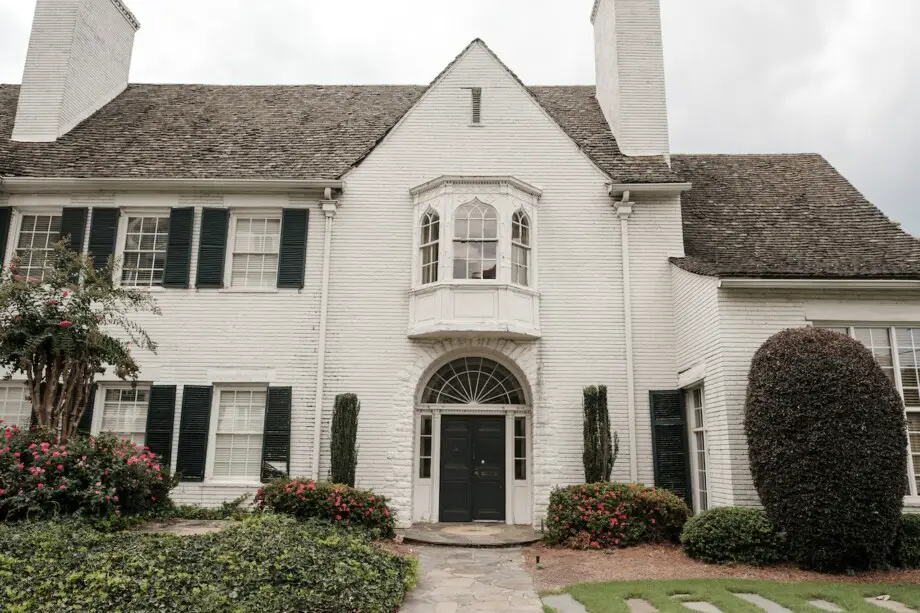
Adding a burst of color and showcasing my unique talent, I take pride in my property when I see it appealing to every passerby. Not only does it seem rewarding but satisfying when the tired and weathered exterior comes to life with a new coat of paint. One thing I have realized over time is that the exterior paint is not merely about the aesthetics but the maintenance and protection of your property.

There is no definite rule on how often you should paint the exterior of your house, but anywhere between five to ten years is a healthy time. This varies depending on the location of your house, the weather conditions, the material that the exterior walls are built up, and the quality of the paint previously used.

I wish I had known the things I learned through years of painting experience sooner. Since painting costs quite a penny, you surely don’t want to miss out on this information.

Location of the house

How long the paint stays fresh on the walls varies greatly based on the location of your house. Areas with extreme temperature fluctuations, high humidity, or intense sunlight can cause paint to degrade faster compared to regions with milder climates.

Similarly, high rainfall or excessive moisture, such as coastal areas or places with heavy seasonal rains, are more prone to moisture-related issues. It causes paint to blister, peel, or develop mold and mildew, leading to premature paint failure. 

Houses near the coast also experience adverse effects of the salt in the air that accelerate paint deterioration. The salt particles can corrode metal surfaces and break down the protective paint layer, leading to more frequent repainting needs.

Is your house located near an industrial area? Not only does the pollution affect your well-being, but your paint’s wellbeing too. Chemical exposure degrades paint faster, causing it to fade, discolor, or deteriorate more quickly, asking for repainting in a shorter span than expected.

Direction the walls face

Did you know that the southern side of the house is more exposed to the sunlight than the northern side? UV radiations from the sun (a major factor contributing to house wear and tear) fall more on the southern walls and may rip apart the paint sooner than from other parts of your house.

You might want to check those walls specifically and repaint them more often than the rest of the exterior.

Color Choice

Dark colors need to be repainted more often than light colors. When UV rays hit the surface of a dark-colored paint, the energy can break down the pigments, causing them to lose their vibrancy and fade over time. On the other hand, lighter colors reflect more light and heat, reducing the absorption of UV radiation and minimizing fading.

Material of the Exterior

Different materials have different adhesive properties and can increase or decrease the time your exteriors ask for a repaint. Paints on aluminum/vinyl slidings typically last longer than wood slidings. Similarly, paints on metal stay fresh for longer durations than stucco or cement.

MaterialRepainting Durations
Wood SidingEvery 3 – 7 years, every 4 years if stained
Aluminum SidingEvery 5 – 7 years
StuccoEvery 5 – 6 years
Cement FibreboardEvery 10 – 15 years
BrickEvery 15 – 20 years, needs minimal cleaning
MetalEvery 5 – 15 years, depending on corrosion
ConcreteEvery 5 – 10 years

Quality of the Exterior Paints

Besides the material of your exterior, the quality of the paint itself is the most obvious factor determining how often you would be required to paint over it. Not sure which paint to invest in? Here’s a list to the rescue.

Top 5 recommendations for exterior paint

Benjamin Moore Aura ExteriorResists cracking, blistering, peeling, and dirt
Easy application, suitable for self-painters
Simple cleaning with soap and water
Infused color-lock technology for maximum longevity
Unmatched adhesion to all surfaces
Easy on the pocket
Limited color options
Sherwin-Williams LatitudeProvides maximum coverage
Classic matte and satin finish
Lasts more than 7 years
Suitable for aluminum/vinyl sliding unlike most exterior paints
Can be painted in temperatures as low as 35F
Says self-priming but a primer is needed
Above average pricing
Emperor Masonry PaintFlat matte finish
Easy application with a brush or roller; doesn’t leave paint lines behind
Self-cleaning technology
Heat  resistant
Lasts long – up to 25 years
Not the most affordable option in the market
Valspar Duramax Satin Exterior Tintable PaintRain-resistant acrylic paint
Prevents mildew buildup
Paint and primer in one, so it saves overall application time and efforts
Covers a generous area
Easy application – suitable for self painters
Not low is VOCs
More than average pricing – buy good value for money
Behr Masonry and Brick PaintWide variety of colors to choose from
20-years color guarantee
Suitable for all exterior surfaces
Comes with a satin finish and matte finish option to choose from
Falls in a budget
Coverage up to 400 square feet
Doesn’t paint below 50F
Long drying hours

Pro tip: Always buy paints that come with a claimable warranty to save costs and ensure optimal quality.

 5 Signs Your House Is Screaming For A Repaint 

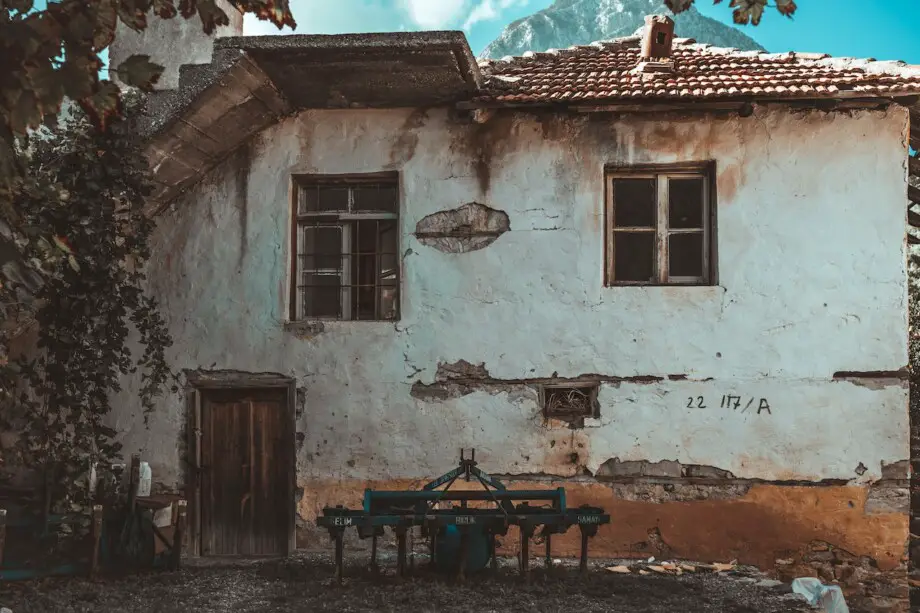
Peeling or Cracking 

Remember when your house’s paint was smooth and flawless? That was a sight, wasn’t it? If you notice peeling or cracking paint, it’s a surefire sign that your house is begging for a fresh coat. Those unsightly flakes and fissures not only compromise your home’s curb appeal but also leave it vulnerable to moisture damage. It’s time to rescue your house from this paint predicament, even though the paint has lived 5 years’ worth of life.

Paint Faded Colors 

Over time, exposure to sunlight can cause paint to lose its original vibrancy, making your house appear tired and worn out. Don’t let your home fade into the background; it’s time you give it a splash of vibrancy and a colorful makeover that will turn heads!

Chalky Appearance

Another clear indication that it is time for you to paint the house’s exterior is the mysterious appearance of a chalky residue called efflorescence. This SOS signal from your house tells you it’s time to wipe away the old and embrace a new, durable paint job. Say goodbye to the chalky mystery and hello to a fresh-looking facade!

Cracks in Caulk 

Take a closer look at the areas where different materials meet, such as windows, doors, and trim. Are you noticing cracks in the caulk? If yes, you know the drill. The paint has lived its life, and now is the time for a rebirth. By addressing the caulk cracks and applying a fresh coat of paint, you can seal the deal on a beautiful, well-maintained home exterior.

It’s been more than 10 years

How old is your current paint job? If it’s been over a decade, your house is probably shouting for a well-deserved makeover. Like all things, paint ages, and its protective properties diminish over time. Show your home some love and appreciation by providing it with a fresh coat of paint that will not only enhance its appearance but also shield it from the elements for years to come.

Pro tip: Proper cleaning, inspections, and touch ups can decrease the frequency that your house exterior requires a fresh coat. 

Frequently Asked Questions

Why is it important to repaint your house? 

It is crucial to paint your house to protect the integrity of your house. Since a paint coat acts as a protective layer, unprotected houses are prone to severe damage from sun and rain, to the extent that they might need replacement. Painting your house also prevents you from expensive replacement and maintenance costs.

Can I go without painting my house for 20 years? 

The lifespan of exterior paint varies but typically ranges from 5 to 15 years. Factors like paint quality, climate, and maintenance affect its durability. While existing paint in good condition may last longer, signs of deterioration should be monitored. Personal preferences and aesthetics may also prompt repainting before the 20-year mark. 

Will I attract more buyers if I paint my house?

Yes, painting your house can enhance curb appeal and create a positive first impression, potentially attracting more buyers when selling. A fresh coat of paint can make your home appear well-maintained and visually appealing. However, other factors like overall condition, location, and pricing also influence buyer interest.

Summing it up

Painting the exterior is not a one-time job. Like any other thing you own, it needs maintenance every 5 to 10 years. The exterior paint can last longer if you’re located at a stress-free, ideal location. However, a humid and polluted region can ask you to paint every 4 to 5 years.

Check out our detailed blogs on the best time of the year to paint and the best humidity and temperature to paint the interior of your house.

Remember, it is not only about house aesthetics but the safeguarding and protection of the walls too. Make wise choices by investing in good-quality paint. You can take inspiration and consider our top picks for exterior paints to save yourself the hassle of a decade.

Happy Painting!
pexels karl solano 2883049 Can You Use Exterior Paint On Furniture - Important Facts

Can You Use Exterior Paint On Furniture – Important Facts

Exterior paint is hard-wearing and capable of resisting a lot of wear and tear; everything you want from your furniture paint. However, a major concern many homeowners have is, ‘Can you use exterior paint inside?’

While I understand how tempting it can be to utilize leftover exterior paint on indoor items like furniture, trims, and doors, it’s better to understand the basics before you start.

Yes, you can use exterior paint on furniture, but it’s not recommended due to the high levels of VOCs it contains. However, hybrid or low-VOC exterior paint are good options since they offer the durability of exterior paint without health risks.

Wood paint and lacquers are best suited to wooden furniture; therefore, you can’t expect exterior paint to adhere similarly to a wooden surface.

So, invest in quality wood paint if you’re planning to paint furniture inside your home. But, if you’re on a budget and want to save the wall paint left after renovation, I can help you make it work on furniture for lasting results.

Does exterior paint work on furniture?

Before we dive into the nitty gritty details of using exterior paint inside your house, it’s crucial to find out if exterior paint works at all on furniture.

The short answer is: Yes, it does!

Exterior paint is, after all, a highly durable form of wall paint that’s designed to resist water, wind, hail, mold, and several other environmental stressors. Therefore, when you apply exterior paint to the wood properly, it delivers a lasting finish.

Still, exterior paint isn’t formulated for wooden surfaces, making it necessary to prime your furniture before going in with the paint coat.

Should you use exterior paint on furniture?

Now that you know the answer to ‘Can you use exterior acrylic paint inside,’ let’s come to the next important question: Should you apply exterior paint to furniture or not?

If we talk about paint formulation, exterior paint is designed to work on surfaces like stucco, fiber cement, brick, etc. In contrast, wood paint is specially created to last on wooden furniture, making wood paint an obvious choice.

However, this doesn’t mean using exterior paint on furniture is a strict no-no. In fact, there are different ways you can make exterior paint finish last on furniture without compromising your family’s health.

How to color furniture with exterior paint

Exterior paint isn’t designed for furniture, but you can still apply it if you want to. I would recommend starting with water-based paint if you’re a newbie. Oil-based paints can be difficult to work with, especially for beginners.

Another thing you should be mindful of is that exterior paint is supposed to be used outdoors; therefore, it’s best to bring the furniture outside your home to paint. This will also help ensure you don’t inhale harmful VOCs the formula may contain.

Also, remember to wear protective gear, including a mask and gloves, when using any exterior paint. And in case you get stuck with color on your skin or hair, you can read my blog to figure out how to remove it safely.

Here’s a step-by-step guide to help you color your furniture with exterior paint.

Step 1- Clean the surface

Before you begin the painting process, it’s crucial to clean the surface thoroughly. You can use a damp cloth to wipe away superficial dirt and grime. However, if your furniture needs a deeper cleaning, don’t hesitate to apply a suitable stain remover to scrub it off. 

Once you’ve cleaned the wood surface, allow it to dry properly.

Step 2- Remove the old layer of paint

If your furniture has been painted previously, it’s probably chipping or peeling away. Not removing the old layer means the new top coat will not get a chance to adhere to the surface completely.

An effective way to scrape old paint is by using a metallic scraper. While you may not get rid of the entire layer, you will remove most of it.

Step 3- Sand the furniture

Sanding the surface gives the primer and paint a smooth surface to adhere to. So, make sure to give this step ample time and remove any surface inconsistencies. 

Step 4- Fill in the wood cracks

Natural wood has inherent surface imperfections, so to get a consistent base, you should cover any cracks or nail holes in the wood. You can use a good quality wood filler and a putty knife to do the job.

Allow it time to dry after filling in the cracks, and then sand again to prepare the surface for primer.

Step 5- Apply primer

Many exterior paints have a primer mixed in their formula. While the 2-in-1 colors work well on exterior walls, they can deliver different results on wooden furniture. Another point of consideration is the durability of the paint finish on furniture. Applying a primer ensures the surface is adequately prepped for the color coat.

If you’re wondering, ‘Can I use exterior primer inside?’ the answer is yes! Just make sure to use the same type of primer and paint. For example, the color should also be water-based if your primer is water-based.

Cover the surface entirely with two to three layers of primer. Once the second coat is on, sand the surface to create some texture. This will help the paint stick to your furniture pieces properly. Remember to clean the sanding residue when you’re done.

Step 6- It’s time to color

If you’re going to use an old stored spray paint, check if its nozzle is clogged before you begin. In case it needs unclogging, you can check my blog for quick tips and tricks to unclog the spray paint nozzle.

Spray paints are easier to use but if you plan on applying liquid paint, use a high-quality foam roller or brush. Foam applicators ensure a streakless finish and also help avoid paint drips and overlapping paint lines that are normal with bristle brushes.

Apply two to three coats of color, giving each layer enough time to dry before proceeding with the next one. 

For a flawless finish, sand in between coats to remove any imperfections.

What happens when you use exterior paint indoors?

Despite the tough appearance of exterior paint, it’s not recommended for indoor use. A significant reason is the high level of VOCs that exterior colors contain. When you use the same paint outdoors, you are saved from inhaling the toxic fumes as they evaporate. However, the tables are turned when you apply exterior paint inside your home.

Inhaling VOCs can be hazardous to health, and according to the American Lung Association, it can irritate the eyes, nose, and throat. The potent fumes are also known to cause difficulty in breathing and nausea. And in extreme cases, it can impair the central nervous system and other organs. You can read this blog for more information on VOCs and their impact on health.

If you’ve accidentally used exterior paint indoors on furniture, you should keep it outdoors for a few days. Since most VOCs are released in the next 48 hours after painting, placing the furniture outside your home can reduce the health risk.

In case that’s not possible, keep your home well-ventilated for some days or use an air purifier to mitigate the effects of VOCs.

If you want to learn more about the differences between interior and exterior paints and why they’re not interchangeable, check out my blog for a detailed comparison.

Which exterior paint is best for furniture?

When searching for the best exterior paint for furniture, we are looking at two things:

  •  Which exterior paint is safe for indoor use?
  • Which exterior paint provides a durable finish on furniture?

Which exterior paint is safe for indoor use?

Today, paint manufacturers acknowledge the need for low-VOC paints and design exterior paints so that they emit minimum VOCs. You can also find hybrid paints in the market that can be used outdoors and indoors.

So, if you plan on applying the same paint on your exterior walls and furniture, it would be best to opt for low-VOC or hybrid paint. This way, you can enjoy the best of both worlds: long-lasting furniture paint without any health risks.

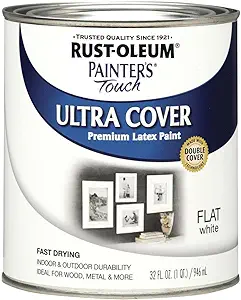
A good example is the Rust-Oleum Painter’s Touch Multi-Purpose Enamel Paint, which can be applied to various indoor and outdoor objects such as wood, masonry, and metal. It has a semi-gloss finish which looks more attractive on wooden furniture compared to satin and eggshell finishes. The multi-purpose paint has a water-based acrylic formula with low odor, making it ideal for indoor use.

61ccWrqmLrL. AC SX300 SY300 QL70 FMwebp Can You Use Exterior Paint On Furniture - Important Facts

Another all-rounder is THE ONE Paint & Primer, which is ideal for both indoor and outdoor use. You can apply it to surfaces such as walls, front doors, furniture, and even brick and stone. This water-based paint is non-toxic with low odor and ultra-low VOC. So, if you’re looking for safe interior and exterior paint, you should definitely consider this option.

616+mwaP4SL. AC SX300 SY300 Can You Use Exterior Paint On Furniture - Important Facts

The Montage Signature Interior/ Exterior Paint is an excellent choice if you favor environmental-friendly and pollutant-free paint finishes. This low-sheen paint can be used on interior and exterior surfaces and is available in over 20 shades. So, you have plenty of color options to choose from for your furniture.

Can You Use Exterior Paint On Furniture - Important Facts

Which exterior paint delivers lasting results on furniture?

When it comes to durability, exterior paints can give other colors a run for their money but what’s important to know here is if they perform well on wooden furniture.

There are two main types of exterior paints:

  • Water-based/ Latex
  • Oil-based/ Enamel

There was a time when professional painters swore by the superior durability of oil-based paints. But thanks to modern technology, water-based paints can offer an equally good finish now. So, which one should you choose for furniture?

Technically, you can use either of them because each has its advantages and disadvantages. Here’s a side-by-side comparison of the two to help you narrow down the right choice.

Water-based paintsOil-based paints
Dries quickly but takes longer to harden fullyHardens much quicker than water-based paints
Low-odorHas an unpleasant odor
Low VOCsHigh VOCs
Non-yellowingYellows over time (predominantly white shades)
Low level of sheenHigher level of sheen
Less durable (Prone to chipping)More durable

While water-based paints have no health hazards, oil-based paints deliver a more durable, high-sheen result on furniture.

This leaves you with two options. You can buy low-VOC oil-based paint or superior water-based paint suitable for wooden surfaces.

When is the best situation to apply exterior paint to furniture?

While it’s not recommended to use any other type of paint on furniture other than wood paint, there are a few situations when exterior paint seems like a good fit.

Painting outdoor furniture, for example, patio chairs, tables, etc. with interior paint is a good idea. After all, the paint’s formula is designed to withstand environmental stressors. And since the furniture is expected to endure weather elements like wind, rain, and ice, exterior paint can protect it from damage while providing durability to the paint finish.

Another perk of using exterior paint on outdoor furniture is that there’s no need to worry about harmful VOCs. Hence, you can apply any variant, whether water-based or oil-based, on your furniture.

Can I use exterior paint on the inside of my front door?

Yes, it’s alright for you to use exterior paint on the inside of your door to match its front view. However, you should remain mindful of the health risks that high-VOC exterior colors are accompanied by. So, if you choose to paint the inside with exterior paint, make sure it contains minimum VOCs or is a hybrid paint.

Can you use exterior paint in a bathroom?

Bathrooms are generally closed spaces with little ventilation. Therefore, applying exterior paint inside a bathroom on cabinets and shelves may pose health risks. If you need to color the furniture pieces inside your bathroom with exterior paint, it would be best to paint them outdoors. You can leave them outside for two to three days before installing them back in their place inside the bathroom.

In case you’re confused and thinking, ‘Can I use exterior paint on drywall inside my bathroom?’ you should avoid painting your interior walls with exterior paint. 

Can I use exterior paint inside my garage?

Absolutely! You can color inside your garage with exterior paint, but you must ensure the room is adequately ventilated. Consider leaving the garage door open while you paint to facilitate air circulation. This will help reduce the effects of paint fumes.

FAQs

What is the difference between exterior and interior wood paint?

Exterior wood paint is formulated to withstand moisture, mildew, and fading caused by sunlight. On the other hand, interior wood paint is designed to be easier to clean and durable enough to tolerate daily wear and tear.

Is it better to brush or roll paint on furniture?

You can use a mix of brushes and rollers to paint your furniture for the best results. Large plain surfaces can be rolled on, while narrow grooves and curves are better painted with a brush.

Does exterior paint make wood waterproof?

Using waterproof exterior paint on wood helps seal its surface and protect it from moisture and water. However, if holes and cracks appear on the wood over time, the exterior paint can no longer stop the water from seeping in.

Does exterior paint keep wood from rotting?

Exterior paint is formulated to withstand rotting from environmental stressors; therefore, applying the same color to wood ensures that its surface remains safe from wood rot.

What happens if you paint over rotting wood?

Painting over rotten wood means you will only mask the damage and not undo it. Eventually, the rot will find its way to the surface, ruining the appearance of your paint job.

Conclusion

Exterior paint is undoubtedly more durable than any other paint type. Therefore, it only makes sense to apply it to your furniture, hoping its paint finish would last too. However, you must sand and prime your furniture before using the paint to maximize its longevity.

Now that you know the answer to ‘Can you use weather shield paint indoors’ remember to use low-VOC or hybrid paint for indoor pieces to avoid any health risks.

pexels viktorya sergeeva 💙💛🫂 11925964 10 Best Exterior Color Ideas for Stucco Houses: Review

10 Best Exterior Color Ideas for Stucco Houses: Review

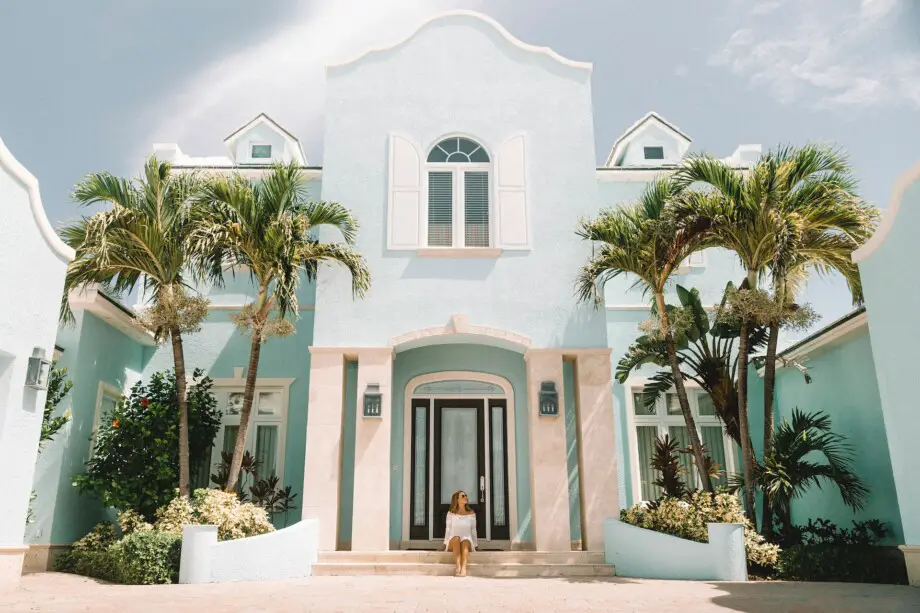
Made from a mixture of lime, cement, sand, and water, stucco exteriors not only add great charm to your home’s curb appeal but also increase its durability. It withstands the harshest weather conditions while ensuring no stone is left unturned in attracting eyeballs. 

The Spanish-style homes are all about giving you the exotic vibes of having a relaxing time at a majestic beach. 

Wondering about the exterior color ideas for stucco houses? Here comes your answer.

To refresh your house’s exterior, the colors that best complement the stucco lie more on the neutral palette, but bold colors don’t hurt, too, unless they have a high LRV (light reflective value) to preserve pigment from fading. Our top three picks are White, Gray, and Beige. 

We have compiled a list of 10 exterior color ideas for stucco houses that can be your source of inspiration. 

At the end of the blog, I’ve also revealed my favorite color for stucco exterior that enhances the curb appeal and gives you a whopping 51% to 55% increase in the ROI of the investment

Have a wholesome ride with me!

Best Exterior Stucco Paints, 2022

1. The Unbiased Neutral

Neutrals are a perfect way to give your home a nonjudgmental look. They blend perfectly with the surroundings and can help you accessorize your homes. The pretty big palette of neutrals offers you a plethora of shades to pick from the line, including brown, gray, white, and even blue and green. 

Our Top Pick: 

Montage Signature Interior/Exterior Eco-Friendly Paint, Riverstone, Low Sheen, 1 Gallon

Features to Love:

  • A wide array of neutral palette
  • Easy to clean
  • Great price for durability
  • Defends against mold and mildew
  • Can be used on both interior and exterior surfaces 
  • Backed by 10 years warranty

2. The Pearl Sophistication

Looking for something to brighten up the home and lighten the mood? Go for an off-white hue. The off-white color gives a pearly vibe while fetching more eyes. Having your doors and windows painted in a dark color completely transforms the game, and your house becomes magnetic just like that!

Our Top Pick: 

Romabio Masonry Textured, Italian Mineral Paint For Brick, Stone, Stucco & Cement, Richmond White, 15L/4GAL

Features to Love:

  • Beautiful off white with gray undertones
  • High UV resistant for color fade 
  • High performing
  • Allows bricks to breathe
  • Suitable to be used both inside and outside the house
  • Backed by 20 years of warranty

3. The Timeless Earthy 

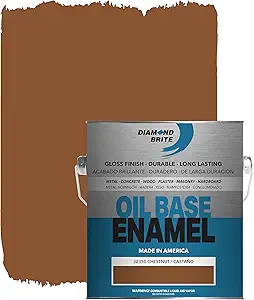
From red sun to cloudy gray, rustic green, and soil-brown, earthy colors add more passion and a vintage vibe to stucco exteriors. With earthy colors, imagine the lighter accents for doors and windows. With this contrast, your house is surely a showstopper in the neighborhood.

Our Top Pick:

Diamond Brite Paint 1 Gallon Oil Based Enamel Paint in Chestnut 32350-1

Features to Love:

  • Chestnut color feeling close to nature
  • Excellent to use on multiple surfaces
  • Easy to clean
  • Finishes with a durable surface
  • Resists fading, peeling, cracking, and scuffing
  • Good value for money

4. The Chessboard Pop

White walls and black wood works… most eyes won’t stop drooling over the combination. The right contrast pays, and that’s just the case with the combination of classy yet timeless white and black. Both of these are modern stucco house colors that make your home pop.

Our Top Pick:

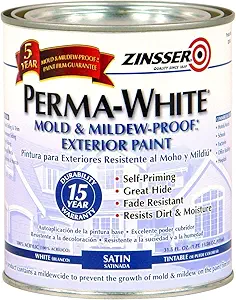
Rust-Oleum Zinsser 31.5 fl oz. PermaWhite Exterior Semi-Gloss

Features to Love:

  • Easy to clean with soap and water 
  • Great price for durability
  • Mold and mildew proof
  • Self-priming formula
  • Resists dirt and moisture
  • Odorless paint
  • Backed by 5 years of mild-proof warranty

5. The Low-Maintenance Hues

The list of high-maintenance things is already too long to add another. Darker shades may give a vintage vibe but tend to show more dirt and fade away easily. On the other hand, medium shades like tan, beige, taupe, light blue, and light green last longer and hide dirt rather than making it visible. 

Our Top Pick:

Montage Signature Interior/Exterior Eco-Friendly Paint, Riverstone, Low Sheen, 1 Gallon

Features to Love:

  • A wide array of neutral palette
  • Easy to clean
  • Great price for durability
  • Defends against mold and mildew
  • Can be used on both interior and exterior surfaces 
  • Backed by 10 years warranty

6. The Shy Pink

Light pink is a great way to add brightness and delicacy to the curb appeal without going too bold. It’s one of the best stucco paint colors that add depth to your home while keeping it on the neutral side. It makes you refreshed and updated. 

Our Top Pick:

Prestige Paints Exterior Paint and Primer In One, 1-Gallon, Satin, Comparable Match of Valspar* Western Pink

Features to Love:

  • A shade of terra cotta complimenting your plants
  • Paint and primer in one
  • Little to no smell
  • Low UOV
  • Excellent coverage (just one coat needed)
  • Easy to clean with soap and water

7. The Modest Blue

Did you know that people who live in blue houses are the most successful ones? They say blue keeps the spirit away, and blue doors represent prosperity. But my thinking about blue stucco house colors is that they give a charming vibe and are an attractive way to use monochromes with lighter walls and darker doors and windows. 

Our Top Pick:

Diamond Brite Paint 1 Gallon Oil Based Enamel Paint in Ocean Blue 32550-1

Features to Love:

  • Deep ocean blue color
  • Excellent to use on multiple surfaces
  • Easy to clean
  • Finishes with a durable surface
  • Resists fading, peeling, cracking, and scuffing
  • Good value for money

8. The G for Genuine 

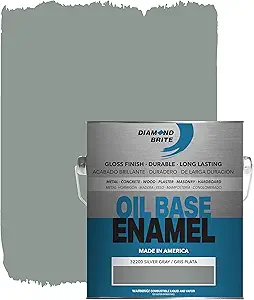
Or gray? When they say less is more, this is what I envision. The epitome of class and timelessness, gray translates to genuine cohesiveness and enhances the features of your home’s exterior, especially when combined with bricks and stones. It gives you the feeling of a warm and bright poetic day. 

Our Top Pick:

1 Gallon Oil Based Enamel Paint in Silver Gray 32200-1

Features to Love:

  • Silver-gray color with high-gloss finish
  • Excellent to use on multiple surfaces
  • Easy to clean
  • Finishes with a durable surface
  • Resists fading, peeling, cracking, and scuffing
  • Good value for money

9. The Evergreen Green

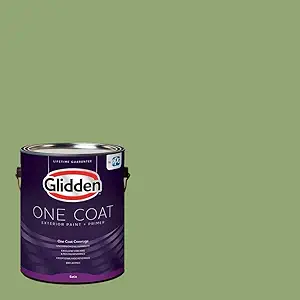
When it comes to green, the options are just endless. In fact, the list of best exterior paint colors for stucco houses is incomplete without green. From black forest green to olive green, gray-green, deep-bluish green, or lime green, the color represents the sweetest earthy contrast with the light blue sky at the horizon when seen from afar. 

Our Top Pick:

Glidden Exterior Paint + Primer: Green/Luscious Lime, One Coat, Satin, 1-Gallon

Features to Love:

  • Hand-picked beautiful green color to especially compliment exteriors
  • Excellent resistance to peeling and cracking
  • Uncompromising durability to withstand harsh weather
  • Just one coat needed
  • Self-priming paint
  • Available in different finish types 

10. The Pacific Oyster

Have you ever seen a Pacific oyster? Irresistible brown with hints of white, making a mixture of awe. Now imagine your house’s exterior with this combination of oyster-brown sidings with white trims and shutters. This is one of the most used stucco and trim color combinations that highlight your home in the neighborhood. Moreover, don’t forget to add a touch of gold with metallic work like door knobs for more luster (ensure not to overdo it).

Our Top Pick:

Glidden Exterior Paint + Primer: Brown/Peppered Pecan, One Coat, Flat, 1-Gallon

Features to Love:

  • Pecan brown resembling oyster
  • Excellent resistance to peeling and cracking
  • Uncompromising durability to withstand harsh weather
  • Just one coat needed
  • Self-priming paint
  • Available in different finish types

A Little Heads Up Before Starting

Your homes take all the wrath nature has to offer. So before you start painting your stucco houses, make sure you use the right paint and follow the right steps for lasting durability. 

Here are certain things you should consider before you tread on the journey.

  • Use paints with a high LRV (light reflective value). LRV is a factor that maximizes paint’s fade-resistant property by reflecting more UV radiation. The better the LRV, the longer the pigments will be preserved.
  • Do not use interior colors on the exterior stucco surfaces, as their LRV is low, and they will fade away faster than you can think. 
  • For even better results, use a primer before painting the stucco exterior for a flawless and durable finish. 
  • Stucco repair is a crucial preparation that goes without saying. All holes and cracks need to be filled prior to refurbishing your exterior to get a smooth finish and let the paint dry well.
  • Wash your homes to remove dust, dirt, and contamination to avoid it from getting into your paint.  

Best Exterior House Color for Stucco – My Secret to Added 51% to 55% ROI

There is no debate when it comes to choosing just ONE color from the stucco designs gallery. It enhances your curb appeal, makes it appear neat, and stands the test of time. The most popular exterior color that lets you cash out the maximum is White walls with black doors and window sills. Read The Chessboard Pop from our list of best exterior stucco paints in 2022. 

FAQs

What colors look good on stucco homes?

Stucco exteriors give a plethora of color options to choose from. Make sure you use a paint that has a high light reflective value (LRV) to minimize fading. Most colors that favor stucco surfaces are white, off-white, gray, and beige. But bold and bright colors always add that much-needed pop and are a favorite for many.  

How do you modernize a stucco exterior?

Repainting your stucco exterior is the perfect way to modernize your homes and make them appear trendy. Make sure to pressure wash your exterior and fill in all the cracks and holes for a smooth finish. 

How do you pick stucco colors? 

When selecting colors for the exterior of your house, consider how they will relate to the roof, landscaping, and permanent fixtures on or around your house. If you have a black or gray roof, consider using gray, blue, or white. For a brown or dark tan roof, consider tan, brown, red, green, or cream colors for stucco. 

What exterior color homes sell for the most money?

The neutral shade card is likely to sell for the most money. Most buyers are looking for homes where it is easy to give a touch of personalization without getting into too much hassle. So if your purpose is to make it to the listings, be sure to go neutral or, best of all – white. 

How often should stucco be repainted? 

Stuccos are ideally known for their durability, but they are not indestructible. It is best advised to repaint your stucco houses every 5 to 10 years to avoid your hairline cracks becoming larger and keep your home in a neat shape. Keeping your house’s exterior well-maintained by washing it and repairing the damages annually can increase the paint’s durability. 

Exterior Color Ideas for Stucco Houses – Summing it Up!

A well-painted stucco house gives a welcoming and warm vibe – or, as they say, HOME! For the best stucco paint colors, you can choose anything from earthy colors to lighter hues and even bold and bright. You can go for various options taking into consideration your mood, surroundings, and other factors mentioned in the blog.

Let us know in the comments below about the color you chose for your stucco. May be upload a picture too 🙂

pexels caleb oquendo 3042629 Can Masonry Paint Be Used On Wood - See The Magic It Does

Can Masonry Paint Be Used On Wood – See The Magic It Does

Masonry paint is used on exterior walls because it’s durable and long-lasting, but can it deliver the same results on other surfaces like wood? Apart from its resilience, masonry paints are available in a wide array of colors which can be tempting for DIYers looking for exciting hues for their woodwork.

So, this brings us to the main question, Can masonry paint be used on wood in the first place?

The answer is yes! Masonry paint is highly versatile, so you can use it on different surfaces, including wood, plastic, metal, etc. However, wood is porous, which means it can trap moisture under its surface, resulting in masonry paint peeling and chipping off. Therefore, it’s crucial to prepare the wood thoroughly and prime it before applying paint for a lasting finish.

You can paint almost any object with masonry paint, but that doesn’t mean it will give the results it delivers on exterior walls. But I will tell you how you can make it work despite the permeable surface of the wood.

Can you use masonry paint on wood?

Yes, you can apply masonry paint on wooden objects.

Masonry paint is designed for exterior walls. Therefore, it resists water, rain, wind, and other environmental stressors. Its finish is weatherproof and long-lasting, making it an ideal choice for outdoors.

If you decide to use masonry paint on wood, you must ensure the surface is thoroughly prepped and primed because it is a porous surface. Failing to do so will result in the color getting absorbed into the wood and a patchy finish.

Can you use masonry paint on wooden fence?

If you decide to paint your wooden fences with masonry paint, you can expect it to last for a long time. However, you should remember that wall paint is formulated to sit on top of the surface, creating a protective film. If you use it on a wooden fence, don’t expect to see the wood grain the same way you’d see with fence paint.

Moreover, wooden fence panels made from rough-sawn timber will absorb more paint than planed timber. So, you must know how to paint a wooden fence to get a lasting finish.

When you first apply masonry paint to a fence, you will find that it is similar to fence paint in terms of thickness but still easier to apply. Because of this, you need fewer coats of masonry paint than you would with fence paint.

Can you use masonry paint on a wooden shed?

Masonry paint is excellent for your wooden shed because it is weatherproof. It works better for planed timber such as tongue, shiplap, and groove compared to rough-sawn wood, as it’s challenging to cover the latter evenly.

The perk of using masonry paints for your wooden surfaces is the variety of colors and finishes you can choose from. Take Krylon COLORmaxx Acrylic Latex Brush On Paint for Indoor/Outdoor Use, which has unique colors like Sun Yellow, Regal Blue, Pumpkin Orange, Hunter Green, and others. The hues are available in three finishes: Gloss, Flat, and Satin, so you have plenty to choose from.

71ZtlwKqprL. AC SX300 SY300 QL70 FMwebp Can Masonry Paint Be Used On Wood - See The Magic It Does

Can you use masonry paint On wood decking?

Absolutely! Masonry paint works great for wood decking since it is formulated for the outdoors, but you must choose a type with acrylic inside.

Acrylic paint is great for your deck because it is easier to maintain and remove if needed. The paint also creates a UV-resistant film on the surface which helps your wooden deck maintain its color.

It’s better not to use oil-based paints on the deck since they can seep into the wood and are very difficult to remove. Moreover, they don’t deliver the same results as acrylic paint.

Another good option for wooden decks is textured masonry paint because it gives more grip to the surface, especially when wet.

The RTG Deck, Porch, & Patio Anti-Slip Paint is an excellent option for painting your deck. It has a textured light sheen finish that offers secure footing on exterior surfaces that turn slippery when wet.

71PHF0i1JCL. AC SX300 SY300 QL70 FMwebp Can Masonry Paint Be Used On Wood - See The Magic It Does
Pro Tip: When applying masonry paint on a wooden deck, water down the first coat, so it penetrates the wood. This gives the top layer a better chance of sticking to the surface for longer.

Can masonry paint be used on indoor wood surfaces?

Using leftover masonry paint from your exterior walls inside the house can be tempting. And while you can apply it on indoor surfaces, masonry paint isn’t designed for it.

Exterior paint emits harmful fumes, which disappear when used outdoors but applying it inside the house exposes you and your family to several health hazards. When used in closed spaces, masonry paint can irritate your eyes, nose, and throat and cause nausea, headaches, and fatigue. You can read our blog to learn more about the difference between interior and exterior paints.

Also, if you plan to apply wall paint on furniture, read this blog to find out the best way to do it.

Best Masonry paints that you can use on wood

If you’re going to paint your wood surfaces with masonry paint, why not choose one that can be used on both surfaces?

Here are the best paints for masonry that are versatile enough for various application mediums.

Rust-Oleum Protective Enamel Paint

71EP6VwJrcL. AC SX300 SY300 QL70 FMwebp Can Masonry Paint Be Used On Wood - See The Magic It Does

The Rust-Oleum Enamel paint offers a flat finish in three basic colors: white, black, and brown. It is an oil-based formula that works well on exterior and interior surfaces like masonry, wood, concrete, and metal. If you’re searching for a durable protective coating that withstands moisture, rust, abrasion, fading, and chipping, this is an excellent option to consider.

Rust-Oleum Painter’s Touch Latex Paint

61 +fZbM9VL. AC SL1000 Can Masonry Paint Be Used On Wood - See The Magic It Does

The Rust-Oleum Painter’s Touch is a water-based acrylic paint ideal for indoor and outdoor surfaces like masonry, wood, metal, plaster, and unglazed ceramic. It offers a flat finish that reduces surface imperfections and resists chipping for lasting results.

Krylon COLORmaxx Acrylic Latex Brush-On Paint

71ZtlwKqprL. AC SX300 SY300 QL70 FMwebp Can Masonry Paint Be Used On Wood - See The Magic It Does

The Krylon is an acrylic latex paint that provides a satin finish on various interior and exterior surfaces such as wood, masonry, drywall, wrought iron, wicker, metal, and plastic. It delivers high-quality coverage and color with excellent adhesion and durability. Since the paint dries to the touch within an hour, you can quickly complete a project using the Krylon COLORmaxx.

How to use masonry paint on wood

If you decide to use masonry paint on wood, follow the complete process because painting wood is more complex than other non-porous surfaces.

Here is a quick guide to help you get lasting results on wood:

  1. Remove any old paint from the wood because you want to start with a clean surface. Take a putty knife and scrape off as much paint as you can. Don’t worry about removing all of it in one go since you will also be sanding the wood.
  2. With quality wood putty, fill in all the deep gouges and dings to create a smooth base.
  3. Sand the surface with a coarse sandpaper first and then move on to a finer 150-grit sandpaper to get the surface ready for priming.
  4. Clean away any sanding dust from the wood with a vacuum or tack cloth.
  5. Apply one coat of primer on the wooden surface and sand again with a fine-grit sandpaper. After cleaning the sanding residue, apply another layer of primer.
  6. Finally, layer on your masonry paint using a good-quality brush. Remember to avoid drenching your brush in paint; you want just the right amount for good coverage.
  7. Apply two to three layers of paint while waiting for 2 to 3 hours between coats.
  8. Finish the job with a clear topcoat or sealer to preserve the final paint finish.

Potential problems of painting wood

While it’s exciting to paint wood with different colors, you should be aware of a few downsides to the process.

  • The paint traps moisture

Wood is absorbent, which is why moisture gets trapped in it, causing the timber to expand and contract over time. Therefore, it’s only a matter of time before the paint finish starts deteriorating. This is especially true for decks since water can soak into the wood from underneath.

  • It masks wood’s natural beauty

Wood is a substance with grains and natural imperfections. So, when you paint over its surface with permanent color, it can be extremely challenging to remove the paint and restore its natural beauty. In addition, if you choose a dark color for painting wood, it will be more susceptible to fading. Therefore, you will have to recoat the surface repeatedly.

  • The paint cannot reverse recurring problems

If you have had trouble with painted wood around the house, such as bubbling and peeling, the chances of potential problems recurring are much higher when you paint in the same area.

Insulating benefits of masonry paint

There are two primary reasons why homeowners opt for masonry paint for wood surfaces. The first one is purely decorative and aimed at improving the aesthetic appeal of their homes. The other reason is that masonry paint offers surfaces protection and insulation.

Homeowners prefer to insulate their homes to

  • Reduce the cost of energy bills
  • Protect against draughts and cold spots
  • Prevent damage caused by dirt and wetness

Using masonry paint on wood ensures that your entire property is insulated. Since wooden surfaces are porous, they allow water and moisture to get absorbed and eventually trapped inside the walls. This results in the home becoming damp, cold, and expensive to run.

Masonry paint helps create a protective insulation layer on wood surfaces while still allowing it to contract and expand as per its nature. But preparing your wooden surfaces thoroughly is crucial to reap the full benefits of masonry paint insulation.

FAQs

Do you need an undercoat with masonry paint?

Using a primer is a must if you’re planning to paint a wooden surface with masonry paint. Remember to select an undercoat that’s compatible with your color coat. For example, you should apply an oil-based primer if you’re going to use an oil-based top coat.

What happens if you don’t prime exterior wood before painting?

When you don’t prime exterior wood, the paint is soaked up into the surface, resulting in a blotchy finish. Eventually, the painted wood starts to peel in two to three years.

What is the difference between masonry paint and regular paint?

Masonry paint is specially designed for exterior surfaces, which is why it’s formulated to withstand extreme temperatures, rain, hail, wind, and other environmental elements. Regular paint is created for interior spaces and, therefore, is not weather-resistant.

Do you need special paint for exterior wood?

The best paint for exterior wood is latex-based paint. The reason is that it’s flexible enough to allow the wood surface underneath it to expand and contract as per its nature. If you want the paint to last through excessive heat and moisture, it’s recommended to buy exterior latex paint for the best results.

Is masonry paint waterproof?

Masonry paint can withstand water, but it’s not designed to repel it completely. Therefore, you will notice that water gets soaked into walls after heavy rainfall. So, masonry paint is weather-resistant but not waterproof.

What can masonry paint be used for?

Masonry paint offers a durable and lasting finish to several surfaces, including brick walls, building blocks, concrete walls, wood, plastic, and metal surfaces.

Conclusion

Masonry paint is very versatile, which means you can use the leftover paint from your exterior walls on many surfaces other than masonry. You can even apply it to your wooden fence, deck, rims, windows, and more. Just remember to remove the old paint and prime the wood before applying masonry paint.

If you’re curious to find out what other surfaces wall paint can be used on, read ‘everything you need to know about using wall paint on canvas.’

What paint is best for exterior walls

What Paint Is Best For Exterior Walls – Comparing Formulas

Painting the exterior of your home is a sure way to improve its aesthetic appeal and add value to your property. But with different paint formulas and finishes available in the market, it can be confusing to decide on what paint is best for exterior walls.

There are mainly two paint formulas to choose from: water-based and oil-based, and while both are hard-wearing, there are some downsides to each.

When searching for the best paint for exterior walls, the first point of consideration is durability. Both oil-based and water-based paints are resilient, so you can use either of them. However, water-based paints have the added advantage of low VOC levels, which makes them an environmental-friendly choice.

Stick around to explore in detail which paints formula and finish you should use for exterior walls. We will also look at factors you need to consider before selecting one.

Types of Paint Formulas for Exterior Walls

Painting your exterior walls requires considerable time, effort, and money. For this reason, selecting a paint formula that withstands environmental pressures and doesn’t give in to chipping and peeling is crucial.

Here are three types of paint formulas that you can easily find in home stores.

  • Acrylic
  • Latex
  • Oil-based

Each has its own properties, advantages, and disadvantages. Which paint formula is the best for your home will ultimately depend on a variety of factors, including local climate and personal preference.

Acrylic paints

Acrylic paints are very popular among homeowners because they are easy to apply and maintain. The paint consists of pigments suspended in an acrylic polymer solution and resin. The formula is chemical-based which means it becomes water-resistant once it dries out.

The chemicals in acrylic paints make them more elastic, allowing them to expand and contract with temperature fluctuations. Since exterior colors must be able to withstand extreme weather, the elasticity of acrylic paint makes it an excellent candidate for exterior walls.

Moreover, the paint formula is durable, long-lasting, and water-resistant- everything you need for exterior walls. And adding a sealer on top of acrylic paint can make it waterproof, which is even better for outdoor surfaces.

Paint recommendation: The Rust-Oleum Painter’s Touch Latex Paint is a non-toxic, water-based acrylic formula that can be used on outdoor surfaces, including plaster and masonry. The paint offers a flat finish that resists chipping and hides surface imperfections.

61SloGLw0RL. AC SX300 SY300 QL70 FMwebp What Paint Is Best For Exterior Walls - Comparing Formulas

Latex paints

Latex paints work similarly to acrylic, but they are water-based. There was a time when latex paints were frowned upon for exterior surfaces, even by professional painters. Fortunately, the paint formula has come a long way from there.

Today, latex paints are formulated to be more resilient, even against the effects of rain, wind, snow, and other environmental stressors. Even their adhesive capabilities have been improved and now you can use them on masonry walls like bricks, concrete, or stone blocks.

Selecting durable paint is important for homeowners as it helps prevent the expense of repainting exterior walls repeatedly. If you opt for latex paint, you can expect it to last for as long as 15 years, depending on the type of surface it’s been applied to and the application process.

Paint recommendation: The Montage Signature Interior/ Exterior Eco-Friendly Paint is a low-sheen, water-based paint that offers superior hide and coverage to your exterior walls. It has a latex formula that protects against mold and mildew and can be cleaned easily with a single wipe.

81bFa7YNoQL. AC SX300 SY300 QL70 FMwebp What Paint Is Best For Exterior Walls - Comparing Formulas

Oil-based paints

If we compare all three formulas, oil-based paints will emerge as a clear winner in terms of durability. This is because oil-based paints dry to a hard finish and shrink less than acrylic and latex paints. They hold up really well in high-traffic areas and are easier to apply as the formula glides on walls effortlessly.

Oil-based paints are hard-wearing, and you can achieve a different level of smoothness and gloss by using them- something latex and acrylic paints cannot deliver. It is also dirt-resistant, which means your exterior walls will look good as new for longer.

However, there’s a major downside to oil-based paints: a higher level of VOCs (Volatile Organic Compounds). VOCs are responsible for an array of short-term and long-term health issues which is why oil-based paints are not widely used anymore.

Oil-based paints give off hazardous fumes, which can harm the person painting the walls. If you decide to use oil-based paints for a DIY job, you must wear a protective mask to keep yourself safe from fumes.

Paint recommendation: The Diamond Brite Paint Oil Base Enamel Paint delivers a high-gloss finish that can be used on interior and exterior surfaces, including concrete, plaster, and masonry. It is an excellent choice for exterior walls because it resists scuffs, cracking, peeling, and fading.

71mWKHbzM7L. AC SX300 SY300 QL70 FMwebp What Paint Is Best For Exterior Walls - Comparing Formulas

Which type of exterior paint finish is best?

Once you have decided on the right paint formula for your house, you need to determine the paint sheen or finish you require. The finish affects the wall’s appearance and the paint’s performance, so you should pick one that’s lasting and easy to clean.

Most homeowners recognize paint finish as shiny or matte, but there are variations between the two extremes. There are five primary paint finishes:

  • High-gloss
  • Semi-gloss
  • Satin
  • Eggshell
  • Matte

Interestingly, the paint finish does not only decide how your walls look at the end but also how well the paint will hold up over the years. You can learn more about ‘what kind of paints are washable’ to figure out which paint sheen is best suited for your walls.

Glossy or Matte- Which way should you go?

Glossy paint delivers rich color, making it a perfect choice for homeowners who want to make a loud design statement. Shinier paints are also more durable than flat, making them a logical choice for exterior walls exposed to fluctuating temperatures, rain, snow, and wind.

However, using glossy paint means highlighting every bump and imperfection on your walls which is never a good idea for large surfaces. Another downside of a glossy finish is that not everybody appreciates shiny walls. Most people gravitate towards a modern semi-matte/ semi-gloss finish for their exterior walls.

A flat finish is completely non-reflective and velvety in appearance. It effectively hides gouges and bumps, giving your exterior walls a clean and smooth look. But the problem is that matte surfaces can become chalky due to weather changes, requiring more frequent repainting.

So, although flat paints have a modern and contemporary look, they may flake off and chip more easily than their glossier counterparts.

Exterior paint finish recommendation

Glossy paints are durable but not as aesthetically appealing; matte colors look fantastic but need to be more durable. So, where does that leave us? Right in the middle!

There are other finishes between high-gloss and flat that look attractive while staying on your exterior walls for many years. I am talking about satin and eggshell finish.

Both these paints have a slight sheen without being overly shiny, making them perfect if you prefer a more contemporary look for your exterior walls. They are also easy to clean and maintain, so your house looks clean and fresh for many years.

However, there are other factors that may sway your final decision.

Are you painting your walls yourself or hiring a professional? If it’s the first case, you’d better stick with a flat finish as it’s more forgiving in terms of application. But if you’re paying a pro to do the job, you can choose any finish you prefer.

Do you have pets, children, and a lot of outdoor activities? You may need to go for a satin finish or even semi-gloss if your home’s exterior is heavily used (Hint: Snow and mud balls crashing on the sides of the house).

FAQs

Which is better for exterior paint, semi-gloss or satin?

In terms of durability, semi-gloss paint performs better than satin. It also offers better protection against moisture by protecting exterior walls against water damage. However, dents, dings, and marks will be more noticeable on glossy walls than on a satin finish.

Which exterior paint lasts the longest?

Acrylic paint is the best option for painting exterior walls because it’s water-resistant, durable, and easy to clean. It also performs better than oil-based paints, which can fade or lose their luster over time.

What exterior paint fades the least?

Acrylic paints are chemical-based, so they dry to a water-resistant finish. The paint’s formula resists fading due to sun exposure and damage from environmental stressors, making it an excellent choice for exterior wall painting.

What is the best all weather exterior paint?

Oil-based paints are considered the best exterior paint as they can withstand water, wind, and snow without chipping or peeling. However, modern acrylic paint formulas provide similar results without the risk of VOCs.

What exterior paint do professionals use?

Professionals preferred oil-based paints initially, but that has changed with the latest formulations of acrylic paints. Now, pro painters use acrylic paint on exterior walls because it’s durable, long-lasting, and also compatible with a variety of materials.

Conclusion

Painting the exterior of your home means you will have to live with the paint color and finish for over 10 years, so it only makes sense to do your research before jumping in. By now, you have a clearer idea of which paint type and finish best suits your exterior walls. Just remember to pick one that looks good, lasts long, and is easy to maintain.

If you need help selecting a color palette, check out some exterior color ideas for stucco houses.

pexels airam datoon 9408437 How Much Does Exterior Paint Increase Home Value

How Much Does Exterior Paint Increase Home Value

“Outer beauty is inner beauty made visible.” – Paulo Coelho

There, the most celebrated literary figure said it! And his comprehensive words are enough a reason to give your home’s exterior a shiny new look before listing it up. 

Wondering how much exterior paint increases home value? Here’s the answer.

Painting your home’s exterior is not only a showstopper but also increases your property’s value by a whopping 51% to 55% of the investment. If painting the exterior of your one-story, 1800 sq ft house costs you $5,420, it will offer an $8,400 increase in value. I’d definitely go for these extra three grand!

The blog below discusses everything you need to know about how painting the home’s exterior increases its value, the specific paint colors that increase house value, and much more. 

By the way, a secret lies somewhere between the blog that discloses how to increase your home’s value by 5% to 10% while cutting down the investment even more. Ready to find it? 

I am super excited to spill the beans. Be all eyes!

How Much Does Exterior Painting Increase Home Value

We already discussed the ROI you will get on painting your home’s exterior. But how much does it affect your home’s actual value? Let’s dive into that.

HomeGain surveyed in 2012 and interviewed 900 real estate agents. The survey concluded that repainting your house’s exterior will give you a 51% to 55% return on investment (investment means the cost of repainting).

The consumer reports further claim that an enhanced curb appeal will increase 2% to 5% of your property’s original value. 

How Does the Enhanced Home’s Exterior Increase the Value

Recalling the words of Paulo here, the exterior of your home narrates many stories about the inside of the home as well as the people who live in it. It’s your first impression for a buyer and your big chance to make it count. 

Here’s why curb appeal affects the value.

1- Modern Residents

In the era of trendsetting, no one prefers someone who still lives in the 1970s. So why should your homes? A timeless, new look on your curb tells people that you’re living with the age and love to have a modern home. They’re sure to step in. 

2- Well-Maintained Home

If I see chipped corners, I’d sure be suspicious that something fishy is going on behind that wall. Maybe a disaster, a leakage, or whatnot. Save yourself from embarrassment and show the world that you’re well-kept. A spotless house definitely brings in more potential buyers.

Painting the Exterior Has Some Codes Before Listing

If you’re planning to just renovate your home, it’s perfectly alright to go for personal choices. But if you plan to list your home, there’s some code to follow or, in other words, have exterior paint colors that increase home value. 

Below are the dots and dashes of the code you must follow before repainting your house to increase value. 

1- Black Door is the Secret to $6000 Extra 

According to the survey conducted by Zillow, painting the front door of your home black can help you sell your home for an extra $6000 or can increase your home’s value by around 2.9%.

2- Avoid Bright and Bold

You may be a fan of bright and bold colors, and they’re sure to inspire your online fam, but when it comes to reselling, homes painted in bright colors face a hard time selling quickly. Moreover, bright and bold colors like red, blue, orange, or yellow are very personal choices, and not everyone can stand them. 

3- Your Region Matters

People from different regions have different color preferences. Cristina Miguelez, a remodeling specialist at Fixr.com, says, 

“The South likes dark colors, while New England likes coastal hues: white, gray, blue, etc. The Midwest likes neutrals, and the West Coast likes rich tones in green and gray, as well as more vibrant and deep hues in reds and golds.”

4- Play Safe with Neutrals

Not sure which color to pick for your home’s exterior? Neutrals are the best bet in all cases. The timeless colors are sure to impress people from all tastes. Hues like gray, beige, white, taupe, or gray-beige highlight the architectural structure and enhance the curb appeal to attract more buyers. 

5- Solar Panels Can Also Favor You

Though unrelated to the house’s exterior paint, if you have a solar panel installed on your roof, that can do the magic of having more offers on your listings. In fact, it can also increase your home’s value by 4.1%.

6- Compliment the Structure

Living in a Victorian home? The best palette to pick is burgundy, chestnut, maroon, red, brown, or dark green. Have a modern home? Befriend a neutral palette. Every house structure calls for its unique color scheme to complement it the best. 

7- Use Best Quality Paints

Listing your home doesn’t mean you’ll sell it the next day. Make sure when you get your house repainted, never use interior paints for exterior walls. The walls may fade away faster than you think and can start chipping off. Don’t want to put a bad impression on potential buyers, right? 

Did You Just Get Your Home Repainted Recently? 

If you got your home repainted just a couple of years ago, but are now planning to sell it, here’s the secret to increasing its value by 5% to 10% without the hefty investment of repainting it. Get it pressure washed by a reliable company in your hometown. Pressure washing boosts your curb’s apparel and increases the value of your home while ensuring you save time and money at the same time. 

PS: I’ve spilled my secret to a well-kept home without investing big bucks in repainting it and also increasing its value. Comment below if you’re likely to choose this option 🙂

FAQs

What exterior colors increase home value? 

Five paint colors that add value to home are white, gray, beige, taupe, and sage green. You can opt for more from the neutral color scheme to play safe.

What color house has the highest resale value? 

The answer to this question is the very timeless and the most classy color: White. If your house exterior is painted white with a black front door and window sills, you are more likely to cash out the maximum.

How much does new paint add to home value?

This can be answered in two ways:

  • You can get a 51% to 55% return on investment after repainting your home’s exterior.
  • Your house value has a chance to increase by 2% to 5%.

How else can I increase my home value in 2022?

Other than repainting your home, more things that can help upscale your home’s value are:

  • Decluttering
  • Upgrading front door
  • Having energy-efficient home
  • Updating the interior, especially the kitchen
  • Staging your home

Can I paint my home’s exterior myself?

Yes, you can surely enjoy a DIY project of painting your home’s exterior. You can save some tips on having a flawless exterior without outsourcing the job and spend your hard-earned cash. 

Final Word

Finally – Does house color affect the value of your home? The answer is yes, it does. If you’re calculating the return on investment, there’s a 51% to 55% increase in value, and if you calculate the increase in your house’s value, it would be somewhere between 2% to 5%. No matter how you calculate, an extra 3 to 6 grand doesn’t ever hurt anybody.

priming the wall

Do You Need A Primer For Exterior Paint – Some Exciting Facts

Would you like to hear from someone who has spent his fair share of Sunday afternoons painting the exterior of his house? In other words, for exterior painting, I can guide you on which items are worthwhile to purchase and which aren’t. To make a conclusive decision stay tuned!

In most cases, yes, you need a primer for your exterior surfaces. Exterior surfaces are mostly made out of concrete or wood, which are uneven and porous. Primer is crucial for a flawless and long-lasting exterior finish. It makes the surface smooth and fills the holes for an easier coat of paint.  

While the above statement may have addressed your concern, it does not provide a comprehensive view. Exterior house painting is an expensive and time-consuming job. You must know which primers to use and which to avoid so that you can focus on other facets of house improvement.

What Is a Primer?

To have a concise answer to “do I need to prime before painting?” We must first know what it is. A primer is a resin material that provides adhesion on the paint surface and makes it smoother for the paint coat itself. It is an undercoat that serves as the “middle man” between the surface and the final coat of the paint.

A primer also reduces the number of coats you need to apply on a surface by reducing the project’s overall price. So when it comes to primer vs. paint, which one provides a better middle layer? A primer is mostly an on-go choice.

Many different types of primers are commercially being used to paint the exteriors of buildings, but all of them fall under these three basic types:

  • Oil-based primer
  • Latex-based primers
  • Pigmented primers

When Do You Need a Primer?

Many individuals erroneously use primers when they don’t need to, and the opposite is also true. Here is a list of some of the most common situations where you should always use a primer.

  • Whenever you are covering unfinished wood
  • While changing the color of your exterior
  • While painting high glossy surfaces
  • When painting brick walls, chimneys, or other types of masonry surfaces
  • To cover your overt wall stains
  • If you have water bleeding through your walls
  • When your current plaster begins to flake

Categories of Primers Best Suits to Your Exterior

All primers are not built and do not serve the same purpose. To save time and effort, you must consciously choose the primer best suits your painting surface. So if you are wondering, do you need a special primer for exterior paint? We have got you covered.

Have a look at a compiled list of the most common primers that may go well for your home exterior.

1. Wood Primer

You need a primer for wooden surfaces. Your walls, doors, and furniture items require a primer before they are painted. My friends and family, who know me well, always ask about priming their exterior doors, wood walls, and outdoor furniture, and I highly recommend using a good old-fashioned oil-based wood primer for all wooden surfaces. 

Bare wood has the roughest and most porous surface, which causes it to absorb the paint like a sponge. Without a primer, it would take you several coats to paint the whole thing, and even that would not be enough to cover the uneven surface completely. A single layer can fill out the holes and smooth the surface.

A minor downside is oil based primers usually take very long (around 24 hours) to dry, so if you are in a hurry, you can move to a quick-drying latex-based primer which will serve your purpose and consume less time.

2. Drywall Primer

Drywalls may have a smoother texture than bare wood, but their porous surfaces are just as tough as painting wood. It will absorb paint more in some places than others, leading to an even coat that will cause flashing.

Flashing happens when there are visible differences in the final sheen of your paint. A latex primer will fill up pores on the surface and make it smooth. Moreover, the primer is much cheaper per gallon as compared to multiple coats of paint, but if you are wondering, do you have to paint over the exterior primer? Well, in the case of drywall, absolutely; otherwise, you will have a bland exterior.

3. Masonry Primer

When we move towards the relatively warmer regions, we will see most exteriors will have masonry built. A masonry surface generally refers to surfaces made of solid materials like concrete, cement, or sandstone.

In most cases, masonry surfaces have high pH, which reduces their adhesion and makes it difficult for the paint to stick on top. Manufacturers developed a specialized masonry problem that works like a charm on any masonry surface to cope with this issue.

Sometimes white crystalline deposits can develop on a masonry surface called efflorescence. If you are facing this issue, make sure to look for a masonry primer that is efflorescence resistant as well so your walls can have a long-lasting coat.

4. Bonding Primer

Glossy surfaces pose a major difficulty to even the best of primers. They are quite slick, which makes it hard for paint to stick on them without running off. These surfaces might include metal surfaces, ceramic tiles, and plastic or vinyl shutters.

Using an oil-based primer on metal doors or surfaces might get you good results, but in the case of ceramic tiles or plastic/vinyl surfaces, an oil-based primer would be a waste of money. So if you want to paint any of these exteriors, we recommend using a bonding primer to provide extra adhesion to your paint.

5. Stain Blocking Primer

A stain on your exterior wall is not only irritating to the eye, but in some scenarios, it can completely ruin your exterior design, so a primer is needed while painting your exterior.

Water and smoke stains bleeding through your wall are also quite a headache. They are especially bothersome for people living in coastal areas. The producers addressed this consumer pain point through stain-blocking primers.

To combat stains like ink, markers, or grease on your exterior, these stain-blocking primers, in conjunction with a few coats of paint, will make your exterior as good as new.

6. Tinted Primers

Made up your mind to change the color of your exterior? A primer is an essential ingredient to add on. It will not only reduce your paint coats but will also secure them, providing a long-lasting effect.

If you are painting a lighter color over a dark one, tint your primer in that specific color to reduce your time and effort.

You can tint your primer by one of two ways, either ask the retailer to tint it for you or do it yourself in order to save few extra bucks. Just simply mix some of your paint in the primer and you will be good to go.

A Few Tips to Apply Primers

The list mentioned above is by no means exhaustive, and there could be other types of primers specifically made to serve your purpose. Search and pick as per your requirement.

Here we will provide you with some tips to avoid rookie mistakes and choose the right product.

Read and Follow the Instructions Carefully 

Always use the recommended amount and give it ample time to dry up; otherwise, you will not have the same results.

Quick-Drying Primers are Also a Good Option 

Find the specific primer that works best for your project and meets your criteria. If you are short on time and cannot wait for the primer to dry for a day, you can always move to quick-drying primers.

Do not use Interior Primers for Exterior Walls

Exterior primers have much higher VOC levels than interior primers, which makes them resistant to harsh climates and UV rays. In comparison, interior primers have a lower level of VOCs, which gives off much fewer fumes, making them relatively safer for the household. 

You can also read our article and find out if you need a primer for your interior walls here. 

When can you avoid using a primer?

Now let’s move on to the situations where a primer might not be necessary.

1.   Reapplying The Same Color

As mentioned before, a new color-tinted primer is a must ingredient if you are re-painting. But if you are redoing the same shade just to give it a fresh look, a primer is unnecessary. But keep in mind you can only skip the primer if the previous layer is not peeling off.

2.   2-in-1 Combo

Applying the primer and then painting subsequently is a two-step process that can be quite long because you have to wait for the former to dry out.

To address this issue, many manufacturers have developed primers infused paints. These paints have negated the use of primers altogether as they are infused with them. But not all products are equal, so make sure you get your 2-in-1 combo from a trusted brand.

3.   Matte Surfaces

Finally, we move to matte surfaces. Most matte exteriors are already coated with a protective layer which increases their lifetime. These protective layers are provided with matte/vinyl or paint protection films (PPF). These films play the role of a built-in primer, so if you are painting on a surface that is not glossy and relatively smooth, you can totally skip the priming process.

Frequently Asked Questions

What happens if you don’t use a primer before painting the exterior?

 Skipping the priming process while painting your exterior will develop flashing effects, leading to uneven paint patches. Your paint coat will have a shorter lifespan, and you will also run the risk of peeling, especially in humid conditions.

Can regular paint be used as a primer?

Using regular paint as a primer is no different than using multiple paint coats to cover a surface. It is extremely time-consuming, and the results are not as promising as using a primer. Multiple coats will also lead to a higher per-gallon price.

Do you need to prime already painted exterior wood?

The exterior, either finished or already painted, does not need a primer coat. The previous paint has already filled the pores and made the surface even, so using a primer is unnecessary.

What is the best time to paint the house exterior?

The drying process requires moderate temperatures. The best time to paint your house exterior is either spring or fall. You should never paint your exterior in snowfall or rainy seasons. 

You can read about when to paint the interior of your house over here.

Summing Up

Finally-do you need a primer to paint your exterior? The answer is yes in most cases, priming reduces your cost, gives a better finish, and makes your coating resistant to climate and UV rays for an extended time. But now that you are well informed about all the categories of exterior primers and how they are used, you can make an informed decision for your specific exterior and rest easy for a long time.

If you want to know if you need a primer for your interior walls, then click it and let us know what you think!

interior of the house

Can You Use Exterior Paint Inside – Here is Why You Shouldn’t

I finished painting the outer walls of my house, and now it was time to begin redoing the interior paint. Even though I had ordered a stock of interior paint, I did not want the leftover paint to go to waste. I decided to utilize that before I opened the new paint cans. I encountered a severe allergic reaction.

This was when I realized that you could not use exterior paint inside due to its harmful volatile compounds. These additives in the paint make it resilient to the outdoor environment and protect it from chipping off too quickly. The chemical compounds present in exterior paints release fumes that harm the human body. Exposure to such chemicals can lead to allergies and various respiratory disorders. 

I don’t want any enthusiastic painters to undergo what I experienced. Thus, you should know why you can not use exterior paint inside and what will happen if you accidentally use exterior paint inside.

What happens if you use exterior paint inside?

Just as using interior paint outside has its drawbacks, using exterior paint inside comes with disadvantages too. Therefore, exterior paints are used strictly on exterior surfaces only. While they are long-lasting and using them indoors might be tempting, the health hazards they pose might make you reconsider. Exterior paints contain additives such as fungicides, mildewcides, and UV blockers, making them unfit to be used inside the house. 

The VOCs (Volatile Organic Compounds) used in exterior paints are also considerably higher than in interior paints. The fumes from these chemicals are dangerous and can cause serious health issues.

When exterior paint is used outside, the volatile compounds evaporate quickly and do not cause any harm. The inside of the house does not provide adequate ventilation for this kind of paint, and if these fumes are inhaled, they can irritate the skin and respiratory system and trigger allergies.

Best Exterior Paints

Behr

616bIwGMB1L. AC SL1000 Can You Use Exterior Paint Inside - Here is Why You Shouldn't

Behr is one of the most affordable yet premium-quality paint brands. They manufacture and sell interior and exterior paints following the standard VOC limitations.

Most of their exterior paints have primer mixed in paint color, making it easier for you to paint the exterior of your house yourself. The consistency of the paint is thick enough to provide full coverage in a single coat.

Using Behr exterior paint inside is not a great idea; thus, we recommend you stick to using this paint only for exterior surfaces.

Valspar

71pohywMecL. AC SL1200 Can You Use Exterior Paint Inside - Here is Why You Shouldn't

Valspar is known to manufacture excellent quality masonry paints. It has an excellent elastic formula to provide coverage on the roughest surfaces.

Valspar promises that the paints are UV resistant and do not bleach out even under harsh sun rays for years. The paint also contains active ingredients preventing mold and algae build-up.

Additionally, the brand provides a 15-year warranty for peeling, cracking, and flaking.

Many people wonder; can you use Valspar masonry paint indoors? The simple answer is no; you cannot use Valspar exterior paint indoors as it is not specialized to give the interior the finish it requires. It instead works best on coarse surfaces generally found outdoors.

Rust-Oleum Zinsser Perma-White

Can You Use Exterior Paint Inside - Here is Why You Shouldn't

Guaranteeing a tough and durable, chip-free, and bleach-free coating for up to 15 years, Perma-White exterior paint is an excellent choice to revamp the exterior of your house. The brand manufactures paints in 1500+ color variants, so you have a never-ending list of shades to choose from.

The paints are weatherproof, quick drying, and have antifungal properties to prevent paint degradation. The best part is that they are self-priming, cutting down on cost and painting time.

However, these exterior paints must be used on the exterior walls only. As per the company, inhaling fumes can injure the health and cause multiple respiratory illnesses.

Prestige Paint and Primer in One

61pUNiPe 5L. AC SL1000 Can You Use Exterior Paint Inside - Here is Why You Shouldn't

If you haven’t heard of Prestige paints, you are missing out on premium quality exterior paints available in the market. Gaining immense popularity over the past few years, prestige has proven to be one of the most environment-friendly paints manufactured in America.

They have a vast variety of exterior paints most of them coming with a primer in paint bucket making it easier for nonprofessionals to paint their house.

Unlike other paint companies, they offer many shades of exterior paint so that you can choose one depending on your taste. Flat paints, Satin paints, and semi-gloss paints are available as exterior paints, each of which is weather and bleach resistant for up to 15 years.

Since their interior paints are sold separately, prestige does not recommend their exterior paints be used inside the house. Despite having low VOCs, they can still cause respiratory tract illnesses.

Diamond Brite – Latex Gloss Enamel

71BSgNWgbWL. AC SL1500 Can You Use Exterior Paint Inside - Here is Why You Shouldn't

I have seen multiple people recommending Diamond Brite exterior paints to those who wish to paint their house themselves.

The brand manufactures a variety of oil-based, latex-based, and special-purpose paints and gives you a long list to choose from. Their customer support will also assist you with the paint type and color selection.

Even though they may cost you slightly higher than other kinds of paints, their ease of application and longevity covers the cost. Diamond Brite manufactures paints that can be used indoors and outdoors, so you can use most of their paints anywhere you wish.

Frequently Asked Questions

Can you use exterior paint inside a kitchen?

Exterior paints are strictly not to be used in confined places due to the toxic fumes that is released from them. Therefore, you cannot use it to paint kitchen walls. It will affect your health and may cause respiratory problems especially when the environment is all heated up. 

Can I use exterior paint on the inside of my front door?

Exterior paints have toxic chemicals that are dangerous to health. In many states, exterior paints have now been illegalized for indoor use. This eliminates any possibility that you may consider using leftover exterior paints for the interior. 

However, the front door is considered an exterior surface widely exposed to environmental and climate factors daily; you can use exterior paint inside your front door.

Can I use exterior paint inside my bathroom?

It is not advisable to use exterior paints in bathroom, infact it is strictly discouraged.

Bathrooms are high-humidity areas, and therefore you might consider applying a coat of exterior paint for extra protection. However, its chemical formula and the VOC components make it unfit for using on bathroom walls.
 

Can you use exterior paint inside a garage?

Even though it is not recommended, exterior paint can be used on garage walls only if they are adequately ventilated and detached from the house. 

Apart from this, exterior paint is not suited for garages as they are challenging to clean. Exterior paints may be weather resistant but not to stains and scratches. 

Conclusion

Exterior paints are specialized to be used on outdoor surfaces. Unlike interior paints, they can withstand direct sunlight and changing weather conditions. Nonetheless you can also know if you can use interior paint outside in this article from our website. 

Outdoor paints are specifically designed to have additional chemicals that give them high durability and longevity. However, these chemicals produce toxic fumes which are harmful to health and that’s why can’t you use exterior paint inside.

I hope you found this article helpful and if you want to know more, please comment below.