What Is Paint Binder: How It Holds Coatings Together
A paint binder is the film-forming ingredient that holds pigment to the surface. Here’s how it works, why it dries or cures, and what it means for you.

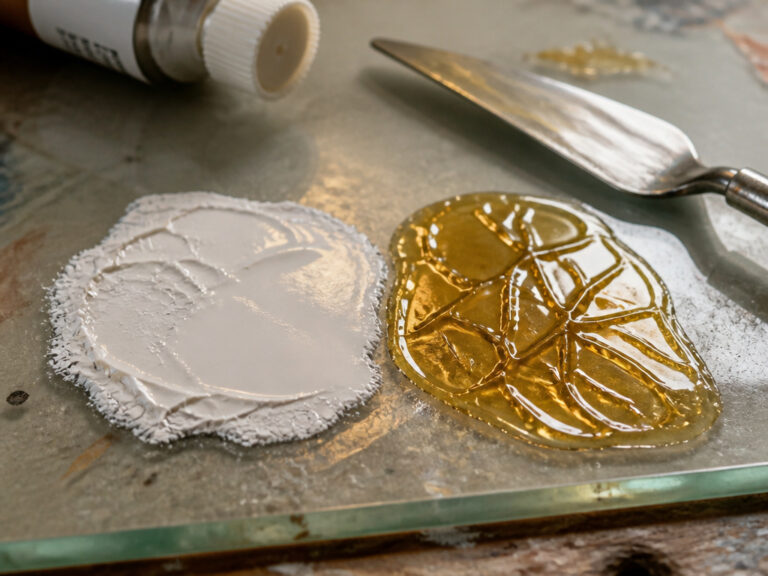
A paint binder is the film-forming ingredient that holds pigment to the surface. Here’s how it works, why it dries or cures, and what it means for you.
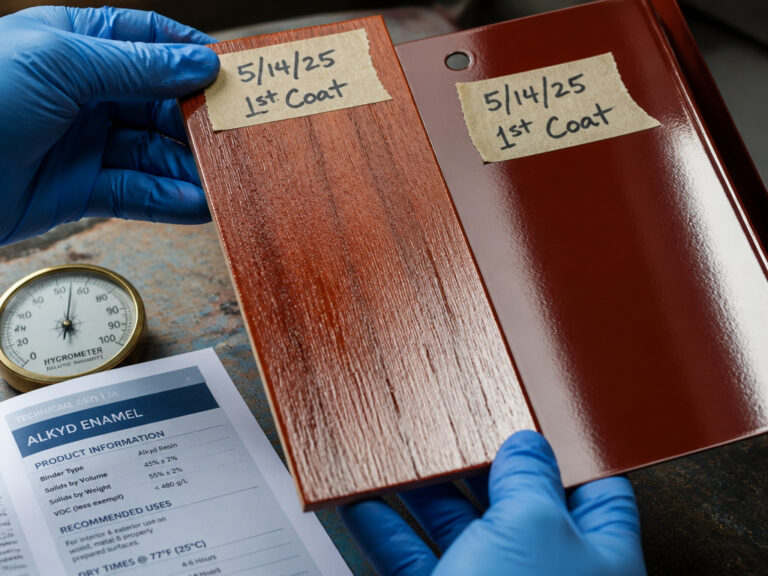
Latex cures in 14 to 30 days, oil in 7 to 10, and two-pack in about 7. Here is what each number means, where the sources disagree, and when to wait.
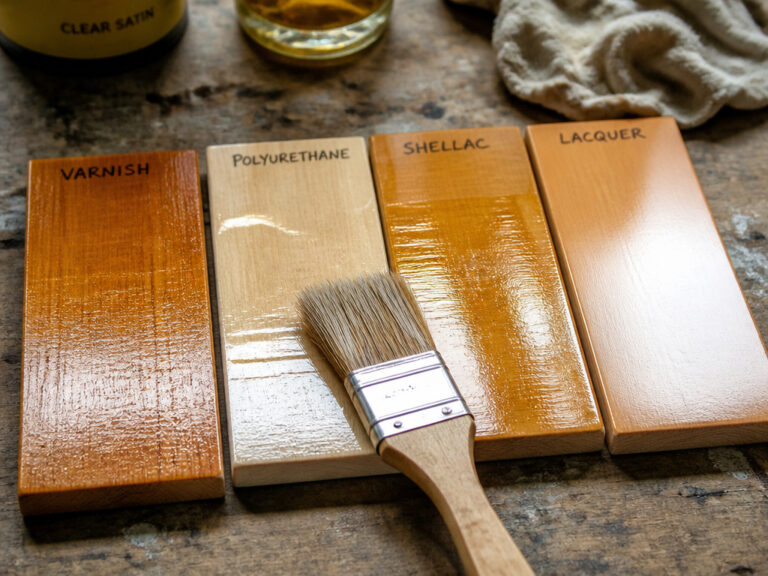
Varnish pros and cons, from a hard film that resists coffee and sunlight damage to the slow drying and stripping that come with it. Here’s how to choose.
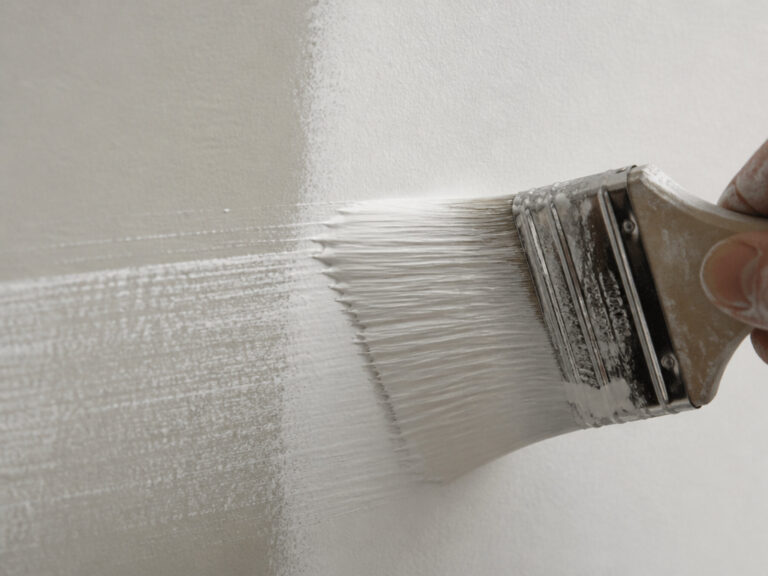
Latex paint dries in 2 to 4 hours and cures in 30 days, but flexibility costs it abrasion resistance. Here’s where latex wins, where it fails, and why.
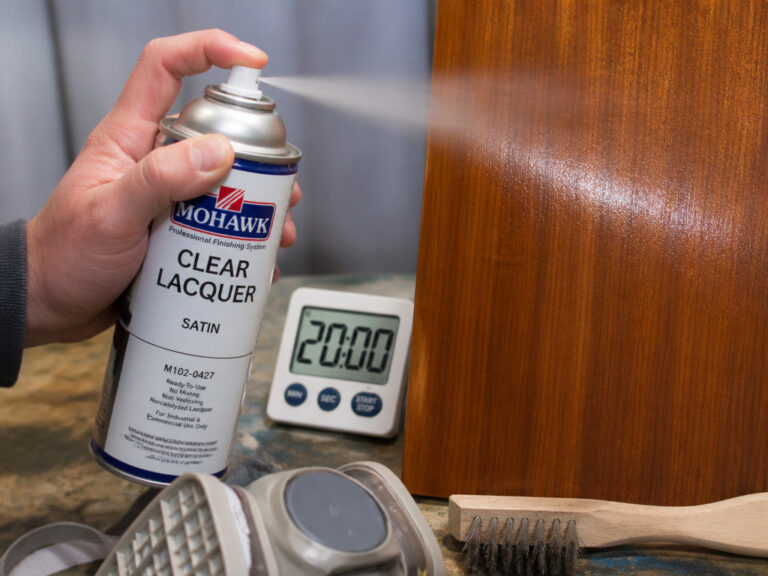
Lacquer paint pros and cons, grounded in EPA and manufacturer data: 20-minute touch-dry, 24-hour full cure, and the durability debate sources don’t settle.
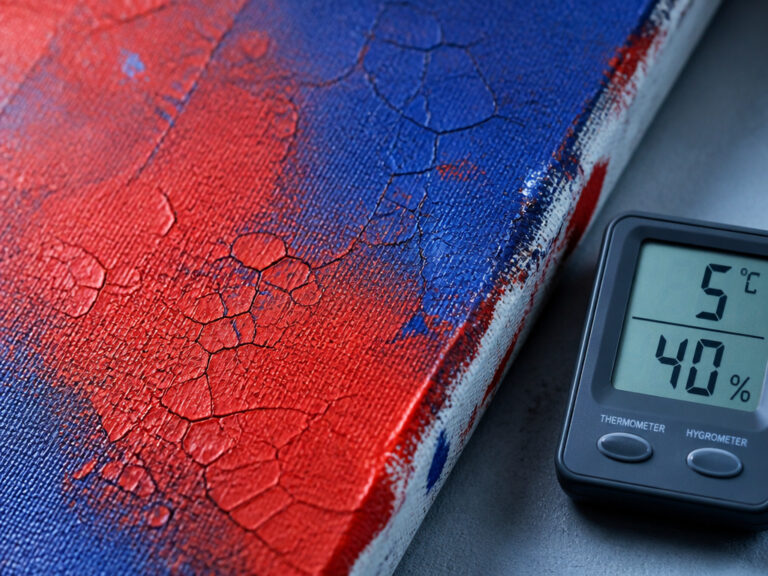
Acrylic paint pros and cons with real datasheet numbers: 30-minute touch dry, 7-day cure, softening above 70 C, and where cold and solvents break the film.
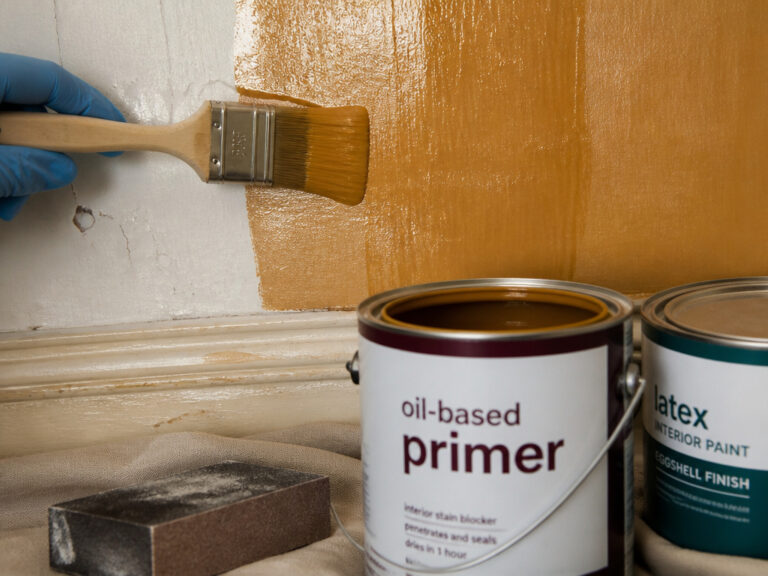
Latex vs oil-based paint for interior walls: dry times, yellowing, adhesion, and where the manufacturers disagree. Here’s what to put on your walls.
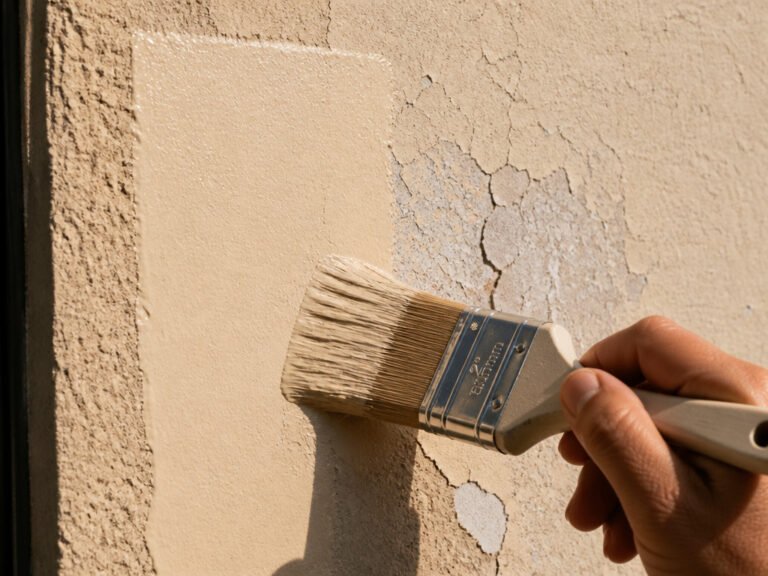
Acrylic vs latex paint for walls: most “latex” wall paint is a vinyl-acrylic or PVA emulsion. Here’s which binder wins for drywall, baths, and exteriors.
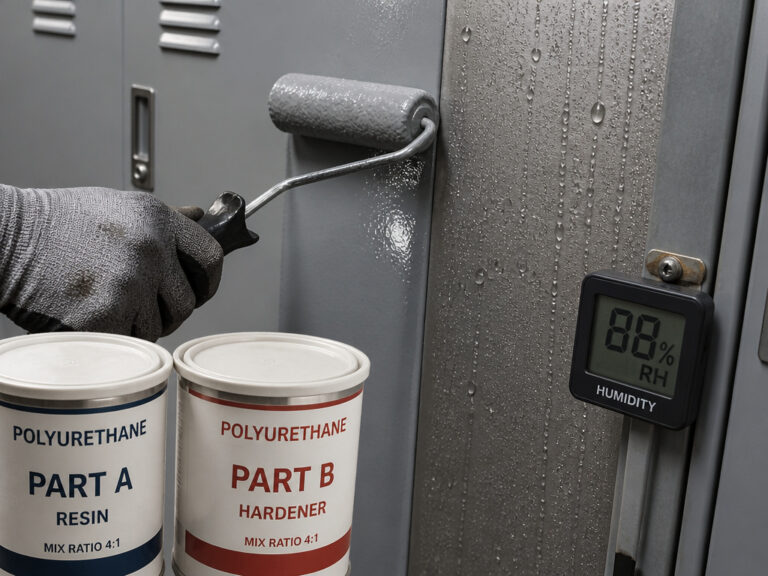
Learn how to choose paint for high-traffic areas by reading dry film thickness, coverage, and dry times, not the resin name. Specs first, marketing second.
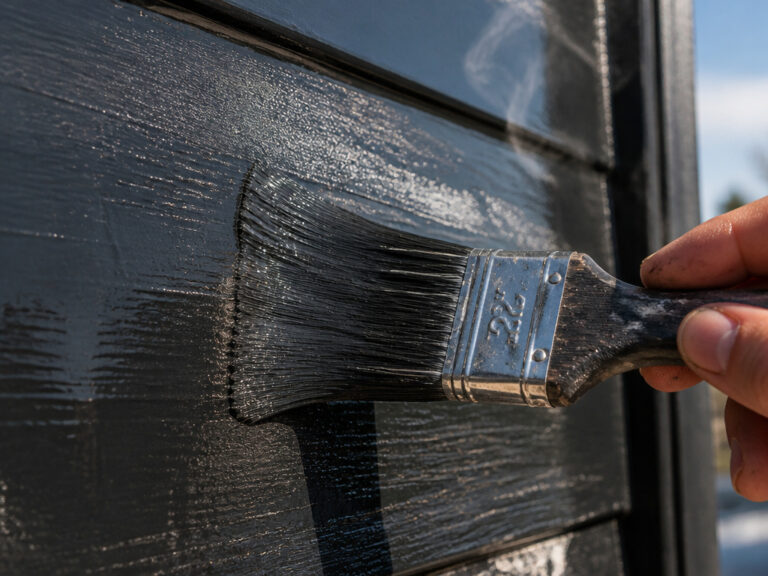
Acrylic vs oil-based exterior paint, settled by climate and prep: what lasts, where alkyds still win, and the temperature limits that decide it.