How to Choose Exterior Paint: What Actually Decides It
How to choose exterior paint: match surface, weather window, and chemistry. Real test data on what lasts and what peels in two years.

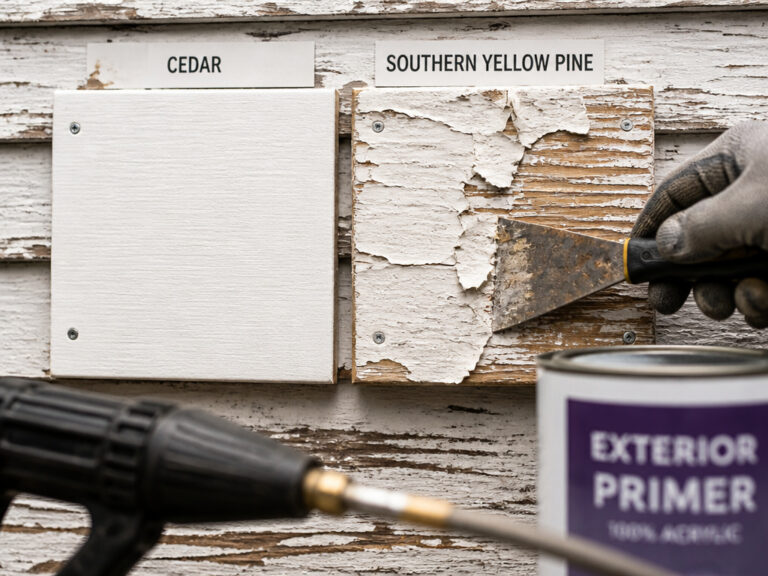
How to choose exterior paint: match surface, weather window, and chemistry. Real test data on what lasts and what peels in two years.
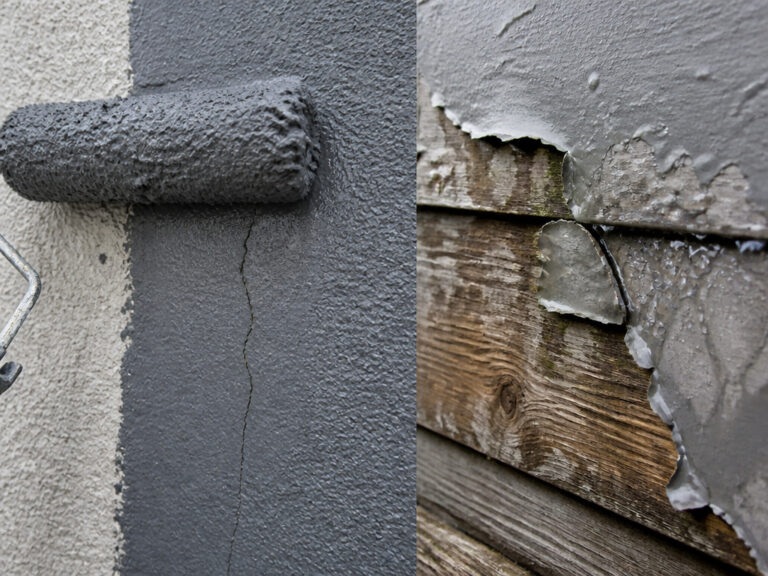
Elastomeric paint bridges cracks and blocks rain, but costs more and fails on damp surfaces. The real pros and cons before you buy.
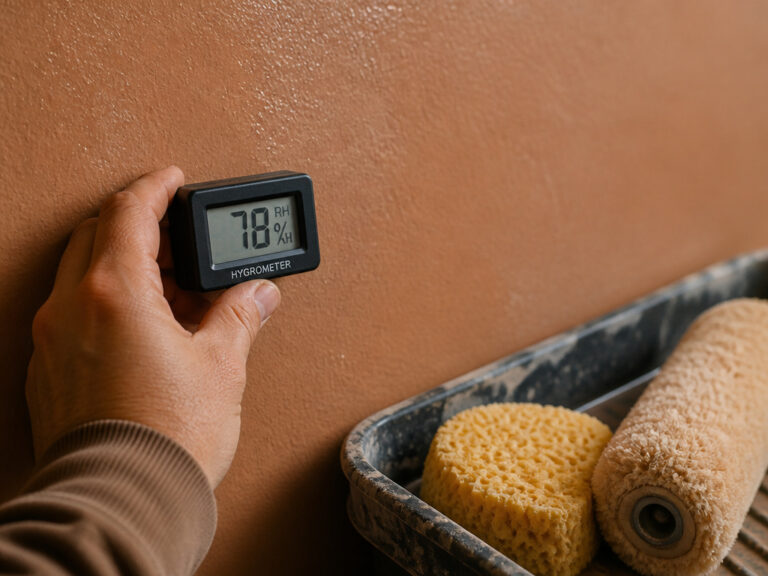
Clay paint breathes and dries dead matt, but it marks easily and cures slowly. Here’s where the makers disagree, and what to test first.
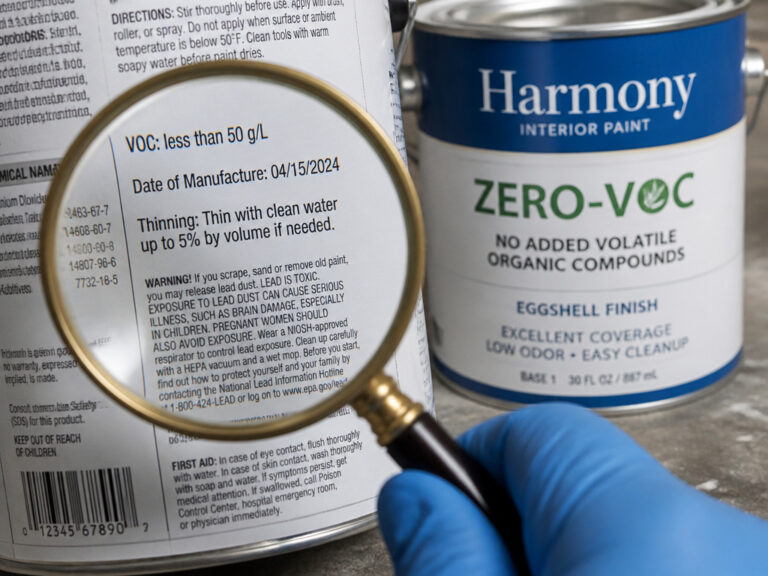
A zero VOC paint guide to what 0 g/L actually measures, why tinting breaks the claim, and how to test a can before you commit to a wall.
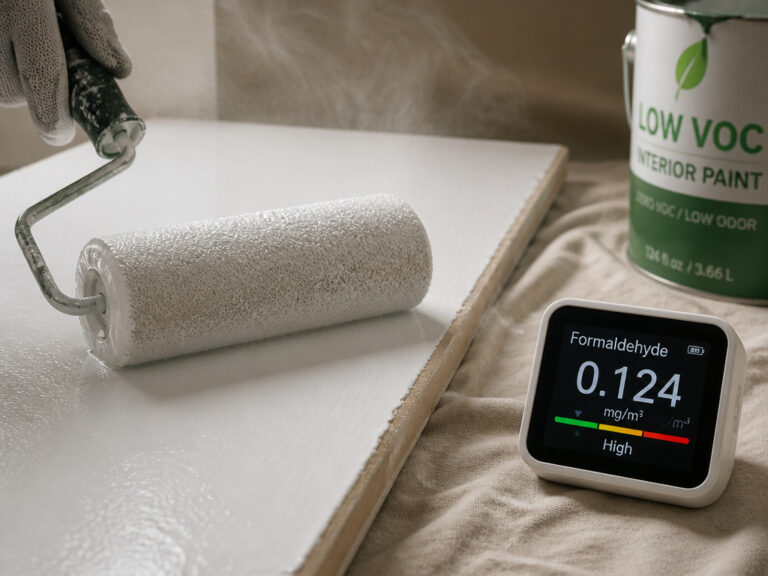
Low VOC paint pros and cons, checked against EPA and ASTM data: what the label measures, what it misses, and how to test a can before you commit.
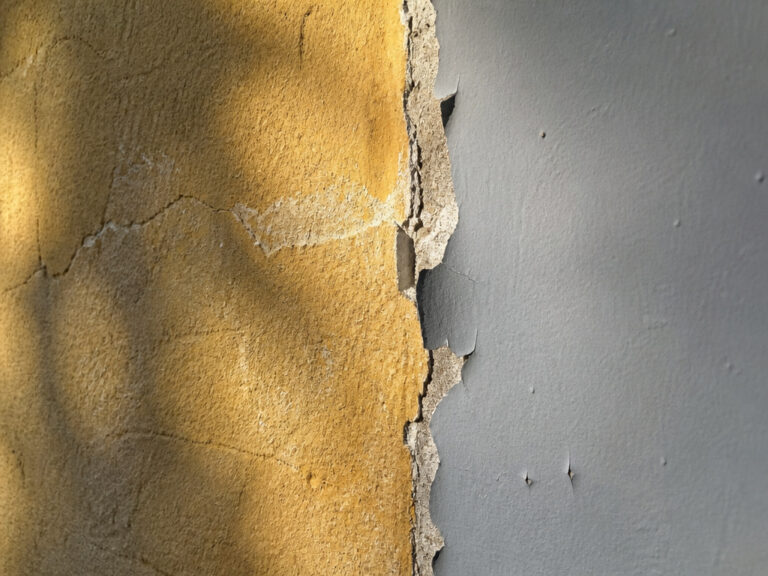
Limewash paint pros and cons, judged against the research: real breathability, honest recoating intervals, substrate failures, and acrylic fakes.
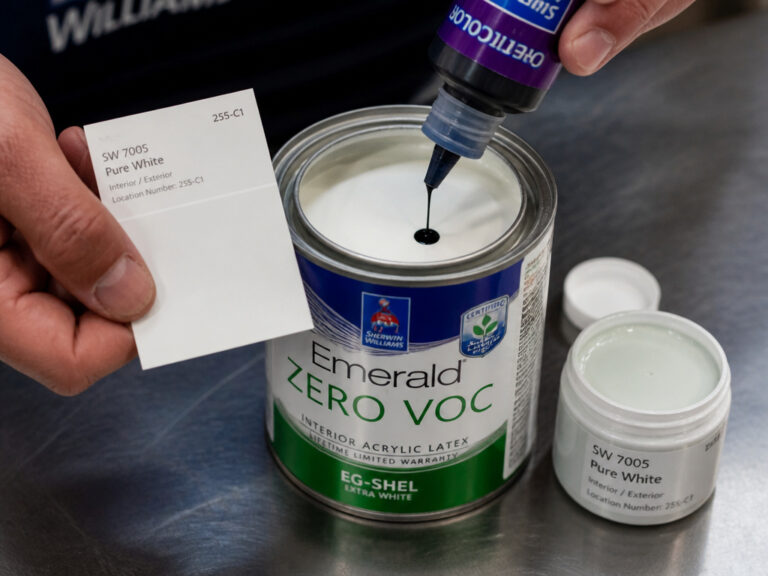
Read the label, check the tint, and pick a certification that actually limits VOCs. Here is the buying sequence that avoids the greenwashing traps.
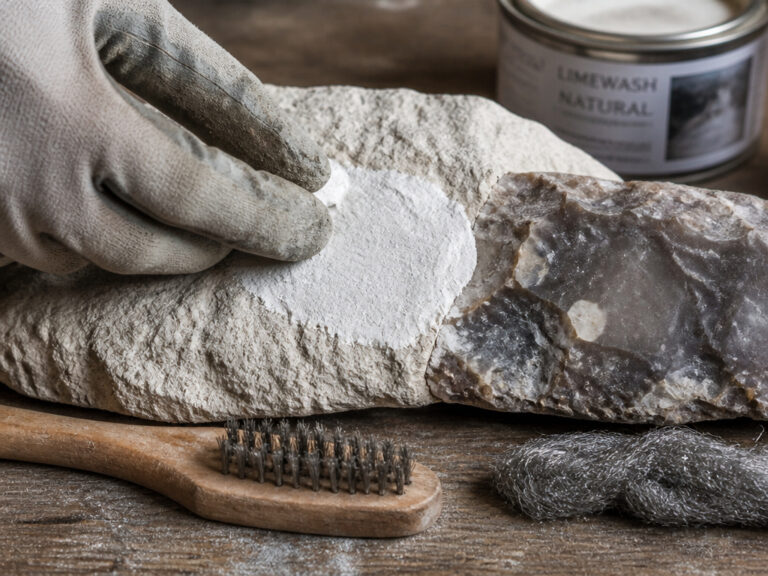
Learn how to make limewash paint with the right lime-to-water ratio, how many coats it needs, and why a batch crazes or powders before it ever cures.
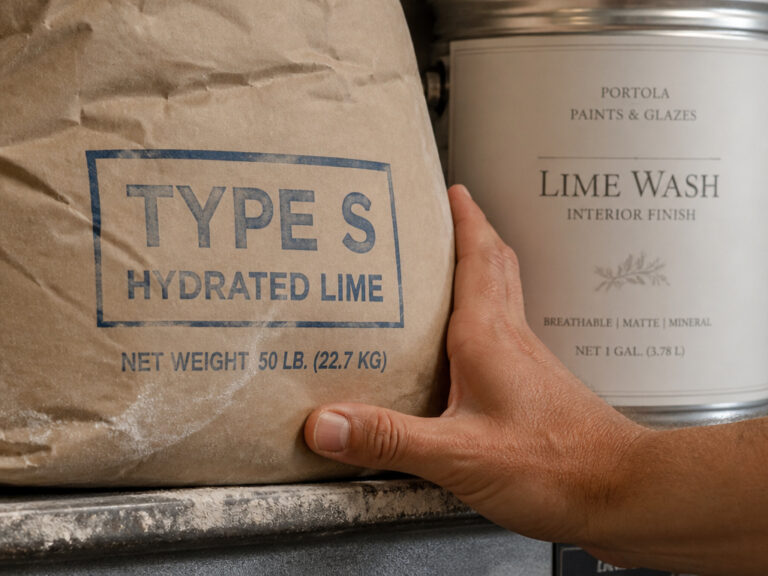
Learn how to make whitewash from hydrated lime and water, how to judge the mix by feel, and which surfaces will reject it no matter what.
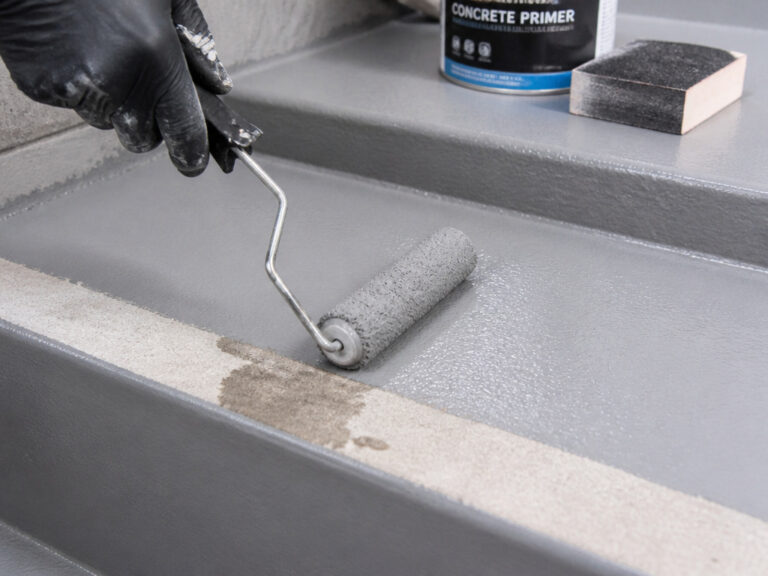
How to paint concrete steps so the coating stays put: cure times, the plastic-sheet moisture test, etching, and the temperature window each product needs.