How to Paint a Car for Beginners: Step-by-Step
How to paint a car for beginners: the prep order, the grits that matter, thin coats, and the three steps where the major manuals disagree.

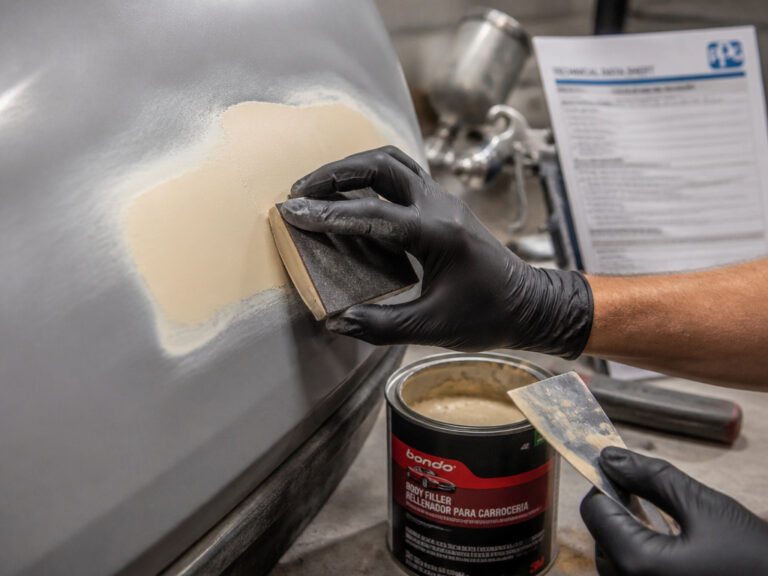
How to paint a car for beginners: the prep order, the grits that matter, thin coats, and the three steps where the major manuals disagree.
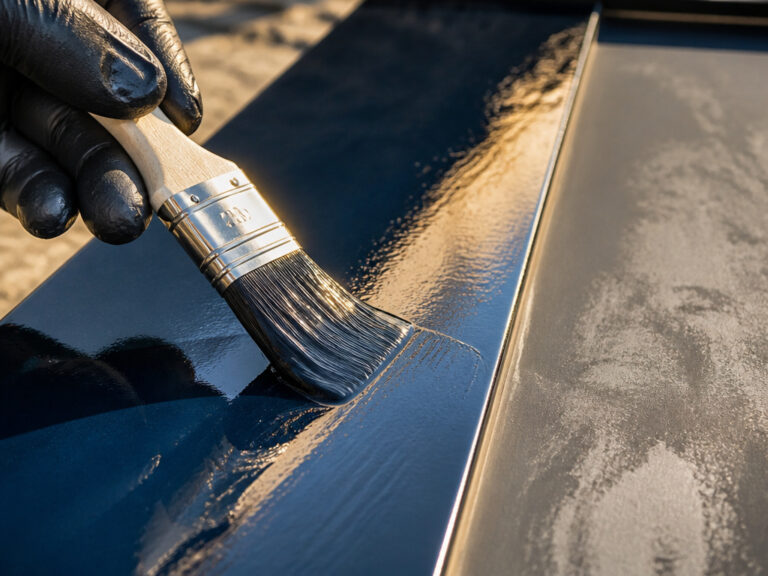
Metal paint types explained by what each family actually does: alkyds, epoxies, polyurethanes, acrylics, and zinc-rich primers. Pick right, stop peeling.
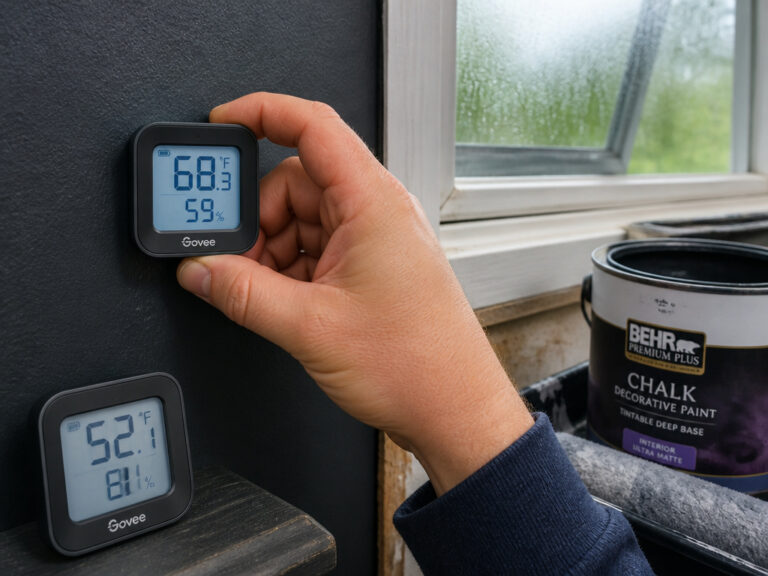
Chalkboard paint guide to cure times, recoat windows, and temperature limits from six manufacturer data sheets, plus the prep that decides the finish.
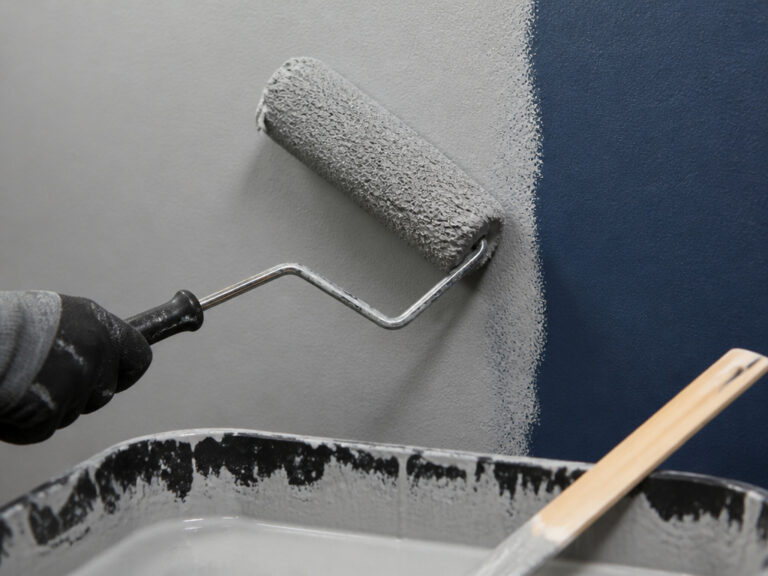
Primer vs undercoat explained: what each coat does, when you can skip one, and where combined tins fall short. Surface-by-surface guidance for real jobs.
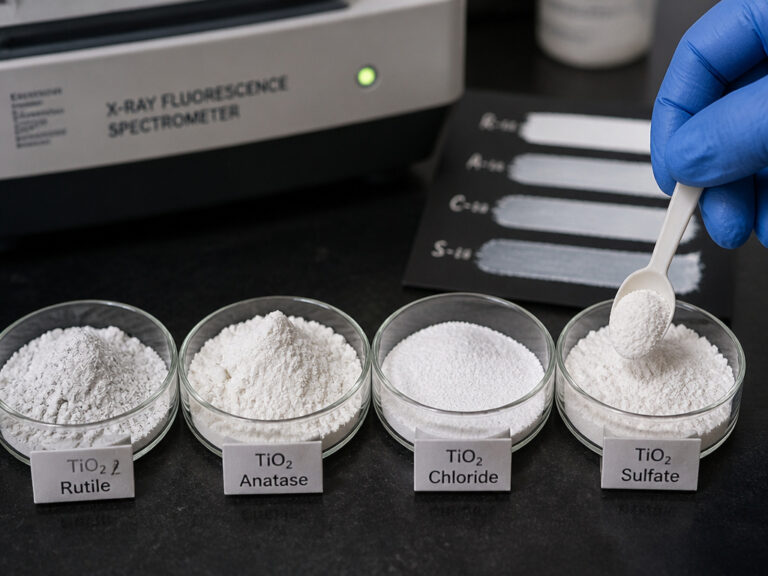
Titanium dioxide is the pigment that makes paint white and opaque. Here’s how it scatters light, why grades differ, and what it does to durability.
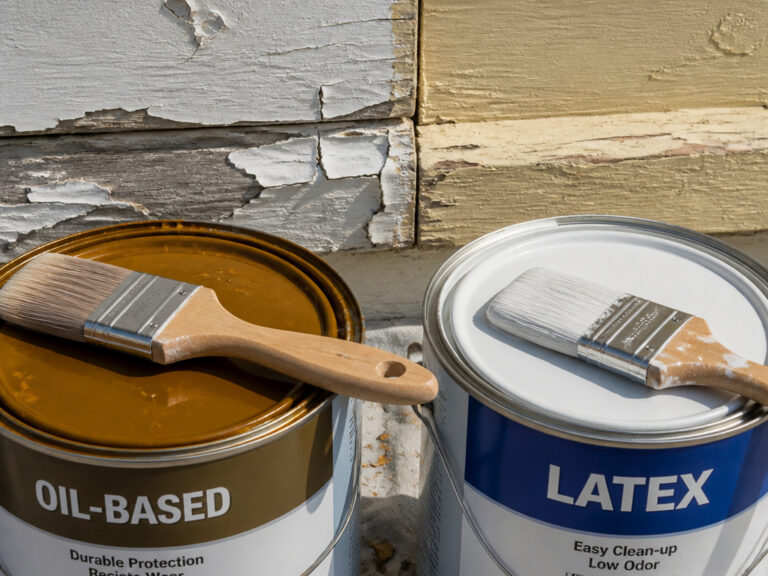
Oil-based paint still wins on doors and trim, but it yellows, chalks, and needs 40 F held for 24 hours. Here’s where it earns its place and where to skip it.
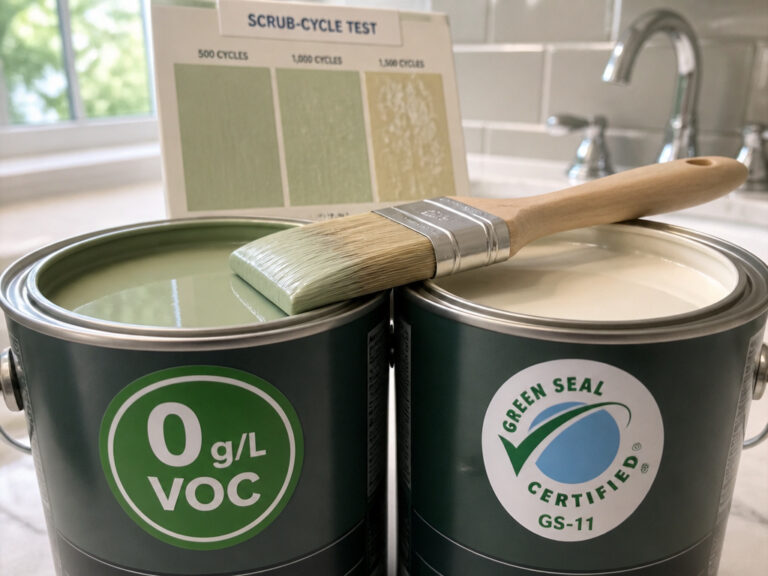
Pick the right sheen, know when primer is optional, and wait long enough before the shower runs. Where Consumer Reports and Benjamin Moore disagree.
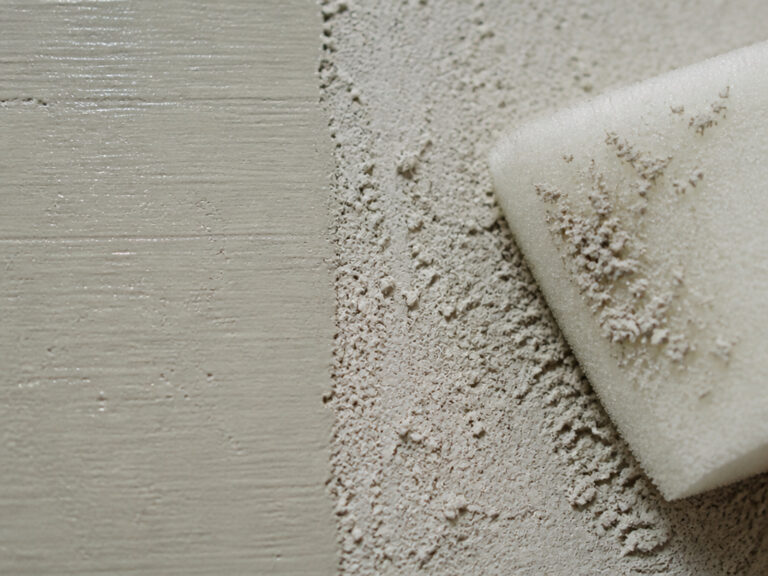
Flat and matte paint finishes are often the same grade. Learn what gloss units actually mean, where each holds up, and how to pick.
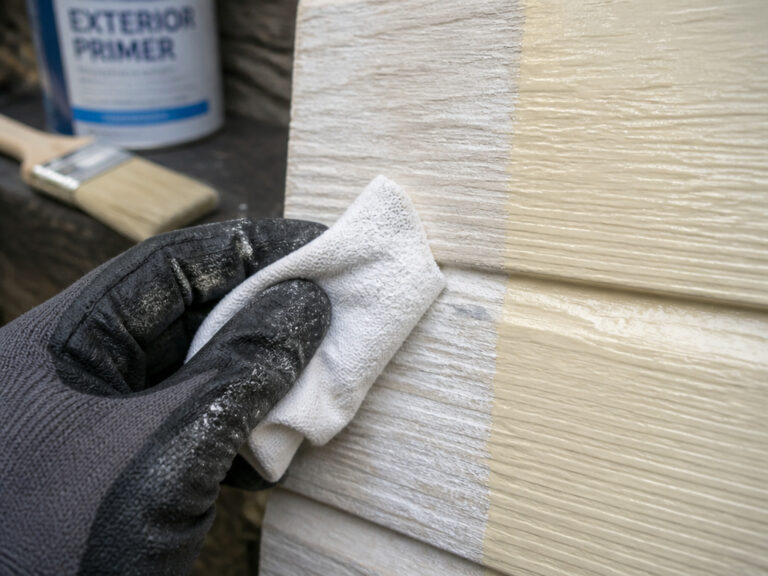
Exterior paint types explained: acrylics, alkyds, and traditional coatings, plus what government field tests and weather limits actually say.
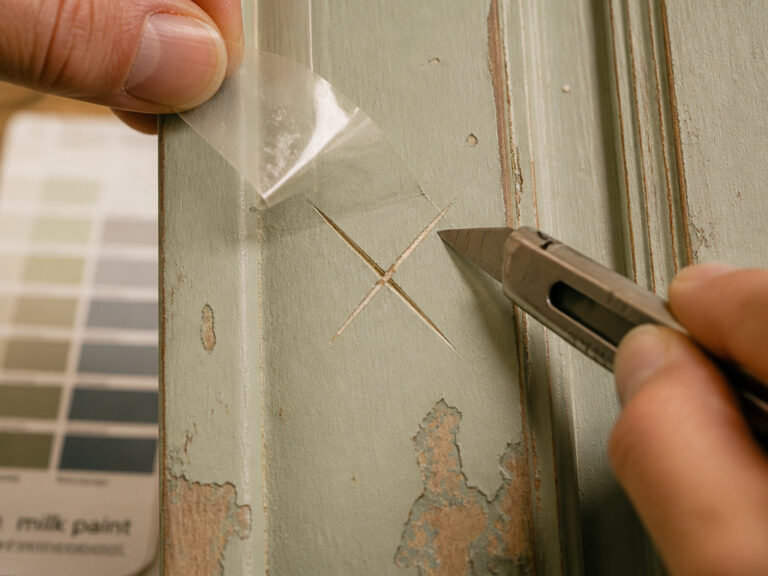
Honest milk paint pros and cons from the spec sheets: 15-50 year interior life, a 30-day cure window, and where it fails on floors and wet kitchens.