
Flat vs Matte Paint Finish: Which Should You Choose?
This post contains affiliate links. As an Amazon Associate, we earn from qualifying purchases.
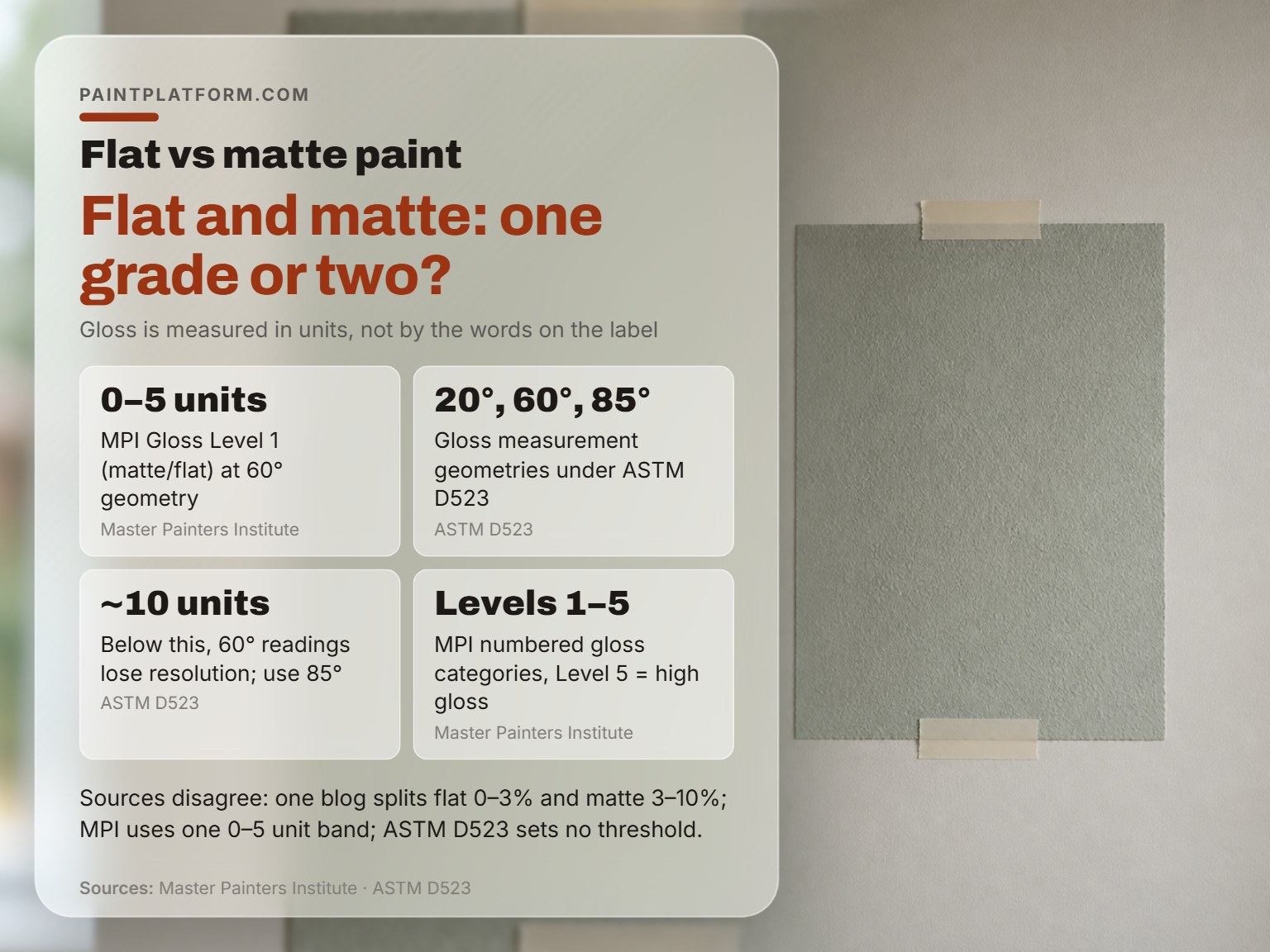
Flat vs matte paint finish is mostly a label difference: ASTM D523 defines how gloss gets measured but sets no flat or matte threshold, and the Master Painters Institute groups flat and matte into one low-gloss band at 0 to 5 gloss units measured at 60 degrees.
Gloss units come off a meter, not a marketing department. ASTM D523 measures specular gloss at three angles (20, 60, and 85 degrees), and 60 degrees is the geometry specified for most coatings. Below about 10 gloss units that reading runs out of resolution, which is precisely where flat and matte both live.
What follows: the standard that measures sheen, the coating chemistry that decides wear, and the sample-board test I run before I buy a gallon.
Key Takeaways
- Flat and matte are frequently the same grade. MPI treats Flat/Matte as a single category, Gloss Level 1, running 0 to 5 units at 60 degrees.
- The 0 to 3 percent flat and 3 to 10 percent matte split is convention, not standard. ASTM D523 defines the measurement method and sets no threshold.
- Durability follows pigment volume concentration. A film below critical PVC has encapsulated pigment and scrubs better than a budget matte sitting above it.
- Ask for gloss units at 60 degrees on the technical data sheet. That single number is the only cross-brand comparison that survives scrutiny.
- Test sheen on a board, not a chip. A sample board taped to the wall, checked morning and evening, shows you what a chip hides.
Flat vs Matte Paint Finish: Are They the Same Grade?
Usually, yes. The Master Painters Institute, the specification body commercial architects work from, treats Flat/Matte as one category and sorts interior finishes by gloss units rather than by either word.
Specular gloss is measured under ASTM D523 at three geometries: 20 degrees, 60 degrees, and 85 degrees. The 60 degree angle is specified for most coatings, while 85 degrees is specified for low-gloss surfaces because 60 degree readings lose resolution below roughly 10 gloss units. The standard defines measurement only, not a flat or matte threshold.
Where the two words get pulled apart is in blog copy. A widely repeated table assigns flat 0 to 3 percent sheen and matte 3 to 10 percent, with a hard line at 3. That table traces to no standards body I can find. MPI’s gloss chart doesn’t use it, and ASTM D523 doesn’t define it.
| Position | What it says | Boundary at 3 percent? |
|---|---|---|
| ASTM D523 | Defines measurement geometry only | No threshold defined |
| Master Painters Institute | Flat/Matte as one low-gloss band | No, Gloss Level 1 runs 0 to 5 |
| Common blog convention | Flat 0 to 3, matte 3 to 10 | Yes, hard line at 3 |
So when you compare a flat vs matte paint finish across brands, the word on the lid tells you almost nothing. The number on the technical data sheet tells you everything.
What a 60 Degree Reading Tells You That a Paint Chip Won’t
ASTM D523 is the instrument sitting behind every sheen claim on a label. It fires a beam of light at the film from a fixed angle and measures how much bounces back.
At 60 degrees you get the standard reading for most coatings. At 85 degrees you get the reading that actually separates low-gloss films, because 60 degree numbers lose resolution below about 10 gloss units. That’s the whole reason the low-gloss angle exists.
Which means a sheen figure is only meaningful if you know the geometry it was read at. Most consumer sheets print one number and leave the angle off.
What to Pull From a Technical Data Sheet
- Gloss units at 60 degrees. The one figure you can compare across brands without guessing.
- Pigment volume concentration, when the sheet lists it, because that number predicts scrub life far better than the word matte.
- Scrub resistance results, usually reported against ASTM D2486, which is the defensible evidence behind any washability claim.
- Whether the product carries a bath or kitchen rating.
I stopped trusting the word on the lid a long time ago. Two brands can both print “matte” and land several gloss units apart, and you only find out after the second coat is dry. Pull the sheet before you pull out a card.
If you want the wide version of this, the low sheen vs high sheen breakdown walks the geometry across a whole room. Numbers travel. Words don’t.
Why a Cheap Matte Can Wear Worse Than a Good Flat
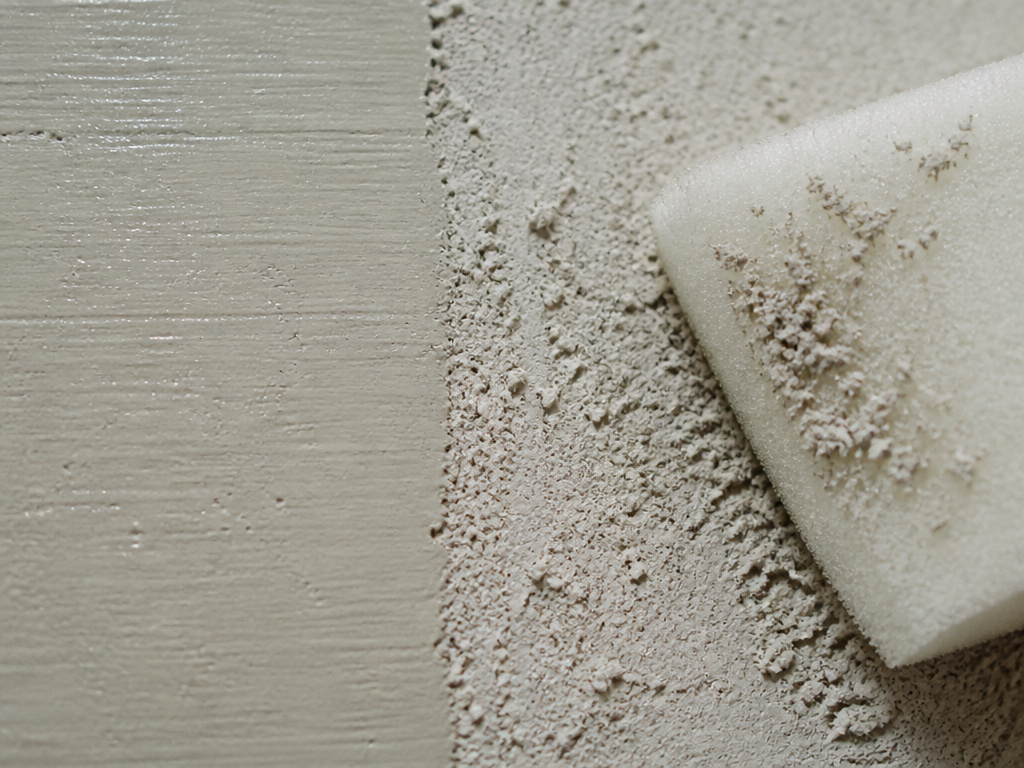
Paint chemists sort durability by pigment volume concentration, not by sheen words. PVC is the ratio of pigment to binder in the can, and the number that matters is the critical point above it.
Below critical PVC, the binder fully encapsulates every pigment particle. The film cures tight, wipes clean, and carries a faint sheen. Above critical PVC there isn’t enough binder to fill the gaps, so voids form. The film goes chalky, hides wall texture beautifully, and scrubs away under a sponge.
That mechanism is the reason I’d take a well-made flat over a cheap matte on a hard-use wall. DecorDash.blog says matte holds more resin and therefore washes better, while CPVC coatings literature says the outcome depends on which side of critical PVC the film sits on, and the label never tells you.
A high-PVC flat hides a bad wall better than anything else on the shelf. It also gives up first in a hallway. Decide which of those two you can live with before you pick a word off the label.
Where this goes sideways: Buying matte purely for scrub resistance. If the film sits above critical PVC, the sponge lifts pigment along with the scuff, and the cleaned spot reads lighter than the wall around it every time you wipe.
If hiding texture is the actual goal, the paint for imperfections question deserves its own answer before you commit to a sheen.
Where Matte Earned Its Place in My Own Hallway
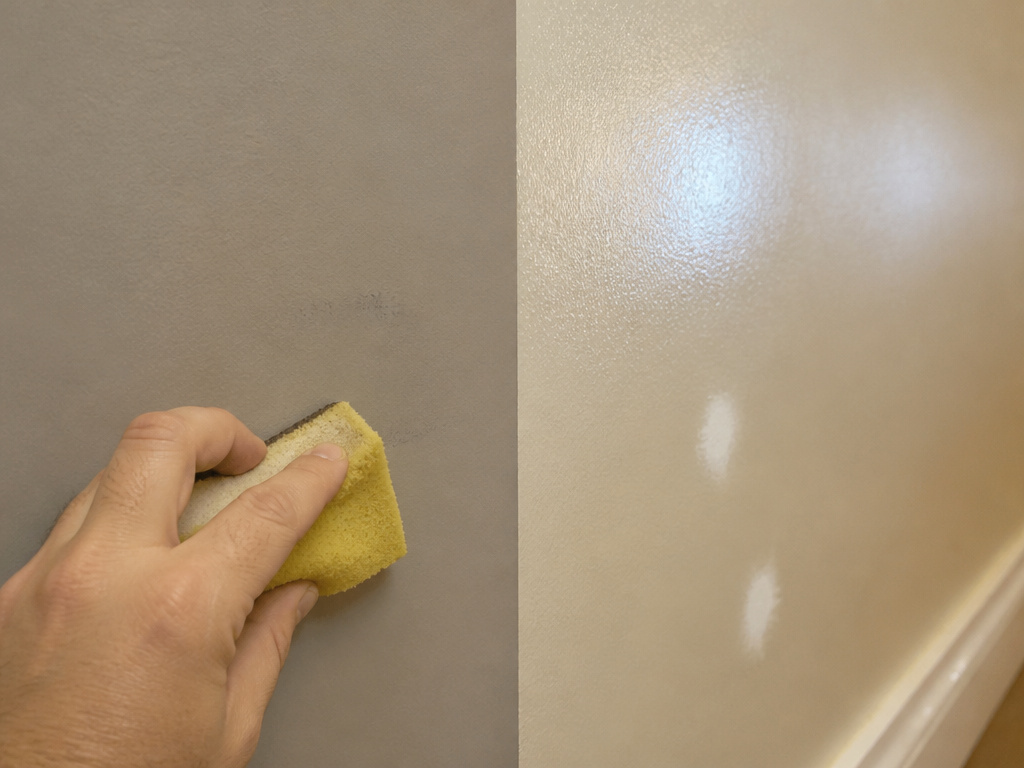
My gear bag hits the same stretch of hallway wall every morning. I painted that stretch in a washable matte and left the adjoining strip in eggshell because I had half a gallon left over.
The scuffs wiped off with a damp sponge. The matte side also swallowed a pair of patched dents that the eggshell turned into two bright spots under the hallway light.
Small confession: I avoided washable matte for years because I assumed it was a marketing word. I wish I’d quit being snobby about it sooner.
The Burnishing Question
Burnishing is a recognized field defect in low-sheen coatings, where repeated friction polishes the film into a glossier spot. It reads as a dull shine that only shows up when you stand at an angle to the wall, usually at shoulder height where a strap or a chair back rubs.
Owners on painter forums and r/HomeImprovement report the same thing, and they add a second complaint: matte doesn’t touch up invisibly the way flat does. Treat that as anecdotal, because it is. It still matches what I see at an angle in my own hall.
Easy to miss: Burnishing shows at an angle, not head-on. You’ll spot it from the doorway and miss it from the couch, so check the wall the way a visitor walking past would.
Manufacturers position matte as the washable, durable choice. Owners counter that it burnishes and patches badly. Both can be true of different products, which is why the matte vs eggshell comparison has to be done per can rather than per category.
How Do You Test a Sheen Before You Commit to a Gallon?
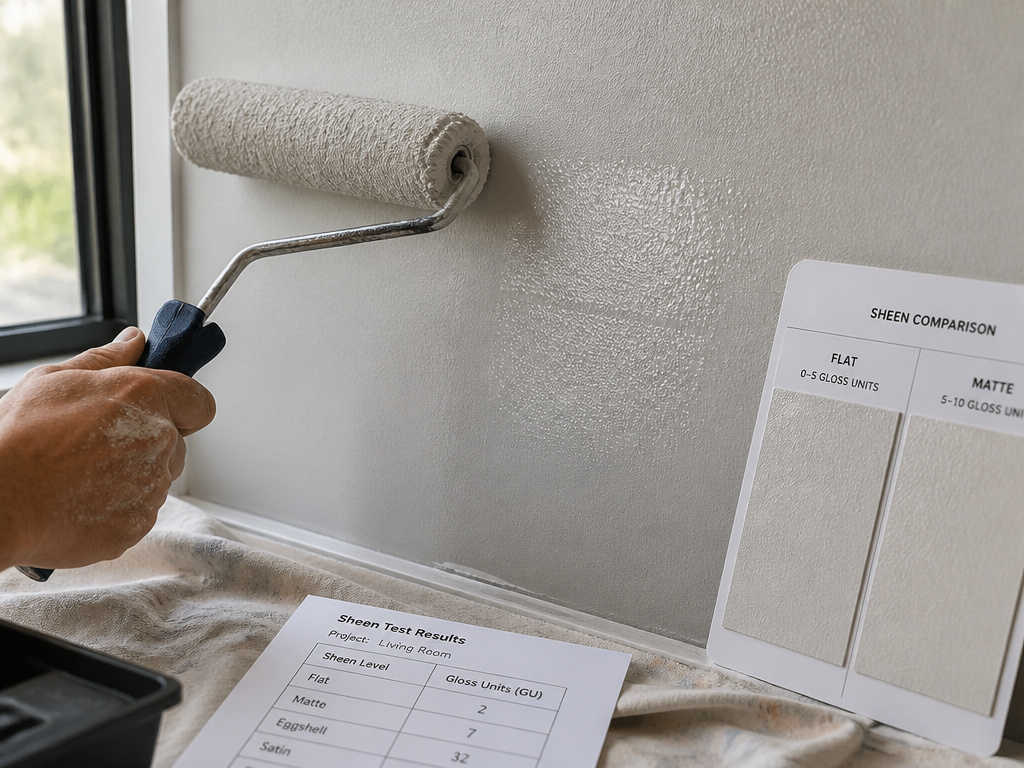
I picked satin off a chip once because it looked soft and pretty under store lighting. On a full wall with a window across from it, it turned into a mirror for every roller mark.
Now I paint a board and live with it for a day.
- Buy a sample pot, not a chip. Chips are tiny printed approximations that flatten every angle into one. Skip this and you’re choosing a sheen from a square inch.
- Cut a board large enough to read as wall. Big enough that your eye reads it as wall instead of as a swatch.
- Roll it, don’t brush it. A brush lays a different film thickness, and roller stipple is half of what you’re testing.
- Tape it to the actual wall at eye level. Sheen picks up the room’s real light, including the window you forgot about.
- Look at it in the morning and again at dusk. Sheen shows at angles, not head-on. One glance in flat noon light tells you nothing.
That routine is the reason my hallway ended up matte and my ceilings didn’t, and the paint sheen guide for room-by-room picking is worth reading before you buy. The paint sheen guide for room-by-room picking is worth reading before you buy, and the rollers for flat paint matter more than most people expect once you’re laying a low-sheen film.
Which Sheen Goes Where, and When Flat Is the Wrong Call
Three surfaces, three answers, and one room where the safe pick backfires.
Ceilings want flat, and the reason is optical. High-PVC films scatter light instead of reflecting it, so the ceiling stops showing every ridge in the drywall compound. Walls in low-traffic rooms are the same story. Hallways and kids’ rooms want a washable matte with a data sheet you’ve actually read.
| What you see | Likely cause | What to check |
|---|---|---|
| Shiny patch where a strap rubs | Burnishing on a low-sheen film | Gloss units at 60 on the TDS |
| Chalky film that wipes off | Applied above critical PVC | Scrub resistance per ASTM D2486 |
| Roller laps under window light | Sheen too high for the wall | Sample board at a low angle |
| Touch-up patch reads darker | Sheen mismatch, not color | Whether the original was flat or matte |
Bathrooms: Where the Advice Splits
DecorDash.blog says flat traps moisture and mildew, so it’s unsuitable for bathrooms, while manufacturer data sheets for bath-rated products complicate that: low-sheen finishes with antimicrobial additives may be permitted, which makes it a product question rather than a sheen question.
Check the sheet for the specific product. A blanket rule about flat in bathrooms is doing less work than it looks like.
When flat is genuinely the wrong call:
- Hallways, stairwells, and anywhere a bag or a dog rubs. Flat above critical PVC gives up on the first damp wipe.
- Bathrooms without a bath-rated product. Verify the sheet before you trust a low-sheen label near a shower.
- Walls you’ll touch up in a hurry. Flat blends. Matte can leave a halo.
For the ceiling side of this, the paint for ceilings breakdown covers why flat wins there. And if you’re still sorting the whole shelf, the interior paint types overview puts flat, matte, eggshell, and satin in one frame.
Frequently Asked Questions
Is matte the same as flat paint?
Often, yes. The Master Painters Institute groups Flat/Matte into a single low-gloss category, Gloss Level 1, at 0 to 5 gloss units measured at 60 degrees. Some manufacturers sell them as separate products with different gloss readings, so the word alone doesn’t settle it.
Does matte paint wash better than flat?
It depends on the film, not the label. Below critical PVC the binder encapsulates the pigment and the film scrubs well. Above critical PVC, voids form and the coating gives up under a sponge. Ask for scrub resistance results cited to ASTM D2486 before you assume matte is the tougher option.
What does 5 gloss units mean?
It means the film reflected 5 units of light in a specular gloss reading taken at 60 degrees under ASTM D523. That’s inside the low-gloss band MPI calls Gloss Level 1, which covers flat and matte together. For comparison, MPI’s Gloss Level 5 is high gloss.
Why does my matte wall show shiny patches?
That’s burnishing, a recognized defect in low-sheen coatings where friction polishes the film to a glossier spot. It shows up where a strap, a chair back, or a shoulder rubs repeatedly. You’ll notice it at an angle rather than straight on.
Can you use flat paint in a bathroom?
Sometimes. DecorDash.blog says flat traps moisture and mildew, while manufacturer data sheets for bath-rated low-sheen products may permit the finish when antimicrobial additives are present, so it comes down to the specific product sheet.
Is matte harder to touch up than flat?
Owner reports say yes, and it’s anecdotal rather than measured. Painters on forums describe flat blending invisibly while matte leaves a visible halo, whereas manufacturer marketing positions matte as the durable, washable option and doesn’t address touch-up the same way.
The Bottom Line
Here’s the trigger I’d use. If the wall gets touched, rubbed, or wiped more than once a month, buy a washable matte and read the gloss units at 60 degrees on the sheet before you pay. If it’s a ceiling or a room nobody leans on, flat is the easier call and the more forgiving one.
One concession: none of this fixes a bad substrate. Sheen decides how a wall reflects light, and a wall with ridges in the compound will show them under any film with a noticeable sheen.
And a stance I’ll defend: I’d rather see a well-chosen flat on a wall with patched dents than a satin that turns every roller lap into a shadow. A matte worth testing on a board is worth the sample pot. Test it before the gallon, not after.
