How to Paint Stucco Without Cracking: Step-by-Step
Learn how to paint stucco without cracking: the temperature, dew point, moisture, and cure windows that decide whether the coating holds.

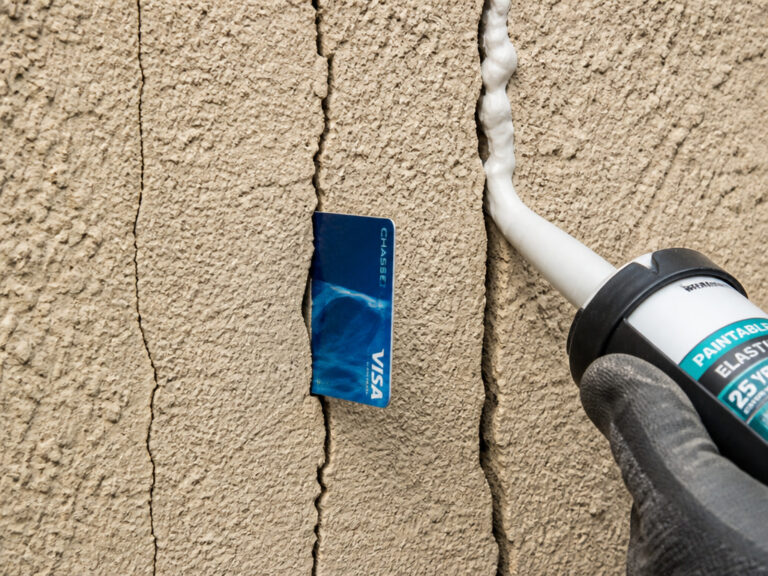
Learn how to paint stucco without cracking: the temperature, dew point, moisture, and cure windows that decide whether the coating holds.
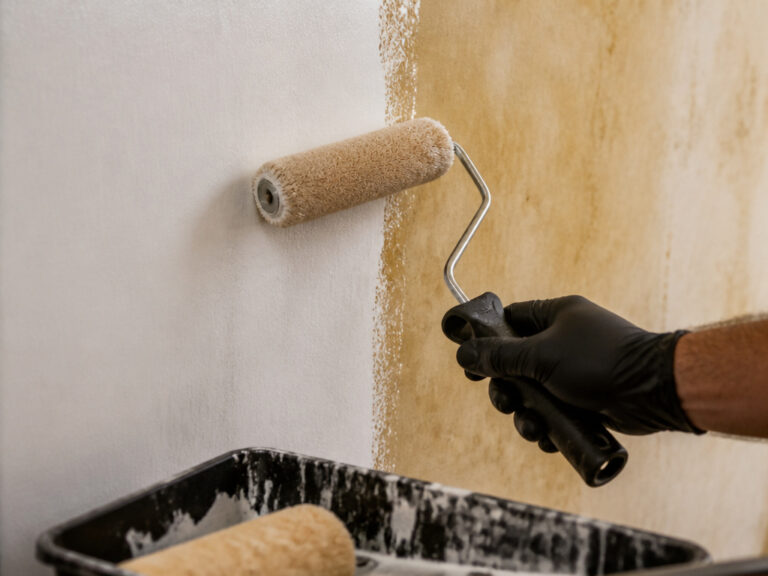
How to paint over nicotine stains: wash the wall, seal it with a shellac-based primer, then topcoat twice. Here’s the full sequence and the numbers.
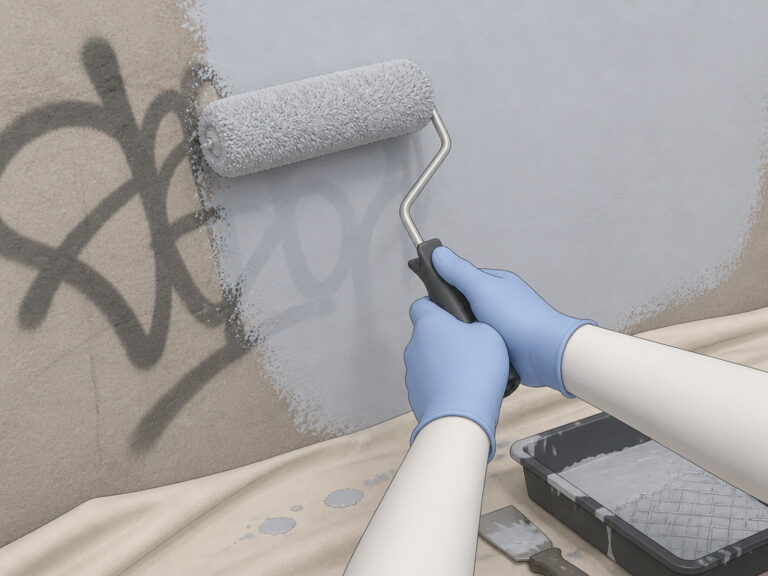
Learn how to paint over graffiti the way city crews do: surface checks, primer, color and sheen matching, and the temperature limits that decide the job.
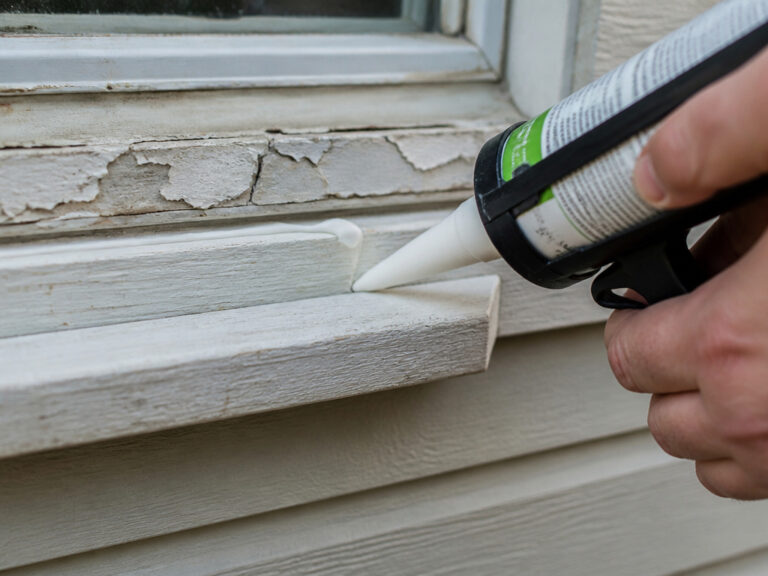
Learn how to paint over peeling paint the right way: test the film, scrape only what’s loose, prime bare wood fast, and spot-paint when the coating is too.
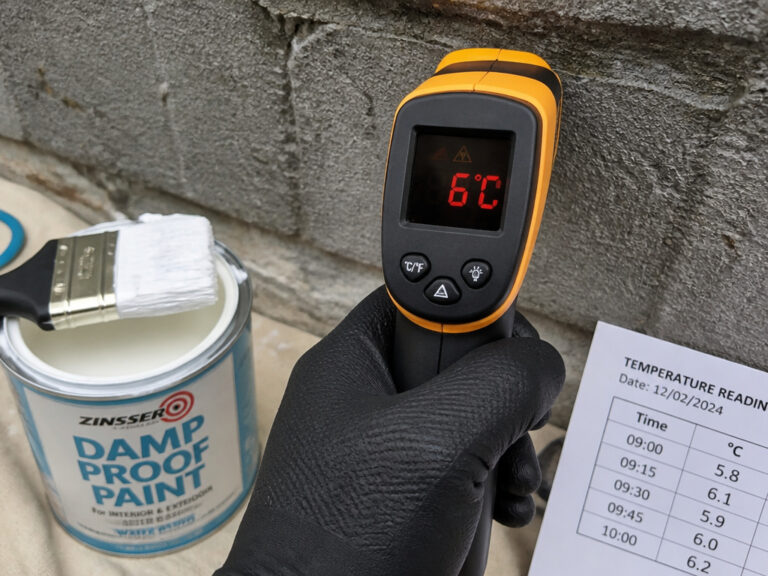
Paint over damp walls the right way: stop the water, pass the palm test, then pick a coating rated for the moisture you actually have.
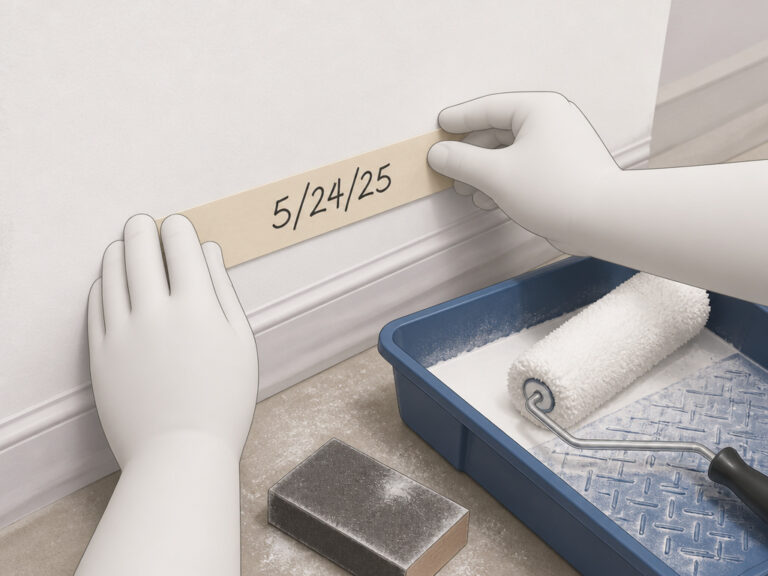
Bare wood, new plaster, stains, and chalky old paint each change the answer. Here is when primer earns its coat, and when it wastes a weekend.
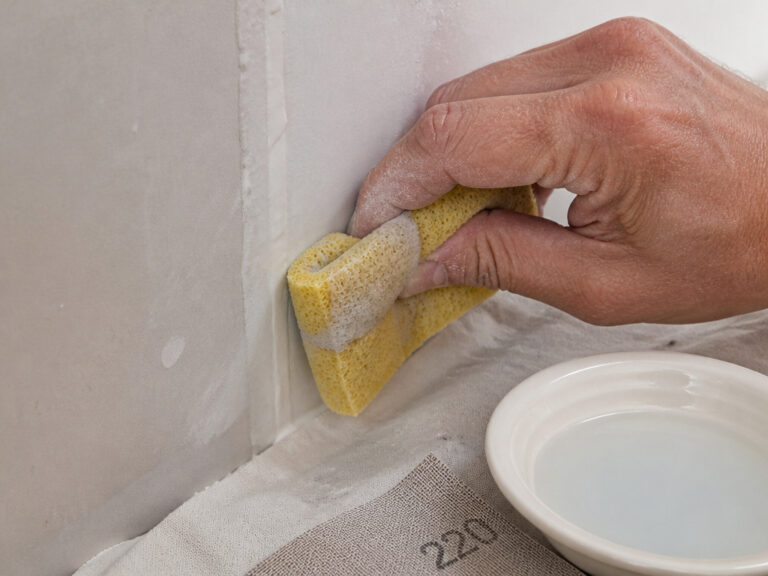
Patch drywall before painting with thin coats, the right sanding grit, and a primer coat. Here’s the order that actually holds up under a finish.
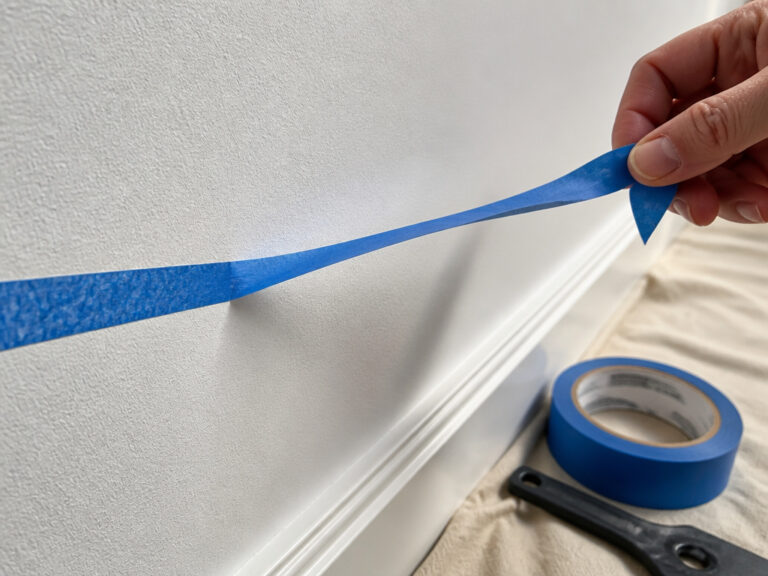
Learn how to use painter’s tape for crisp lines: surface prep, edge sealing, the right angle to pull, and what to do when the paint fights back.
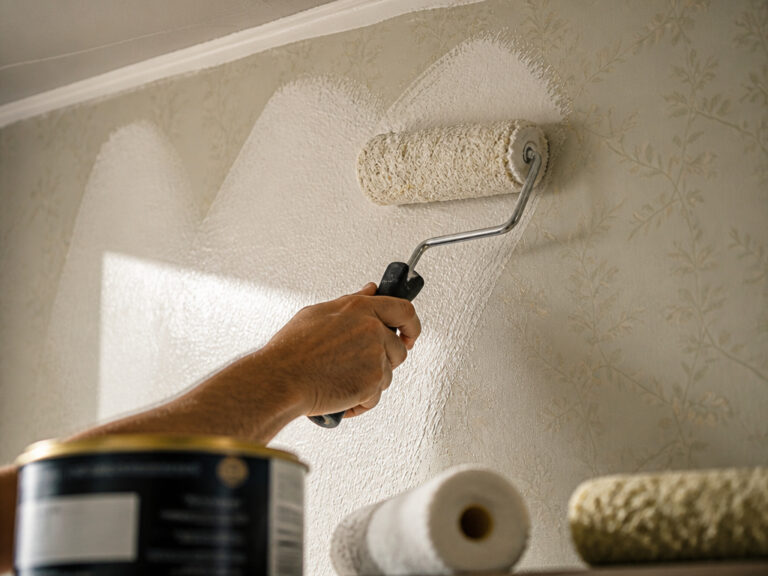
How to paint over wallpaper without bubbles, bleed-through, or seams showing: the prep order, the primer argument, and how many coats it really takes.
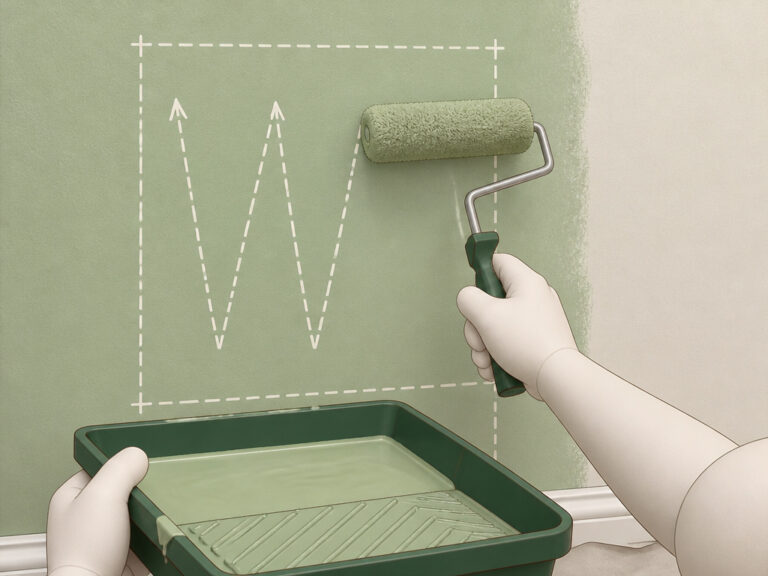
Paint a living room wall in the right order: ceiling first, cut in 2 to 3 inches, roll while wet, and recoat after 2 to 4 hours.