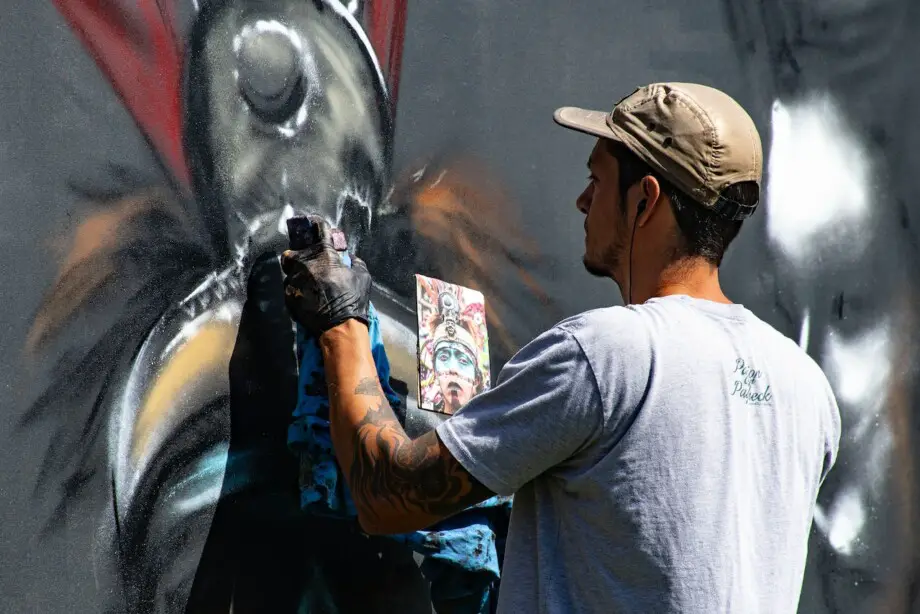
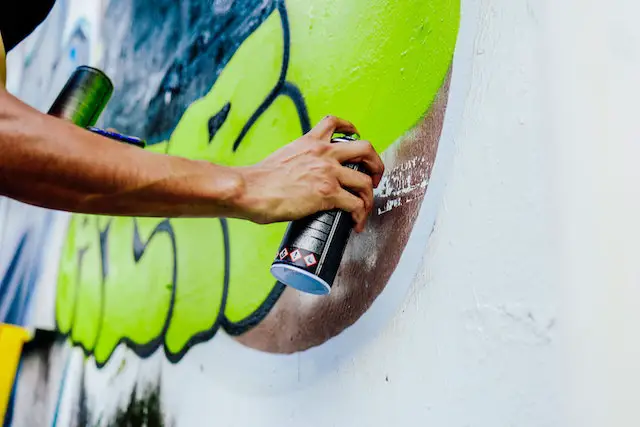
Let’s just get this out there; spray painting is a genuine expression of one’s art. There’s no secret how raw spray-painted art gives life to characters, vibrancy and grittiness to the urban environment. The visuals can create thunder challenging societal norms rebelliously.
Well, before we go further, do you know there are laws regarding spray painting too? If not, then you need to familiarize yourself with regulations in Virginia so that your creative spark remains within legal realms. Cause violating spray painting laws are dumb ways to get yourself in legal trouble.
So fasten your seat belts to bump into the legal sphere.
Virginia’s spray painting laws prohibit unauthorized application of paint or graffiti on public or private property, including buildings, vehicles, and signs. Graffiti is considered a misdemeanor offense, punishable by fines and potential imprisonment. Minors involved in graffiti may face community service or educational programs. The sale of spray paint to individuals under 18 is restricted, and possessing spray paint with the intent to commit graffiti is illegal in Virginia.
This is just a little peak into the details of the state laws in Virginia regarding spray painting, you will need some more information and that’s going to come ahead.
How Important Is to implement laws of Spray Painting
Spray painting seems fun with no harm to the public. However, the eyes of the law see things with foresight. It’s no secret spray paint contains hazardous chemicals which can damage public health and the environment. Laws regarding spray painting can ensure its usage with a responsible approach.
The restraint laws of spray paints on minors can prevent accidents, injuries and unintentional damage to property. Spray painting is used in industrial sites, which may cause potential explosions and fire. In order to prevent these damages, the law requires the use of protective equipment.
Virginia spray paint laws
Virginia law considers spraying painting laws under Virginia commonwealth law which addresses the legal consequences of violation. The main goal is to safeguard the rights and land of property owners and stop illegal acts of graffiti and vandalism.
It restrains the person without written, express or prior permission of the owner to draw, write or harm the land.
The person found guilty of a conviction of vandalism or graffiti spraying on public or private property may be charged with a fine, community service, probation or even jail sentence.
Vandalizing, graffiti, or defacing property is considered a serious criminal offense in the state of Virginia.
Destruction of property can be a misdemeanor or felony, which depends upon the degree of damage caused.
Understanding spray painting laws in Virginia is crucial. However, if you’re planning to travel or relocate, it is significant time to educate yourself about the specific spray painting laws of that domain. To get yourself on the safer side, you need to check out our comprehensive guide about spray paint laws by state.
If you’re planning your visit to California this summer for its unique outdoor activities, natural beauty and diverse attractions. Explore our encyclopedic guide on that covers everything from age restrictions to exceptions to avoid unnecessary encounters with long arms of justice.
Similarly, if you would like to explore spray painting laws in Arizona, you can check out our in-depth guide that spills insight about the penalities, restrictions and education for parents to make them safe from unwanted problems.
It is against the law for any firm, corporation or any person to sell or give any aerosol container of paint without evidence of identity or to any person who hasn’t attained the age of majority (18 years old)
It is illegal for a person who is under the age of 18 to purchase an aerosol container of paint.
The possession of an aerosol container of paint by a minor on any public place, street, alley, or sidewalk is forbidden by law.
References and Guides for a Quick Look for Spray Painting Laws in Virginia
Take a glance at the quick references and guide to prevent yourself from unintentional spray painting offenses.
Virginia Administrative CodeTitle 4 Agency 15 Chapter 20 Section 230: This section focuses on the color of paint specified for posting the land, which must be purple or aluminum.
Virginia Code Title 3.2 Chapter 39: The chapter refers to the distribution, sale, or application of marine antifoulant paint. The paint, including tributyltin, must be at an acceptable rate.
1663 Possession of Spray Paint by Juvenile:This law declares unlawful the possession of spray paint by juveniles ( teenagers). It describes that adult supervision is mandatory in the case of the spray painting act.
Chapter 9.84 Sale of Aerosol Containers: It describes the prohibition of selling, purchasing and possessing aerosol containers by minors. It talks more about the fine imposed on parents for damages caused by minors.
Penalties For Violating Spray Paint Laws in Virginia
The penalties charged to the person depend upon the level of damages caused to the property. Any individual who is held accountable for graffiti or tag will be charged as a Class 1 misdemeanor with a $1000 fine.
However, if the harm caused on the property costs more than $1000, then Class 6 felony charges would be imposed. If the unlawful act was done with wilful intention on the museum, library, and reading room, and the damage sustained is $1000 or more, then the person will be held liable of a class 6 felony.
Penalties payable by the legal guardian
Teenagers who are caught involved in damaging property can be charged and arrested by police. The parents of the minors were made to either repair the damages or pay for it.
The legal guardian of minors is held liable for the damage, and legal actions can be taken against them.
Amount fine of up to $2500 can be charged to them. If the damage is done on school property, then the school board has the right to take serious action against the student and parents too.
EXCEPTIONS TO Virginia SPRAY PAINT LAWS
There are certain situations where spray painting may be allowed or exempted. Some potential exceptions could include:
Authorized artwork or murals: If an artist has obtained proper permits or permissions from property owners or local authorities, they may be allowed to create authorized artwork or murals using spray paint.
Private property with consent: Spray painting on private property with the explicit consent of the owner would likely be exempt from prosecution, as long as it does not violate any local ordinances or regulations.
Public art initiatives: Some cities or communities may have specific programs or initiatives that allow for public art installations or designated areas where graffiti or murals are encouraged.
Maintenance or restoration: Spray painting may be allowed for maintenance or restoration purposes, such as repainting surfaces to repair damage or maintain their appearance.
It is important to note that the specific exceptions and requirements may vary depending on local ordinances and regulations within Virginia. It is advisable to consult local laws or legal professionals for accurate and up-to-date information regarding spray painting in a particular area within Virginia.
Examples of Spray Paint Exceptions
Authorized artwork or murals: In Richmond, Virginia, the city’s “Mural Project” permits artists to create large-scale murals on designated walls with the necessary approvals.
Private property with consent: If a property owner explicitly grants permission for an artist to spray paint on their building, such as for a commissioned mural, it would generally be considered legal. The artist would need to obtain written consent or a contract to ensure clarity and avoid potential legal issues.
Public art initiatives: Some cities have designated areas or initiatives promoting public art. An example is the NEON District in Norfolk, Virginia, which encourages street art and murals in specific zones, providing opportunities for artists to express themselves with spray paint legally.
Maintenance or restoration: If a public park has existing graffiti that needs to be covered or removed, authorized personnel may use spray paint to restore the affected surfaces in accordance with proper guidelines.
Quick review: spray painting laws in Virginia
A person who hasn’t attained the age of majority is prohibited from purchasing spray paints.
The person, company, or corporation, if selling any spray paint to any minor, will face legal consequences.
The person, while purchasing spray paint, must show valid identification.
Any person without the consent of the property owner, if found guilty of Graffiti or vandalism, will face legal consequences.
The infringement of spray paint laws results in high fines, charges and imprisonment too.
The legal guardian of minors would be held liable for the violation of spray laws by minors.
The usage of spray paints in schools, public buildings or religious institutions is strictly prohibited.
Final Closure:
Violating spray paint laws is the last thing you want to do to cause yourself harrowing suffering.
Take your time to understand the spray painting laws in Virginia to make yourself a law-abiding citizen.
The abuse of spray paint can cause serious harm to animals, plants and the ecosystem. It can also lead to dangerous short and long-term issues in humans. One concerning risk between spray paint and cancer is now freaking out scientists even more. Specific chemicals found in spray paint hold the potential risk of cancer. To know more about this, don’t miss out on our scientifically baked article can spray paint cause cancer now.
Customization and personalization have become increasingly popular in the fashion world.
Whether it’s adding unique patterns or vibrant colors, people are eager to express their individuality through their clothing and accessories.
And spray painting your shoes is no exception. If you, too, are joining the masses and embracing the world of personalized fashion, you might wonder, can you spray paint leather shoes?
The good news is you can absolutely spray paint leather shoes! With the right preparation and techniques, you can transform your worn-out or plain-looking footwear into vibrant, customized masterpieces. All you need is proper guidance and some basic tools to unleash your creativity.
This blog will delve into the exciting realm of transforming leather shoes with spray paint. From understanding the necessary steps to exploring creative ideas, we’ll guide you through the process of revamping your footwear to make a bold fashion statement.
Stay tuned!
PS: Being a mom of two most beautiful girls, I am always on the lookout for unique ways to transform their shoes without spending a big sum on buying new ones. I’ve also shared a few of my favorite and easy-to-do designs that I am sure y’all love (it’s your inspo file!). Find them below. 🙂
Can You Spray Paint Leather Shoes – Is it a Good Idea?
We already know that we can spray paint leather shoes. In fact, it can be a fantastic idea that opens up a world of creative possibilities and transforms your footwear in unique ways.
But why would you ever need to spray paint your shoes? Here are a few reasons spray painting your leather shoes might be a great idea:
Personalized Style
Spray painting allows you to add a personal touch to your shoes, making them stand out from the crowd. Whether you want to create a vibrant color scheme, add intricate designs, or experiment with patterns, spray paint offers a fun and customizable way to express your individuality through your footwear.
Upcycling and Saving Money
If you have a pair of leather shoes that are in good condition but no longer match your style or have minor imperfections, spray paint can breathe new life into them. Instead of purchasing new shoes, you can save money by transforming your existing pair into something fresh and exciting.
Matching a Specific Outfit or Event
Sometimes, you might have an outfit or attend an event where your current shoe collection doesn’t quite meet your desired aesthetic. Spray painting can come to the rescue by allowing you to customize your shoes to perfectly match your outfit or the theme of the occasion. It’s a cost-effective way to achieve a cohesive and stylish look.
Restoring Worn-Out Shoes
Leather shoes can experience wear and tear over time, leading to scuffs, scratches, or fading. Spray painting can help restore their appearance, covering up minor blemishes and giving them a renewed, polished look. It’s a great alternative to buying new shoes, especially if the structural integrity of your footwear remains intact.
Artistic Expression and Experimentation
Spray painting leather shoes can be a creative outlet, enabling you to explore different techniques, color combinations, and artistic concepts. It offers an opportunity to push boundaries, unleash your imagination, and create wearable art works that reflect your style and taste.
Cosplay Gamechanger
For avid fans of Comic-Cons, Halloween enthusiasts, and dedicated cosplayers, spray painting shoes is an exciting endeavor to take their costume game to the next level. You can achieve the perfect color scheme for your favorite fantasy character and make your shoes an integral part of your overall look.
How to Choose the Right Spray Paint for Leather Shoes
Before you unleash your inner Picasso, there are certain things you need to know before choosing spray paint. For a successful outcome, here are some key considerations to keep in mind:
Leather Compatibility
Not all spray paints are suitable for leather. Look for paint specifically formulated for use on leather or that mentions compatibility with leather surfaces. Other than leather spray paints, vinyl, and acrylic paints offer great compatibility for painting leather. Leather compatibility is especially important when it comes to painting suede, nubuck, or patent leather shoes. These materials require specific paints and certain painting requirements. This step ensures better adhesion, flexibility, and durability, preventing cracking or peeling over time.
Finish and Color Options
Consider the desired finish and color for your shoes. Spray paints come in various finishes, including matte, glossy, metallic, or textured. Choose a finish that complements your style and the overall look you want to achieve. Additionally, ensure the color you choose aligns with your vision, whether you’re aiming for a bold statement or a subtle enhancement.
Quality and Durability
Opt for high-quality spray paints that offer durability and long-lasting results. Look for paints that resist fading, cracking, and chipping, especially if your shoes will be subject to regular wear and tear. Reading reviews or seeking recommendations from fellow DIY enthusiasts can help you identify reliable brands.
Easy Application
Consider the ease of application when choosing spray paint. Look for paints that provide smooth, even coverage without excessive dripping or clogging of the nozzle. User-friendly spray paints with adjustable nozzles or ergonomic designs can make the painting process more comfortable and help achieve professional-looking results.
Quick Drying Time
Pay attention to the drying time mentioned on the spray paint can. Opt for paints that dry relatively quickly to minimize the chances of smudging or smearing the paint during drying. Faster drying times also allow for efficient layering or applying additional coats if desired.
Flexibility and Breathability
Leather is a flexible material, so choosing a spray paint that retains its flexibility even after application is essential. Look for paints that allow the leather to breathe, preventing discomfort and potential damage to the material. Flexible and breathable spray paints ensure that your shoes remain comfortable to wear.
Tools and Equipment You Need to Spray Paint Leather Shoes
“Make sure that you always have the right tools for the job. It’s no use trying to eat a steak with a teaspoon, and a straw.” – Anthony T. Hincks.
None can deny the importance of tools. Here are some basic tools you’ll need to end up with the desired results.
Leather shoes
Leather cleaner or mild soap and water solution
Fine-grit sandpaper or abrasive pad
Masking tape
Spray paint designed for leather
Clear protective finish (optional)
Gloves, protective clothing, and a respirator or mask
Drop cloth or newspaper
Cardboard or cardstock
How to Spray Paint Leather Shoes – A Step-by-Step Approach
Below is a step-by-step guide on how to paint leather shoes.
Gather Materials
Get all the materials listed above and the pair of shoes you need to transform.
Prepare the Shoes
Clean the shoes using a leather cleaner or a mild soap and water solution. Chemical Guys Leather Cleaner and Leather Conditioner Kit is a must-have for any home with leather products (Basically everyone!). Remove any dirt, oils, or residues from the surface. Allow the shoes to dry completely.
Sand the Leather
Lightly sand the leather surface using fine-grit sandpaper or an abrasive pad. This step helps create a slightly roughened surface for better paint adhesion. Be gentle and avoid applying too much pressure to prevent damage to the leather. If you are looking for high-quality sandpaper, you can place your bets on AUSTOR Wet and Dry Sandpaper Fine Grit and be at peace that it won’t ruin your project.
Mask Off Areas
Use masking tape to cover any parts of the shoes that you don’t want to be painted. Ensure the tape adheres firmly to create clean lines and protect the desired areas from overspray. Epakh 4 Rolls Pinstripe Tape, Masking Tape is a set of 4 masking tapes for you that offers four different widths to create unique designs and mask even the most challenging area. Remove laces from your shoes if you don’t want to paint them, and stuff the shoes with newspapers to avoid the spray from going inside the shoe sole as well as to get an even finish.
Prepare the Work Area
Place a drop cloth or newspaper to protect your work surface from paint overspray. Ensure you have proper ventilation in the area to dissipate fumes.
Apply the Paint
Shake the spray paint can thoroughly according to the manufacturer’s instructions. Start with a light and even coat of paint, holding the can about 6-8 inches away from the shoes. Use sweeping motions to apply the paint, ensuring smooth coverage without excessive dripping. Allow the first coat to dry according to the paint’s recommended drying time.
Apply Additional Coats
Depending on the desired color intensity and coverage, apply additional coats of paint, allowing each coat to dry between applications. Follow the manufacturer’s instructions for the recommended number of coats.
Apply a Clear Protective Finish (Optional)
Once the paint is fully dry, apply a clear protective finish designed for use on leather if desired. This step helps enhance durability and provides resistance against scuffs and scratches.
Remove the Masking Tape
Once the paint and any protective finish have dried completely, carefully remove the masking tape from the shoes. Take your time to ensure clean lines and prevent any damage to the painted surface.
Let the Shoes Cure
Allow the painted shoes to cure for the recommended time specified by the paint manufacturer. This will ensure the paint fully sets and adheres to the leather surface.
My Favorite Creative Ideas – Your Inspo Section!
The possibilities are endless when it comes to transforming your leather shoes. Here are my personal go-to designs that are sure to inspire your artistic endeavors:
Colorful Ombre Effect
Create a stunning ombre effect using different shades of spray paint on your shoes. Start with a darker color at the bottom and gradually transition to a lighter shade towards the top for a captivating gradient effect. You can even use a transition from one color to another, like a shade of blue to a shade of green.
Stencil Art
Use stencils to add intricate designs or patterns to your shoes. Stenciling allows for precise and professional-looking artwork on your leather shoes, whether it’s floral motifs, geometric shapes, or even your favorite symbols.
Metallic Magic
Use metallic spray paints to give your leather shoes a touch of glamor. Gold, silver, or rose gold hues can instantly elevate the look of your shoes, making them stand out in any setting. So, if you’ve ever wondered, Can you spray paint shoes gold? – the answer is a resounding yes!
Splatter Paint Splendor
Embrace your inner Jackson Pollock and create a playful splatter paint effect on your leather shoes. Spray the paint in a mini empty disposable container and flick it onto shoes creating a playful splatter effect.
Galaxy Inspired
Transform your shoes into a cosmic masterpiece by recreating the beauty of the galaxy. Spray paint a dark base color and add swirling specks of shimmering stars and nebula-like patterns using metallic or glitter spray paints.
Animal Print Accents
Bring out your wild side by incorporating animal print accents on your leather shoes. Use stencils or freehand techniques to create leopard spots, zebra stripes, or even snake-inspired patterns for a bold and fashionable statement.
Customized Graffiti
Unleash your creativity and let your shoes become your personal canvas for graffiti-style art. Use various colors, shapes, and words to express your unique style and make a bold statement.
5 Best Spray Paint for Leather Shoes
Below are my favorite picks that offer excellent coverage, ensuring vibrant and long-lasting colors. They can be used not only for leather shoes, but you can spray paint a wide array of leather items using these paints.
When it comes to sprucing up your leather shoes, Rust-Oleum Fabric and Vinyl Spray Paint is an excellent choice. It’s versatile, making it perfect for simulated leather. This paint offers excellent adhesion, so you won’t have to worry about it cracking or peeling. With its easy-to-use spray technology and comfortable tip, you’ll breeze through your project. So, grab a can of Rustoleum leather spray paint and get ready to transform your shoes into stylish masterpieces that’ll turn heads wherever you go!
With its impressive features, Brillo Nu-Life is a great choice for enhancing your shoes. This product is designed to stay put, ensuring the color won’t rub off. It also acts as a shield against water, soil, and stains, keeping your shoes looking fresh and clean. You can trust that its new and improved formulation delivers excellent results.
Ready to give your leather shoes a fantastic makeover? The incredible BMW LVP Refinisher Spray Paint can be your go-to option! This versatile product is specially designed for painting leather, vinyl, and hard plastic surfaces. Whether you’re working on auto interiors or looking to refresh your leather shoes, this spray paint is up to the task. It creates a strong bond that seals in the color, providing a long-lasting and durable finish. With its quick bonding time of just 10 minutes and its resistance to flaking, cracking, and peeling, you can trust this spray paint to deliver professional results.
Acrylic paints are also a great choice for painting leather items. The water-based, non-toxic, versatile paints are flexible enough to use on almost any material without worrying about cracking and peeling and guarantee lasting durability too. This 24 colors airbrush paint kit offers a wide range of colors to give you unlimited options to be creative. You can effortlessly spray paint your leather shoes using an airbrush and make a stylish statement the next time you step out!
If you’re more of a monotonous person, you are probably to look for black spray paint for leather shoes or white spray paint for shoes to give a touch of gloss to your worn-out shoes. No one does these universal monotones better than Rustoleum vinyl spray. This paint can is designed not only for vinyl surfaces but also offers convenience for leather use (except for nubuck, suede, or patent). It dries to touch in 10 minutes, giving you instant access to get kicking!
Top Tips for Spray Painting Leather Shoes with Style and Safety
Spray painting can release fumes, so working in a well-ventilated space is important. Open windows or doors, or consider working outdoors to ensure proper air circulation during the painting process.
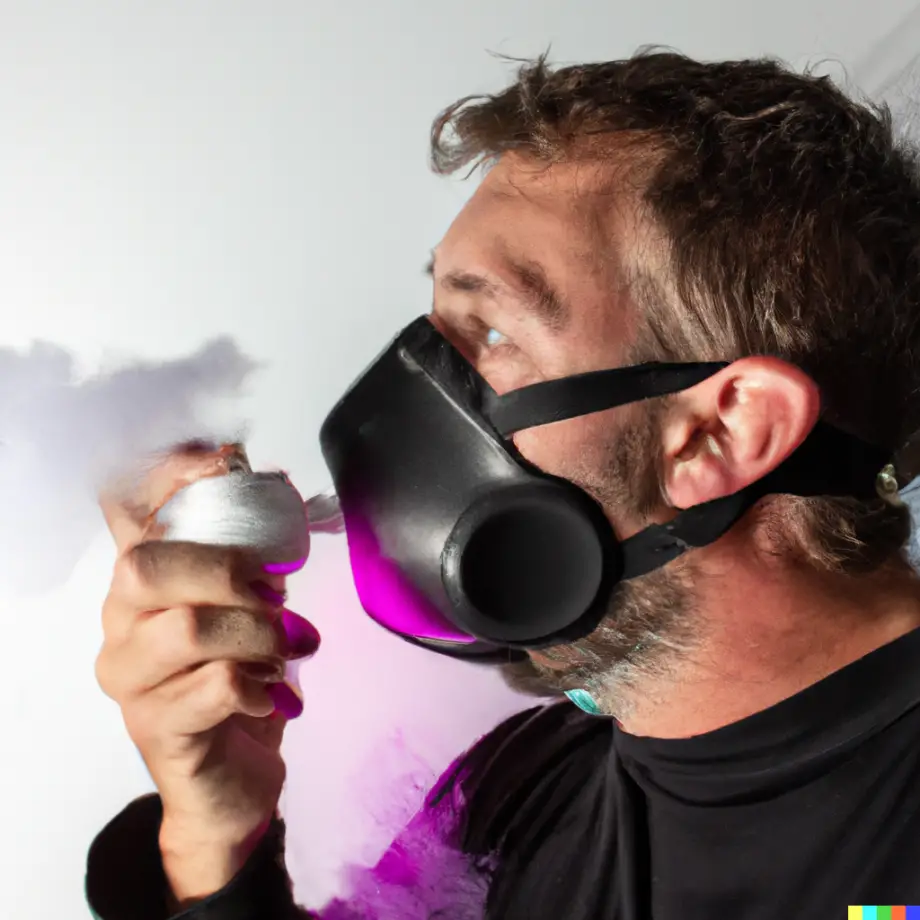
Protect yourself by wearing safety goggles, a mask, and gloves. This will help prevent any potential inhalation of fumes or contact with the paint. Here’s an article about the hazards of spray painting you might want to read.
Test the paint on a sample leather swatch. This will give you a better idea of how the color and finish will appear on the actual shoes.
Check the instructions the spray paint manufacturer provided for temperature and humidity recommendations. Extreme temperatures or high humidity can affect the paint’s drying time and adhesion.
Before spraying, make sure to shake the can of spray paint vigorously for a minute or so. This ensures proper mixing of the paint and optimal application.
Maintain a consistent distance from the shoes while spraying. This will help achieve even coverage and prevent any uneven or blotchy areas.
Start spraying before reaching the shoes and continue spraying past the edges to achieve a smooth and even finish. Use controlled, sweeping motions rather than focusing on one spot for too long.
To prevent clogging, clean the nozzle of the spray paint can after each use. This can be done by inverting the can and spraying until only the propellant emerges.
Follow the manufacturer’s instructions for drying and curing times. It’s important to allow sufficient time for the paint to dry and cure fully before wearing or handling the shoes.
After completing the project, clean any tools or surfaces that came into contact with the spray paint. Use appropriate cleaning agents and dispose of any leftover paint or containers following local regulations. Here’s how you can recycle spray paint cans.
Pros and Cons of Spray Painting Leather Shoes
Well, spray painting shoes has many benefits, but the activity has some cons too. The below table will help you make an informed decision and understand the challenges of spray painting leather shoes.
Pros
Cons
Allows customization and personalization of leather shoes
In most cases, the paint cannot be easily removed if you don’t like the result
Offers a wide array of colors, textures, and finishes for creative expression
Requires purchasing multiple cans of spray paint, tape, and other materials
The quickest and easiest way to paint shoes
Some techniques have a learning curve
Painter’s tape allows for easy protection of areas you don’t want to paint
Limited color options compared to dyeing or professional leather painting
A cost-effective way to transform worn-out or outdated shoes
It may require multiple coats for desired coverage and intensity
Restores the appearance of scuffed or faded leather shoes
Requires careful masking and protection to avoid overspray
Ideal for cosplay, Halloween, or Comic Con events to achieve authentic looks
Potential health hazards from inhaling paint fumes and particles
Extends the lifespan of leather shoes by providing a new look
Durability may vary depending on the quality of the paint used
FAQs
Does spray paint work on leather shoes?
Not every spray paint works on leather shoes. You need either leather spray paint, acrylic paint, or paints that are compatible with the leather to work on leather shoes. Our top picks will help you decide the best option for your project.
Does paint stay on leather shoes?
With proper preparation and application, the paint can stay on leather shoes. The quality of paint also plays a vital role in durability.
Can you use regular spray paint on shoes?
Regular spray paint is not recommended for shoes, as it may not adhere well to leather.
Does leather paint crack?
When applied correctly, leather paint should not crack on leather shoes.
Can you use fabric spray paint for shoes on leather?
Fabric paint is not recommended for leather shoes as both materials have different properties. However, you can use fabric paint on canvas shoes or shoes made with fabric.
Can you spray paint fake leather shoes?
Yes, you can easily spray paint fake leather shoes. Our pick number one is especially meant for simulated leather.
Can you spray paint faux leather shoes?
Faux and fake leather are the same thing. So, yes, you can definitely spray paint faux leather.
Can you spray paint patent leather shoes?
While it is possible to spray paint patent leather shoes, it is important to note that the glossy surface can make paint adhesion challenging. It is recommended to prepare the surface by sanding it with fine-grade sandpaper or using a deglazer to enhance adhesion. You may also need spray paint designed for patent leather to ensure adhesion.
Final Words – Can You Spray Paint Leather Shoes
Spray painting leather shoes is an exciting way to personalize and revamp your footwear. You can achieve vibrant colors and durable finishes by choosing high-quality spray paint specifically designed for leather. Remember to prepare the shoes properly and follow the instructions provided. With the right materials and creativity, you can transform your leather shoes into unique fashion statements that reflect your style. So, go ahead and unleash your creativity on your leather shoes – the possibilities are endless!
Stainless steel is tough and durable, but its harsh aesthetics can look a little too sterile. Fortunately, you can quickly change its appearance with your favorite paint hue. The only problem is that stainless steel is tricky because of its smooth, corrosion-resistant texture.
Hence, it all comes down to ‘how do you get spray paint to stick to stainless steel?’
The best way to get professional results on stainless steel with paint is to prepare the surface correctly. Start by cleaning the area with a good detergent and degreaser, followed by adequate sanding. The next step is to apply a primer to ensure the paint holds onto the stainless steel without sliding or chipping. Finally, paint the desired color in multiple layers until your preferred coverage is achieved.
Stainless steel is a ferrous alloy with a passive layer of chromium on top. This is why the metal resists rusting so well, but that’s also why the surface resists paint. But don’t worry; I have quite a few tricks to help you get the perfect finish on stainless steel.
Can You Paint Stainless Steel?
The short answer is yes, but you need to ask yourself if you need to paint it in the first place.
Stainless steel is available in appealing finishes and is effortless to clean and sanitize. In addition, this hard-wearing and versatile material is resistant to rust, making it ideal for household appliances and various commercial and industrial sectors.
Since the material is already rust-resistant, you don’t need paint for an added layer of protection against environmental stressors. But if you’re bored of the appearance of stainless steel, you can always spruce it up with some spray paint.
Stainless steel has a layer of chromium that regenerates itself, and due to this top layer, DIY enthusiasts often wonder, ‘Will paint hold on stainless steel?’ If you prepare your surface thoroughly and apply a suitable primer before painting it, it will.
What Type Of Paint Is Best For Stainless Steel?
Selecting paint for a DIY project can be challenging with so many available variants. If you’re confused about the best paint for stainless steel, this section will answer all your questions and help you pick the right paint for the job.
Here are the types of paints that are generally used on steel.
Oil-Based Paints
Oil-based paints are mostly the first choice for achieving a lasting finish on stainless steel. You might not find an oil-based paint designed specifically for stainless steel, but you can use any paint that works on ferrous and non-ferrous metals.
Hint: Stainless steel is a ferrous metal.
Oil-based paints are favored for stainless steel because they’re tough and do not chip easily. Moreover, they are easy to clean, making the variant ideal for application in high-traffic areas around the house.
Oil-based paints are available in glossy and matte finishes, so you can pick one according to your preference. Another highlight is that you can find various paint formulations that can be brushed, rolled, or spray painted, allowing you plenty of application freedom.
You can also use oil-based paints to paint automobile parts. Check out my blog on how to paint car rims for a detailed guide.
However, oil-based paints are not without a downside.
Some oil-based paints have a strong smell due to the solvents it contains, which can also be flammable. In addition, they take a long time to dry compared to water-based paints, but quick-drying formulations are also available, so you should keep an eye out for them.
This is an excellent oil-based formula if you’re searching for vibrant and unique colors for your project. It is available in 8 different finishes, ranging from high gloss to satin and matte, so you’ve plenty of choices.
The paint’s formula is 2-in-1, so you don’t have to apply a primer separately. Another highlight of Rust-Oleum paint is it’s low odor, chip resistant, and offers lasting protection.
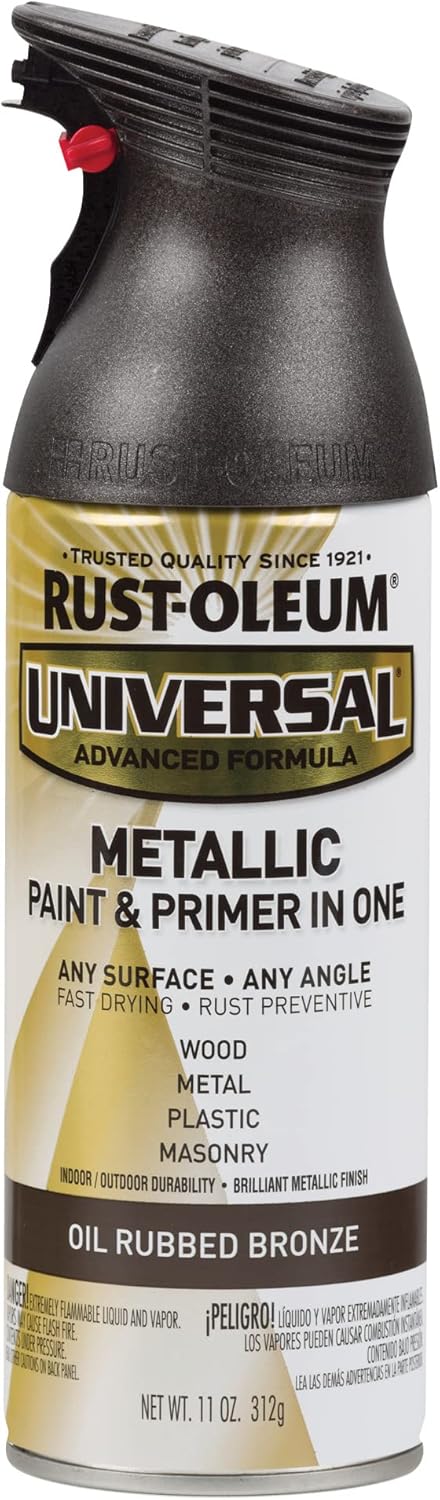
Here’s another option that includes primer in its formula. The Krylon Fusion paint is available in exciting color options like oil-rubbed bronze, aluminum, black stainless, copper, and rose gold for your stainless steel project.
However, if you prefer gold spray paint, we have narrowed down the 7 best gold spray paints for you to try.
You can also find various finishes like hammered, textured, and metallic, apart from the regular flat, satin, matte, and gloss variants. Krylon paint offers maximum rust protection and excellent durability, making it ideal for both indoor and outdoor usage.
If you’re still contemplating, ‘Can you spray over stainless steel?’ The Rust-Oleum metallic spray paint will not disappoint.
It has over 70 color options, including black stainless steel paint in metallic, specialty metallic, and hammered finishes. The Rust-Oleum works on virtually any surface, including stainless steel.
The oil-based formula dries to the touch in 30 minutes and resists fading and chipping, providing lasting results.
Water-Based Paints
Water-based or latex paints are the first choice for DIY enthusiasts because of their quick drying times and a wide variety of colors. They are convenient to work with and have little odor compared to their oil-based counterparts.
A major benefit of working with water-based paints is that you can clean up any glitch or mess effortlessly with water without involving solvents. In addition, once the paint has completely cured, you can clean the surface effortlessly.
Although water-based paints are a budget-friendly option, they are generally not as tough as oil-based paints. So, if you plan to paint a surface that must withstand considerable use, water-based paints are a hard pass.
Expert Advice: You must use a primer with water-based paints, or your paint coat will not stick to the stainless steel surface.
Water-Based Paint Recommendations For Stainless Steel
The Krylon metallic finish paint is a water-based variant that works exceedingly well on metal surfaces, including stainless steel. It can be purchased in various metallic colors such as silver, black stainless steel, brass, and gold leaf.
The paint has a quick drying time and delivers a bright and durable finish. However, it is recommended for indoor use only, so if you need to paint an outdoor surface, this option isn’t for you.
The Rust-Oleum Metallic Finish paint is great for painting stainless steel accent pieces. It is available in six attractive metallic colors, including rose gold, copper, and dark bronze.
The acrylic paint delivers a high-shine finish on metallic surfaces that dries to the touch within 60 minutes. It is rust and chip-resistant, and its color-retention technology keeps your painted projects looking good over time.
The Rust-Oleum water-based paint is ideal for indoor use; therefore, you should opt for an oil-based paint instead for outdoor projects.
Epoxy Paint
Epoxy coatings offer the most long-lasting results, and that’s why epoxy paint is used in several industries, including automotive. Since the paint is also available in spray paint formulations, it is an excellent option for home projects.
Epoxy coatings can easily withstand extreme temperatures and resist chipping and cracking on impact. They are also resistant to chemicals like solvents, making them the best spray paint for stainless steel.
Expert Advice: Epoxy paint contains a hardener, and the quantity you add to the resin paint decides how quickly your paint will dry. Therefore, be careful with how much hardener you mix with the paint since you don’t want the paint hardening before your project is complete.
This epoxy paint for stainless steel is ideal for metal surfaces like stainless steel. It delivers an ultra-hard coating that’s tough and hard-wearing. The formula is abrasion and scratch-resistant and fights rust to keep your appliances looking as good as new.
The Rust-Oleum epoxy paint is designed to match up to common manufacturing colors such as white, biscuit, almond, stainless steel, and black, so you don’t need to worry about your appliances standing out from the rest.
However, this formula is best for indoor applications, but if you want epoxy paint for an outdoor project, check out my next recommendation.
The Krylon paint delivers all the benefits of a durable epoxy coating with the bonus that it can be used on exterior surfaces. However, the color options are somewhat limited compared to other paints.
The Krylon paint is designed to withstand stains and scratches and is effortless to apply, making it ideal for quick touch-ups and repairing the finish of your household appliances.
Can You Paint Stainless Steel Without Primer?
The surface of stainless steel is smooth and shiny, making it less than ideal for paint application. Therefore, applying a primer before the color coat is necessary if you want the results to last.
A primer helps create a base for the top coat to stick to and increases the durability of your color. However, buy a primer that’s compatible with the color coat, or you may end up with a botched-up project. For example, if you use Rust-Oleum oil-based paint, pair it with an oil-based primer suitable for metal surfaces from the same company.
As a rule of thumb, select white or a light shade of primer if you want to paint the surface light. However, you can opt for darker primer colors, like gray and black, if your color coat is also dark.
I recommend the Rust-Oleum Painter’s Touch 2X Primer because it has a low-odor and chip-resistant formula that works well on various surfaces, including stainless steel. Since the spray primer for stainless steel is designed for interior and exterior surfaces, you can use it for different painting projects.
Expert Advice: Use a 2-in-1 paint formula to avoid the added cost of primer and save some time on your project.
How To Spray Paint Stainless Steel in 4 Quick Steps
Now that you know the best paints and primer for painting stainless steel, let’s move on to the actual process.
Safety And Preparation
Start by selecting a well-ventilated space for your project, especially if you plan to use oil-based paints. Wear your safety goggles, respirator, and gloves to ensure you stay safe from harmful paint fumes.
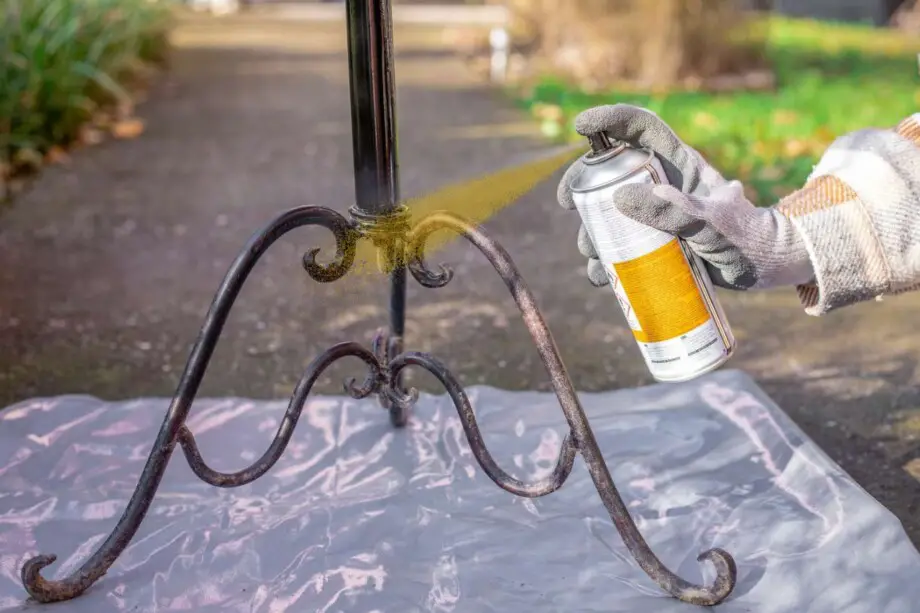
Cover any areas you don’t paint to land accidentally. You can use a cloth, a disposable plastic sheet, or a newspaper to secure the surrounding areas.
If you can disassemble the item you plan to paint, it would help achieve a smooth and even finish and allow the paint to get into all nooks and corners.
Pro Tip: Painter’s tape is your best friend when preparing a surface for paint. Using it excessively is okay as long as you can save time and effort on post-paint clean-up.
Clean And Sand The Surface
Wash the surface with detergent to remove all dirt and grime. Next, sand the stainless steel with 320-grit sandpaper to prepare your surface for the primer. Try not to miss any areas, and apply even pressure while sanding.
Once you’ve thoroughly sanded the area, apply a degreaser to eliminate any oils, grease, or residues from the surface. Remember that a degreaser also leaves some residue, so as a final step, you should wipe the surface with acetone to ensure the primer sticks completely.
Pro Tip: You can use steel wool to roughen up the surface of stainless steel, especially if it has a mirror finish.
Apply Primer
Apply the primer of your choice to prepare the stainless steel for the color coat. This step will help ensure the paint bonds with the surface and provides a lasting finish. Spray one coat of primer and allow it to dry before going in with the paint coat.
Remember to use a primer compatible with your paint, and if you want to skip this step altogether, opt for a 2-in-1 paint formulation that already contains a primer.
Shake the can well for a minute to ensure the paint’s formula is even on the inside. Hold the can roughly 12 inches from the stainless steel and start spraying in a constant moving motion.
Apply a thin layer and let it dry for 20 minutes or the recommended time mentioned on the spray paint can. Once the first coat is dry, apply a second and then a third until the desired coverage is achieved.
Allow the paint to cure completely prior to using the painted surface but remember to remove any tape you may have applied before the paint hardens completely.
If you’re wondering what to do with the empty can of spray paint after your project is ready, check out how you can recycle spray paint cans safely.
FAQs
Does spray paint come off stainless steel?
If you don’t sand stainless steel and apply a metal primer before painting it, the spray paint will come off.
Is it better to spray or paint metal?
Compared to painting metal, spray paints offer quick and lasting results without visible brush strokes or uneven texture.
Does metal spray paint need a primer?
Yes, primer helps the spray paint to stick to metals and ensure lasting results. However, oil-based paints are durable on their own, so you can skip primer if you’re using them.
Conclusion
Spray painting stainless steel may seem arduous, but it isn’t as hard as you think if you have the right equipment and technique. So, the next time you try to paint your kitchen sink or appliances, follow the instructions outlined above for professional results!
Around 3.5 billion aerosol cans are produced annually in America; however, only a few land in the recycling pile. The reason is simple but alarming. Most people are unaware of how to safely dispose of spray paint cans and simply toss them away in the garbage bag.
The correct way to dispose of a spray paint can is to empty its contents and drop it off at your nearest recycling facility. You can also take it to an aerosol puncture station to release its pressure before placing it in the recycle bin.
Since aerosol cans are pressurized, they can explode if not disposed of properly. Moreover, elements inside the container could leak and cause a harmful reaction if they combine with nearby chemicals. But rest assured as I will tell you how to get rid of your spray paint cans without causing any harm to the environment.
Let’s begin!
Can you put aerosol cans in the recycling?
When you finish a painting project, the first question that pops up is: What can I do with cans of spray paint?
Most spray paint cans contain volatile propellants that are considered hazardous waste. So, while it’s tempting to cast them away in the trash bin, it’s not always the right thing to do.
On the other hand, some people tend to hold on to things and might collect empty spray paint cans even though they aren’t reusable. I advise you to declutter your garage and discard all the empty cans you may have lying around.
Since most of these cans are made of steel or aluminum, they are 100% recyclable. However, you should ensure the cans are completely empty before tossing them in the recycle bin.
Understand your local laws for aerosol can disposal
The disposal laws and regulations for aerosol cans can vary from place to place; therefore, it’s important to understand your local state’s laws in order to follow them correctly.
How to dispose of the full or half-full spray paint cans
Some aerosol cans have been added to the Environmental Protection Agency’s (EPA) Universal Waste Regulationsand must be disposed of following the outlined instructions. They offer information on regulations, recycling options, and safe disposal methods. But remember that this classification doesn’t apply to empty cans or those that do not contain hazardous waste.
Local government websites often provide information on hazardous waste disposal and recycling programs specific to your area. Check your city or county’s website for guidelines and resources related to spray paint can disposal. For example, the City of New York’s Department of Sanitation provides guidance on the proper disposal of aerosol cans.
Waste management companies, such as Waste Management or Republic Services, often have guidelines and resources on proper disposal methods for hazardous waste, including spray paint cans. Check with your local waste management provider for specific instructions and collection events in your area.
As a rule of thumb, the disposal regulations you need to follow depend on the amount of hazardous waste you produce every month. The rules differ for businesses, but most individuals usually fall under the Very Small Quantity Generators category. All you need to do is take your aerosol cans and other hazardous waste material to your nearest waste treatment or disposal facility as mentioned earlier.
Remember to always follow local regulations and guidelines for the disposal of spray paint cans. Improper disposal can harm the environment, human health, and may result in legal consequences.
How do you empty old spray paint cans?
Spray paint cans can be recycled, but only after emptying them completely. Now, there are two ways to go about it. You can empty the can yourself at home or head to an aerosol puncture station to release its pressure.
Whatever you do, do not try to puncture the aerosol can at home because it can explode!
Here is a quick guide to emptying your old spray paint cans:
Shake the can to check if there is any pressurized liquid inside it.
The can isn’t empty if you hear any liquid moving or splashing around.
Press the plastic nozzle and empty the contents until nothing comes out.
Give the can a final shake to ensure there’s no more liquid inside.
Remove the plastic cap from the cans and recycle them separately.
Pro Tip: Empty all your aerosol cans and search ‘Where to recycle spray paint cans near me?’ to head to your nearest recycling center.
An alternate aerosol disposal method- Metal scrap yard
Now that you know the answer to: Can you throw away spray paint cans? There are two ways to dispose of them.
The first is taking your empty cans to a recycling center, and another option is to take them to a scrap yard.
Since most aerosol cans are made of steel or aluminum, the scrap yard will purchase the cans from you. This is a good idea if you have several aerosol cans for disposal. You can also add other metal scraps you’ve been holding on to unnecessarily to make your trip worthwhile.
FAQs
Does waste management recycle aerosol cans?
Waste management accepts steel, aluminum, and mixed metal aerosol cans. Make sure the can is empty and you have removed its plastic lid before recycling.
How to dispose of aerosol cans that are not empty?
You must empty your aerosol cans before recycling them, but if you can’t for some reason or aren’t sure if it’s empty, take them to a collection point for hazardous chemicals.
Are spray paint cans bad for the environment?
Most aerosol paints contain volatile organic compounds (VOCs) that contribute to air pollution and harm the environment. However, modern spray paints do not have a detrimental effect on the ozone layer.
Are aerosols hazardous waste?
Aerosol cans are classified as hazardous waste only when they are non-empty and will no longer be used. According to the Environment Protection Agency (EPA), aerosol cans contribute almost 40% of hazardous waste each year.
PS: You can check out our blogs about spray paint being toxic or cancerous if not properly disposed of.
Conclusion
Spray paint cans are non-reusable, which means you should dispose of them properly unless you plan to use them for another DIY project. If you want to increase the shelf life of your spray paint cans, you should know how to avoid spray paint nozzle from clogging; otherwise, all your stored cans might go to waste.
In addition, understanding your local laws is essential, you can check out the spray painting laws by state so that you are not penalized for any environmental violation. So, make sure to follow the correct procedure as outlined by your city regulations when discarding aerosol spray paints.
Whether for personal or professional purposes, spray painting has always provided precision and control, which is difficult to achieve with conventional painting methods. It has revolutionized the world of creativity and unlocked new possibilities for all DIY enthusiasts. One of the many reasons for its popularity is; users find it remarkable for achieving unique dimensions to any artwork, whether on canvas, wood, or metal surface!
Spray painting laws vary across states in the United States. Some states have strict regulations, requiring permits or licenses for spray painting in public areas. California, for instance, prohibits graffiti without permission from property owners. Other states like Texas have specific penalties for graffiti vandalism, including fines and potential jail time. It’s important to familiarize yourself with the spray painting laws in your state to avoid legal consequences and respect public and private property.
While the results of spray paints have left everyone surprised, their usage is regulated by several laws in the USA, which everyone must know. No wonder your artwork on buildings can cost you jail time, or you may have to pay a heavy fine for selling spray paint to minors if you don’t know the law.
Therefore this blog post will cover all important aspects regarding spray paints to help you with their safe practice. Not only will this help you prevent legal penalties, but it also enables you to protect public health and the environment.
What are The common Spray Paint Laws in u.s.a
It’s essential to understand the legal boundaries when it comes to spray painting in the United States. Laws regarding spray painting can differ from state to state, and it’s crucial to be aware of the regulations in your specific location to avoid potential legal consequences. Let’s explore some of the common spray painting laws prevalent across different states in the USA.
California:
California has strict regulations in place to combat graffiti vandalism. In general, spray painting on public or private property without the owner’s consent is illegal. The state requires permits for spray painting in public areas, and violators can face fines and potentially even jail time.
New York City, renowned for its vibrant street art scene, has specific guidelines governing spray painting. While public property with designated spaces like sanctioned murals or legal graffiti walls can be painted with permission, spray painting on other public or private properties without consent is illegal and may lead to fines, community service, or imprisonment.
Texas also takes a firm stance against graffiti vandalism. Spray painting on public or private property without the owner’s consent is considered a criminal offense. The penalties for graffiti-related crimes in Texas include fines, mandatory community service, and potential jail time, varying based on the severity of the offense.
Florida has laws that prohibit spray painting on public and private property without permission. Graffiti vandalism is treated as a criminal act, and individuals caught engaging in such activities can face fines, community service, or even imprisonment. In some cases, the offenders may also be required to pay restitution for damages caused.
Illinois has established laws against spray painting without authorization. Engaging in graffiti vandalism can result in criminal charges and penalties, including fines, community service, probation, or even imprisonment. Property owners in Illinois are encouraged to promptly remove graffiti, while individuals must refrain from defacing public or private surfaces.
Spray painting laws in Massachusetts also prohibit unauthorized graffiti. Engaging in such activities without permission is considered a criminal offense, and offenders may face penalties, including fines and potential imprisonment. Additionally, property owners are encouraged to report graffiti promptly to the authorities for necessary action.
Arizona has specific laws governing spray painting and graffiti vandalism. Unauthorized spray painting on public or private property without the owner’s consent is considered a criminal offense. The state imposes penalties, including fines and potential imprisonment, for engaging in such activities.
Tennessee has established laws and regulations regarding spray painting to prevent graffiti vandalism and ensure responsible use of spray paint. Engaging in graffiti vandalism on public or private property without permission is considered a criminal offense. Individuals found in violation of these laws may face penalties, including fines, community service, or even imprisonment.
PS: For more information, refer to the Tennessee Code Annotated section 39-14-407 through the official website of the Tennessee General Assembly
Understanding the laws specific to your location will not only help you avoid legal consequences but also contribute to maintaining the integrity of public spaces and fostering a positive artistic environment. Always remember to seek permission and explore designated areas where spray painting is permitted to enjoy your artistic endeavors lawfully.
How Can You Comply With Spray Painting Laws in USA
US spray paint laws impose strict penalties that include fines or imprisonment regarding the severity of the offense. However, many people commit this offense not knowing the law, but there is a famous saying, “Ignorance of the law is no excuse.” Hence if you want to comply with US spray paint laws, here are some useful tips to follow.
Know the Law:
As stated above, “ignorance of law is no excuse”; therefore, one must know the law to avoid legal troubles. For instance, there are laws enforced by states such as California spray paint laws and Arizona spray paint laws.
Get information about Graffiti and Vandalism to ensure you don’t violate the code in ignorance.
Take Consent:
One of the best ways to avoid legal trouble for using spray paint laws is to take the owner’s consent in public and private vicinity. Contact the owner if it’s private property or take permission from local government bodies in case of public areas.
Choose Designated Areas
The purpose of spray paint laws in the US is not to deprive the country of artwork but to prevent the destruction of valuable properties. Therefore, each state in the USA has designated spray paint areas for artists and like-minded people. The best way to comply with US state laws is to opt for designated areas.
Ensure Safety Measures:
As the spray paint contains hazardous compounds, it is better to ensure safety measures like wearing masks, gloves, and protective gear. Using spray paints in well-ventilated areas to minimize respiratory problems, etc. Similarly, the spray cans must be disposed of properly!
PS: Retailers are strictly prohibited from selling spray paints to minors. In some states, it is mandatory for shopkeepers to keep spray paints in locked cabinets due to the possibility of theft.
Various Spray Paint Sales Law Across the USA
When it comes to purchasing spray paint in the United States, it’s important to be aware of the sales laws specific to your state. While spray paint is a versatile tool for artistic expression and various projects, certain regulations exist to ensure responsible use and prevent misuse. In this article, we will explore the spray paint sales laws in seven different states across the USA and provide relevant external links for further information.
California:
In California, the sale of spray paint is regulated to prevent graffiti vandalism. Retailers are required to comply with specific laws, such as storing spray paint behind a sales counter and not selling it to minors.
For comprehensive information on spray paint sales laws in California, refer to the California Retail Food Code section 114319.5 through the California Legislative Information website
New York:
New York has implemented laws to control the sale of spray paint to prevent its misuse in graffiti vandalism. Retailers must adhere to regulations, including keeping spray paint in a designated area of the store and restricting sales to individuals over a certain age.
The New York General Business Law section 399-z provides details on spray paint sales regulations. For more information, visit the New York State Legislature’s website –
Texas:
Texas has specific laws governing the sale of spray paint to minimize graffiti-related crimes. Retailers must comply with regulations, including restricting the sale of spray paint to individuals above a certain age and keeping records of sales.
To learn more about spray paint sales laws in Texas, consult the Texas Business and Commerce Code section 17.44.101 through the Texas Legislature’s official website –
Florida:
Florida has implemented regulations to control the sale of spray paint to combat graffiti vandalism. Retailers are required to enforce age restrictions and maintain records of spray paint sales.
The Florida Statutes section 550.074 provides detailed information on spray paint sales laws in the state. For further details, refer to the Florida Legislature’s website –
Illinois:
In Illinois, laws exist to regulate the sale of spray paint to prevent its misuse in graffiti vandalism. Retailers must comply with specific requirements, including verifying the age of purchasers and maintaining records of spray paint sales.
The Retail Sale of Aerosol Paint section of the Illinois Compiled Statutes offers detailed information on spray paint sales regulations. For more information, visit the Illinois General Assembly’s website –
Massachusetts:
Massachusetts has implemented laws to control the sale of spray paint to discourage graffiti vandalism. Retailers must follow regulations, including verifying the age of purchasers and maintaining records of spray paint sales.
The Massachusetts General Laws section 270.9 provides comprehensive information on spray paint sales laws. For further details, consult the Massachusetts General Court’s website –
Arizona:
Arizona has specific laws governing the sale of spray paint to prevent its misuse. Retailers must comply with regulations such as age verification and maintaining records of sales.
The Arizona Revised Statutes section 13-3716 offers detailed information on spray paint sales laws in the state. For further information, visit the official website of the Arizona State Legislature –
Tennessee:
Tennessee has regulations governing the sale of spray paint to prevent misuse and graffiti-related offenses. Retailers are required to follow specific rules, such as verifying the age of purchasers and maintaining records of sales.
The Tennessee Code Annotated section 39-14-412 provides comprehensive information on spray paint sales laws in the state. To learn more, visit the official website of the Tennessee General Assembly –
PN: The punishment for violating the laws can be a fine of up to $5,000 for the vendor selling spray paints
Understanding the spray paint sales laws in your state is essential to ensure compliance and responsible use of this versatile tool. Each state has specific regulations to prevent misuse and minimize graffiti vandalism. By familiarizing yourself with the laws and adhering to them, you contribute to maintaining a positive environment while enjoying the creative potential of spray paint. Remember to consult the relevant external link of each state mentioned above.
other important spray paint laws
Laws Regarding Packaging and Labeling
Considering the negative impacts of spray paints, the US imposes federal and state regulations regarding the consumption, selling, and control of spray paints across the country. For instance, Consumer Products Safety Commission (CPSA) is a federal law that regulates the packaging and labeling instructions on spray paint laws.
Laws Regarding the Environment and Human Safety
Spray paints contain volatile compounds that contribute significantly to air pollution and cause human respiratory problems. To control the spread of hazardous compounds, Clear Air Act (CCA) is regulated by federal law that enforces manufacturers to reduce the number of volatile compounds.
What is Illegal Under US Spray Paint Laws
The following are illegal under US spray paint laws:
It is illegal for anyone under the age of 18 years to purchase or otherwise obtain any aerosol spray paint can or for a juvenile to possess an aerosol spray paint can in a public place unless the juvenile is in the presence of his or her parent or guardian.
It is illegal for anyone to sell, exchange, give or loan, or cause or permit to be sold, exchanged, given, or loaned, any pressurized can or other container commonly known as an aerosol spray paint can or container which contains paint or dye to anyone under the age of 18 years.
Some states make sniffing spray paint a crime and selling paint for that purpose is also illegal.
All states and many municipalities have laws that make it a crime to spray graffiti on public property or private property that you do not own or have permission to use.
Under US spray paint laws, defacing public and private property without permission and possessing spray paint by minors is considered illegal. Often the buildings, sidewalks, walls, and other public areas are seen reflecting the showcase of artwork; however, all sort of such showcase is called Graffiti which is an offense.
No matter, if it’s an artwork, public or political statement, anything without the permission of relevant authorities would fall under the definition of crime, which may cost heavy fines or jail time. In both Arizona and California state, there is a strict restrictions on such acts.
Difference Between Graffiti and Vandalism
Both Graffiti and vandalism are expressed as the unauthorized marking on public and private properties. However, there is a slight difference between them which often lead to confusion.
Here’s a tabular comparison between graffiti and vandalism:
Criteria
Graffiti
Vandalism
Definition
Artistic or decorative markings on public or private surfaces, often with consent or permission
The intentional act of damaging, defacing, or destroying property without consent
Intent
Self-expression, creativity, or cultural statement
Malicious or destructive purpose
Perception
Subjective – can be seen as art or vandalism depending on context and consent
Universally seen as an act of destruction and disregard for property
Consent
Can be legal if done with permission or on designated spaces
Always illegal and done without consent
Legality
Can be legal or illegal depending on the location and permission
Always illegal and considered a criminal offense
Impact
Can beautify public spaces or convey social messages
Causes damage, reduces property value, and creates an eyesore
Penalties
Violations may result in fines or community service
Can lead to fines, imprisonment, or other legal consequences
Perception
Perceived positively by some as a form of art or expression
Universally viewed negatively as destruction or vandalism
Examples
Street art, murals, authorized graffiti, or artistic installations
Defacing property, graffiti without permission, property destruction
Cultural Significance
Historically linked to various art movements and cultural expressions
Typically devoid of cultural significance
It’s important to note that perceptions of graffiti and vandalism can vary depending on cultural, social, and legal contexts.
Future of Artwork Considering the Graffiti and Vandalism in the USA
The future of artwork considering graffiti and vandalism in the USA is a complex issue with varying opinions. Here are some points to consider:
Graffiti as an expression of creativity: To their creators, graffiti is an expression of creativity, of personal identity, of being part of some sort of underground culture.
Recognition as a legitimate form of art: Graffiti art has come a long way from being viewed as a form of vandalism to gaining recognition as a legitimate form of art.
Challenges and controversies: As gentrification and commercialization of urban areas continue, the spaces available for graffiti art may become increasingly limited. Additionally, the legal status of graffiti art may continue to be controversial.
Street art case studies: There are street art case studies that help us think about where we draw the line between vandalism and art.
Freedom vs. consideration and respect to the public: Some may argue that graffiti is a kind of free artistic expression. However, freedom should be an act in consideration and respect to the public.
The future of artwork considering graffiti and vandalism in the USA is uncertain. The objective of spray paint laws is to protect the valuable belongings of citizens, the environment, and the health of the public at large. The USA Federation has always admired artists’ work, but at the same time, it has given some regulations to avoid the loss of others.
Considering the current scenario, more designated areas will be marked in the future to ensure the art and colors are not left behind. Ultimately, it’s important to find ways to balance artistic expression with consideration and respect for public spaces and private properties.
Some important Events in USA
Chicago
Chicago is known for making the city’s most bans on selling spray paints. Chicago expressly prohibits the sale of spray paints to minors and bans instantly, even on the slight indication of Graffiti.
So if you have a shop and deal in retailing spray paints, make sure you never sell it to minors. Violation of the law will result in heavy fines or even imprisonment in some cases.
New York
New York’s anti-graffiti ordinance prohibits the display of aerosol spray paint cans, indelible markers, and etching acid. They have a “Locked-up” policy, according to which the spray paint must be kept in a locked cabinet or behind the counter because of the possibility of theft.
However, only dummies are allowed to showcase as a reason for showing “product availability” apart from that, all these hazardous products must be kept in a lock-up.
Tennessee
Vandalism or Graffiti is not the only misuse of spray paints. Some people get high by inhaling it. And sniffing to spray paint is a crime in Tennessee. Therefore, if you’re selling spray paints and suspect a drug addict, it would be illegal to sell them spray paints.
FAQs
What are US Spray Paint Laws Important to Follow?
While spray paints are known for their fine finishing and long-lasting texture, vandalism and graffiti are other aspects. Spray paints are not only used for art purposes, but some criminal intent-minded people use them to deface public and private properties, which is a punishable crime. Similarly, spray paints are composed of severe chemicals that are harmful to public health and the ecosystem.
Why Can a Minor Not Possess Spray Paint in the USA?
Minors are often unaware of Graffiti and vandalism; therefore, spraying on streets, walls, and buildings is not more than entertainment and a display of art for them. Little did a minor know it’s a punishable offense, and in some states, parents or guardians are held responsible for juvenile crimes.
Conclusion
Selling artistic tools is entertaining; however, spray paints must be traded carefully. The purpose of this blog post is to spread awareness among citizens of the USA to make sure they don’t get themselves in trouble. It is even more important for parents to keep an eye on their minor kids because some states in the USA declare parents responsible for juvenile offenders.
The law aims to make sure spray paints are appropriately consumed around the country. The law is always uncertain, and as per future predictions, it is forecasted that increased penalties will result in violation of spray paint laws. However, understanding and compliance with these laws will create a positive and safer community for everyone.
Tired of applying the same solid paint coats each year? So was I. That is exactly when I decided to flip off the brush and the rollers and pick up cans of spray paints in my favorite color. This spontaneous decision was one of my best painting decisions. I couldn’t believe my hands were capable of the magic my walls carry today.
Here are some essential tips: Choose high-quality spray paint cans with a variety of colors. Shake the can vigorously before use and test the nozzle’s spray pattern. Maintain a consistent distance from the surface for even coverage, usually around 8-12 inches. Control the pressure on the nozzle to adjust the line thickness. Remember to work in a well-ventilated area, wear protective gear, and respect local laws and property.
Even since then, I’ve been getting compliments on how the exterior walls look. Many people inquired about the artist I hired to get such a wonderful job done. If you want your graffiti to turn out just perfect, here are a few tips you can benefit from. They all come from my personal experience and work like a charm.
Let’s get started!
The Dos
The Don,ts
Plan before you start
Do not paint if it’s hot outside
Cover your surroundings before you begin
Don’t forget to shake the can
Spray beyond the edges
Don’t forget to prep and prime
Keep your distance maintained from the wall
Do not graffiti indoors
Hold the can firmly
Don’t restrict your movement to the hands
Spray lightly
Do not break the laws
Use a skinny cap if you’re not so confident
Don’t forget to wear your safety gear
The Dos and Don’ts for Graffiti
Plan before you start
Having a rough draft drawn out on paper can help you execute your design better. Even though graffiti is freestyle, planning what you want to do will help you achieve the output you have in mind.
1. Cover your surroundings before you begin
Spray paints spread out in all directions. It can be challenging to remove the stains. Therefore, it becomes essential to cover out the surroundings which you don’t want the paint to ruin. This will also help you achieve finer edges effortlessly.
2. Change your plans if it is a hot day
The ideal temperature for graffiti is 50 F to 90 F. If you see the temperature going above the range, you’ll notice spray paint shrinking, resulting in unpainted patches or crack-like appearances. Check for weather forecasts to ensure the temperature doesn’t fluctuate later in the day.
Moreover, I wouldn’t like to be out all day in the scorching heat, with the sun shining to its fullest just above my head. Would you?
3. Don’t forget to shake the can
Don’t miss out on the basics in excitement. Every time you want to use your spray paint, shake it for a good two minutes. Your arms might feel heavy, but I suggest you keep going. Shaking the can is essential to mix all the particles and ensure a constant stream flows out as soon as you press the nozzle. Compromised shaking in thinner paint, which doesn’t give a professional look.
4. Spray beyond the edges
A steady back-and-forth motion of the can held approximately 10 inches away from the surface and slight overlapping in strokes is the ideal way to graffiti using your spray paint. However, one mistake most beginners make is stopping right at the edges, which can cause paint build up and run off and eventually an uneven finish. Make sure you’re going just beyond the ends for a flawless finish.
5. Don’t forget to prep and prime
Priming the surface before spray painting is essential to ensure that the paint adheres properly to the surface. Skipping this important step can lead to issues such as cracking, flaking, and uneven coverage.
The primer acts as a bonding agent, allowing the paint to stick better and create a smoother finish. By taking the time to prime, you can ensure that your graffiti has a longer-lasting and more professional appearance. Wanna know which primer to use? Read out our take on the topic.
6. Do not graffiti indoors
How will people appreciate your art if you’re going to graffiti indoors? That is logical; however, the main reason you shouldn’t graffiti indoors is due to the toxic fumes the spray paints release. They cannot diffuse into the surrounding easily in indoor spaces and thus can cause allergies and risks to your respiratory health. However, paint takes more time to dry indoors, increasing the chances of runoff, and ruining your designs.
7. Keep your distance maintained from the wall
Do you know how your paint sets and appears on the wall depending on the distance you keep while doing graffiti? If you paint from too far, the paint will appear thin and runny with unstable adhesion, whereas painting too close makes the paint appear thick and clumpy.
Start off with a 10-inch distance and see if that works for you.
8. Hold the can firmly
To achieve a smooth, professional-looking finish for your graffiti, it is important to have a good grip on the can. Hold the can firmly with your dominant hand and use the thumb to apply pressure to the trigger. With this, you can create precise lines and shapes without causing splatters or drips.
9. Don’t restrict your movement to the arm only
When you’re out there spray painting graffiti, it’s important to move your whole body instead of just relying on your arms. Stand with your feet shoulder-width apart and guide the can with your torso. This will help you create smooth and consistent lines for your art.
By moving your entire body, you can effectively control the direction and flow of the spray paint, along with maintaining a consistent distance from the wall.
10. Spray lightly
Using too much force or spraying excessively can result in drips, smears, and an inconsistent finish, which is why it is important to control the pressure of your spray paint. Keep the can about 5 inches from the surface and apply consistent light pressure to the trigger. Use a sweeping motion to evenly cover the painting surface and ensure a smooth finish.
11. Do not break the laws
Is graffiti legal? Nothing to worry about if you’re doing so in your personal space, but states like California have strict laws against graffiti. Proper research is mandatory if you wanna keep yourself out of unwanted trouble and protect your artwork.
Spray paints can be toxic if inhaled. As we grew up, hearing precaution is better than cure; make sure you have your gloves and goggles on before lifting off the can’s lid. If inhaled, spray paints can cause respiratory illnesses, and it’s also best to put on a mask.
Graffiti is illegal. Isn’t it what we grew up listening to? It doesn’t have to be illegal if you don’t use offensive symbols and paint your walls. Make sure you give it extra time to dry before trying to apply more, or follow these tips to make it dry faster.
This is your sign to give graffiti a shot and try something new. Hope these tips help! If you’re new to spray painting, also check out some spray painting techniques for beginners to help you out.
For many artists and DIY enthusiasts, spray paint is a go-to tool for adding a pop of color and personality to any project.
And if you are a regular painter like me, you already know that mishaps like inhaling the spray can accidentally occur. These mishaps can result in both short and long-term consequences, which can be serious if not taken prompt action.
Although the best cure is prevention, however, if you’re already reading this article, I guess we’re past that point.
Deep breathing exercises, drinking fluids, steam inhalation, controlled coughing, eating anti-inflammatory foods, nebulizers, and other natural remedies can help to clear your lungs of spray paint. In case of severe symptoms, it is important to seek immediate medical attention.
The blog further discusses the spray paint poisoning symptoms and the detailed remedies on how to clear your lungs of spray paint.
Keep reading to explore the best ways to help you overcome symptoms and prevent future exposure.
Are Spray Paints Toxic?
The toxicity of spray paint depends on the specific ingredients and chemicals used in the formula.
Some spray paints may contain harmful chemicals such as volatile organic compounds (VOCs) and lead, which can be toxic if inhaled or absorbed through the skin.
The amount and duration of exposure also play a role in determining the level of toxicity.
Here are some factors to consider when assessing the toxicity of spray paint:
Volatile Organic Compounds (VOCs)
VOCs are chemicals that can evaporate into the air at room temperature and can be found in aerosol spray paints as solvents or carriers. The types and amounts of VOCs in spray paint vary widely depending on the formula and brand. High levels of VOC exposure can cause various symptoms, such as headaches, dizziness, and respiratory irritation, and may lead to long-term health effects, such as organ damage and cancer.
Lead
Some older spray paints may contain lead, a toxic heavy metal that can be harmful if ingested or inhaled. Lead exposure can cause various health effects, including developmental delays, learning difficulties, and behavioral problems.
Other Ingredients
Some spray paints may contain other potentially harmful ingredients, such as solvents, pigments, and additives. These ingredients can cause respiratory irritation, skin irritation, and other health effects depending on the type and amount of exposure.
What Happens When You’ve Accidentally Inhaled Spray Paint?
Now that we already know that spray paints are toxic, inhaling spray paint can be harmful and potentially dangerous to your health. The effects of inhaling spray paint can vary depending on the amount of exposure and the type of paint used.
When you accidentally inhale spray paint, the toxic chemicals in the paint can enter your lungs and bloodstream. The fumes from the paint can irritate your eyes, nose, throat, and lungs, leading to a range of symptoms and affecting your respiratory and nervous systems.
The toxic chemicals present in the paint can:
Enter your lungs and bloodstream.
Irritate your eyes, nose, throat, and lungs.
Cause symptoms such as headache, dizziness, nausea, vomiting, and shortness of breath.
Damage your respiratory system, increasing the risk of developing respiratory problems such as asthma and bronchitis.
Affect your nervous system, causing symptoms such as confusion, drowsiness, and loss of consciousness in severe cases.
Long-term exposure to spray paints and certain chemicals can even cause cancer. Here are 5 Ways You Can Avoid Cancer.
What is Spray Paint Poisoning?
Spray paint poisoning is a serious health condition caused by inhaling the fumes and chemicals in spray paint. Spray paint poisoning can occur when individuals accidentally inhale large amounts of chemicals present in aerosol spray paint cans.
Since spray paint fumes are addictive, some people abuse them to get that high effect. But this can lead to a range of psychological and physical symptoms. These can range anywhere from respiratory, neurological, cardiovascular, addiction, and mental health problems. In severe cases of inhalation, spray paint poisoning can even lead to coma.
How Long Does Spray Paint Poisoning Last?
How long paint fumes stay in your system depends on the duration of spray paint poisoning. The symptoms can vary depending on the severity of exposure and the type of chemicals involved.
Here are some general guidelines for the duration of spray paint poisoning symptoms:
Mild symptoms
If exposure to spray paint fumes is mild, symptoms such as headaches, dizziness, and nausea may last a few hours to a day or two. In most cases, these symptoms will resolve independently without medical treatment.
Moderate symptoms
If exposure to spray paint fumes is more significant, symptoms such as difficulty breathing, chest pain, and confusion may last several days. Sometimes, medical treatment may be necessary to manage symptoms and prevent further complications.
Severe symptoms
If exposure to spray paint fumes is severe, symptoms such as coma and respiratory failure may occur. In these cases, immediate medical attention is required, and symptoms may last several weeks or months.
How to Clear Lungs of Spray Paints
Several remedies may help clear your lungs and ease your symptoms. Here are some possible remedies:
Fresh Air: The first step in treating spray paint exposure is to remove yourself from the area where the fumes are present and get fresh air. If possible, go outside or open windows to increase ventilation.
Hydration: Drinking plenty of fluids, such as water or herbal tea, can help keep the lungs hydrated and promote mucus clearance. Hydration also helps with dizziness, lightheadedness, and nausea.
Ginger and Peppermint: These are nature’s medicine to treat nausea and dizziness and can be consumed as tea, oils, or capsules.
Breathing Exercises: Deep breathing exercises, such as pursed-lip or diaphragmatic breathing, can help improve and detoxify your body and lung function and reduce respiratory symptoms.
Controlled Coughing: Practicing controlled coughing techniques, such as huffing or forced expiratory techniques, can help clear mucus from the lungs and improve breathing.
Steam Inhalation: Inhaling steam from a hot shower or a bowl of hot water can loosen mucus in the lungs and relieve respiratory symptoms.
Exercise: Regular exercise can help improve lung function and reduce respiratory symptoms. Moderate-intensity exercises like walking or cycling 30 minutes a day is a great way to introduce exercise to your routine.
Anti-inflammatory Foods: A diet rich in anti-inflammatory foods, such as fruits, vegetables, lean protein, and whole grains can help reduce inflammation and improve symptoms.
Ventilators: Using a ventilator or respiratory support device can help improve breathing and clear the lungs of harmful chemicals.
Air Purifiers: An air purifier can help remove harmful chemicals and pollutants and improve indoor air quality.
Avoid Perfumes: Strong perfumes and fragrances can irritate the lungs and exacerbate respiratory symptoms. Avoid using perfumes or scented products and opt for unscented products instead.
Avoiding Smoking and Alcohol: Smoking and alcohol can irritate the lungs and worsen the symptoms. Avoid smoking and limit alcohol consumption to improve lung health.
It is important to note that if your symptoms are severe, these remedies might not be helpful and medical treatment may be necessary.
PS: You may need to follow multiple remedies from the above list to clear your lungs from chemicals.
7 Tips to Prevent Future Exposure
Next time you’re up for a DIY, ensure you’ve all the preventative measures handy to avoid inhalation.
Below are some tips that can help prevent future exposure:
Make sure you use spray paint in an open and well-ventilated area to reduce the amount of fumes you inhale.
Wear a mask or respirator to protect your lungs from the harmful fumes.
Choose low-VOC spray paint products that are less toxic and emit fewer fumes. Acrylic paints or water-based paints are always safer than oil-based paints.
Take frequent breaks to step outside and get fresh air.
Keep a safe distance and avoid spraying near your face to prevent inhaling the fumes.
Wear protective clothing such as gloves and long-sleeved shirts to minimize skin exposure to the spray paint.
Consider using a spray booth or ventilation system to capture and exhaust fumes from spray painting.
FAQs
Is it dangerous to spray paint indoors?
Yes, it can be dangerous to spray paint indoors due to the risk of inhaling toxic fumes and the lack of proper ventilation.
What to do after inhaling spray paint fumes?
After inhaling paint fumes, move to a well-ventilated area, rest, and drink plenty of water. Seek medical attention if symptoms persist.
Can you die from inhaling spray paint?
Inhaling extremely large amounts of spray paint fumes can cause serious health issues and, in rare cases, lead to death.
How to clear your lungs from chemicals?
Some ways to clear your lungs from chemicals include staying hydrated, using a respirator mask, and getting fresh air.
Can your lungs heal from paint fumes?
The extent of lung damage caused by paint fumes depends on the level and duration of exposure. While the lungs have some ability to heal, it’s important to seek medical attention if symptoms persist.
How to free mucus from the lungs?
Ways to free mucus from the lungs include staying hydrated, using a humidifier, and practicing controlled coughing exercises to expirate mucus.
Conclusion
Spray paint fumes can harm your respiratory system, and it’s important to take necessary precautions to prevent inhalation and clear your lungs after exposure. Using low-VOC spray paints, wearing a respirator mask, and ensuring proper ventilation can minimize the risk of inhalation.
In case of exposure, seeking medical attention and implementing remedies such as deep breathing exercises, staying hydrated, and using air purifiers can help clear your spray paint lungs and prevent long-term respiratory issues. Remember to prioritize your safety and take necessary measures to protect your health while engaging in spray painting projects.
Spray painting is a versatile and expressive form of art that has gained popularity over the years, allowing artists to create stunning visuals and transform various surfaces.
However, as with any other artistic medium, it is crucial to be aware of the laws governing spray painting in your state to ensure compliance and avoid legal complications. Specifically, in the state of Arizona, understanding spray painting laws is essential for both amateur and professional artists, as well as retailers who sell spray paint.
The laws surrounding spray painting in Arizona cover a range of aspects, from restrictions on the sale and purchase of spray paint to obtaining permits for painting on public and private properties. These regulations are in place to prevent the misuse of spray paint and to protect public and private spaces from unauthorized graffiti and vandalism.
While this introduction provides a brief overview of the importance of knowing Arizona’s spray painting laws, there is a lot more to learn and understand. As laws and regulations can evolve over time, staying informed and up-to-date is crucial to ensuring a safe and legal spray painting experience.
Delving deeper into Arizona’s spray painting laws, permits, and legal consequences will empower artists and retailers to make informed decisions and contribute positively to the artistic community in the state.
Why implement laws of spray painting in Arizona
Legal restrictions on spray painting in Arizona are necessary to reduce vandalism, keep public areas looking nice, and safeguard the state’s natural resources. Spray painting, when governed properly, may be appreciated for what it is: a legal and creative form of expression that has little detrimental effects on society and the environment. By enforcing laws related to spray painting, Arizona can promote responsible behavior and prevent costly damage and cleanup efforts.
Arizona spray painting laws
According to the Arizona Revised Statutes, spray paint laws are in place to regulate the use and sale of spray paint within the state. The law aims to prevent vandalism, graffiti, and other forms of property damage that can occur when spray paint is misused. Violating these laws can result in fines and even criminal charges. If you want to learn more about the spray paint laws in Arizona, you can visit the official website of the Arizona State Legislature.
Here are a few key points of spray paint laws in Arizona:
It is illegal to sell spray paint to anyone under the age of 18 in Arizona.
It is illegal to possess spray paint with the intent to use it for graffiti or vandalism.
Graffiti and vandalism involving spray paint are criminal offenses in Arizona and can result in fines and/or jail time.
Property owners are responsible for removing graffiti from their property within a certain timeframe.
Retailers of spray paint must keep a log of all spray paint sales, including the name and address of the purchaser.
It is important to follow these laws to avoid legal repercussions and to help keep the community safe and free of graffiti and vandalism.
“No person other than a parent, guardian or other adult person acting in their place shall sell or otherwise provide aerosol spray paint containers to any person less than eighteen years of age, and no person less than eighteen years of age shall buy or attempt to buy any aerosol spray paint containers.”
There are exceptions for certain types of spray paint used for artistic or educational purposes, but in general, it is illegal to sell spray paint to minors in Arizona. Retailers who violate this law can be subject to fines and other legal penalties.
“An Arizona driver’s license, an identification card issued to a member of the Armed Forces, or an identity card issued pursuant to A.R.S. § 28-3165 shall be prima facie proof of age.“
References and Guides for a Quick Look for Spray Painting Laws in Arizona
Arizona Revised Statutes – Title 13: This link directs to the Arizona State Legislature’s website, where you can find the complete set of Arizona Revised Statutes related to spray painting laws, including A.R.S. 13-1602 and A.R.S. 13-1603.
City of Phoenix – Planning and Development: Visit the City of Phoenix’s Planning and Development website for more information on obtaining permits for spray painting on public property.
Arizona Department of Environmental Quality (ADEQ): The ADEQ website provides information on air quality regulations, including guidelines for using spray paint that may apply to commercial or industrial projects
Arizona Attorney General’s Office – Graffiti Resources: The Arizona Attorney General’s website provides resources on graffiti prevention, education, and enforcement, which can be helpful for understanding the broader context of spray painting laws:
Keep Arizona Beautiful: This non-profit organization focuses on environmental stewardship, including initiatives to combat graffiti and vandalism. Their website offers resources and information on graffiti prevention and clean-up efforts in Arizona:
PENALTIES FOR VIOLATING SPRAY PAINT LAWS IN Arizona
These laws are strictly applied in Arizona and violation of these laws can cause heavy penalties that needs to be paid.
First offense: mandatory minimum fine of not less than $100.
Second offense (within one calendar year): mandatory minimum fine of not less than $500.
Third and subsequent offenses (within one calendar year): mandatory minimum fine of not less than $1,000.
This includes fines for purchasing or providing spray paint to a minor, as well as fines for graffiti or other acts of vandalism committed by the minor. Legal guardians may also be required to cover the cost of removing any graffiti or other property damage caused by their child.
It is important for parents and legal guardians to educate their children on the proper use of spray paint and to discourage them from engaging in illegal activities that could result in fines or other legal consequences.
EXCEPTIONS TO Arizona SPRAY PAINT LAWS
There are a few exceptions to the spray paint laws in Arizona, including:
Spray paint used for artistic or educational purposes: Minors may use spray paint for art or educational purposes if they are under the direct supervision of an adult and the spray paint is used in a location where it will not deface property.
Agriculture and livestock marking: Spray paint may be used to mark agricultural or livestock products if it is done in a manner that does not deface property.
Industrial and commercial use: Spray paint may be used for industrial or commercial purposes, such as automotive repair or metal fabrication, as long as it is used in a manner that does not deface property.
Examples of Spray Paint Exceptions
Artistic or educational purposes: Minors may use spray paint for art or educational purposes if they are under the direct supervision of an adult and the spray paint is used in a location where it will not deface property. For example, a school may use spray paint for a mural project that is supervised by an art teacher.
Agriculture and livestock marking: Spray paint may be used to mark agricultural or livestock products if it is done in a manner that does not deface property. For example, a rancher may use spray paint to mark the ear tags of their livestock.
Industrial and commercial use: Spray paint may be used for industrial or commercial purposes, such as automotive repair or metal fabrication, as long as it is used in a manner that does not deface property. For example, a mechanic may use spray paint to mark parts of a car during a repair.
Quick Review: Spray Painting Laws in Arizona
The sale of spray paint to anyone under the age of 18 is illegal in Arizona.
Parents or legal guardians may be held responsible for the actions of their children regarding spray painting.
Violations of spray painting laws can result in fines and other legal penalties.
There are some exceptions to the laws, including using spray paint for artistic or educational purposes, agriculture and livestock marking, and industrial or commercial use.
These exceptions do not apply to the sale of spray paint to minors.
Retailers must check identification and follow the restrictions to prevent the misuse of spray paint by minors.
The laws aim to prevent vandalism and other forms of property damage and keep the community safe and free of graffiti and vandalism.
Conclusion
Understanding and abiding by Arizona’s spray painting laws is crucial to ensure a safe and legal spray painting experience. Keep in mind the age restrictions for purchasing spray paint, the necessary permits for public property, and the potential legal consequences for violating these laws. By following these guidelines, you can enjoy the creative possibilities of spray painting while remaining within the bounds of Arizona law.
For those interested in learning more about spray painting laws, the article “Spray Painting Laws in California” provides information on the spray painting laws in California.
As a busy mom of two young girls, my life is always on the go. Between school drop-offs, playdates, and sports practices, I rarely have a spare moment. However, despite my hectic schedule, my profound love for all things creative keeps me even more occupied in transforming old items around my home.
And one way I like to update things in little to no time is through spray painting! Because of their versatility and minimum time needed, I am hooked to spray painting fabrics, old vases, picture frames, and lamps to give them a fresh look without spending hefty amounts on buying new items. Read my article on spray painting denim if you want to up your jeans game.
Once, I stumbled upon an old purse, and that’s when I thought if I could spray paint leather. After a bit of research and trial and error, I discovered that not only is it possible to spray paint leather, but it’s also a fun and creative way to update worn-out leather items.
You can spray paint leather with the right tools and techniques. Spray painting leather is an inexpensive and easy way to revamp old leather items, such as shoes, jackets, or furniture. However, using spray paint for leather is important, as regular spray paint may crack or peel over time.
Whether you’re a busy mom like me or someone who loves DIY projects, I hope this article inspires you to spray paint leather and breathe new life into your old items.
Can You Spray Paint Leather
As we already know by now that it’s possible to spray paint leather, but there are certain things to consider to help you put the best foot forward.
Here are some factors to keep in mind:
Type of leather: Not all leathers are suitable for spray painting. Leather with a smooth surface and tight grain is the best choice. Avoid suede, nubuck, or patent leather, as they are unsuitable for spray painting or have specific requirements to repaint.
Leather condition: Before spray painting, the leather must be clean, dry, and free of any oils or conditioners that may prevent the paint from adhering to the surface.
Surface preparation: Proper surface preparation is essential for successful spray painting. Sanding the leather with fine-grit sandpaper will help the paint adhere to the surface.
What Do You Need to Get Started
The right tools and equipment will make your job easier and offer professional results. Below are some basic things you need to get started:
1. Leather Preparer
Before starting the spray painting process, it is essential to prepare the leather surface properly. The leather preparer helps to remove any dirt, oil, or wax buildup that could affect the adhesion of the paint. Using a leather preparer ensures that the paint will penetrate properly and the finished product will be long-lasting. Angelus Leather Preparer & Deglazer is my personal favorite as it gives a professional finish, even if you’re an amateur at leather painting.
2. Fine-Grit Sandpaper
Sanding the leather surface with fine-grit sandpaper helps remove smooth or shiny finishes allowing the paint to penetrate the leather more effectively. Sanding creates a rougher surface that provides more grip for the paint, ensuring better adhesion.
3. Leather Paint
Well, duh! Leather paint is specially designed for use on leather surfaces. It is a flexible, water-resistant, and durable type of paint that provides excellent coverage and color retention. Leather paint ensures the color will not fade, crack, or peel over time, even with regular use.
4. Paint Sprayer or Spray Paint Can
Depending on the size and shape of the leather item you are painting, you can choose between a sprayer or a spray paint can. A paint sprayer is a more professional tool that provides better control and coverage, but it can be more expensive and requires more setup time. A spray paint can is a more convenient and affordable option, but it may not provide as much control or coverage. Choosing the right tool for your project to achieve the desired results is important.
5. Painter’s Tape
Painter’s tape masks any areas you do not want to be painted. It can be used to create clean lines and sharp edges, and it can also help to protect the leather from overspray. Using painter’s tape ensures the finished product looks neat and professional. ScotchBlue Original Multi-Surface Painter’s Tape is perfect for damage-free removal and gives value for money.
Steps to Spray Paint Leather
Here are the steps to follow when spraying painting leather:
Step 1: Prepare the Leather Surface
The first step in spray painting leather is to prepare the surface. Use a leather preparer or rubbing alcohol and a clean cloth to clean the leather thoroughly, removing any dirt, oils, or waxes that may be present. Allow the surface to dry completely before moving to the next step.
Step 2: Sand the Leather Surface
Using fine-grit sandpaper, gently sand the leather surface to create a textured surface for better paint adhesion. Be sure to sand evenly, covering the entire surface of the item. Once complete, use a clean cloth to remove any dust created during the sanding process.
Step 3: Mask off Areas
Use painter’s tape to mask any areas that need not be painted. This includes hardware, zippers, buttons, or any other areas you want to protect from the paint.
Step 4: Apply the Leather Paint
Apply the leather paint using a spray paint can or paint sprayer. Be sure to consistently hold the can or sprayer from the surface, typically around 6-8 inches, and apply in thin, even coats. Avoid oversaturating the leather with paint, leading to drips or runs in the finish. Allow each coat to dry completely before applying the next one. Typically, 2-3 coats are sufficient for complete coverage.
Step 5: Finish and Seal
After the final coat of paint has dried, allow the surface to cure for 24-48 hours before using the item. You can also apply a clear coat or sealant to the painted surface for extra protection and durability.
Tips and Safety Measures for Spray Painting Leather
Always use spray paint specifically designed for leather surfaces to ensure the best results.
Work in a well-ventilated area and use a respirator mask to protect yourself from paint fumes.
Be sure to follow the manufacturer’s instructions for application and drying times.
Keep the spray can or sprayer moving at all times to avoid oversaturating one area with paint.
If using a paint sprayer, ensure it is properly cleaned after each use to prevent clogging or damage.
Aftercare for Spray Painted Leather
After completing the process of spray painting leather, it’s essential to take proper care of the painted surface to ensure its longevity and prevent any damage. Here are some tips for taking care of spray-painted leather:
1. Avoid Abrasive Cleaners
When cleaning a spray-painted leather surface, avoid using harsh or abrasive cleaners. These can damage the paint and cause it to peel or flake off. Instead, gently clean the surface with a soft cloth or sponge with a mild soap solution.
2. Wipe Spills Immediately
Wipe off the spills immediately, as leaving them on the surface for an extended period can cause them to seep into the paint and leave a permanent unwanted stain. Saphir Medaille d’Or Super Invulner is a premium waterproof and anti-stain spray for all leather shoes and bags.
3. Keep Away from Direct Sunlight
Direct sunlight can cause the paint to fade or crack over time. It’s best to keep spray-painted leather items away from direct sunlight or use UV protection products to reduce the effects of sun exposure.
4. Moisturize the Leather
Spray-painted leather surfaces can become dry and brittle over time, leading to cracking and peeling of the paint. To prevent this, it’s essential to moisturize the leather regularly using leather conditioners or oils.
5. Store Properly
When not in use, it’s crucial to store spray-painted leather items properly. Avoid stacking or placing heavy objects on top of them, as this can cause the paint to crack or peel.
Leather Items You Can Spray
Here are the most commonly asked questions about leather items that can be spray painted.
Can you spray paint leather couches – yes, you can!
Can you spray paint leather jackets – with the right tips? Sure, it’s possible.
Can you spray paint leather sofas – like all leather items, sofas can also be easily spray painted.
Can you spray paint leather shoes – shoes are probably the most widely spray-painted leather item.
Can you spray paint leather headboards – you need to take proper precautions and mask the surrounding of your headboards before spray painting them.
Painting the leather white/gold/black/silver – Most leather spray paints come in various colors, so finding one that matches your desired shade should be easy.
Top Three Picks for Spray Painting Leather Shoes
When it comes to spray painting leather shoes, it is essential to choose a high-quality paint that is specifically designed for use on leather. Here are my favorite picks that can yield awesome results for your shoes:
It works like a charm for renewing or changing the color of your shoes. The waterproof formula repels stains, soil, and water keeping your shoes mark-free. Moreover, it also meets the California VOC standards, which means it’s low VOC and won’t cause harm to you or the environment.
When it comes to spray painting shoes, Saphir Tenax can never go wrong. Not only is this a great spray paint for shoes, but you can use it on a variety of leather surfaces like purses, sofas, chairs, headboards, etc. The paint is available in over 30 colors, offering a wide selection. The high-quality finish and permanent coating work beautifully on even the most scuffed things.
Whether you want to refresh your old pair of shoes or add a pop of color to a new pair, TRG is definitely worth checking out. From the classic black and brown to the very vibrant red, blue, magenta, and more, the color palette of TRG offers more than 50 whopping shades! So no matter how hard it is to find your color, this palette will definitely have something for you.
FAQs
Will spray paint stay on the leather?
Yes, spray paint can stay on leather as long as the leather is properly prepared and high-quality leather spray paint is used.
Can fabric spray paint be used for leather?
Fabric spray paint should not be used on leather as it will not adhere properly. It is essential to use spray paint specifically designed for leather use. However, if you sand the shoe so much that its fabric shows up, you can then use fabric paint.
What kind of paint will stay on the leather?
High-quality leather spray paints are designed to adhere to leather and are flexible enough to move with the leather without cracking or peeling.
Can you spray leather a different color?
Yes, you can spray paint leather a different color using leather spray paint in the desired color.
Can you permanently paint leather?
Yes, spray painting leather can create a permanent color change if the leather is properly prepared and high-quality spray paint is used.
Is leather paint just acrylic paint?
Leather paint is usually water-based, but it is not the same as acrylic paint. Leather paint is specifically formulated to adhere to leather and is flexible enough to move with the leather without cracking or peeling.
Final Word
Spray painting leather can be a fun and easy way to transform your old leather items into something new and exciting. However, it is essential to prepare the leather properly, choose the right type of paint, and take the necessary precautions to ensure that the paint sticks to the leather. By following the steps and tips outlined in this blog, you can create a unique and personalized item that reflects your style.
So, the next time you find yourself with an old leather item that could use a new look, don’t hesitate to try spray painting it. Who knows, you might end up with a beautiful, one-of-a-kind piece that you’ll love for years!
Spray painting is an increasingly popular art form that allows artists to create a wide range of effects on various surfaces. Personally, I was fascinated by spray paints, its color variety, its versatility and ease of use. The artwork produced by spray painting is always crisp and has amazingly bold and bright colors.
If you are new to spray painting, it can be intimidating to get started. Here is how to go about it:
Start with choosing the right paint and spray gun. Always prepare the surface by cleaning and sanding it. Practice your technique by spraying in a well-ventilated area and using thin coats. Allow each coat to dry before applying the next one. Experiment with different angles and distances to achieve the desired result.
Below is a detailed guide for all of you who you are new to spray painting. I know it can be intimidating to get started but by the end of this guide, you will have the knowledge and skills to create your own stunning works of art using vibrant and beautiful colors of spray paints. So let’s dive in and learn some spray painting techniques for beginners!
Materials Needed for Spray Painting
Having the right materials is essential to achieving the desired results if you want to be a pro at spray painting. Some of the materials that you will need to get started are:
Spray Paints:
The type of spray paint you choose will depend on the surface you are painting and the desired effect. Spray paint comes in a range of finishes, including matte, gloss, and metallic, as well as different colors and textures. You should choose a spray paint that is suitable for the surface you will be painting, such as metal, wood, fabric or plastic.
Nozzles:
Different types of spray paint nozzles can produce different spray patterns, including fine lines, broad strokes, and textured finishes. It is important to choose the right nozzle for your project to achieve the desired effect.
When spray painting, it is important to protect your eyes, nose, and mouth from the fumes and particles that can be harmful. You should wear a respirator or mask, safety goggles, and gloves to protect your skin.
PS: You should be extremely careful as using spray paints without protective equipment can be harmful as spray paints can be toxic and cancerous in some cases.
Surface Preparation Materials:
Before you begin spray painting, you will need to prepare the surface by cleaning it and removing any rust, dirt, or debris. This can be done using sandpaper, steel wool, or a wire brush.
Primer:
Using a primer before spray painting can help the paint adhere better to the surface and provide a smoother finish. You should choose a primer suitable for the surface you will be painting. Without it, you can paint, but you will not get a better finish and a better finished product lasts long.
Painting Tape:
Painting tape can be used to mask off areas of the surface that you do not want to paint, such as edges or borders. This can help you achieve clean and straight lines when painting. For instance if you are painting shoes, you might need to cover the sole or the heal to avoid getting the spray paint on it.
You should choose a painting tape that is suitable for the surface you will be painting on and that can be easily removed without damaging the surface.
Drop cloth:
A drop cloth or tarp can help protect your workspace and the surrounding area from overspray and drips.
Pro Tip: Using petroleum jelly on the surface where you do not want paint while you spray on your project can also help as it can be readily cleaned off with a paper towel or a wash cloth once you are done.
Cleaning Supplies:
Once you are finished with your project, you will need to clean your spray paint can, nozzles, and any other equipment that you used. This can be done using a cleaning solution or solvent that is suitable for the type of spray paint you used.
Scrap Surfaces to Practice:
If you are new to spray painting, it can be helpful to practice on a scrap piece of material or cardboard before starting your actual project. This can help you get a feel for the spray paint and practice your technique before moving on to your final surface.
Pro Tip: Proper ventilation is important when spray painting to avoid inhaling fumes and harmful particles. It is recommended to work in a well-ventilated area or to use a fan or ventilation system to ensure proper air circulation.
Preparation For Spray Painting
Proper preparation is essential For smooth, even and long-lasting results. Here are some steps you can take to prepare for your spray painting project:
1. Clean the surface:
Before you begin spray painting, it is important to clean the surface thoroughly. This can be done using soap and water or a cleaning solution, depending on the type of surface you are painting.
You should remove any dirt, dust, or debris that could affect the paint’s adhesion. Make sure that the surface is completely dry before the next step.
2. Sand the surface:
If you are painting a surface with a glossy or smooth finish, you may need to sand it lightly to create a rougher surface that the paint can adhere to. Use a fine-grit sandpaper and sand in a circular motion until the surface feels slightly rough.
3. Mask off any areas you do not want to paint:
If there are areas on the surface that you do not want to paint, you can use painting tape to mask them off. Apply the tape carefully to ensure that it is straight and secure.
4. Apply a primer:
Applying a primer can help the spray paint adhere better to the surface and provide a more even finish. Choose a primer that is suitable for the type of surface you are painting and apply it in a thin, even coat. Allow the primer to dry completely before moving on to the next step.
5. Protect your work area:
Spray painting can be messy, so it is important to protect your work area. Lay down a drop cloth or tarp to catch any overspray or drips, and make sure that the surrounding area is clear of any objects that could be accidentally painted.
6. Test the spray paint:
Before you begin painting your surface, it is a good idea to test the spray paint on a small, inconspicuous area. This can help you get a feel for the paint and adjust the nozzle or pressure as needed.
By taking these you can ensure that your spray painting project will be a success and you can achieve a smooth and even finish, preventing any unexpected mishaps.
Next step is to know the basic techniques for a perfect project.
Basic Techniques for Spray Painting
There are several basic techniques and ideas that beginners should know of when starting with spray paint for achieving a professional look, even for an amateur artist. Here they are:
Maintain the proper distance:
When using a spray paint can, it is important to maintain the proper distance between the nozzle and the surface you are painting. This distance will vary depending on the type of paint you are using, but generally, you should hold the can about 6 to 8 inches away from the surface.
Use a sweeping motion:
When you start spraying, use a sweeping motion to apply the paint evenly to the surface using your dominant hand. Move the can from side to side, keeping your arm steady and using your wrist to control the direction of the spray.
Avoid over-spraying:
Over-spraying can cause the paint to run or drip, so it is important to avoid applying too much paint in one area. Instead, use several light coats, allowing each coat to dry before applying the next one.
Mind the overlaps:
When using a sweeping motion, make sure to overlap each stroke slightly with the previous one. This will help ensure that the paint is applied evenly and smoothly.
Layering paint:
It is generally better to apply several light coats rather than one thick coat. This will help ensure an even finish. Give each coat a good 20 minutes of drying time.
Spraying technique:
There are several techniques you can use to apply spray paint, such as back and forth, circular, or sweeping motions. The technique you choose will depend on the desired outcome. For example, a back and forth motion can be used for large, flat surfaces, while a circular motion can be used for smaller, more intricate areas.
Shake the can often:
Shake the spray paint can often, particularly if you are working on a large surface or if you have taken a break. This will help ensure that the paint remains mixed and that the nozzle does not become clogged.
Achieving Different Textures:
By adjusting your spraying technique, you can achieve different textures with spray paint. For example, holding the can further away from the surface will create a finer mist and a smoother texture, while holding it closer will create a thicker coat and a more textured finish.
You can also experiment with different types of spray paint, such as matte or glossy finishes, to achieve the desired texture.
Practice on a Test Surface:
Before starting your project, it is a good idea to practice on a test surface. This can help you get a feel for the paint and adjust your technique as needed.
Let us also look at some advanced techniques that professionals use, if they can why can’t you!
Advanced Techniques for Spray Painting
Once you have mastered the basic techniques of spray painting, you may want to experiment with some more advanced techniques to take your skills to the next level. Here are some advanced techniques to try:
Stenciling:
Stenciling is a great way to create intricate designs with spray paint. You can either make your own stencils using a cutting tool or purchase pre-made stencils. To use a stencil, hold it firmly against the surface and spray paint over it in a light, even coat. Once the paint has dried, carefully remove the stencil to reveal your design.
Blending Colors to Create Gradients:
Blending colors and the art of creating gradients with spray paint can create a beautiful and unique effect. To do this, choose two or more colors that blend well together and spray them onto the surface at an angle. Start with the lightest color at one side and gradually work your way down to the darkest color at the other side. Blend the colors together by lightly spraying over the area where they meet.
Using Different Nozzle Types:
Different nozzle types can create different spray patterns and effects. For example, a fan nozzle creates a wide, flat spray pattern, while a round nozzle creates a more concentrated spray. Experiment with different nozzle types to create unique effects and textures.
I am sure, once you get hang of these beginners’ and advanced techniques, you can take your spray painting skills to the next level and create beautiful, one-of-a-kind pieces of art. Remember that practicing this will get you close to perfection of your masterpiece, and the results are well worth it.
Troubleshooting
While spray painting can be a fun and rewarding activity, it’s not uncommon to encounter some mistakes or issues along the way. Here are some common mistakes beginners make and how to troubleshoot them:
Common mistakes:
Over-spraying: This occurs when too much paint is applied, resulting in drips or runs.
Under spraying: This occurs when not enough paint is applied, resulting in a patchy or uneven finish.
Holding the can too close or too far from the surface.
Spraying in adverse weather conditions (e.g. windy or humid weather) can affect the finish.
Fixing runs and drips:
If you notice runs or drips in your spray paint, don’t panic. The first thing to do is to stop spraying immediately and let the paint dry. Once the paint is dry, lightly sand the affected area with fine-grit sandpaper until it’s smooth. Then, you can repaint the area by applying a light, even coat of paint. Be sure to hold the can at the recommended distance and apply the paint in a sweeping motion.
Sanding and Repainting Mistakes:
If you encounter a mistake in your spray painting project that requires sanding and repainting, it’s important to follow the correct process. First, sand the affected area with fine-grit sandpaper until it’s smooth. Then, wipe the surface clean with a damp cloth to remove any dust or debris. Once the surface is dry, apply a coat of primer to ensure the new paint adheres properly. After the primer has dried, you can apply a light, even coat of paint.
Blotches or Uneven Finish:
If you notice blotches or an uneven finish in your spray paint, it could be due to a variety of reasons such as holding the can too close or too far, using the wrong type of paint, or spraying in adverse weather conditions.
To fix this issue, lightly sand the affected area with fine-grit sandpaper until it’s smooth. Then, wipe the surface clean with a damp cloth to remove any dust or debris. Once the surface is dry, apply a light, even coat of paint using the correct spraying technique.
Paint not adhering to surface:
If the paint is not adhering properly to the surface, it could be due to a dirty or greasy surface. To fix this issue, clean the surface thoroughly with soap and water, or a degreaser if necessary. Then, rinse the surface with clean water and let it dry completely before applying a light coat of primer. Once the primer has dried, you can apply a light, even coat of paint.
Clogging of the Nozzle:
If the nozzle of the spray can gets clogged, it can affect the spray pattern and the amount of paint being released. To fix this issue, remove the nozzle and soak it in a cleaning solution for a few minutes. Then, rinse the nozzle with water and dry it thoroughly before reattaching it to the spray can. Make sure to test the spray pattern on a scrap piece of material before resuming your painting project.
Save your time and effort by being aware of these troubleshoot tips. Remember to read the instructions on your spray paint cans and follow the techniques mentioned in this blog for best results.
FREQUENTLY ASKED QUESTIONS
Is spray painting easy to learn?
Spray painting can be easy to learn with practice and patience. Basic techniques such as holding the can and distance from the surface can be mastered relatively quickly.
How many coats of spray paint are necessary?
The number of coats of spray paint necessary depends on the surface being painted and the desired coverage. Generally, 2-3 thin coats are recommended for even coverage and better adhesion.
How do I get a smooth finish with spray paint?
To get a smooth finish with spray paint, use multiple thin coats and hold the can about 6-8 inches away from the surface. Sand lightly between coats, and apply a clear topcoat for added durability.
How long to wait after first coat of spray paint?
It’s recommended to wait 10-15 minutes between coats of spray paint to allow the first coat to dry. This can vary based on the type of paint and environmental conditions.
Is spray paint easier than a brush?
Spray paint can be easier than a brush for certain projects and surfaces, as it can create a more even and consistent finish. However, it may require more preparation and safety precautions.
In A Nutshell
Spray painting is a great way to add color and personality to any project that you love. While it may seem intimidating at first, practice and experimentation will lead to a better understanding of the craft and improved results.
Overall, spray painting can be a fun and rewarding hobby, whether you’re a beginner or an experienced artist. With these techniques and safety guidelines in mind, you’ll be well on your way to creating stunning works of art and DIY projects in no time. So go ahead and unleash your creativity!