Interior Paints

pexels ian turnell 709552 How Long Does It Take for Oil Paints to Dry

How Long Does It Take for Oil Paints to Dry

Delving into the world of oil painting is an exciting journey, with its vibrant colors, rich textures, and endless possibilities. Yet, as your brushes dance across the canvas, leaving trails of creativity in their vibrant wake, one question lingers in mind: How long does it take for oil paints to dry?

The short answer to this query is that oil paints require more drying time than regular paints, taking anywhere from 6 to 8 hours for surface dryness and a day to a week for touch dryness. They must cure for several months before they can be polished and framed.

In this article, we will explore the drying time of oil paints, factors influencing the duration, and helpful tips for maneuvering this beautiful medium. 

It’s time to grab your brushes and join us as we navigate the sticky, gooey, and somewhat mysterious journey of answering the age-old question: How long do oil paints take to dry? 

Spoiler alert: it’s slower than your favorite pizza delivery, but it’s worth the wait!

What is the drying process of oil paints called?

First, it’s essential to comprehend how oil paints dry. They dry by a process known as oxidation, in which the paint’s oil and the oxygen in the air combine to form a solid coating that solidifies. 

This technique differs from watercolors or acrylics, which dry through evaporation. 

Due to the slow-drying nature of oil paints, artists have more time to blend colors and create intricate details in their artwork.

What are the different phases of drying? 

Navigating the drying time of oil paints is an art in itself. They go through different stages: a delicate touch-dry phase, a surface-dry intermission, and finally, the big reveal of a completely dry masterpiece. 

Let’s get some in-depth information about these phases before diving into the factors influencing the drying period.

  1. Surface Dry:

Oil paint usually appears dry on the surface after a few hours or overnight. Although the cover may feel tacky at this stage, it won’t easily smudge. You can safely handle these partially dried paintings but still need to be cautious to avoid accidental damage.

  1. Touch Dry:

Touch dry refers to a point where the surface is no longer tacky to the touch. Depending on the thickness of the application, this stage can take anywhere from 1 to 5 days. It is recommended to wait until this stage before applying additional layers or varnishing the artwork.

  1. Completely Dry:

Complete drying can take weeks to months, especially for thickly applied oil paints. During this time, the paint undergoes a chemical process known as “curing,” during which the oil fully oxidizes and hardens. 

You must exercise patience and allow sufficient drying time before final varnishing, framing, or exhibiting your artwork. Remember, patience is the key that transforms sticky potential into a finished canvas, proving that good things, like art, come to those who wait.

In addition to being well-known among artists, oil painting is popular with people of all ages and occupations. But remember, safety is key, especially if you’re sensitive to certain materials. Check out our blog for essential safety tips before starting your project. 

What factors affect the drying time?

Unlocking the secrets of oil paint drying times is key to stunning artwork. Variables like humidity, temperature, pigment density, and the thickness of applied layers all come into play to manipulate the drying time of oil paints. 

  1. Pigment Density

Achieving vibrant colors in oil painting often involves a delicate balance. While higher pigment density enhances color intensity, it’s essential to be mindful that this richness may extend the drying time. Experimenting with different pigment concentrations will allow you to strike a harmonious balance between color vibrancy and efficient drying.

  1. Paint Thickness

The thickness of applied layers plays a pivotal role in the drying process. Opting for thinner layers speeds up the drying time, reducing the risk of smearing or cracking. Aim for a balanced application steering clear of excessively thick applications that could slow down the drying time.

  1. Humidity and Temperature

The external environment significantly influences oil paint drying times. Higher humidity levels can slow down the oxidation process, prolonging drying time. On the other hand, low humidity and warm temperatures can accelerate drying. Artists living in humid climates may need to plan accordingly and provide ample drying time for their artworks.

  1. Drying Methods

Oil painting comes with a drying secret: you can control it! Artists use mediums like solvents and oils to change the paint’s texture and speed up drying. Alkyd mediums, for example, are like turbochargers for getting your paint dry faster and adding unique effects to your artwork.Experimenting with different drying methods allows you to tailor your approach based on the desired outcome.

Tips and techniques to increase or decrease drying time

Embarking on the oil painting journey unveils a world of color and texture. However, mastering this art requires understanding the nuances of increasing or decreasing the drying time. 

Let’s delve into the tips and tricks that will either accelerate the drying clock or allow you the chance to paint at your own terms.

  1. Drying Retarders: Incorporating drying retarder additives into your oil paint extends the drying time, giving you more flexibility for intricate blending and detailing on canvas. Experimenting with different proportions of retarders allows you to fine-tune your desired drying pace and offers a versatile tool for when you plan to work over extended periods.
  2. Thinning Agents: Thinning agents like turpentine or mineral spirits allow oil paints to dry more quickly. You can incorporate these agents into the painting process to achieve faster drying times, mainly when working in layers or using glazing techniques. Though often used interchangeably, thinner and turpentine have distinct roles in the oil painting world. Browse our article on thinner vs turpentine to get a detailed insight on these agents. 
  3. Proper Ventilation: Establishing good airflow in your studio space facilitates your well-being and promotes faster drying times for your artwork. Adequate ventilation prevents the accumulation of solvents’ fumes, ensuring a healthier working environment while expediting the drying process for your oil paintings.
  4. Controlled Environment: Utilizing dehumidifiers or air conditioning units allows you to create an optimal environment for controlling drying times. By managing humidity levels, you can fine-tune the pace of oxidation, ensuring that paintings in progress dry efficiently. This method proves especially beneficial for artists working in regions with fluctuating environmental conditions.
  5. Leaner Paint Mixtures: Opt for paint mixtures with reduced oil content to accelerate the drying time while introducing subtle changes to the paint’s texture. Finding the right balance in oil-to-pigment ratios allows you to strike a harmonious compromise between efficient drying and preserving the desired characteristics of the paint.
  6. Pre-Primed Surfaces: Choose pre-primed surfaces specifically designed for oil painting, which can significantly reduce drying times. These mediums often contain additives that expedite the oxidation process without compromising the quality of the paint. You can also apply a thin layer of acrylic gesso as a base. This provides a more absorbent surface, allowing the paint to dry faster.
  7. Heat Guns or Hair Dryers: For artists seeking immediate drying in specific areas of their artwork, using heat guns or hair dryers on low heat settings can be effective. Caution is advised to prevent overheating or adverse effects on the paint, but wise use of these tools allows for targeted drying in localized sections.

Frequently Asked Questions

Can oil paints be used on different surfaces?

Yes, oil paints are versatile and can be used on multiple surfaces such as canvas, wood, paper, and even specific prepared panels, allowing you to explore diverse artistic expressions.

How should I store my oil paints?

Store oil paints in a cool, dry place, away from direct sunlight and extreme temperatures. Keeping the paint tubes tightly closed and stored upright helps maintain their quality over time.

Can oil paints be mixed with other types of paints?

While oil paints are traditionally used on their own, they can be mixed with certain types of paints like acrylics or alkyds. Still, it’s essential to consider the compatibility of drying times and characteristics to achieve the desired results.

Do oil paints have an expiration date?

Oil paints generally have a long shelf life but can become unusable over time. If paints develop an odd smell, mold, or an unusual texture, it’s advisable to replace them. Properly stored, high-quality oil paints can last for many years.

How do I clean my brushes after using oil paints?

You can clean oil paint brushes by wiping off excess paint, then using a solvent like mineral spirit or turpentine to remove the remaining paint. Finish by washing the brushes with soap and water to ensure they are thoroughly clean and ready for future use.

Conclusion

Oil paints are a vibrant world of color and texture, but they have a mind of their own when it comes to drying. This can take anywhere from a few hours to several months, depending on various factors. 

Whether you’re a seasoned artist or just starting out, understanding these factors and the tips and tricks mentioned above is key to achieving optimal results with every stroke. So, grab your brushes and happy painting!


pexels cottonbro studio 6865181 Can House Paint Cause Allergies - 4 Warning Symptoms

Can House Paint Cause Allergies – 4 Warning Symptoms

My love for painting didn’t pass down so well to my little one. While one of my daughters would always be excited every time I started a project in my house, the other fell sick, sometimes so severely that we had to pause and take her to the hospital. So glad we all have insurance!

This is when I realized that house paints can cause allergies. You may be allergic to specific ingredients in the paint, or sometimes pre-existing allergies and asthma can trigger an adverse reaction.

The best way to protect yourself is to use allergen-free, eco-friendly paints; however, it is better to find out what component is triggering allergies. This way, just like me, you can have an emergency response action plan ready!

What Causes Paint Allergy?

House paints are made up of four basic ingredients. Resins, additives, pigments, and solvents. The chemical nature of these ingredients can be toxic and can trigger allergies.

Chemicals in epoxy resin produce fumes or can create a layer of mist or dust. Overexposure to air containing dust or fumes can trigger allergies irritating the eyes, nose, throat, and skin and even worsen asthma.

Formaldehyde, xylene, benzene, and ethyl acetate are common VOCs used as additives that cause dizziness, headaches, and fatigue and can also trigger asthma. Pigments and solvents often contain toxic heavy metals such as chromium, lead, and arsenic, which are the main cause of skin irritation and allergies.

Symptoms of Paint Allergies 

Paint allergies are undesirable reactions to chemicals and toxins present inside paints. The degree of allergic reaction depends on the type of chemical, sensitivity towards that allergen, and duration of exposure.

The most common symptoms of paint allergies are:

1. Skin Irritations

Toxins present in paints can trigger allergies. They are usually seen in the form of redness, itching, swelling, blistering, and cracked skin accompanied by pain. Skin allergies are triggered only when the paint comes into contact with bare skin.

2. Respiratory Problems

The fumes emitted through paints during painting and drying are the leading allergens that attack the respiratory tract. If you experience sneezing, runny nose, congestion, coughing, wheezing, and shortness of breath, there’s a high chance you are allergic to paint.

pexels cottonbro studio 6865171 Can House Paint Cause Allergies - 4 Warning Symptoms

3. Eye Irritations 

Paint allergy symptoms also include redness and itching in the eyes. You may also notice watery eyes with a burning sensation, indicating that you need to rinse them with water and seek medical assistance.

4. Nausea, Vomiting, and Headaches

Nausea, vomiting, and headaches are also symptoms of paint allergies; however, these are some basic symptoms and can also appear due to other reasons.

How Long Do Paint Allergy Symptoms Last?

Ranging from a couple of hours to several days, paint allergy symptoms last according to an individual’s sensitivity and exposure duration. If you are more sensitive to the allergen, symptoms will last longer. Similarly, higher exposure time increases the duration of how long symptoms last.

Taking medical help or your staple anti-allergen is advised to help relieve symptoms as soon as possible.

pexels cottonbro studio 5858842 Can House Paint Cause Allergies - 4 Warning Symptoms

How to Prevent Allergies from Paint? – Precautions to Take 

I’m sure you’ve heard that prevention is better than cure. At first, I thought I had to give up on my passion for painting. After all, I couldn’t see my little one suffering each time I took up a project. 

Luckily, I have devised a comprehensive list of precautions that allow me to paint without triggering allergies. Give it a read, and you’d thank me for eternity:

1. Allergy Friendly Products 

The ideal solution is to use allergy-friendly paints, approved by the Asthma and Allergy Foundation of America (AAFA), so that you have one less thing to worry about and can express your creative side freely.

2. Keep the Area Well Ventilated 

To avoid allergic reactions, adequate ventilation and air filtration are important measures. Fumes should be allowed to escape, minimizing the chances of getting them inside your respiratory tract. This is also essential to ensure paint dries up quicker and the fumes don’t linger around

3. Wear your Personal Protective Equipment 

Gloves, Masks, and goggles are the basic PPEs all experts recommend wearing as you start painting. They will protect direct contact from toxins, minimizing the risk of allergies.

4. Avoid Exposure to Freshly Painted Areas

Paint fumes are strong 48 hours after painting a wall. This makes the room a toxic zone and must be avoided so that you can stay safe from any allergic reaction. The solvent used in making paints gets absorbed into your skin; therefore, wearing clothes that fully cover the body is important.

Frequently Asked Questions

How do I tell if I have Paint Allergies? 

You might have paint allergies if you’re experiencing headaches, nausea, vomiting, eye irritation, coughing, or sneezing when you come across paint buckets or a freshly painted wall. Keep track of symptoms and seek medical advice to prevent worsening symptoms.

PS: Do also read our blog: Is Spray Paint Toxic, and Can Spray Paint Cause Cancer

Can Paint Allergies be Treated?

Paint allergies can be treated with avoidance, medication, and desensitization. Avoidance is the best way to prevent allergic reactions, but if you must be around paint, wear protective clothing and ventilate the area well. Medications and desensitization can help relieve symptoms.

Can I still be exposed to paint chemicals after the paint has dried?

Yes! You can still be exposed to paint chemicals that trigger allergies even after the paint has dried. Paints release harmful chemicals into the air. This is especially true in poorly ventilated areas. To reduce exposure to these chemicals, use a high-quality air purifier and ensure proper ventilation.

Summing it Up

Understanding the potential risks and symptoms of paint allergies is crucial for anyone engaging in painting projects. While it’s true that some individuals may be more sensitive to certain chemicals than others, taking preventive measures can make a significant difference in minimizing allergic reactions.

Opting for allergy-friendly paints endorsed by reputable organizations such as the AAFA is a wise choice. By taking precautions and staying informed, you can continue pursuing your passion for painting without compromising your health or that of your loved ones. Happy painting, and stay safe!

pexels evan velez saxer 9311511 Does Paint Kill Grass? Our Top Three Picks for a Lush Lawn!

Does Paint Kill Grass? Our Top Three Picks for a Lush Lawn!

If you’re a lawn owner, a beautiful, vibrant, and lush lawn is your pride. But weather constraints or water restrictions can leave your lawn dull and dry. 

That’s when most people think of painting their lawns.

Sometimes, you may also need to mark your lawn for construction purposes. Moreover, even if you’re painting your homes’ interiors and exteriors, it’s natural to think of the question, “does paint kill grass?”

Here’s a straightforward answer to your concern:

Grass paint is generally non-toxic and temporary, enhancing visual appeal without harming grass health. However, using the wrong paint or applying it excessively can potentially harm grass. Careful selection and application are crucial.

The below blog talks in detail about which paints do kill grass and which do not.

Keep scrolling so your green garden stays evergreen!

Does Paint Kill Grass – How? 

There are two ways through which the toxic paints kill the grass.

  • Block entry of nutrients and gasses

As paints are hazardous for poorly ventilated rooms, not many know they are equally toxic for grass. When paint covers the top of the grass, it blocks the entry of nutrients and gasses into the pores. Additionally, it also prevents grass’s ability to absorb nutrients and water from the soil. This blocking stops the photosynthesis process of plants and finally causes their death.  

  • Stunt plant’s growth

Dauntlessly, paints add color and flavor to our lives and homes, but on the other hand, they can cause severe damage to our grass and plants. Paint can stunt grass growth when it comes into contact with soil which stops the development of baby blades. Paints are toxic and poisonous for the roots, as paint water makes it difficult for plants to absorb the nutrients from the soil. 

Types of Paints That Won’t Harm Your Grass

Grass, lawn, and marking paint don’t kill the grass. They are generally nontoxic and temporary, enhancing visual appeal without harming grass health. However, using or applying the wrong paint excessively can harm grass. Careful selection and application are crucial.

  • Lawn Paint

Specially formulated paints for grass, lawn paints are designed as nontoxic and harmless for the environment. These paints are perfect for the improvement of patchy and brown lawns. So next time you’re holding back from a party because of dry grass, don’t! 

  • Biodegradable Grass Paints

These paints don’t have a long-term impact on your lawn as they are designed to break down over time and naturally integrate with the soil. This ability makes these popular and easily manageable. 

  • Eco-Friendly Grass Paints

Eco-friendly grass paints are the most suggested paints for grass as they are free of harmful chemicals and contain plant-based and natural pigments. These paints are popular because they are safe for pets, the environment, and children. Let your kids be naughty without fearing toxicity. 

  • Hydro-seeding Mulch

Hydro-seeding mulch is not paint but a mixture that can enhance the growth and color of your grass. This mulch is a blend of natural ingredients like water, wood fiber, and nutrients that cause no harm to the grass. Unlike other painting options, mulch also promotes the growth of the grass. What else could one ask for? 

Pros and Cons of Grass Paints 

Pros

Cons

Instant Aesthetic Improvement

One of the most beautiful things about grass paint is it instantly enhances your lawn’s look by providing a lush green appearance. Grass paint makes your lawn look well-maintained and healthy.

Temporary Effect

Grass paint is just a short-term solution. After some time, the paint starts to fade and calls for reapplication. So in the longer term, it can be costly and time-consuming as it requires a periodic application for maintenance. 

Cost Effective

Another benefit of lawn paint is its affordability. These paints are normally less expensive than changing your entire lawn and installing new sod.

Weather Dependant

Weather conditions can also affect grass paints’ longevity. Sunlight, rain, and foot traffic can lead to discoloration and uneven fading. 

Covers Imperfection

These paints aid in hiding unnecessary brown spots, poor soil, patches, and other imperfections in your garden. Time to enjoy a uniformly beautiful lawn!

Limited Texture Improvement

Although grass paint beautifies your lawn, it doesn’t cause any improvement to the texture and health of the grass and doesn’t address compacted soil and root problems. 

Temporary Solution

Spray and grass paints are temporary solutions to enhance the beauty of your lawn. The paint generally fades away in some time, allowing you to adjust the color as per your preference. This temporary solution is better than sod installation, which is a permanent option. 

Environmental Concerns

Grass paint doesn’t hurt, but some of these products may contain chemicals that can harm the environment. Be sure to pick eco-friendly paints and follow proper disposal guidelines

Easy Application

Grass paint application is easy and quick; it requires less time than other lawn improvement methods. 

Doesn’t Fix Underlying Issues

Grass paint masks the underlying issues of your garden, like inadequate maintenance, poor soil quality, and patches but doesn’t help resolve these issues. 

Paints That Would Harm Your Grass

Water-based Paints

The paints that use water as a carrier for natural pigment and other ingredients are called water-based paints. Water-based paints have a less negative impact on plants. They are less toxic and easily clean when dried. These paints can be used for grass to bring uniformity and color to your garden, but they can’t be considered nontoxic and completely safe for the environment and soil.

Oil-based Paints

The oil-based paints have severe consequences on grass growth. These paints contain ingredients that stop the nutrients and moisture from reaching the roots. Oil-based paints are dangerous for the environment as they contaminate the ground and soil water. Hence, one must be very cautious while using oil paints on the grass.

Our Top Nontoxic and Harmless Paint Picks for Your Grass

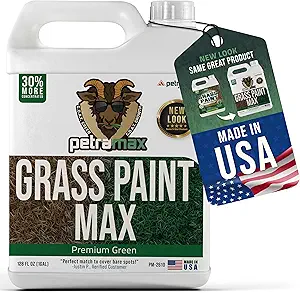
Endurant Premium Grass Paint

This eco-friendly nontoxic grass paint is completely safe for pets and children. This paint is known for its quick application, longevity, and premium quality. The paint lasts up to three months, saving you time and efforts that go into maintenance. 

PetroTools Grass Paints

This grass paint is another best-selling product on our list. It’s the most potent grass paint designed with a long-lasting formula that doesn’t let the color fade for months. PetroTools grass paint is an eco-friendly product completely safe for the environment and everyone around. 

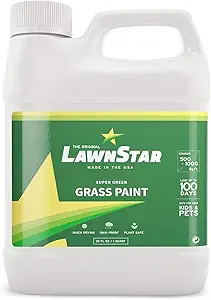
LawnStar Grass Paint

Next on the list is LawnStar grass paint. It can turn your fading lawn into a beautiful garden in no time. This nontoxic formula makes it super friendly for pets, plants, and children. The best part? Their one month exchange policy makes it a no-brainer.

Three Nontoxic and Eco-friendly House Paints

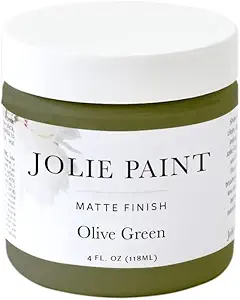
Jolie Paint 

Here’s a user-friendly paint with minimal prep needed—no sanding or priming required. This water-based solution ensures easy cleanup, and its non-toxic, low VOC formula doesn’t harm your lawn. Also, it’s time to support small businesses!

Montage Signature Eco-Friendly Paint

Next on our list is Montage Signature house paints. These extremely versatile paints enhance the beauty of your home and business in no time. Montage signature is an eco-friendly paint made with premium quality pollutant-free material. 

Miss Mustard Seed’s MilkPaint

This paint is specially designed with 100% natural formula that causes no harm to plants, including grass, pets, and children. These nontoxic paints do not contain any harmful chemicals. These paints are for multi-purpose usage and have the most satisfying results. 

FAQs

Does spray paint kill grass?

Nontoxic and zero VOC spray paints will not kill your grass. However, using or applying the wrong paint excessively can harm grass. Make sure to do your research well before investing. 

How long does spray paint stay on the grass?

Spray paints last on the grass somewhere between a few weeks to a month, and then it starts to fade. Paint last depends on the paint used, the grass type, and the atmosphere.

Will rust-oleum spray kill the grass?

Rust-oleum offers a plethora of formulas. It’s always better to read the labels before buying paint. They also have special formulas for grass and shrubs. 

How can I protect my grass from spray paint?

You can shield your grass by creating a cardboard, drop cloth, or plastic sheet barrier. In addition, always use eco-friendly sprays on the grass to prevent negative impacts. 

Conclusion

To sum it up, certain paints have chemical compositions and suffocating effects that can harm the grass. But there is also a wide range of options designed as specialized grass paints, which cause no harm to lawns. These paints can instantly improve the aesthetic appearance of your lawn without causing any long-term damage. Hence, before finalizing any grass paint, pick the product explicitly designed for this purpose and do small patch tests to learn about any negative effects beforehand. Besides enhancing the appearance of your lawn, you can also maintain the health and vitality of it by carefully selecting and responsibly using grass paints.  

Got any ideas to share? Comment below, we’d love from you 🙂

pexels sonya gabriela 13507057 How To Make Tan Paint- The Ultimate Color Mixing Guide

How To Make Tan Paint- The Ultimate Color Mixing Guide

Most painting kits contain skin-colored paints that are too peachy or brown shades that are too unnatural to be used for painting the color of skin. So, what’s the solution? You can either search the art supplies store for the perfect shade of tan or create one with the colors you already have at home.

Believe it or not, making your own shades of tan is highly satisfying because you can see the actual color on the palette and adjust it according to your needs.

The quickest way to make tan paint is to add some white to your brown color; however, the shade will lack depth and intensity. Instead, you should blend blue, red, yellow, and white in varying quantities to get the perfect hue of tan.

Several shades of tan can be used to elevate your masterpieces, and in this guide, I will tell you how you can play around with the right colors to explore its shade range.

What Colors Make Tan Paint?

At first glance, tan looks like light brown, and you will be tempted to add some white paint to brown and create the color. But you will quickly notice that the color lacks the complexities and depth of a true tan.

In the same way, if you add white to beige, you will end up with a tan color with a pinkish hue. If that’s what you’re looking for, you have found the answer to what two colors make tan, but if you desire a deeper and more intense tint, a combination of beige and white isn’t the solution.

The reason is that skin contains other pigments that define its undertones. Some people have pink, peach, or red undertones, while others can have yellow, olive, and orange undertones.

Therefore, to achieve a tan color that stands out from quicker alternatives, you must first mix blue, red, and yellow to make a rich tone of brown with prominent undertones and then add white to subdue its darkness.

How Do You Make Tan Skin Paint? A Step-by-Step Guide

Tan invokes feelings of security and warmth, like most shades from the brown family. The earthy and neutral hue of tan provides a sense of stability wherever it is used.

Now that you know what colors are needed to make tan paint, let’s discuss the simple steps you must follow to make it.

Step 1: Squeeze Out White Paint

Since tan is primarily a light, neutral color, you will need more white paint on your palette. Also, it’s always better to start with a light color and build the intensity as you go.

So, generously squeeze out some white paint on your palette before adding any other colors.

Step 2: Make A Custom Brown Color

Next, take out some red, blue, and yellow paint on the palette to make a brown color. You should keep in mind that blue paint gives brown its darkness and intensity, so start with a small quantity and add more only if needed.

At this point, you can experiment with varying quantities of yellow and red to see which blend looks closest to the tan color you’re looking for.

Pro Tip: Remember to clean your brush after dipping it in color. You don’t want your mix to look more yellow, red, or blue just because you forgot to wipe the brush after adding that color to your mixing palette. 

Step 3: Mix All The Colors

Once you have all your colors on the palette, it’s time to mix them thoroughly to achieve an even color. If you’re not careful at this step, you can end up with streaks of individual colors in your tan shade.

How To Make Tan For Digital Art

If you need to create a digital version of your painting, you must know the CMKY% and RGB% of the tan color to get the exact shade you want.

To make tan, you need C 0%, M 14%, Y 33%, and K 18%. This will give you a basic tan shade, but you can always tweak the percentages to lighten or intensify the color. For example, if you want a darker tan, you can increase the percentage of K. Similarly, for a brighter tan, you can decrease the level of K.

The RGB code of tan is #D2B48C, but if you prefer a darker hue, you can increase the value of red and blue to check if the color matches your preference. In the same way, you can decrease the value of red and blue to make your tan color lighter or add a higher percentage of white to it.

How To Make Different Shades Of Tan

Like other colors, tan also comes in various shades that you can mix at home simply by adjusting the values of the colors needed to make tan. Since tan is mostly used to paint skin tones in paintings, having expertise in different hues of tan can be very helpful in representing people of multiple backgrounds and ethnicities.

How do you make brown tan?

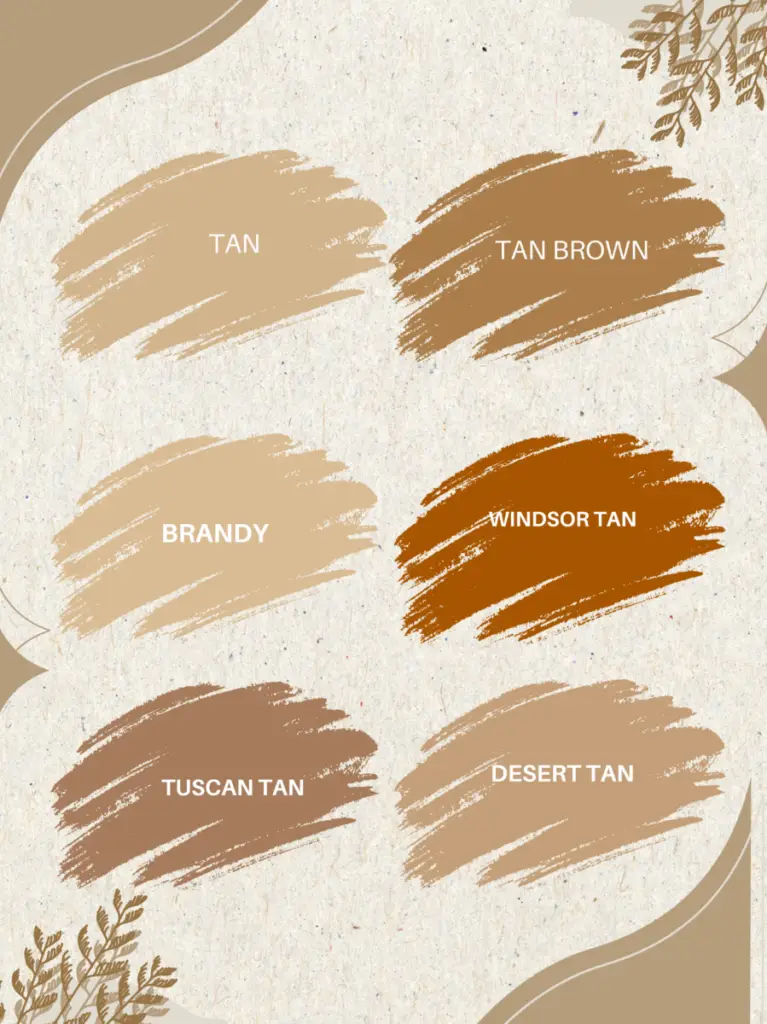
Brown tan, also called tan brown, has the HEX code #AB7E4C. It is a warm color that primarily belongs to the yellow color family. Brown tan has darker yellow tones that give it its distinct color.

How to make brandy color?

Brandy is a popular shade of tan as it’s lighter and brighter than traditional tan. The HEX code of brandy is DABC94, and it can be achieved by increasing the quantity of white in your color mix.

Brandy-colored interior looks chic and welcoming, so if you want to know how to spray paint leather car seats on a budget, this article can help you get near-professional results.

What colors make Windsor tan?

Windsor tan has the HEX code A75502, a warm color that leans towards orange. You can get this color by adding a dash of orange or red to your tan mix.

How to make Tuscan tan?

Tuscan tan is a rich tan color with earthy brown tones. The HEX code of Tuscan tan is #A67B5B. Tuscan tan is a slightly darker hue that can be achieved by reducing the quantity of white in the mix.

Tuscan tan looks great on mirror frames, and you can find how to spray paint mirror frames in seven quick steps here.

What colors make desert tan?

Desert tan has the HEX code C49E78, a muted, earthy color that captures the sunbaked warmth of the Sahara Desert. It comprises 76.9% red, 62% green, and 47.1% blue in RGB format.

Shade NameHEX CodeRGBCMYK
TanD2B48CR: 210 G:180 B:140C: 0% M: 4%, Y: 33% K:18%
Tan BrownAB7E4CR: 171 G: 126 B: 76C: 0% M: 26% Y: 56% K: 33%
BrandyDABC94R: 218, G: 188, B: 148C: 0%, M: 14%, Y: 32%, K: 15%
Windsor TanA75502R: 167 G: 85 B: 2C: 0% M: 49% Y: 99% K: 35%
Tuscan TanA67B5BR: 166 G: 123 B: 91C: 0% M: 26% Y: 45% K: 35%
Desert TanC49E78R: 196 G: 158 B: 120C: 0% M: 19% Y: 39% K: 23%
Different Shades of Tan – HEX, RGB and CMYK

How To Adjust Tan Color Brightness And Warmth?

A custom color palette allows you the freedom to create shades and tones that perfectly match the shade you have in mind, with just the right brightness and warmth. Here is a quick guide that will help you adjust your tan shade.

How To Make Tan Darker?

There are a couple of ways to make your tan color darker. The first one is to add a dash of black to your mix but remember to keep a very light hand because it can quickly overpower the color.

If you don’t feel confident adding black to the mix, add some red or brown paint to your tan to make it darker. However, adding too much can make the mix look muddy and less vibrant, so be careful to introduce a small amount.

How To Make Tan Lighter?

Suppose your mixed color is too dark; adding white paint is the best way to lighten it. You can also add a bit of yellow or green to counter the darkness but make sure to add just a little since it can alter the tone of your tan color and turn it into beige.

How To Make A Warmer Tan?

Although tan is primarily a neutral color, you can always make it warmer to achieve the skin color you’re looking for. Yellow is an excellent addition to warm your tan, but bright yellows can produce a very neon shade that might not work well for certain skin tones. Therefore, stick to medium hues of yellow.

You can also use orange to change the tone of your tan and make it warmer, but if you want an even richer hue, try adding red to the mix.

How To Make A Cooler Tan?

Adding more blue is the quickest way to neutralize your warm tan paint mixture. Another trick is to use cool-toned brown, yellow, or red to make the tan mix. This will help you achieve a cool tan without compromising its hue or depth.

Add a heading 3 How To Make Tan Paint- The Ultimate Color Mixing Guide

Are Beige and Tan The Same?

Beige is a lighter version of tan, so some people might think the two can be used interchangeably.

If you’re wondering, ‘What colors make beige?’ the answer is white and yellow, unlike tan, which needs white, blue, red, and yellow. It’s obvious from their color composition that tan has more depth and complexity than beige.

To find out how to make beige, you must take white paint and add a drop of yellow to the mix. The yellowish hue that is produced turns a white base into a beige or cream color.

Complimentary Colors That Make Tan Pop!

Are you wondering what colors look the best paired with tan? I have some exciting combinations based on color theory for you to try.

Tan With White

Since tan is a neutral color, it compliments various shades and tones across the color wheel. If you like the ‘clean space’ vibes, tan and white can be an excellent combination for your interior walls. It creates the illusion of a wider space and looks modern and chic.

Before starting any home improvement project, you should check out the best paint brushes for your home interior.

Tan With Pink

Tan paired with a soft pink like Resounding Rose (#D1918C) creates a fresh and soothing ambiance. You can even add some green to your interior palette, like the Sherwin Williams Dancing Green (#CBD18C), to make your room more interesting.

Remember to use the best primer for interior walls for a more professional finish.

Tan With Monochromatic Colors

Here’s a combination you will find in many acrylic masterpieces. You can pair tan with monochromatic colors such as Brandy (DABC94), Gold (E8CAA2), Calico (E2C49C), and Peach Yellow (FDDB5) to portray different shades of desert sand, mountains, and skin tints.

What Interior Colors Go With Tan?

Do you love the earthy and warm feeling of tan but are not sure how to make it work inside your home? Don’t worry because I have the answers you’re looking for.

First things first, tan being a neutral color, looks great paired with a variety of hues and works seamlessly with a range of aesthetics. However, some colors can elevate tan shades and transform your living spaces. 

Here are my top picks:

1. Tan and Purple

Since tan is a light, neutral color, it looks outstanding with contrasting colors from the purple family. Depending on how low or high you want the contrast, you can experiment with a range of shades, from pale purple (#FAE6FA) to Eminence (#6C3082), for the perfect combination.

Tan and purple can be used together for decorating your bedroom, living room, and even the kids’ nursery. Combining the two creates a warm and welcoming ambiance where each perfectly compliments the other.

If you’re unsure about the high contrast, make small additions in purple before a big commitment. For example, add cushion covers in English Violet (#563C5C) to your tan leather sofa for a luxe and majestic feel.

2. Tan And Blue

Nothing compares to the serenity and calmness of a blue interior, and what better color to pair it with than tan? 

You can use blue accents on tan walls to infuse a sense of relaxation in any living space. This color combination also looks amazing in bathrooms and bedrooms, whether you want to unwind in the bathtub after a long day or get a good night’s sleep.

There are several blue shades that you can pair with a tan interior. For example, you can decorate your living room with tan furniture, Prussian blue (#003151) curtains, or a rug. Don’t be afraid to add some white to the mix, as it adds a touch of freshness to the earthy undertones of the room.

3. Tan And Yellow

Yellow is often overlooked as an interior color because of its brightness, but using it sparingly can give any room a unique and modern look.

If you find yellow’s vibrancy too much for your tan walls, you can opt for warm golden yellow (#EEC61F) against tan walls with white and dark wood accents.

Since the combination of yellow and tan isn’t high in contrast, it balances the earthy tones of tan with the vibrancy of the sun. The room looks alive, and you feel energized, but remember to add small splashes of yellow color, or it will overpower the tan interior.

4. Tan And Teal

Now, here’s a color combination that homeowners love!

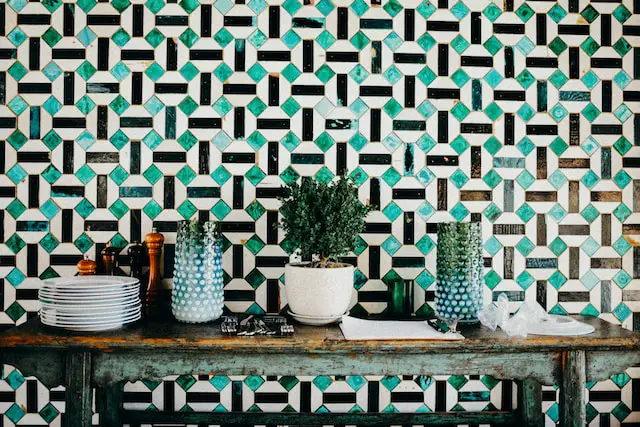
Teal (#008080) paired with tan creates an accentuating impression in home decor that can elevate any living space. The color teal itself is a soothing and rich hue that screams attention, and when you combine it with tan walls or furniture, the result is striking yet relaxing. In short, a match made in heaven!

The contrasting colors can be used for the bedroom, living room, or dining area. Whether you place a tan sofa against a teal-colored wall or a teal sofa against a tan-colored wall, they will complement each other seamlessly.

FAQs

How to make orange?

To make the color orange, you need red and green colors. Start by mixing red and green to get the color yellow. Next, add more red to get the desired shade of orange.

How to make brown paint?

If you want to find out how to make brown, just mix the colors red, blue, and yellow, and you will get a basic shade of brown.

How to make grey?

The two colors that make grey are white and black, and you simply need to mix equal parts of both to get a neutral shade of grey.

What colors make a tan with food coloring?

Add 1 drop of red food coloring to 10 drops of yellow to make tan, but if the color looks grey or black, add another drop of red to the mixture.

Conclusion

Mixing up colors is fun, especially if it perfectly compliments your artwork. Follow the tips in this article to customize your shade of tan, and also check out how to make teal paint for a tan combination that truly pops!

pexels pavel danilyuk 8381876 How To Make Teal Paint - The Ultimate Color Mixing Guide

How To Make Teal Paint – The Ultimate Color Mixing Guide

The color teal is loved by many for its calm and soothing vibes. It not only looks amazing on canvas but also helps create a modern and serene ambiance when used inside the house.

However, store-bought paints can be generic with a limited shade range. Fortunately, you can take your creative flair to new heights by creating a customized teal color palette yourself.

Teal is a combination of blue and green, but you can experiment with different shades of the same color to achieve a variety of teal hues. Other colors like white, yellow, and black can also be added to expand and enrich your teal palette.

Teal combines the cool calmness of blue with the balance and stimulation of green to deliver a beautiful and impactful color. I will help you create unique hues of teal that will make your work stand out from artists still relying on store-bought colors.

Let’s dive into the nitty gritty details of making teal blue!

What Colors Do You Mix To Make Teal?

If you’re wondering, ‘What two colors make teal?’ The answer is blue and green.

However, in the same way, that there are several shades of teal, there is a wide variety of blue and green shades too. Therefore, the shade of teal you’re looking for might need you to experiment with different colors of blue and green and achieve the desired result.

Remember that the exact hue of each color you choose will determine the final shade of teal, so be prepared to take a few wrong turns before you find the right one.

As a rule, you should pick a green and blue that leans towards each other. For example, a cool blue shade like phthalo blue combined with a cool, bluish shade of green, like phthalo green, is a great place to start.

However, only mixing blue and green will not give you the teal color of your dreams. Depending on the final effect you want, you might need to add white, yellow, red, or black to the mix, but we’ll discuss more of that later.

A Step-by-Step Guide To Make Teal

Most artists prefer to work with acrylic paints, which is why we have focused on them in this guide. But you should remember that the same shade of teal will look different on various mediums, so before you go all in, test the color on a small area of your preferred surface.

Start with a wide selection of blues

The base of the color teal is blue; therefore, the more variety of blue you have in your arsenal, the more shades of teal you can create.

Pick blues from across the spectrum, making sure to include light, bright, deep, and dark shades of blue.

Squeeze out each of the shades on a palette but don’t mix them.

Pick a medium shade of green

You don’t need as many shades of green; instead, you want to pick a medium hue that isn’t too dark or light. Emerald green or Kelly green is most commonly used for making the perfect shade of teal.

If you want more control over the final shade, you can mix your green color from scratch using the primary colors yellow and blue. Once you have your desired shade of green, you can later add blue to eventually end up with teal.

Select a few shades of yellow

Yellow is an excellent addition to this mix and can help you create unique shades of teal. So grab a few colors of yellow, from pale to bright, and squeeze them out on the palette.

Keep white on hand

You may need to add white to adjust the intensity and tone of the mixed color. So, keep a plain shade of white handy to make any necessary adjustments to the color’s intensity.

Time to mix the colors!

For a basic teal shade, mix blue and green in a 1:1 ratio using a palette knife. You can tweak this ratio depending on the color you want. For example, you can add more blue paint for a teal blue shade or increase the quantity of green for a hue closer to aquamarine.

If the shade looks too dark or overpowering, you can add a little bit of white to tone down the color. However, you should know that white can dull the brightness of your shade a little.

Yellow, on the other hand, has the opposite effect on teal. It doesn’t dull the shade’s brightness but changes its tone, making it lean more toward green. 

Pro Tip: At this point, you can play around with different hues of yellow to achieve the color you’re looking for.

Tips For Creating Hues Of Teal With Acrylic Paint

Now that you know how to make the color teal with acrylic paint, the following tricks of the trade will help you get better results every time!

  • Acrylic paints become darker as they dry, so it’s better to mix a slightly light teal color to achieve the desired color on canvas. You can learn more about whether paints dry darker or lighter to know exactly how your color will look on the final surface.
  • You can add metallic acrylic paints to the mix for a more lustrous shade of teal.
  • While black can add depth and intensity to your teal color, it can be disastrous to fix if you add too much. You can use burnt amber or gray instead of black or simply use darker hues of the colors you’re already mixing.
  • Use a palette knife to blend instead of a brush since it helps mix different colors evenly.
  • I recommend using the mixed teal paint immediately, but if you must store it, an airtight container is your best bet.

How To Create Teal Digitally?

Not every artist works with paints and canvases, and your approach to making teal will be different when working with digital colors.

Teal is a combination of red, green, and blue (RGB), while in printing, it involves a mixture of cyan, magenta, yellow, and black (CMYK). 

For digital design and printing, the code for a basic teal is #008080, but you can tweak it according to your preference.

Similarly, the basic code for CMKY teal is:

  • C: 100%
  • M: 0%
  • Y: 0%
  • K: 50%

However, you can experiment with the percentages to increase the depth or change the tone of the shade.

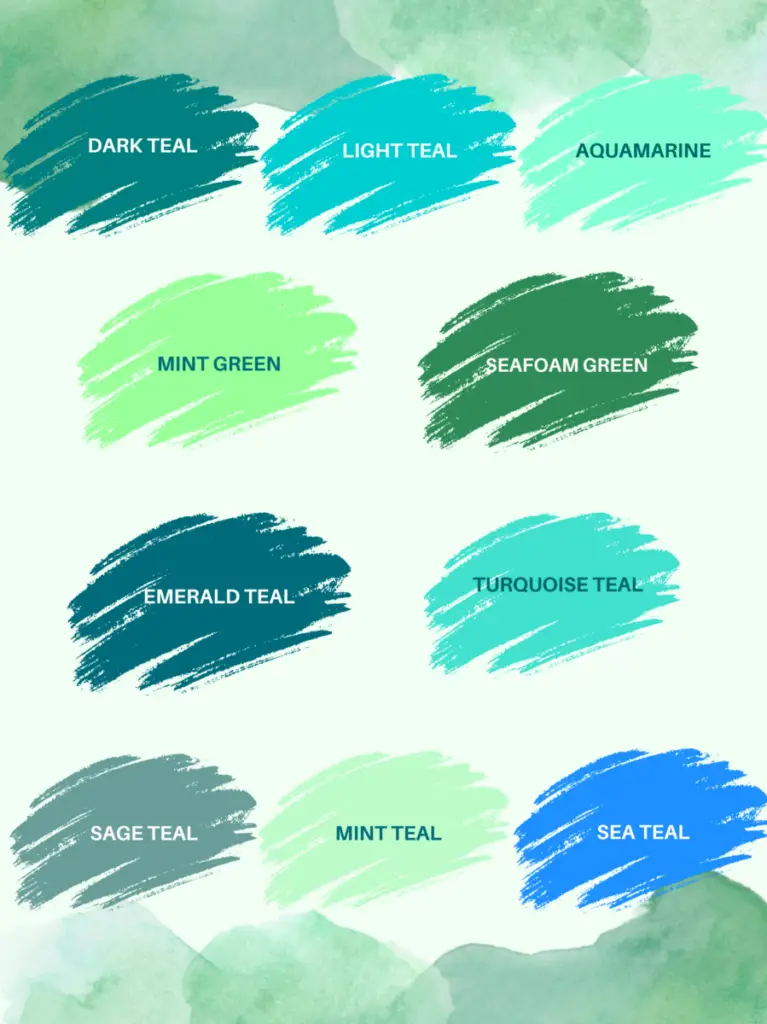
The following table mentions a few popular shades of teal with their hex codes and percentages of color to make your job easier.

ColorHEXRGB %CMYK %
Dark Teal#008080R: 0%, G: 50.2%, B: 50.2%C: 100%, M: 0%, Y: 0%, K: 50%
Light Teal#00CED1R: 0%, G: 80.8%, B: 82.0%C: 100%, M: 1%, Y: 0%, K: 18%
Aquamarine#7FFFD4R: 49.8%, G: 100%, B: 83.1%C: 50%, M: 0%, Y: 16%, K: 0%
Mint Green#98FF98R: 59.6%, G: 100%, B: 59.6%C: 41%, M: 0%, Y: 41%, K: 0%
Seafoam Green#2E8B57R: 18.8%, G: 54.5%, B: 34.9%C: 66%, M: 0%, Y: 36%, K: 57%
Emerald Teal#00C957R: 0%, G: 78.4%, B: 34.7%C: 100%, M: 0%, Y: 56%, K: 25%
Turquoise Teal#40E0D0R: 25.1%, G: 87.8%, B: 81.5%C: 71%, M: 0%, Y: 7%, K: 14%
Sage Teal#689D99R: 40.4%, G: 61.2%, B: 60.4%C: 34%, M: 0%, Y: 1%, K: 61%
Mint Teal#BDFCC9R: 74.5%, G: 98.0%, B: 78.4%C: 24%, M: 0%, Y: 20%, K: 2%
Sea Teal#1E90FFR: 11.4%, G: 56.1%, B: 100%C: 89%, M: 44%, Y: 0%, K: 0%
Different Shades of Teal

Exploring Different Hues Of Teal

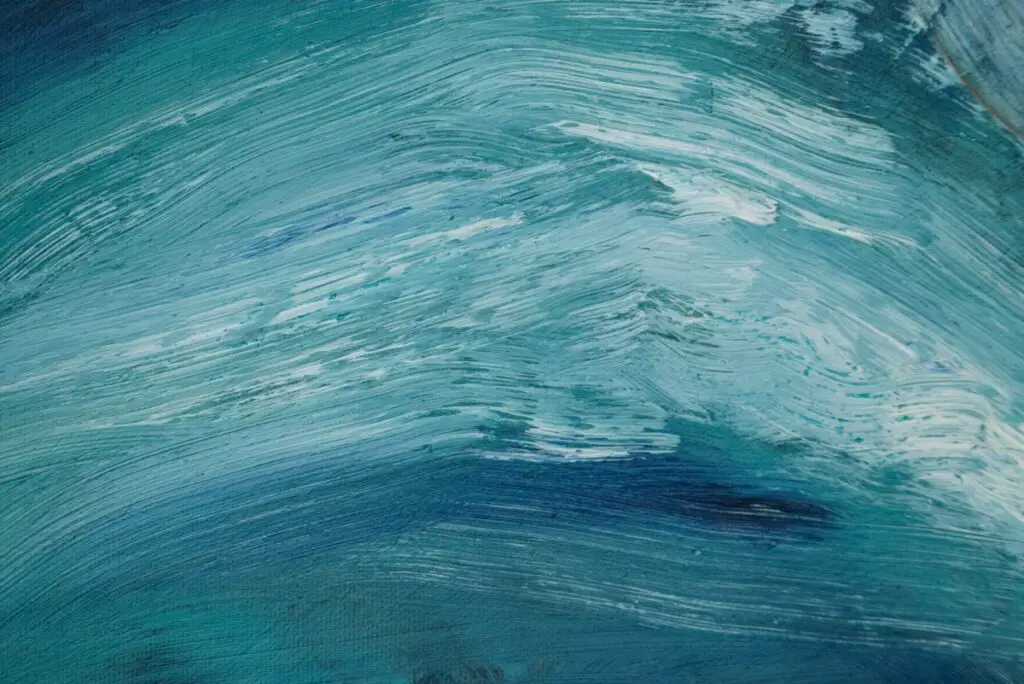
Teal is a highly versatile color that can be used for different projects, and as with most colors, there’s a wide variety of shades you can create yourself.

You can opt for a deep and muted shade of teal for an accent wall in your home or a bright, preppy hue of teal for furniture in the children’s nursery. Whichever shade of teal you select, it will completely transform the mood and feel of that room.

In this guide for how to make teal paint, you can tweak the quantities of blue, green, white, and yellow to get the following standout tints.

Pale Teal (HEX# 82cbb2)

This shade sits on the light teal color spectrum, giving off a fresh green hue. You can make pale teal by adding a fair amount of yellow to your blue and green paint mix. 

Dull Teal (HEX# 5f9e8f)

Dull teal is a muted color perfect for painting contemporary accent walls. You can make dull teal by adding a little dark yellow to your teal paint mix.

Bright Teal (HEX# 01f9c6)

Here’s a bright and energetic color everyone loves! This vibrant color contains a lot of yellow with just a hint of black, but if you don’t want to use it in its very vibrant state, you can tone it down with some white paint.

Aquamarine Light Teal (HEX# 6EC6BA)

This shade is considered the perfect light teal color by most artists. You can make aquamarine light teal by adding a light and bright shade of green instead of medium green and a good amount of white paint.

This shade is an excellent choice for painting stucco houses in 2023, but this blog is full of great options if you want more exterior color ideas.

Tropical Teal (HEX# 008794)

Tropical teal is a cool green-toned teal that reminds you of sandy beaches lined with palm trees. The shade contains a little more magenta than common teal.

Teal Blue (HEX# 01889f)

Here is a rich blue-toned shade of teal that invokes feelings of tranquility and contentment. You can make teal blue by adding black to the blue and green paint mix.

Deep Teal (HEX#00555a)

Deep teal is a rich hue similar to dark teal. However, the two differ because of more magenta content in deep teal that helps create a slightly warmer tone.

Different shades of TEAL

How To Create Shades of Teal

The easiest way to create teal is by mixing blue and green, but now you understand that it’s more complex than that. After all, if you want to create a unique teal color palette, you must experiment with different colors and think outside the box.

How To Make Muted Teal Paint

As a rule, the quickest way to mute a shade is to add a color from the opposite end of the color wheel. Since teal is the product of blue and green, both cool colors, adding a bit of warmth can do the trick.

If you want muted teal, a hint of red and orange can help you achieve the desired hue. However, if you don’t want to compromise the brightness of the color, some warm yellow, like cadmium yellow, can deliver a more subtle muting effect.

How To Make Light Teal Color

If you want your teal shade to look a little lighter, you can add some white paint to get the desired effect. However, keep in mind that white can make teal less bright and softer. So, if you want to lighten the color without losing its vibrancy, add some lime yellow to the mix.

Pro Tip: Don’t add too much yellow, or the teal shade’s tone will alter significantly.

How To Make Dark Teal Color

There are two ways to make dark teal color. The first one is to use deeper hues of blue and green to get a darker and more intense teal. Another way to achieve the color is to add black to the mix of blue and green but remember that this trick can sometimes dull the final shade.

Dark teal is a popular choice for accent walls, but before you mix large quantities of green and blue paint, read up on how much interior paint you need to paint your wall.

Pro Tip: Add black in very small quantities to the mix since it can quickly overpower any color.

How To Make Bright Teal Paint

The best way to give your teal color a ‘pick-me-up’ is to add some yellow to the paint. Since there are different shades of yellow to choose from, try a few to find the perfect shade. 

What Colors Go With Teal Interior?

liana mikah 42E7fArZ7d0 unsplash How To Make Teal Paint - The Ultimate Color Mixing Guide

Since teal has the characteristics of both blue and green, it invokes a sense of tranquility and comfort. Although the color is very popular for home interiors, people often shy away from going all in with teal. The good news is, there are endless colors that work perfectly with teal; you just have to take care to pair it right.

If you’re looking for some inspiration to work teal into your home, here are 5 colors that pair well with it and create a rich and bold palette for any room.

1. Teal And Tan

Did you think creating a neutral space was impossible with teal? Think again.

Teal can be paired with any neutral hue like tan, beige, and grey for a classic look that still looks lively and fresh. If you’re worried teal may overpower your neutral interior, add the color sparingly for just the right amount of zing.

For example, you could introduce teal pillows to your tan bedroom or living room. Better yet, you could opt for bold teal prints for an extra punch of exuberance.

If you’re interested in creating a custom tan palette, this guide has everything you need to get the perfect hue of tan for your next project.

2. Teal And Tangerine

Teal is a happy color that makes you feel warm and comforted but when you pair it with a fun color like tangerine, it creates a whole different vibe!

If you think teal and tangerine might make a garish or harsh contrast, the placement of the two on the color wheel will convince you otherwise. Both colors are fairly close to each other, which makes the combination super fun and not overwhelming.

Consider pairing teal and tangerine with white to create an open and lively space. Also, introduce tangerine tastefully to ensure the room has just the right amount of popping color.

Black Golden Elegant Happy Birthday Poster Facebook Post Landscape 940 × 521 px 578 × 521 How To Make Teal Paint - The Ultimate Color Mixing Guide

3. Teal And Wood

Here’s a color combination that is rustic and country chic.

Wood has a timeless appeal that adds warmth to any room. However, having too many wood tones in a space can seem daunting and dull. That’s where teal comes to the rescue!

Teal looks majestic paired with wood tones, and the variety of teal shades makes it effortless to add a splash of color that grounds the space and balances out the different shades of wood.

pexels jonathan meyer 1537750 How To Make Teal Paint - The Ultimate Color Mixing Guide

4. Teal And Grey

Many homeowners hesitate to add teal accents to grey interiors thinking that the combination might take away from the neutral vibe of the room. But the fact is, teal is the perfect color to bring out cool tones of grey and also add some personality and energy to the space.

The introduction can be as subtle as a teal-colored knitted throw on a grey sofa or as obvious as teal-colored curtains against a grey wall. Don’t be afraid to experiment with a few shades before settling for one.

Black Golden Elegant Happy Birthday Poster Facebook Post Landscape 940 × 521 px 4 How To Make Teal Paint - The Ultimate Color Mixing Guide

5. Teal And Gold

Teal is a color that inspires regality, and when coupled with gold, it exudes an aura of opulence and grace.

At first glance, gold accents may come off as tacky, but when used sparingly and in combination with teal, they can truly elevate the mood of your home.

Just remember to use this color combination in small locations such as the bathroom, kitchen sink, or table decor so it doesn’t look too overpowering.

Teal And Gold How To Make Teal Paint - The Ultimate Color Mixing Guide

turquoise vs. teal

Most people confuse teal with turquoise and vice versa. That’s because both colors are the product of blue and green. However, a few differences can help you tell them apart.

  • Turquoise is lighter, brighter, and more vibrant than teal.
  • Teal is a darker color with low saturation.
  • Teal leans toward blue, while turquoise has more green in it.
  • Turquoise has a higher saturation than teal.

FAQs

How to make blue?

You can make a range of blue shades with magenta and cyan. But this blog can be very helpful if you want a step-by-step guide for making blue paint

Does blue and green make teal?

Blue and green can be mixed together to get a basic teal color. However, you can also add white, yellow, and black to alter the shade’s brightness, depth, and tone.

Does yellow and blue make teal?

Yellow and blue are the two colors you need to make teal, but since it’s a tertiary color, you first need to mix yellow and blue to get green (a secondary color) and then add some more blue (a primary color) to the mix for a shade of teal.

Conclusion

Creating your own shades is fun and rewarding since you get to experiment with combinations that aren’t common. Imagine painting your masterpiece with a customized teal palette and making others wonder which store you brought the shades from. 

Let’s keep them guessing!

pexels anete lusina 4792532 Is Paint Ruined If It Freezes - No More Wasting Spare Paint!

Is Paint Ruined If It Freezes – No More Wasting Spare Paint!

Imagine you want to touch up a chair you just painted last season, but as you grab the leftover paint from your garage, you find it completely frozen! While your initial reaction may be that of surprise, it can quickly turn into panic as you remember all the cans of stored paint sitting in your garage.

Don’t worry because it’s normal for water-based paint to freeze when temperatures drop below 32 degrees Fahrenheit, but that doesn’t mean it becomes useless. So, what to do when paint freezes?

Frozen paint can be restored and made reusable. All you need to do is place the paint can at room temperature and allow it to thaw naturally. Once the paint has defrosted, stir it vigorously to remove any lumps and carry out a small patch test before applying it to your project.

However, if your paint has frozen and thawed a couple of times, the formulation may be ruined for good. But before you toss away your paint cans, try my tips and tricks to revive your frozen paint and save yourself some bucks.

Is Acrylic Paint Ruined If It Freezes?

The question, ‘Is paint still good if it freezes?’ is common, especially if you live in an area that experiences sub-zero temperatures. 

The answer is yes, but there are limitations to the finish you can achieve with restored paint.

To be clear, you’re not supposed to let your paint freeze. This is why manufacturers mention the ideal temperature for paint storage on the label.

However, it will undoubtedly freeze if you don’t store the paint correctly and leave it in your garage or shed during harsh winters. So, now comes the real question: Can you use the frozen paint for your next DIY project?

While the simple answer is yes, it isn’t generally recommended. 

The best way to determine ‘Is house paint ruined if it freezes?’ is by checking its consistency and quality after it has thawed.

What Happens To Latex Paint When It Freezes?

When latex paint freezes, its formulation is irrevocably altered, affecting the paint’s hue, color, texture, and finish. Sometimes, freezing paint can result in water being separated from the solvent, which changes the consistency of the formula completely. The separation of the chemical compounds can result in the creation of lumps that often render the paint useless.

But you should know that paint that has only just begun to freeze or was frozen for a short period can be salvaged easily compared to paint that has been frozen solid all winter.

Pro Tip: Latex paint can withstand a few freeze/thaw cycles, so don’t be quick to dispose of your frozen paint cans before checking their usability.

Will Wall Paint Freeze In Garage?

Once you’ve wrapped up a DIY painting project, the next thing you do is store any leftover paint in your garage and forget all about it. The only time you reach out for it again is when you need to paint something else.

But what happens if paint freezes during the time it is stashed away in the garage? 

Whether or not your wall paint will freeze depends on the type of paint, where you’re storing it, and the temperature. Let’s have a closer look at each of these factors.

The Type Of Paint

There are two main types of paints: water-based and oil-based. Since the former consists of water, it freezes at the same temperature as its base, 32 degrees Fahrenheit or 0 degrees Celsius.

In contrast, oil-based paints are more resistant to freezing since their formula generally comprises linseed oil- a substance that begins to freeze at -4 Fahrenheit or -20 Celsius.

So, if you’ve stored oil-based paint in your garage, you probably might not need to worry about it freezing unless your area experiences extremely low temperatures in the winter.

However, your water-based paints will freeze in your garage as soon as the temperature drops below 32 Fahrenheit.

Where You Store The Paint

The more exposed your paint cans are to external elements, the more it will affect their formulation. 

For example, your paint cans are more likely to freeze if left on the garage floor. But if you store them higher up where the temperatures are slightly warmer, you can save them from frost.

Paint only freezes when the temperature around the can drops below freezing point. So, if your garage is heated, your paint will be ready to use any time you pick it up. However, you will be left with freezing paint if your garage has no heat.

The Temperature

Water-based paints freeze faster than oil-based paints, but it’s always best to double-check the freezing point of the specific paint you’re planning to store. The reason is that various paint formulations contain different ingredients that can change their ideal storage temperature.

Water-based paints will begin to freeze at 32 degrees Fahrenheit, and as the temperature drops further, the rate of freezing will intensify.

Other factors affect the temperature around your paint can, such as:

  • Is the paint can sealed?
  • Is there any insulation around the can?
  • Is it close to your home?

How To Restore Frozen Paint

If you’re wondering, ‘Can you unfreeze acrylic paint?’ the short answer is yes! 

But the real question is, ‘If latex paint freezes, is it ruined?’ Well, that would depend on the condition of the paint once it melts. 

So, before you hastily toss away frozen paint cans, allow them to thaw gradually and then check if the paint is still good after freezing.

Here is a quick guide you can refer to if your paint is frozen.

  1. Place your frozen paint can at room temperature and let it thaw naturally.
  2. This process will take a few hours, but it’s important not to try to speed it up with a hairdryer or heater.
  3. Spread an old towel and some sheets under the can to protect the surface.
  4. When you’re certain the paint has thawed, open the lid and stir the contents around to restore its original consistency.

How To Check If Paint Is Still Good After Freezing

Deciding whether the thawed paint is any good for a beginner who has never had to deal with frozen paint may be challenging. So, how can you tell if the paint has gone bad?

First, you must remember that all paints have an expiry date, so no matter how much you try to revive it past that date, you will only be wasting your time and efforts. This guide about spray paint expiration will help you decide if your stored paint is worth checking or saving.

Now if your paint hasn’t expired but simply froze due to extreme temperature, there’s still hope!

The first trick is to stir the paint after it has defrosted to combine all the chemical compounds that may have separated during the freezing/thawing process. Once everything looks nice and even, check its consistency for any lumps or grains.

If the paint has gone bad, you will notice large clumps, almost like cottage cheese or a stringy texture. That’s a sign your paint is beyond repair and must be discarded.

But if the paint has slight graininess, grab a paintbrush and test it on a scrap of wood or paper. If the finish looks normal, your paint is probably good to use.

Another trick is to compare the paint with another can of paint in the same color. If you see a difference in hue between the two, chances are the paint you just warmed up will not deliver the same color payoff.

Pro Tip: You can take the thawed can of paint to a paint store and have it professionally shaken for the best results.

How To Dispose Of Frozen Paint?

Now that we’ve discussed how to check if your paint is still usable after thawing let’s move on to what you need to do if it is indeed ruined.

It’s important to mention that oil-based paints contain hazardous chemicals that can contaminate soil and water. This is why throwing it as is in the trash is illegal in most states. On the other hand, disposing of latex paint is easier as long as you follow a few guidelines.

It’d be best to acquaint yourself with Universal Waste Laws relating to non-empty aerosol cans before you dispose of the ruined paint.

Here are a few quick steps to safely dispose of your paint.

Latex Paint

  • Remove the lid and pour the paint on a newspaper to let it dry.
  • Place the empty can and lid in the recycling bin.
  • Once the paint has dried completely, toss the newspaper in your trash can.

Pro Tip: Mix cat litter in the paint to speed up its drying process.

Oil-Based Paints

  • Take the can of paint to your county’s hazardous waste facility.
  • You can also check Paint Care to find take-back programs near you. (This recycling program is currently available in ten states and the District of Columbia.)

You should learn more about recycling spray paint cans if you are a DIY enthusiast who loves playing with paints and creating masterpieces.

How Do You Store Paint To Keep It From Freezing?

As I said before, you shouldn’t let your paint cans freeze because that can significantly alter their formulation and affect the performance and finish of the paint. 

While the best option is to store all your paint inside the house where it’s nice and cozy, not everyone has much room to spare to stack paint cans. Therefore, most used and unused paint containers inadvertently end up in the garage. Now the real question is, ‘how to keep paint from freezing in garage?’

The solution isn’t as hard as you think!

Check out these ideas to find one best suited to your situation.

1. Utilize Paint Before Winter Season

Using up all your old paint before winter strikes sounds like common sense, but we, as lazy couch potatoes, tend to delay projects.

Now that you know how frost can ruin your stored paints, use it as motivation to finish painting projects around your home during summer.

This approach has two undeniable benefits. First, you get the best finish from the paint you bought since the formulation is perfect when used fresh from the can.

The other highlight of using your paints before winter is that you don’t need to worry about creating the ideal storage conditions for your paint cans.

2. Store Paint At Room Temperature

As room temperature is ideal for paint storage, the most effective way to prolong the life of unused paint is to place it in a heated room away from freezing temperatures.

If you plan to store the cans in your garage, ensure it’s heated, and the temperature is regularly monitored. 

However, not everyone is willing to spend extra bucks on utility costs just to keep their paint cans warm in the garage. The next tip will maintain your paint’s consistency and help cut back avoidable utility expenses.

3. Build A Heated Paint Box

A heated paint box isn’t as complicated as it may sound and can be made in very little time.

All you need to build one is:

  • Heat tape/ heat light
  • Foam insulation

Use the foam insulation to build a small box around your paint cans but remember to leave enough space to hang your heat lamp/ light. You can also use heat tape to achieve the same effect.

This heated box will maintain an ideal temperature inside to keep your paint cans warm despite freezing temperatures outside.

Pro Tip: Always unclog the nozzle of your spray paints before storing them.

FAQS

At what temperature does oil-based paint freeze?

Oil-based paints generally comprise linseed oil with a freezing point of -4 Fahrenheit or -20 degrees Celcius. So unless your area experiences extremely cold winters, your stored oil-based paints may never freeze.

Can paint freeze overnight?

Latex paint starts freezing when the temperature drops below 0 degrees Celcius. This means if you experience freezing temperatures during the night, your water-based paint can freeze overnight.

Is spray paint ruined if it freezes?

Spray paints can withstand a few freeze/thaw cycles; therefore, always unfreeze your paint cans and check their performance before using them on a project or tossing them for disposal.

Conclusion

Let’s wrap this up with a simple advice that couldn’t be more obvious: Do not let your paint freeze!

But if your stored paint gives you ‘the cold shoulder’ after winter, you can follow my tips and tricks and restore it to its original glory.

paint brush or roller

Paint Brush, Roller, or Sprayer – Battle of Applicators

I love how effortlessly beginners can spruce up any object with a fresh coat of paint, but deciding the best paint applicator for their project can be a dilemma. There are three popular options: paint brush, roller, and sprayer, and each has its pros and cons. So how do you pick one?

Paint brushes offer greater control and precision and are preferred for painting smaller, harder-to-reach areas. Rollers and sprayers are ideal for when you want to cover more area in less time, but beginners may have difficulty mastering their application technique.

Some paint applicators are better suited for certain projects, but you don’t need to figure that out on your own. I will discuss each option in detail, along with side-by-side comparisons, so you can choose the applicator that meets your budget, coverage requirement, preferred finish, and project deadline.

Let’s jump right in!

Paint Brush vs. Roller: Which is better?

About the Paint Brush

A paintbrush is the oldest and most popular tool for painting because it’s small, flexible, and easier to control. These characteristics make it perfect for painting details, trims, and areas that are harder to reach with other tools.

While it is relatively easier to use, you require some expertise when using a paintbrush, or you may leave nasty streaks and traces.

Paint brushes are not recommended for large and smooth areas for several reasons.

If you’re a beginner, chances are you may leave too many streaks when painting with a brush; therefore, if you attempt painting a large wall, for instance, the result will not be aesthetically pleasing.

Another problem with using a paintbrush is that it doesn’t retain much paint; therefore, you have to dip it in paint repeatedly to paint a bigger surface, increasing the total time it takes to complete your project.

Finally, brushes generally use more paint than rollers, so the larger the surface area you need to cover, the more expensive your project will be.

Pros and Cons of Using a Paint Brush

Advantages of a PaintbrushDisadvantages of a Paintbrush
Better application controlIt takes more time to paint large surfaces
Excellent for detailed workRequires considerable skill to achieve even coats
It can be used to create a textured effectIt uses more paint
Various sizes and types are available for different surfacesExpensive for larger projects
It can look streaky on walls

Expert Tip: Use nylon or polyester brushes for latex (water-based paints) and natural brushes for oil-based paints, varnishes, and stains.

pexels pavel danilyuk 6764274 Paint Brush, Roller, or Sprayer - Battle of Applicators

Rollers

Professional painters love rollers because they provide thin, uniform, and even coats and are perfect for painting walls, ceilings, and large furniture.

If you’re wondering: Does a brush or roller use more paint? The answer is paintbrush!!

Rollers have a porous surface, allowing them to hold more paint at once, making the painting job easier and less time-consuming.

You can even experiment with different finishes with different types of rollers. For example, if you want a smooth finish, a smooth surface roller will help you achieve the desired result, but if you want a more textured finish, you can opt for fluffy surface rollers.

However, this option isn’t without downsides.

You must prepare your surface well if you plan to use a roller, as it accentuates every imperfection on the object. It’s also important to keep a light hand when applying paint with a roller because pressing it too firmly against the surface can create unpleasant streaks.

Pros and Cons of Using a Roller

Advantages of a RollerDisadvantages of a Roller
Provides even coverageNot suitable for small areas
Covers large areas quicklyRequires more prep work
Doesn’t use too much paint
More economical

Expert Tip: Use a plastic roller for water-based paints, a sponge roller for oil-based paints, and natural fiber for solvent-based paints.

How to use a paintbrush and roller for best results

Most DIYers want to know: Do professional painters use brush or roller? They actually use both, and you can too!

That’s because both tools serve different purposes, and if you can combine the powers of a paintbrush and roller, you can achieve a flawless finish!

Start by painting the corners, edges, and difficult-to-reach areas with the brush, then cover the large surfaces with the roller. This technique helps you save time and uses less paint, so it’s a win-win!

So the next time you’re confused about whether it is better to paint with roller or brush, simply buy both.

Paint Brush vs. Sprayer: Which one should you use?

The battle between a paintbrush and a sprayer is one between old and new technology. Everyone wants to pick the latest equipment with faster results but remember, the gains in speed come at a cost.

There’s honestly no faster way to apply paint than with an airless sprayer. All you need is a couple of minutes with the sprayer, and you have a freshly-painted wall ready for use. So, is spraying better than painting? Not always, because speed doesn’t equal quality.

The best thing about using a paintbrush is that even beginners can handle it. However, applying paint with an airless sprayer can be very challenging if you don’t have much practice. If you’re not careful, you can end up with an uneven coat, with some areas of heavy paint buildup and others where the paint is too thin.

Another drawback of using a sprayer is the lack of control. You not only have to prep your object but also cover all the surrounding areas thoroughly, or the over-spray will increase your clean-up time by many folds.

Then there’s a popular query: Do you use more paint with a brush or sprayer? The answer is sprayer!

Although a sprayer gets the job done quickly, it uses 2 to 3 times more paint than brushing or rolling, which means your cost of paint will be much higher if you use a sprayer.

Despite its drawbacks, the sprayer delivers smooth and even coverage if handled properly without any streaks or strokes, a problem that is quite common with a paintbrush.

Pros and Cons of Using a Sprayer

Advantages of a SprayerDisadvantages of a Sprayer
Super fast applicationUneven coverage
Single coat coverageIt uses three times more paint
Smooth finish without brush marksLong prep and cleanup time
Easily gets into hard-to-reach areasPoor adhesion
Difficult to paint on windy days

How to Use a Paintbrush and Sprayer for Perfect Coverage

If you’re still contemplating: Is painting with a sprayer better or paintbrush? Don’t overthink because you can use both simultaneously to enjoy the best of both worlds.

The best way to apply paint is by applying it with a sprayer and ‘back-brushing.’

Back-brushing is a simple technique where you dry brush over paint that has been applied by either roller or sprayer. To achieve good results, you’ll need a helper who can brush the surface quickly after you’ve applied paint with a sprayer.

This technique helps even out the coat, improves paint adhesion, and gets into hard-to-reach nooks and crannies.

Sprayer vs. Roller: Which option gives the best results?

Is it better to paint with a spray gun or a roller? The answer would depend on four factors:

  • Your skill and expertise with each applicator
  • The total time for your project
  • Your project budget
  • The surface you want to paint

Anybody can use a roller, whether they’re beginners or experts, but if you’re new to using a paint sprayer, the first time may not be as easy as it looks.

Beginners often struggle with runs, drips, and uneven coverage with a paint sprayer, so if you’re looking for a fool-proof applicator, go with a roller.

Sprayers are perfect for quick paint application, but the time you save in application is spent assembling the tools, masking the area, and post-paint clean up. So, if you compare that with rolling paint, the project’s total time comes out to be the same.

Then there’s the question, do you waste more paint with sprayer? The answer is yes! A sprayer uses up 33% more paint compared to rollers. Hence, rolling paint is definitely a more budget-friendly option.

However, using a sprayer also has upsides. With a sprayer, you can reach the narrowest of crevices, something you can’t achieve with a brush or roller. For example, a sprayer will deliver excellent coverage if you want to paint textured surfaces like popcorn ceilings, crown molding, brick walls, lap siding, and cornicles.

Since the risk of overspray is high, paint sprayers are best suited for outdoor projects or unoccupied indoor spaces. This way, you can save yourself from messy clean-ups.

But if you’re still unsure, is it better to spray or roll smooth walls? You can use both tools with the back-brushing technique to achieve an even finish.

pexels tima miroshnichenko 6474130 Paint Brush, Roller, or Sprayer - Battle of Applicators

Final Comparison

Factors of ComparisonPaintbrushRollerSprayer
Even coverage
Quick application
Beginner-friendly
Smooth finish
Long prep time
Long cleanup time
More paint usage
Better control
Suitable for small areas
Suitable for large areas
Budget-friendly 
Good for detailed work

FAQs

Is a roller better than a brush for touch-ups?

A roller generally offers superior quality and blending than a paintbrush, but if you’re working on small holes or noticeable marks, a brush will provide more control and allow you to get the desired coverage.

Is it better to spray paint or brush paint wood?

Spray painting wood is much quicker and less labor-intensive compared to brush painting, but the result may not stick for long. Therefore, applying paint with a brush on wood is best for lasting results.

Are paint sprayers good for interior walls?

Paint sprayers work well on interior walls, but they are messy to work with, so you need to mask off all the surrounding areas you don’t want the paint to end up on.

Conclusion

Painting is fun, no matter which applicator you select, and if you have been using one for a long, maybe it’s time to try something new.  Don’t be afraid to experiment with a paintbrush, roller, or sprayer because each has its upsides, and you never know; you might enjoy the final look of the new one more!

If you want to know the beginner’s technique for spray painting, then you can read our blog on it.

pexels charlotte may 5824519 1 Can You Use Wall Paint On Wood Furniture - A Valuable Guide

Can You Use Wall Paint On Wood Furniture – A Valuable Guide

Wood furniture is an excellent investment as the material is durable and very long-lasting. The only downside is that wood accents can become boring after a few years, and you feel tempted to make changes to liven up your space.

That is when spray paints come to your rescue! They provide an inexpensive way to transform your wood furniture’s appearance and breathe new life into old pieces.

But can you use wall paint on wood furniture? Or is the project impossible without furniture paint? I have the answer you’re looking for!

Yes, you can use wall paint on furniture, whether it is wood or laminate. All you need to do is ensure the surface is primed and sanded before applying wall paint to it. Both water-based and oil-based wall paints can be used as long as the primer you select is compatible with the medium.

Wall paints are formulated for surfaces other than furniture, so using the right painting technique is important if you want good results on wood surfaces. Rest assured, I will discuss types of primers, paints, and correct techniques to help you achieve lasting results from wall paints on wood furniture.

Benefits of Using Wall Paint on Furniture

If you ask a professional, ‘What paint to use on furniture?’ they would answer furniture paint! You’d never hear them recommend wall paint for your furniture because both paints are designed differently.

However, you can use wall paint on furniture regardless. Just make sure to read up on some details about applying wall paint to furniture before you begin.

Using wall paint on furniture means you can achieve a more colorful finish, thanks to the pigments in its formula. Moreover, since there are so many color options available in wall paints, you can create unique pieces with the choices.

Secondly, wall paints are usually stain-resistant and easy to clean. So, if you apply it on furniture, you can maintain its appearance for longer by cleaning away grease and stains effortlessly.

Drawbacks of Using Wall Paint on Furniture

The biggest drawback of wall paints is that they aren’t designed for furniture. Hence, they provide weaker adhesion on wooden surfaces. Its inability to stick to the surface properly results in premature chipping and peeling away of the paint.

This is why you often notice hairline cracks and chipped spots on painted furniture.

Luckily, there’s a way to work around this problem and get lasting results with wall paint regardless of the material of your furniture. All you need is a suitable primer to prep the surface before applying the color coat. The primer allows the wall paint to bond to the surface correctly and offers a lasting finish.

 Are water-based wall paints better than oil-based paints for painting wood furniture?

Oil-based paints have been around for many years and are considered ideal for woodwork. Whether you want to work on an indoor wooden surface or repaint metal furniture for the outdoors, oil-based paints deliver excellent color pay-off along with durability.

These paints have received much criticism lately due to their high VOC level. With people becoming more aware of these harmful gases, paint manufacturers decided to improve the performance of water-based paints to match their oil-based counterparts.

Simultaneously, oil-based paints were reformulated to ensure safer levels of VOCs. Hence, now both variants deliver durable and safe results.

Water-based paints dry much faster and retain their original color for longer (oil-based colors may turn yellow). However, the paint does have a few drawbacks. For example, it generally needs more coats and exhibits poor adhesion when applied over oil-based paints.

So, if you’re confused about which paint to use on your furniture, let the surface dictate your ultimate choice.

If you’re coloring a surface that has been painted previously, check the original paint type. If it was oil-based paint, then use the same type again. But if the surface hasn’t been painted before, I recommend using water-based wall paint.

What paint to use on wood furniture?

If you plan to use wall paint on your wood furniture, it must be compatible with your working material. While oil-based paints offer excellent adhesion and brilliant results, they aren’t beginner-friendly. In contrast, water-based alternatives are more forgiving in terms of application and clean-up.

Here are two water-based paint options you can use on wood furniture:

Acrylic Paint

Acrylic paint is a water-based latex derivative that offers the best of both worlds. The acrylic resins provide high-intensity pigment and awesome durability, while the water in the paint’s formula makes messy cleanups effortless.

However, applying a primer before using acrylic paint for furniture is best since the paint typically requires a single layer to adhere to the wood.

Acrylic paints have the ability to contract and expand with changing temperatures without cracking up. This quality makes it an excellent candidate for painting wood furniture. In addition, the acrylic formula creates a layer on the furniture, preventing water from seeping into the wooden surface.

Like other water-based variants, acrylic paint effectively wards off mildew and maintains a vibrant color despite extended sun exposure.

Acrylics work best on previously unpainted wood, but if you’re repainting a piece, you should remove the old layer of paint before applying a fresh acrylic coat. Check out my blog for more tips on painting wood with water-based paints.

Pro Tip: Invest in a good brush when working with acrylic paint, as it lacks the flow of an oil-based paint and may leave prominent brushstrokes. You can even add a conditioner, enamel, or other paint additives to reduce brushstrokes.

Latex paint

Latex-based paints work really well on wood furniture and are ideal for painting large surface areas, such as cabinets and shelves. The paint delivers a durable finish that resists chipping, peeling, and fading.

Many latex-based wall paints can be used on both interior and exterior surfaces. So, if you want to paint outdoor furniture, rest assured, as the paint’s formula can easily withstand environmental pressures like rain, wind, snow, etc.

Using exterior wall paint on indoor furniture might not be a great idea. But if you’re determined to use it, learn more about using exterior paint inside before you begin.

If you have a flat and satin finish latex wall paint, I recommend using a topcoat at the end to add some vibrancy and sheen to the color. The clear coat will also make your furniture pieces more resistant to water and help in quick cleanups.

However, you can skip the topcoat altogether if you have a semi-glossy or glossy finish paint.

Pro Tip: Latex paint is notorious for apparent brushstrokes, so if you’re a beginner, it’s best to use spray paint instead for a flawless finish.

Paint suggestions

Here are a few paint suggestions to help get your project started.

Krylon COLORmaxx Acrylic Latex Paint

71XwU0XXebL. AC SX300 SY300 QL70 FMwebp Can You Use Wall Paint On Wood Furniture - A Valuable Guide

The Krylon COLORmaxx is an excellent choice because it’s suitable for various surfaces, including drywall, masonry, wood, metal, and wicker. In addition, the paint’s formula delivers lasting results on outdoor and indoor surfaces, which means you can use this variant for several purposes.

Rust-Oleum Painter’s Touch Latex Paint

71wNd1JcTFL. AC SX300 SY300 QL70 FMwebp Can You Use Wall Paint On Wood Furniture - A Valuable Guide

Rust-Oleum’s paint is available in numerous unique colors, so if you’re in the mood to get creative with wall paint, this is the right choice for you. This formula is fade-resistant, odorless, and suitable on indoor and outdoor surfaces like wood, plaster, and masonry.

Krylon Acrylic Spray Paint

71kA8vV4BaL. AC SX300 SY300 QL70 FMwebp Can You Use Wall Paint On Wood Furniture - A Valuable Guide

If you prefer the ease of an aerosol, then the Krylon spray paint can be an ideal choice. This acrylic paint is smudge-proof and moisture-resistant with quick drying properties. You can use it on wood, metal, plaster, and ceramic without worrying about chipping or fading. I have picked up the gold metallic shade but Krylon has a variety or range you can check out.

Which primer works best on wood furniture?

Although it can be tempting to skip primer when finishing a DIY painting project, I advise you to prime your piece before applying paint.

That’s because primer helps create a layer on the wood’s surface, allowing the paint to bind to the surface thoroughly. It also helps to prevent bleedthrough stains and offers better coverage.

Since wood contains grain texture naturally, you need to give the paint something to stick to, and that’s where primer comes to the rescue.

Now that we’ve established the importance of primer in your project let’s move on to the different kinds available in the market.

Shellac Primer

Shellac primer on BIN blocks stains and smells on the surface present previously while forming a protective layer on the furniture to avoid future stains and bleed through.

Bleedthrough is common in wood, and it often occurs right after sanding. So, if you plan to paint a light color over a wood surface, Shellac would be a good choice.

You can try the Rust-Oleum Shellac Primer for your project, as it offers ultimate stain-blocking abilities and effectively seals knots, sap, and tannin. This high-hiding bright white primer sealer creates a smooth canvas for paint, regardless of how light the final color coat may be.

Can You Use Wall Paint On Wood Furniture - A Valuable Guide

Clear Primer

As the name suggests, a clear primer leaves a transparent protective layer on wooden surfaces. The best time to use this variant is when you want to expose some of the original wood texture of your furniture through the paint coat.

The Rust-Oleum Clear Binding Sealer has a water-based formula to help prepare your wooden surfaces for water-based wall paint. The formula effectively binds cracking, chalking, and peeling paint, gluing down any cracks or gaps in old paint for a flawless surface.

61CUpYRjzEL. AC SX300 SY300 QL70 FMwebp Can You Use Wall Paint On Wood Furniture - A Valuable Guide

Pro Tip: If you want a piece to show off some of the wood, prime and paint it normally. But after the paint has dried, dip a cloth into warm water and rub it along the paint to take some of it off. This will create a unique wet distressed look.

Can you use wall paint on laminate furniture?

Most wall paints are highly versatile, allowing them to adhere to different surfaces, including wood. But if you’re planning to paint a laminate surface, it’s best not to skip a crucial step: Prime the piece!

The problem with painting laminate furniture is that the paint can bead up on the surface or end in a splotchy, uneven finish. Most of the time, the first coat starts peeling as soon as you try to paint the second one.

A suitable primer can reverse this problem and create a base to which your color coat can stick. Just remember to pair your paint with the right primer for lasting results.

Pro Tip: Use a water-based primer for latex wall paint, but if you’re working with oil-based paint, make sure to select an oil-based primer!

What paint is best for veneer furniture?

Painting veneer furniture can quickly elevate its appearance without spending a hefty replacement amount. But the process can be tricky since the material is very thin.

Commonly, veneer ranges from 0.9mm to 2.5mm, and although you can find 4mm thickness, too, it’s a rare sight.

Sanding is important if you want to achieve a smooth base for the paint layer, but if you sand the veneer with a coarse grit or exert too much pressure, you might just sand through the veneer.

So, if you’re a beginner, maybe opting for a paint formula that doesn’t require sanding should be ideal. This is where chalk paint can come to the rescue!

Chalk paint for furniture is a durable option that allows you to experiment with unique colors and create statement pieces. But more importantly, it can be applied directly to veneer surfaces without sanding.

Another great option is milk paint, which has similar properties to chalk paint. However, it contains a protein, ‘casein,’ that acts as the binding agent in the formula and delivers more lasting results.

Pro Tip: Seal the chalk paint with furniture wax to prevent its color from fading. But if you don’t mind the shine, choose a clear sealant for better paint performance.

Can you use wall paint on MDF?

You can easily use wall paint on MDF if the surface is correctly prepared. 

MDF or Medium-Density Fibreboard combines sawdust and resins, making the material inexpensive and convenient to work with. It has 150 grit on the front and back sides, but the edges are rougher, making them more porous. Hence, the paint will sink into the surface if you don’t prep the edges properly.

To counter the porous characteristic of MDF, an oil-based paint performs better than water-based alternatives. However, if you have water-based wall paint, remember to prime and seal MDF furniture for lasting results.

FAQs

What kind of paint can you use on furniture without sanding?

The best paint options for furniture without sanding are chalk, milk, mineral, and enamel paints. 

Can Dulux wall paint be used on wood?

Yes, Dulux water-based paints can be used to color wood surfaces such as furniture, skirting boards, window, and door frames.

What happens if you use regular paint on cabinets?

Cabinets are usually high-touch surfaces that require a specially formulated paint. Therefore, using regular paint on cabinets may result in a soft and tacky finish that doesn’t last.

Can you use wall paint on wooden doors?

Yes, you can use wall paint on wooden doors, but it’s best to seal the surface with a top coat afterward to make it last.

Conclusion

Replacing wooden furniture is expensive, but fortunately, you can upgrade its look by applying a fresh paint coat. I recommend that you use furniture paint for your wooden pieces, but if you want to use wall paint instead, make sure to follow the tips mentioned above for near-professional results.


Untitled design How to Make Navy Blue Paint

How to Make Navy Blue Paint

Creating your desired paint shade at home can be a fun and rewarding, allowing you to customize the color and finish to suit your needs. Navy blue is a popular and versatile color that can be used in various settings, from walls to furniture to crafts.

To make navy blue paint at home, you will need blue and black pigments and base paint, such as white. Mix the pigments together in a container, gradually adding more of one color or the other until you achieve the desired shade of navy blue. 

While it is possible to purchase premade navy blue paint at a store, making your own paint at home allows you to control the exact shade of navy blue that you desire, as well as any additional ingredients that you may want to include.

How to Make Navy Blue Paint – Step-by-Step Guide

To make navy blue paint at home, you will need the following materials:

Blue pigment: 

This can be any type of blue pigment, such as ultramarine blue or Prussian blue. You can purchase pigments at an art supply store or use natural materials such as indigo or blueberry juice to create your own pigment.

Black pigment: 

This can be any type of black pigments, such as carbon black or lamp black. As with the blue pigment, you can purchase pigments at an art supply store or create your own pigment using materials such as charcoal or coffee grounds.

Base paint: 

This is the paint that will act as the carrier for the pigments. You can use any type of paint for this purpose, such as acrylic, oil, or watercolor. For the best results, choose a white base paint or a light neutral color.

Container for mixing: 

This can be any type of container that is large enough to hold the paint, such as a jar, bowl, or plastic cup. The amount of paint you need would depend on the size of container, so make sure you create your desired shade in all the quantity you want in one go. Chances are that you might not get the exact same shade next time unless you are extremely precise with the pigment mixing.

Mixing tool: 

This can be any type of tool that is suitable for mixing paint, such as a stir stick, palette knife, or brush. You can use anything to mix the paint thoroughly just make sure your paint is evenly mixed with the brush or stir stick so it coats evenly on the desired surface.

To make the navy blue paint, follow these steps:

Step 1:

Begin by mixing a small amount of blue pigment into the base paint. Use a small amount of pigment at first, and gradually add more until you achieve the desired shade of blue.

Step 2: 

Mix in a small amount of black pigment. Adjust the amount of black pigment until you achieve the desired shade of navy blue.

Please note here that you can alternately keep adding the colors to achieve the desired shade, there is no hard-and-fast rule to it, just go with what your heart desires. 

Step 3: 

Once you are happy with the color, transfer the paint to a storage container. Be sure to label the container with the date and the ingredients used. It is recommended that your mention the ingredients for future reference. 

Step 4: 

When you are ready to use the paint, stir it well before applying it. You may want to thin the paint with water or other medium if it is too thick or viscous. Just make sure to use what goes with the base paint. If it is waterbased you can use water, if it is oil based you can use relevant solvents. 

Step 5:

Use your navy blue paint as desired, following any specific application instructions for the surface you are painting. Enjoy your homemade paint!

Note: You may want to experiment with different ratios of blue and black pigments to achieve the exact shade of navy blue that you desire.

You can also try adding other pigments or ingredients to the mix, such as white to lighten the color or glaze medium to create a glossy finish. Have fun and be creative!

FAQs

How to make navy blue without black?

Other colors that may be used to create navy blue include purple, green, and brown. Mixing these colors with blue can produce different shades of navy blue with different undertones. Experimenting with different shades and ratios of these colors can help achieve the desired navy blue hue.

Which is darker navy blue or royal blue?

Navy blue is generally a darker shade of blue compared to royal blue. Navy blue is a deep, rich blue almost resembling black, while royal blue is a brighter and more vibrant blue with a red or purple tinge.

Is cobalt blue and navy blue the same? 

Cobalt blue and navy blue are not the same color. Cobalt blue is a bright, vivid blue with a strong red or purple tinge, while navy blue is a deep, rich blue that is almost black. Cobalt blue is generally considered to be a more vibrant and attention-getting color than navy blue, which is often used as a neutral or background color. However, the specific shades of cobalt and navy blue can vary, so it’s possible to find versions of these colors that are closer in hue.

Final Words:

In conclusion, making navy blue paint at home is a fun and rewarding project that allows you to customize the color and finish to suit your needs. By mixing blue and black pigments with a base paint, you can easily create a wide range of shades of navy blue to suit any project. This method is an excellent way to save money, experiment with different pigments and finishes, and enjoy the process of DIY. 

You can check out our blogs on what is the best time of the year to paint your house and also which temperature and humidity levels are best for interior painting of your house. 

pexels romka 2065650 Does Paint Dries Darker Or Lighter - The Astonishing Science

Does Paint Dries Darker Or Lighter – The Astonishing Science

Have you ever wondered why the color of the paint inside the paint bucket looks different than the paint that dries on the walls? This is because some paints appear darker, while some may dry down and become lighter.

After drying, the paint appears darker if it is too glossy and lighter if the sheen factor is none or negligible. Flat paints and matt finish always dry out lighter. Surroundings within the room also plays a part in making the paint appear darker or lighter. Brighter areas bring out the true shades of the paint. 

Before you finalize the renovation of your room, it is important to understand that there may be instances where the color on your walls may appear slightly different from what you have imagined. Sometimes the differences go unnoticeable. However, you must be prepared for things going north. I can help you understand the science behind it.

Effect of sheen on paint color

The paint sheen is the glossiness of the paint finish. It refers to the amount of shine and lustre a paint gives off. Choosing a sheen is as important as choosing the type and color of paint for your walls. 

Paint sheen can alter the perception of color. Depending on the type of sheen used, it makes the color appear bright and vibrant or matte and flat. Paint sheens come in various categories based on how much light they reflect off the paint surface. 

Matte Finish

Matte finishes neither absorb nor reflect light giving off a smooth flat film. Instead, they have a low gloss percentage, making the paint appear natural. Unlike the flat finish, which pulls away the attention from the paint on the wall, the matte finish has a soft glow. 

It is ideal for hiding flaws and can easily be used on textured or damaged walls. 

Gloss Finish

The gloss finish is the highest reflecting sheen among all others. It provides maximum shine and durability to any surface it applies to. The high gloss percentage makes the paint color look darker, brighter, and most vibrant of all. 

The gloss finish can be applied to any surface you want. However, one thing to remember is that it highlights the flaws and imperfections of the surface you are painting over.  

Satin Finish

Satin finishes are slightly reflecting and give off a soft shimmer when applied. The gloss percentage is higher than that of matte and eggshell finishes, making the paint colour darker. Due to its versatility, a satin finish is among the most preferred sheen coats. 

Satin finishes can be used over ceilings, walls, doors, trims, windows, kitchens, garages, and other surfaces as its very versatile.

How to Maintain the Originality of Paint? – Must Know Tips and Tricks

Time for your yearly room renovation? We want your paint to turn out exactly how you imagined. However, besides having the skills, time, energy, dedication and patience, here are a few tips I have gathered for you from my painting experience. These tricks would help you achieve an even color coat throughout the walls.

1. Mixing the Paint Properly 

The paint thoroughly before applying it to the wall. If you paint a larger surface area, ensure that you mix together all the paint buckets. Sometimes, the amount of pigment varies inside different paint buckets, which could lead to differences in the color output.

2. Quality over Quantity

Tie a knot for this rule as it applies strongly to paints. Always purchase paints recommended by the experts. Read reviews and compare brands to get the best quality paint to maintain color on the walls.

3. Primer is Essential

A factor that hinders painting output is missing out on the primer. Some people perceive primers as an additional cost. However, what you don’t know is that the primer is also an excellent color enhancer. Using a primer before you start painting can help you achieve the exact color you want.

4. Avoid Unnecessary Touch Ups

Touching up your paint may cause intense colored patches on the walls. Instead, to achieve an even tone color, let the surface be as it is or consider applying an additional coat to the entire wall. 

5. Checking Temperature

The painting above 60 F is a great idea to maintain the consistency of paint throughout, resulting in an equal paint coat, and the color is also maintained.

6. Optimal Humidity

Wet paint is slightly different in the shade than the same paint when it is dry. Ensuring painting ideal humidity, which is 50% to 70%, you can obtain the same shade of paint as you can see on the sample patch outside the paint can.

Does paint dries DArker Or LIGHTER

Paint can appear to dry either darker or lighter, depending on a variety of factors.

One factor is the type of paint you are using. Some types of paint, such as latex or acrylic, tend to dry slightly lighter than they appear when wet. This is because the paint dries by evaporation, and the water or solvent in the paint evaporates as it dries, leaving behind the pigment and binder. The remaining paint film will be slightly thinner and less intense in color than the wet paint, which can make it appear lighter.

Other types of paint, such as oil-based paint, tend to dry slightly darker than they appear when wet. This is because the solvent in oil-based paint (usually mineral spirits or turpentine) takes longer to evaporate than the water in latex or acrylic paint. As a result, the paint film has more time to oxidize and dry before the solvent has evaporated, which can cause the paint to darken slightly as it dries.

Another factor that can affect the final color of the paint is the thickness of the paint film. If the paint is applied in a thin layer, it will dry lighter than if it is applied in a thick layer. This is because the paint film will be thinner and less intense in color when it is applied in a thin layer.

Finally, the color of the paint can also be affected by the lighting conditions in the room where it is applied. Different lighting conditions can make the paint appear lighter or darker, so it’s a good idea to view the paint in different lighting conditions to get a sense of its final color.

Frequently Asked Questions

Does the second coat make paint darker?

No, applying a second coat of paint won’t make it any darker. The initial dark appearance when a second coat is applied is due to the wet paint’s reflective quality. Wet paints appear darker in the shade, but as soon as the solvent evaporates, the pigments resume their original shade. 

Does sheen change the color? 

Paint sheens cannot change the original color of paint. However, they can make the color appear dull or bright depending on the type of sheen used. For example, gloss finishes offer a high reflection of light and thus make the paint appear darker. On the other hand, flat or matte finishes offer low reflection making the paint look dull and light. 

How long does it take for paint to dry to true color?

The paint shows its true colors once it has dried and cured completely. Wet paint reflects the light differently, which makes it appear a different shade. 

Latex paint dries in about 2 hours but takes almost 30 days to cure completely, while oil-based paints dry to touch in 6-8 hours and take seven days to cure completely.

Does paint blend when it dries?

No, the paint can not be blended after it has dried. Since the water has evaporated from the previous paint coat, the new coat of paint will not blend into it. Because of this, touch-ups produce different results than the original painted wall, and the shade is slightly different. 

If you try hard and mess up your hands with paint you can always check out our blog on how to remove paint from your skin and nails.

Wrapping it up 

Choosing the right shade and the optimal quality of paint are the two most essential factors that determine the outlook of the paint inside your rooms. Followed by the techniques used to apply the paint.

However, how paint dries depends on the sheen of the paint. You may also notice that the color of surrounding objects and furniture affects whether paint turns out lighter or darker. 

Keeping the sheen type and furniture color in mind, you can expect how your color will turn out. Knowing the science behind whether paint dries up darker or lighter is better than being disappointed in the final shade.