How to Create a Faux Finish on Walls: 3 Techniques to Try
Learn how to create a faux finish on walls with tissue paper, metallic glaze, or Venetian plaster, plus the section sizes and dry times each maker prints.

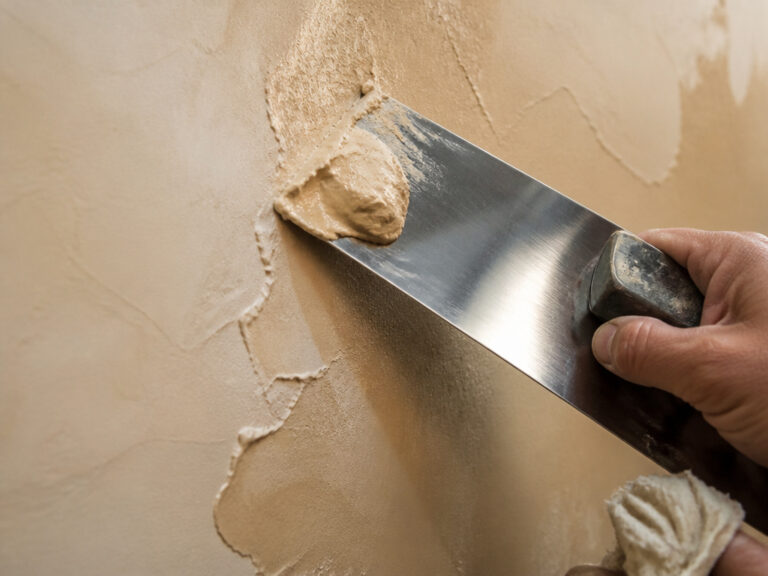
Learn how to create a faux finish on walls with tissue paper, metallic glaze, or Venetian plaster, plus the section sizes and dry times each maker prints.
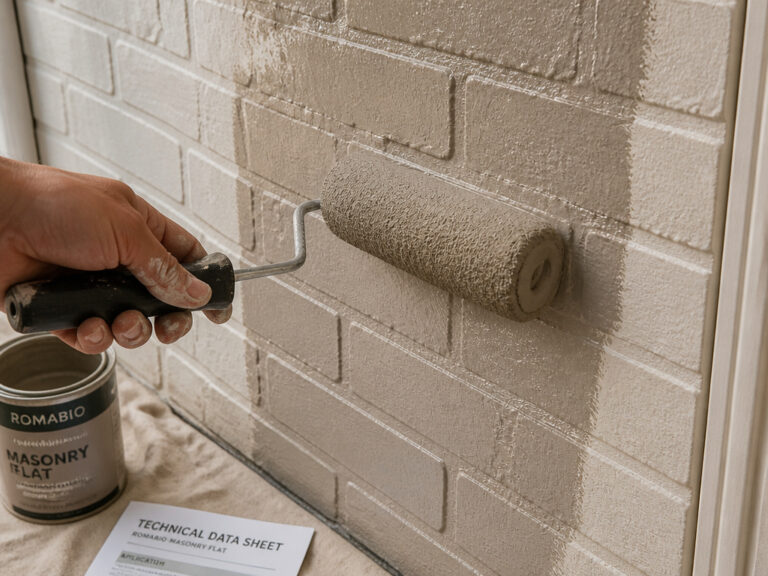
Learn how to paint a faux brick wall the right way: caulk the seams, test for dryness, and stop at the third pass before the mortar turns to mud.
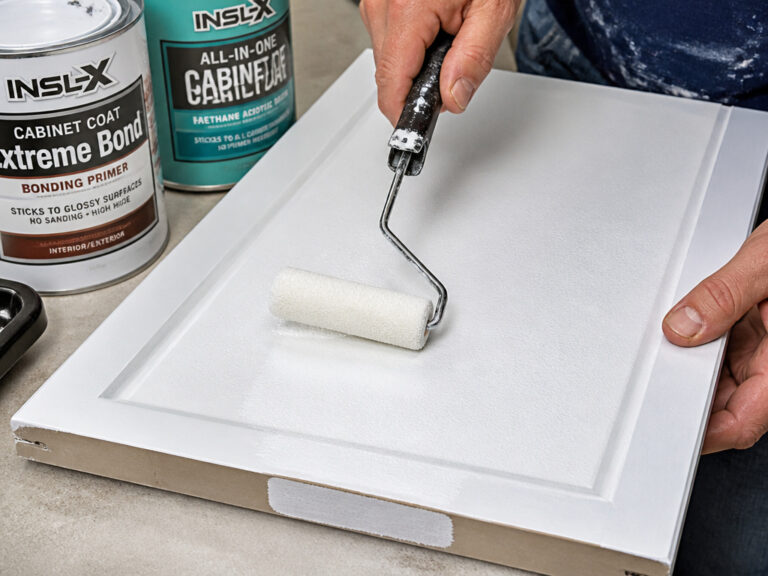
Learn how to paint cabinets without sanding: degrease, degloss, test your primer, and scuff only what fails. Prep steps and cure times inside.
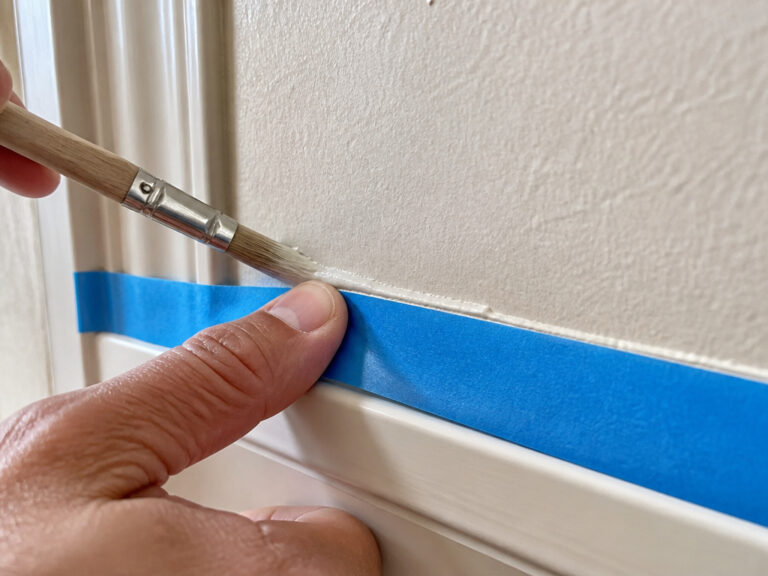
Learn how to paint a straight line on a wall with a putty knife, tape, or a paint edger. Brush specs, loading depths, and edges where each method fails.
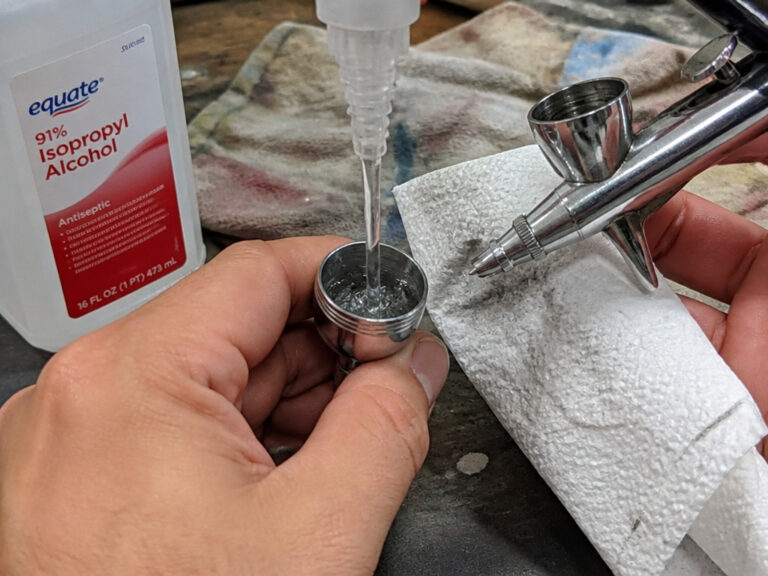
Learn how to choose an airbrush by matching feed type, trigger, and needle to your work, plus where the manuals disagree and what to skip entirely.
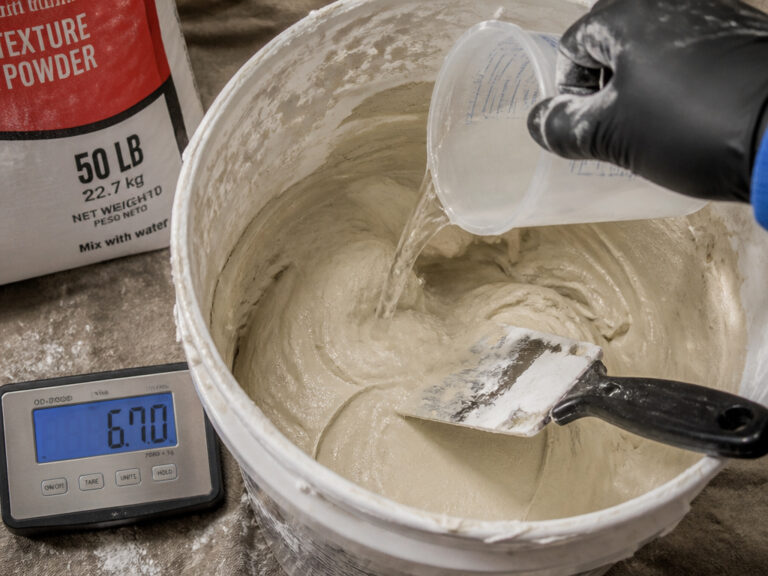
Learn how to texture a wall with joint compound: exact water ratios, soak times, prep steps, and the temperature floor that decides whether it holds.
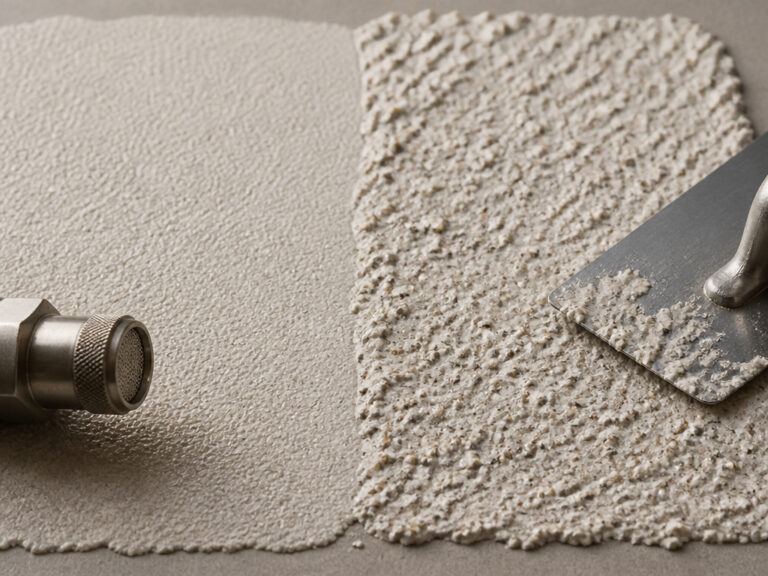
Texture paint types range from a 50-micron primer to a 3 mm trowel finish. Learn the four APAS sub-classes, the aggregate rule, and how to pick one.
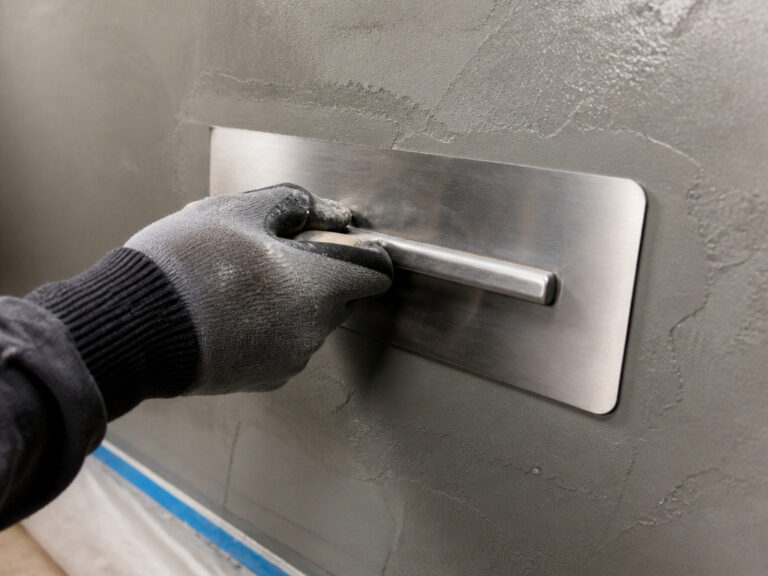
Learn how to create a plaster texture on walls, patches, and canvas. Thin coats, the right float, and the timing window that decides whether it holds.
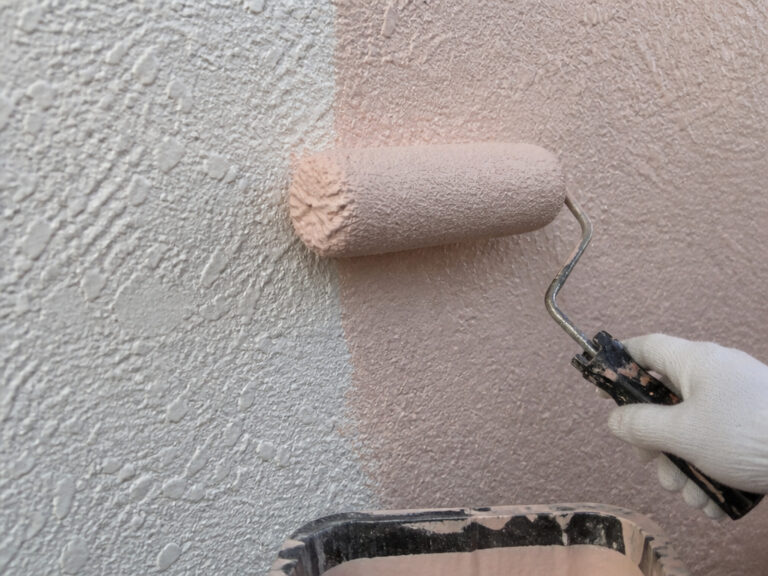
How to paint over textured walls: match the roller nap to your texture, prep until the surface is solid, and plan on two coats. Here’s the order.
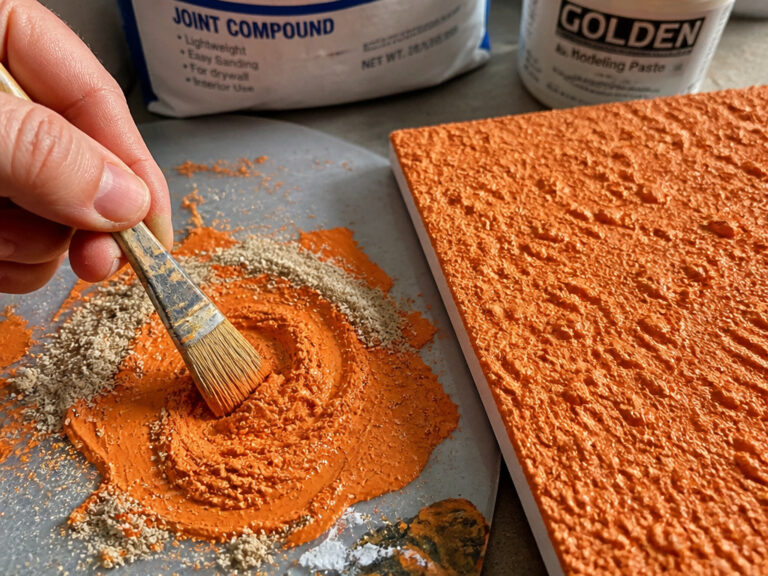
Learn how to create orange peel texture on purpose by controlling flow, film build, and material temperature, plus how to stop it cracking.