
10 Best Tar Removers For Car Paint in 2026
This post contains affiliate links. As an Amazon Associate, we earn from qualifying purchases.
For removing stubborn tar without damaging your paint, the 3M Adhesive Remover 03618VOC20 is our best overall pick. It’s non-abrasive, safe on cured paint, and leaves no residue behind. For those who want a fast-acting spray, the Stoner Car Care Tarminator 91154 dissolves tar in under a minute. The Rain-X Pro 3-in-1 Bug Tar Adhesive Remover offers a water-based formula that won’t leave an oily film.
Tar and road grime don’t just look bad, they can bond to your clear coat and cause lasting damage if you scrub too hard. The right remover should lift the gunk without requiring harsh abrasion or harsh chemicals that strip wax. We focused on paint safety, dissolving power, and ease of use to help you find the right match for your car’s finish.
This guide is based on manufacturer specifications, expert recommendations, and patterns in owner feedback. We’ve organized ten top tar removers by their strengths, from fast-acting sprays to gel formulas, so you can quickly compare what matters most for your next detailing session.
Top 10 Tar Removers For Car Paint in the Market
Certain content that appears on this site comes from Amazon. This content is provided "as is" and is subject to change or removal at any time.
The Best Tar Removers For Car Paint, Reviewed
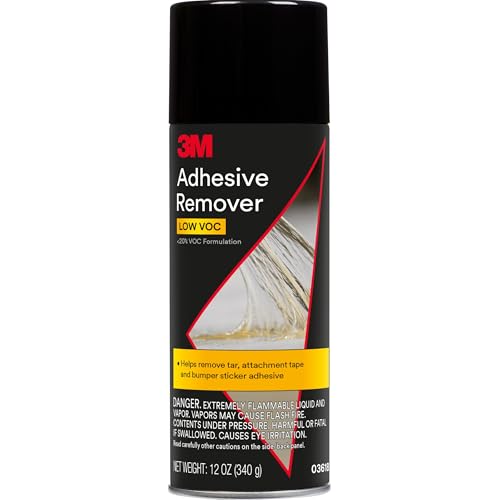
3M Adhesive Remover 03618VOC20
What We Like
- Non-abrasive, safe on cured paint
- Leaves no residue behind
Trade-offs
- 12 oz size smaller than some competitors
- Strong solvent odor during application
The trade-off is the 12-ounce aerosol can, which is smaller than some competitors’ offerings like the 16.9-ounce Gtechniq W7 Tar and Glue Remover. If you’re tackling a large job or multiple vehicles, you might need a second can. But for most jobs, the easy-to-use formula and the confidence that you won’t leave behind residue make this a versatile pick in the guide.
Product photos
Stoner Car Care Tarminator 91154

What We Like
- Dissolves tar in 30-60 seconds
- Safe on clear coats and chrome
- Works on adhesive residue too
- Preps surface before wax or polish
Trade-offs
- 10 oz can is smaller than some competitors
- Solvent-based formula has strong odor
- Needs dwell time, not instant wipe-off
A 30-to-60-second dwell time means you can hit a tar speck, let it soften while you walk around the car, and wipe it off without scrubbing. That speed makes this spray ideal for quick touch-ups before a wash or as a fast pre-wax step. The clear-coat-safe formula means you don’t have to worry about dulling the finish, and it handles sap and adhesive residue just as easily. Anyone who wants to remove road grime without spending half an hour on a single panel will appreciate how little effort this takes.
The 10-ounce can is smaller than some competitors’ offerings, such as the 16-ounce bottles from Rain-X Pro or Gtechniq. If you are tackling a full car covered in tar, you may need more than one can. The solvent-based formula has a strong odor, so work in a ventilated area or outdoors. But for speed and finish safety, this spray works quickly compared to the 3M Adhesive Remover, which requires more soaking time and leaves a residue you have to wipe again.
Rain-X Pro 3-in-1 Bug Tar Adhesive Remover

What We Like
- Water-based leaves no oily residue
- Safe on all exterior surfaces
- Removes bugs, tar, sap, and gum
- Easy to use application
Trade-offs
- 16 oz bottle smaller than some competitors
- Water-based formula less effective on heavy tar than solvent-based alternatives
A water-based formula means this cleaner leaves no oily residue behind after wiping, so you can remove bugs, tar, bird droppings, tree sap, brake dust, gum, and stickers without a greasy film. It’s safe on all exterior surfaces listed by the manufacturer, including paint, glass, and chrome. For someone who wants a gentle option that avoids the mess of oily leftovers, this fits the bill.
The water-based formula removes sticky contaminants without leaving an oily residue behind, so you won’t have to buff away streaks after cleaning. It handles bug splatters, bird droppings, tree sap, brake dust, gum, stickers, and tar or asphalt on all exterior surfaces. Reviewers note it works best for routine grime rather than thick, baked-on deposits that solvent-based removers target.
Gtechniq W7 Tar and Glue Remover

What We Like
- Dissolves tar and glue almost instantly
- Safe on coatings, waxes, and sealants
- Simple spray-on, rinse-off application
Trade-offs
- Cannot be used on plastics or trim
- Not safe for PPF or wrapped vehicles
The solvent-based formula in Gtechniq W7 Tar and Glue Remover dissolves tar spots and adhesive residue after a few minutes of contact, so you can simply spray it on and rinse off without scrubbing. That makes it a practical choice for detailers who need a cleaner that works on bare paint or coated surfaces without stripping wax or sealants. If tar and glue are your main concern, this bottle handles them with a straightforward spray-on, rinse-off process.
The trade-off is that you have to keep it away from plastic trim, PPF, and wrapped panels, the same solvent power that removes tar can damage those surfaces. For comparison, Stoner Car Care Tarminator is also a spray-on remover that breaks down road grime and adhesive residue without damaging your finish. If your car has no vinyl or film, the Gtechniq’s strength is worth the extra care during application.
Meguiar's Heavy Duty Bug & Tar Remover
What We Like
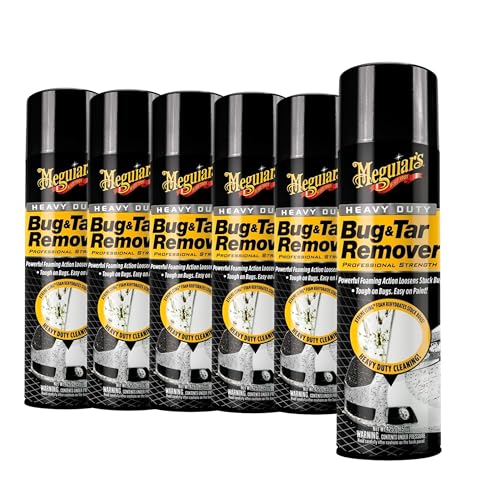
- Xtreme Cling foam extends dwell time
- Professional-strength breaks down stubborn tar
- Clear coat safe for modern paint systems
- 6-pack provides full-season supply
Trade-offs
- Requires dwell time before rinsing or wiping
- Foam must sit before rinsing or wiping, so not instant.
The Xtreme Cling foam is the defining feature here: it clings to vertical panels, bumpers, and grilles, extending dwell time so the formula can penetrate buildup before you rinse or wipe. That means less scrubbing on stuck-on grime, and the professional-strength formula handles heavy residue without damaging clear coat finishes. This is the pick for anyone who wants a pre-wash treatment that does the heavy lifting, especially if you regularly deal with bug-splattered highway drives or tar on wheel wells.
This six-pack gives you 90 ounces of heavy-duty cleaner, so you can keep a bottle in the garage, one in the travel bag, and still have spares for a full season of vehicle care. The trade-off is patience: you need to let the foam sit for a bit to work its magic, so it is not a spray-and-wipe instant fix. Compared to the Stoner Car Care Tarminator, which is a 10 oz spray, the Meguiar’s demands a short wait but rewards you with effective penetration on caked-on residue.
DAGREM U Bug and Tar Remover
What We Like
- UV filters shield paint from sun damage
- Safe on clear coat, glass, chrome, and plastic
- Lubricating formula prevents scratches and swirls
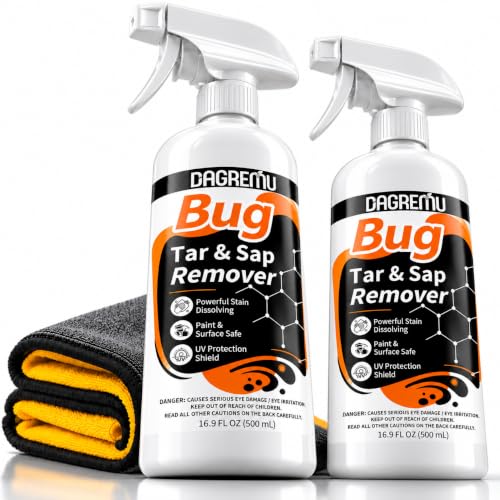
- Two bottles plus microfiber towel included
Trade-offs
- Requires 30-second dwell time before wiping
- Requires a separate microfiber towel to wipe off
The UV filters in this bug and tar remover help protect your paint from sun damage while you clean off bug splatter, tree sap, and tar. After you spray and wipe, the formula dries crystal clear with no yellow tint, no film, and no powdery residue. That means you get a layer of UV defense without extra steps, which is handy if you park outside or want added protection between waxes. The lubricating formula lifts dirt without scratching, so you can wipe away grime on clear coat, glass, chrome, or plastic trim without worrying about swirl marks.
For routine bug, sap, and tar removal with UV protection built in, this two-bottle kit with a microfiber towel delivers all-season value without needing a separate UV spray. The trade-off is that it needs 30 seconds to work before you wipe, so it’s not an instant spray-and-go product.
Product photos
CLENZOIL 2451 Tar Remover
What We Like
- No scrubbing needed on dried tar
- Safe on matte finishes and ceramic coatings
- Works on glass and plastic trim
- Built for rugged off-road debris
Trade-offs
- Requires a microfiber towel on hand
- 16 oz bottle is small for large vehicles
- Not formulated for heavy adhesive removal
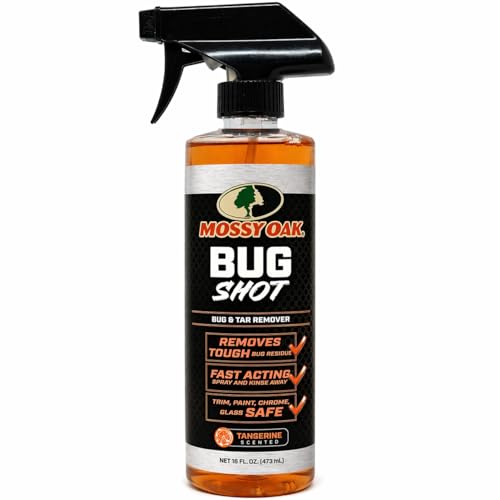
A 30-to-60-second dwell time lets this ready-to-use spray break down dried splatter, road tar, and tree sap on contact without scrubbing or soaking. That saves time when you are cleaning mud-caked side panels after a day on the trail. The formula is tested safe on painted surfaces, clear coat, ceramic coatings, matte finishes, chrome, and plastic trim, so you can spray it across a truck bed, ATV fender, or UTV roof without worrying about hazing or dulling the finish. It is built for people who work hard outdoors and need a fast, reliable cleanup between washes, no detailing experience required.
The 16-ounce bottle goes fast on a full-size truck or a long off-road session, and you will need a microfiber towel ready to wipe after the dwell time. If you are tackling heavy adhesive residue or old decal glue, a dedicated adhesive remover like the 3M Adhesive Remover 03618VOC20 may be a better fit. But for everyday tar, bug splatter, and tree sap on vehicles that see dirt and mud regularly, this is a straightforward, paint-safe solution that gets the job done with minimal effort.
Product photos
Fast Orange Citrus Blaster Adhesive Remover

What We Like
- Gel formula stays on vertical surfaces
- Safe for automotive paint and interiors
- Removes tar, asphalt, stickers, and adhesives
- Works on both exterior and interior surfaces
Trade-offs
- Not for use on plastic trim
- Requires more wiping than a spray formula
A gel formula that adheres to the surface means you can treat tar spots on doors or bumpers without the product running off before it works. Fast Orange Citrus Blaster Adhesive Remover is built for sticky jobs like decals, bumper stickers, and fresh road paint, and it stays put long enough to soften tough residues. The 16-ounce can is sized for automotive use, and the formula is safe on automotive surfaces, so you can use it inside the cabin for sticker removal too.
The gel formula clings to vertical surfaces, so it stays put on a bumper or door panel while you work on a stubborn decal. That contact time matters when you’re dissolving silicone adhesives or fresh road paint, not just light tar. For quick spray-on jobs, a product like Stoner Car Care Tarminator might be faster, but for sticker residue this gel gives you control.
McKee's 37 Tar Max Remover
What We Like
- 128 oz capacity covers many jobs
- Clear coat safe for painted surfaces
- Advanced formulation targets tar specifically
Trade-offs
- At 8 lb, heavy to handle one-handed
- Large bottle takes up storage space
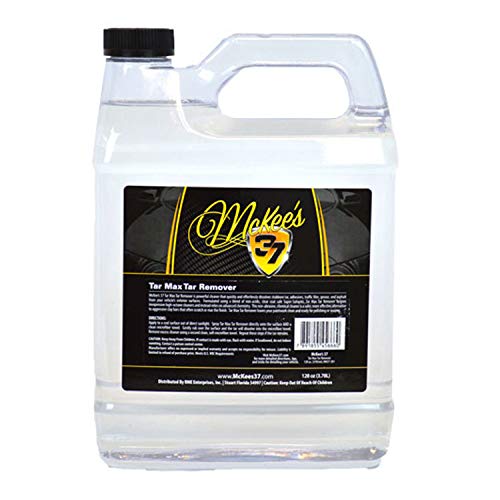
A full 128 ounces of tar remover means you can tackle multiple vehicles or heavy contamination without running out mid-job. McKee’s 37 Tar Max Remover is built for detailers who work through tar regularly, with a clear-coat-safe formula that won’t compromise your paint’s finish. The advanced formulation targets tar specifically, making it a practical choice for anyone who needs bulk capacity rather than a small spray bottle.
At 8 pounds, this bottle is heavier than smaller competitors like the 3M Adhesive Remover (0.8 lb), and it requires more storage space. That makes it less convenient for quick touch-ups or tossing into a glove box. But if you’re already set up with a work area and want to avoid frequent refills, the large volume gives you more product per purchase than smaller containers.
TOUCHUP KING Detail Gurus Tar & Road Oil Remover
What We Like
- Professional strength dissolves tough tar and asphalt
- Safe on paint, chrome, wheels, and glass
- Easy spray-on application with no harsh scrubbing
- Trusted by detailers for fast cleaning
Trade-offs
- Not a multi-surface cleaner beyond automotive finishes
- Does not target tree sap or bug splatter
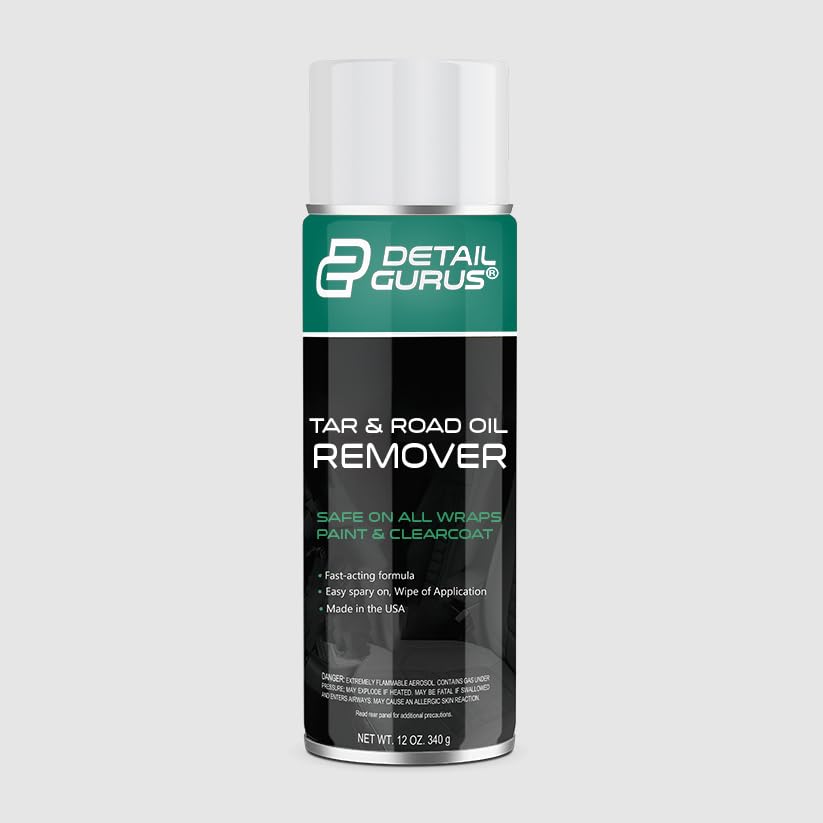
The professional-strength formula breaks down tar, asphalt, and adhesive residue that ordinary car soaps leave behind, so you can wipe away road grime without scrubbing hard enough to damage clear coat. This makes it a focused cleaner for anyone dealing with sticky road film on paint, chrome, wheels, or glass. The spray-and-wipe application lets you treat affected areas quickly, then move on to wax or sealant prep without extra steps.
For detailers who need to dissolve tar and road oil fast, this professional-strength formula breaks down asphalt, adhesive residue, and oily film that regular car wash soaps leave behind. The Stoner Tarminator also handles road grime and adhesive residue, but the Touchup King product is specifically engineered for heavy tar and oil removal without harsh scrubbing, as detailers trust it for quick, effective cleaning.
How We Evaluated Tar Removers For Car Paint
To find the best tar removers, we studied product specifications, safety data sheets, and application instructions from each manufacturer. We also looked at expert round-ups from automotive detailing communities and analyzed owner feedback to identify consistent praise and common complaints. This research-based approach helps us recommend products that work reliably on painted surfaces.
We judged each product on four key criteria. Paint safety came first, any tar remover must be safe on cured clear coats and factory finishes without causing hazing or etching. Dissolving power measured how effectively the formula breaks down tar, asphalt, and adhesive residue without requiring heavy scrubbing. Ease of use considered application method, dwell time, and whether the product leaves behind any oily or sticky residue. Finally, value looked at bottle size relative to performance. A small can that works fast may still be a better deal than a gallon of something weaker.
A research-led evaluation has limits: we don’t test these products ourselves, and real-world results can vary based on tar age, paint condition, and application technique. Owner feedback helps identify trends, but individual experiences differ. We recommend checking your vehicle’s paint type and testing any new product on a small hidden area first.
What To Look For In Tar Removers For Car Paint
Choosing the right tar remover means balancing dissolving power with paint safety and your specific cleaning habits. The best pick for a weekend detailer may not suit a pro who needs large quantities for multiple cars.
Key factors: paint-safe formula, solvent or water-based chemistry, dwell time, bottle size, and whether it works on adjacent surfaces like glass and trim.
Paint Safety and Formula Type
The most important factor is whether the remover is safe on your car’s clear coat. Solvent-based formulas, like those in the Gtechniq W7 Tar and Glue Remover, tend to dissolve tar fastest but may strip wax or damage plastic trim. Water-based options, such as the Rain-X Pro 3-in-1, are gentler on coatings and leave no oily residue but may struggle with heavy, baked-on tar. Look for products explicitly labeled “clear coat safe” and avoid anything with harsh abrasives that could scratch the finish.
Application Method and Dwell Time
How you apply the remover affects both speed and convenience. Spray-on formulas like the Stoner Car Care Tarminator work quickly, often dissolving tar in 30 to 60 seconds, but require you to wait before wiping. Foaming options, such as the Meguiar’s Heavy Duty Bug & Tar Remover, cling to vertical panels and extend dwell time for deeper cleaning.
Gel formulas, like the Fast Orange Citrus Blaster, stay put on surfaces and are ideal for stickers and decals but need more wiping. If you prefer a quick wipe-off, a spray with short dwell time is best; for heavy buildup, foam or gel gives better contact.
Bottle Size and Storage
Consider how often you clean tar and how much you need. A 12-ounce can of the 3M Adhesive Remover is fine for occasional spot cleaning, while detailers tackling multiple cars will appreciate the 128-ounce McKee’s 37 Tar Max Remover. Larger bottles save money per ounce but take up more shelf space and can be heavy to handle one-handed. For casual users, a smaller bottle that fits in a glove box or detailing kit is more practical.
- Check if the product is safe on plastic trim and PPF before use.
- Test on an inconspicuous area first, especially with solvent-based formulas.
- Have a clean microfiber towel ready for wiping off dissolved tar.
- Wear gloves and work in a ventilated area when using solvent-based removers.
Rule of thumb: For light tar, a water-based spray is gentlest; for heavy or old tar, a solvent-based formula with short dwell time works best.
Tar Removers For Car Paint Compared
The table below compares all ten tar removers side by side, highlighting their formula type, key strengths, and best-use scenarios so you can quickly see which one fits your needs.
| Product | Container Size | Safe On | Weight |
|---|---|---|---|
| 3M Adhesive Remover 03618VOC20 | 12 oz | cured automotive paints | 0.8 lb |
| Stoner Car Care Tarminator 91154 | 10 oz | paint, clear coat, chrome | 0.6 pounds |
| Rain-X Pro 3-in-1 Bug Tar Adhesive Remover | 16 oz | All Exterior Surfaces | 1.0 pounds |
| Gtechniq W7 Tar and Glue Remover | 16.9 fl oz | paint | 1.1 pounds |
| Meguiar's Heavy Duty Bug & Tar Remover | 15 oz | clear coat finishes | 1.1 pounds |
| DAGREM U Bug and Tar Remover | 33.8 fl oz | clear coat, paint, glass, chrome, plastic | 2.2 pounds |
| CLENZOIL 2451 Tar Remover | 16 oz | paint, clear coat, ceramic, matte, chrome, plastic trim | N/A |
| Fast Orange Citrus Blaster Adhesive Remover | 16 oz | Automotive Surfaces | N/A |
| McKee's 37 Tar Max Remover | 128 oz | Clear Coat Safe | 8.0 pounds |
| TOUCHUP KING Detail Gurus Tar & Road Oil Remover | N/A | paint, chrome, wheels, glass, clear coat | N/A |
Frequently Asked Questions
What is the best tar remover for car paint?
The 3M Adhesive Remover 03618VOC20 is our top pick because it is non-abrasive, safe on cured paint, and leaves no residue. It offers a good balance of dissolving power and paint safety for most car owners.
Can tar remover damage my car’s clear coat?
Most quality tar removers are formulated to be safe on clear coats when used as directed. Solvent-based products can strip wax or sealants, so they may require reapplication of protection afterward. Always test on a small hidden area first.
How long should I let a tar remover sit before wiping?
Dwell time varies by product. Fast-acting sprays like the Stoner Car Care Tarminator work in 30 to 60 seconds, while foaming formulas like Meguiar’s Heavy Duty Bug & Tar Remover may need several minutes. Follow the manufacturer’s instructions for best results.
Can I use tar remover on plastic trim and headlights?
Some tar removers are safe on plastic and chrome, but others, especially solvent-based formulas, can damage or discolor plastic trim. Check the product label. The DAGREM U Bug and Tar Remover and CLENZOIL 2451 Tar Remover are examples that list plastic safety.
What is the difference between water-based and solvent-based tar removers?
Water-based formulas are gentler, leave no oily residue, and are safer on coatings and trim. Solvent-based formulas dissolve tar faster and handle heavy buildup better but may strip wax and have a stronger odor. Your choice depends on the severity of the tar and your paint protection preferences.
The Bottom Line
For most car owners, the 3M Adhesive Remover 03618VOC20 is the best overall choice. It’s versatile, paint-safe, and leaves no sticky residue behind, ideal for removing tar, adhesive, and road grime without worrying about damaging your clear coat. If you need something faster for quick detailing sessions, the Stoner Car Care Tarminator dissolves tar in under a minute and preps the surface for waxing.
Budget-conscious buyers or those who prefer a gentler clean should look at the Rain-X Pro 3-in-1 Bug Tar Adhesive Remover. Its water-based formula won’t leave an oily film and is safe on all exterior surfaces, though it may need extra effort on heavy tar. Detailers who go through gallons will appreciate the McKee’s 37 Tar Max Remover for its large 128-ounce capacity.
The single most important factor when choosing a tar remover is paint safety. No matter how fast or strong a product claims to be, it’s not worth using if it risks damaging your car’s finish. Stick with formulas labeled clear coat safe, and always test on a small area first.
