
6 Best Spray Paint For Styrofoam in 2026
This post contains affiliate links. As an Amazon Associate, we earn from qualifying purchases.
For styrofoam projects, the biggest risk isn’t a bad finish, it’s watching your foam dissolve from a standard spray paint. The BELTECO Matte Black Spray Paint takes the Best Overall spot because it is water-based and odorless, meaning it applies safely to polystyrene without melting while offering fast, weather-resistant coverage. We also recommend the Krylon Craft Foam Primer for those needing a specialized protective base coat and The Army Painter Terrain Set for tabletop terrain builders.
The challenge is real: most aerosol paints contain solvents that eat through styrofoam like acid. You need a formula designed to sit on top of the foam, not react with it. This guide cuts through the confusion by focusing on what actually matters for foam, chemical safety, drying speed, and finish quality.
We built this guide by analyzing manufacturer specifications, studying expert recommendations from hobby and craft communities, and identifying the patterns in what owners report working best on styrofoam. The result is six picks that solve the melting problem without sacrificing performance.
Top 6 Spray Paints For Styrofoam in the Market
Certain content that appears on this site comes from Amazon. This content is provided "as is" and is subject to change or removal at any time.
The Best Spray Paints For Styrofoam, Reviewed
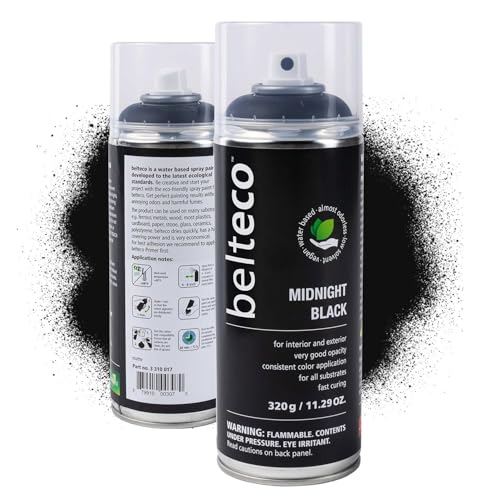
BELTECO Matte Black Spray Paint
What We Like
- Water-based and odorless for safe indoor use
- Works on polystyrene and most plastics
- Fast-drying with high coverage
- Weather and UV-resistant for outdoor projects
Trade-offs
- Optimal spray distance of 4-8 inches requires careful technique
- Flat finish shows surface imperfections without prep
A water-based formula that is odorless and eco-friendly means you can spray indoors without gassing out a room or worrying about harsh fumes, especially important when working with styrofoam, which traditional solvents can melt. BELTECO covers up to 21.5 square feet per can and dries quickly, so a single coat on a foam prop or cosplay piece is ready for handling in minutes. It bonds to polystyrene, plastics, wood, metal, and more, making it a one-can solution for mixed-material projects where foam meets other surfaces.
The matte black finish is flat, so any surface roughness or seam lines will show through unless you sand or prime first, this paint covers well but doesn’t hide texture. For projects that need a perfectly smooth look, you’ll have to prep the foam or apply a separate filler coat. For everyone else, the combination of safety, speed, and broad substrate compatibility makes this a practical all-around spray paint for styrofoam.
Product photos
Krylon Craft Foam Primer Aerosol

What We Like
- Primers craft foam surfaces for paint
- Protects foam from melting or damage
- Easy application
Trade-offs
- Requires 48-hour cure before top coat
- Only for craft foam, not general surfaces
A 48-hour cure time before adding a top coat is the key detail here, this primer is built to protect delicate craft foam from melting or damage, so you can paint without ruining your project. It suits anyone working with foam sheets, cosplay pieces, or model bases who needs a reliable foundation that won’t eat through the material.
The trade-off is that patience is required: you’ll need to wait two full days before applying color, which slows down fast-paced projects. If you’re working with craft foam and want to avoid melted edges or ruined details, this primer is the right call despite the wait.
Product photos
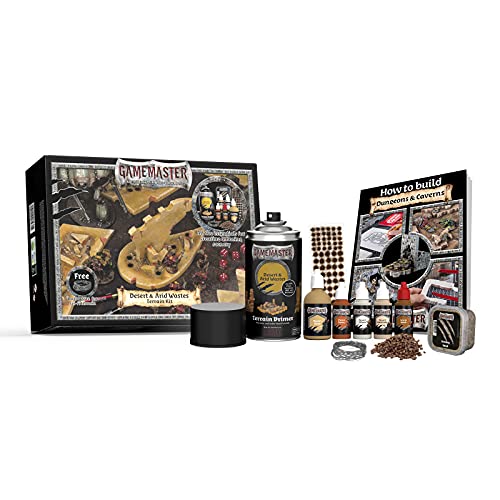
The Army Painter Terrain Paint Set
What We Like
- Spray primer won't melt styrofoam
- Water-based and non-toxic formulation
- Nordic Swan Ecolabel certified
Trade-offs
- No brush included for applying the paints.
- Only three brushes for dry-brushing, not detail work.
A foam-safe spray primer that won’t eat through styrofoam or XPS foam is the single most important feature for anyone crafting terrain, and this set delivers exactly that. It suits beginners and hobbyists who want a ready-to-go solution for tabletop gaming terrain without worrying about melting their materials.
This set is purpose-built for sandy, dry environments. So if you’re after snowy tundra or lush forests, you’ll need a different themed set. Compared to the BELTECO Matte Black Spray Paint, which is a general-purpose water-based spray, this Army Painter kit offers a tailored foam-safe primer plus everything needed to finish a terrain project. For someone who wants a single purchase that covers priming, painting, and basing for a specific landscape, this is a focused and practical choice.
Product photos
Montana Cans Effect Marble Spray Paint

What We Like
- Safe on polystyrene without melting
- Matte finish for subtle, non-reflective look
- Lead and CFC free formula
- Works on many surfaces beyond foam
Trade-offs
- Requires removing black O-ring before first use
A 400 ml can of spray paint that is explicitly safe for polystyrene means you can spray directly onto foam without worrying about the solvent eating through your project. The matte finish keeps the surface looking natural and non-reflective, which matters when you’re painting props, models, or craft pieces where a shiny plastic look would ruin the illusion. It also sticks to paper, wood, glass, and metal, so one can handles mixed-material builds without a separate primer.
The can ships with a black O-ring safety seal that must be removed before it will spray, so you have to pop that off before your first use, a one-time step, not a recurring hassle. For a simpler, odor-free alternative on foam, the BELTECO Matte Black Spray Paint is water-based and vegan, but it lacks the marble color and the broad surface compatibility this Montana can offers. If you need a fast-drying, low-odor option for a single color on foam, BELTECO is worth a look; if you want a versatile, foam-safe paint with a white marble color, this is the one.
Product photos
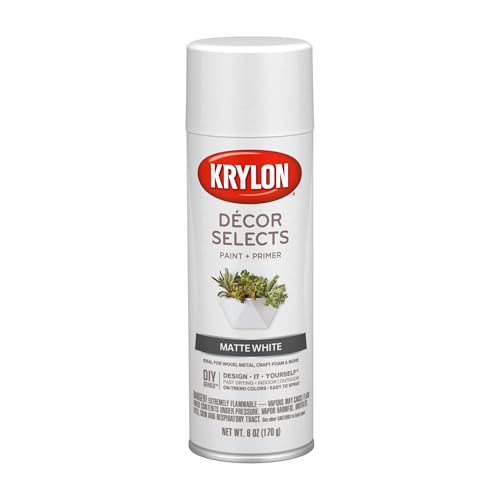
Krylon Décor Selects Paint + Primer
What We Like
- Craft foam safe formula
- Paint and primer in one
- Indoor/outdoor use
- Matte finish hides imperfections
Trade-offs
- 6 oz can is smaller than some alternatives
- Only available in white matte
Craft foam safe means this paint won’t damage the surface like some other sprays can. The built-in primer skips an extra step, and the matte white finish gives a clean base for other colors. For artists working on foam props or decorations, that 6-ounce can covers the essentials.
Size is the main consideration here: at 6 ounces, this can runs out faster than the 12-ounce Krylon Craft Foam Primer Aerosol. So if you’re covering a large piece or multiple projects you may need two cans. But for small to medium jobs where cost matters most, the built-in primer and foam-safe guarantee make it the smarter spend. Just know that the color choice stops at white. If you need a dark base, you’ll be layering over this one.
Product photos
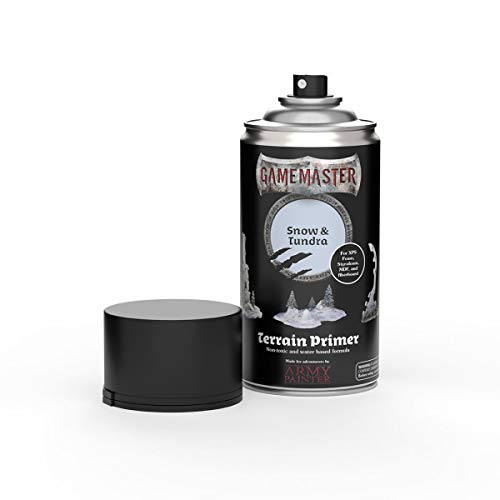
The Army Painter Terrain Primer Snow & Tundra
What We Like
- Non-toxic and odorless formula
- Won't corrode foam or polystyrene
- Matte finish for snow terrain
- 100% color-matched to Gorgon Hide
Trade-offs
- Limited to snow/tundra color palette
- Not suited for priming miniatures
The Army Painter Terrain Primer Snow & Tundra is a water-based, matte-finish spray that is non-toxic and odorless, making it safe to use indoors or in a workshop without worrying about fumes. Because it is formulated specifically for XPS foam, Styrofoam, and MDF, it won’t eat through or corrode those materials, a critical feature when building snow-covered terrain for tabletop wargaming or dioramas. The primer’s 100% color match to the Gorgon Hide acrylic paint means you can touch up or layer over it without visible differences, which is a huge time-saver for anyone creating consistent arctic or tundra landscapes.
This primer is designed exclusively for terrain and scenery, not for miniatures. So if you need a single can for both jobs, you’ll want to reach for a different product in this guide, like the Krylon Craft Foam Primer. Also, the Snow & Tundra shade is purpose-built for cold-climate scenes. If you’re building desert ruins or urban rubble, this white primer won’t give you the right base tone. For modelers who focus on snow-covered battlefields, though, this spray delivers a safe, odorless foundation that saves you from having to mix and brush on a base coat.
Product photos
How We Evaluated Spray Paints For Styrofoam
This is a research-led evaluation. We examined product specifications, manufacturer documentation, and patterns in owner feedback from hobbyist forums and craft communities. Because testing would require controlled application on various foam densities, we relied on documented chemical formulations and verified user reports of foam-safe performance.
Three criteria mattered most. First, foam safety, the paint must be water-based or specifically formulated to avoid solvents that dissolve polystyrene. Second, adhesion and coverage, a paint that beads up or requires excessive coats defeats the purpose. Third, finish and durability, for projects that see handling or outdoor display, the paint needs to hold up without chipping or fading.
The honest limit of this approach: we cannot verify every claim. What we can do is cross-reference manufacturer safety data with real-world results shared by thousands of crafters, cosplayers, and model makers who have put these paints through their paces.
What To Look For In Spray Paints For Styrofoam
Not all spray paints are created equal, and the wrong can will ruin your project in seconds. Here is what to check before you spray.
Look for water-based or specifically “foam-safe” labels. Avoid paints with acetone, toluene, or xylene. Check that the paint can be applied in thin, light coats from the recommended distance to prevent pooling and melting.
Foam-Safe Formulation
The single most important factor is the paint’s chemical base. Standard spray paints use solvent carriers that chemically react with polystyrene foam, causing it to dissolve, pit, or collapse. Water-based acrylic formulas are the safest bet because water does not attack styrofoam. Some brands also use specific solvent blends that evaporate too quickly to damage the foam, these will be clearly labeled as safe for polystyrene. If the can does not explicitly say it works on styrofoam, do not risk it.
Drying Time and Application Technique
Foam-safe paints often dry differently than standard sprays. Fast-drying formulas reduce the time the solvent is in contact with the foam, lowering the risk of damage. However, fast drying also means you need to work in thin, even coats from the correct distance, typically 4 to 8 inches for most foam-safe paints. Spraying too close or applying a heavy wet coat can still cause issues, even with a safe formula. Patience between coats pays off.
Finish and Durability
Consider where your project will live. For indoor display pieces, a matte or flat finish often hides surface imperfections better and gives a more natural look. For outdoor decorations or props that will be handled, look for UV and weather resistance. Some foam-safe paints are specifically designed to flex with the foam, reducing cracking if the piece is bumped or moved. A paint that includes primer properties can also save you a step and improve adhesion.
- Look for “water-based” or “acrylic” on the label as a first indicator of foam safety.
- Check the recommended spray distance, most foam-safe paints work best at 4-8 inches.
- Test on a scrap piece of the same foam before committing to your final project.
- Apply multiple light coats rather than one heavy coat to prevent pooling.
- Allow full drying time between coats, which may be longer than standard spray paint.
When in doubt, a primer designed specifically for foam is the safest starting point, you can always top coat with a wider range of paints afterward.
Spray Paints For Styrofoam Compared
The table below compares these six foam-safe spray paints across the features that matter most for styrofoam projects, from formulation to finish.
| Product | Base | Drying | Substrates |
|---|---|---|---|
| BELTECO Matte Black Spray Paint | Water-based | Fast-drying | Polystyrene, plastics, wood, metal, glass, ceramics, paper, cardboard, wicker |
| Krylon Craft Foam Primer Aerosol | N/A | 48 hours before top coat | Craft foam |
| The Army Painter Terrain Paint Set | Water-based | N/A | XPS, Styrofoam |
| Montana Cans Effect Marble Spray Paint | N/A | N/A | Polystyrene, paper, glass, metal, wood |
| Krylon Décor Selects Paint + Primer | N/A | N/A | Craft foam |
| The Army Painter Terrain Primer Snow & Tundra | Water-based | N/A | XPS foam, Styrofoam, MDF |
Frequently Asked Questions
Can I use regular spray paint on styrofoam?
Regular spray paint contains solvents like acetone and toluene that will dissolve or melt styrofoam on contact. You must use a paint specifically labeled as foam-safe or water-based to avoid damaging your project.
How do I keep spray paint from eating styrofoam?
Use a water-based or foam-safe formula, apply in very thin coats from the recommended distance (usually 4-8 inches), and allow each coat to dry fully before adding another. A foam-specific primer can also provide a protective barrier.
What kind of paint sticks to styrofoam?
Water-based acrylic paints and specially formulated foam-safe spray paints adhere best to styrofoam. These paints sit on the surface rather than chemically bonding with the foam, so proper surface preparation and light application are important for good adhesion.
How long does foam-safe spray paint take to dry?
Drying times vary by brand and formula. Many foam-safe sprays dry to the touch within minutes, but some require up to 48 hours to fully cure before you can apply a top coat or handle the piece roughly. Always check the manufacturer’s instructions.
Can I paint styrofoam with a brush instead of spray?
Yes, you can brush water-based acrylic paint onto styrofoam. This gives you more control and eliminates the risk of overspray, but brush strokes may be more visible. For smooth, even coverage, spray paint designed for foam is usually the better choice.
The Bottom Line
The BELTECO Matte Black Spray Paint is the best overall choice for most styrofoam projects. Its water-based, odorless formula eliminates the melting risk while delivering fast, weather-resistant coverage that works on foam, plastics, and other surfaces. This makes it the go-to pick for DIYers and cosplayers who need one reliable can for multiple materials.
If your project starts with raw craft foam, the Krylon Craft Foam Primer is the safer route, it is formulated specifically to protect foam from melting while providing a perfect base for additional paint layers. Budget-conscious crafters working on smaller projects will find the Krylon Décor Selects Paint + Primer a capable white option at an affordable size.
The most important factor remains the paint’s chemical formula. Check for water-based or foam-safe labeling, test on scrap material first, and apply in light coats. Your styrofoam project deserves a finish that stays put, not one that melts away.
