
10 Best Rollers For Oil Paint in 2026
This post contains affiliate links. As an Amazon Associate, we earn from qualifying purchases.
For oil-based paints, the Purdy WhiteDove Roller Covers 9-Inch stand out as the best overall pick because their woven Dralon fabric resists lint and the polypropylene core handles solvents without breaking down. For a mirror-like finish on cabinets, the Purdy Parrot Mini Roller Cover Replacements deliver, while the Wooster Pro/Doo-Z Roller Cover is a strong choice for painters who want maximum shed resistance.
Oil paint is thicker and more aggressive than latex, so a standard roller cover can shed lint, dissolve at the core, or leave an uneven texture. You need a cover built with solvent-resistant materials and a nap depth matched to your surface, too thick and you get stipple, too thin and coverage slows.
We built this guide by analyzing manufacturer specifications, expert round-ups, and patterns in owner feedback. We focused on four criteria: solvent resistance, lint shedding, nap depth for the intended surface, and overall value for the job.
Top 10 Rollers For Oil Paint in the Market
Certain content that appears on this site comes from Amazon. This content is provided "as is" and is subject to change or removal at any time.
The Best Rollers For Oil Paint, Reviewed
Purdy WhiteDove Roller Covers 9-Inch

What We Like
- Woven Dralon fabric resists lint
- Polypropylene core resists solvents
- Handcrafted in the USA
- Works with oil-based paints and stains
Trade-offs
- 1/2-inch nap limits very smooth finishes
The woven Dralon fabric resists lint, which is a key advantage when using oil-based paints that can pick up loose fibers. The 1/2-inch nap is suited for semi-smooth to semi-rough surfaces like drywall, ceilings, and floors, and it delivers a smooth finish with less stipple than thicker naps. The polypropylene core resists solvents, so it won’t bend or soften when used with paints, stains, or clears, keeping even contact with the wall.
The 1/2-inch nap makes this cover ideal for semi-smooth to semi-rough surfaces like drywall, ceilings, and floors. It won’t give the flattest finish on glass-smooth cabinets or trim, though, for that, a shorter nap like the Wooster Pro/Doo-Z 3/8-inch works better. The woven Dralon fabric prevents lint and reduces stipple, so you get a smooth coat without fibers stuck in the paint. It handles both latex and oil-based paints, primers, stains, and clears in any sheen, which means one cover does most jobs around the house.
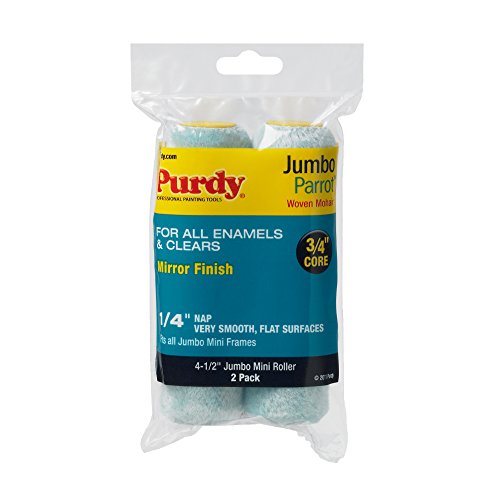
Purdy Parrot Mini Roller Cover Replacements
What We Like
- Woven mohair for lint-free finish
- Polypropylene core resists solvents
- Mirror-like finish on smooth surfaces
- Works with oil-based paints and stains
Trade-offs
- 1/4-inch nap only for very smooth surfaces
- Mini 4-1/2 inch width slows large-area work
The woven mohair fabric on this 1/4-inch nap mini roller is engineered to lay down paint with almost no stipple, so you get a mirror-like finish that rivals a sprayer. That makes it a clear pick for cabinets, doors, and trim where every imperfection shows. The polypropylene core resists solvents and won’t bend under pressure, keeping even contact with the surface through the whole job.
For projects where a mirror-like finish is the goal, this mini roller cover delivers results that rival a paint sprayer, making it ideal for fine furniture, cabinets, and doors. It uses woven mohair designed for very smooth, flat surfaces, so it won’t leave lint or stipple like some foam options. Compared to the FoamPRO 79 ICA solvent-proof foam roller, which covers larger areas at 9 inches wide, this 4-1/2-inch cover is better suited for detailed work on metal, wood, or cupboards.
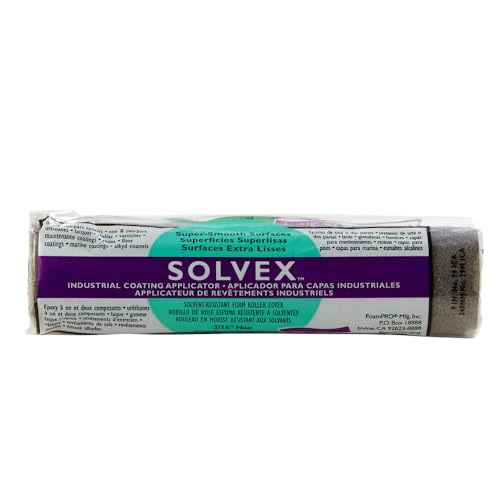
FoamPRO 79 ICA Solvent-Proof Foam Roller
What We Like
- Solvent-proof foam resists aggressive coatings
- Lint-free finish on smooth surfaces
- Reusable for multiple heavy-duty jobs
- 9-inch width covers large areas quickly
Trade-offs
- Thin 3/16" nap only for smooth surfaces
- Not designed for textured or rough walls
A solvent-proof foam construction that resists wear from aggressive paints, stains, and industrial coatings sets this roller apart for tough jobs where standard covers dissolve or degrade. Its 9-inch width lets you cover large smooth surfaces like factory floors and machinery efficiently, and the lint-free finish means no stray fibers ruin a clean coat. This roller is designed for use with solvent coatings and resins that are stain-resistant and impact-resistant.
The FoamPRO 79 ICA uses a 3/16-inch nap that works only on smooth surfaces, so don’t expect it to handle textured walls or rough concrete. Its solvent-proof foam resists wear from aggressive paints and industrial coatings, which means it holds up on factory floors and machinery without breaking down. If your jobs involve smooth surfaces and tough coatings, this roller delivers a durable, lint-free finish.
Product photos
Wooster Pro/Doo-Z Roller Cover 3/8-Inch

What We Like
- Shed-resistant woven fabric minimizes lint
- Durable core resists solvents and cracking
- 3/8-in. nap ideal for semi-smooth surfaces
- Works with oil paints, enamels, and epoxies
Trade-offs
- 3/8-in. nap too thin for rough or textured surfaces
- 9-inch size not suited for tight corners or small trim work
A double-thick polypropylene core that resists water, solvents, and cracking means this roller cover holds up through repeated use with oil-based paints and harsh thinners. The 3/8-inch nap is designed for semi-smooth surfaces like lightly textured walls and ceilings, providing enough density to carry paint for even coverage. The shed-resistant woven fabric helps minimize lint and shedding for a smooth, professional-looking finish. This roller cover works with all paints, enamels, primers, urethanes, and epoxies, making it a versatile tool for interior and exterior projects.
The trade-off is nap depth. At 3/8 inch, this cover won’t handle rough or heavily textured surfaces the way a thicker nap would. For those surfaces, a cover with a thicker nap, such as the Purdy WhiteDove 1/2-inch cover, may be more suitable. But for semi-smooth surfaces where a clean finish matters, the Wooster model offers the shed-resistant performance that helps you achieve a professional-looking result.
ROLLINGDOG 18-Inch Microfiber Roller Covers

What We Like
- 18-inch width covers large areas fast
- Microfiber picks up and releases paint evenly
- Low-lint design for a clean finish
- Washable and reusable for multiple projects
Trade-offs
- 3/8-inch nap best for smooth surfaces only
- Requires compatible 12-18 inch adjustable frame
An 18-inch microfiber roller cover covers a wider area than a standard 9-inch roller, which can reduce trips to the paint tray. The 3/8-inch nap is designed for smooth to semi-smooth surfaces and works with both water-based and oil-based paints. The low-lint microfiber helps deliver a cleaner finish from the first stroke, according to the manufacturer.
This width and nap combination is not intended for rough surfaces or detail work. For textured walls or smaller areas, a narrower roller like the Purdy WhiteDove 9-inch with a 1/2-inch nap may offer more versatility. But for painting smooth walls and ceilings, the Rollingdog 18-inch cover provides broad coverage.
Bates 4-Inch Paint Roller Covers 48-Pack

What We Like
- 48-pack for large projects and touch-ups
- Dense synthetic fibers for even coverage
- Works with latex, acrylic, and oil paints
- 4-inch size for precision and maneuverability
Trade-offs
- Small size slows work on large walls
A 4-inch roller cover is the defining feature here, it fits right into the tight spaces that full-size rollers miss, like cabinet panels, trim, and the corners behind a door. The dense synthetic fibers pick up and release paint evenly across latex, acrylic, and oil-based paints, reducing drips and splatter for a clean finish without constant cleanup. This pack suits anyone tackling detailed work: furniture refinishing, molding, or baseboards where control matters more than speed. The 48-count means you can grab a fresh cover for each color or project without rationing.
This size is not built for broad walls. If you are painting a living room, a 9-inch cover like the Purdy WhiteDove will cover that surface far faster. But for precision tasks, the Bates pack delivers exactly what its dimensions promise: maneuverability and a consistent finish in the spots where larger rollers stumble. The covers hold up to multiple washes, so you are not throwing them away after one use, which stretches the value of a bulk buy.
Product photos
Tru Lamb 4-Inch Mohair Mini Roller Covers

What We Like
- Lint-free and shed-resistant mohair blend
- Ultra-smooth, streak-free finish for high-gloss paints
- Works with oil-based and all other paints
- 10-pack provides fresh rollers for multiple jobs
Trade-offs
- 4-inch size limits coverage to small surfaces like trim
- Not suited for large walls or ceilings
A 4-inch width and a tight 3/16-inch nap make these mohair-blend rollers purpose-built for precision work on cabinets and trim. The short nap delivers a streak-free, lint-free coat with high-gloss or oil-based paints, giving you a smooth finish on doors and furniture without brush marks. With ten covers in a pack, you can swap to a fresh roller between coats or keep going across a whole kitchen renovation without stopping to clean.
A 4-inch roller cover is too small for large walls or ceilings, you would be rolling forever. For broad surfaces, a 9-inch roller like the Purdy WhiteDove covers more ground faster, though it uses a woven fabric cover rather than a mohair blend. Stick with the Tru Lamb for fine details, and you will appreciate the controlled application and consistent finish.
Product photos
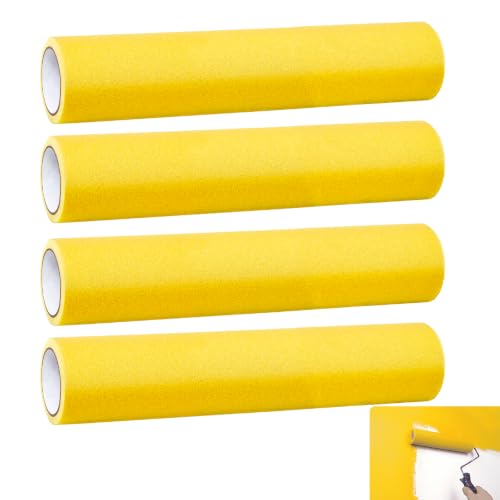
Czarixa 9-Inch Foam Paint Roller Cover
What We Like
- Solvent-resistant foam holds up to oil paints
- Lint-free finish minimizes brush marks
- 4-pack value for multiple projects
Trade-offs
- 1/8-inch nap absorbs less paint than thicker naps
- Foam can leave stipple on rough surfaces
The high-density, solvent-resistant foam holds its shape against aggressive solvents, so it won’t break down mid-project. For anyone chasing a high-gloss look without brush marks, this cover delivers the ultra-smooth surface that thicker naps simply cannot.
A 1/8-inch nap holds less paint than a 3/8-inch or 1/2-inch cover, meaning more frequent dips into the tray. That makes it less suited for large, textured walls where you want maximum coverage per pass. Compared to the Wooster cover with its 3/8-inch nap, the Czarixa excels on smooth surfaces but demands more refills on broad expanses. Stick with it for the fine work, and let a thicker nap handle the big walls.
Product photos
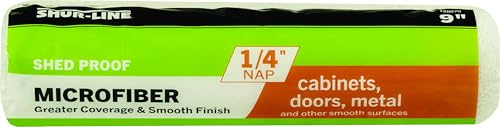
Shur-Line 9-Inch Microfiber Roller Cover
What We Like
- Shed-proof microfiber keeps finish clean
- Dense microfiber holds more paint per load
- Short 1/4-in nap leaves near-spray finish
- Works with oil paints and all finishes
Trade-offs
- 1/4-in nap too short for rough or textured surfaces
- Microfiber can load heavier than standard covers
- Narrowly focused on semi-smooth work only
A 1/4-inch nap is matched to semi-smooth surfaces like cabinets, doors, trim, and metal, leaving a tight, near-spray finish with minimal stipple. The shed-proof microfiber fabric holds together so stray fibers do not pull off into the wet paint film, which matters most when you are after a clean, smooth surface. Dense microfiber also holds more paint per load than a standard cover and releases it evenly, so each trip to the tray covers more ground. For anyone painting trim or built-ins with latex or oil paints, this is the cover that keeps the surface smooth and the work moving.
The short 1/4-inch nap delivers a tight, near-spray finish on semi-smooth surfaces like cabinets, doors, and metal. It won’t reach into the voids on textured walls or rough surfaces, those jobs call for a 3/8-inch or longer nap. The Purdy WhiteDove uses a 1/2-inch nap, which is better suited for general wall work. For projects limited to doors, cabinets, and metal, the shed-proof microfiber and even release make this cover a practical choice.
Mister Rui Mini Foam Paint Rollers 4-Inch

What We Like
- 10-pack offers plenty of refills
- No lint or fiber fall-off
- High foam pores for more absorption
- Works with oil-based paints
Trade-offs
- 4-inch size limits coverage on large walls
- Requires a separate 4-inch roller frame
A 10-pack of 4-inch foam rollers means you can swap covers often without worrying about cleaning between coats, ideal for small trim, doors, and touch-ups where speed matters more than covering a whole wall. These high-density foam rollers are lint-free and work with oil-based paints, so you won’t fight stray fibers in your finish. For beginners or DIYers working on detailed projects, the larger foam pores help load paint quickly and release it evenly, making the process smoother and less messy.
These mini rollers won’t replace a full-size 9-inch cover for large open walls, but the 10-pack gives you plenty of refills for small jobs. The foam has larger pores than many mini rollers, so it absorbs and releases more paint per dip, handy for trim, cabinets, and touch-ups. Reviewers say the foam leaves almost no marks on flat surfaces and works with both water-based and oil-based paints.
Product photos
How We Evaluated Rollers For Oil Paint
Our evaluation is research-based: we studied manufacturer specifications, consulted expert round-ups from painting professionals, and identified common patterns in owner feedback. Instead of testing products ourselves, we compared published data on materials, nap depths, and core construction to find the most reliable options.
The four criteria that mattered most were solvent resistance, lint shedding, nap depth, and coverage efficiency. A polypropylene or solvent-proof core prevents breakdown from oil-based paints. Woven fabrics and dense fibers reduce the need to pick lint off wet paint. The right nap for the surface determines finish quality. Width and paint load affect how fast you can work.
A research-led evaluation has limits: we cannot verify long-term durability or performance on every paint brand. But by cross-referencing multiple expert sources and owner reports, we can identify the covers most likely to deliver a clean, professional result.
What To Look For In Rollers For Oil Paint
Choosing a roller for oil paint means prioritizing materials that can handle solvents and a nap depth that matches your surface. Here is what to check before you buy.
Look for a solvent-resistant core (polypropylene or solvent-proof foam), a lint-free cover material (woven fabric or dense microfiber), and a nap depth between 1/8 and 3/8 inch for smooth to semi-smooth surfaces. Avoid standard polyester covers that may shed or dissolve with oil-based paints.
Core Material And Solvent Resistance
Oil-based paints contain mineral spirits and other solvents that can dissolve standard glue-bonded roller cores. A polypropylene core resists these solvents and prevents the cover from separating from the frame. Solvent-proof foam covers, like the FoamPRO 79 ICA, take this further for aggressive industrial coatings.
Nap Depth And Surface Match
Nap depth determines how much paint the cover holds and the texture it leaves. For smooth surfaces like cabinets and trim, a 1/4-inch or shorter nap (mohair or foam) gives a near-spray finish. For semi-smooth drywall or ceilings, a 3/8-inch nap provides faster coverage without excessive stipple. Thicker naps above 1/2 inch are generally for rough surfaces and are less common with oil paints.
Lint Shedding And Cover Material
Woven fabrics like Dralon (Purdy WhiteDove) and mohair blends shed very little lint compared to cheaper knitted covers. Dense microfiber is also low-lint and holds paint well, but it can load heavier than standard fabric. Foam covers are completely lint-free but may leave a stipple pattern on anything but perfectly smooth surfaces.
- Check that the core is labeled solvent-proof or polypropylene for oil paint use.
- Match nap depth to your surface: 1/8-1/4 inch for smooth, 3/8 inch for semi-smooth.
- Choose woven or dense microfiber covers for low lint; foam for a completely lint-free finish.
- For small projects, a 4-inch mini roller gives precision; for large walls, a 9-inch or 18-inch cover saves time.
A good rule: the smoother the finish you want, the shorter the nap you need.
Rollers For Oil Paint Compared
The table below compares the key specs and best uses for each roller cover in our guide, so you can quickly find the right match for your project.
| Product | Nap Thickness | Fabric Type | Paint Types |
|---|---|---|---|
| Purdy WhiteDove Roller Covers 9-Inch | 1/2 in | Woven Dralon | Latex & oil-based |
| Purdy Parrot Mini Roller Cover Replacements | 1/4 inch | Woven mohair | Latex & oil-based |
| FoamPRO 79 ICA Solvent-Proof Foam Roller | 3/16" | Solvent-proof foam | N/A |
| Wooster Pro/Doo-Z Roller Cover 3/8-Inch | 3/8 in. | Woven, shed-resistant | All paints, enamels, primers, urethanes, epoxies |
| ROLLINGDOG 18-Inch Microfiber Roller Covers | 3/8 inch | Microfiber | Oil and water-based |
| Bates 4-Inch Paint Roller Covers 48-Pack | N/A | Dense synthetic fibers | Latex, acrylic, oil-based |
| Tru Lamb 4-Inch Mohair Mini Roller Covers | 3/16" Nap | Mohair and polyester blend | Latex, oil, enamels, urethanes, epoxies |
| Czarixa 9-Inch Foam Paint Roller Cover | 1/8-inch | High-density, solvent-resistant foam | Oil-based paints, enamels, varnishes, and lacquers |
| Shur-Line 9-Inch Microfiber Roller Cover | 1/4 in | Microfiber | Latex and oil paints, stains, finishes |
| Mister Rui Mini Foam Paint Rollers 4-Inch | N/A | High-density foam | Water-based and oil-based paints |
Frequently Asked Questions
What nap roller is best for oil-based paint?
For smooth surfaces like cabinets and trim, a 1/4-inch nap (mohair or foam) gives the flattest finish. For semi-smooth walls and ceilings, a 3/8-inch nap balances coverage and texture. Avoid thick naps above 1/2 inch with oil paints, as they can leave a heavy stipple pattern.
Can you use a regular roller with oil paint?
You can, but standard polyester or synthetic covers may shed lint and their cores can break down from the solvents in oil paint. For best results, choose a cover with a solvent-resistant polypropylene core and a low-lint woven fabric or dense microfiber material.
How do you clean rollers after using oil paint?
Oil paint requires mineral spirits or paint thinner for cleaning, not water. Roll the excess paint onto newspaper, then soak the cover in solvent, working the paint out with your hand or a brush. Rinse with fresh solvent, squeeze dry, and store in a sealed bag to keep it soft.
What is the difference between a mohair and a foam roller for oil paint?
Mohair rollers (like the Purdy Parrot) leave a smooth, lint-free finish on cabinets and trim and hold paint well for even coverage. Foam rollers (like the FoamPRO 79 ICA) are completely lint-free and resist aggressive solvents, but they can leave a slight stipple on anything but perfectly smooth surfaces.
How many coats of oil paint should I apply with a roller?
Most oil-based paints provide good coverage in two coats. The first coat may look uneven as it seals the surface; the second coat evens out the color and sheen. Let each coat dry fully before recoating.
The Bottom Line
For most painters working with oil-based paints, the Purdy WhiteDove Roller Covers 9-Inch are the best overall choice. Their woven Dralon fabric resists lint, the polypropylene core handles solvents, and the 1/2-inch nap works well on semi-smooth to semi-rough surfaces like drywall and ceilings.
If you need a mirror-like finish on cabinets or trim, the Purdy Parrot Mini Roller Cover Replacements with their woven mohair nap are worth paying more for. For painters on a budget tackling small projects, the Mister Rui Mini Foam Paint Rollers offer a lint-free, affordable option.
The single most important factor when buying a roller for oil paint is matching the cover material and nap depth to your surface. Choose a solvent-resistant core and a low-lint fabric, and you will save time on prep and cleanup.
