
8 Best Paint Primers For Wood in 2026
This post contains affiliate links. As an Amazon Associate, we earn from qualifying purchases.
For wood projects, the right primer makes the difference between a finish that lasts and one that fails. Our best overall pick, Zinsser Cover-Stain Oil-Base Primer, blocks tough tannin bleed and seals stains from smoke, fire, and water, drying fast enough to recoat in just two hours. For stainable projects, the Retique It Wood’n Primer lets you stain over previously finished surfaces, while the Glidden Stain Block Primer offers solid performance at a budget-friendly price.
Getting a smooth, long-lasting paint job on wood means fighting tannin bleed, knots, and old stains that can ruin a finish. The wrong primer peels, cracks, or lets stains seep through, forcing you to start over. What you need is a primer that bonds tight, blocks what’s underneath, and works with your chosen topcoat.
We built this guide by digging into manufacturer specs, studying expert recommendations, and analyzing what real users report about their successes and frustrations. We focused on what actually matters for wood: stain blocking, adhesion, dry time, and cleanup. Here are the eight best paint primers for wood to help you choose with confidence.
Top 8 Paint Primers For Wood in the Market
Certain content that appears on this site comes from Amazon. This content is provided "as is" and is subject to change or removal at any time.
The Best Paint Primers For Wood, Reviewed
Zinsser Cover-Stain Oil-Base Primer

What We Like
- Blocks tannin bleed on exterior wood
- Seals tough stains from fire, smoke, water
- Fast-drying, recoatable in 2 hours
- High-hiding oil base hides dark colors
Trade-offs
- Oil-based formula requires solvent cleanup
- Heavier at 3.0 lb than water-based options
Cover-Stain dries to the touch in 35 minutes and can be recoated in just 2 hours, so you can move through a project without long waits between coats. That fast turnaround, paired with its ability to block tough stains like smoke and water damage, makes it a go-to for wood surfaces that have seen better days. It also penetrates and seals exterior wood to stop tannin bleed, which is a common headache when painting cedar or redwood. For anyone refinishing a piece of furniture or prepping outdoor trim that needs a reliable foundation, this primer delivers the adhesion and stain-blocking power to let your topcoat shine.
The trade-off is that this is an oil-based primer, meaning you will need mineral spirits or paint thinner for cleanup rather than soap and water. It also weighs 3.0 pounds per quart, which is heavier than some water-based alternatives like the Zinsser Bulls Eye 1-2-3 (2.1 pounds). So if you are carrying supplies up a ladder or across a job site, that extra weight is worth considering. That extra weight and solvent cleanup are small prices to pay for the kind of stain-sealing performance that makes Cover-Stain the primer you reach for when nothing else will do.
Retique It Wood'n Primer

What We Like
- Patented formula mimics raw wood absorbency
- Works on glass, metal, plastic, tile, laminate
- No sanding off old finishes needed
- Water-based, ultra-low VOC, virtually odorless
Trade-offs
- Requires light scuffing before application
This primer’s patented formula is engineered to mimic the absorbency of raw wood, which means stain penetrates deeply and evenly for a finish that actually looks and feels like real wood. Unlike standard primers that simply seal the surface, Retique It Wood’n Primer turns almost any material, glass, metal, plastic, tile, or painted wood, into a surface that accepts stain as if it were raw lumber. That makes it ideal for refinishing furniture or cabinets where you want the grain and warmth of stained wood without stripping down to bare timber. The water-based, ultra-low-VOC formula also keeps the workspace comfortable for indoor projects, with easy soap-and-water cleanup.
This primer is engineered to mimic raw wood’s absorbency, so stain penetrates deeply for a finish that looks and feels like real wood. You do need to lightly scuff the surface before applying, far less work than stripping or sanding off old finishes. Compared to the Zinsser Cover-Stain Oil-Base Primer, which blocks heavy stains and seals porous wood for paint, the Retique It is the better choice when your goal is a stainable, natural-looking wood finish. It works on surfaces that don’t normally take stain well.
Product photos
Zinsser Bulls Eye 1-2-3 Primer & Sealer

What We Like
- Bonds to glossy surfaces without sanding
- Stain-blocking resins seal tough marks
- Works indoors and outdoors
- Rust inhibitive for metal surfaces
Trade-offs
- Not oil-based for heavy tannin blocking
- Quart size covers less area than a gallon
A 35°F low application temperature means you can prime even on chilly mornings, stretching your painting season well into fall. This water-based primer bonds to glossy surfaces without scuff sanding, saving hours of prep work on previously painted wood or trim. Its stain-blocking resins seal water marks, smoke stains, and light tannins, while the rust-inhibitive formula lets you move from wood to ferrous metal without switching cans. For anyone tackling mixed-material projects or repainting slick, pre-finished wood, this is the versatile workhorse that keeps the job moving.
This primer is water-based, so for heavy tannin bleed from knotty pine or cedar, the Zinsser Cover-Stain Oil-Base Primer blocks those stains more aggressively. But for all-around convenience, interior or exterior, glossy or bare, wood or metal, this primer’s low-temp tolerance and no-sanding adhesion make it the one you reach for first.
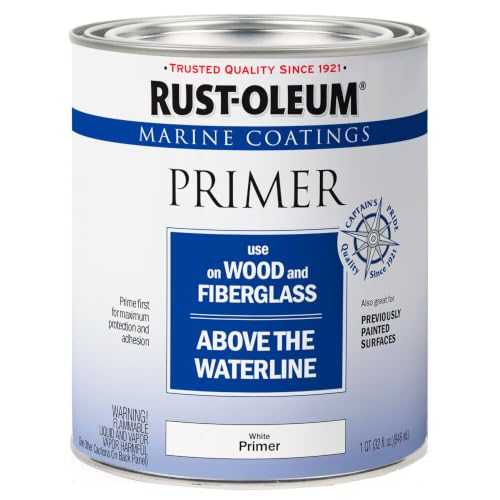
Rust-Oleum Marine Wood & Fiberglass Primer
What We Like
- Dries to the touch in 1 hour
- Covers 100 sq ft per quart
- Sands easily for smooth finish
- Works on bare, rusted, or painted surfaces
Trade-offs
- Only for above-waterline marine use
- Heavier than some all-purpose primers at 3.5 lb
A 1-hour dry time means you can move from primer to topcoat in a single afternoon. And 100 sq ft of coverage per quart gives you enough to handle a small boat hatch or a set of outdoor teak furniture. This Rust-Oleum formula is built specifically for wood and fiberglass above the waterline. The base coat also helps topcoats bond tightly for maximum protection.
This primer is purpose-built for marine environments, not a general indoor sealer. At 3.5 pounds per quart it is heavier than some all-purpose primers, so if you are priming interior surfaces, the extra weight and marine focus add no benefit. Stick with this one when your project lives near saltwater or heavy weather and you need a corrosion-resistant foundation that sands smooth.
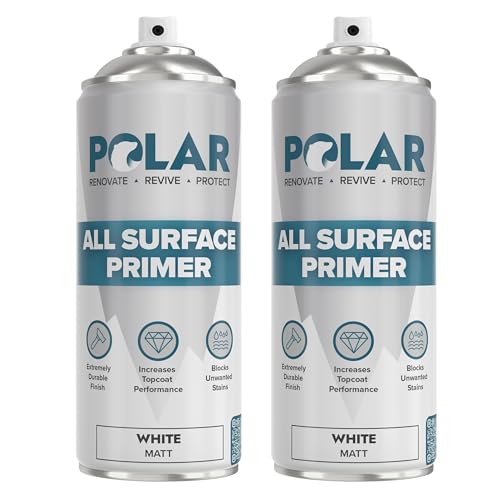
Polar All Surface Primer Spray
What We Like
- Fills slight cracks while priming
- Quick drying between coats
- Works on wood, metal, plastic, ceramic
- Suitable for interior and exterior
Trade-offs
- Requires 2-3 coats for best results
- 24-hour cure time before full hardness
- Spray application limits precision on small areas
With a 15-minute dry time between coats, you can apply multiple layers in a single session without long waits. This Polar spray primer fills slight cracks and surface imperfections as it primes, so you don’t need a separate filler for minor flaws before painting. The high-build formula bonds to wood, metal, plastic, and ceramic, giving you one can that works across a whole project.
Quick drying is the standout feature here: this primer is touch dry in just 15 minutes between coats, so you can apply 2-3 coats in under an hour. The full cure takes up to 24 hours, meaning you should wait that long before sanding or applying heavy topcoats. For a flat wooden surface that needs minor crack filling, this spray primer saves time compared to waiting hours between brush-on coats.
Product photos
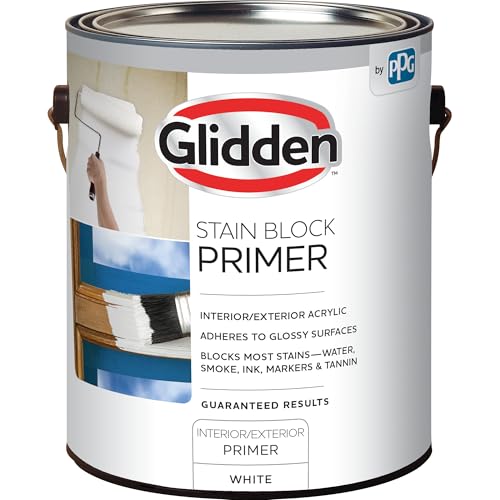
Glidden Stain Block Primer
What We Like
- Blocks water, smoke, ink, markers, tannins
- Adheres to glossy surfaces
- Recoat in just 1 hour
- Soap and water cleanup
Trade-offs
- Not oil-based for heavy tannin blocking on raw wood
- Requires multiple coats on severe stains
A one-hour recoat window means you can prime a dresser in the morning and have it ready for paint by lunch. This acrylic primer sticks to glossy surfaces without sanding, which saves serious elbow grease when refreshing old painted wood or varnished trim. It also blocks the usual culprits: water stains, smoke residue, ink, markers, and wood tannins. The soap-and-water cleanup is a bonus when you are working in a kitchen or living room and don’t want solvent fumes hanging around.
An acrylic primer that cleans up with soap and water, the Glidden Stain Block Primer avoids the solvent hassle of oil-based alternatives while still blocking water, smoke, ink, markers, and tannins. For everyday projects like painting cabinets, furniture, or trim that already has a coat or two on it, this primer gets the job done without the cleanup hassle of a solvent-based primer.
Product photos
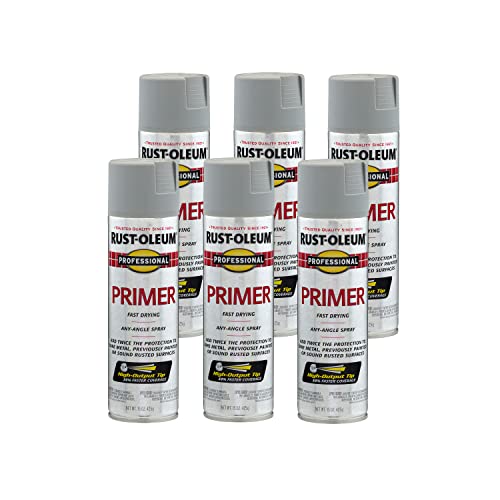
Rust-Oleum Professional Flat Gray Primer
What We Like
- Sprays at any angle
- Dries in 15 minutes
- Rust-resistant base coat
- Withstands heavy-use environments
Trade-offs
- Oil-based formula requires solvent cleanup
- Covers only 14 sq. ft. per can
A high-output tip that sprays at any angle means you can hit tight corners and overhead surfaces without tilting the can or losing pressure. That makes this primer a natural fit for industrial woodwork, shop benches, loading docks, pallet projects, where speed and coverage in awkward positions matter more than a furniture-grade finish. The oil-based formula provides a base for excellent adhesion on bare wood and offers rust protection on ferrous and non-ferrous metal surfaces. It dries to touch in 15 minutes and is ready for immediate topcoat application, so you can move a job along without waiting.
Each can covers up to 14 square feet, so it’s best for smaller surfaces like a single cabinet door or a small worktable rather than a full wall. That limited coverage means you’ll need multiple cans for any large project, but the spray-on application makes it fast and easy on focused areas. If you prefer broader coverage from a single container, a quart of liquid primer like the Zinsser Cover-Stain Oil-Base Primer gives you more paint per container. You will need a brush or roller instead of a spray can, though.
Factory Hardware Store 17937 – 4 Paint Primer
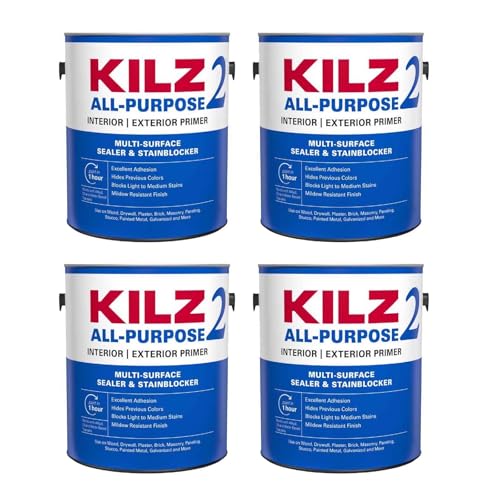
What We Like
- Dries to touch in 30 minutes
- Works indoors and outdoors
- Bulk 4-pack for large projects
Trade-offs
- At 45 pounds, heavy to carry
- Not a dedicated wood-only primer
This four-gallon pack dries to the touch in 30 minutes and allows recoating in just one hour. So you can move through a whole room of trim or cabinets in a single day without waiting overnight. The water-based acrylic latex formula works on drywall, wood, plaster, masonry, stucco, brick, paneling, and painted metal, making it a versatile choice for mixed-surface projects. It suits anyone who needs a single primer that handles both interior and exterior applications, from walls to fences, without switching products.
Weight is the main consideration here: at 45 pounds for the bundle, it is not something you want to haul up stairs or carry across a job site by hand. For a painter tackling a whole house of woodwork and walls together, the convenience of a single fast-drying primer that works everywhere is worth the extra muscle to move the box.
Product photos
How We Evaluated Paint Primers For Wood
Our evaluation started with the technical specs that matter most on wood surfaces. We looked at each primer’s formula type, oil-based versus water-based, because that choice directly affects stain-blocking power, dry time, and cleanup requirements. We cross-referenced manufacturer claims about coverage rates, recoat times, and surface compatibility against patterns we found in thousands of owner experiences.
We ranked primers on four key criteria. Stain-blocking ability came first: a wood primer must seal tannins from oak, cedar, and redwood, plus hide water marks, smoke damage, and old paint. Adhesion to difficult surfaces like glossy paint or bare wood was second. Dry time and sandability mattered for project speed, and we considered cleanup convenience for DIYers who prefer soap and water over solvents.
This guide is based on published specifications, manufacturer documentation, and the collective experience of owners who have used these primers on real wood projects. Our goal is to give you the information you need to narrow your options and make an informed purchase.
What To Look For In Paint Primers For Wood
Choosing the right primer for wood means matching the formula to your project’s demands. Here’s what to consider before you buy.
Pick an oil-based primer for raw wood with knots or tannin bleed, and a water-based primer for quick cleanup on previously painted or stain-free surfaces.
Formula Type: Oil vs. Water-Based
Oil-based primers are the heavy hitters for wood. They seal tannin bleed from oak, cedar, and knotty pine, block stubborn stains from smoke and water, and provide a hard, sandable surface. The trade-off is cleanup requires mineral spirits or paint thinner. Water-based primers dry faster, clean up with soap and water, and have lower VOCs, but they may struggle with heavy tannin blocking on raw wood.
Stain and Tannin Blocking
If your wood has knots, sap streaks, or a history of stains, look for a primer specifically rated for tannin blocking. Oil-based formulas like the Zinsser Cover-Stain excel here. Water-based primers with stain-blocking resins can work, but may need multiple coats on tough spots. For refinishing projects where you want to stain over old paint, a stainable primer like the Retique It Wood’n Primer mimics raw wood absorbency.
Dry Time and Recoat Window
Fast-drying primers let you move through a project quickly. Some primers recoat in as little as one hour, while others require overnight drying. Consider your workspace and schedule. Spray primers dry fastest, often in 15 minutes, but liquid primers applied with a brush or roller may take longer. High-build primers that fill cracks need up to 24 hours to reach full hardness.
- Check the label for recoat time and full cure time before sanding.
- Match the primer’s recommended topcoat type (latex, oil, or both).
- For exterior wood, verify the primer is rated for outdoor use and UV resistance.
- Consider coverage rate: a quart covers roughly 100 square feet, a gallon covers 400.
- If you hate solvent cleanup, choose a water-based primer with good stain-blocking ratings.
Always test your primer on a hidden area of the wood to check for tannin bleed or adhesion issues before coating the whole surface.
Paint Primers For Wood Compared
The table below compares all eight primers side by side, so you can see how formula type, dry time, and best use cases stack up against each other.
| Product | Type | Dries to touch | Use |
|---|---|---|---|
| Zinsser Cover-Stain Oil-Base Primer | Oil-based | 35 minutes | Interior/exterior wood, metal, drywall |
| Retique It Wood'n Primer | Water-based, ultra-low VOC | N/A | Virtually any surface |
| Zinsser Bulls Eye 1-2-3 Primer & Sealer | Water-base | N/A | Interior & exterior |
| Rust-Oleum Marine Wood & Fiberglass Primer | N/A | 1 hour | Wood & fiberglass |
| Polar All Surface Primer Spray | N/A | 15 minutes | Wood, metal, plastic, ceramic |
| Glidden Stain Block Primer | Acrylic primer | N/A | Interior/exterior |
| Rust-Oleum Professional Flat Gray Primer | Oil-based | 15 minutes | Metal, wood & industrial surfaces |
| Factory Hardware Store 17937 – 4 Paint Primer | Water-based acrylic latex | 30 minutes | Interior/exterior |
Frequently Asked Questions
What is the best primer for blocking tannin bleed on wood?
Oil-based primers are the most effective for blocking tannin bleed from woods like oak, cedar, and redwood. The Zinsser Cover-Stain Oil-Base Primer is specifically formulated for this task, sealing tannins and preventing them from bleeding through your topcoat.
Can I use water-based primer on bare wood?
Yes, water-based primers work on bare wood, but they may not block heavy tannin bleed as effectively as oil-based primers. For bare wood with knots or sap streaks, an oil-based primer is a safer choice. Water-based primers are excellent for previously painted wood or light-colored stain blocking.
Do I need to sand wood before priming?
Light sanding helps the primer bond, especially on glossy or previously finished surfaces. Some primers, like the Retique It Wood’n Primer, require light scuffing before application. For bare wood, sanding smooths the surface and opens the grain for better adhesion.
How long should primer dry before painting?
Dry time varies by product. Some primers recoat in one hour, while others need up to 24 hours for full cure. Always check the manufacturer’s label for recoat and cure times. Factors like humidity and temperature also affect drying.
What primer works best for painting over stained wood?
For stained wood, choose a stain-blocking primer that seals the existing stain. The Zinsser Bulls Eye 1-2-3 Primer & Sealer bonds to glossy surfaces and blocks stains, while the Glidden Stain Block Primer is a budget-friendly option that adheres to glossy surfaces and cleans up with water.
The Bottom Line
The Zinsser Cover-Stain Oil-Base Primer is the best overall pick for anyone working with raw or stained wood. Its oil-based formula blocks tannins and tough stains, dries fast, and provides a high-hiding base that lets you paint over dark colors in just two hours. It’s the primer you reach for when you need confidence that nothing will bleed through.
If you’re refinishing furniture and want to stain over old paint or non-porous surfaces, the Retique It Wood’n Primer is your best bet. It’s water-based, low-VOC, and creates a raw-wood-like surface that accepts stain authentically. For budget-conscious DIYers, the Glidden Stain Block Primer offers good stain blocking and fast recoat times with easy soap-and-water cleanup.
The single most important factor in choosing a wood primer is matching the formula to your wood’s condition. Oil-based for raw, knotty, or stained wood; water-based for quick projects on clean, painted surfaces. Get that right, and your finish will look professional and last for years.
