
9 Best Paint For Guitar in 2026
This post contains affiliate links. As an Amazon Associate, we earn from qualifying purchases.
For guitar builders and restorers, the ColorTone Classic Clear Gloss Lacquer Spray is the best overall paint for guitar work. It wins on its forgiving application that melts into previous coats and buffs to a glassy vintage shine. The Solo Guitars Oxford Clear Nitrocellulose Lacquer earns our best high gloss recommendation, while the Aqua Coat Water-Based Instrument Lacquer stands out as the best eco-friendly choice for low-odor workshops.
Choosing a paint for your guitar means balancing finish quality, application ease, drying time, and the authentic look of aged nitrocellulose. A lacquer that’s too thick can ruin a careful sanding job, while one that dries too fast may not level out properly.
This guide is research-based, drawing on manufacturer specifications, expert round-ups, and patterns in owner feedback. We evaluated each paint on finish quality, application process, durability, and how well it suits different skill levels and project types.
Top 9 Paints For Guitars in the Market
Certain content that appears on this site comes from Amazon. This content is provided "as is" and is subject to change or removal at any time.
The Best Paints For Guitars, Reviewed
ColorTone Classic Clear Gloss Lacquer Spray

What We Like
- Melts into previous coats for forgiving application
- Buffs to a high-gloss, glassy shine
- Vintage amber tint ages with natural checking
- Fast-drying and resistant to alcohol and water
Trade-offs
- Requires 4-6 cans for a full guitar body
- Cold lacquer spatters and needs extra sanding
A 13-ounce can of nitrocellulose lacquer that melts into previous coats means you can build a deep, glassy shine without fighting brush marks or uneven layers. That forgiving nature, combined with a fast-drying formula that resists alcohol and water, makes this a strong pick for anyone tackling their first guitar refinish or a seasoned builder who wants a reliable clear coat. The slight amber tint and natural checking over time give the finish a vintage character that many players love, and the ability to buff it to a mirror-like gloss rewards patience with a professional look.
You’ll need four to six cans of ColorTone Classic Clear Gloss Lacquer Spray to finish a full guitar body, and cold lacquer spatters easily, so soak the can in warm tap water before spraying. The 13-ounce can is larger than the Solo Guitars Oxford Clear Nitrocellulose Lacquer’s 8-ounce tin, which means fewer can changes when covering big surfaces. For most builders, the forgiving melt-in application and classic gloss finish justify the extra cans.
ColorTone Candy Apple Red Lacquer Spray

What We Like
- Authentic 1963 Fender candy red color
- Translucent finish shows metallic base
- Nitrocellulose ages with vintage yellowing
- Warm-can tip for smoother application
Trade-offs
- Requires metallic base coat for candy effect
- 24-hour dry time between coats
- Needs warm water soak before spraying
The translucent nitrocellulose formula is based on the deep red that Fender first used in 1963, letting a silver or gold metallic base coat show through for a candy-apple effect. This is a good option for anyone restoring a vintage guitar or building a new one, especially if you want the lacquer to yellow and shift naturally over time like the originals did.
The trade-off is patience: you will need to apply a metallic base coat first, let each layer dry for a full day, and warm the can in water before spraying to avoid spatters. Compared to a water-based lacquer like Aqua Coat, which requires less coats, this demands more steps and time, but the result is a depth of color and aging that some modern finishes may not replicate.
Product photos
Solo Guitars Oxford Clear Nitrocellulose Lacquer

What We Like
- Traditional high gloss nitrocellulose lacquer
- 70 sheen for a polished shine
- Dries hard and polishes nicely
- 8 oz tin size for small projects
Trade-offs
- Nitrocellulose lacquer needs proper ventilation during application
- 8 oz tin requires multiple coats for a full guitar body
A 70 sheen rating means this lacquer delivers a deep, glossy finish that dries hard and takes a polish well, giving your guitar a classic high-end look. This Solo Guitars Oxford Clear Nitrocellulose Lacquer suits anyone who wants that traditional lacquer feel and shine, especially if you enjoy working with a brush or spray gun on smaller refinishing projects. The 8 oz tin is compact and manageable for touch-ups or a single guitar body, and the Canadian-made formula sticks to the old-school nitrocellulose recipe that guitar enthusiasts often prefer for its clarity and depth.
This 8 oz tin of Solo Guitars Oxford Clear Nitrocellulose Lacquer delivers a traditional high gloss finish with a 70 sheen that dries hard and polishes nicely. Compared to the ColorTone Classic Clear Gloss Lacquer Spray in a 13 oz aerosol can, the Solo lacquer gives you more control over application thickness since it’s brush-on, not spray. If you value a classic nitro look and don’t mind working in smaller batches, this tin suits focused refinishing projects.
Mohawk Stringed Instrument Lacquer Aerosol

What We Like
- Mirror-like gloss finish
- Formulated for stringed instruments
- Durable lacquer coating
- Convenient aerosol application
Trade-offs
- Must be applied over vinyl sealer
- No tint or color option
A 13-ounce aerosol that delivers a mirror-like gloss finish, this lacquer is formulated specifically for stringed instruments. It requires a vinyl sealer undercoat to achieve its film-building and finish characteristics, as stated by the manufacturer. For builders and restorers who already seal their guitar bodies, this spray offers a durable, high-gloss coating without the need for mixing or spraying equipment.
You must apply this lacquer over a vinyl sealer to get its unique film-building and special finish characteristics, so plan on an extra step and an additional product. If you’re already sealing the instrument body, that trade-off is minor, the durable mirror-like gloss finish is worth it.
Product photos
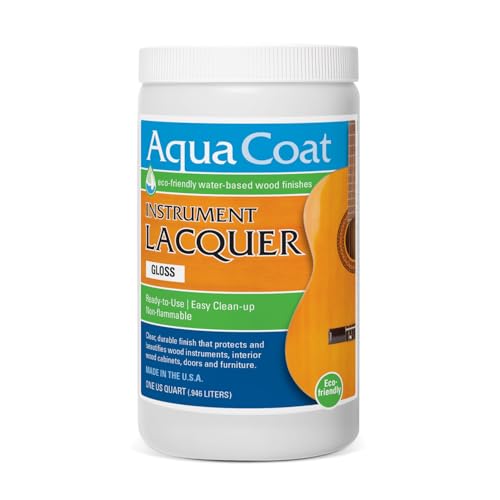
Aqua Coat Water-Based Instrument Lacquer
What We Like
- Low odor and low VOCs
- Touchable in 10 minutes
- Ready to recoat in 45-60 minutes
- Crystal-clear gloss or satin finish
Trade-offs
- Water-based lacquer differs in feel from nitrocellulose
- Not for musicians who prefer the feel of nitrocellulose lacquer
A drying time of just 10 minutes to touch and 45-60 minutes before recoating means you can move through a full refinish job in a single afternoon, not a weekend. That speed, paired with low odor and low VOCs, makes this water-based lacquer a smart pick for anyone working in a home shop or apartment where fumes and ventilation are real concerns. It delivers a clear, hard film with good scratch resistance, and the gloss or satin options let you dial in the look you want without sacrificing durability.
Water-based lacquer has a different feel and clarity than traditional nitrocellulose. If your priority is a fast, safe, and eco-friendly finish that still holds up to regular playing, Aqua Coat gives you professional-grade results without the headache of solvent fumes.
Product photos
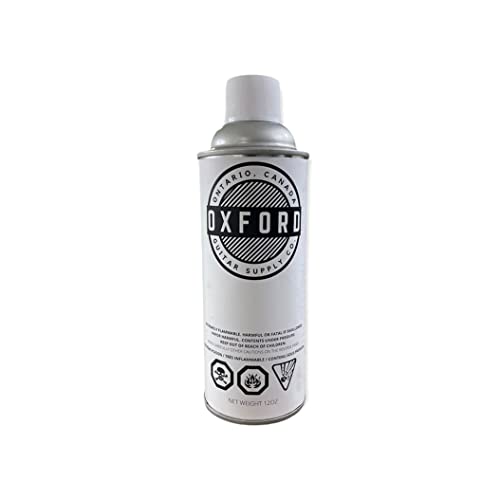
Solo Guitars Oxford Aerosol Vintage Nitro Lacquer
What We Like
- Vintage nitrocellulose formula
- Authentic cold weather checking
- Ambers naturally over time
- 12 oz aerosol for easy application
Trade-offs
- Prone to cold weather checking
- Ambering changes finish color over time
This 12-ounce aerosol of nitrocellulose lacquer, made in Canada, lets you apply a finish that is prone to cold weather checking and ambering over time, qualities that mimic the look of aged instrument finishes. The aerosol format makes application simple for small projects or touch-ups without needing additional equipment. Because the formula naturally ambers and checks with age, it suits builders and restorers who want that vintage appearance from the start.
The finish will amber over time and is prone to cold weather checking, so if you want a gloss that stays crystal-clear and stable forever, this isn’t it. That same vintage behavior is exactly what many builders and players seek, though. Compared to ColorTone’s Classic Clear Gloss, which also has a slight amber tint, the Solo Guitars Oxford is aimed at those who want the authentic aging process of nitrocellulose.
Product photos
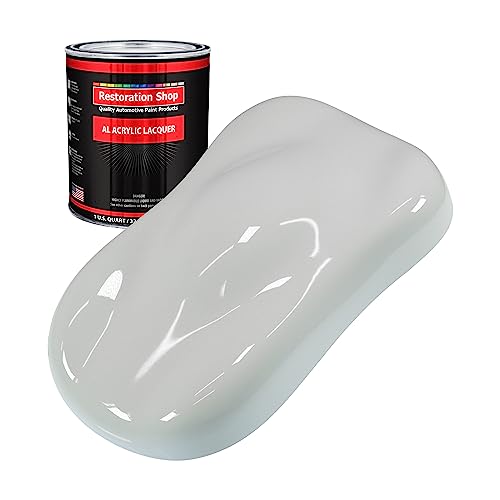
Restoration Shop Classic White Acrylic Lacquer
What We Like
- Professional single-stage gloss finish
- Can be polished to very high gloss
- Polished finish can be clear-coated
- Suitable for car, guitar, and furniture
Trade-offs
- Requires separate thinner for mixing
- Not available for purchase in California
A quart of acrylic lacquer gives you enough material for multiple projects, whether you are refinishing a guitar, restoring a car part, or refreshing a piece of furniture. The single-stage gloss formula can be polished to a very high gloss, and for extra depth and protection you can clear-coat it with Restoration Shop CL3245 High-Performance Lacquer Clear, sold separately. This makes it a practical choice for anyone who wants one reliable product across different surfaces.
The main trade-off is that this is a paint-only kit: you need to buy thinner separately and mix it at a 1:1 ratio before spraying. Also, if you live in California, you cannot purchase this version; a low-VOC alternative is available instead. For a luthier or hobbyist who already has spray equipment and wants a lacquer that performs across multiple projects, this quart delivers professional results without locking you into a single-use aerosol can.
Product photos
Mohawk Classic Instrument Lacquer Clear Gloss

What We Like
- Works on multiple stringed instruments
- Mirror-like reflectance from its rubbing qualities
Trade-offs
- Requires 2-3 days drying before sanding
The 1-quart can of Mohawk Classic Instrument Lacquer is designed for those who want a brilliant, mirror-like shine on their guitar finish. This clear coat works well on electric guitars, acoustics, violins, and cellos, making it a versatile choice for luthiers and hobbyists alike.
The drying time is the main thing to plan around: you must wait two to three days before wet sanding, which may slow down a project compared to some aerosol alternatives. However, the quart format gives you the option to apply by brush or spray, depending on your preferred method. For builders who prioritize a high-gloss finish and are willing to follow the recommended drying schedule, this lacquer delivers a shine that stands out. Just plan your project timeline around the drying period before you can wet sand and buff.
Product photos
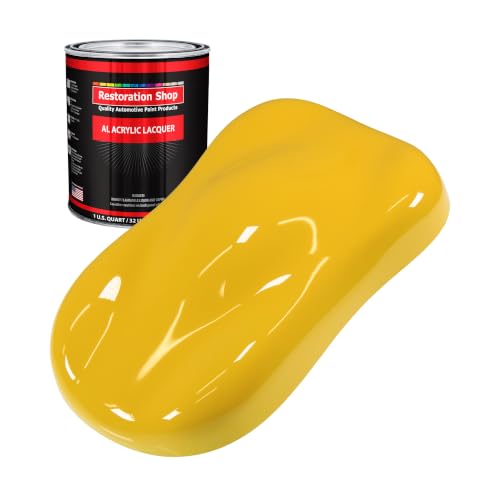
Restoration Shop Indy Yellow Acrylic Lacquer
What We Like
- Professional single-stage gloss finish
- Can be polished to very high gloss
- Clear-coatable for extra depth
- Made in the USA with quality ingredients
Trade-offs
- Requires separate thinner at 1:1 ratio
- Not available for purchase in California
- Clear coat sold separately for show finish
This quart of acrylic lacquer is a single-stage gloss paint that requires a 1:1 mix with thinner before spraying. Because it is a single-stage system, you apply color and gloss in one step, though you can add a separate clear coat for extra depth if you want a show-quality finish. The paint is made in the USA and is designed for automotive restoration, but it also works for guitar and furniture refinishing. You will need a spray gun and a well-ventilated workspace, and you must buy thinner separately. The finish can be polished to a very high gloss, which is useful for achieving a mirror-like shine on a guitar body.
This paint requires more setup than an aerosol can: you need a spray gun, thinner, and good ventilation. If you prefer a ready-to-use option, the ColorTone Classic Clear Gloss Lacquer Spray is a nitrocellulose lacquer in a 13 oz aerosol can, but it is a clear coat, not a color, and uses a different chemistry. Also note that this specific kit cannot be shipped to California, so buyers there will need to look for the low-VOC alternative. For those who want a professional-grade finish and are comfortable mixing paint, this quart delivers a lot of paint for the price.
Product photos
How We Evaluated Paints For Guitars
Our evaluation began with a close look at manufacturer specifications and product documentation for each lacquer’s composition, recommended application method, and drying times. We then cross-referenced these details with expert round-ups from luthier forums and guitar restoration communities to understand which paints consistently deliver professional results.
The four criteria that mattered most were finish quality (gloss level, clarity, and ability to be polished), application forgiveness (how easily the lacquer levels out and how much sanding is needed between coats), drying time and recoat window, and the final durability of the cured finish. For colored paints, we also considered color accuracy and how the finish ages over time.
A research-led evaluation has limits: we cannot replicate the hands-on feel of spraying each lacquer or test every variable in a controlled workshop environment. Our recommendations are based on documented performance and the collective experience of builders who have used these products extensively.
What To Look For In Paints For Guitars
Choosing the right guitar paint means understanding how lacquer chemistry, application method, and drying time affect your final finish. Here’s what matters most.
Key buying criteria: Choose a lacquer that matches your skill level, ventilation setup, and desired finish look. Nitrocellulose offers vintage ambering but needs good airflow; water-based paints are low-odor and fast-drying.
Lacquer Type: Nitrocellulose vs. Water-Based
Nitrocellulose lacquer is the traditional choice for vintage-style guitar finishes. It dries hard, buffs to a high gloss, and develops a warm amber tint over years of aging. Water-based lacquers like the Aqua Coat offer low odor and fast recoat times. They are touchable in 10 minutes and ready to recoat in 45 to 60 minutes, but they lack the classic ambered look and feel of nitrocellulose.
Application Method: Aerosol vs. Spray Gun
Aerosol cans are convenient for small projects and beginners, but a full guitar body typically requires 4 to 6 cans of clear lacquer. Spray gun application gives more control over film thickness and uses less material, but requires a separate thinner and proper mixing. Some paints, like the Restoration Shop acrylic lacquers, are only available as concentrates that need thinning before use.
Drying Time and Sanding Schedule
Drying times vary significantly between products. The ColorTone Candy Apple Red Lacquer needs 24 hours between coats, while the Mohawk Classic Instrument Lacquer requires 2 to 3 days before sanding. Fast-drying options like the Aqua Coat let you recoat in under an hour, which can speed up a multi-coat project considerably.
- Check if the paint requires a separate sealer or primer before application
- Confirm the recommended temperature range for spraying (cold lacquer can spatter)
- Look up whether the finish is clear-coatable for extra depth and protection
- Verify that the product is available for purchase in your state (some formulations are restricted in California)
Rule of thumb: For your first guitar refinish, choose an aerosol nitrocellulose lacquer that melts into previous coats, it’s the most forgiving way to learn.
Paints For Guitars Compared
The table below compares the key specs of each top-rated guitar paint to help you find the right match for your project.
| Product | Type | Finish | Volume |
|---|---|---|---|
| ColorTone Classic Clear Gloss Lacquer Spray | Nitrocellulose lacquer | Clear gloss, slight amber tint | 13 oz |
| ColorTone Candy Apple Red Lacquer Spray | Nitrocellulose lacquer spray | Candy Apple Red (translucent) | 400 ml (13.5 fl oz) |
| Solo Guitars Oxford Clear Nitrocellulose Lacquer | Nitrocellulose Lacquer | High Gloss | 8 oz |
| Mohawk Stringed Instrument Lacquer Aerosol | Aerosol lacquer | Mirror-like gloss | 13 ounces |
| Aqua Coat Water-Based Instrument Lacquer | Water-based lacquer | Gloss or Satin | 1 Quart |
| Solo Guitars Oxford Aerosol Vintage Nitro Lacquer | Vintage Nitro Lacquer | N/A | 12 oz Aerosol |
| Restoration Shop Classic White Acrylic Lacquer | Acrylic Lacquer | Single-Stage Gloss | 1 Quart |
| Mohawk Classic Instrument Lacquer Clear Gloss | Clear Gloss Lacquer | Clear gloss | 1 Quart |
| Restoration Shop Indy Yellow Acrylic Lacquer | Acrylic Lacquer | Single-Stage Gloss | 1 Quart |
Frequently Asked Questions
What is the best paint for a guitar?
The best overall is the ColorTone Classic Clear Gloss Lacquer Spray, which offers a forgiving application that melts into previous coats and buffs to a high-gloss, glassy shine. It dries fast and is resistant to alcohol and water, making it ideal for guitar builders and refinishers.
Can I use car paint on a guitar?
Yes, some automotive lacquers work well on guitars. The Restoration Shop Classic White Acrylic Lacquer and Indy Yellow Acrylic Lacquer are professional single-stage gloss finishes suitable for both car and guitar projects, though they require separate thinner and proper mixing.
How many coats of lacquer do I need for a guitar?
A full guitar body typically requires 4 to 6 coats of clear lacquer from an aerosol can. Each coat should be allowed to dry and be sanded lightly between layers for the best final finish.
What is the difference between nitrocellulose and water-based guitar lacquer?
Nitrocellulose lacquer dries hard, buffs to a high gloss, and develops a vintage amber tint over time. Water-based lacquers like the Aqua Coat have low odor, low VOCs, and fast drying times, touchable in 10 minutes, but do not amber or feel the same as nitrocellulose.
How long does guitar lacquer take to dry?
Drying times vary by product. The ColorTone Candy Apple Red Lacquer requires 24 hours between coats, while the Aqua Coat Water-Based Instrument Lacquer is ready to recoat in 45 to 60 minutes. The Mohawk Classic Instrument Lacquer needs 2 to 3 days before wet sanding.
The Bottom Line
For most guitar builders and refinishers, the ColorTone Classic Clear Gloss Lacquer Spray is the best paint for guitar work. Its forgiving application, fast drying time, and ability to buff to a vintage gloss make it the ideal choice for restoring a classic or finishing a new build.
If you need a specific vintage color, the ColorTone Candy Apple Red Lacquer Spray delivers an authentic 1963-style candy red finish. The Aqua Coat Water-Based Instrument Lacquer is the right pick for low-odor, fast-drying projects. Budget-conscious builders who want one versatile lacquer for multiple projects should consider the Restoration Shop Classic White Acrylic Lacquer.
The single most important factor in choosing a guitar paint is matching the lacquer type and application method to your skill level and workspace ventilation. A forgiving aerosol nitrocellulose lacquer is the safest bet for your first refinish.
