
4 Best Paint For Classic Car Restoration in 2026
This post contains affiliate links. As an Amazon Associate, we earn from qualifying purchases.
For a factory-correct restoration, the Eastwood Classic Acrylic Enamel Kit is the best overall pick, delivering an authentic sheen and excellent adhesion to original finishes. If you need a mirror-like gloss, the Restoration Shop Vintage Burgundy Acrylic Enamel Kit offers a durable high-gloss topcoat. And for a specific OEM color match, the R&E Paint Supply Toyota 6P2 Classic Green Pearl is formulated to exact factory specs.
Restoring a classic car means matching the original look and feel, not just slapping on any modern paint. The sheen, the color depth, and the chemical resistance all need to be period-correct and durable for the long haul. A poor paint choice can ruin years of bodywork.
This guide is based on a careful analysis of manufacturer specifications, expert restoration techniques, and patterns in owner feedback. We break down the key criteria for choosing restoration paint and present four top options for different project needs.
Top 4 Paints For Classic Car Restoration in the Market
Certain content that appears on this site comes from Amazon. This content is provided "as is" and is subject to change or removal at any time.
The Best Paints For Classic Car Restoration, Reviewed
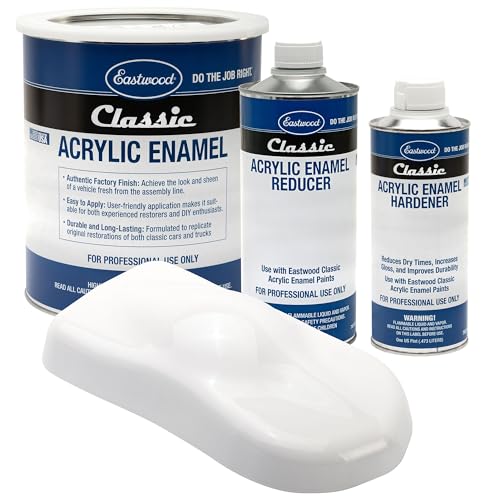
Eastwood Classic Acrylic Enamel Kit
What We Like
- Authentic factory-original finish sheen
- Excellent adhesion to prepared original finishes
- Durable formulation for lasting restoration
- User-friendly for DIY and experienced restorers
Trade-offs
- Requires proper surface preparation for best adhesion
- Gloss white only limits color options out of box
A full gallon of acrylic enamel plus reducer and hardener gives you the complete mix for a factory-style finish, so there’s no need to track down extra components. The formula is designed to bond reliably to properly prepared original paint, which matters when you’re aiming for a restoration that lasts. Application is straightforward enough for DIYers, yet the finish holds up to typical vehicle wear over time.
The trade-off is that this kit comes in gloss white, so if your restoration calls for a different color or a metallic finish, you’ll need to source paint separately. You might look at a product like the Restoration Shop Vintage Burgundy Metallic Acrylic Enamel Kit. That kit also offers a gallon-size acrylic enamel but in a specific vintage shade with metallic flake, which may better suit a period-correct build. For a straightforward, user-friendly single-stage system that delivers a durable factory-style gloss, this Eastwood kit covers the essentials well.
Product photos
Restoration Shop Vintage Burgundy Acrylic Enamel Kit

What We Like
- Complete gallon kit with hardener included
- Fast-drying single-stage high gloss topcoat
- Chemical, solvent, chip, and UV resistant
- Easy to spray for overall automotive refinishing
Trade-offs
- No reducer included for thinning flexibility
- Single-stage system limits layered custom effects
The complete one-gallon kit delivers over a gallon of sprayable material straight from the box, with the hardener and strainers already included so you can start spraying without hunting for extras. Its acrylic enamel formula dries fast to a very high gloss finish that resists chemicals, solvents, chipping, cracking, and UV fading, exactly the durability a classic car needs after restoration. The single-stage system is easy to spray and forgiving for someone who wants a professional-looking gloss without the complexity of a basecoat-clearcoat process.
The main catch is that this kit does not include reducer, so you cannot thin the paint for different spray conditions unless you buy reducer separately. Compared to the Eastwood Classic Acrylic Enamel Kit, which weighs 12.4 pounds, the Restoration Shop kit is heavier at 15.0 pounds. If you prefer a simpler workflow and want that wet-look shine without extra steps, this kit is a strong fit.
Product photos
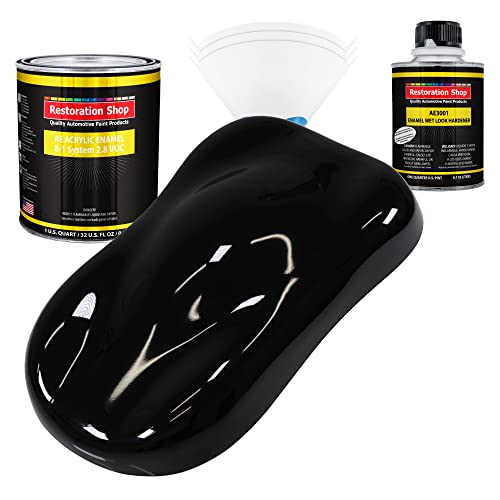
Restoration Shop Jet Black Acrylic Enamel Quart Kit
What We Like
- Complete quart kit with hardener and strainers
- Single-stage high gloss finish
- Chemical and solvent resistant coating
Trade-offs
- Quart size limits coverage for large body panels
- Single-stage system lacks clearcoat depth for concours finishes
The kit includes one quart of paint, a quarter pint of hardener, and three strainers, so you have everything needed to start mixing right away. The 8:1 mix ratio and 2.8 VOC formulation mean no reducer is required, which simplifies preparation. For a restorer working on a small project, this is a complete package that delivers a glossy black finish with resistance to chipping and UV fading.
A quart kit yields just over a quart of sprayable material, so you’ll need multiple kits for a full body restoration. The Eastwood Classic Acrylic Enamel Kit comes as a gallon, making it a better fit if you’re covering a large area in one go.
Product photos
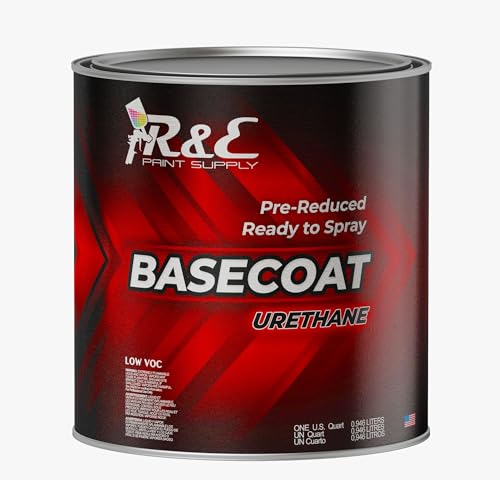
R&E Paint Supply Toyota 6P2 Classic Green Pearl
What We Like
- Low VOC formula reduces harmful emissions
- OEM-matched color for factory-correct finish
- Low VOC formula for reduced emissions
Trade-offs
- Clear coat must be purchased separately
- Not a single-stage paint; requires clear coat step
This paint is ideal for restorers who prioritize color accuracy above all else and want a modern urethane that lays down smoothly with a clear coat.
The downside is that this is a basecoat requiring a separate clear coat, adding cost and an extra step compared to an acrylic enamel kit like the Eastwood Classic Acrylic Enamel Kit, which includes reducer and hardener and dries to a gloss without a clear coat. The quart size is suitable for small to medium projects, but for larger body panels or full resprays you should check coverage estimates from the manufacturer. For a restoration where the factory shade matters, this paint delivers the precision you need, but it demands a bit more planning and investment in clear coat.
Product photos
How We Evaluated Paints For Classic Car Restoration
Our evaluation focuses on the technical specifications and real-world application requirements that matter most for a restoration project. We analyzed manufacturer data sheets, consulted expert restoration guides, and reviewed patterns in owner feedback across forums and professional shops.
The four most important criteria were finish accuracy, durability, application ease, and color matching. Finish accuracy is how closely the paint replicates the original factory sheen and depth. Durability covers resistance to chemicals, solvents, UV rays, and chipping. Application ease considers whether the paint is a single-stage system, includes necessary hardeners or reducers, and is forgiving for DIY use. Color matching looks at the availability of OEM-matched colors versus generic options.
A research-led evaluation has limits. We rely on published specs and the collective experience of the restoration community to guide our picks.
What To Look For In Paints For Classic Car Restoration
Choosing the right paint starts with understanding your restoration goal. A show-quality concours build demands different paint than a reliable driver. Here are the key factors to weigh.
Focus on finish accuracy, system type (single-stage vs. Basecoat-clearcoat), included components, and color options to match your project’s goals.
Finish Accuracy and Sheen
The original paint on most classic cars was a single-stage acrylic enamel or lacquer, which has a distinct depth and gloss level. Modern urethanes can look too “plasticky” if not formulated correctly. Look for paints that specifically state they replicate the factory-original sheen, like the Eastwood Classic Acrylic Enamel Kit, which is designed to deliver that authentic look.
Single-Stage vs. Basecoat-Clearcoat Systems
Single-stage paints combine color and gloss in one application, which simplifies the process and maintains a period-correct appearance. Basecoat-clearcoat systems offer deeper gloss and better UV protection but require an extra step. Your choice depends on whether you value authenticity or maximum modern durability.
Included Components and Coverage
A complete kit that includes hardener, reducer, and strainers saves you time and ensures compatibility. Check whether the paint is a gallon kit for a full car or a quart for smaller panels. The Restoration Shop Jet Black Acrylic Enamel Quart Kit is ideal for touch-ups, while the Vintage Burgundy gallon kit is ready for a full body.
- Check the paint’s VOC content if you are spraying in a home garage without a professional booth.
- Verify the color code matches your vehicle’s original factory tag.
- Confirm that the paint can be applied over your existing primer or original finish.
- Look for chemical and chip resistance ratings for long-term durability.
A single-stage acrylic enamel kit is often the easiest route for a first-time restorer aiming for a factory-correct finish.
Paints For Classic Car Restoration Compared
The table below compares the four top paint kits across the criteria that matter most for a classic car restoration.
| Product | Paint Type | Kit Volume | Finish | Weight |
|---|---|---|---|---|
| Eastwood Classic Acrylic Enamel Kit | Acrylic Enamel | 1 gal | Gloss White | 12.4 pounds |
| Restoration Shop Vintage Burgundy Acrylic Enamel Kit | Acrylic Enamel | 1 gallon sprayable | N/A | 15.0 pounds |
| Restoration Shop Jet Black Acrylic Enamel Quart Kit | Single-Stage Acrylic Enamel | 1 Quart | Gloss | N/A |
| R&E Paint Supply Toyota 6P2 Classic Green Pearl | Low VOC Urethane Paint | Quart | Clear Coat Required | 3.5 pounds |
Frequently Asked Questions
What type of paint is best for a classic car restoration?
Single-stage acrylic enamel is often the best choice for a factory-original look. It provides the correct sheen and depth without the extra clearcoat step. For concours-level restorations, some builders prefer basecoat-clearcoat systems for deeper gloss and better durability, but the finish will look slightly different than original.
Can I spray automotive paint in my home garage?
Yes, but you need to manage overspray and fumes. Low-VOC paints like the R&E Paint Supply Toyota 6P2 Classic Green Pearl reduce harmful emissions. Always wear a proper respirator, use ventilation, and check local regulations for spray painting in residential areas.
How much paint do I need for a full car restoration?
A typical full-size classic car requires about one gallon of paint for a single-stage system. That covers the body, doors, and fenders with a couple of coats. Smaller cars or touch-up jobs can get by with a quart. Always buy a little extra for mixing and future repairs.
What is the difference between single-stage and two-stage paint?
Single-stage paint combines the color and gloss in one product, applied in one step. Two-stage paint uses a basecoat for color and a separate clearcoat for gloss and protection. Single-stage is easier for DIY restorers and gives a more period-correct finish, while two-stage offers deeper shine and better scratch resistance.
Do I need to use a primer before painting a classic car?
Yes, proper surface preparation is critical. You need a compatible primer to ensure adhesion and a smooth base. Many acrylic enamel kits are designed to go over epoxy or urethane primer. Skipping primer or using the wrong type can lead to peeling or poor adhesion down the road.
The Bottom Line
For most classic car restorations, the Eastwood Classic Acrylic Enamel Kit is the best overall choice. It delivers the authentic factory-original sheen that restorers want, with excellent adhesion and a durable formulation that works well for both DIY and experienced painters. It is best for anyone aiming for a period-correct gloss white finish.
If you need a specific OEM color, the R&E Paint Supply Toyota 6P2 Classic Green Pearl provides an exact factory match, though it requires a separate clearcoat. For a budget-friendly touch-up or small panel, the Restoration Shop Jet Black Acrylic Enamel Quart Kit is a complete, easy-to-mix option.
The single most important factor is matching the paint system to your restoration goal. Choose a single-stage acrylic enamel for authenticity and ease, or a basecoat-clearcoat system for maximum gloss. Either way, proper surface preparation is the foundation of a lasting finish.
