
10 Best Paint For Cinderblock in 2026
This post contains affiliate links. As an Amazon Associate, we earn from qualifying purchases.
The KILZ Decorative Slip-Resistant Concrete Coating earns our Best Overall spot because it fills hairline cracks, resists hot tire pickup, and dries fast enough for a second coat in just a few hours. For basement waterproofing, the KILZ Basement and Masonry Waterproofing Paint is our top choice, while the INSL-X WaterBlock Acrylic Masonry Waterproofer is best for vertical walls.
Painting cinderblock presents unique challenges: the porous surface soaks up paint unevenly, moisture can push through from behind, and rough textures demand the right applicator. Choosing the wrong paint means peeling, bubbling, or a finish that fails within months.
We evaluated these paints by studying manufacturer specifications, application requirements, and durability claims across dozens of products. This guide focuses on the key factors that matter most for cinderblock: water resistance, adhesion to porous masonry, coverage, and ease of application.
Top 10 Paints For Cinderblock in the Market
Certain content that appears on this site comes from Amazon. This content is provided "as is" and is subject to change or removal at any time.
The Best Paints For Cinderblock, Reviewed
KILZ Decorative Slip-Resistant Concrete Coating

What We Like
- Fills hairline cracks and resists hot tire pickup
- Stone-like textured finish adds visual depth
- Fast drying: recoat in 3-4 hours
- Resists UV damage, weathering, and household chemicals
Trade-offs
- Requires 2 coats; first coat won't cover by design
- Must use a specific 1/4" adhesive roller for proper texture
- Allow 30 days before cleaning the surface
With 50 square feet of coverage per gallon over two coats, this coating is designed for horizontal concrete surfaces like driveways, garage floors, and pool decks. It fills hairline cracks and resists hot tire pickup, UV damage, and household chemicals, combining durability with a stone-like speckled texture. The fast drying time, one hour to touch and recoat in three to four hours, keeps the project moving, though full cure takes 72 hours.
The trade-off is that the first coat is designed not to cover, so you need patience and a second coat to see the full effect. You also must use a 1/4-inch adhesive roller to build the intended texture, a specific requirement that differs from standard paint rollers. For anyone wanting a tough, textured finish that resists hot tire pickup and weathering on driveways, garage floors, or patios, this KILZ coating delivers what its specs promise.
Product photos
KILZ Basement and Masonry Waterproofing Paint

What We Like
- Blocks up to 12 PSI water pressure
- Low-odor formula for indoor use
- Dries to touch in 1 hour
- Works on interior and exterior masonry
Trade-offs
- Full cure takes 7-14 days
- Requires hydraulic cement for below-grade cracks
With nanotechnology that blocks up to 12 PSI of water pressure, this KILZ paint is engineered for the toughest basement and masonry conditions. That pressure rating means it can handle serious hydrostatic force against below-grade walls, making it a reliable barrier in damp basements or retaining walls. The low-odor formula and fast drying, one hour to touch, four hours to recoat, mean you can work in enclosed spaces without overwhelming fumes and finish the job in a day. It suits anyone who needs genuine waterproofing on poured concrete, block, brick, or stucco, indoors or out.
If you have water actively seeping through a crack, you’ll need to patch it with hydraulic cement first. And while it dries quickly, the full cure takes one to two weeks before the surface is truly washable.
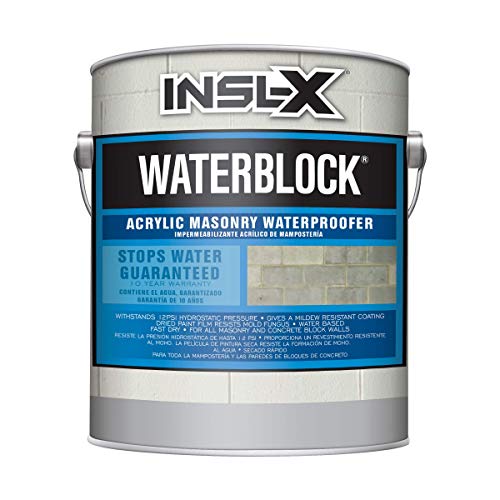
INSL-X WaterBlock Acrylic Masonry Waterproofer
What We Like
- Withstands up to 12 psi hydrostatic pressure
- High alkali resistance up to pH-13
- Fast-drying waterproof paint
- Suitable for interior and exterior vertical walls
Trade-offs
- Only for vertical walls, not horizontal surfaces
- Requires surface and air temperature between 50-90 °F
- Needs careful surface prep per label instructions
This paint withstands up to 12 psi of hydrostatic pressure, which means it can resist water trying to push through basement walls and retaining walls. It also handles high alkalinity up to pH-13, a useful feature on fresh concrete or cinderblock where moisture can drive salts to the surface. That combination makes it a natural fit for anyone sealing vertical masonry that faces damp soil or groundwater. The water-based formula is labeled fast-drying, so you can apply a second coat sooner than with some oil-based alternatives.
This coating is strictly for vertical surfaces, so it won’t work on a basement floor or a patio slab. If you need to coat a horizontal area, you would need a product designed for that purpose. Also, you have to work within a tight temperature window of 50-90 °F, which limits painting seasons unless you’re in a climate-controlled interior space. Follow the label’s prep steps carefully; skipping them can undermine the waterproofing.
Product photos
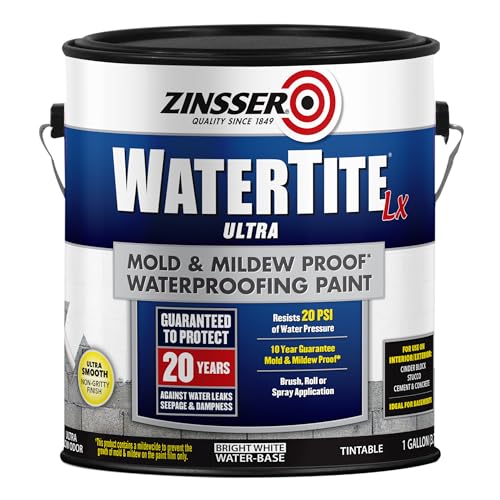
Zinsser WaterTite Mold & Mildew Resistant Paint
What We Like
- Resists up to 20 lbs. water pressure
- Ultra low odor for indoor use
- 15-year waterproof guarantee
- 10-year mold & mildew-proof paint film
Trade-offs
- Only available in bright white finish
- Requires dry walls for application
Resisting up to 20 pounds of water pressure means this paint can handle serious moisture behind basement cinderblock walls without flinching. That waterproofing power, paired with a 15-year guarantee against seepage and a separate 10-year mold and mildew-proof film, makes it a strong pick for damp below-grade spaces where long-term protection matters most. The ultra-low odor and soap-and-water cleanup keep the job comfortable in enclosed areas, and the smooth non-gritty finish rolls on easily over dry masonry.
The biggest reason to pick this paint is its 10-year mold and mildew-proof film guarantee, which matters if you’re dealing with a damp basement or past moisture problems. The finish is bright white and non-gritty, so if you want color on your cinderblock, you’ll need to add a topcoat. Compared to the KILZ Basement and Masonry Waterproofing Paint, the Zinsser is the better choice when biological resistance is your main concern, but less flexible if you need decorative color straight from the can.
Product photos
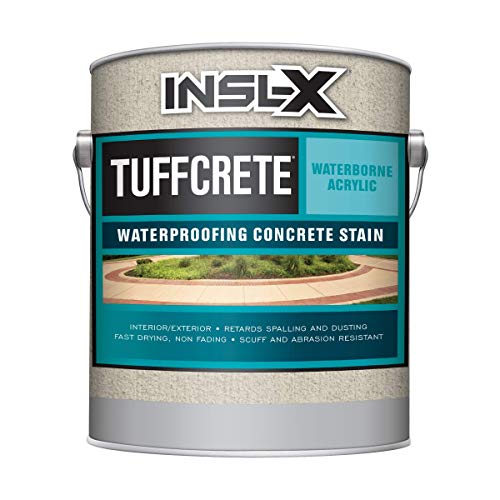
INSL-X TuffCrete Waterborne Acrylic Concrete Stain
What We Like
- Fast-drying acrylic formula
- Resists scrubbing, detergents, and grease
- Works on interior and exterior masonry
Trade-offs
- Cannot apply above 90°F surface temperature
- One coat gives a stain, not opaque finish
With 300 to 400 square feet of coverage per gallon, this acrylic stain can go on in one coat for a transparent color wash, letting the original surface show through while adding a non-fading tint. That means you get a durable, fast-drying finish that resists detergents, oils, grease, and scrubbing, ideal for interior or exterior masonry that sees regular cleaning. Apply it when the surface temperature is below 90°F, and check the label for prep tips.
Product photos
Rust-Oleum Stops Rust Brush On Paint

What We Like
- Weather and corrosion resistant coating
- Excellent abrasion, fading and chipping resistance
- Dries to touch in 2-4 hours
- Flat finish minimizes surface imperfections
Trade-offs
- Half-pint size limits coverage to 55 sq ft
- Oil-based formula requires solvent cleanup
Covering up to 55 square feet per half-pint, this Rust-Oleum paint is suited for small surfaces like wood, metal, concrete, or masonry. Its oil-based formula provides a durable protective coating with excellent resistance to abrasion, fading, and chipping, so the painted area stays looking fresh even with regular contact. The flat finish helps minimize surface imperfections, making it a good choice for touch-ups or small projects where a smooth look matters. For anyone working on a small area, this paint delivers durable protection without the need for mixing or spraying.
The half-pint size covers up to 55 square feet, so if your project is larger than a small table or a single chair, you will need multiple cans, which adds cost and cleanup. This paint is a focused tool for small surfaces where you want a tough, fade-resistant finish and don’t mind the oil-based brush cleanup.
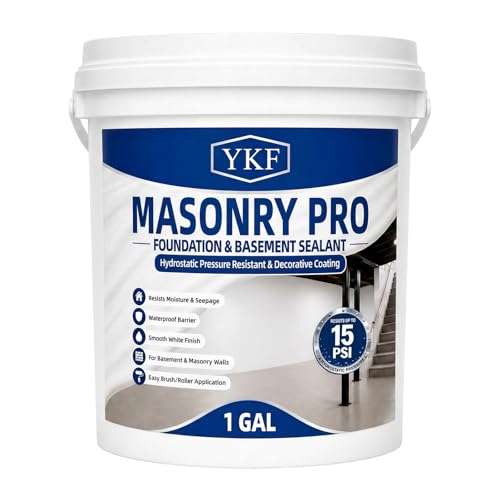
YKF Masonry Pro Foundation Waterproofing Sealer
What We Like
- 15 PSI hydrostatic pressure resistance
- Works on dry or slightly damp surfaces
- High-solids formula conceals minor imperfections
- Suitable for indoor and outdoor masonry
Trade-offs
- Requires thorough surface prep before application
- Only covers 100 sq ft per gallon
- Needs at least 2 hours before handling
A 15 PSI hydrostatic pressure rating means this coating can stand up to serious below-grade moisture, making it a practical choice for basement and foundation walls where water seepage is a real concern. YKF Masonry Pro uses a water-based polyurethane formula that bonds to dry or slightly damp concrete, so you don’t have to wait for bone-dry conditions before starting. It’s a straightforward option for DIYers who want reliable waterproofing while refreshing old masonry and adding a protective barrier.
One gallon covers only about 100 square feet, so a typical basement wall will need multiple pails, plan your project before you start. The surface must be thoroughly prepped: clean off oil, dust, loose paint, and dirt, then repair any active leaks, cracks, or holes before applying. That upfront work pays off with a smooth white finish that hides minor wall flaws and resists moisture seepage.
Product photos
Rust-Oleum Whitewash Masonry Paint
What We Like
- Self-priming and self-sealing formula
- Customizable coverage by diluting with water
- Low odor and low VOC
- Works on porous surfaces indoors and out
Trade-offs
- Limited coverage on highly porous surfaces
- Requires water dilution for desired coverage consistency
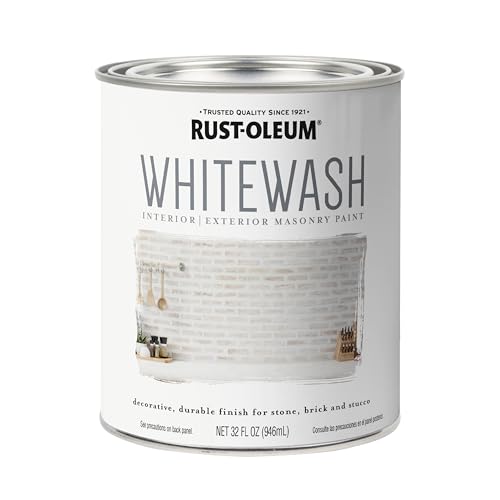
The self-priming and self-sealing formula means you can apply this paint directly to porous surfaces like stucco, stone, brick, and wood without a separate primer coat, letting the natural texture show through. Diluting with water lets you adjust coverage from a light wash to a more opaque matte finish, depending on your project. The low-odor, low-VOC formula makes indoor use more comfortable.
This quart of Rust-Oleum Whitewash Masonry Paint is self-priming and self-sealing, so you can apply it straight to brick, stone, stucco, or wood without a separate primer coat. It delivers a smooth, matte finish that lets the natural texture of the surface show through. The water-based, low-VOC formula keeps odor down during application, making it a comfortable choice for indoor projects.
MOLLOR Brick Paint Kit
What We Like
- Full DIY tools included
- Low-odor water-based formula
- Adheres to brick, stone, concrete
- Resists rain and sunlight
Trade-offs
- 16 oz size covers small areas only
- Requires water dilution for best results
- Needs test patch before full application
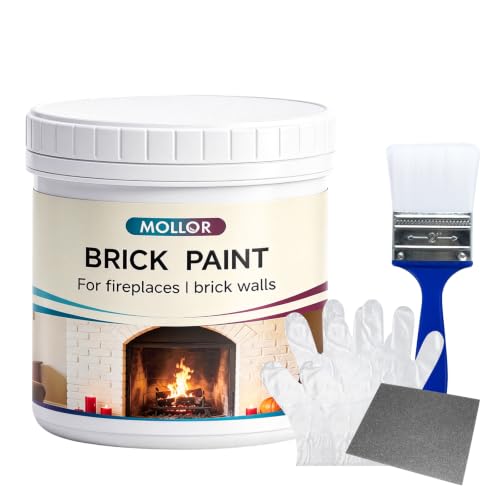
This 16-ounce brick paint kit includes the full set of painting tools, so you can start working on a fireplace or accent wall without buying extra supplies. Its non-toxic, low-odor water-based formula adheres to brick, stone, and concrete, and you dilute it with 10 to 20 percent water to control coverage and transparency. The kit is designed for DIY newbies to finish wall renovation effortlessly, and the manufacturer suggests testing on a small inconspicuous area first to check the final effect.
Sixteen ounces is a modest amount, so this kit suits smaller projects like a single fireplace or a narrow brick wall rather than a full basement or large patio. For larger surfaces, a gallon-sized paint would cover more area. But for a focused, all-in-one refresh that keeps things simple, this kit delivers exactly what it promises.
Product photos
LANCO Dry-Coat Waterproofing Paint
What We Like
- Resists up to 12 PSI hydrostatic pressure
- Acts as primer, paint, and sealant
- UV and chalk resistant
- Free of heavy metals and lead
Trade-offs
- White color only limits design options
- 12 PSI resistance is lower than some competitors
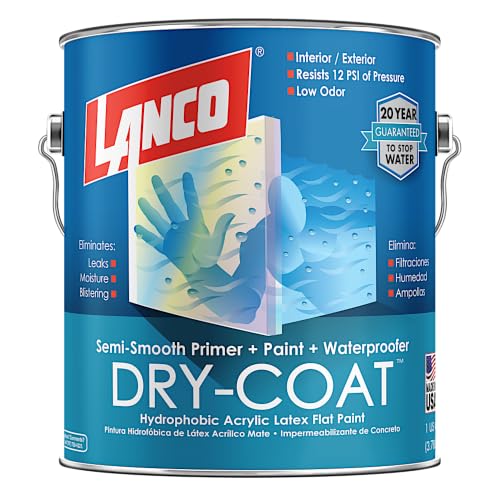
With 12 PSI of hydrostatic pressure resistance, this paint handles serious water pressure against basement walls or foundation cinderblock, enough to stop seepage where other paints fail. It works as a primer, textured coating, and sealant in one, so you skip multiple product layers and save time. The UV and chalk resistance means it holds up outdoors too, and the lack of heavy metals and lead makes it safer to apply in enclosed spaces.
The finish is semi-smooth and won’t hide every surface imperfection like a heavier texture would, and it only comes in white, so you’ll need to topcoat if you want color. The KILZ Basement and Masonry Waterproofing Paint does not list a hydrostatic pressure rating in its specs, while the LANCO offers a stated 12 PSI rating for those who need that specification. Best for anyone facing active water intrusion on cinderblock walls.
Product photos
How We Evaluated Paints For Cinderblock
Our research began with a close look at manufacturer specifications for each paint’s intended surface, coverage rates, dry times, and resistance claims. We compared hydrostatic pressure ratings, alkali resistance, and UV stability across the lineup.
Three criteria drove our rankings. First, waterproofing ability mattered most for below-grade applications, where hydrostatic pressure can force moisture through block walls. Second, adhesion to porous, uneven masonry without excessive priming was critical. Third, practical application factors like recoat time, cleanup method, and temperature restrictions separated paints that are easy to use from those that require careful planning.
This evaluation is based on published technical data and patterns in owner feedback to identify which paints perform as described and which have limitations worth knowing before you buy.
What To Look For In Paints For Cinderblock
Choosing the right paint starts with understanding where your cinderblock is located and what conditions it faces. Below-grade basement walls need different properties than a decorative backyard planter.
Look for a paint that matches your surface location (interior or exterior, above or below grade), offers the right level of water resistance, and adheres to porous masonry without excessive prep.
Water Resistance and Hydrostatic Pressure
For basement walls or foundation surfaces, hydrostatic pressure rating is the single most important spec. This number, measured in PSI (pounds per square inch), tells you how much water pressure the paint film can withstand from behind. Paints rated at 10-12 PSI handle typical below-grade moisture, while higher ratings offer more protection in wet soil conditions.
For above-grade projects like patio walls or garden beds, water resistance matters less. A quality exterior acrylic latex paint formulated for masonry will handle rain and humidity without the specialized waterproofing chemistry.
Surface Compatibility and Adhesion
Cinderblock is highly porous and often dusty or powdery. Paints designed specifically for masonry include binders that penetrate and lock into the surface. Look for formulations labeled for concrete, block, brick, or stucco. Avoid standard wall paints, which sit on top and peel.
Some paints require a separate primer, while others are self-priming. The trade-off: self-priming paints save a step but may need more coats for full coverage on dark or uneven block.
Application and Coverage
Consider how the paint goes on and how much area it covers per gallon. Thicker, high-solids formulas fill small surface imperfections in one coat but may require a specific nap roller. Thinner stains or whitewashes offer a more transparent finish and let the block texture show through.
- Check the recommended applicator: some textured coatings require a 1/4-inch adhesive roller for proper results.
- Note the dry time between coats: fast-drying formulas let you finish in a day.
- Measure your project area and compare to the paint’s per-gallon coverage rate.
- Look for temperature restrictions: many masonry paints require application between 50-90°F.
A gallon of quality masonry paint typically covers a certain square footage per coat, but porous block can absorb more, so buy extra.
Paints For Cinderblock Compared
The table below compares key specs across our top picks, including hydrostatic pressure resistance, recommended surfaces, and dry times.
| Product | Drying Time | Use | Weight |
|---|---|---|---|
| KILZ Decorative Slip-Resistant Concrete Coating | 1 hr to touch; 72 hr full cure | Interior & exterior horizontal surfaces | 11.0 pounds |
| KILZ Basement and Masonry Waterproofing Paint | 1 hour to touch; 4 hours recoat | Interior & Exterior | 12.5 pounds |
| INSL-X WaterBlock Acrylic Masonry Waterproofer | Fast Drying | Vertical interior/exterior walls | 11.1 pounds |
| Zinsser WaterTite Mold & Mildew Resistant Paint | N/A | Interior Masonry Surfaces | 12.2 pounds |
| INSL-X TuffCrete Waterborne Acrylic Concrete Stain | Fast drying | Interior or exterior, vertical, or horizontal masonry surfaces | 9.3 pounds |
| Rust-Oleum Stops Rust Brush On Paint | 2-4 hours | Exterior/interior surfaces | 0.7 pounds |
| YKF Masonry Pro Foundation Waterproofing Sealer | N/A | Indoor and outdoor masonry walls | 8.8 pounds |
| Rust-Oleum Whitewash Masonry Paint | N/A | Interior and exterior surfaces | N/A |
| MOLLOR Brick Paint Kit | N/A | Interior & exterior | 0.1 pounds |
| LANCO Dry-Coat Waterproofing Paint | N/A | N/A | N/A |
Frequently Asked Questions
What kind of paint do you use on cinderblock walls?
The best paint depends on the wall’s location and condition. For dry interior walls, a masonry-specific acrylic latex paint works well. For basement walls prone to moisture, choose a waterproofing paint rated for hydrostatic pressure, like the KILZ Basement and Masonry Waterproofing Paint. Always confirm the paint is labeled for masonry or concrete surfaces.
Do I need to prime cinderblock before painting?
Many cinderblock paints are self-priming, meaning they can go directly on clean, dry block. However, if the block is highly porous, powdery, or has been previously painted, a separate masonry primer improves adhesion and reduces the number of finish coats needed. Check the paint label for specific priming requirements.
How do you waterproof cinderblock walls from the inside?
Apply a waterproofing paint designed for interior masonry that resists hydrostatic pressure, such as the KILZ Basement and Masonry Waterproofing Paint or the INSL-X WaterBlock Acrylic Masonry Waterproofer. These products block moisture from penetrating the painted surface. For active leaks, repair cracks with hydraulic cement before painting.
Can you paint cinderblock to look like brick?
Yes, you can create a brick-like appearance using a stain or whitewash technique. The Rust-Oleum Whitewash Masonry Paint allows you to control coverage by diluting with water, letting some of the block texture show through. For a more opaque look, apply a solid color masonry paint and then add mortar lines with a pencil and paint.
How long does paint on cinderblock last?
A quality masonry paint applied to clean, properly prepared cinderblock can last many years on interior walls. Exterior surfaces exposed to sun, rain, and freeze-thaw cycles may need repainting sooner, typically every few years. Waterproofing paints with UV resistance, like the KILZ Decorative Concrete Coating, last longer in direct sun.
The Bottom Line
The KILZ Decorative Slip-Resistant Concrete Coating is our Best Overall pick for homeowners who need a durable, textured finish on driveways, garage floors, or patios. Its ability to fill hairline cracks and resist hot tire pickup makes it a standout for horizontal surfaces that see foot and vehicle traffic.
For basement walls, the KILZ Basement and Masonry Waterproofing Paint offers the best balance of water resistance and low-odor indoor application. Budget-conscious shoppers or those with smaller projects should look at the YKF Masonry Pro Foundation Waterproofing Sealer for its solid 15 PSI rating at an affordable price point.
The single most important factor in any cinderblock paint project is surface preparation. Clean, dry, crack-free block with a compatible primer will make even a budget paint perform well, while skipping prep guarantees failure regardless of the brand.
