
10 Best Paint Brushes For Edging in 2026
This post contains affiliate links. As an Amazon Associate, we earn from qualifying purchases.
The Zibra Precision Detail Paint Brush is our best overall pick for edging because its precision tip and ergonomic hourglass handle deliver control and comfort for cutting in around trim and outlets. For a stiff, lightweight alternative, the Purdy Clearcut Dale Angular Trim Brush excels at precise cut-in work. And if all-day comfort is your priority, the Zibra Palm Pro Cut In Angled Brush offers a patented handle designed to reduce fatigue.
Getting crisp, clean edges between walls and trim is one of the most tedious parts of painting. A dedicated edging brush with the right bristle stiffness, tip shape, and handle length can make the difference between a professional-looking finish and a messy bleed.
We evaluated these brushes by researching manufacturer specifications, expert recommendations, and patterns in owner feedback. Our goal is to help you find the right brush for your specific edging needs, whether you are a weekend DIYer or a seasoned pro.
Top 10 Paint Brushes For Edging in the Market
Certain content that appears on this site comes from Amazon. This content is provided "as is" and is subject to change or removal at any time.
The Best Paint Brushes For Edging, Reviewed
Zibra Precision Detail Paint Brush

What We Like
- 25% more pack-out than industry standard
- Ergonomic hourglass handle reduces hand cramping
- Precision tip for control near trim and outlets
- Pro-grade durable construction
Trade-offs
- 2-inch width limits coverage on large flat areas
- Heavier than some competing trim brushes at 0.2 pounds
The 25% more pack-out from its Smooth Filament Technology means this brush holds noticeably more paint per dip than standard edging brushes. So you spend less time reloading and more time laying down crisp lines along trim and outlets. That extra capacity, paired with the precision detail tip, makes it especially effective for controlled cuts around doorways and corners where a steady hand matters most. It’s built for the painter who wants a clean edge without constant trips back to the paint tray, and the ergonomic hourglass handle is genuinely comfortable for longer sessions, reducing the hand fatigue that often sets in during detailed trim work.
The trade-off is that the 2-inch width, while ideal for precision edging, means it covers less ground on broad wall sections than a wider brush like the Shur-Line Pro 2.5-inch angled brush. So you’ll want to switch tools for large open areas. Compared to the Purdy Clearcut Dale, which uses natural bristles, the Zibra’s synthetic filaments offer easier clean-up with water-based paints but deliver a slightly different feel on oil-based stains. For anyone focused on precise edging and comfort during detailed work, this brush earns its place as the top pick.
Product photos
Purdy Clearcut Dale Angular Trim Brush
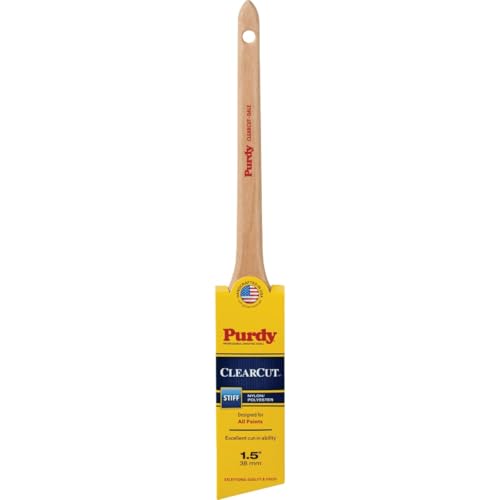
What We Like
- Stiff bristles for precise cut-in
- Lightweight at 0.1 pounds
- Stainless steel ferrule resists rust
- Works with all latex paints and primers
Trade-offs
- 1-1/2 inch width slower on large edges
- Natural bristles less durable with water-based paints
With a 1-1/2 inch brush width and stiff Tynex nylon and Orel polyester blend bristles, this brush is built for tight, controlled work around molding, trim, and ceilings. The lightweight alderwood handle and stainless steel ferrule keep it balanced and easy to maneuver, so you can hold a steady line without fatigue. It suits DIYers and pros who need clean edges on the first pass, especially with latex paints where bristle stiffness makes the difference between a crisp line and a bleed.
At 1-1/2 inches wide, this brush trades coverage speed for precision, it’s built for tight corners and trim, not for racing down long baseboards. The alderwood handle resists moisture and stays light in the hand, so you can keep control during detailed cut-in work. If you want accuracy over pace, the design delivers exactly that.
Zibra Palm Pro Cut In Angled Brush

What We Like
- Patented handle designed for all-day comfort
- Smooth Filament Technology for controlled paint release
- 25% more bristle pack-out than industry standard
- Lightweight at 0.1 pounds for fatigue-free use
Trade-offs
- Short handle limits reach for tall walls or ceilings
- 2-inch width less suited for broad flat edges
The patented Palm Pro handle is designed as an extension of your hand for all-day comfort and control. At 0.1 pounds with Smooth Filament Technology that packs 25% more bristles than industry standard brushes, this angled 2-inch brush offers smooth paint pick-up and controlled release. It is suited for cutting in next to trim, around doorways, wall outlets, and hard-to-reach areas where steady lines matter.
The short handle limits reach for painting tall surfaces, and the 2-inch width is narrower than the Shur-Line Pro Thin Angled Paint Brush’s 2.5-inch option. If you prioritize ergonomics and precision for detail work, this Zibra brush is a good fit. For painting high areas, a brush with a longer handle may be more practical.
Product photos
Shur-Line Pro Thin Angled Paint Brush
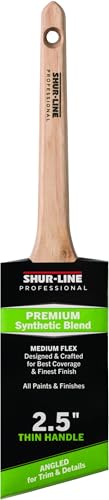
What We Like
- Thin profile slips into tight gaps
- Holds a controlled, even paint load
Trade-offs
- At 7.5 inches long, less reach than longer brushes
- 2.5-inch width limits coverage on wide surfaces
A 2.5-inch thin angled brush with a profile slim enough to slide into narrow trim gaps and tight corners, letting you cut clean lines where a standard brush would smudge. The bristles carry a full, controlled load of paint and release it evenly, so you reload less often and keep a wet edge as you work. That makes this brush a natural fit for detail-oriented edging jobs, baseboards, window casings, and any spot where precision matters more than speed.
The 2.5-inch thin angled brush slips into tight trim and narrow gaps for cutting clean lines in detail work. Its 7.5-inch length keeps the brush compact for control in confined areas, while a brush like the Zibra Precision Detail Paint Brush at 9.3 inches offers more reach for longer runs. The Shur-Line Pro delivers the precision needed for cutting in edges and detail painting.
SHUR-LINE Premium Angle Paint Brush
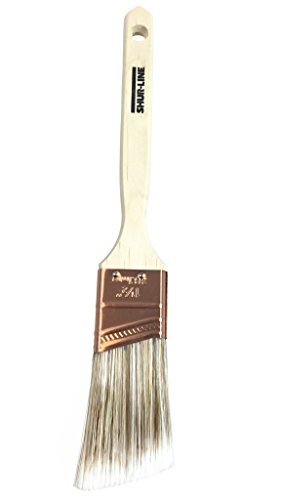
What We Like
- Shur-flow technology for easy cleanup
- Chemically tapered tips for excellent cut-in
- Copper ferrule nailed for years of use
Trade-offs
- 1.5" width slower on wide edges
- Narrow 1.5-inch brush slows large wall work
The nylon/poly blend bristles hold enough paint for a clean line without dripping, while the lightweight 0.1-pound build keeps your hand from tiring during long cutting-in sessions. It is purpose-built for anyone who values control over speed, especially when working around window frames, baseboards, or detailed molding.
The 1.5-inch head is narrower than a 2-inch brush such as the Zibra Precision Detail, so you will make more passes on long runs of trim. The high-quality wooden handle provides durability and comfort, though some users may prefer a different grip feel. For precise edging work where control matters, this brush delivers the finesse that broader tools cannot match.
Product photos
Wooster Shortcut Angle Sash Paintbrush
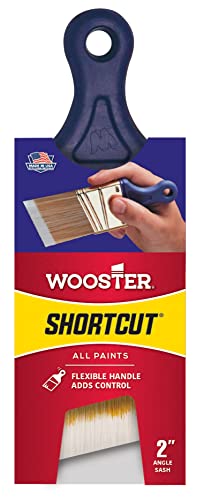
What We Like
- 2-inch handle for tight spaces
- Purple Shergrip handle adds maneuverability
- Nylon-polyester blend works with all paints
Trade-offs
- Short handle limits reach on large walls
A handle that measures just 2 inches long lets you tuck this brush into corners, behind cabinets, and along trim where a full-size grip would bump the wall. That purple Shergrip rubber stays flexible, so you can pivot the angle sash tip without your hand cramping during long edging sessions. The white nylon and gold polyester blend handles latex and oil paints equally well, making it a versatile tool for cutting in around windows or baseboards.
The stubby handle forces you to lean in closer than a longer brush would, which is a real drawback for tall walls or ceilings. For low baseboards or tight nooks, the Shortcut’s maneuverability wins. This design is hard to beat for precision in cramped spots.
Wooster Silver Tip Angle Sash Paintbrush

What We Like
- 100% CT polyester for smooth finish
- Angle sash design for precise edging
- Corrosion-resistant stainless steel ferrule
- Works with latex and oil paints
Trade-offs
- 2.5-inch width less maneuverable in tight corners
- Lacks natural bristles for oil-based paint purists
The 2.5-inch angle sash head and 100% CT polyester bristles are built for one thing: delivering a smooth, even finish with minimal brush marks. That makes this brush a natural fit for anyone painting trim, baseboards, or window sashes where a refined look matters more than speed. The soft filaments flex easily against the surface, helping paint level out evenly, so you get clean edges without fighting the brush. A stainless steel ferrule and hardwood handle mean it’ll hold up through repeated cleanings, and it works with latex or oil-based coatings.
The Wooster Silver Tip’s 2.5-inch width and soft polyester filaments deliver smooth, even coverage with minimal brush marks, making it a strong choice for cutting in along edges and trim. The angled sash design allows accurate work on corners and detailed surfaces, and the brush works with both latex and oil-based paints. For smaller, more confined spaces, a 1.5-inch brush like the Purdy Clearcut Dale Angular Trim Brush offers a narrower profile.
Pro Grade Paint Brush Set 5-Piece
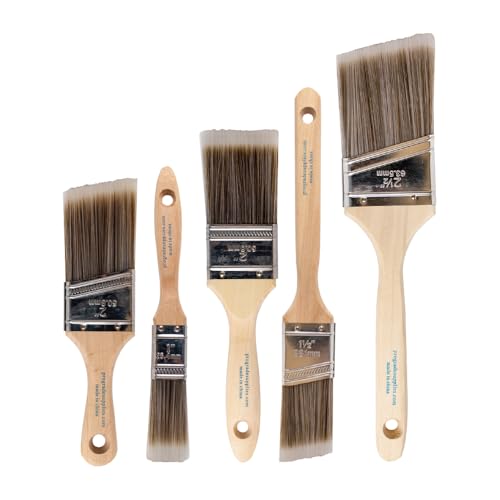
What We Like
- Zero bristle loss from adhesive bonding
- Includes 2" Angle Stubby for tight spots
- Works with latex, oil, primer, stain
Trade-offs
- Softwood handles less durable than hardwood
- No natural bristles for oil-based purists
- Stubby brush only 2", not 1.5" for tiny corners
Five brushes for less than the price of a single brush from a hardware store brand means you can keep a dedicated brush for each paint type without rinsing between coats. The set includes sizes from a 1-inch flat to a 2.5-inch angle, covering the range professional painters use daily for walls, trim, cabinets, and doors. The precision adhesive bonding locks bristles in place so you are not picking stray hairs out of wet paint. This is a practical kit for anyone who paints rooms regularly and wants synthetic bristles that load paint evenly and release it smoothly on latex, oil-based paints, primers, stains, and sealers.
The trade-off for that value is the softwood handles, which are comfortable for all-day use but will not hold up to years of solvent soaking the way a lacquered hardwood handle would. Compared to the Purdy Clearcut Dale Angular Trim Brush with its natural bristles, this set uses synthetic filaments that work beautifully with latex but lack the fine flagging some painters prefer for ultra-smooth oil-based trim work. The included 2-inch Angle Stubby is a genuine pro move for cabinet interiors and window sashes. Though if you regularly paint tiny model trim you might wish for a 1.5-inch stubby instead.
PinStone Angled Paint Brush Set 3-Pack

What We Like
- Shed-free synthetic bristles for smooth finish
- Short rubber handle for tight-space control
- Stainless steel ferrule resists rust
- Works with water- and oil-based paints
Trade-offs
- At 6.5 inches, shorter than most edging brushes
- No natural bristle option for oil-based stains
Three brushes for the price of one premium pick means you can keep a clean brush ready for each color or room without stopping to wash mid-project. The 2-inch angled synthetic bristles are shed-free and hold paint well, so you get crisp edges on walls, trim, and corners right out of the pack. That makes this set a smart choice for anyone tackling multiple rooms or touch-ups on a budget, especially if you prefer the control of a short rubber handle that won’t slip in your grip.
The trade-off is length: at 6.5 inches, this handle is noticeably shorter than the Zibra Precision Detail Brush, which gives you more reach for long, steady cuts along ceilings. If most of your work is on baseboards, cabinets, or furniture where you’re already close to the surface, the compact size is actually an advantage. But for overhead edging or tall walls, you may find yourself wishing for a few extra inches of leverage.
Product photos
Bates Trim Paint Brush Set 3-Piece

What We Like
- Three precision sizes for detail work
- Ergonomic handle reduces hand fatigue
- Shedding-resistant bristles for clean strokes
- Smooth application from finely bristled ends
Trade-offs
- At 0.4 lb, heavier than many single-edge brushes
- Set covers only narrow sizes, no 2-inch option
Three brushes in 5/8″, 3/4″, and 1″ sizes mean you can switch from a tight corner to a narrow window sash without reloading. The ergonomic grip keeps your hand comfortable during long detail sessions, and the shedding-resistant bristles lay paint down cleanly without stray hairs. This set suits anyone who needs a range of small brushes for precise edging on cabinets, baseboards, and picture frames rather than a single do-it-all brush.
The set weighs 0.4 pounds total, which means each brush has a bit of heft compared to a single 0.1-pound Purdy Clearcut Dale. That weight is useful if you want a solid feel in hand, but less nimble for quick cut-in work. The three sizes (5/8″, 3/4″, and 1″) cover a range of detail and trim tasks, so you can switch brushes instead of adjusting your wrist for different gaps. For tight corners, an angled brush such as the Zibra Precision Detail might save you some wrist motion, but this set gives you the exact small size for every detail without needing to swap tools as often.
Product photos
How We Evaluated Paint Brushes For Edging
This guide is based on a thorough analysis of manufacturer specs, expert round-ups from painting professionals, and common themes in user reviews. We focused on the features that directly affect edging performance and user satisfaction.
Our evaluation centered on four key criteria: bristle design for precision, handle ergonomics for comfort, overall durability, and the brush’s suitability for common edging tasks like cutting in around trim, outlets, and corners. We compared each brush’s width, bristle material, and handle length to identify the best tool for different situations.
Because this is a research-based guide, we synthesized information to give you a clear picture of what each brush offers and where it excels.
What To Look For In Paint Brushes For Edging
Choosing the right edging brush comes down to balancing bristle stiffness, tip shape, handle design, and brush width. The best brush for you depends on the specific surfaces you’re painting and your personal comfort preferences.
Look for a brush with fine, tapered tips for sharp lines, stiff bristles for control, and a handle shape that fits your grip. Choose a width that matches your edge size, narrower for tight trim, wider for long runs.
Bristle Material and Stiffness
Synthetic bristles, like nylon or polyester, work well with latex paints and hold their shape. Stiffer bristles give you more control for precise cut-in, while softer bristles produce a smoother finish. Natural bristles are best for oil-based paints but can degrade with water-based products.
Handle Design and Length
An ergonomic handle reduces hand fatigue during long painting sessions. Short handles offer better control in tight spaces like window sashes and corners. Longer handles provide more reach for cutting in near ceilings.
Brush Width
Narrower brushes (1.5 to 2 inches) are ideal for detailed edging around trim and outlets. Wider brushes (2.5 inches) cover more ground on straight edges but are harder to maneuver in tight corners.
- Check that the bristles are firmly set in the ferrule to prevent shedding.
- Look for a brush with a chiseled or angled tip for precise lines.
- Consider a brush with a stainless steel ferrule for rust resistance.
- Choose a handle material that feels comfortable and secure in your hand.
A brush with a fine tip and stiff bristles is worth paying more for if you want clean lines with less touch-up.
Paint Brushes For Edging Compared
The table below compares the key specs and features of our top ten edging brushes, helping you quickly see the differences in width, handle length, and bristle material.
| Product | Bristle Type | Brush Width | Handle Material | Construction |
|---|---|---|---|---|
| Zibra Precision Detail Paint Brush | Smooth Filament Technology | 2 inches | Ergonomic hourglass, stubby | Aluminum inserts, epoxy glue, threaded nails |
| Purdy Clearcut Dale Angular Trim Brush | Tynex nylon / Orel polyester blend | 1-1/2 inch | Alderwood | Stainless steel |
| Zibra Palm Pro Cut In Angled Brush | Smooth Filament | 2-inch | Patented Palm Pro | Aluminum inserts, epoxy glue, threaded nails |
| Shur-Line Pro Thin Angled Paint Brush | N/A | 2.5 inches | Comfortable | Sturdy |
| SHUR-LINE Premium Angle Paint Brush | Nylon/Poly blend | 1.5" | Solid wood | Copper ferrule nailed to handle |
| Wooster Shortcut Angle Sash Paintbrush | Nylon-polyester blend | 2 inches | Rubber | Brass-plated steel ferrule |
| Wooster Silver Tip Angle Sash Paintbrush | 100% CT polyester | 2 1/2" | Hardwood | Stainless steel ferrule |
| Pro Grade Paint Brush Set 5-Piece | Synthetic (SRT) | 1" flat to 2.5" angle | Solid softwood | Coated steel ferrule |
| PinStone Angled Paint Brush Set 3-Pack | Synthetic | 2 inches | Rubber short handle | Stainless steel ferrule |
| Bates Trim Paint Brush Set 3-Piece | Finely bristled ends, shedding-resistant | 5/8", 3/4", 1" | Ergonomic grip | N/A |
Frequently Asked Questions
What is the best paint brush for cutting in around trim?
The Zibra Precision Detail Paint Brush is the best overall for cutting in around trim, thanks to its precision tip and ergonomic handle. For a stiffer option, the Purdy Clearcut Dale Angular Trim Brush also offers excellent control for this task.
What size paint brush is best for edging?
A brush width of 1.5 to 2 inches is ideal for most edging work, including around trim, outlets, and corners. A 2.5-inch brush can be faster on long, straight edges but is less maneuverable in tight spots.
Should I use an angled or straight brush for edging?
An angled brush is generally preferred for edging because the slanted bristles allow for better control and a more precise line along trim and corners. Straight brushes are better suited for filling in large areas.
How do I keep my edging brush from leaving brush marks?
Use a brush with soft, fine-tipped bristles and apply even pressure. Avoid overloading the brush with paint, and maintain a wet edge as you work to prevent lap marks.
What is the difference between a sash brush and a trim brush?
A sash brush has a longer, angled ferrule and is designed for painting window sashes and narrow trim. A trim brush is typically wider and used for painting baseboards, door frames, and other larger edge surfaces.
The Bottom Line
For most painters, the Zibra Precision Detail Paint Brush is the best choice. It combines a precision tip for clean lines with an ergonomic handle that reduces hand fatigue, making it ideal for detailed edging around trim and outlets.
If you need a stiffer brush for extra control, the Purdy Clearcut Dale Angular Trim Brush is an excellent alternative. For budget-conscious DIYers, the PinStone Angled Paint Brush Set 3-Pack offers good value for weekend projects.
The single most important factor in choosing an edging brush is matching the bristle stiffness and tip shape to the level of precision you need. A brush with fine, tapered tips will always give you cleaner lines than a general-purpose brush.
