
10 Best Paint Brushes For Doors And Trim in 2026
This post contains affiliate links. As an Amazon Associate, we earn from qualifying purchases.
The Pro Grade Paint Brush Set 5-Piece is the best overall choice for doors and trim. It delivers five brush sizes in one affordable set, covering everything from narrow moldings to wide door panels with latex and oil-based paints. For a single, American-made brush that excels at precision work, the Purdy XL Glide Angular Trim Brush is a top contender. If tight corners and compact spaces are your main challenge, the Wooster Shortcut Angle Sash Paintbrush offers unmatched maneuverability.
Getting a crisp, professional-looking paint line on doors and trim is about the right brush, not just a steady hand. The brush’s shape, bristle material, and handle length all affect how cleanly you can cut in against a wall or coat a raised panel. A poor brush leads to drips, uneven coverage, and bristle marks that ruin the finish.
This guide is based on a thorough review of manufacturer specifications, expert round-ups from painting professionals, and patterns in thousands of owner reviews. We focused on the features that matter most for trim and door work: brush size, bristle composition, handle ergonomics, and overall value. Here are the ten best paint brushes for doors and trim.
Top 10 Paint Brushes For Doors And Trim in the Market
Certain content that appears on this site comes from Amazon. This content is provided "as is" and is subject to change or removal at any time.
The Best Paint Brushes For Doors And Trim, Reviewed
Pro Grade Paint Brush Set 5-Piece
What We Like
- Includes 2-inch Angle Stubby
- Works with latex and oil-based paints
- Five brushes cover all trim sizes
Trade-offs
- Stubby brush limits reach on long runs
- Softwood handles lack the durability of hardwood alternatives.
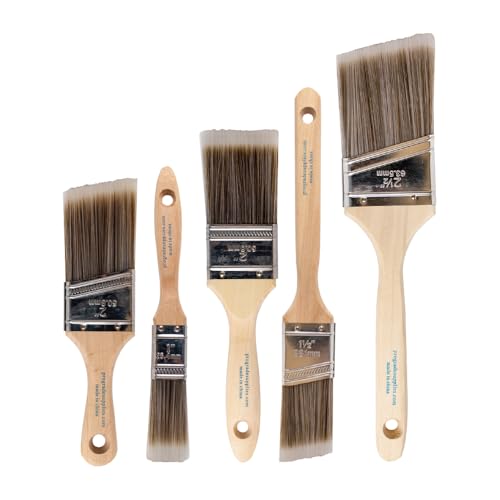
This five-brush set covers the sizes professional painters use daily: a 1-inch flat, 1.5-inch angle, 2-inch flat, 2-inch angle stubby, and 2.5-inch angle. The synthetic filaments are locked in with precision-set adhesive that the manufacturer says prevents shedding, and they work with latex, oil-based paint, primer, sealer, and stain. For someone painting doors and trim start to finish, this covers every edge and surface without needing to buy extra brushes.
For a DIYer or contractor who wants a complete kit at a smart value, these are hard to beat. The set includes five brushes: a 1-inch flat, a 1.5-inch angle, a 2-inch flat, a 2-inch angle stubby, and a 2.5-inch angle. That covers everything from broad wall coverage to tight cabinet interiors and detailed cutting-in work. Professional painters rely on the 2-inch angle stubby for window sashes and inside corners where standard angle brushes are too long. The entire set costs less than a single brush from hardware store brands, yet delivers professional-grade performance. Reviewers report the synthetic filaments load more paint and release it evenly for a smooth, streak-free finish on latex or oil-based paints, primers, sealers, and wood stains.
Purdy XL Glide Angular Trim Brush
What We Like
- Made in the United States
- Hardwood handle for control
- Angled trim design for precision
- Nylon-polyester blend bristles
Trade-offs
- Single brush only, no set included
- 2-inch width limits coverage on large flat areas
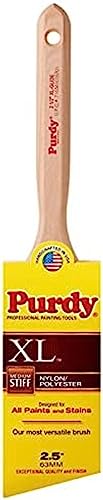
The Purdy XL Glide Angular Trim Brush is made in the United States, which signals a level of craftsmanship that matters when you’re cutting in around door frames or baseboards. Its 2-inch width suits trim work and standard sash painting. The hardwood handle gives you a solid grip, and the nylon-polyester blend bristles work with both latex and oil-based paints, so you don’t have to swap brushes between projects.
The trade-off is that you get one brush, not a set, which means if you’re painting both wide trim and tight corners you’ll need to either buy more or work in stages. For a painter who values a single, well-built tool for detailed trim and doors, this is the brush to reach for.
Wooster Shortcut Angle Sash Paintbrush
What We Like
- 2-inch handle for tight-space maneuverability
- Nylon-polyester blend works with all paints
Trade-offs
- Short handle limits reach on large flat surfaces
- 2-inch width slows coverage on wide door panels
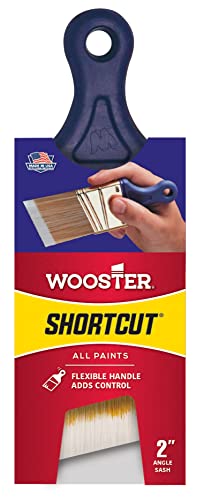
The handle on this brush measures only 2 inches, which adds maneuverability in tight spaces where a longer handle would get in the way. The flexible purple Shergrip handle lets you work in cramped areas without bumping into nearby surfaces. It’s designed for painters who need to cut in around trim or reach awkward spots in confined areas.
The Wooster Shortcut Angle Sash Paintbrush has a handle that measures only 2 inches long, which lets you maneuver into tight spots like window corners or cabinet edges where a full-length handle would bump into things. For broad, flat surfaces like a door, a brush with a longer handle, such as the Purdy XL Glide angular trim brush, might feel more natural for long strokes. But when you’re cutting in around trim or working in a cramped space, the Shortcut’s compact grip and nylon-polyester blend bristles give you control without fighting for room.
Pro Grade 2 Inch Angled Brush 3-Pack

What We Like
- Three brushes for multi-room projects
- Angled tip for precise cutting-in
- Works with latex, oil, and stains
Trade-offs
- 2-inch width slower on large flat surfaces
- No ergonomic handle for long sessions
Three 2-inch angled brushes in one pack mean you can keep one for latex, one for oil, and still have a spare for stains without stopping to wash. That’s the real win here: the 3-pack turns a single brush into a system for tackling multiple rooms or repeat jobs, especially when you’re moving between trim, doors, and cabinets. The synthetic filaments hold more paint and reduce streaks, so you get clean lines around baseboards and corners with fewer dips.
A 2-inch brush is built for precision, not speed, if you’re painting broad wall sections, the narrow head will feel slow compared to a wider trim brush like the Purdy XL Glide 2-inch. But for doors, trim, and detailed cabinetry, this pack delivers consistent control across three brushes at a practical value. It’s a straightforward kit for anyone who wants one purchase to cover the whole trim job.
Product photos
Wooster Tip Angle Sash Paintbrush

What We Like
- Angled sash head for precise cutting-in
- Works with both latex and oil paints
- Corrosion-resistant stainless steel ferrule
Trade-offs
- 2-inch width limits coverage on wide trim
- Hardwood handle lacks ergonomic grip for long sessions
The 2-inch width is ideal for cutting in along edges and corners, but it feels slow on wide door panels or broad baseboards. For large flat surfaces, a wider brush would cover more area per stroke. For precision work where a smooth finish matters, this Wooster brush earns its place in your kit.
Product photos
Purdy XL Brush 3-Pack
What We Like
- Three sizes cover trim and doors
- Stainless steel ferrule resists rust
- Works with all paint and stain types
- Suitable for indoor and outdoor use
Trade-offs
- No angled brush for tight corners
- No angled brush for cutting in trim.
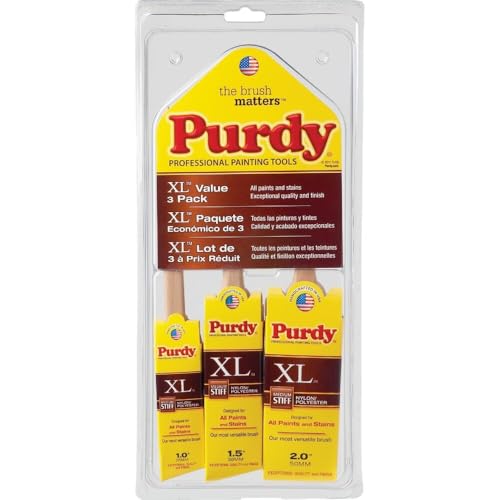
A 3-pack that includes 1-inch, 1.5-inch, and 2-inch brushes means you can handle everything from narrow window sash to wide door panels without switching sets. The polyester-nylon blend bristles work with any paint or stain, interior or exterior, so you’re not locked into one project type. This set covers most door and trim work in one box, offering real versatility for general painting tasks.
The set includes three different brush sizes, 1 inch, 1-1/2 inch, and 2 inch, so you can handle everything from narrow trim to wider surfaces without switching to a different pack. These brushes work with all paints and stains, indoors or out, which makes them a practical choice for most projects. Reviewers note that the stainless steel ferrule and wood handle give the brushes a balanced feel during use.
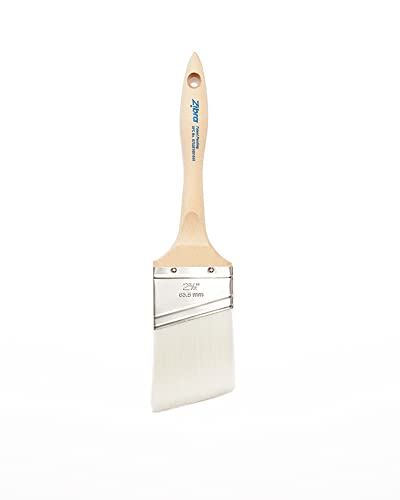
Zibra Angled Paint Brush 2.5-Inch
What We Like
- Ergonomic hourglass handle reduces hand cramping
- Pro-grade construction with aluminum and epoxy
- Suitable for all paints and stains
Trade-offs
- 2.5-inch width less precise for narrow trim
A 2.5-inch width and 25% more filament pack-out than industry-standard brushes mean this Zibra holds more paint in the bristles, so you can cover more area between dips. That combination makes it a natural pick when you’re facing big door panels or wide baseboards and want to keep moving. The hourglass handle is shaped to reduce hand cramping, which helps during long painting sessions.
That same generous width means for a 1-inch mitered corner or a tight window sash, you’ll want a narrower brush like the Wooster Shortcut Angle Sash. But for doors, wainscoting, and long runs of trim, the Zibra’s construction with aluminum inserts, epoxy glue, and threaded nails gives it a solid feel. It’s a dedicated surface-sweeper, not a detailer, and that focus is exactly what makes it worth grabbing for the big jobs.
Product photos
Corona Mini Boss Paint Brush 1.5-Inch

What We Like
- Short handle for tight-area control
- Unlacquered hardwood Palmgrip handle
Trade-offs
- 1.5-inch width covers less area than 2-inch brushes
- Short handle limits reach on large flat surfaces
At 1.5 inches wide, it covers less surface per stroke than a 2-inch brush like the Purdy XL Glide angular trim brush. So you will reload more often on long runs. The short handle keeps you close to the work rather than allowing long sweeping strokes. For extended stretches of trim, a longer brush might be more efficient. But for precise cutting-in and tight spots, this brush offers the control you need.
Bates Choice Paint Brushes 6-Pack

What We Like
- Six brushes cover many sizes
- Natural bristles hold more paint
- Lightweight wood handles reduce fatigue
- Works with oil and latex stains
Trade-offs
- Natural bristles best for oil-based paints and latex stains
- Weighs 0.9 pounds, heavier than many single brushes
Six brushes in one pack means you get three flat and three angled sizes from 1 inch up to 2.5 inches. That lets you switch between cutting in trim and rolling out a door without grabbing a different tool. That variety makes this set a smart budget-friendly choice for homeowners who want one purchase to cover an entire room of trim and doors. The natural bristles are designed to hold more paint, creating a smoother finish with fewer streaks and saving you time on the job. The lightweight wood handles keep your hand from tiring during long sessions on cabinets or baseboards.
Product photos
Zibra Triangle Paint Brush 1.25-Inch

What We Like
- Triangle shape reaches tight corners precisely
- Ergonomic hourglass handle reduces hand cramping
- Triangle shape for wall corners and molding
Trade-offs
- 1.25-inch width is narrow for large trim runs
- Triangle shape feels awkward for traditional painters.
A 1.25-inch triangle brush that packs 25% more filament than industry standard brushes means you get smooth, controlled paint release. This brush is designed for wall corners, raised panels, detailed molding, and more, offering precision and accuracy when cutting in or painting murals. The ergonomic hourglass handle provides optimum comfort and reduces hand cramping for all-day ease of use.
At 1.25 inches wide, this brush covers less surface per stroke than a 2-inch angled brush like the Purdy XL Glide angular trim brush. So it’s slower for long baseboards or wide door frames. It’s a specialist tool that excels exactly where it’s designed to work.
Product photos
How We Evaluated Paint Brushes For Doors And Trim
To find the best paint brushes for doors and trim, we researched manufacturer data sheets, read expert recommendations from professional painters, and analyzed patterns in owner feedback across multiple retail platforms. Our goal was to identify brushes that deliver clean lines, hold enough paint, and feel comfortable during extended use.
We evaluated each brush on four key criteria. Brush size and shape was the most important factor. The wrong width or angle makes trim work frustrating. Bristle material determines how smoothly paint lays down and whether the brush works with latex, oil, or both. Handle design affects control and fatigue during long painting sessions. Finally, overall value considers whether a single brush, a multi-pack, or a specialty shape gives you the best return for your project.
This guide draws on product information to help you find a reliable starting point for your purchase.
What To Look For In Paint Brushes For Doors And Trim
Choosing the right brush for doors and trim means balancing precision, paint compatibility, and comfort. Focus on the three criteria below to make a confident choice.
A 2-inch angled brush is the most versatile size for doors and trim. Look for nylon-polyester blend bristles for use with both latex and oil paints. A comfortable handle reduces hand fatigue during detailed work.
Brush Size and Shape
A 2-inch angled brush is the standard for cutting in around door frames and painting flat door panels. The angle lets you get a clean line against trim without taping. For narrow moldings and window sash, a 1.5-inch brush offers better control. For wide baseboards and large door panels, a 2.5-inch brush speeds up coverage. The shape matters: beveled or flagged bristles hold more paint and release it smoothly.
Bristle Material
Nylon-polyester blend bristles are the most versatile choice, working well with both water-based latex paints and oil-based paints. Natural bristles (often hog or ox hair) are best for oil-based paints and stains because they hold more paint and lay it down evenly. For latex paints, natural bristles can become soggy and leave brush marks. If you switch between paint types, a synthetic blend is the safest bet.
Handle Design and Comfort
Trim work requires precision, which means gripping the brush close to the ferrule. A short handle (like a stubby or sash brush) gives you that control for tight spaces. For long runs of baseboard, a longer handle reduces hand cramping by letting you grip farther back. Some brushes feature ergonomic hourglass or contoured handles that distribute pressure more evenly. Look for hardwood handles over softwood for better durability and balance.
- Choose a 2-inch angled brush for general trim and door work.
- Pick a nylon-polyester blend for use with any paint type.
- Select a short handle for tight spaces and a longer handle for fatigue-free runs.
- Check for a corrosion-resistant ferrule, preferably stainless steel.
- Consider a multi-pack if you have several rooms or paint types to cover.
A single high-quality brush is better than a set of poor ones, but a good set saves time on multi-room projects.
Paint Brushes For Doors And Trim Compared
The table below compares the ten best paint brushes for doors and trim side by side, highlighting their key features and best uses.
| Product | Bristle Material | Brush Width | Brush Count |
|---|---|---|---|
| Pro Grade Paint Brush Set 5-Piece | Synthetic | 1, 1.5, 2, 2.5 in | 5 |
| Purdy XL Glide Angular Trim Brush | Nylon Polyester | 2 in | 1 |
| Wooster Shortcut Angle Sash Paintbrush | Nylon-polyester blend | 2 in | 1 |
| Pro Grade 2 Inch Angled Brush 3-Pack | Synthetic | 2 in | 3 |
| Wooster Tip Angle Sash Paintbrush | 100% CT polyester | 2 in | 1 |
| Purdy XL Brush 3-Pack | Polyester-nylon blend | N/A | 3 |
| Zibra Angled Paint Brush 2.5-Inch | N/A | 2.5 in | 1 |
| Corona Mini Boss Paint Brush 1.5-Inch | N/A | 1.5 in | 1 |
| Bates Choice Paint Brushes 6-Pack | Natural bristles | N/A | 6 |
| Zibra Triangle Paint Brush 1.25-Inch | N/A | 1.25 in | 1 |
Frequently Asked Questions
What size paint brush is best for painting doors and trim?
A 2-inch angled brush is the most versatile size for doors and trim. It is wide enough to cover flat panels efficiently yet narrow enough to cut in cleanly against walls and moldings. For narrow trim or window sash, a 1.5-inch brush offers better control. For wide baseboards or large door panels, a 2.5-inch brush speeds up the job.
What is the best brush for cutting in on trim?
An angled sash brush is the best choice for cutting in on trim. The angled tip allows you to paint a straight line against the wall without tape, which saves time and produces a cleaner result. Look for a 2-inch angled brush with flagged bristles for the most precise paint release.
Can I use the same brush for latex and oil-based paint?
Yes, if you choose a brush with nylon-polyester blend bristles. These synthetic bristles work well with both water-based latex paints and oil-based paints. Natural bristle brushes are best reserved for oil-based paints and stains only, as they can absorb water and become limp with latex paint.
How do I clean paint brushes after painting doors and trim?
For latex paint, rinse the brush thoroughly with warm water and mild soap until the water runs clear. For oil-based paint, use mineral spirits or paint thinner, then wash with soap and water. Always reshape the bristles and let the brush dry flat or hanging bristle-side down to prevent damage.
What is the difference between a sash brush and a trim brush?
A sash brush has an angled tip designed for cutting in along window sashes and trim, while a trim brush is typically straight-cut and used for painting flat surfaces like baseboards and door panels. For most door and trim work, an angled sash brush is more versatile because it helps you create clean lines without tape.
The Bottom Line
For most DIYers and professionals, the Pro Grade Paint Brush Set 5-Piece is the best overall choice. It gives you five brush sizes to handle every trim and door task in one affordable package, and it works with both latex and oil-based paints. If you prefer a single, American-made brush with a hardwood handle, the Purdy XL Glide Angular Trim Brush is a worthy upgrade for precision work.
Budget-conscious shoppers should look at the Bates Choice Paint Brushes 6-Pack, which offers six natural-bristle brushes ideal for oil-based paints and stains. For painters who struggle with hand fatigue on large door panels, the Zibra Angled Paint Brush 2.5-Inch features an ergonomic hourglass handle that reduces cramping.
The single most important factor when buying a paint brush for doors and trim is choosing the right size and shape for your specific project. A 2-inch angled brush is the safest starting point, but understanding your trim width and painting style will guide you to the perfect tool.
