
10 Best Paint Brushes For Cutting In in 2026
This post contains affiliate links. As an Amazon Associate, we earn from qualifying purchases.
For cutting in clean lines without tape, the Wooster Shortcut Angle Sash Paintbrush is the best overall pick. Its short 2-inch handle and flexible Shergrip give you unmatched control in tight corners and along trim. For a budget-friendly option that performs, the Pro Grade 2 Inch Angled Paint Brush delivers excellent edge control. The Purdy 2-1/2 Inch Angle Sash Paint Brush is the top choice for those who want a wide, firm brush made in the United States.
The real challenge of cutting in is maintaining a steady hand while reaching awkward spots around windows, doors, and ceilings. A brush that offers precise control, the right bristle stiffness, and a comfortable grip makes all the difference between a crisp line and a messy bleed.
This guide is research-based, drawing on manufacturer specifications, expert round-ups, and patterns in owner feedback to help you choose the right brush. We focus on the features that matter most for cutting in, so you can paint with confidence.
Top 10 Paint Brushes For Cutting In in the Market
Certain content that appears on this site comes from Amazon. This content is provided "as is" and is subject to change or removal at any time.
The Best Paint Brushes For Cutting In, Reviewed
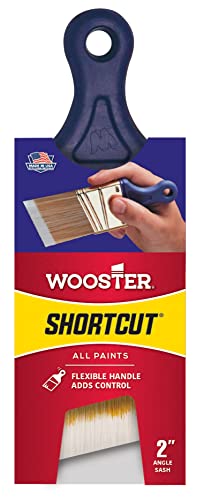
Wooster Shortcut Angle Sash Paintbrush
What We Like
- Short 2-inch handle for tight spaces
- Flexible Shergrip improves maneuverability
- Nylon/polyester blend works with all paints
Trade-offs
- Tiny 2-inch handle cramps large hands.
A handle that measures only 2 inches long is the defining feature here, it lets you pivot the brush into corners, around window casings, and behind cabinets where a standard-length handle would bump into obstacles. The flexible purple Shergrip handle adds maneuverability in tight spaces, and the white nylon and gold polyester blend works with all paints. This brush suits anyone who needs precise edges in cramped spots, especially trim carpenters and detail painters who value close-quarters agility over sweeping strokes.
The 2-inch brush width is ideal for precise cutting-in around windows and trim, but it will slow you down on long, straight wall sections where a wider brush would cover more ground faster. The short handle gives you excellent control in tight spots like corners and behind cabinets, though you’ll find yourself hunching over more on open walls. For detail work around baseboards and door frames, this compact design is a clear advantage; for broad, uninterrupted runs, a longer-handled brush may feel more natural.
Pro Grade 2 Inch Angled Paint Brush

What We Like
- Medium stiff bristles for clean edge control
- Works with both latex and oil-based paints
- Angled tip for precise cutting-in
Trade-offs
- At 2 inches, slower on large wall sections
- Medium-stiff bristles unsuitable for delicate stencil work
The trade-off is that 2 inches is a dedicated trim size, not a wall roller substitute. If you are covering broad expanses of wall, you will still need a larger brush or roller for speed. The medium-stiff bristles give you control on crisp lines; for delicate stencil work, a finer filament brush would be a better fit.
Product photos
Purdy 2-1/2 Inch Angle Sash Paint Brush
What We Like
- 2-1/2 inch angle for precise cutting in
- Firm nylon/polyester bristle holds shape
- Hardwood handle offers comfortable grip
- Made in the United States
Trade-offs
- Firm bristle less forgiving on rough surfaces
- Narrower brushes fit tighter corners better
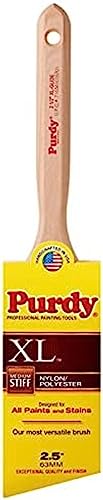
A 2-1/2 inch angle sash brush gives you a broad cutting edge that covers more wall in fewer strokes, so you can zip along trim and ceilings without constant reloading. The firm nylon/polyester bristle holds a sharp chisel edge, which helps you lay down a clean line against tape or existing paint. This brush suits anyone who values durability and wants a tool built with care, especially if supporting domestic manufacturing matters to you.
The Purdy 2-1/2 Inch Angle Sash Paint Brush is made in the United States, which for many buyers means consistent quality control from a brand that’s been around for decades. At just 0.2 pounds, it’s light enough to handle all day without your wrist tiring, and the 2-1/2-inch width covers more surface per stroke than narrower trim brushes. That extra width helps you maintain a steady pace on long baseboards or window casings, though some users might prefer a smaller brush for very tight spots.
Wooster Tip Angle Sash Paintbrush

What We Like
- Soft polyester filaments for smooth finish
- Angled sash design for precision cutting-in
- Corrosion-resistant stainless-steel ferrule
- Works with latex and oil-based paints
Trade-offs
- No rubber grip for wet or slippery hands
The 100% CT polyester bristles are the heart of this brush. They flex just enough to lay paint down flat, leveling out as you go so brush marks almost disappear. That softness is exactly what you want when cutting in along trim or corners, you can feather the edge without leaving a hard line. For anyone who values a refined, nearly spray-like finish on interior work, this brush delivers that smoothness stroke after stroke.
The softness comes with a drawback. The hardwood handle is comfortable for typical painting sessions, though some users may prefer a padded grip for extended use. Still, for precision and a clean finish, this brush earns its place.
Product photos
WHIZZ The Wedge Angle Sash Paint Brush

What We Like
- Patented wedge for precise cutting-in lines
- Stainless-steel ferrule resists rust
- Natural hardwood handle wicks moisture
- Polyester filament offers firm control
Trade-offs
- 3-inch width too large for 1-inch trim
- Polyester bristles lack nylon's flexibility for detailed curves
The patented WEDGE design creates a thick leading edge that holds paint while the thin trailing edge glides into tight corners, so you can cut a crisp line along baseboards or ceiling edges without taping. A natural hardwood handle with moisture-wicking properties keeps your grip secure even after hours of work, and the stainless-steel ferrule won’t rust if you rinse it between coats.
The patented WEDGE design is the standout feature here. A thick leading edge lays down paint while a thin trailing edge cuts a precise line, so you spend less time fighting for straight edges on trim and cut-in work. The 3-inch width is a standard sash brush size, and it works with premium paints, primers, and stains. For very narrow trim, a smaller brush might be handier, but the wedge shape is built to speed up trimming and cutting-in overall.
Product photos
Zibra Precision Detail Paint Brush

What We Like
- 25% more paint pack-out for fewer dips
- Precision angled tip for tight lines
- Ergonomic hourglass handle reduces hand cramping
Trade-offs
- 2-inch width limits coverage on large walls
The Zibra Precision Detail Paint Brush uses Smooth Filament Technology that packs 25% more filament into its 2-inch angled head than industry-standard brushes, which means you get more paint pick-up and controlled release for smoother lines. The stubby hourglass handle is designed to reduce hand cramping during extended use, and the aluminum inserts, epoxy glue, and threaded nails help the brush hold up through repeated cleaning. This brush is built for precision work around trim, outlets, and furniture edges, where that extra pack-out and control matter most.
The 2-inch width is ideal for tight corners and door frames, but if you are covering large wall sections, a wider brush may be more efficient. The Wooster Shortcut Angle Sash Paintbrush is a 2-inch brush as well, so it offers similar coverage per stroke. For broader edges, you might consider a wider brush from the other options listed. The Zibra’s ergonomic handle and dense filament pack are its key advantages for detail work, making it a good fit for furniture, trim, and small areas where control and comfort are priorities.
Corona Mini Boss Paint Brush

What We Like
- Short handle gives more control
- Short handle for tight areas and more control
- 1.5-inch angled tip
Trade-offs
- 1.5-inch width covers less area per stroke
- Short handle limits reach on large walls
Because the handle is short and the brush is narrow, you’ll find yourself reloading more often than you would with a wider brush like the Wooster Shortcut. That’s the trade-off for getting into spots where a 2-inch brush won’t fit. For detailed work on cabinets, window frames, or built-ins, the extra trips to the paint tray are a small price for the control you get.
Shur-Line Pro Thin Angled Paint Brush
What We Like
- Thin profile slips into tight gaps
- Holds a full, controlled paint load
- Works with latex and oil paints
- Sturdy ferrule and comfortable handle
Trade-offs
- Too wide for 1-inch or smaller trim gaps
- Handle too short for tall ceilings or overhead work
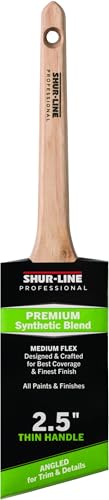
A 2.5-inch thin angled profile is the defining feature here, letting the brush slide into narrow gaps and tight trim spaces where standard brushes would smudge or struggle. This makes it a natural fit for detail-oriented cutting-in work, think window casings, baseboards, or crown molding, where a clean, crisp line matters more than covering large areas fast. The bristles carry a controlled load and release paint evenly, so you reload less often and maintain a wet edge without drips. For anyone who values precision over speed, this brush delivers exactly that focused performance.
The thin profile does mean the brush carries less paint volume than a wider, fuller-bodied brush such as the Purdy 2-1/2 Inch Angle Sash, which is designed for covering larger areas quickly. For long runs of trim, you may need to reload more often, but that is the nature of a precision tool. The Shur-Line cleans up easily and holds its shape job after job, making it a reliable companion for careful, deliberate work.
Purdy Clearcut Dale Angular Trim Paint Brush
What We Like
- Stiff bristles for precise cut-in
- Lightweight alderwood handle for control
- Works with all latex paints and primers
- Handcrafted in the USA
Trade-offs
- 1-1/2 inch width slower for wide trim
- Stiff bristles less suited for rough surfaces
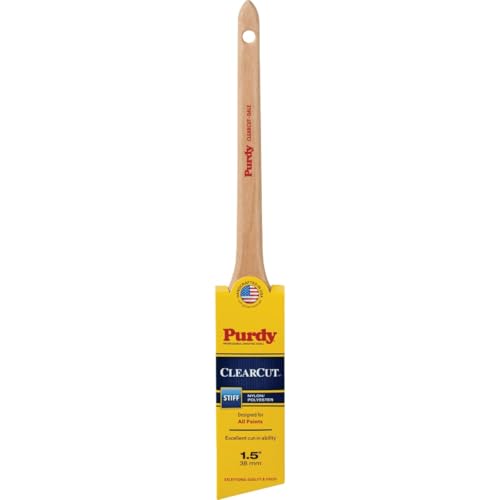
A 1-1/2 inch brush width and stiff Tynex nylon and Orel polyester blend bristles give this Purdy the control needed for cutting in around molding, corners, and ceilings. The lightweight alderwood handle and stainless steel ferrule keep it balanced in your hand, so you can hold steady lines without fatigue. This is the brush for anyone who values precision over speed, ideal for detailed trim work where a clean edge matters more than covering large areas fast.
The narrow width means more strokes if you’re working on wide baseboards or window casings. Compared to the Wooster Shortcut Angle Sash Paintbrush, which has a 2-inch width for broader coverage, the Purdy Dale demands a bit more patience on larger runs. But for tight, exact corners and fine trim, the narrow head and stiff bristle pack are well suited to the task.
Product photos
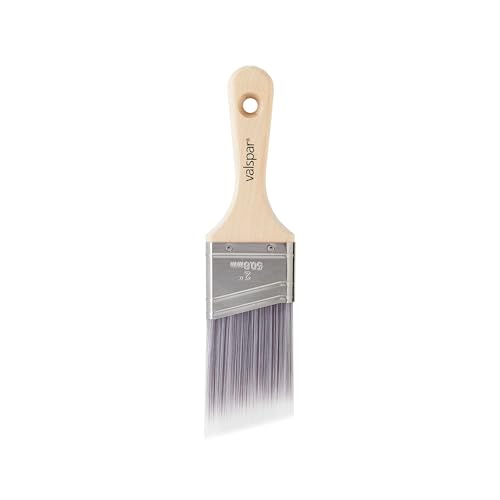
Valspar Wall and Trim Short Angle Brush
What We Like
- Extra stiff blend for precision
- Stainless steel ferrule resists rust
- Works with all paints and stains
- Suitable for interior and exterior
Trade-offs
- Short handle limits reach on large walls
- Stiff bristles less forgiving on curved trim
An extra stiff polyester/nylon blend gives this brush a firm, unyielding edge that holds its shape even under heavy pressure. That stiffness translates directly into razor-sharp cut lines along baseboards and window frames, with no bristle splay to blur the boundary. It suits painters who want maximum control and precision, especially when working with thicker paints or stains that demand a confident, steady hand.
The extra stiff polyester/nylon blend gives you precise control for cutting straight lines, which is why this brush works especially well for trim and sash work. The short handle keeps your hand close to the surface, making detail painting easier, though you’ll lose reach on large walls. Compared to the Wooster Shortcut Angle Sash Paintbrush, the Valspar’s stiffer bristles provide a firmer feel for crisp edges, while the Wooster’s blend may suit those who want more flex.
Product photos
How We Evaluated Paint Brushes For Cutting In
Our evaluation relied on a thorough review of manufacturer specifications, expert recommendations from professional painters, and common themes found in thousands of owner reviews. We prioritized features that directly impact cutting-in performance rather than general painting ability.
The four criteria that mattered most were bristle composition and stiffness, handle design for control, brush width for the task, and ferrule construction for durability. A brush with the wrong bristle blend can leave streaks, while a poorly shaped handle causes hand fatigue and shaky lines.
We did not test these brushes ourselves. Instead, we synthesized available data to identify the best tools for specific cutting-in needs. This approach gives you a clear, honest picture of what each brush offers without claiming hands-on experience.
What To Look For In Paint Brushes For Cutting In
Choosing the right brush for cutting in means understanding how bristle type, handle shape, and brush width affect your ability to paint a straight line. Here are the key factors to consider.
Look for a brush with a chiseled or angled tip, firm enough to hold its shape but flexible enough to follow contours. A comfortable handle that reduces fatigue is essential for steady lines.
Bristle Composition
The bristles are the heart of any cutting-in brush. Nylon and polyester blends are the most common, offering a balance of stiffness and flexibility. Nylon bristles hold their shape well and work with latex paints, while polyester is softer and better for smooth finishes. A blend of both gives you the best of both worlds: enough stiffness for crisp lines and enough flexibility to avoid brush marks.
For razor-sharp edges, look for a brush with flagged or chiseled tips. Flagged tips hold more paint and release it evenly, while chiseled tips help you place the paint precisely at the edge.
Handle Design
Cutting in requires a steady hand, and the handle is your connection to the brush. A longer handle provides better reach for ceilings and tall walls, while a shorter handle gives you more control in tight spaces like corners and window frames. Ergonomic grips, such as rubberized or contoured shapes, reduce hand fatigue during long painting sessions.
The Wooster Shortcut’s 2-inch handle is a prime example of a design that prioritizes control in confined areas, but it may feel cramped for those with larger hands or for painting long, straight edges.
Brush Width
Wider brushes, around 2.5 inches, cover more area quickly and are ideal for cutting in along long wall edges and baseboards. Narrower brushes, between 1.5 and 2 inches, offer greater precision for tight corners, trim, and around outlets. The right width depends on the scale of your project.
- Choose a 2.5-inch brush for large rooms and long, straight cuts.
- Choose a 2-inch brush for standard trim and window frames.
- Choose a 1.5-inch brush for intricate detail work and narrow gaps.
- Match the brush width to the surface you are painting for the best control.
A good rule of thumb is to use the widest brush you can comfortably control for the task at hand.
Paint Brushes For Cutting In Compared
The table below compares the key specifications of our top picks, helping you see at a glance which brush suits your cutting-in needs.
| Product | Bristle Type | Handle Material | Brush Width |
|---|---|---|---|
| Wooster Shortcut Angle Sash Paintbrush | Nylon/polyester blend | Flexible purple Shergrip | 2 inches |
| Pro Grade 2 Inch Angled Paint Brush | Medium stiff synthetic | N/A | 2 inch |
| Purdy 2-1/2 Inch Angle Sash Paint Brush | Nylon/Polyester | Hardwood | 2-1/2 Inch |
| Wooster Tip Angle Sash Paintbrush | 100% CT polyester | Hardwood | 2 inches |
| WHIZZ The Wedge Angle Sash Paint Brush | Polyester filament | Natural hardwood | 3 inches |
| Zibra Precision Detail Paint Brush | Smooth Filament | Ergonomic hourglass | 2 inches |
| Corona Mini Boss Paint Brush | N/A | Short, unlacquered hardwood | 1.5 inches |
| Shur-Line Pro Thin Angled Paint Brush | Angled, thin profile | Comfortable | 2.5 inches |
| Purdy Clearcut Dale Angular Trim Paint Brush | Tynex nylon / Orel polyester blend | Alderwood | 1-1/2 inch |
| Valspar Wall and Trim Short Angle Brush | Polyester/Nylon | N/A | 2 in. |
Frequently Asked Questions
What does cutting in mean in painting?
Cutting in is the technique of painting a straight line along edges, corners, and trim without using painter’s tape. It requires a steady hand and a brush with a precise, angled tip to create a clean boundary between the wall and ceiling or between different paint colors.
What size brush is best for cutting in?
A 2 to 2.5-inch angled sash brush is the most versatile size for cutting in. The 2.5-inch width covers more area quickly on long edges, while a 2-inch brush offers better control around windows, doors, and tight corners.
Are angled or straight brushes better for cutting in?
Angled brushes are generally preferred for cutting in because the slanted tip allows you to paint a precise line while keeping the brush handle away from the surface. This design gives you better visibility and control compared to a straight-cut brush.
How do you keep a paint brush from leaving streaks when cutting in?
Use a brush with flagged or chiseled nylon/polyester bristles, which hold more paint and release it evenly. Load the brush correctly by dipping it about one-third into the paint, then tap off the excess. Applying even pressure and maintaining a consistent stroke speed also helps prevent streaks.
Can you use any paint brush for cutting in?
While you can cut in with any brush, a dedicated angled sash brush with firm, flagged bristles makes the job much easier. Brushes with soft or stiff bristles that lack a precise tip will produce less clean lines and require more effort to achieve a professional result.
The Bottom Line
The Wooster Shortcut Angle Sash Paintbrush is our top pick for anyone who needs precise control in tight spaces, thanks to its clever short handle and flexible grip. It is the best choice for detail-oriented painters working around trim, corners, and other confined areas.
If you need multiple brushes for a large project, the Pro Grade 2 Inch Angled Paint Brush offers great value without sacrificing edge control. For those who prefer a wider brush for fast cutting in on long edges, the Purdy 2-1/2 Inch Angle Sash Paint Brush is a solid American-made option.
The single most important factor in choosing a cutting-in brush is matching the bristle stiffness and handle design to your specific painting conditions. A brush that feels comfortable and gives you a sharp line will make your project faster and more enjoyable.
