
10 Best Paint Brushes For Cutting In Ceiling in 2026
This post contains affiliate links. As an Amazon Associate, we earn from qualifying purchases.
The best paint brush for cutting in ceiling is the Zibra Precision Detail Paint Brush. Its ergonomic hourglass handle reduces hand cramping during overhead work, and the pro-grade build delivers precise ceiling-edge control. For a smooth finish on trim, the Wooster Gold Edge Angle Sash Paintbrush is a top choice, while the Purdy Angle Sash Firm Paint Brush is the best US-made option.
Cutting in a ceiling means holding a brush at an awkward angle for long stretches. Hand fatigue, bristle fraying, and imprecise lines are the real obstacles. The right brush makes this tedious job faster and far less frustrating.
This guide is based on a deep review of manufacturer specifications, expert round-ups, and patterns in owner feedback. We evaluated dozens of brushes to find the ten that offer the best combination of control, comfort, and durability for ceiling work.
Top 10 Paint Brushes For Cutting In Ceiling in the Market
Certain content that appears on this site comes from Amazon. This content is provided "as is" and is subject to change or removal at any time.
The Best Paint Brushes For Cutting In Ceiling, Reviewed
Zibra Precision Detail Paint Brush

What We Like
- Ergonomic hourglass handle reduces hand cramping
- Pro-grade build with aluminum inserts and epoxy
- 25% more filament pack-out than standard brushes
Trade-offs
- Short stubby handle limits reach for tall ceilings
- 2-inch width requires more passes on long ceiling edges
A 2-inch angled brush with Smooth Filament Technology that provides 25% more pack-out than standard brushes means the bristles are denser, which helps with paint pickup and smooth application. The ergonomic hourglass handle is designed to reduce hand cramping, so you can keep your wrist steady through a long afternoon of trim work. The precision detail tip gives you the control to cut in along edges without tape, making this the brush to grab when clean lines matter more than speed.
The 2-inch width lets you work precisely around outlets and corners, but it means more passes along a long ceiling edge than a wider brush would require. The stubby hourglass handle reduces hand cramping during extended use, though it keeps you closer to the surface, fine on a step stool, less comfortable when reaching from a ladder. For a painter who values control and all-day comfort over covering large areas fast, this brush delivers exactly what its design promises.
Wooster Gold Edge Angle Sash Paintbrush
What We Like
- Smooth paint flow from premium synthetic bristles
- Stainless steel ferrule resists rust
- Comfortable wood handle for control
- Angle sash design for detailed cutting in
Trade-offs
- Wood handle lacks short-handle leverage for overhead work
- 2-inch width is narrow for covering large wall areas.
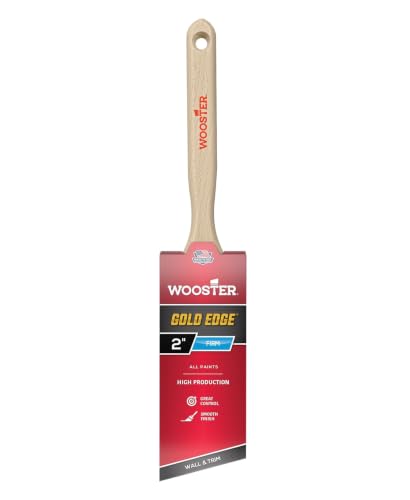
A 2-inch angle sash brush with premium synthetic filament blend is built for precision, not speed. The bristles lay paint down evenly, which matters most when you’re feathering a line between ceiling and wall. That stainless steel ferrule won’t rust from cleaning, and the wood handle sits comfortably in your hand for controlled strokes. This brush suits anyone who values a clean, smooth edge over raw efficiency, especially on textured ceilings or glossy trim where brush marks show.
The Wooster Gold Edge Angle Sash Paintbrush uses a premium synthetic filament blend that delivers smooth paint flow and a clean, even finish, so you can trust the result on trim and detailed areas. Its 2-inch width is narrower than the Purdy 2-1/2-inch Angle Sash Firm. That means you trade a bit of coverage per stroke for the control the angled sash design provides when cutting in around windows and corners. The sash-style wood handle gives a balanced, comfortable grip, but it is not a short handle like the PinStone Smooth Finish brush, so overhead work requires a different technique. If you value a precise cut-in over raw speed, this brush suits you.
Purdy Angle Sash Firm Paint Brush

What We Like
- Hardwood handle for comfortable grip
- Nylon/polyester blend bristles hold paint well
- Made in the United States
- Angle sash design for cutting in
Trade-offs
- Firm bristles lack flex for tight corners
- Hardwood handle feels slippery with wet hands
A 2.5-inch angle sash brush with a hardwood handle and nylon/polyester bristles gives you the control needed for clean ceiling lines without overspray. This Purdy brush is made in the United States, and it suits anyone who wants a reliable tool for cutting in, especially when working with latex or oil-based paints on trim and ceilings.
The nylon/polyester blend bristle is stiffer than a soft trim brush, so it holds a sharp line on window sash and trim without bending out of shape. That firmness means you can push the paint into corners and along edges with authority. But on very smooth or fragile surfaces like lacquered cabinets or old plaster, the bristles may leave slight texture if you press too hard. Reviewers who work with delicate finishes often switch to a softer brush for those areas. For standard cutting-in on walls or painting door frames, the stiffness is a clear advantage, it keeps the tip precise and reduces the need to reload as often.
Vermeer Angled Paint Brush Set

What We Like
- Five angled sizes for precision cut-in
- Zero bristle loss construction
- Includes 2-inch stubby for tight spaces
- Works with latex and oil-based paints
Trade-offs
- 0.7 lb set is heavier than single brushes
- Medium stiff bristles less ideal for very smooth finishes
Five angled brushes from 1 to 2.5 inches, plus a stubby for tight corners, means you have the exact tool for every ceiling edge, trim line, and molding detail without switching to a flat brush. The synthetic medium-stiff bristles load plenty of paint and release it cleanly, while the zero-bristle-loss adhesive bonding keeps filaments locked in place job after job. This set suits anyone who cuts in regularly across multiple rooms and wants a matched range of sizes rather than hunting for individual brushes.
The set weighs 0.7 pounds, which is heavier than a single 2-inch brush like the Wooster Gold Edge at 0.2 pounds, so it’s less convenient to carry in a pocket or holster. For a painter who needs every angle size on hand for ceiling cut-in work, this collection delivers consistent results without bristle shedding. The softwood handles resist paint buildup and reduce hand fatigue during extended painting sessions.
Purdy ClearCut Cub Paint Brush
What We Like
- Compact 2-inch width for tight spaces
- Made in the United States
- Stiff bristles for firm application
Trade-offs
- 2-inch width is narrower than most ceiling cut-in brushes
- Short 0.8-inch length limits grip for large hands.
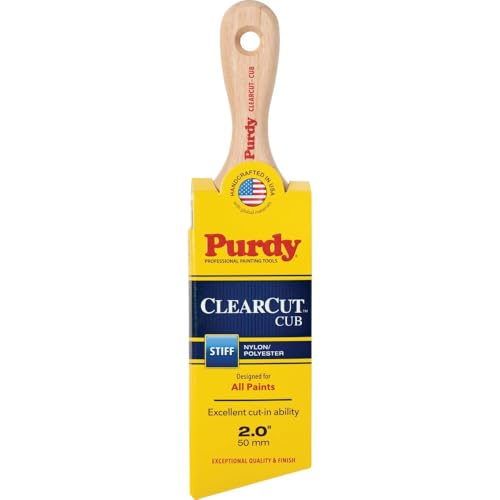
A 2-inch brush with stiff bristles is a practical choice for cutting in along ceilings and trim, especially when working on a ladder. The Purdy ClearCut Cub’s 2-inch width keeps the brush compact, making it easier to maneuver in tighter spots. The stiff bristles provide a firm feel against surfaces, which helps maintain a clean line. This brush is designed for precision tasks where control matters more than covering large areas quickly.
The Purdy ClearCut Cub is made in the United States, which often means consistent quality control. Its compact shape and stiff bristles suit precise trim work, though the 2.1-inch width covers less area per stroke than a wider brush. For large flat surfaces, a bigger brush would be faster.
Wooster Silver Tip Angle Sash Paintbrush
What We Like
- Six brushes in one pack
- Polyester blend bristles for durability
- 2.5-inch angle fits ceiling edges
Trade-offs
- No size variety in the pack
- Only 2.5-inch width, no smaller option included
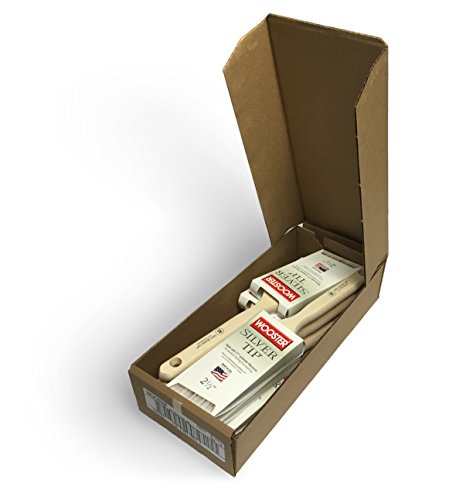
Six brushes in one pack let you keep working through multiple coats or rooms without stopping to clean a single brush. The 2.5-inch angle and polyester blend bristles are designed for straight lines and steady contact, which is what ceiling work requires. For anyone covering a lot of surface area, this set keeps the cost per brush low and the workflow uninterrupted.
The trade-off is that every brush in the pack is the same 2.5-inch width, which gives you plenty of reach but no smaller option for tight corners or trim details. If you need a narrower brush for precision work alongside your ceiling cuts, the Zibra Precision Detail Brush at 2 inches offers a different size for those tighter spots. For the ceiling job itself, though, this Wooster six-pack delivers the volume and consistency you want without overspending.
ROLLINGDOG Angled Paint Brush
What We Like
- Stiff 100% PBT filament holds shape
- Beech wood handle with sealed coating
- Works with water and oil based paints
Trade-offs
- Non-magnetic ferrule won't stick to magnetic holders
- At 0.3 lb, slightly heavier than some trim brushes
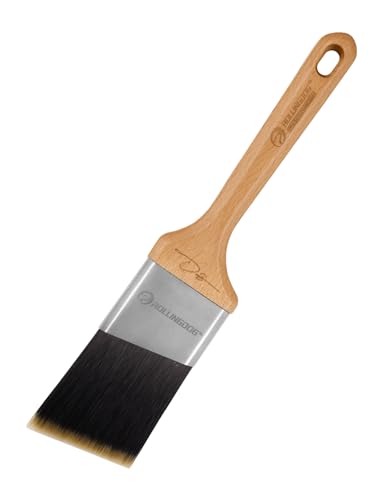
A 2.5-inch angled brush with stiff 100% PBT filament means you can lay down a clean edge along a ceiling line without the bristles splaying or bending out of shape. That stiffness is exactly what you want for cutting in, because a floppy brush forces you to slow down and fight the tool. This brush suits anyone who needs a firm, precise filament that keeps its shape wash after wash, especially when working with thicker paints like exterior-grade latex.
The trade-off is that the ferrule is non-magnetic, so it won’t stick to a magnetic brush holder if you like to keep your tools organized on a metal strip. At 0.3 pounds it’s a touch heavier than the Zibra Precision Detail Paint Brush, which weighs 0.2 pounds, so if you’re cutting in overhead for hours that extra ounce might be felt in your wrist. But for the painter who values a stiff, predictable bristle that holds a sharp line and rinses clean with both water and oil-based paints, this ROLLINGDOG brush delivers exactly what the filament promises.
Product photos
Corona Express Extra Long Chinex Brush

What We Like
- Extra long bristle picks up more paint
- Less dipping means higher efficiency
- Hand-formed chisel tip for precision work
Trade-offs
- Extra long bristle requires careful control
- Extra-long bristle requires a steady hand to control
The Corona Express Extra Long Chinex Brush carries an extra-long bristle that holds more paint per dip, so you spend less time reloading and more time painting. That design makes it a natural fit for cutting in ceilings, where reaching overhead and maintaining a steady line matter most.
The extra-long bristle requires a steady hand compared to shorter brushes, so if you are used to a more traditional length, you may need a few strokes to adjust. Compared to the Wooster Gold Edge Angle Sash, which has a different bristle design, the Corona focuses on paint pickup and efficiency. For detail work in tight corners or on narrow trim, a shorter sash brush might feel more nimble.
Product photos
Pro Grade Paint Brush Set
What We Like
- Includes 2-inch Angle Stubby for tight spaces
- Solid wood handles for comfort
- Works with latex and oil-based paints
Trade-offs
- Largest angle brush is only 2.5 inches
- No brush wider than 2.5 inches for large walls
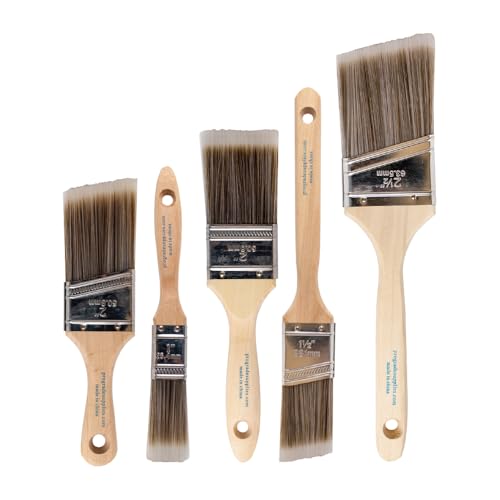
This 5-piece brush set covers the most common sizes painters reach for: 1-inch flat, 1.5-inch angle, 2-inch flat, 2-inch angle stubby, and 2.5-inch angle. The stubby brush is a practical addition for tight spots like cabinet interiors and window sashes that many sets leave out. Synthetic SRT filaments are designed to load paint well and release it evenly for a smooth finish on walls, trim, and ceilings. For a weekend painter or a contractor running multiple rooms, this is a practical way to keep brushes fresh on every job.
Product photos
PinStone Smooth Finish Short Handle Paint Brush

What We Like
- Rubber short handle for confined spaces
- Angled bristles for crisp edge lines
- Shed-free synthetic filaments hold paint well
- Works with water- and oil-based paints
Trade-offs
- Short handle reduces reach for tall ceilings
- 2-inch width slower on long straight runs
A 6.5-inch overall length with a short rubber handle means this brush puts your hand right next to the work, giving you precise control when cutting in along a ceiling line or into a tight corner. The angled synthetic bristles are designed to hold paint without dripping. So you can lay down a clean, sharp edge without fighting brush streaks. This makes the PinStone a natural fit for anyone who values accuracy over speed, especially in smaller rooms or around detailed trim where a long-handled brush would feel clumsy.
The short handle on these brushes keeps your hand close to the work, which helps with control in tight corners and around window frames. But you’ll need to reposition a ladder or step stool more often when painting a full ceiling. For comparison, the Wooster 12.5-inch Gold Edge Angle Sash Paintbrush is longer, so the PinStone’s shorter grip trades reach for stability in confined spaces. With three brushes in the pack, you can keep one for cutting in, another for trim, and a spare for touch-ups without stopping to clean a single brush.
Product photos
How We Evaluated Paint Brushes For Cutting In Ceiling
We analyzed product specs, manufacturer documentation, and expert recommendations to determine which brushes perform best for cutting in ceilings. Owner feedback patterns helped us understand real-world performance beyond the marketing claims.
The four criteria that mattered most were handle ergonomics for overhead use, bristle stiffness and shape retention, paint pickup and release, and build quality including ferrule and filament construction. A brush that causes hand fatigue or loses its shape after a few uses is not worth buying.
This guide is based on research that combines technical specifications with the collective experience of professional painters and dedicated DIYers found in expert round-ups and owner communities.
What To Look For In Paint Brushes For Cutting In Ceiling
Choosing a brush for cutting in a ceiling is about finding the right balance of control and comfort. Here are the key factors to consider.
Look for a brush with a comfortable, fatigue-reducing handle, stiff enough bristles to hold a sharp edge, and a width that matches the length of ceiling line you need to cut.
Handle Ergonomics For Overhead Work
Cutting in a ceiling requires holding the brush at or above shoulder height, which quickly strains the hand and wrist. An ergonomic handle, like the hourglass shape on the Zibra Precision Detail, reduces fatigue by promoting a natural grip. Short handles offer better control in tight spaces but limit reach for tall ceilings, while longer handles provide more leverage.
Bristle Stiffness And Shape
For crisp ceiling lines, you need bristles that hold their shape and resist fanning out. Stiff filaments, such as 100% PBT polyester or nylon/polyester blends, create a sharp edge. Softer bristles are better for smooth finishes on trim but can be harder to control for a straight ceiling line. Look for brushes with a chiseled or angled tip for precise cutting.
Brush Width And Paint Capacity
For cutting in ceilings, a 2-inch to 2.5-inch angled brush is the standard. A 2-inch brush offers maximum control for tight corners and detailed work, while a 2.5-inch brush covers more ground on long ceiling edges. Consider the paint pickup: brushes with a higher filament pack-out or longer bristles hold more paint, reducing the number of trips back to the bucket.
- Check the ferrule material: stainless steel resists rust and won’t loosen over time.
- Look for flagged or tipped bristles for better paint release and a smoother finish.
- Consider the weight of the brush for overhead work; lighter is generally better for long sessions.
- For bulk work, a multi-pack like the Wooster Silver Tip offers good value per brush.
A brush with a comfortable handle and stiff, shape-holding bristles is your best tool for a clean ceiling line.
Paint Brushes For Cutting In Ceiling Compared
The table below compares the key specs and trade-offs of our top ten picks for cutting in ceilings.
| Product | Bristle Width | Bristle Type | Handle Material | Weight |
|---|---|---|---|---|
| Zibra Precision Detail Paint Brush | 2 inches | Smooth Filament | Ergonomic hourglass | 0.2 pounds |
| Wooster Gold Edge Angle Sash Paintbrush | 2 inches | Premium synthetic filament blend | Sash-style wood handle | 0.2 pounds |
| Purdy Angle Sash Firm Paint Brush | N/A | Nylon/Polyester | Hardwood | 0.2 pounds |
| Vermeer Angled Paint Brush Set | 1, 1.5, 2, 2.5 inch angled + 2 inch stubby | Synthetic, medium stiff | Softwood | 0.7 pounds |
| Purdy ClearCut Cub Paint Brush | 2 inches | Stiff bristle | N/A | 0.0 pounds |
| Wooster Silver Tip Angle Sash Paintbrush | 2.5 inches | Polyester blend | N/A | 1.8 pounds |
| ROLLINGDOG Angled Paint Brush | 2.5 inches | 100% PBT filament | Beech wood | 0.3 pounds |
| Corona Express Extra Long Chinex Brush | 2 1/2" | 100% DuPont Chinex | Beechwood | N/A |
| Pro Grade Paint Brush Set | N/A | Synthetic (SRT filaments) | Solid wood | 0.2 pounds |
| PinStone Smooth Finish Short Handle Paint Brush | 2 inches | Synthetic | Rubber short handle | 0.5 pounds |
Frequently Asked Questions
What is the best brush for cutting in a ceiling without hand fatigue?
The Zibra Precision Detail Paint Brush is the top choice. Its ergonomic hourglass handle is designed to reduce hand cramping during prolonged overhead work, which is the main source of fatigue when cutting in a ceiling.
What size brush is best for cutting in ceilings?
A 2-inch to 2.5-inch angled brush is the standard. A 2-inch brush offers the most control for tight corners and precise lines, while a 2.5-inch brush is better for covering longer ceiling edges with fewer passes.
Are stiff or soft bristles better for cutting in ceiling lines?
Stiff bristles are generally better for crisp ceiling lines. They hold their shape and resist fanning out, which gives you more control over the edge. Softer bristles are better suited for a smooth finish on trim, not for cutting in a straight line against a ceiling.
Can I use a regular paint brush for cutting in a ceiling?
You can, but a brush designed for cutting in will make the job much easier. An angled sash brush with a comfortable handle and stiff bristles is purpose-built for the overhead, precise work that cutting in requires.
How do I keep my paint brush from dripping when cutting in a ceiling?
Do not overload the brush. Dip only the first third to half of the bristles into the paint and tap off the excess against the side of the bucket. A brush with a high filament pack-out, like the Zibra Precision Detail, holds paint well without dripping.
The Bottom Line
For most painters, the Zibra Precision Detail Paint Brush is the best overall choice. Its ergonomic handle directly addresses the hand fatigue that makes cutting in ceilings such a chore, and the pro-grade build delivers the precise lines you need. It is ideal for DIYers and pros who value control and comfort over raw speed.
If you are on a tighter budget, the Pro Grade Paint Brush Set offers a solid set of brushes at a low cost, including a 2-inch angle stubby for tight spaces. For those who need a bulk supply for large projects, the Wooster Silver Tip 6-pack provides good value.
The single most important factor in choosing a brush for cutting in a ceiling is handle ergonomics. A brush you can hold comfortably overhead for extended periods will make the difference between a clean, satisfying job and a painful, sloppy one.
