
10 Best Fountain Pens For Sketching in 2026
This post contains affiliate links. As an Amazon Associate, we earn from qualifying purchases.
For detailed linework and expressive sketches, the Platinum Preppy Fountain Pen is our best overall pick, offering an ultra-fine 0.2mm nib that delivers precise, consistent lines for cross-hatching and intricate drawings. We also rate the Sailor Fude De Mannen for artists who want variable line widths from a single pen, and the Kuretake Fountain Brush Pen Takujo for those who prefer a flexible brush tip.
Sketchers face a unique challenge: finding a pen that provides reliable, skip-free ink flow while offering the control needed for fine details or bold strokes, all without drying out between sessions. A fountain pen’s nib, ink system, and build quality directly impact your ability to capture a gesture or shade a shadow.
This guide is built on a research-based evaluation of specifications, manufacturer details, expert recommendations, and patterns found in owner feedback. We’ve organized the top ten fountain pens for sketching to help you choose with confidence.
Top 10 Fountain Pens For Sketching in the Market
Certain content that appears on this site comes from Amazon. This content is provided "as is" and is subject to change or removal at any time.
The Best Fountain Pens For Sketching, Reviewed
Platinum Preppy Fountain Pen

What We Like
- Extra fine 0.2mm nib for precise lines
- Slip and Seal mechanism prevents ink drying
- Stainless steel nib for smooth writing
- Reliable ink flow
Trade-offs
- Only one line width, no variable stroke capability
The 0.2mm extra fine nib writes smoothly with reliable ink flow, and the Slip and Seal mechanism keeps the ink from drying out even if you set the pen down mid-sketch for hours. For sketchers who want a reliable, no-fuss tool that delivers consistent fine lines without skipping, this is the pen to grab.
The Platinum Preppy Fountain Pen writes a single, consistent 0.2mm extra-fine line, so it suits meticulous detail work rather than expressive stroke variation. Reviewers note the Slip and Seal mechanism keeps ink from drying out between uses, which means you can set it aside for days and pick it up without a hard start.
Product photos
Sailor Fude De Mannen Calligraphy Fountain Pen

What We Like
- Vary line width by changing writing angle
- Fine lettering with 55° high-angle nib
- Special nib for calligraphy-quality letters
Trade-offs
- 9.4-inch body is too long for most pencil cases.
- 55-degree nib angle limits versatility for standard writing.
A 55-degree nib angle lets you write thick to fine lines by varying the writing angle. That single feature makes the Sailor Fude De Mannen a natural fit for anyone who wants calligraphy-quality letters easily, even without prior calligraphy experience. The 9.4-inch body gives you a full-size pen, and because the nib is designed for fine lettering at a high angle, you can get varied line widths with a little practice. If your writing needs range from thick to fine, this pen puts that range in your hand.
The trade-off is that the same length that helps with control can feel awkward for quick, tight writing. At 9.4 inches, it’s noticeably longer than many fountain pens, so tucking it into a pencil case or using it for rapid note-taking takes some adjustment. The nib angle of 55 degrees means you must vary the writing angle to change line width, which rewards deliberate handling but demands attention to your grip. For writers who prefer a consistent fine line, the Platinum Preppy with its 0.2 mm nib offers a simpler, no-fuss alternative. But if varied line work is your goal, the Sailor delivers it directly.
Product photos
Kuretake Fountain Brush Pen Takujo

What We Like
- Fine synthetic brush tip resists splitting
- Flexible tip for thick and thin lines
- Refillable with interchangeable cartridges
- Water-based ink blends without bleeding
Trade-offs
- Water-based dye ink not fully waterproof
- Synthetic brush lacks natural hair feel
A synthetic brush tip with very fine fibers that resist splitting means you can pull precise hairlines or press for broad strokes without the tip fraying. This refillable fountain brush pen uses a water-based dye ink that blends with water for wash effects yet stays put on the page. That makes it a natural fit for sketchers who want both line control and the ability to add tonal washes. The pen body measures 7.1 inches in height, and the cartridge system accepts interchangeable refills, including water-based dye and pigment ink cartridges.
The water-based dye ink blends with water, so layering wet washes over dried lines may cause some movement, something to consider if you work in layers. Compared to the Sailor Fude De Mannen, which has a nib angle of 55 degrees, the Kuretake offers a brush tip that responds to pressure for variable line width. Best for artists who prize expressive, brush-like line variation and want a refillable pen that can double as a sketching and wash tool.
Product photos
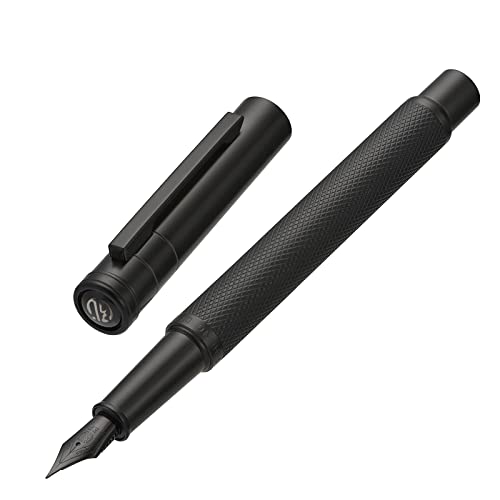
Asvine Matte Black Forest Fountain Pen
What We Like
- Stainless steel nib is durable and smooth
- Includes converter for bottled ink
- Extra fine nib for precise writing
Trade-offs
- No ink included for safety in transit
- Converter only, no included ink cartridges.
The main trade-off is that it arrives without ink, so you will need to buy bottled ink or cartridges separately. This is a common practice for fountain pens shipped in transit, as it prevents leaks and damage. The included converter lets you use any bottled ink you prefer, giving you access to a wider range of colors and ink properties than cartridge-only pens. Many fountain pen enthusiasts appreciate this flexibility, as it allows them to experiment with different brands and formulations. For those who prefer convenience, compatible cartridges are available for purchase separately. This setup makes the pen suitable for both beginners exploring bottled inks and experienced users who already have a favorite ink.
Pilot Kakuno Fountain Pen Extra Fine

What We Like
- Smiley face nib guides correct grip
- Extra Fine 0.3mm tip for fine lines
- Hexagonal barrel prevents rolling
Trade-offs
- Converter for bottled ink sold separately
- Requires separate converter for bottled ink.
An extra fine 0.3mm nib delivers crisp, hair-thin lines that suit detailed sketches and controlled hatching without bleeding or feathering. Designed with a smiley face on the nib to encourage proper grip, this pen removes the guesswork for someone picking up a fountain pen for the first time. It’s an affordable, low-pressure entry point that focuses on the essentials: a reliable fine point, a stable hold, and straightforward filling.
For a beginner focused on learning the feel of a fountain pen without a big investment, these compromises are minor. The pen does exactly what it promises: a clean, fine line in a forgiving, easy-to-hold package.
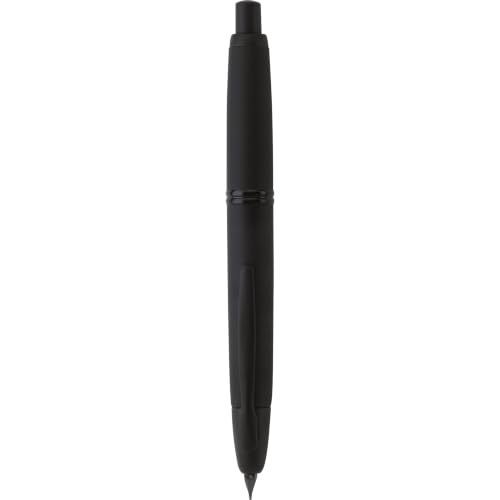
Pilot Vanishing Point Retractable Fountain Pen
What We Like
- Retractable nib for quick one-handed use
- 18K gold nib for smooth ink flow
- Airplane-safe design prevents leaks
- Includes converter for bottled ink
Trade-offs
- Shorter barrel limits ink capacity compared to piston fillers
An 18K gold nib that retracts into the barrel when not in use means you can carry this pen without a cap or worry about nib damage. This retractable design makes the Vanishing Point a portable fountain pen, ideal for anyone who needs to cap and uncap quickly between strokes. The set includes a converter for refilling from bottled ink, and the fine nib delivers crisp, consistent lines that suit detailed work.
The Vanishing Point’s retractable nib makes it the first fountain pen that can be safely pocketed without a cap, so it deploys instantly for quick notes or sketches. The 18K gold nib is rhodium-plated and available in Fine, matching the blue ink cartridge that comes in the box. Reviewers note the pen arrives in an elegant gift box with a converter for refilling, so it’s ready to use right away.
Kaweco Brass Sport Fountain Pen

What We Like
- Brass body develops unique patina over time
- Compact 5.1-inch length when capped
- Available in five nib sizes, all made in Germany
Trade-offs
- At 0.1 lb, heavier than resin or plastic pens
- Patina develops slowly, not instant
The Kaweco Brass Sport Fountain Pen is a compact writing instrument that measures 5.1 inches in length and weighs 0.1 pounds, making it easy to slip into a pocket or bag. Its brass body is noted for developing a natural patina over time, which gives it a unique look with use. The pen is available in five nib sizes, all made in Germany, and is described as reliable for everyday writing. This makes it a practical choice for anyone who wants a sturdy pen that fits in a small space and ages characterfully.
Weight is a factor here: at 0.1 pounds, it is heavier than some other fountain pens, such as the Platinum Preppy which weighs 0.0 pounds, so it may feel more substantial in the hand. For users who prefer a very lightweight pen for long writing sessions, this could be a consideration. But if you value a compact, durable instrument that develops character over time and fits easily in a pocket or pouch, this Kaweco delivers exactly that.
Wikult Jinhao 65 Fountain Pen

What We Like
- Three nib widths in one set
- Ultra-light 15 g for long sessions
- Smooth, non-scratchy iridium nibs
- Converter included for bottled ink
Trade-offs
- No ink cartridges included with purchase
- Only three nib sizes, no flex or fude
Three nibs. Ultra Fine, Extra Fine, and Fine, mean you can switch from delicate hatching to bolder contour lines without buying separate pens. At just 15 grams, the stainless steel body stays comfortable through long sketching sessions, and a converter is included so you can use any bottled ink you prefer. This set is ideal for sketchers who want variety in line weight and a reliable, smooth writing experience without investing in multiple single-nib pens.
The Jinhao 65 set includes three nibs. Ultra Fine, Extra Fine, and Fine, so you can switch line widths for sketching or calligraphy without buying separate pens, while the Platinum Preppy offers only a single nib. The catch is that no ink cartridges come in the box, so you’ll need to grab a bottle or cartridges before your first use. If nib versatility matters more than convenience, this set gives you real flexibility right out of the gate.
Product photos
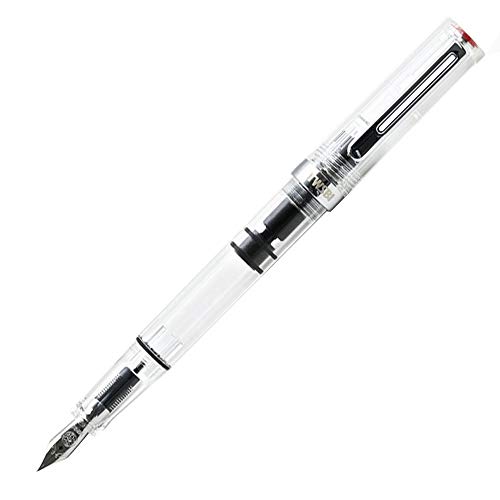
TWSBI Eco T Clear Fountain Pen
What We Like
- Piston filler holds lots of ink
- Postable cap for sketching on the go
- Multiple nib widths for varied lines
- Inner cap seals against drying out
Trade-offs
- No included converter needed (piston built-in)
- Piston filling system is not user-serviceable
A piston filler stores ink directly in the barrel, so you can write for a long time without refilling. The inner cap seals tightly to keep the nib from drying out when capped. The pronounced grip section gives larger hands or beginners a comfortable hold, and the clear body lets you see how much ink remains. Nib choices include extra fine, fine, medium, broad, and stub1.1, so you can vary your line width.
The clear acrylic body may show ink residue over time, especially with dark inks. Compared to the Platinum Preppy, which uses cartridges, the TWSBI holds more ink and feels more substantial, but it costs more and requires occasional cleaning of the piston mechanism. For someone who wants a high-capacity piston filler with a comfortable grip and multiple nib widths, this pen delivers.
Product photos
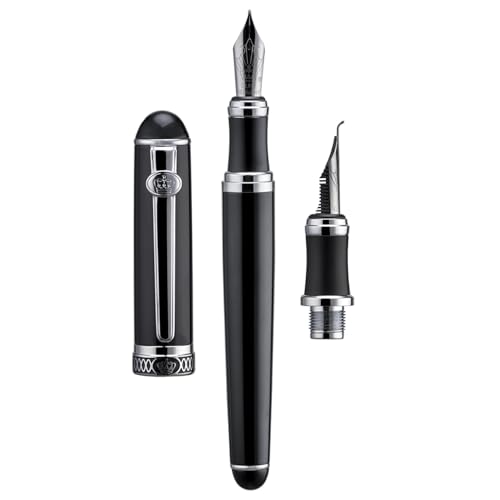
Lanxivi Duke D2 Fountain Pen Set
What We Like
- Fine and Fude nibs included
- Solid metal build with silver trim
- Push-cap for quick access
- Consistent ink flow technology
Trade-offs
- Metal body can feel cold in hand
- Fude nib requires practice to control
Two nibs in one pen, a Fine for precise lines and a Fude for bold, variable-width strokes, mean you can switch between detailed hatching and expressive washes without swapping tools. The solid metal body with black silver trim delivers durability and an elegant appearance, and the push-cap lets you grab it and draw fast when inspiration strikes. This set suits anyone who wants to experiment with line variation using a single pen, especially for calligraphy and everyday use where both control and flair matter.
The Duke D2 gives you two nibs in one pen, a fine nib for everyday writing and a fude (bent) nib for varied line widths in calligraphy or sketching. The downside is that the fude nib takes practice to control; if you want a predictable, uniform line every time, a pen with a single fixed nib may be a simpler choice. And while the metal body feels substantial, some owners mention it can feel slick or chilly after extended use compared to a resin-barreled pen. Still, for one pen you get two distinct nib options, making it a versatile addition to any writing or sketching kit.
Product photos
How We Evaluated Fountain Pens For Sketching
Our evaluation process focused on the specific demands of sketching: line precision, ink reliability, and ergonomics for extended drawing sessions. We analyzed manufacturer specifications for nib sizes, materials, and filling systems, and we studied patterns in owner feedback to understand real-world performance and durability.
The four criteria that mattered most were nib versatility, ink flow consistency, build quality and weight, and the filling system. Nib versatility ranges from ultra-fine to fude or brush. Ink flow consistency means a pen that starts reliably and doesn’t dry out mid-sketch. Build quality and weight matter for comfort during long sessions. The filling system includes converter, cartridge, or piston filler. Portability and ease of use also factored in, especially for artists who sketch on the go.
An evaluation has honest limits: we do not claim to have tested these pens ourselves. Our conclusions are drawn from expert round-ups and the collective experience of many users. We prioritize pens with clear, verifiable specifications and a strong track record of owner satisfaction.
What To Look For In Fountain Pens For Sketching
Choosing a fountain pen for sketching comes down to matching the nib and ink system to your drawing style. The right pen will feel like an extension of your hand, not a tool you fight with.
Look for a nib that matches your linework: extra-fine for detail, fude for variable width, or brush for expressive strokes. A reliable seal prevents drying, and a comfortable grip matters more than a heavy brass barrel.
Nib Type and Line Width
The nib is the heart of any sketching fountain pen. An extra-fine nib (0.2mm to 0.3mm) is ideal for precise linework, cross-hatching, and small details. A fude nib, like the one on the Sailor Fude De Mannen, allows you to vary line width by changing the angle of the pen, giving you both fine and broad strokes. Brush tips offer the most expressive flexibility, while a multi-nib set (like the Wikult Jinhao 65) gives you options without buying multiple pens.
Ink System and Drying Prevention
A fountain pen that dries out is useless for sketching. Look for pens with a slip-and-seal mechanism (like the Platinum Preppy) or an inner cap that prevents evaporation. Consider whether you prefer disposable cartridges for convenience or a converter or piston filler (like the TWSBI Eco T) for using bottled ink. Water-based ink blends well but may not be fully waterproof, which matters if you plan to add watercolor washes.
Build Quality and Ergonomics
A sketching pen should be comfortable to hold for long periods. Lightweight pens reduce hand fatigue, while heavier metal pens (like the Kaweco Brass Sport) offer durability and a pleasing heft. The grip section should be non-slip and comfortable for your preferred grip. A retractable design (Pilot Vanishing Point) is convenient for quick sketches, while a compact pen fits easily in a pocket or pencil case.
- Check the nib size: extra-fine for detail, fude for variable width, or brush for expression.
- Verify the filling system: cartridge, converter, or piston filler.
- Consider the weight: lighter pens are better for long sessions.
- Look for a seal mechanism that prevents the ink from drying out.
- Read about the grip: some pens have a molded grip that guides finger placement.
A reliable ink flow and a nib you trust will always beat a fancy barrel.
Fountain Pens For Sketching Compared
The table below compares the ten fountain pens for sketching across key features like nib type, filling system, and weight.
| Product | Nib Type | Nib Material | Weight |
|---|---|---|---|
| Platinum Preppy Fountain Pen | 0.2 mm extra fine | Stainless steel | 0.0 pounds |
| Sailor Fude De Mannen Calligraphy Fountain Pen | Fude (bent) | N/A | 0.0 pounds |
| Kuretake Fountain Brush Pen Takujo | Synthetic brush tip | N/A | 0.0 pounds |
| Asvine Matte Black Forest Fountain Pen | Extra fine | Stainless steel | 0.1 pounds |
| Pilot Kakuno Fountain Pen Extra Fine | Extra Fine 0.3mm | N/A | 0.0 pounds |
| Pilot Vanishing Point Retractable Fountain Pen | Fine | 18K gold, rhodium-plated | 0.0 pounds |
| Kaweco Brass Sport Fountain Pen | F | N/A | 0.1 pounds |
| Wikult Jinhao 65 Fountain Pen | Ultra Fine, Extra Fine, Fine | Iridium | 0.53 oz |
| TWSBI Eco T Clear Fountain Pen | F | N/A | 0.1 pounds |
| Lanxivi Duke D2 Fountain Pen Set | Fine + Fude | N/A | 0.1 pounds |
Frequently Asked Questions
What is the best fountain pen nib for sketching?
An extra-fine nib (0.2mm to 0.3mm) is best for detailed linework and cross-hatching. A fude nib gives you variable line widths, and a brush tip offers the most expressive flexibility. Your choice depends on your drawing style.
Can I use waterproof ink in a fountain pen?
Some fountain pens can use waterproof pigment ink, but it may clog the feed or nib if not cleaned regularly. Many pens work best with water-based dye ink. Check the manufacturer’s recommendations before switching inks.
How do I prevent my fountain pen from drying out?
Look for a pen with a slip-and-seal mechanism or an inner cap that seals tightly when closed. The Platinum Preppy is known for its excellent seal that prevents ink from drying even after months of storage.
What is a fude nib?
A fude nib is a bent nib that allows you to vary line width by changing the pen’s angle. At a steep angle, it writes a fine line; at a shallow angle, it produces a broad stroke. This makes it versatile for calligraphy and sketching.
Are fountain pens good for beginners who sketch?
Yes. Fountain pens like the Pilot Kakuno are designed with beginners in mind, featuring a smiley face on the nib to guide proper grip and an affordable price. They offer a smooth, consistent line that can improve your drawing control.
The Bottom Line
For most sketchers, the Platinum Preppy Fountain Pen is the best overall choice. Its ultra-fine 0.2mm nib and reliable seal make it a dependable tool for detailed linework, cross-hatching, and everyday sketching. It’s an excellent starting point for anyone new to fountain pens for art.
If you want more expressive line variation from a single pen, the Sailor Fude De Mannen is your best bet. Its bent nib switches between fine and broad strokes with a simple angle change. For those on a budget or just starting out, the Pilot Kakuno delivers a forgiving, fine nib with a grip guide that helps you hold the pen correctly.
The single most important buying factor is matching the nib to your style. Choose an extra-fine for detail, a fude for versatility, or a brush for expression. You will find a pen that feels like an extension of your hand rather than a tool you have to fight with.
