
3 Best Classic Santa Fe Ii Easels in 2026
This post contains affiliate links. As an Amazon Associate, we earn from qualifying purchases.
For studio artists who need a stable, long-lasting easel, the Jack Richeson Santa Fe II Easel Natural is the best overall choice thanks to its 300-pound canvas capacity and winch system for smooth height adjustments. We also found the Santa Fe I Wood Easel best for oversized canvases and the Deluxe Lobo Wood Easel ideal for artists switching between mediums.
The classic Santa Fe II easel is built around a specific promise: heavy-duty stability that lets you focus on your work without wobble or fuss. But the line includes variations that suit different studio needs, from towering canvas heights to the ability to tilt flat for wet media.
This guide is based on a close look at manufacturer specifications, expert recommendations from art materials reviewers, and patterns in what owners consistently praise or flag. We break down the three models that best serve different studio workflows.
Top 3 Classic Santa Fe II Easels in the Market
Certain content that appears on this site comes from Amazon. This content is provided "as is" and is subject to change or removal at any time.
The Best Classic Santa Fe II Easels, Reviewed
Jack Richeson Santa Fe II Easel Natural
What We Like
- 300-pound canvas capacity
- Winch for easy raising and lowering
- Adjustable for sitting or standing
- Large double-mast H-frame oak build
Trade-offs
- 30-inch width takes up floor space
- Oak adds weight for frequent moves
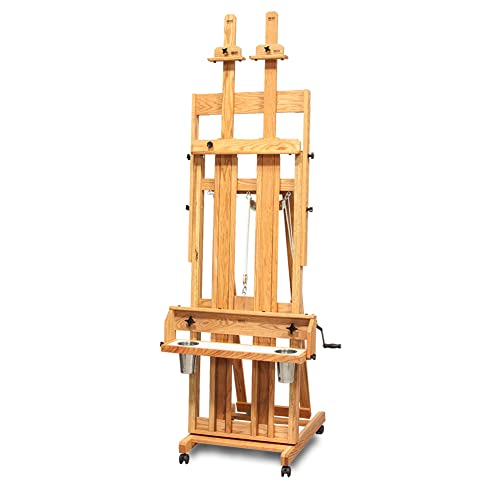
A 300-pound canvas capacity means this easel can handle oversized, heavy works that would overwhelm lighter frames. The double-mast H-frame in oak provides a stable, grounded feel, and the winch mechanism lets you adjust height smoothly whether you prefer to sit or stand. For artists who regularly work large or in thick media, this is the kind of support that stays solid session after session.
Owners need to plan for the space this easel requires. With a 30-inch width and a full 78-inch height, it demands both generous floor area and sufficient ceiling clearance to operate comfortably. The large double-mast H-frame design in oak is built to hold canvases up to 300 pounds, so the footprint is a practical trade-off for that capacity. Artists who work on oversized pieces or prefer a stable, heavy-duty setup will find the size reasonable, but those with a cramped studio should measure carefully before buying. The winch mechanism makes raising and lowering the canvas straightforward, even with significant weight.
Product photos
Jack Richeson Santa Fe I Wood Easel
What We Like
- Holds canvases up to 96 inches tall
- Self-leveling bottom tray for stability
- Melamine paint mixing surface included
- Two canvas holders for versatility
Trade-offs
- Casters not included for mobility
- No weight listed for transport planning
- Only one tray/palette for mixing
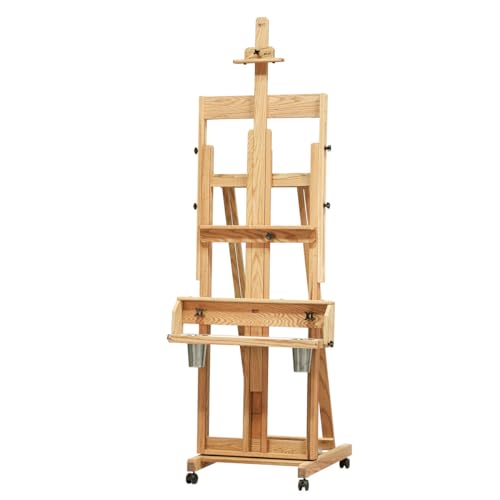
This easel holds canvases up to 96 inches high, so you can work on large-scale pieces without needing a separate support. The self-leveling bottom tray adjusts to uneven floors, keeping your work stable, and the melamine mixing surface gives you a built-in spot to blend paints right at the easel.
Casters are not included, so moving the easel around requires an extra purchase. Compared to the Jack Richeson Santa Fe II Easel Natural, which stands 78 inches tall, this Santa Fe I model offers more height for larger canvases. If your work rarely exceeds 78 inches, the Santa Fe II might be a more compact fit, but for those who need the extra height, this easel delivers.
Jack Richeson Deluxe Lobo Wood Easel

What We Like
- Tilts for glare reduction
- Flat position for gesso and watercolor
- Bottom shelf holds supplies
- Made in USA of red oak
Trade-offs
- At 25 lb, not lightweight for frequent moving
- Base 25"x28" needs floor space
A 70-inch easel that tilts fully flat means you can switch from vertical acrylics to horizontal watercolor without changing stands. The bottom shelf keeps brushes and jars within reach, and the American red oak build gives it a solid, furniture-like feel that stands up to years of studio work. This easel suits artists who work across multiple wet and dry media and want one sturdy frame that adapts to each technique.
At 25 pounds with a 25-by-28-inch base, this easel is heavier and wider than the Santa Fe II Natural, so it stays put once positioned rather than moving easily between rooms. If you need a lighter easel that shifts from studio to plein air, the Santa Fe II Natural is a different option. But for mixed-media work that demands both vertical and horizontal positions, the Lobo’s tilt range and supply shelf make it the more versatile choice.
Product photos
How We Evaluated Classic Santa Fe II Easels
Our evaluation started with the core specs that define a studio easel: canvas weight capacity, height range, adjustment mechanism, and build materials. The Santa Fe II line is known for solid oak construction, so we paid close attention to how each model handles the trade-off between stability and weight.
We prioritized three criteria above all others. First, the easel must hold large canvases securely without tipping, this meant looking at frame design and base dimensions. Second, the adjustment system had to be smooth and reliable for artists who change canvas size or switch between sitting and standing. Third, we considered the workspace features like trays, shelves, and tilt ability that make a real difference during a long painting session.
This guide relies on the manufacturer’s published specifications, insights from art supply experts who have reviewed these easels professionally, and consistent feedback patterns from owner communities. This approach gives a clear picture of what each easel does best and where its limits are.
What To Look For In Classic Santa Fe II Easels
Before you choose, understand the three factors that separate a good studio easel from a frustrating one: capacity, adjustment ease, and footprint.
Choose an easel that holds your largest canvas without wobble, adjusts smoothly as you work, and fits your studio floor without crowding your movement.
Canvas Capacity and Height Range
The Santa Fe II line is famous for handling big work. The Santa Fe II Easel holds canvases up to 300 pounds and adjusts for sitting or standing, which covers nearly any studio painting. The Santa Fe I Wood Easel goes further, accepting canvases up to 96 inches tall, essential for artists working on very large pieces. Know the biggest canvas you plan to use and make sure the easel’s maximum height and weight rating exceed it by a comfortable margin.
Adjustment Mechanism and Stability
How you raise and lower the canvas tray matters for your workflow. The Santa Fe II uses a winch system that makes heavy canvases easy to move without straining. Look for an easel that lets you change height quickly and locks securely at your chosen level. A self-leveling bottom tray, like the one on the Santa Fe I, prevents frustration when the canvas needs to sit perfectly horizontal.
Build Quality and Footprint
Oak construction gives these easels their stability but also adds weight. The Santa Fe II’s double-mast H-frame is very sturdy, though its 30-inch width takes up floor space. The Deluxe Lobo is lighter at 25 pounds but still needs a 25-by-28-inch base. Consider whether you will move the easel often or set it up permanently. If mobility matters, plan for casters or a model that breaks down more easily.
- Measure your studio space, including clearance for the easel’s full width and depth.
- Check whether the easel’s base fits under your work lights or near your supply cart.
- Confirm the height adjustment range covers your sitting and standing positions.
- Look for a bottom shelf or tray that holds frequently used supplies.
- Decide if you need casters and whether the model accepts them.
A good rule of thumb: the easel should feel heavier than the largest canvas you plan to put on it.
Classic Santa Fe II Easels Compared
The table below compares the three Jack Richeson easels side by side so you can see the key differences at a glance.
| Product | Material | Weight Capacity | Dimensions |
|---|---|---|---|
| Jack Richeson Santa Fe II Easel Natural | Oak | 300 pounds | 30 x 24 x 78 inches |
| Jack Richeson Santa Fe I Wood Easel | N/A | N/A | N/A |
| Jack Richeson Deluxe Lobo Wood Easel | American red oak | N/A | 28 x 25 x 70 inches |
Frequently Asked Questions
What size canvas will a Santa Fe II easel hold?
The Jack Richeson Santa Fe II Easel holds canvases up to 300 pounds and adjusts for both sitting and standing positions. The Santa Fe I Wood Easel accepts canvases up to 96 inches tall, making it the best choice for very large pieces.
Is the Santa Fe II easel easy to move around the studio?
The Santa Fe II Easel weighs more than lighter portable models because of its solid oak double-mast construction. It is best suited for a permanent studio position. For occasional moves, you can add casters to some models, but this easel is not designed for frequent relocation.
Can I use a Santa Fe II easel for watercolor or mixed media?
Yes, but the best choice depends on your medium. The Deluxe Lobo Wood Easel tilts to a flat position, which helps with watercolor, gesso, and acrylics by reducing glare and letting you work horizontally. The Santa Fe II Easel works well for acrylics and oils but does not tilt flat.
What is the difference between the Santa Fe I and Santa Fe II easels?
The Santa Fe I holds taller canvases up to 96 inches and includes a melamine mixing surface and self-leveling tray. The Santa Fe II has a higher canvas weight capacity at 300 pounds and uses a winch for easier height adjustments. The Santa Fe II also has a larger footprint at 30 inches wide.
Does the Santa Fe II easel come fully assembled?
The Santa Fe II Easel requires some assembly. Most owners find the process straightforward with the included instructions, though having a helper is useful for aligning the heavier oak pieces. Expect to spend about half an hour on setup.
The Bottom Line
The Jack Richeson Santa Fe II Easel Natural earns our best overall pick because it balances a massive 300-pound canvas capacity with the winch system that makes height changes effortless. It is the right choice for the artist who works on large, heavy canvases in a dedicated studio and values rock-solid stability above portability.
If your work regularly pushes past six feet in canvas height, the Santa Fe I Wood Easel is the better fit with its 96-inch height limit and built-in mixing surface. For artists who switch between oils, acrylics, and watercolor, the Deluxe Lobo Wood Easel’s tilt-to-flat feature makes it the most versatile of the three.
The single most important factor in choosing a studio easel is matching its capacity and adjustment system to the way you actually work. Pick the model that handles your largest canvas comfortably and lets you change height without breaking your rhythm.
