
9 Best Brushes For Oil Based Primer in 2026
This post contains affiliate links. As an Amazon Associate, we earn from qualifying purchases.
The best brush for oil based primer is the Purdy White Bristle Adjutant Paint Brush, thanks to its soft natural bristles that lay down an ultra-smooth finish without streaks. For precision cutting-in around trim, the Wooster White Majestic Angle Sash Paintbrush is a top choice, while the Pro Grade Paint Brush Set offers a complete solution for multi-size projects.
Applying oil-based primer is different from using latex. The solvents in oil-based coatings can break down synthetic bristles, making natural bristle brushes the standard for a clean, professional result. Finding the right brush means balancing bristle material, shape, and size for your specific project.
This guide is based on a thorough review of manufacturer specifications, expert recommendations from painting professionals, and patterns found in owner feedback across thousands of user experiences. We focused on the features that matter most for getting a flawless primer coat with oil-based products.
Top 9 Brushes For Oil Based Primer in the Market
Certain content that appears on this site comes from Amazon. This content is provided "as is" and is subject to change or removal at any time.
The Best Brushes For Oil Based Primer, Reviewed
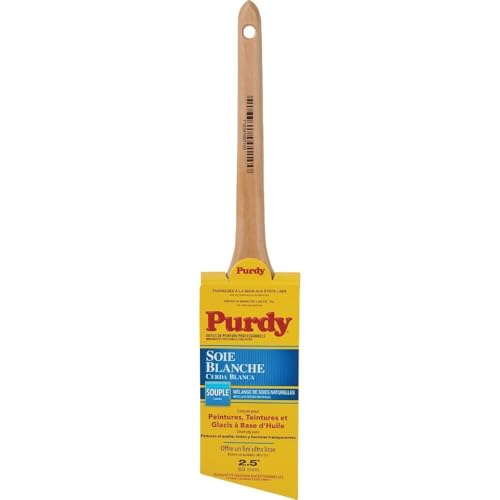
Purdy White Bristle Adjutant Paint Brush
What We Like
- Soft natural bristles for ultra-smooth finish
- Lightweight moisture-wicking alderwood handle
- Versatile for indoor and outdoor oil projects
- Handcrafted in the USA with global materials
Trade-offs
- Natural bristles not ideal for water-based paints
- 2.5-inch width limits large surface coverage
A 2.5-inch natural bristle blend makes this brush purpose-built for oil-based primer work, laying down an ultra-smooth finish without brush marks. The lightweight alderwood handle wicks moisture away from your grip, so long cutting-in sessions stay comfortable. It balances precision for trim and cabinets with enough width to handle furniture and siding efficiently, all from a brand with nearly a century of brush-making experience.
Natural bristles are best for oil-based paints, so if you mainly work with stains, polyurethanes, or lacquer thinners, this brush will deliver an ultra-smooth finish. The 2.5-inch width covers more area than the Wooster White Majestic Angle Sash’s 2-inch size, which is handy for medium surfaces like furniture or siding.
Wooster White Majestic Angle Sash Paintbrush

What We Like
- Natural white china bristles for smooth release
- Angled sash design for precise cutting-in
- Stainless steel ferrule resists rust
- Comfortable wooden sash handle
Trade-offs
- 2-inch width limits coverage on large flat areas
- Natural bristles require oil-based coatings only
A 2-inch angle sash brush with natural white china bristles gives you the control needed for sharp, clean lines along trim and molding. The angled head supports precise application and controlled cutting-in around edges and detailed surfaces. The stainless steel ferrule holds the bristles securely and resists rust, while the wooden handle offers a comfortable grip for steady hand movements during precise application.
At 2 inches wide, this brush is built for precision, not for covering large walls in a single pass. Compared to the Purdy White Bristle Adjutant Paint Brush, which is 2.6 inches wide, the Wooster is narrower and better suited for detailed work like cutting in around trim and molding. If your project uses oil-based coatings, the natural white china bristles give you the control you need for those tight spots.
Product photos
Wooster Oil Stain Brush

What We Like
- White China bristle for oil stains
- Square trim for broad even strokes
- Brass-plated steel ferrule resists corrosion
Trade-offs
- 4-inch width limits detail and trim work
- Square trim less precise than angled sash
A 4-inch width and square-trimmed white China bristle make this brush built for covering large, flat surfaces with oil-based stains and sealers in one clean sweep.
The trade-off is precision: that same wide square trim that speeds up broad work makes it clumsy for tight corners or edges. An angled sash brush like the Wooster White Majestic would give you more control there. And while the plastic handle keeps weight down, it can get slick if your hands are stained or sweaty. For anyone tackling oil-based stains or sealers, this brush delivers the coverage and durability the job demands.
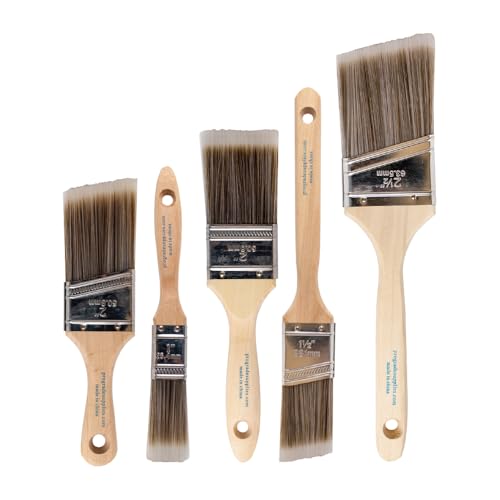
Pro Grade Paint Brush Set
What We Like
- Zero bristle loss guaranteed
Trade-offs
- No brush wider than 2.5 inches for large flat surfaces
- Softwood handles need careful drying to avoid swelling
The precision adhesive bonding locks every bristle in place, meaning no stray hairs end up in your primer coat. This is a common frustration with cheaper brushes, where loose filaments get stuck in the paint and ruin a smooth finish. The coated steel ferrule adds structural support, keeping the brush head stable during use. Premium SRT synthetic filaments are designed to load more paint and release it evenly, which helps achieve a streak-free result on walls, ceilings, and trim. Owners report that the brush holds up well through multiple washes, making it a practical choice for contractors who need reliable tools job after job.
Pro Grade Angle Paint Brush Set

What We Like
- 10 brushes cover every trim size
- Synthetic filament holds more paint
- Wooden handle for comfortable grip
Trade-offs
- No single brush for large flat areas
- Synthetic bristles less ideal for oil-only purists
A 10-pack with two each of five sizes from 1 to 3 inches means you always have the right angle brush for the job, cutting in around trim or painting cabinets and doors. The medium-stiff synthetic filament holds plenty of paint and helps reduce streaks, while the wooden comfort grip handle keeps your hand comfortable during long prep sessions. This set gives you a full range of sizes for interior trim, doors, and furniture without buying brushes individually.
Every brush in this set is an angle sash design, so you won’t find a wide flat brush here for rolling large wall sections or priming broad fence boards. Compared to the single 2.5-inch Purdy White Bristle Adjutant, this set gives you more size options and a lower per-brush cost. But the Purdy’s natural bristles are preferred by some painters for oil-based products because they hold their shape differently. If you need one dedicated oil-primer brush and already own others, the Purdy might be simpler; if you’re equipping a full trim kit from scratch, this set covers every width you’ll reach for.
Product photos
Vermeer Angled Paint Brush Pack

What We Like
- 6-pack gives backup brushes for detail work
- 1-inch angled sash design for precision cut-in
- Thick synthetic blend holds more paint
- Thinner tip improves touch-up accuracy
Trade-offs
- 1-inch width limits coverage on large trim areas
- Wooden handle requires careful cleaning to avoid swelling
A 1-inch angled brush with a thinner tip gives you the control needed for tight corners, window sash edges, and small touch-up spots where a wider brush would smear. The synthetic filament blend holds more paint for saving time and fewer streaks in the finish, so you can lay down a clean line without constant dipping. For anyone who spends time on cut-in work on walls and trim, this pack of six means you always have a fresh brush ready for the next coat or color.
A 1-inch brush is designed for precision work like cutting in along trim and touching up small areas, not for covering large surfaces quickly. The medium stiff bristles handle both latex and oil-based paints without dragging, though very thick oil-based paints may benefit from a stiffer natural bristle brush. For detail-focused projects where accuracy is key, these brushes deliver the control you need.
Product photos
Genixart Double Thick Chip Paint Brush

What We Like
- Sanded wood handle for comfortable grip
- Easy to clean with solvent or water
- Synthetic bristles work with oil and water-based paints
Trade-offs
- 3-inch width limits detail work on trim
- Disposable design means less durability over repeated heavy use
The 3-inch width, while great for broad strokes, is clumsy for cutting in around windows or trim. A narrower angled brush like the Wooster White Majestic trades precision for speed. For quick, affordable coverage on large areas, this chip brush gets the job done without fuss.
Product photos
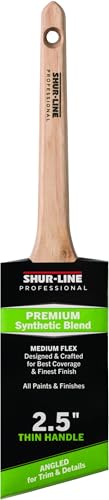
Shur-Line Pro Thin Angled Paint Brush
What We Like
- Thin profile slips into tight gaps
- Holds controlled load for clean edges
- Works with oil-based primer and stains
- Cleans and reuses without losing shape
Trade-offs
- 2.5-inch width limits coverage on large surfaces
The 2.5-inch thin angled profile lets the brush slip into tight trim and narrow gaps for cutting clean lines in detail work. It carries a full, controlled load of paint and releases it evenly, so you reload less and keep a clean wet edge. This brush works with latex and oil-based coatings, primers, and stains, and it rinses out for the next color while holding its shape job after job.
This brush prioritizes tight access over broad coverage. A 2.5-inch width means it is not designed for large flat sections, but for its intended role of cutting into tight spaces, the Shur-Line Pro delivers. The sturdy ferrule and comfortable handle provide control and less hand fatigue, and the bristles rinse clean for reuse, holding their shape job after job.
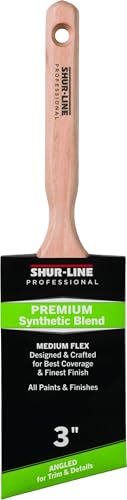
Shur-Line Pro 3 in. Angled Paint Brush
What We Like
- 3-inch angled for sharp trim lines
- Works with oil-based paints and primers
- Even paint release for clean wet edge
- Comfortable handle reduces hand fatigue
Trade-offs
- No natural bristle option for oil-only purists
A 3-inch angled brush cuts sharp, straight lines along trim and ceilings, so you can lay down primer with precision and fewer reloads. The bristles carry a full, controlled load and release it evenly, keeping a clean wet edge. This Shur-Line Pro brush works with latex and oil-based coatings, primers, and stains, meaning you can switch between projects without swapping tools. The sturdy ferrule and comfortable handle reduce hand fatigue during long sessions.
At three inches wide, this brush handles broad trim and wall-to-ceiling lines well. For tight sash work or narrow window frames, a narrower option like the Wooster White Majestic at two inches offers a more compact profile. For general cutting-in on doors, baseboards, and corners where oil primer is your go-to, the Shur-Line delivers controlled coverage and cleans up easily for the next color.
How We Evaluated Brushes For Oil Based Primer
This evaluation is based on manufacturer specifications, expert round-ups from professional painting publications, and common patterns in owner feedback to understand what makes a brush perform well with oil-based primers.
The three most important criteria were bristle material, brush shape, and construction quality. Natural bristles are preferred for oil-based primers because they hold the solvent-rich paint without swelling or losing shape. The brush shape, whether square for broad strokes or angled for cutting-in, determines precision. Ferrule and handle quality affect how long the brush lasts through repeated cleaning with mineral spirits.
A research-led evaluation has limits. We cannot report on how a brush feels in the hand over a full day of painting or how it performs after dozens of cleaning cycles. Our recommendations rely on what experts and owners consistently report about each model’s performance.
What To Look For In Brushes For Oil Based Primer
Choosing the right brush for oil-based primer comes down to a few key features that directly affect your painting results. Here is what matters most.
Look for natural bristles (hog or China bristle) for oil-based primers. Choose an angled sash brush for trim and cutting-in, or a square brush for large flat surfaces. A stainless steel or brass-plated ferrule resists rust from solvents.
Bristle Material: Natural vs. Synthetic
Natural bristles, typically from hog or China bristle, are the standard for oil-based primers. The bristles have microscopic scales that hold the thick, solvent-rich paint and release it evenly onto the surface. Synthetic bristles, while excellent for latex paints, can soften or swell in the mineral spirits used to thin oil-based primers, leading to a loss of control and a less smooth finish. If you work exclusively with oil-based coatings, a natural bristle brush is the right choice.
Brush Shape: Angled Sash vs. Square
The shape of the brush determines what it does best. An angled sash brush, with bristles cut at a diagonal, is designed for cutting-in along trim, corners, and ceilings. The angle lets you get a clean line without tape. A square-cut brush, also called a flat brush, is better for covering large flat surfaces like doors, cabinets, and panels. Some pros keep both shapes on hand: an angled 2-inch for trim and a square 3- or 4-inch for broad strokes.
Ferrule and Handle Construction
The ferrule is the metal band that holds the bristles to the handle. For oil-based work, look for stainless steel or brass-plated ferrule, which resists rust and corrosion from solvents. A wooden handle, typically from beechwood or alderwood, provides a comfortable grip and balances the brush. The handle should be ergonomic and moisture-wicking so it does not swell during cleaning. A well-made ferrule and handle mean the brush will hold its shape and last through many projects.
- Check that the bristles are firmly set in the ferrule with no loose hairs.
- Run your fingers across the bristles to feel for even, tapered tips.
- Look for a flagging process (split ends on bristles) for smoother paint release.
- Choose a handle length that feels balanced in your hand for extended use.
- Verify the brush is labeled for oil-based coatings specifically.
A good brush for oil-based primer should hold its shape after cleaning and release paint evenly without dripping.
Brushes For Oil Based Primer Compared
The table below compares the key specs and best use for each brush in our top picks.
| Product | Bristle Type | Width | Best For |
|---|---|---|---|
| Purdy White Bristle Adjutant Paint Brush | Natural bristle blend | 2-1/2 in | Oil-based paints, stains, clears |
| Wooster White Majestic Angle Sash Paintbrush | Natural white china bristles | 2 Inch | Oil-based paints, stains, varnishes, polyurethanes |
| Wooster Oil Stain Brush | White China bristle | 4 inches | Oil-based stains or sealers |
| Pro Grade Paint Brush Set | Synthetic (SRT) | 1, 1.5, 2, 2.5 inch | Latex & oil-based |
| Pro Grade Angle Paint Brush Set | Medium stiff synthetic filament | 1, 1.5, 2, 2.5, 3 in | Latex, oil & stain |
| Vermeer Angled Paint Brush Pack | Synthetic filament blend | 1 inch | Latex & oil-based |
| Genixart Double Thick Chip Paint Brush | Synthetic (nylon filaments) | 3 inch | Oil-based, water-based, stains, primers |
| Shur-Line Pro Thin Angled Paint Brush | N/A | 2.5 inches | Latex and oil-based |
| Shur-Line Pro 3 in. Angled Paint Brush | N/A | 3 in. angled | Latex and oil-based |
Frequently Asked Questions
What kind of brush works best with oil-based primer?
Natural bristle brushes, made from hog or China bristle, work best with oil-based primer. The natural bristles hold the solvent-rich paint without swelling or losing shape, giving you a smooth, even finish. Synthetic bristles can soften in oil-based coatings.
Can I use a synthetic brush for oil-based primer?
You can, but it is not recommended for the best results. Synthetic bristles may swell or become too soft when used with the mineral spirits in oil-based primers. This leads to less control and a rougher finish. Natural bristle brushes are the professional standard for oil-based work.
How do I clean a brush after using oil-based primer?
Clean the brush with mineral spirits or paint thinner immediately after use. Work the solvent through the bristles, then wash with mild soap and water. Reshape the bristles and let the brush dry flat or hanging bristles-down to keep the ferrule from rusting.
What size brush should I use for cutting in oil-based primer?
A 2-inch or 2.5-inch angled sash brush is ideal for cutting in oil-based primer around trim, molding, and corners. The angle gives you control for clean lines. For larger trim or baseboards, a 3-inch angled brush can speed up the work.
Is a disposable chip brush good for oil-based primer?
Yes, a disposable chip brush works well for large, rough priming jobs like masonry or outdoor projects. They are cheap and easy to throw away after use, saving you the effort of cleaning mineral spirits out of a nicer brush. They are not suitable for precision trim work.
The Bottom Line
For most DIYers and pros, the Purdy White Bristle Adjutant Paint Brush is the best overall brush for oil based primer. Its soft natural bristles deliver an ultra-smooth finish that oil primers are known for, and the lightweight alderwood handle makes it comfortable for extended use. This is the brush to reach for when you want a professional-looking coat on cabinets, trim, or doors.
If your project is all about precision cutting-in, the Wooster White Majestic Angle Sash Paintbrush is a better fit. Its angled design and natural china bristles give you the control needed for clean lines around molding and corners. For those who need a complete set, the Pro Grade Paint Brush Set provides a range of sizes for different trim and surface widths.
The single most important factor when buying a brush for oil-based primer is bristle material. Stick with natural bristles for the best results, and match the brush shape to your project, angled for trim, square for flat surfaces. The right brush makes the difference between a smooth, even primer coat and a frustrating, brush-marked finish.
