
10 Best Bonding Primer Paint in 2026
This post contains affiliate links. As an Amazon Associate, we earn from qualifying purchases.
For tricky surfaces like glossy tile, glass, plastic, or metal, the INSL-X Stix Acrylic Waterborne Bonding Primer is our Best Overall pick. It bonds reliably to non-porous materials without heavy sanding and cleans up with soap and water. The KILZ Adhesion Bonding Primer earns Best For Tough Surfaces for interior and exterior jobs, while the Rust-Oleum Universal Bonding Primer Spray is our Best Spray Format for quick, low-odor projects.
The real challenge with bonding primer is that standard primers simply peel off slick or glossy substrates. A formula engineered to grip where paint normally slides away is needed for refinishing bathroom tile, painting PVC trim, or updating metal cabinets.
This guide is based on manufacturer specifications, expert recommendations, and patterns in owner feedback across dozens of products. We break down what makes a bonding primer effective and help you match the right formula to your specific surface and project size.
Top 10 Bonding Primer Paints in the Market

Certain content that appears on this site comes from Amazon. This content is provided "as is" and is subject to change or removal at any time.
The Best Bonding Primer Paints, Reviewed
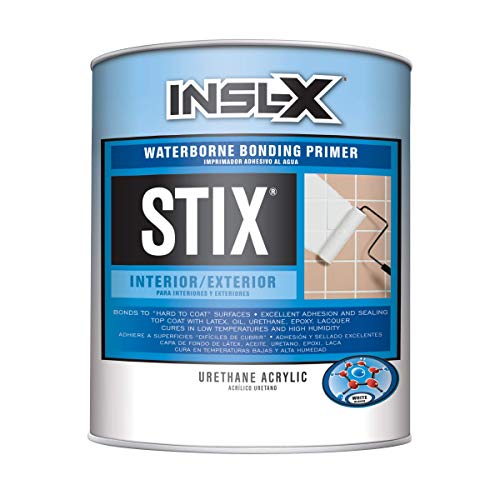
INSL-X Stix Acrylic Waterborne Bonding Primer
What We Like
- Bonds to glossy tile, glass, plastic
- Works on PVC, vinyl, galvanized metal
- Cures in temperatures as low as 35°F
- Low VOC with soap-and-water cleanup
Trade-offs
- Coverage is 75-100 sq ft per quart
- Needs careful surface prep per label
A low-VOC acrylic bonding primer that cures down to 35°F means you can apply it to glossy tile, glass, PVC, vinyl, or galvanized metal even in cold conditions. That cold-weather tolerance, paired with soap-and-water cleanup, makes this primer a good choice when the surface is slick and the temperature is low. It bonds to surfaces like drywall, wood, Formica, ceramic tile, and many others, so one quart handles a wide mix of surfaces without needing a separate product for each.
The trade-off is coverage: at 75-100 square feet per quart, you get a limited area per quart, so for large walls or multiple rooms you will need extra quarts or step up to a gallon. But for tricky spots, a glossy bathroom tile backsplash, a PVC trim board, or a metal door, the adhesion is hard to beat. For large flat surfaces that are not especially difficult, a gallon of another primer may cover more area, but when the surface is challenging, this primer is a reliable option.
KILZ Adhesion Bonding Primer
What We Like
- Works on interior and exterior tough surfaces
- Topcoat with water or oil-based paint
- Dries to touch in 30 minutes
Trade-offs
- At 12.2 lb per gallon, heavy for handheld application
- Needs 24-hour dry time before hot solvent topcoats
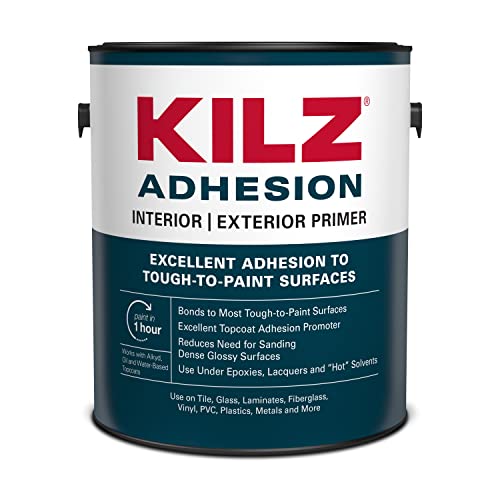
A styrenated acrylic polymer formula that bonds to Kynar, PVC, Formica, vinyl, glass, tile, glazed brick, chalky paints, glossy finishes, fiberglass and metals means this primer handles the surfaces most others refuse. It dries to touch in 30 minutes and accepts both water and oil-based topcoats, so you can move quickly on a mixed-material project. This is the primer you reach for when sanding is impractical and a secure bond is critical. It suits anyone facing a slick, non-porous surface that a standard primer would slide off.
Weight and coverage are the main considerations here. For large areas, you will need multiple cans, and the weight makes overhead or one-handed work tiring. Compared to a quart of bonding primer at 2.8 pounds, the KILZ is substantially heavier. If your job involves truly difficult materials, the extra heft is worth it.
Product photos
Rust-Oleum Universal Bonding Primer Spray

What We Like
- Bonds to difficult surfaces like PVC and porcelain
- Prevents rust and corrosion
- Low odor, low VOC water-based formula
- Dries to touch in 30 minutes
Trade-offs
- Coverage limited to 10-12 sq. ft. per can
- Spray format requires ventilation and masking
With coverage of just 10 to 12 square feet per can, this spray primer is built for precision projects rather than whole-room jobs. The Rust-Oleum Universal Bonding Primer Spray excels on tricky surfaces like galvanized steel, laminate, PVC, and glazed brick, sticking where many liquid primers struggle. Its low-odor, water-based formula means you can use it indoors without overwhelming fumes, and a 30-minute dry time keeps small furniture flips or railing touch-ups moving fast. This is the right pick for anyone who needs a portable, no-brush solution for odd-shaped items or vertical surfaces where a roller won’t reach.
Each can covers only up to 10-12 square feet, so a single metal chair or a wrought-iron gate may require two cans to finish. The spray format saves setup and cleanup time on small projects, unlike a quart of bonding primer. For a single piece of furniture or a handful of tricky materials, this convenience matters.
Rust-Oleum Automotive Universal Bonding Primer Spray
What We Like
- Bonds to difficult automotive surfaces
- Dries to touch in 30 minutes
- Rust-resistant formula
- Works on plastics, fiberglass, and metals
Trade-offs
- Small coverage area of 10-12 sq. ft.
- Spray application requires ventilation and masking
- Only flat white finish available
This primer dries to the touch in 30 minutes, so you can apply a topcoat the same day. It bonds to bumpers, trim, plastics, fiberglass, galvanized steel, and aluminum, creating a surface that helps topcoats stick. For anyone working on automotive parts where adhesion is critical, this spray is a practical option.
Coverage is up to 10-12 square feet per can, which works for spot repairs but may require two cans for larger panels. The any-angle spray and comfort tip let you reach awkward spots on a bumper or wheel well without turning the can. For small automotive jobs where a spray primer is convenient, this product fits the bill.
Dixie Belle Bonding BOSS Paint Primer
What We Like
- Blocks smoke odors and nicotine smells
- Stops permanent marker and water stains
- Bonds to glossy and hard surfaces
- Works on wood, plastic, brick, glass
Trade-offs
- Needs two coats for tough stains
- Requires 24-hour dry time before painting
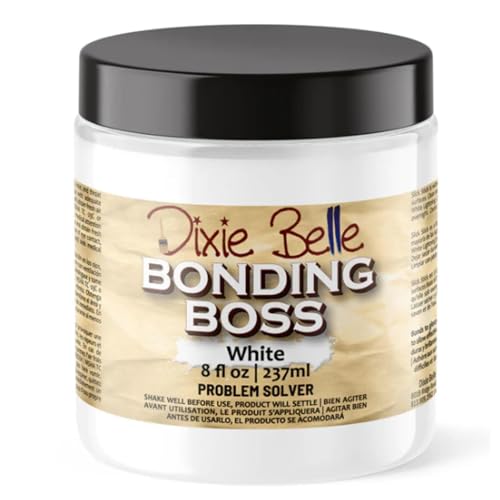
A water-based formula that blocks smoke odors, nicotine smells, and set-in stains like permanent marker means this primer tackles the messiest surfaces before you even open your paint can. It bonds to glossy and hard surfaces too, so you can refinish a varnished cabinet or a plastic chair without worrying about peeling. For anyone dealing with a smoke-damaged piece or a stained dresser they want to transform, this is the primer that handles the worst of it.
Time is the big factor: it needs a full 24 hours to cure after the second coat before you can paint, which slows a quick weekend project. Compared to a faster-drying bonding primer that comes in larger sizes, the Dixie Belle is better suited for smaller, problem-heavy projects where stain and odor blocking matter more than speed. If you are refinishing a single smoke-stained nightstand, this is the one to grab.
Product photos
INSL-X High Build Peel Bonding Primer

What We Like
- Flexible and breathable over time
- Blocks rust stains and mild tannin bleed
- Apply up to 20 mils wet
- Easy cleanup with soap and water
Trade-offs
- Heavy at 10 pounds for a gallon
- Needs temperature above 35°F and below 90°F
A 20-mil wet film thickness means you can lay this primer on thick enough to bridge peeling paint and rough surfaces in a single coat, saving you from multiple passes. That high-build flexibility, combined with a formula that stays breathable as seasons shift, makes it a smart pick for exterior siding or trim that expands and contracts with humidity and temperature. It also blocks rust stains and mild tannin bleed, so it handles problem spots without extra prep.
Weight and temperature sensitivity are the trade-offs here. At 10 pounds per gallon, a full bucket is noticeably heavier than Rust-Oleum’s spray bonding primer, so it’s less convenient for quick touch-ups or overhead work. And you need the air to stay between 35°F and 90°F during application, which limits winter or deep-summer use. If you’re tackling a large, weathered surface that needs a flexible, breathable bond, this primer earns its place. For small, indoor repairs, the lighter KILZ Adhesion primer might be easier to handle.
Product photos
Polar Clear Binding Primer

What We Like
- Clear formula preserves surface color
- Breathable membrane allows moisture escape
- Seals porous, flaky, and damaged surfaces
- Suitable for interior and exterior use
Trade-offs
- Requires clean, dry surface free of loose material
At up to 11 square meters per liter, this clear binding primer gives you generous coverage for sealing porous, flaky, or damaged surfaces before painting. The water-based acrylic formula creates a flexible, breathable membrane that lets trapped moisture escape, which is critical on older plaster or exterior wood where peeling often starts from trapped dampness. The clear formula means you can apply it without changing the surface color, making it suitable for use under paint or wall coverings where you want to preserve the original look.
The primer requires a clean, dry surface free of loose material for best results, so preparation is key. Compared to a white bonding primer, this Polar clear formula is designed for situations where you don’t want to alter the substrate color, but it does demand careful surface prep. It’s a practical choice for sealing problem surfaces before decorating.
Product photos
ROSEROSA Professional Adhesion Promoter
What We Like
- Prevents peeling at edges and corners
- Works on wood, plastic, stone, fiber
- Water-based for easy cleanup
Trade-offs
- 200 ml size limits large projects
- Requires vigorous shaking before each use
A 200 ml bottle is compact, so this primer is built for precision jobs rather than rolling across an entire wall. Its water-based formula keeps cleanup simple, which matters when you’re working indoors on furniture or trim. The real strength here is adhesion at edges and corners, those spots where architectural film and wallpaper tend to lift first. That focus makes it a smart choice for anyone applying film to cabinets, panels, or plastic fixtures where a clean, lasting edge is the whole point.
The ROSEROSA comes in a small 200 ml bottle, so it covers only small projects; for a full room of wallpaper, you would need multiple bottles, and the cost adds up. Compare that to a quart of bonding primer, which suits larger surface-area jobs. If your project is a single piece of furniture or a set of shelves, the ROSEROSA delivers targeted bonding power without the waste of a gallon can. Just remember to shake it well before each use, the instructions are clear on that.
Product photos
Masterchem Industries L211111 Bonding Primer Paint
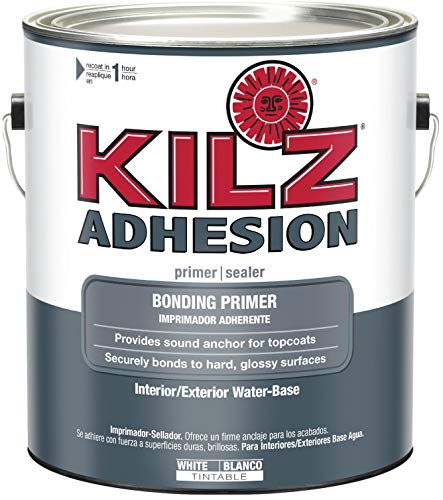
What We Like
- Four-gallon case for large projects
- Bonds to glossy surfaces without sanding
- Works on tile, vinyl, glass, and metal
- Dries to touch in 30 minutes
Trade-offs
- Needs 24 hours before epoxy or lacquer topcoats
- At 12.2 pounds per case, heavier than single-gallon options
The trade-off is the 24-hour dry time before applying epoxy or lacquer topcoats, which slows down projects that need a fast turnaround. The INSL-X Stix comes in a quart size and weighs 2.8 pounds, making it lighter and more portable for small touch-ups, while this case weighs 12.2 pounds and takes up more shelf space. If your job is large and the surfaces are tough, the coverage and adhesion here are solid. Just plan your schedule around that full-day wait if you’re using a solvent-based finish.
Zinsser Peel Stop Triple Thick Binding Primer
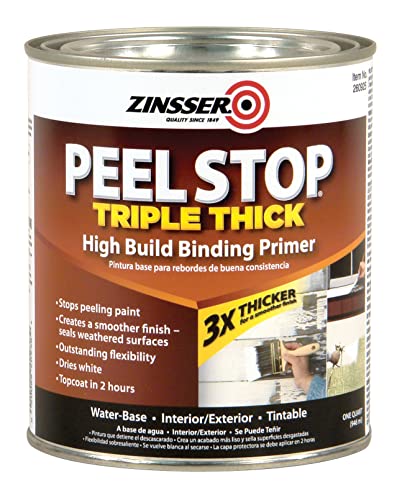
What We Like
- Stops peeling paint
- Seals weathered surfaces
- Outstanding flexibility
- Creates a smooth finish
Trade-offs
- Quart size covers less area than a gallon primer
- Requires a separate topcoat for best results
The high-build formula seals and binds cracked, peeling, and weathered surfaces, so it handles problem walls that standard primers can’t fix. It dries white, which helps topcoat coverage, and its outstanding flexibility lets the finish adapt to surface movement without cracking.
At 2.5 pounds, the quart container is lighter than a gallon of INSL-X High Build Peel Bonding Primer, which weighs 10.0 pounds, so it’s easier to carry and store for small jobs. For a single cracked wall or a patch repair, the smaller size means less waste and simpler cleanup. If you’re tackling a full room of peeling paint, you may need multiple quarts, but for targeted fixes on damaged surfaces, this primer’s flexibility is a real advantage.
How We Evaluated Bonding Primer Paints
Our evaluation draws from manufacturer technical data sheets, professional painter round-ups, and common owner experiences reported across multiple retail and DIY forums. We focused on the claims each primer makes about adhesion to specific substrates and the conditions required for that bond to hold.
The three criteria that mattered most were substrate compatibility (which surfaces each primer actually bonds to), application method (brush-on, spray, or roller), and dry-to-recoat time for real-world project pacing. We also weighed coverage area, VOC levels, and cleanup requirements since these affect both safety and convenience.
A research-based guide like this cannot substitute for testing adhesion on your specific surface. Buying a single quart or can first to test adhesion on a small, inconspicuous area before committing to a full project is recommended.
What To Look For In Bonding Primer Paints
Choosing the right bonding primer comes down to matching the formula to your surface material and project conditions. Here are the key factors to consider.
A bonding primer must mechanically or chemically grip non-porous surfaces where standard paint fails. Check the label for specific substrates (tile, glass, plastic, metal, PVC, vinyl) and follow prep instructions exactly for the bond to hold.
Substrate Compatibility
Not all bonding primers work on every surface. Some formulas are designed specifically for glossy or non-porous materials like tile, glass, and glazed ceramics, while others handle metal, PVC, or vinyl. Always verify the label lists your exact substrate. A primer that bonds tile may not grip galvanized metal, and a universal formula may require different prep for each surface.
Application Method
Bonding primers come in brush-on, roller, and spray formats. Brush-on primers like the INSL-X Stix offer better coverage for larger areas and easier cleanup, but require a steady hand on vertical surfaces. Spray primers, such as the Rust-Oleum Universal, reach intricate shapes and tight spots but cover only 10-12 square feet per can and need proper ventilation and masking.
Dry Time and Recoat Window
Dry-to-touch times range from 30 minutes to several hours, but full cure before topcoating can take 24 hours or more. Fast-drying formulas help you move through a project quickly, while longer cure times often indicate a stronger bond. Check the label for both touch-dry and recoat times, especially if you plan to use a hot solvent topcoat like epoxy or lacquer.
- Confirm the primer is rated for your surface material (tile, glass, plastic, metal, PVC, vinyl).
- Measure your project area and choose a size that matches coverage (quarts for small jobs, gallons for larger surfaces).
- Check temperature requirements: some primers cure only above 35°F, others handle colder conditions.
- Look for low-VOC or water-based formulas if you prefer less odor and soap-and-water cleanup.
- Read the surface prep instructions: most bonding primers require a clean, dry surface free of loose material.
The single most important step for bonding primer success is following the surface preparation instructions on the label to the letter.
Bonding Primer Paints Compared
The table below compares all 10 bonding primer paints side by side, highlighting their best uses, key strengths, and trade-offs to help you choose the right formula for your project.
| Product | Coverage | Use | Formula |
|---|---|---|---|
| INSL-X Stix Acrylic Waterborne Bonding Primer | 75-100 sq ft | Interior or exterior | Acrylic-urethane |
| KILZ Adhesion Bonding Primer | 75-100 sq ft | Interior/Exterior | Styrenated acrylic polymer, water-based |
| Rust-Oleum Universal Bonding Primer Spray | 10-12 sq. ft. | Interior/exterior | Water-based, low odor |
| Rust-Oleum Automotive Universal Bonding Primer Spray | 10-12 sq. ft. per can | N/A | N/A |
| Dixie Belle Bonding BOSS Paint Primer | N/A | N/A | Water-based |
| INSL-X High Build Peel Bonding Primer | 1 Gallon | N/A | N/A |
| Polar Clear Binding Primer | Up to 11 m² per liter | Indoor & Outdoor | Water-based, low VOC acrylic |
| ROSEROSA Professional Adhesion Promoter | N/A | N/A | Water-based |
| Masterchem Industries L211111 Bonding Primer Paint | 300-400 sq. ft. per gallon | Interior And Exterior | Water-based, styrenated-acrylic polymer |
| Zinsser Peel Stop Triple Thick Binding Primer | N/A | N/A | N/A |
Frequently Asked Questions
Do I need to sand before using a bonding primer?
It depends on the product and surface. Some bonding primers, like the Masterchem Industries L211111, claim to bond to glossy surfaces without sanding. Others require light sanding or cleaning to remove loose material. Always check the label for prep instructions specific to your substrate.
Can bonding primer be used on exterior surfaces?
Yes, several bonding primers are formulated for both interior and exterior use. The INSL-X Stix works outdoors in temperatures as low as 35°F, and the KILZ Adhesion Bonding Primer handles interior and exterior tough surfaces. Verify the label says exterior-rated before using it outside.
How long does bonding primer need to dry before painting?
Dry-to-touch times vary from 30 minutes for spray formulas to several hours for brush-on primers. Full cure before applying a topcoat can range from a few hours to 24 hours, especially for epoxy or lacquer topcoats. Always follow the manufacturer’s recoat window for best results.
What surfaces will bonding primer stick to?
Bonding primers are designed for glossy, non-porous, or slick surfaces where standard primer fails. Common substrates include tile, glass, plastic, PVC, vinyl, galvanized metal, porcelain, and fiberglass. Each product lists its compatible surfaces on the label, so check before buying.
Can I use bonding primer over existing paint?
Yes, bonding primer can be applied over existing paint as long as the surface is clean, dry, and free of loose or peeling material. For cracked or peeling paint, a product like the Zinsser Peel Stop Triple Thick Binding Primer is designed to seal and stabilize the surface before topcoating.
The Bottom Line
For most DIYers tackling glossy tile, glass, plastic, or metal, the INSL-X Stix Acrylic Waterborne Bonding Primer is the Best Overall choice. It bonds reliably to a wide range of non-porous surfaces, works indoors and out, and cleans up with soap and water, making it the most versatile option for home projects.
If you’re working on automotive parts or small metal items, the Rust-Oleum Automotive Universal Bonding Primer Spray offers a fast-drying, rust-resistant formula in a convenient spray can. For large-scale jobs like tiling a whole bathroom or priming multiple metal cabinets, the Masterchem Industries L211111 four-gallon case gives you the coverage you need without buying multiple smaller cans.
The single most important factor in bonding primer success is matching the product to your exact surface and following the prep instructions. A few minutes of careful surface cleaning and reading the label will save hours of frustration from peeling paint.
