
10 Best Brushes To Cut In Paint in 2026
This post contains affiliate links. As an Amazon Associate, we earn from qualifying purchases.
For paint that looks professionally cut in without the tape, the Wooster Shortcut Angle Sash Paintbrush is our best overall pick. Its short 2-inch handle gives you the control needed for tight corners and trim, while the nylon-polyester blend works smoothly with any paint. For precision along long, straight edges, the Wooster Tip Angle Sash Paintbrush delivers clean lines, and the Zibra Precision Detail Paint Brush is the top choice for reducing hand fatigue during detailed work.
Cutting in paint is the most time-consuming part of any paint job. The right brush makes the difference between a crisp, professional-looking line and a messy, uneven edge that requires taping or touch-ups. The challenge is finding a brush that balances bristle stiffness, handle length, and paint load for your specific surface and space.
This guide is built on thorough research of manufacturer specifications, expert round-ups, and patterns in owner feedback. We focus on the key criteria that matter most for cutting in: bristle material, handle design, and brush width. Here are the ten best brushes to help you achieve clean, sharp lines.
Top 10 Brushes To Cut In Paint in the Market
Certain content that appears on this site comes from Amazon. This content is provided "as is" and is subject to change or removal at any time.
The Best Brushes To Cut In Paint, Reviewed
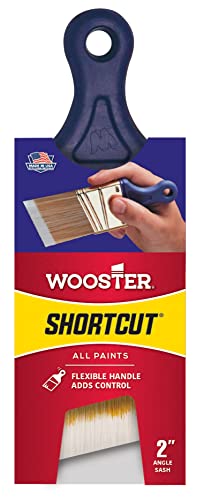
Wooster Shortcut Angle Sash Paintbrush
What We Like
- 2-inch handle adds maneuverability in tight spaces
- Nylon-polyester blend works with all paints
Trade-offs
- Short handle limits reach on large flat walls
- Short handle feels cramped for broad wall painting
A 2-inch handle length makes this brush purpose-built for cutting in around window sashes, trim, and corners where a full-size grip would bump into the work. The flexible purple Shergrip handle is designed for maneuverability in tight spaces, while the white nylon and gold polyester blend works with all paints, latex, oil, or otherwise. For anyone who spends hours trimming edges and wants a tool that keeps control in tight spots, this design delivers exactly that focus.
The trade-off is reach. That same stubby handle that excels in confined spaces leaves you stretching more on broad walls or tall baseboards, where a longer handle like the Wooster Tip Angle Sash Paintbrush gives better leverage.
Wooster Tip Angle Sash Paintbrush

What We Like
- Soft polyester bristles minimize brush marks
- Angle sash design for precise cutting-in
- Works with both latex and oil paints
- Durable stainless-steel ferrule and hardwood handle
Trade-offs
- At 12 inches long, less maneuverable in tight spaces
- 12-inch length limits access in tight spaces like cabinets
A 2-inch angled brush with 100% CT polyester filaments is built for one thing: clean, controlled edges. The soft bristles lay down paint with minimal brush marks, which matters most when you’re cutting in along trim, corners, or window sash. This brush suits anyone who wants a refined finish without fighting stray bristles or uneven coverage. The stainless-steel ferrule and hardwood handle add durability that keeps the tool working through multiple projects.
At 12 inches, the Wooster Tip is longer than a short-handle brush like the Wooster Shortcut Angle Sash, which gives you more leverage but less control in cramped spaces. If you’re working around tight corners or small trim, the longer handle can feel unwieldy. For open rooms and straight runs of baseboard, though, the Tip delivers the precision its name promises.
Product photos
Zibra Precision Detail Paint Brush

What We Like
- Ergonomic hourglass handle reduces hand cramping
- Precision tip for cutting in tight areas
- Durable pro-grade construction with epoxy glue
Trade-offs
- Stubby handle limits reach for long vertical strokes
- 2-inch width slower for large wall sections
The stubby hourglass handle is designed specifically to keep your hand from cramping during long sessions, so you can focus on the line instead of your grip.
The short handle trades leverage for maneuverability, which makes it less suited for tall baseboards or wide sash work. For those tasks, a longer brush such as the Wooster Tip Angle Sash Paintbrush offers more reach. But if precision cutting around trim and tight corners is your focus, the dense filament pack and comfortable handle give you fine control.
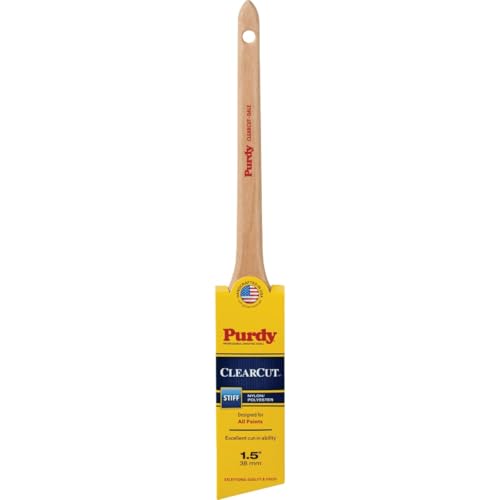
Purdy Clearcut Dale Angular Trim Paint Brush
What We Like
- Stiff bristles for precise cut-in lines
- Lightweight alderwood handle for control
- Stainless steel ferrule resists corrosion
- Works with all latex paints and primers
Trade-offs
- No ergonomic grip feature on handle
The 1-1/2 inch width of this Purdy Clearcut Dale brush is designed for well-defined lines and precise cut-in ability. The stiff Tynex nylon and Orel polyester-blend filaments work well with all latex paints and primers, so you can cut in along trim and corners without needing to tape everything off. The lightweight alderwood handle helps reduce hand fatigue during extended use, and the stainless steel ferrule resists corrosion and keeps bristles secure over time. This brush is built for detail work where accuracy matters most.
Because this brush is narrow at 1-1/2 inches, it is best suited for precision tasks rather than covering large areas quickly. For example, painting a long stretch of baseboard will take more strokes compared to a wider brush like the Wooster Shortcut Angle Sash Paintbrush (2 inches). If your priority is speed on broad surfaces, a wider brush may be more efficient. But for intricate trim, corners, and molding where control is key, the Purdy Dale gives you the accuracy to get clean results without extra touch-ups.
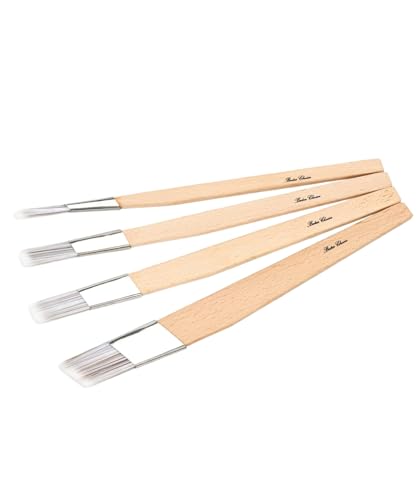
Bates Detail Trim Paint Brushes Set
What We Like
- Four sizes cover fine to broad trim
- Angled bristles for precise cutting-in
- Synthetic bristles for smooth paint flow
- Wooden handles offer comfortable control
Trade-offs
- No single brush for large wall sections
- No brush wide enough for large wall sections
A 4-pack of angled brushes in sizes from 6 mm to 25 mm lets you handle a delicate window sash and a broad baseboard without switching kits. The synthetic bristles and wooden handle give you smooth paint flow and steady control along edges and corners. It’s a single set for detailed trim work, touch-ups, and door frames.
None of these brushes are wide enough to paint a full wall panel efficiently; you will still need a larger brush or roller for open surfaces. If your project stays focused on edges, molding, and small repairs, the Bates set covers it all.
Product photos
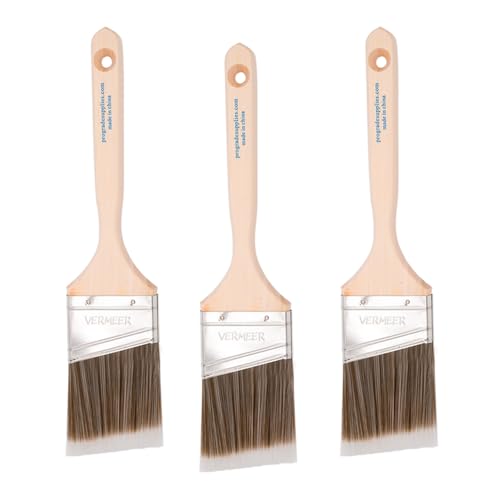
Vermeer Angled Paint Brush Pack
What We Like
- Thicker filament blend holds more paint
- Thinner tip for precise cut-in work
- Durable wooden comfort grip handle
- Washable and reusable brushes
Trade-offs
- Weighs 0.8 pounds, heavier than most detail brushes
Three 2.5-inch angle brushes in one pack mean you can keep a wet edge through an entire room without stopping to rinse. The thick synthetic filament blend holds extra paint, so you spend less time reloading and more time cutting clean lines along trim and ceilings. That generous width covers walls fast, while the thinner tip on each brush gives you the control needed for touch-ups around windows and door frames. For anyone tackling multiple rooms or a whole house, this set stretches your budget without compromising on precision or durability.
The 2.5-inch angle on these brushes lets you cover large cut-in sections quickly, but the medium-stiff bristles hold their shape well for thick paint loads. This three-pack gives you a reliable set that washes out for reuse, so you can keep working without stopping to clean a single brush.
Product photos
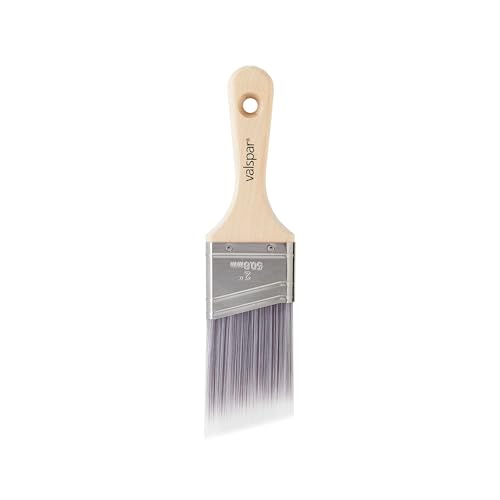
Valspar Wall And Trim Short Angle Brush
What We Like
- Extra stiff bristles for precision
- Stainless steel ferrule resists rust
- Works with all paints and stains
- Short angle design for control
Trade-offs
- 2-inch width limits large-area coverage
- Stiff bristles less forgiving on rough surfaces
An extra stiff polyester/nylon blend gives this brush the stiffness needed for cutting in crisp lines along trim and ceilings. The stainless steel ferrule resists rust and loosening after cleaning, so the brush holds up through repeated use on both interior and exterior projects.
The Valspar Wall And Trim Short Angle Brush uses an extra stiff polyester/nylon blend, which means it holds its shape for precise cutting-in on smooth surfaces. That stiffness helps you maintain control along trim and edges, though some users note it may skip on rough or heavily textured walls rather than laying down paint evenly. Compared to the Wooster Shortcut Angle Sash Paintbrush, another 2-inch angle brush, the Valspar is built for painters who want a firm, predictable tool for clean lines.
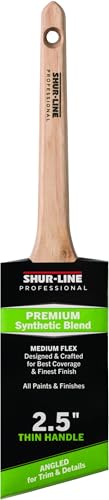
Shur-Line Pro Thin Angled Paint Brush
What We Like
- Thin profile for tight gaps
- Holds controlled load of paint
- Works with latex and oil paints
- Cleans and reuses easily
Trade-offs
- 2.5 inch width limits large-area coverage
A 2.5 inch thin angled profile means this brush slips into narrow trim gaps and tight corners where a standard brush would smudge the line. It carries a full, controlled load of paint and releases it evenly, so you reload less and keep a clean wet edge through detail work. That makes it a natural fit for precision cutting-in around door frames, baseboards, and window casings, especially when you need a sharp line without tape.
The thin bristles and compact width limit how much paint you can move at once, so covering large flat areas will feel slow. If your project is mostly tight detail, this brush gives you the control you need; for faster wall cutting, a wider brush might save time.
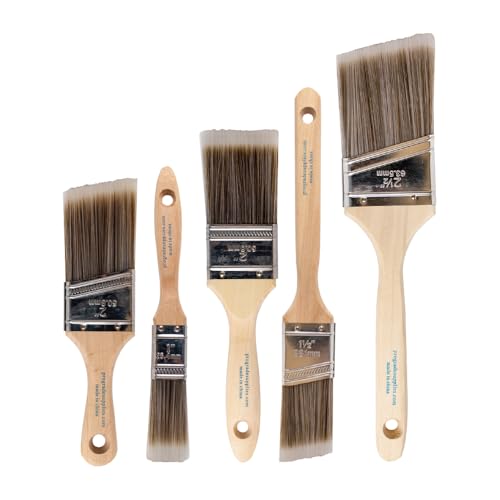
Pro Grade Paint Brush Set
What We Like
- Includes 2.5 in. angle brush
- Zero bristle loss guarantee
- Stubby angle for tight spaces
- Works with latex and oil paint
Trade-offs
- Lightweight feel reduces leverage for broad wall coverage
- Softwood handles lack chemical resistance of synthetic handles
Five brushes in one set cover the sizes most painters reach for daily. They include a 1-inch flat for small trim, 1.5- and 2.5-inch angles for cutting-in, a 2-inch flat for broad surfaces, and a 2-inch angle stubby for tight spots like cabinet interiors. The SRT synthetic filaments load paint evenly and release it without streaks, while the precision adhesive bond locks every bristle in place so none end up in your finish. This set suits anyone who wants a complete kit for walls, cabinets, doors, and detailed trim without buying brushes one at a time.
The set includes five brush sizes that professional painters use daily, from a 1-inch flat to a 2.5-inch angle, so you can handle trim, cabinets, and broad walls without switching tools. At 0.2 pounds total, the brushes feel light, which helps with precision cutting-in but means less heft for pressing paint into textured surfaces. For a contractor or DIYer who needs every size in one affordable bundle, this set delivers professional-grade performance without the premium price.
Product photos
PinStone Angled Paint Brush Set

What We Like
- Shed-free synthetic bristles hold paint well
- Short handle gives tight-space control
- Works with water- and oil-based paints
Trade-offs
- Short handle limits reach on large walls
- 2-inch width slower for broad surfaces
A short handle gives you precise control in confined spaces, but you may need to get closer to tall walls compared to a brush with a longer handle. At 2 inches wide, the brush is suited for detail and edging rather than covering large wall sections quickly. For fatigue-free cutting in and corner work, this set works well; for broad strokes, consider pairing it with a wider brush.
Product photos
How We Evaluated Brushes To Cut In Paint
We evaluated these brushes by analyzing manufacturer specifications, expert recommendations from painting professionals, and the most common patterns found in thousands of owner reviews. No brush was physically tested; instead, we cross-referenced technical details like bristle composition, ferrule material, and handle ergonomics against real-world feedback on performance and durability.
The three criteria that mattered most were bristle precision, handle maneuverability, and paint compatibility. A brush must hold a fine tip for clean lines, yet the handle must allow a steady hand in tight spaces. We also considered how well each brush performed with both latex and oil-based paints, as many DIYers switch between the two.
A research-led evaluation has limits. No amount of spec analysis can replicate the feel of a brush in your hand or the way a particular bristle blend lays paint on a textured wall. We prioritized brushes with clear, consistent feedback from a wide range of users to give you the most reliable guidance.
What To Look For In Brushes To Cut In Paint
Choosing the right brush for cutting in paint comes down to three key factors: bristle flexibility, handle length, and brush width. Each affects your control, comfort, and the quality of your paint line.
A brush that cuts in well has a fine, flexible tip for precise lines, a handle that fits your grip comfortably, and a width that matches the surface you are painting.
Bristle Material And Flexibility
Synthetic bristles, like nylon and polyester, are the standard for cutting in with water-based latex paints. They hold their shape and a fine tip without becoming soggy. Natural bristles work better with oil-based paints but can swell and become limp with latex. A blend, like the nylon-polyester mix in the Wooster Shortcut, offers versatility across paint types. Look for a brush with flagged or tapered tips for the smoothest paint release.
Handle Design And Length
The handle is your connection to the brush tip. A short handle, around 2 inches, gives you maximum maneuverability in tight spaces like window sashes and cabinet corners, but it limits your reach on large walls. A longer handle, around 12 inches, is better for long, steady strokes along baseboards and ceilings but can feel clumsy in confined areas. Consider where you will be cutting in most often and choose a handle length that matches that space.
Brush Width And Tip Shape
For cutting in, a 2-inch to 2.5-inch angled sash brush is the most versatile. The angled tip allows you to place paint precisely along edges without overshooting. A narrower brush (1 inch or 1.5 inches) is better for detail work around outlets and narrow trim. A wider brush (3 inches or more) speeds up work on large wall sections but is harder to control for fine lines.
- Look for a stainless steel ferrule that resists rust and keeps bristles firmly in place.
- Check for epoxy-set bristles, which prevent shedding and prolong brush life.
- Consider the weight of the brush; a lighter brush reduces fatigue during long sessions.
- Choose a brush with a comfortable grip if you have arthritis or hand pain.
A good rule of thumb: the tighter the space, the shorter the handle you need.
Brushes To Cut In Paint Compared
The table below compares the handle length, bristle material, and best use for each of our top picks, helping you find the right brush for your next painting project.
| Product | Bristle Material | Brush Width | Handle Material |
|---|---|---|---|
| Wooster Shortcut Angle Sash Paintbrush | Nylon and polyester | 2 inches | Flexible purple Shergrip |
| Wooster Tip Angle Sash Paintbrush | 100% CT polyester | 2 Inch | Hardwood |
| Zibra Precision Detail Paint Brush | Smooth Filament | 2 inches | Ergonomic hourglass |
| Purdy Clearcut Dale Angular Trim Paint Brush | Tynex nylon & Orel polyester | 1-1/2 inch | Alderwood |
| Bates Detail Trim Paint Brushes Set | Synthetic | 6/12/16/25mm | Wooden |
| Vermeer Angled Paint Brush Pack | Medium stiff synthetic blend | 2.5 inches | Wooden comfort grip |
| Valspar Wall And Trim Short Angle Brush | Polyester/Nylon blend | 2 in. | N/A |
| Shur-Line Pro Thin Angled Paint Brush | Thin angled | 2.5 inches | Comfortable |
| Pro Grade Paint Brush Set | Synthetic (SRT) | 1, 1.5, 2, 2.5 in. | Softwood |
| PinStone Angled Paint Brush Set | Synthetic filaments | 2-inch | Short rubber grip |
Frequently Asked Questions
What is the best brush for cutting in paint?
The Wooster Shortcut Angle Sash Paintbrush is our best overall pick for cutting in paint. Its short 2-inch handle gives you precise control in tight spaces, and the nylon-polyester blend works well with all paint types.
What size brush is best for cutting in?
A 2-inch angled sash brush is the most versatile size for cutting in paint. It offers enough width to cover edges efficiently while maintaining the control needed for clean lines along trim and ceilings.
What is the difference between an angled brush and a straight brush for cutting in?
An angled brush has bristles cut at a slant, which allows you to place paint precisely along edges without overshooting. A straight brush is better for broad, flat strokes but harder to control for detailed cut-in work.
How do I keep my cutting-in brush from leaving brush marks?
Use a brush with soft, flagged polyester bristles, like the Wooster Tip Angle Sash Paintbrush. Apply paint in a smooth, continuous stroke and avoid overloading the brush to minimize visible brush marks.
Can I use a cutting-in brush with oil-based paint?
Yes, many synthetic brushes work with oil-based paints. The Wooster Tip Angle Sash Paintbrush and the Purdy Clearcut Dale Angular Trim Paint Brush are both suitable for latex and oil-based paints.
The Bottom Line
The Wooster Shortcut Angle Sash Paintbrush is the best brush for cutting in paint for most people. Its short handle gives you the control needed for precise lines around trim, sashes, and tight corners, and its nylon-polyester blend works with any paint you choose.
If your priority is achieving the smoothest possible edge on long, straight runs, the Wooster Tip Angle Sash Paintbrush is the better choice. For detail work that demands hours of comfortable grip, the Zibra Precision Detail Paint Brush is designed to reduce hand fatigue.
The single most important factor when buying a brush for cutting in is handle length. Choose a short handle for tight spaces and a long handle for sweeping strokes, and you will have the control you need for a professional-looking paint job.
