
5 Best Paint Removers For Vinyl Siding in 2026
This post contains affiliate links. As an Amazon Associate, we earn from qualifying purchases.
The best paint remover for vinyl siding is Motsenbocker’s Lift Off Spray Paint & Graffiti Remover. Its water-based formula protects existing paint while removing spray paint, acrylic, and enamel. For multi-surface needs, the Motsenbocker’s Lift Off Paint Scuff & Graffiti Remover is a top choice, and the Sunnyside Corporation Ready-Strip Graffiti Remover is our budget pick.
Removing paint from vinyl siding is tricky because harsh chemicals can warp or discolor the surface. The right formula must be strong enough to lift paint yet gentle enough not to damage the siding itself. You also need a product that works on vertical surfaces without running off before it can do its job.
We researched product specifications, manufacturer documentation, and patterns in owner feedback to build this guide. Our goal is to help you choose a paint remover that matches your specific project, whether you are dealing with graffiti, a latex spill, or an old paint layer.
Top 5 Paint Removers For Vinyl Siding in the Market
Certain content that appears on this site comes from Amazon. This content is provided "as is" and is subject to change or removal at any time.
The Best Paint Removers For Vinyl Siding, Reviewed
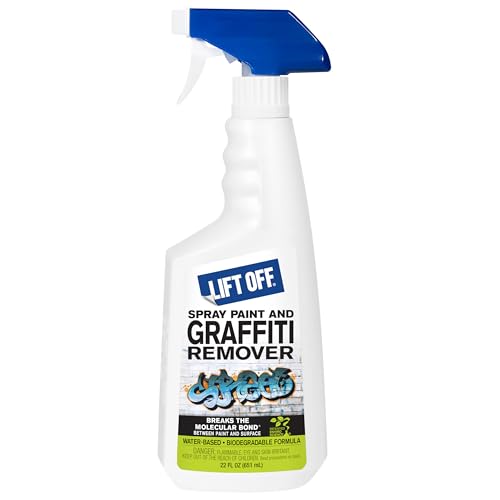
Motsenbocker's Lift Off Spray Paint & Graffiti Remover
What We Like
- Water-based formula safer than harsh chemicals
- Removes spray paint, acrylic, and enamel
- Works on hard, soft, and porous surfaces
- Leaves existing paint intact for easy disposal
Trade-offs
- Not formulated specifically for vinyl siding
- Requires manual scrubbing for full removal on porous surfaces
This water-based formula breaks the bond between spray paint, acrylic, and enamel and the surface without damaging the paint underneath, so it works on concrete, stucco, plastic, brick, and Plexiglas. That makes it a safe choice for cleaning graffiti off a fence or driveway without harming the existing finish. The 22-ounce can covers a decent area, but for a full wall you may need more than one can.
The Max Strip Spray Paint & Graffiti Remover is a gel formula, which can be useful on vertical surfaces. The Lift Off remover prioritizes safety for the paint underneath and works across a wide range of materials. If you need a remover that won’t damage the existing paint and handles multiple surface types, this is the one to grab.
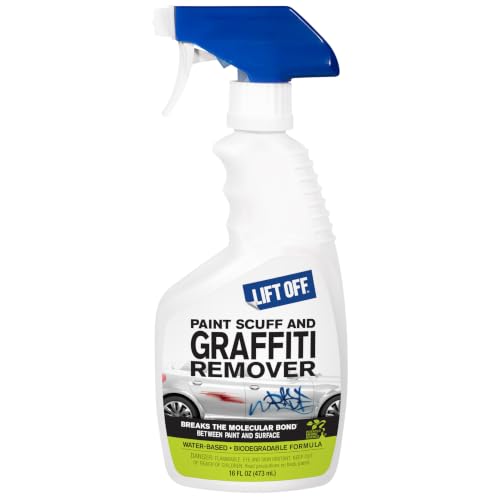
Motsenbocker's Lift Off Paint Scuff & Graffiti Remover
What We Like
- Safe on existing painted surfaces
- Works on hard, soft, and porous surfaces
- Water-based, no methylene chloride or NMP
- Removes spray paint, acrylic, and enamel
Trade-offs
- 16 oz bottle is smaller than some competitors
- Designed for graffiti and scuffs, not heavy paint layers
A patented water-based formula that safely breaks the bond between paint and surface means you can remove spray paint, acrylic, and enamel from hard and soft surfaces without damaging the existing finish underneath. That’s the core strength here: it leaves the original paint solid and intact, so you’re not trading one problem for another. This makes it ideal for cleaning up graffiti, scuffs, and spray paint from concrete, stucco, vehicles, plastic, brick, and Plexiglas. One bottle can handle cleanup on a variety of surfaces around the property or on the car, which is why it stands out as a versatile option for targeted paint removal.
The trade-off is that this is a targeted graffiti and scuff remover, not a heavy-duty paint stripper for thick, multilayered coatings. If you’re trying to remove years of old paint buildup, a dedicated stripper may work faster. But for everyday scuffs, spray paint mishaps, and graffiti, Lift Off’s gentle bond-breaking action is exactly what you want, especially since it avoids harsh chemicals like methylene chloride. Keep in mind the 16-ounce bottle is smaller than some competitors, so for large-area jobs you may need multiple bottles, but the safety and surface compatibility make it worth the extra trips to the store.
Max Strip Latex Paint Remover Gel Spray

What We Like
- Low VOC, biodegradable formula
- Fast-acting gel that softens latex paint
- Color safe on carpet, fabric, and tile
- Works on fresh or dried latex stains
Trade-offs
- Cannot be used for furniture refinishing
- Not safe for painted walls or hardwood floors.
Its low VOC, biodegradable formula penetrates and softens both fresh and dried latex paint within minutes, so you can wipe away messes without harsh fumes. For anyone dealing with stray latex marks on interior or exterior surfaces, this offers a fast, color-safe cleanup that won’t harm factory-finished coatings.
Product photos
Max Strip Spray Paint & Graffiti Remover

What We Like
- No harsh fumes or unpleasant odor
- No caustic chemicals like methylene chloride
- Fast-acting spray gel formula
- Works on brick, wood, metal, glass & concrete
Trade-offs
- Not safe for use on plastic surfaces
- Requires 15-minute check intervals for removal
A 22-ounce spray gel that works without harsh fumes or caustic chemicals like methylene chloride means you can use it in tight spaces without worrying about strong odors or dangerous solvents. It targets graffiti, markers, gum, decals, stickers, paint spills, overspray, paint pens, and crayons on brick, wood, metal, glass, and concrete. The fast-acting gel lets you check progress every 15 minutes, then scrape away the mess. That user-friendly approach suits DIYers and community cleanup crews who want power without the headache of heavy solvents.
This product is not safe for plastic surfaces, which means you cannot use it directly on vinyl siding itself. If your graffiti is on the siding material, you will need a different remover. For graffiti on adjacent surfaces like brick, concrete, or metal trim around the house, this spray gel works well. Compared to Motsenbocker’s Lift Off Spray Paint & Graffiti Remover, which uses a water-based formula, Max Strip skips the water for a gel that clings to vertical surfaces longer. That cling helps on rough textures like brick or concrete, but the plastic warning keeps it from being a one-bottle solution for all siding jobs.
Product photos
Sunnyside Corporation Ready-Strip Graffiti Remover

What We Like
- Works on vinyl siding
- Biodegradable and non-flammable
- Removes spray paint, varnish, lacquer
- Trigger spray for easy application
Trade-offs
- Not targeted for latex paint removal
A quart trigger spray of water-based formula means you can tackle graffiti and stubborn marks on vinyl siding without worrying about flammability or harsh cleanup. This remover from Sunnyside Corporation is designed for a wide range of surfaces including vinyl, brick, and metal, so it’s a versatile option if you need one remover for multiple jobs around the house. The trigger spray makes application straightforward, and the biodegradable formula keeps the process gentler on the environment.
This remover is not formulated specifically for latex paint stains like the Max Strip Latex Paint Remover Gel Spray. If your main concern is aerosol graffiti and marker on vinyl, this is a water-based, non-flammable choice. For heavy latex paint overspray, you might want a dedicated latex remover instead.
How We Evaluated Paint Removers For Vinyl Siding
Our evaluation is research-based: we analyzed manufacturer specifications, safety data sheets, and application instructions for each product. We also reviewed patterns in owner feedback to understand real-world performance on vinyl siding and similar surfaces.
We focused on four criteria that matter most for vinyl siding. Surface safety was the top priority, any product that could damage or discolor vinyl was eliminated. Formula type came next, as water-based options are generally safer than solvent-based ones for this material. Application method mattered because a spray or gel that clings to vertical surfaces is far more usable than a liquid that runs off. Finally, we considered versatility so the product can handle different paint types and stains.
We always suggest testing any remover on an inconspicuous area first.
What To Look For In Paint Removers For Vinyl Siding
Choosing a paint remover for vinyl siding means balancing effectiveness with surface safety. Here are the key factors to consider before you buy.
Look for a water-based formula labeled safe for vinyl siding. Prioritize products that cling to vertical surfaces, whether as a gel or spray. Check that the remover targets the specific paint type you need to remove, latex, acrylic, spray paint, or graffiti.
Surface Safety and Formula Type
The most important factor is whether the remover is safe for vinyl siding. Harsh solvents like methylene chloride can melt, warp, or discolor vinyl. Water-based formulas are the safest choice for this material. Always check the label for explicit vinyl-siding compatibility before applying.
Application Method and Vertical Cling
Paint removers for vertical surfaces need to stay in place long enough to soften the paint. Gel formulas and trigger-spray foams are better at clinging than thin liquids. Look for products that mention vertical-surface use or have a gel-like consistency that won’t drip off.
Paint Type Compatibility
Not all paint removers work on every kind of paint. Some are formulated for latex, others for spray paint or graffiti, and some for oil-based paints. Identify the paint you need to remove and choose a product that specifically targets that type. Using the wrong remover can waste time and leave the paint intact.
- Confirm the product is labeled safe for vinyl siding or plastic surfaces.
- Check the paint type the remover targets (latex, spray paint, graffiti, oil-based).
- Choose a gel or spray formula that clings to vertical surfaces.
- Look for low-VOC or biodegradable options for safer use around your home.
- Always test the remover on a small, hidden area of siding first.
When in doubt, a water-based, biodegradable formula is the safest starting point for vinyl siding.
Paint Removers For Vinyl Siding Compared
The table below compares all five paint removers side by side, focusing on what matters most for vinyl siding projects.
| Product | Container Size | Formula Type | Surfaces | Weight |
|---|---|---|---|---|
| Motsenbocker's Lift Off Spray Paint & Graffiti Remover | 22 fl oz | Water-based | Concrete, stucco, plastic, brick, Plexiglas | 1.4 pounds |
| Motsenbocker's Lift Off Paint Scuff & Graffiti Remover | 16 fl oz | Water-based | Concrete, stucco, vehicles, plastic, brick, Plexiglas | 1.0 pounds |
| Max Strip Latex Paint Remover Gel Spray | 22 fl oz | Low VOC, biodegradable | Carpet, fabric, tile, glass, brick, concrete | 1.7 pounds |
| Max Strip Spray Paint & Graffiti Remover | 22 fl oz | No Methylene Chloride or NMP | Multi-Surface | N/A |
| Sunnyside Corporation Ready-Strip Graffiti Remover | Quart trigger spray | Water-based | Brick, metal, vinyl, wood, plaster | 2.0 pounds |
Frequently Asked Questions
Can I use paint thinner on vinyl siding?
Paint thinner is not recommended for vinyl siding. Most paint thinners contain strong solvents that can damage or discolor vinyl. A water-based paint remover specifically labeled for vinyl siding is a safer choice.
What is the best way to remove spray paint from vinyl siding?
The best approach is to use a water-based graffiti remover designed for vertical surfaces. Apply the product, let it sit for the recommended time, then scrub gently with a soft brush. Avoid using abrasive pads that could scratch the siding.
Will paint remover damage vinyl siding?
It can if you use the wrong product. Harsh chemical removers with methylene chloride or other strong solvents can melt or warp vinyl. Always choose a water-based formula that is explicitly labeled safe for vinyl siding.
How do I remove latex paint from vinyl siding?
Use a remover specifically formulated for latex paint. A gel spray that clings to vertical surfaces works best. Apply it to the latex stain, wait for the paint to soften, then rinse or wipe it away. Avoid scraping with metal tools.
Is it better to use a gel or a spray paint remover for siding?
A gel is generally better for vertical surfaces because it clings without running off. However, a trigger-spray formula that foams can also work well. Thin liquid sprays are less effective because they drip down before the paint softens.
The Bottom Line
For most homeowners, the Motsenbocker’s Lift Off Spray Paint & Graffiti Remover is the best overall choice. Its water-based formula is safe for multiple surfaces, including vinyl, and it handles spray paint, acrylic, and enamel without damaging existing paint. It is ideal for general paint removal and graffiti cleanup.
If you are on a budget, the Sunnyside Corporation Ready-Strip Graffiti Remover offers a biodegradable, non-flammable option that works directly on vinyl siding. For latex paint spills on unpainted surfaces, the Max Strip Latex Paint Remover Gel Spray is the right pick.
The single most important factor when choosing a paint remover for vinyl siding is surface safety. Always verify that the product is labeled safe for vinyl before you apply it. A water-based formula is your safest bet.
