
3 Best 1 Coat Paint in 2026
This post contains affiliate links. As an Amazon Associate, we earn from qualifying purchases.
The EVOLVE Interior Paint & Primer Flat is the best overall one coat paint. Its built-in primer and low-odor formula deliver true one-coat coverage with a smooth, washable finish. For those needing a single paint for both indoors and out, the EVOLVE Ultimate White Paint & Primer Satin is a top choice, while the Valspar Medallion Plus Interior Paint & Primer Flat offers an affordable option for smaller projects.
The promise of a single coat of paint is a huge time-saver, but not all paints live up to the claim. The real challenge is finding a formula that hides the old color, applies smoothly, and holds up over time without needing a second coat.
This guide is built on a close look at product specs, manufacturer claims, and patterns in owner feedback. We focused on the features that actually matter for one-coat coverage: hiding power, durability, and ease of use. Our goal is to help you choose the right paint for your project with confidence.
Top 3 One Coat Paints in the Market
Certain content that appears on this site comes from Amazon. This content is provided "as is" and is subject to change or removal at any time.
The Best One Coat Paints, Reviewed
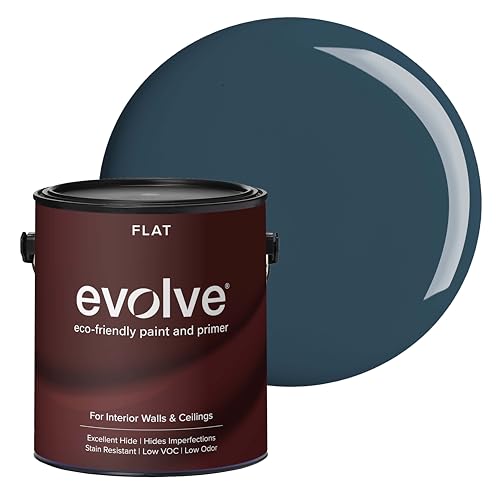
EVOLVE Interior Paint & Primer Flat
What We Like
- One-coat coverage with primer built in
- Low VOC and low odor formula
- Washable, stain- and scuff-resistant finish
Trade-offs
- Available only in curated designer color palette
- Not suitable for high-moisture areas like bathrooms
A gallon of paint that covers in one coat and doubles as its own primer means you can finish a bedroom or living room wall in a single afternoon instead of waiting between layers. The low-VOC, low-odor formula keeps the room comfortable while you work, and the flat matte finish hides small dings and uneven textures that would show under glossier paints. For anyone who wants a clean, subtle look without the hassle of multiple coats, this is the most straightforward option in the guide.
The trade-off is that a flat sheen, while elegant, is less forgiving of frequent scrubbing or heavy traffic than a satin or eggshell would be. So it suits low-traffic spaces like bedrooms and living rooms best. Compared to the Glidden One Coat Eggshell, which offers similar coverage but a slightly more durable sheen, the EVOLVE’s low-VOC edge and easy touch-up capability make it the better choice when air quality and a uniform finish matter most.
Product photos
EVOLVE Ultimate White Paint & Primer Satin

What We Like
- All-in-one paint and primer
- Low odor and low VOC
- Washable, scuff-resistant satin finish
Trade-offs
- Only available in bright white, not tintable
- Satin sheen shows surface imperfections more than flat
The trade-off is that this paint comes only in bright white. So if you need a specific color, you’ll have to look elsewhere, say at the EVOLVE Interior Paint & Primer Flat which offers over fifty colors. And the satin sheen, while durable and easy to clean, will highlight every bump and patch more than a flat finish would. That makes it less ideal for older walls with lots of texture, but for a clean, modern look on doors, trim, or a bathroom refresh, this one-coat workhorse delivers exactly what it promises.
Product photos
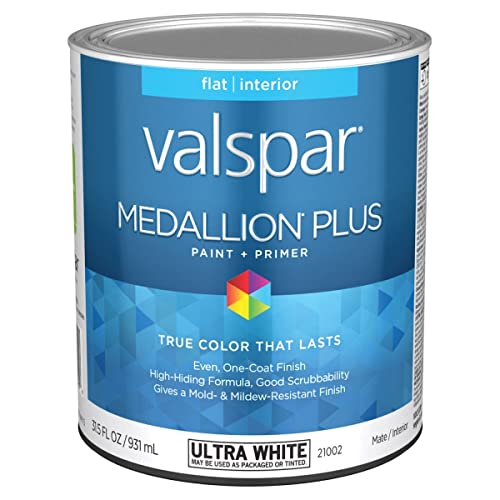
Valspar Medallion Plus Interior Paint & Primer Flat
What We Like
- High-hiding for one-coat coverage
- Good scrubbability for durability
- 100% acrylic formulation
Trade-offs
- Flat sheen shows scuffs more than satin
- Quart size covers only small projects
One-coat coverage means you can finish a wall in a single pass, saving time and paint. The 100% acrylic resin and high-hiding formulation support good scrubbability for everyday durability. This Valspar Medallion Plus is a flat finish that hides imperfections well, making it suitable for many interior projects.
The trade-off is the flat sheen: it hides imperfections beautifully but can show marks more readily than a satin or eggshell finish. For bedrooms, ceilings, or low-traffic rooms where you want a smooth, non-reflective look, this Valspar delivers one-coat coverage. The EVOLVE Interior Paint & Primer in satin offers a different sheen option for comparison.
How We Evaluated One Coat Paints
This evaluation is based on manufacturer specifications, product documentation, and patterns found in expert round-ups and owner feedback. The focus is on data that predicts real-world performance.
The most important criteria for one-coat paints are hiding power, durability, and the formula itself. Hiding power means how well the paint covers the previous color. Durability covers resistance to scuffs, stains, and washing. The formula includes low VOC for safer indoor use and whether primer is built in. We also considered versatility, such as whether a paint works on both interior and exterior surfaces.
A research-led evaluation has limits: it cannot measure the feel of a brush stroke or the exact look of a finish in different light. But by focusing on specs and owner-reported patterns, we can separate marketing claims from genuine performance.
What To Look For In One Coat Paints
Choosing a one coat paint is about more than just the claim on the label. Here are the key factors that separate a true one-coat paint from one that will leave you reaching for a second can.
A true one-coat paint should have high-hiding ability and a built-in primer for maximum coverage. A flat finish hides wall imperfections but is less scrubbable, while a satin finish is more durable but shows flaws. Low VOC means safer indoor air quality during and after painting.
Hiding Power and Coverage
The most critical feature of a one coat paint is its ability to hide the existing color in a single pass. Look for paints described as “high-hiding” or “one-coat coverage.” The best formulas are often thicker and more pigmented, allowing them to block out the old color more effectively. A built-in primer enhances this, as it seals the surface and helps the paint adhere.
Finish and Durability
The sheen you choose affects both the look and the longevity of the paint. Flat finishes are great for hiding wall imperfections, but they are less resistant to scuffs and stains. Satin and eggshell finishes are more washable and durable, making them better for high-traffic areas. However, satin sheens can highlight surface flaws, so good surface prep is key.
Formula and Safety
Low VOC (volatile organic compounds) paints are better for indoor air quality, producing less odor during application and off-gassing. Many modern one-coat paints are also water-based (acrylic) for easy cleanup. For interior use, a low-odor, low-VOC formula is a smart choice, especially for bedrooms or living spaces where you don’t want fumes lingering.
- Check the square footage coverage per gallon to estimate how much paint you need.
- Look for “scrubbable” or “washable” labels if the surface will see regular cleaning.
- Confirm the paint is specifically formulated for the surface (interior wall, ceiling, or exterior).
A good rule of thumb: if the paint does not list “primer” or “high-hiding” in its description, it likely needs two coats.
One Coat Paints Compared
The table below compares the three top one-coat paints across the features that matter most for your project.
| Product | Sheen | Coverage | Paint + Primer | VOC Level |
|---|---|---|---|---|
| EVOLVE Interior Paint & Primer Flat | Flat | One-coat | Yes | Low |
| EVOLVE Ultimate White Paint & Primer Satin | Satin | One-Coat Coverage | Yes | Low VOC |
| Valspar Medallion Plus Interior Paint & Primer Flat | Flat | One-coat coverage | Yes | N/A |
Frequently Asked Questions
Can one coat paint really cover in a single coat?
Yes, but it depends on the color you are covering, the paint’s pigment quality, and your application technique. True one-coat paints are thicker and more pigmented, but you may still need two coats when painting over a much darker color or a very bright shade.
Is one coat paint more expensive than regular paint?
One-coat paints are generally priced as a premium product, but they can save money overall by reducing the amount of paint needed and the time spent on the job. The value is in the efficiency rather than a lower per-can price.
What sheen is best for one coat paint on walls?
A flat or matte sheen is best for hiding wall imperfections and is the most forgiving for DIYers. Satin and eggshell are more durable and washable, but they show every bump and brush mark, so they require a smooth, well-prepped surface.
Can I use one coat paint on ceilings?
Yes, many one-coat paints work well on ceilings, especially those with a flat finish. Look for paints labeled for both walls and ceilings. A paint with good hide is particularly useful on ceilings, where applying a second coat is awkward and tiring.
How long does one coat paint take to dry?
Most water-based one-coat paints dry to the touch in about one hour and are ready for a second coat (if needed) in about four hours. However, full cure takes several days, so avoid heavy cleaning or scrubbing until then.
The Bottom Line
The EVOLVE Interior Paint & Primer Flat is our best overall pick for homeowners who want a fast, low-odor one-coat paint with a smooth matte finish for low-traffic rooms. It combines primer and paint in one, making the job quicker and easier.
If you need a single paint for both interior and exterior surfaces in bright white, the EVOLVE Ultimate White Paint & Primer Satin is the right choice. For a budget-friendly option on small projects like a single accent wall or a ceiling, the Valspar Medallion Plus Interior Paint & Primer Flat delivers solid one-coat performance.
The single most important factor in getting true one-coat coverage is choosing a paint that specifically advertises high-hiding power and includes a built-in primer. That combination gives you the best chance of finishing the job in one coat.
