
10 Best Primers For Ceramic Tile in 2026
This post contains affiliate links. As an Amazon Associate, we earn from qualifying purchases.
For painting over ceramic tile, the INSL-X Stix Acrylic Waterborne Bonding Primer is our best overall pick. It bonds to glossy surfaces without sanding, cures in cool temperatures, and cleans up with soap and water. For a fast-drying option, the Schluter Primer-U is ideal. If low-VOC is your priority, the MAPEI ECO Prim Grip is a top choice.
The main challenge with priming ceramic tile is its slick, non-porous surface. Standard primers won’t stick, leading to peeling paint. You need a bonding primer specifically formulated to grip gloss and create a foundation for your topcoat.
This guide is based on a review of manufacturer specifications, expert recommendations, and patterns in owner feedback. We focused on adhesion strength, dry time, and ease of application to help you choose the right primer for your tile project.
Top 10 Primers For Ceramic Tile in the Market
Certain content that appears on this site comes from Amazon. This content is provided "as is" and is subject to change or removal at any time.
The Best Primers For Ceramic Tile, Reviewed
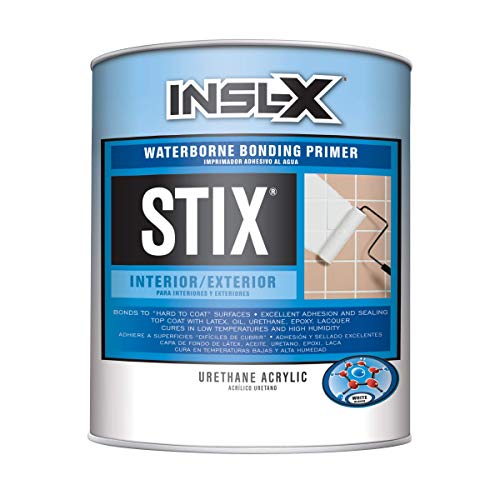
INSL-X Stix Acrylic Waterborne Bonding Primer
What We Like
- Bonds to glossy tile and ceramic
- Cures down to 35 °F
- Low VOC, soap-and-water cleanup
- Top-coat with almost any paint
Trade-offs
- Quart size covers only 75-100 sq ft
- Requires surface prep per label instructions
This primer’s acrylic-urethane formula bonds to glossy ceramic tile, glass, PVC, and Formica, surfaces that many primers fail to grip. It fully cures in temperatures as low as 35 °F, so you can use it on exterior tile or in an unheated garage during cooler months. Coverage runs 75 to 100 square feet per quart, which fits a single bathroom or backsplash without leaving a half-empty can. Soap and water clean up, low VOCs, and compatibility with almost any topcoat mean you aren’t tied to a specific paint brand.
A quart covers a modest area, so if you’re priming an entire kitchen floor or a large shower surround, you’ll need multiple quarts. Compared to Schluter Primer-U, a water-based primer for hard-to-bond surfaces and mortar work, the INSL-X Stix is a general-purpose bonding primer that also works on wood, drywall, and metal. That versatility helps homeowners tackling mixed-surface projects.
Schluter Primer-U Universal Water-Based Primer

What We Like
- Dries in 15-60 minutes
- Works on challenging surfaces like steel and tile
- Low odor formula
- Easy water clean-up
Trade-offs
- Requires wet clean-up only; dried primer harder to remove
- Heavier than most 1-gallon primers (8.0 lb)
A 15-60 minute dry time means you can prime a bathroom floor at breakfast and start tiling before lunch. Schluter Primer-U is formulated to stick to notoriously tricky surfaces like existing ceramic tile, terrazzo, steel, and adhesive residue, making it a practical choice for renovations where you need to move fast. The water-based formula has low odor, and a simple rinse with water while the primer is still wet saves your rollers and brushes from an early grave. This primer is designed for demanding substrates when the schedule is tight.
Water-based clean-up is a real convenience, but it comes with a strict timeline. Reviewers note that tools must be rinsed while the primer is still wet, because once it dries, the bond sets firmly and becomes much harder to remove. A simple rinse with water keeps rollers and brushes performing like new, but waiting too long means scrubbing or solvent work. For anyone who has dealt with dried-on bonding primers, this is a welcome trade-off: easy maintenance if you stay on schedule, and a reliable, lasting bond if you don’t. The 15-to-60-minute dry time also means you can finish the job and clean up in the same session without rushing.
MAPEI ECO Prim Grip Bond-Promoting Primer

What We Like
- Low-VOC and low-odor formula
- Bonds to tile, vinyl, stone, plywood
- Works on smooth nonabsorbent surfaces
- One-component, ready to use
Trade-offs
- Not suitable for use over glass or sealed surfaces
- Requires substrate to be free of loose adhesive residue
A low-VOC, low-odor formula means you can use this primer inside your home without worrying about harsh fumes lingering for days. Mapei ECO Prim Grip is ready to go straight from the jug, just roll or brush it onto ceramic tile, porcelain, vinyl composition tile, or even exterior-grade plywood. It creates a rough keying surface that helps mortars and self-leveling underlayments stick tight, even on smooth or nonabsorbent floors. That makes it a smart pick for tiling over existing tile or prepping a tricky substrate for a leveling layer.
A one-component, ready-to-use gray latex, this primer goes on with a roller or brush and creates a rough keying surface that locks onto smooth or low-absorptive substrates. That rough texture is what makes polymer-modified mortars, render coats, and self-leveling underlayments actually stick where they’d otherwise peel off. It works both indoors and out, and owners report it handles ceramic tile, porcelain, vinyl composition tile, well-bonded sheet vinyl, natural stone, and exterior-grade plywood without needing a second coat for grip.
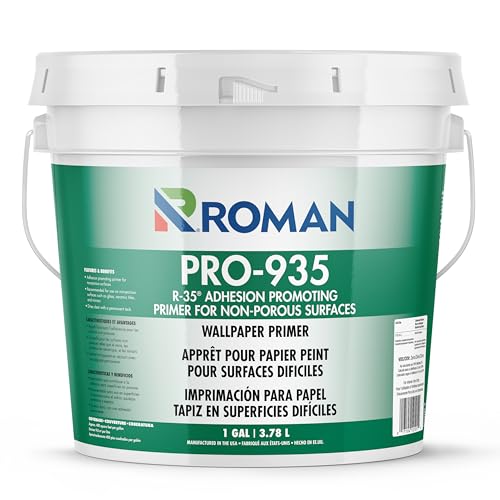
ROMAN PRO-935 R-35 Adhesion Promoting Primer
What We Like
- Dries clear with strong residual tack
- Zero VOC, low-odor, LEED compliant
- Works on ceramic tile and glass
- Made in USA, trusted by professionals
Trade-offs
- Heavy tack can attract dust before covering
- Requires careful application on vertical surfaces
This clear acrylic primer covers about 450 square feet per gallon, so a single gallon can handle a typical bathroom wall of ceramic tile. It dries with a heavy tack that helps wallcoverings grip onto non-porous surfaces like glass and tile, where standard primers often fail. That tack is the key to getting heavy wallcoverings to stay put on slick substrates. The zero-VOC, low-odor formula also makes it comfortable to apply in enclosed spaces, and it cleans up with water.
Because it dries clear, it won’t cover up stains or discolorations on the surface underneath. If your tile has grout haze or old adhesive residue, those marks will remain visible through the finish. For opaque coverage, a white bonding primer like INSL-X Stix might be a better option. But if you need a clear, tacky bonding layer that doesn’t add VOCs or odor, this primer delivers that specific performance.
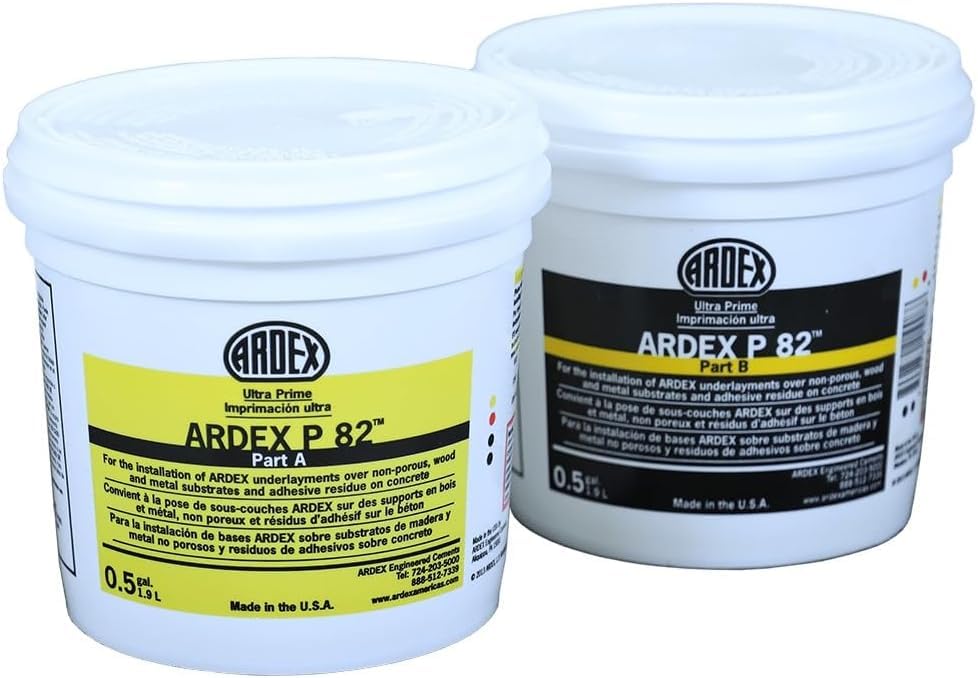
Ardex P 82 Ultra Prime Two-Component Primer
What We Like
- Two-component epoxy for maximum adhesion strength
- Bonds to non-porous surfaces like glass and metal
- Fast-drying reduces downtime in commercial settings
- Solvent-free formula for safer indoor application
Trade-offs
- Two-component system requires mixing before use
- No weight listed for comparison with other primers
An epoxy primer that sticks to smooth, non-porous surfaces like glass, metal, epoxy coatings, and existing tile, the Ardex P 82 Ultra Prime is designed for floors where ordinary primers fail. It dries quickly, which reduces downtime in commercial settings, and its solvent-free formula makes it safer for indoor use. For anyone laying tile over a smooth, non-porous floor or bonding stone to a sealed surface, this primer provides superior adhesion that helps prevent bond failure.
The trade-off is the mixing step: two components mean measuring and stirring before you can roll, which adds a few minutes to prep. Compared to the ready-to-use Schluter Primer-U, the Ardex requires that extra effort but offers a high-performance bond on challenging substrates like terrazzo or metal decking. If your project involves those surfaces, the mixing is a small price for adhesion you can trust.
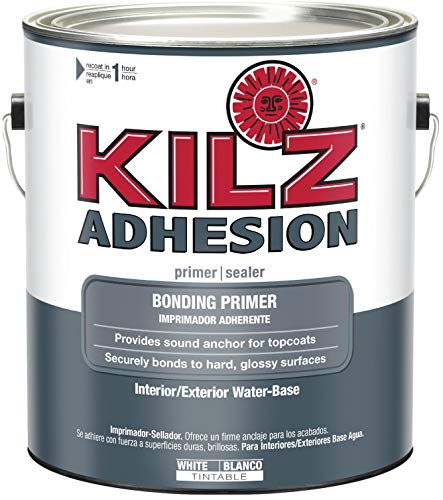
Masterchem Industries L211111 Primer
What We Like
- Bonds to tile, glass, metal
- Covers 300-400 sq ft per gallon
- Dries to touch in 30 minutes
- Water-based and non-flammable
Trade-offs
- Needs 24 hours dry before epoxy topcoat
- Pack of 4 gallons is heavy at 12.2 lbs
A 300-400 square foot coverage per gallon means one coat can handle a large bathroom floor or backsplash without needing a second can. This primer sticks to tile, glass, metal, and other slick surfaces where ordinary primers peel, making it a strong choice for ceramic tile projects that need reliable adhesion. Its water-based formula dries to the touch in 30 minutes and accepts a recoat in just one hour, so you can keep moving through the job without long waits.
The trade-off comes if you plan to use an epoxy or lacquer topcoat. The label calls for a full 24-hour drying time before applying those, which slows down a quick project. Compared to the INSL-X Stix Acrylic Waterborne Bonding Primer, which comes in a smaller quart size, this Kilz pack gives you four gallons at once, great for large areas but heavier to carry at 12.2 pounds. For someone tackling multiple rooms or a big tile floor, the coverage and adhesion justify the extra weight.
Ardex P 4 Pre-Mixed Rapid-Drying Primer

What We Like
- Dries in as little as 30 minutes
- Drip-free, splash-free consistency
- White color shows coverage clearly
- Works on porcelain, marble, granite
Trade-offs
- 10.0 lb pail is heavy for small jobs
- Requires mixing for two-part primer applications
A drying time of just 30 minutes means you can prime bathroom tile in the morning and start tiling by lunch. That speed, paired with a drip-free, splash-free consistency that cuts cleanup, makes this primer a natural fit for bathroom renovations where moisture and tight schedules collide. Its white color also helps you spot missed spots instantly, reducing errors on shower walls or laundry room floors. For homeowners and pros alike who need a reliable bond on ceramic, porcelain, or natural stone, this pre-mixed option delivers without forcing you to mix components or wait hours.
The Ardex P 4 primer dries in as little as 30 minutes, so a tile floor can be ready for mortar the same day. It comes as a single-component, ready-to-use formula that avoids the mixing step required by two-part primers. The white color makes it obvious where you’ve already coated, which cuts down on missed spots. At 10 pounds, the pail is heavy enough that you’ll want to set it on a stable surface before opening.
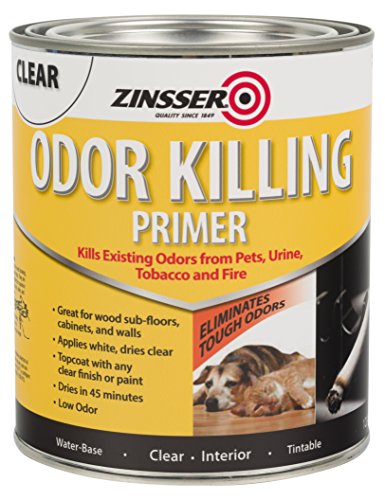
Zinsser Odor Killing Primer
What We Like
- Seals smoke, pet & musty odors
- Adheres to ceramic tile without sanding
- Low-odor formula works with any topcoat
- Blocks stains on interior surfaces
Trade-offs
- Quart size covers only 100 sq ft
- Needs thorough cleaning before application for best results
The single most decisive fact about this primer is that it dries clear in 25 minutes and can be recoated in 45 minutes. You can seal in stubborn pet or smoke odors on ceramic tile and move on to painting the same day. This makes it ideal for rooms where lingering smells from previous damage or accidents need to be locked away before applying a fresh topcoat. Because it adheres to glossy ceramic tile without sanding or deglossing, you save prep time while still getting a reliable bond.
A quart covers only 100 square feet, so it’s perfect for a small bathroom wall or closet but you’ll need multiple quarts for a larger room. The formula seals in smoke, pet, and musty odors while blocking stains on painted or unpainted interior surfaces like drywall, wood, and metal. It dries to the touch in 25 minutes and recoat-ready in 45 minutes, which keeps a quick project moving.
Product photos
Stone Coat Countertops Bonding Primer & Sealer

What We Like
- Strong adhesion on slick non-porous surfaces
- Low-odor, low-VOC for indoor use
- Easy cleanup with warm soapy water
- Improved formulation over XIM UMA Primer
Trade-offs
- Requires sanding between coats for best adhesion
- Not suitable for large floor areas per quart
A quart that covers up to 30 to 40 square feet with two coats means this primer is sized for a single countertop or a modest backsplash, not a whole floor. It bonds to slick surfaces like tile, granite, laminate, quartz, solid surface, and cultured marble, which is exactly what you need when painting over glossy ceramic. The water-based, low-odor formula makes it comfortable to use indoors without overwhelming fumes, and cleanup is as simple as soap and water. This primer is designed for epoxy applications on those hard-to-bond surfaces.
The trade-off is that you will need to sand lightly between coats to get that advertised adhesion, which adds a step and some dust to the process. For a focused countertop project where bond strength matters most, the upgraded formulation and easy cleanup keep the process straightforward.
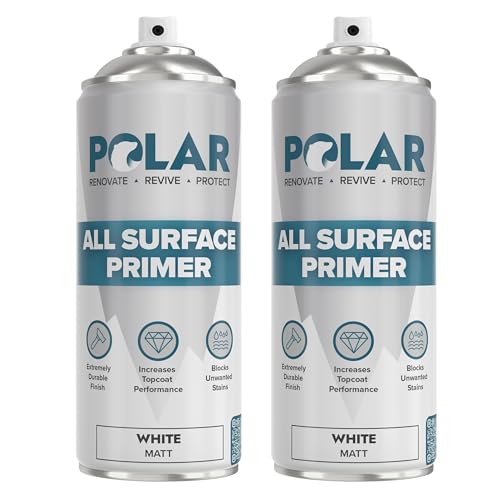
Polar All Surface Primer Spray Paint
What We Like
- Fills cracks as it primes
- Bonds to ceramic surfaces
- Quick drying in 15 minutes
- High-build formula for smooth finish
Trade-offs
- Requires 2-3 coats for best results
- Full cure takes up to 24 hours
- Spray format limits large tile areas
A 15-minute dry time between coats means you can move through a tile priming project without long waits. The high-build formula fills slight cracks and surface imperfections as it primes, creating a smooth foundation for topcoat paint. This spray primer bonds reliably to ceramic, wood, metal, and plastic, making it a versatile option for DIYers tackling mixed-material projects like tile backsplashes or painted furniture. The quick-drying, gap-filling design suits anyone who wants a durable undercoat that resists chipping and peeling without needing a brush or roller.
Spray application works best for smaller or detailed areas, while larger projects may require multiple cans and careful overspray management. The 24-hour full cure time means you should plan accordingly before subjecting the surface to regular use. Compared to the INSL-X Stix Acrylic Waterborne Bonding Primer, which comes in a quart size and weighs 2.8 pounds, the Polar spray primer is better suited for touch-ups, craft-scale work, or projects where convenience and speed between coats matter more than bulk coverage.
Product photos
How We Evaluated Primers For Ceramic Tile
This evaluation is based on manufacturer technical data sheets, expert round-ups from painting professionals, and common themes in user reports. We analyzed how each primer’s formulation and application requirements match real-world tile-priming scenarios.
We prioritized four criteria. First, adhesion to non-porous surfaces was critical, a primer must bond to glossy ceramic without peeling. Second, dry time matters for project pacing; some primers dry in minutes, others need hours. Third, chemical composition affects odor, clean-up, and safety. Fourth, application method (spray, brush, or roller) and coverage area determine suitability for different project sizes.
The limit of a research-led evaluation is that we cannot verify performance claims in a controlled setting. We rely on the stated specs and the consensus among experienced painters. For the best results, always follow the manufacturer’s surface preparation instructions.
What To Look For In Primers For Ceramic Tile
Choosing the right primer for ceramic tile comes down to matching the product’s strengths to your project’s demands. The key factors are adhesion, dry time, and ease of use.
Look for a primer specifically labeled as a bonding primer for non-porous surfaces. Check the dry time to match your schedule, and consider the clean-up method and VOC level for your workspace.
Adhesion to Glossy Surfaces
The primary job of a tile primer is to stick to slick, non-porous ceramic. Standard wall primers will fail. Look for formulations that include adhesion promoters or are described as “bonding” primers. Some products, like the Ardex P 82 Ultra Prime, use a two-component epoxy system for maximum grip on surfaces like glass and metal.
Dry Time and Recoat Window
Project speed depends on how fast the primer dries and when you can apply the topcoat. Options range from 15-minute dry times (Schluter Primer-U) to 24-hour waits before an epoxy topcoat (Masterchem L211111). For multi-coat jobs, a fast-drying primer can save hours.
Application and Clean-Up
Consider whether a brush, roller, or spray format suits your project. Water-based primers offer easy soap-and-water clean-up, while solvent-based options require mineral spirits. Spray primers like the Polar All Surface are convenient for small areas but require multiple coats. Liquid primers are better for large wall or floor tile areas.
- Choose a water-based primer for low odor and easy clean-up.
- For large areas, select a primer with high coverage per gallon (e.g., 300-400 sq ft).
- If working in a humid space like a bathroom, pick a primer with a rapid dry time.
- For maximum adhesion on extremely slick tile, consider a two-component epoxy primer.
- Always check the label for surface preparation requirements (cleaning, sanding).
A good rule of thumb: if the primer can bond to glass or glossy tile, it will work on ceramic.
Primers For Ceramic Tile Compared
The table below compares the key specs and best-use scenarios for each of the ten primers we evaluated.
| Product | Type | Coverage | Drying Time |
|---|---|---|---|
| INSL-X Stix Acrylic Waterborne Bonding Primer | Acrylic-urethane | 75-100 sq ft per quart | N/A |
| Schluter Primer-U Universal Water-Based Primer | Water-based | N/A | 15-60 minutes |
| MAPEI ECO Prim Grip Bond-Promoting Primer | Ready-to-use gray latex | N/A | N/A |
| ROMAN PRO-935 R-35 Adhesion Promoting Primer | Water-based acrylic | 450 sq ft per gallon | N/A |
| Ardex P 82 Ultra Prime Two-Component Primer | Two-component epoxy | N/A | Fast-drying |
| Masterchem Industries L211111 Primer | Styrenated-acrylic polymer | 300-400 sq ft/gal | 30 min to touch |
| Ardex P 4 Pre-Mixed Rapid-Drying Primer | Single-component | N/A | 30 minutes |
| Zinsser Odor Killing Primer | Water-base | 100 sq ft | 25 minutes |
| Stone Coat Countertops Bonding Primer & Sealer | Water-based | 30-40 sqft with 2 coats | N/A |
| Polar All Surface Primer Spray Paint | Spray paint | Up to 2 m² per 400ml can | Touch dry in 15 minutes |
Frequently Asked Questions
Can I paint directly over ceramic tile without primer?
No, painting directly over glossy ceramic tile without a bonding primer will likely result in peeling. The non-porous surface prevents standard paint from adhering. A bonding primer creates a mechanical and chemical grip for the topcoat.
What is the best primer for bathroom tile?
The Ardex P 4 Pre-Mixed Rapid-Drying Primer is a strong choice for bathroom tile. It dries in as little as 30 minutes, has a drip-free consistency, and works on porcelain and stone, making it suitable for showers and laundry rooms.
How long should I wait before painting over primer on tile?
Dry times vary by product. Some primers are ready for a topcoat in 15 to 30 minutes, while others require up to 24 hours. Always follow the manufacturer’s recommended recoat window for the best adhesion.
Do I need to sand ceramic tile before applying primer?
Many bonding primers are designed to adhere to glossy tile without sanding. However, some products, like the Stone Coat Countertops Bonding Primer, recommend sanding between coats for optimal adhesion. Always check the label instructions for surface prep.
What primer works best for painting tile countertops?
The Stone Coat Countertops Bonding Primer & Sealer is formulated for resurfacing tile and laminate countertops. It offers strong adhesion on slick surfaces, low odor, and easy cleanup, making it a popular choice for DIY countertop projects.
The Bottom Line
For most DIYers, the INSL-X Stix Acrylic Waterborne Bonding Primer is the best choice. It reliably bonds to glossy ceramic tile, works in cool temperatures, and offers the convenience of low-VOC and soap-and-water clean-up. It’s the versatile workhorse for a wide range of tile projects.
If your project demands speed, the Schluter Primer-U dries in as little as 15 minutes. For those prioritizing indoor air quality, the MAPEI ECO Prim Grip provides low-VOC bonding. And for maximum adhesion on challenging surfaces, the Ardex P 82 Ultra Prime two-component system delivers professional-grade grip.
The most important factor in a successful tile paint job is choosing a primer designed for non-porous surfaces. Invest in the right bonding primer, follow the prep instructions, and your paint will last.
