
10 Best Primers For Brick Exterior in 2026
This post contains affiliate links. As an Amazon Associate, we earn from qualifying purchases.
For prepping a brick exterior for paint, the Zinsser Block Filler Masonry Primer is our best overall pick because it fills and smooths rough masonry while providing excellent alkali resistance and stain blocking. For projects needing a fast-bonding all-surface solution, the Zinsser Bulls Eye 1-2-3 is a top choice, and the Seal-Krete Original Clear Waterproofing Primer Sealer is ideal for preserving natural brick looks.
Painting brick isn’t like painting drywall. Porous surfaces, efflorescence, and alkali salts can ruin a paint job if the wrong primer is used. The real challenge is finding a product that seals, bonds, and protects against moisture without adding unnecessary weight or cost.
This guide is built from manufacturer specifications, expert round-ups, and patterns in owner feedback. We’ve organized ten primers by their specific strengths, from heavy-duty block fillers to clear waterproofers, so you can match the right product to your project’s demands.
Top 10 Primers For Brick Exterior in the Market
Certain content that appears on this site comes from Amazon. This content is provided "as is" and is subject to change or removal at any time.
The Best Primers For Brick Exterior, Reviewed
Zinsser Block Filler Masonry Primer

What We Like
- Fills and smooths brick and concrete
- High-hiding flat white formula
- Excellent alkali resistance
- Blocks stains and seals surfaces
Trade-offs
- At 45.5 lb, heavy to carry up ladders
- Coverage varies with surface porosity
Up to five hundred square feet of coverage from a five-gallon pail means this primer can handle a sizable exterior wall or a whole cinderblock foundation in one coat. It is formulated to fill and smooth rough surfaces like brick, concrete, and stucco before you apply your topcoat. The flat white high-hiding formula helps block stains and seal surfaces. For anyone prepping a brick facade or a concrete wall for paint, this is the primer that does the heavy lifting, literally and figuratively, because it also provides excellent alkali resistance and eliminates concrete salt damage on top coats.
At over forty-five pounds per pail, this five-gallon primer-sealer is a heavy load to carry up a ladder or across a job site. That weight comes with a purpose: it covers up to 500 square feet and is designed to fill and smooth rough surfaces like cinderblock, brick, and stucco before topcoats. For a full exterior wall or foundation, the effort of hauling it is the trade-off for a surface that’s ready to paint.
Zinsser Bulls Eye 1-2-3 All Surface Primer

What We Like
- Sticks to glossy surfaces without sanding
- Blocks stains on masonry and concrete
- Dries in 30 minutes, recoat in 1 hour
- Works over oil or latex topcoats
Trade-offs
- Quart size covers only 100 sq. ft.
- Requires a separate topcoat for waterproofing masonry.
A 30-minute dry time and one-hour recoat window mean you can move through a project quickly without long waits. This water-based primer seals uniformly on drywall, concrete, wood, masonry, metal, and glossy surfaces without sanding, which saves prep time on tricky surfaces. It also blocks stains, so marks underneath won’t bleed through your topcoat. For anyone tackling a mix of wood, metal, and masonry on the same interior or exterior project, this all-surface grip covers multiple materials with one product.
The trade-off is coverage: at 100 sq. ft. per quart, a large wall will need multiple quarts, and the gray color works great under vibrant, vivid colors. If you are sealing rough, porous masonry that needs filling first, the Zinsser Block Filler Masonry Primer is designed for that job. But for a fast-drying, stain-blocking primer that sticks to nearly any surface without prep sanding, this Bulls Eye 1-2-3 earns its place as the versatile all-surface pick.
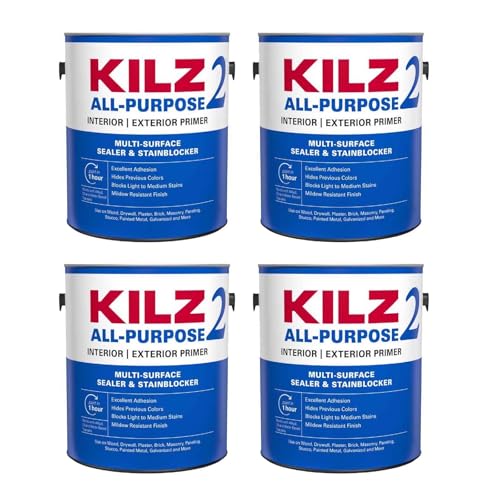
Factory Hardware Store 17937 – 4 Primer
What We Like
- Fast dry in 30 minutes
- Bulk 4-pack for large projects
Trade-offs
- Heavy at 45 pounds total
- Not a dedicated masonry filler
The trade-off is weight: at 45 pounds, this four-pack is heavy to carry and store. It also lacks the block-filling properties of a dedicated masonry primer, so rough or porous brick may need an extra coat or a filler first. If your project is straightforward painting over sound brick, this multi-pack delivers speed and coverage. For deeply pitted or crumbling masonry, a dedicated masonry filler would be a better fit.
Product photos
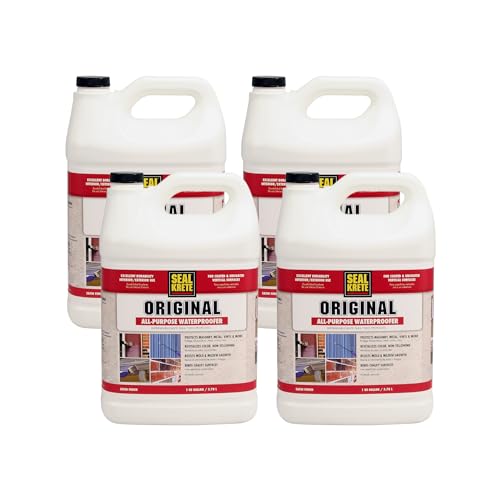
Seal-Krete Original Clear Waterproofing Primer Sealer
What We Like
- Blocks moisture penetration on brick
- Reduces efflorescence on masonry
- Clear finish rejuvenates older colored surfaces
- Promotes topcoat adhesion
Trade-offs
- 1 Gal. covers only 300 sq. ft., so larger walls need multiple cans
- No stain-blocking claim for non-masonry surfaces
A gallon covers up to 300 square feet, which means a single coat can handle a modest area like a small wall or section of foundation without overspending on material. This clear waterproofing primer sealer is designed for interior and exterior use on stucco, brick, concrete, painted metal, and vinyl surfaces, blocking moisture penetration while letting the natural color and texture show through. It also reduces efflorescence and promotes topcoat adhesion, so it preps the surface for paint or a finish coat. For anyone who wants to protect masonry without hiding its character, this is a straightforward option.
Coverage tops out at 300 square feet per gallon, so for a big driveway or wall you’ll need several cans. Because the finish dries clear, it won’t hide stains or patchy spots the way a pigmented primer would. If your surface is sound and you just want a moisture barrier that preserves the original look, this works well. If you need to cover blemishes or fill pores, a tinted masonry primer is a better bet.
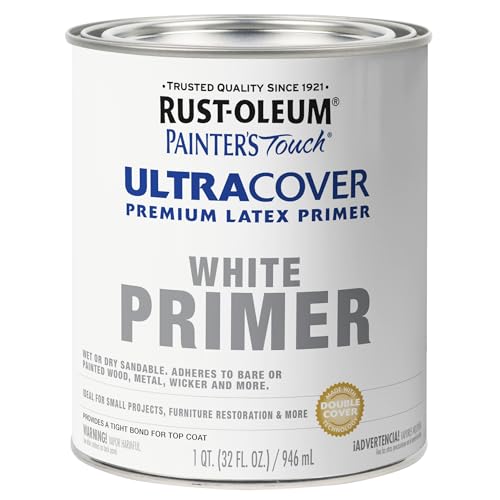
Rust-Oleum Painter's Touch Latex Primer
What We Like
- Works on wood, metal, plaster, masonry
- Dries to touch in 30 minutes
- Flat finish hides surface imperfections
- Low odor water-based formula
Trade-offs
- Quart size covers only 120 sq ft
- Requires sanding and degreasing before use
- Not formulated specifically for brick or masonry
At 120 square feet per quart, this Rust-Oleum primer covers a modest area, but its real strength is versatility. It bonds to wood, metal, plaster, masonry, and unglazed ceramic, so if your brick exterior has trim, vents, or metal fixtures, one can handles them all. The flat finish hides small surface flaws, and the water-based acrylic dries to the touch in half an hour, letting you recoat or topcoat the same day. That makes it a practical choice for smaller brick projects where you want a uniform base without juggling multiple primers.
This quart covers up to 120 square feet, so it’s best for small projects like a single accent wall or a brick planter, not a whole house. The water-based acrylic formula dries to the touch in 30 minutes, which means you can finish a job quickly without strong fumes. For a larger exterior, a dedicated masonry primer like Zinsser Block Filler comes in a 5-gallon size, though its coverage per gallon isn’t listed here. Still, if you need one primer that works on wood, metal, plaster, masonry, or unglazed ceramic, this quart keeps prep simple with just sanding and degreasing beforehand.
Product photos
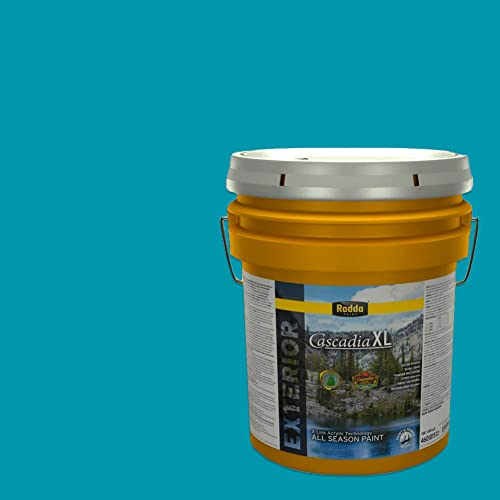
Rodda Paint CASCADIA XL Exterior Satin Paint & Primer
What We Like
- All-in-one paint and primer saves time
- Satin sheen offers good scrub-ability
- Works on brick, masonry, and stucco
Trade-offs
- 5-gallon bucket is heavy and bulky to handle
- Satin sheen requires careful surface prep to avoid highlighting flaws.
A 100% acrylic latex paint and primer in one means you can prep and coat a brick exterior in a single pass, cutting out the separate priming step. This 5-gallon bucket covers large wall areas efficiently, and the satin sheen gives you a finish that cleans up well with a scrub brush, handy for brick that catches dirt or mildew. The formula includes advanced technology for rain protection, which helps the finish hold up during wet weather after application.
The Rodda Paint CASCADIA XL Exterior Satin Paint & Primer is a 100% Acrylic Latex formula that combines paint and primer in one coat. So for a straightforward repaint on sound brick or siding you can skip the separate priming step and finish faster. Its advanced technology is built for rain protection and a superior finish, which means it holds up well in wet weather once cured. However, if your surface has heavy stains or deep masonry pores, a dedicated primer like Zinsser Block Filler is meant to fill and seal those more aggressively before paint goes on. For clean, new brick or a simple color change on exterior walls, this all-in-one saves you time and cleanup.
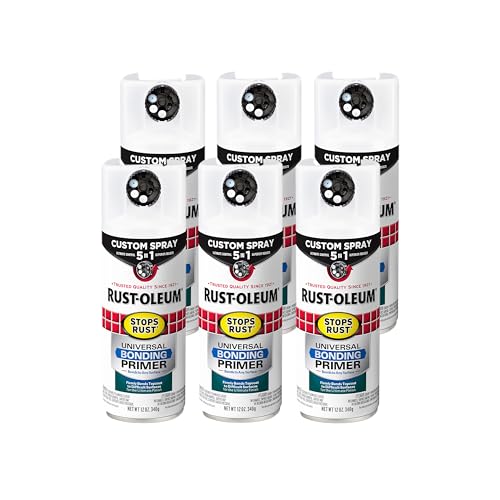
Rust-Oleum Stops Rust Universal Bonding Primer
What We Like
- Durable and corrosion-resistant
- 360° any-angle spray reduces fatigue
- Improves topcoat adhesion
Trade-offs
- Spray can covers only 12 sq. ft.
- Limited to spray application only
The Rust-Oleum Stops Rust Universal Bonding Primer is built for the toughest jobs. If you’re priming a brick exterior with tricky spots, like a glazed brick accent or metal railings, this primer locks the topcoat on tight.
Each can covers up to 12 sq. ft., so a full house exterior will need many cans. That makes it better for small repairs, trim, or accent sections than for rolling a whole wall. The Zinsser Block Filler Masonry Primer comes in a 5-gallon bucket, which suits larger masonry areas, while this Rust-Oleum is a precision tool for problem spots. Choose it when you need maximum adhesion on a difficult surface, not when you’re covering acres of brick.
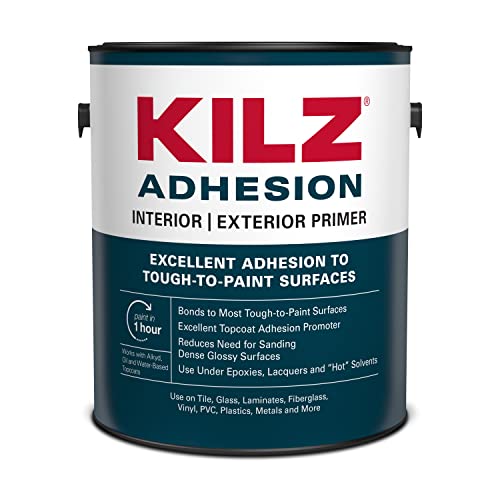
KILZ Adhesion Primer
What We Like
- Bonds to glazed brick and glossy surfaces
- Water-based, low-odor cleanup
- Works with water or oil topcoats
- Reduces need for sanding dense surfaces
Trade-offs
- Quart covers only 75-100 sq ft, not large walls
- Needs 24-hour dry before hot solvent topcoats
- Heavy at 12.2 lb per gallon
This primer uses a styrenated acrylic polymer formula that bonds to slick, non-porous surfaces such as glazed brick, vinyl, and glossy paint. It can reduce or potentially eliminate the need for sanding dense finishes before topcoating. The primer works on both interior and exterior surfaces and accepts water- or oil-based topcoats. For best results when using hot solvent topcoats like epoxies or lacquers, allow 24 hours of dry time and test compatibility in an inconspicuous area first.
A quart covers just 75 to 100 square feet, so for a full exterior wall you will need multiple gallons. If you plan to topcoat with epoxies or lacquers containing hot solvents, you must wait 24 hours and test for compatibility first. Compared to Zinsser Block Filler Masonry Primer, which is designed for masonry, this KILZ is made for smooth, non-porous surfaces where adhesion is critical.
Product photos
INSL-X Prime All Multi-Surface Primer

What We Like
- Topcoat ready in one hour
- 100% acrylic for strong sealing
- Mildew resistant coating
- Works on interior and exterior surfaces
Trade-offs
- Requires temperature above 40 °F to apply
A one-hour recoat time means you can apply a topcoat the same day, which speeds up projects on interior or exterior surfaces. The 100% acrylic formulation provides strong sealing and stain blocking, and the mildew resistant coating adds protection in damp conditions. Coverage of 400-450 square feet per gallon is enough for a large wall or modest area without frequent refills. For anyone who wants to move a project along fast without sacrificing adhesion or protection, this primer fits the bill.
For a sound surface where speed matters, the 100% acrylic formula dries quickly enough to allow a topcoat in as little as one hour. That rapid turnaround makes it practical for projects that need to move fast. When the substrate has substantial irregularities, the Zinsser masonry primer levels those imperfections before painting. This primer’s strength lies in its sealing and adhesion on clean, stable surfaces, not in building thickness. Reviewers note it handles a variety of interior and exterior materials without issue, provided the surface is properly prepared and temperatures stay between 40°F and 90°F.
Product photos
KILZ Mold & Mildew Primer Sealer

What We Like
- EPA-registered active ingredient resists mold & mildew
- Fast-drying with low odor and low VOCs
- Works indoors and outdoors on many surfaces
- Includes 6 quarts for larger projects
Trade-offs
- 17.8 lb weight makes multiple-can handling awkward
- Requires thorough surface prep for best adhesion.
An EPA-registered active ingredient in this primer creates a protective film that resists mold and mildew growth on the paint film, making it a practical choice for damp areas like kitchens, bathrooms, and basements. The water-based formula dries fast, has low odor and low VOCs, so you can work indoors without harsh fumes bothering you. With six quart-sized containers in the pack, you get enough primer to cover several walls or a whole room, which saves trips to the store when prepping large surfaces.
Quart containers mean you will be opening a lot of cans on a big job, and at 17.8 pounds total, the pack is not light to carry around. If you are covering a small accent wall or just a few trouble spots, the KILZ Mold & Mildew Primer Sealer is a smart choice.
How We Evaluated Primers For Brick Exterior
Our evaluation focused on technical specifications and real-world application data from manufacturer documentation and expert masonry guides. We examined each primer’s chemical formulation, coverage rates, drying times, and surface-prep requirements to understand how it performs on brick’s unique alkaline and porous surface.
The four criteria that mattered most were adhesion to masonry, moisture and alkali resistance, drying speed, and ease of application. Brick exteriors face rain, freeze-thaw cycles, and salt deposits, so a primer must do more than stick, it must seal and protect. We also considered practical factors like container weight and whether a product required a separate topcoat for waterproofing.
This evaluation focuses on what a primer should do for brick, based on product data and expert consensus. We prioritized products with clear, verifiable claims about masonry performance.
What To Look For In Primers For Brick Exterior
Choosing the right primer starts with understanding your brick’s condition and your project’s goals. Here are the key factors to consider.
Match the primer to your brick’s porosity and condition: use a block filler for rough, pitted surfaces, a bonding primer for slick or glazed brick, and a clear waterproofer to preserve natural color.
Masonry-Specific Formulation
Not all primers are made for brick. A dedicated masonry primer contains alkali-resistant resins that neutralize the high pH of concrete and brick. Without this, paint can peel or discolor over time. Look for products explicitly labeled for masonry, concrete, or stucco rather than general-purpose primers.
Moisture and Efflorescence Protection
Brick is porous and wicks moisture. A primer with waterproofing properties prevents water from pushing through the paint film, which causes blistering. Some primers also reduce efflorescence, the white, powdery salt deposit that appears on brick. For damp climates or basement walls, a mold- and mildew-resistant primer adds an extra layer of protection.
Coverage and Application Weight
Block fillers are thick and heavy, often weighing over 40 pounds per gallon, and are designed to fill deep voids in a single coat. Clear waterproofers cover less area per gallon but are lighter. Consider the physical demands of your project: carrying a heavy bucket up a ladder versus using multiple smaller cans. Coverage rates vary widely, so calculate your wall’s square footage before buying.
- Check the label for “masonry” or “concrete” compatibility.
- Verify dry and recoat times, some primers are topcoat-ready in 30 minutes, others need 24 hours.
- Look for low-VOC or low-odor formulas if you are sensitive to fumes.
- For large projects, a 5-gallon bucket or multi-pack saves money and trips to the store.
- For small jobs or mixed surfaces (brick plus wood trim), a quart-sized all-surface primer may be more practical.
A good rule of thumb: if your brick is unpainted and rough, choose a block filler; if it is painted or glazed, choose a high-adhesion primer.
Primers For Brick Exterior Compared
The table below compares the ten primers across key specs, including their best use case, coverage, and drying time, to help you decide at a glance.
| Product | Coverage | Finish | Use | Surface Types |
|---|---|---|---|---|
| Zinsser Block Filler Masonry Primer | 500 sq. ft. | Flat white | Interior and exterior | concrete, cinderblock, brick, stucco, fiber cement siding, plaster, mortar, concrete masonry units |
| Zinsser Bulls Eye 1-2-3 All Surface Primer | Up to 100 sq. ft. per quart | Gray | Interior/Exterior | Drywall, concrete, wood, masonry, metal, glossy surfaces |
| Factory Hardware Store 17937 – 4 Primer | 4 x 1 gallon | White flat | Interior & exterior | drywall, wood, plaster, masonry, stucco, brick, paneling, painted metal |
| Seal-Krete Original Clear Waterproofing Primer Sealer | 300 sq. ft. | Clear | Interior & Exterior | Stucco, brick, concrete, painted metal, vinyl |
| Rust-Oleum Painter's Touch Latex Primer | 120 sq ft per quart | Flat | Interior/Exterior | Wood, metal, plaster, masonry, unglazed ceramic |
| Rodda Paint CASCADIA XL Exterior Satin Paint & Primer | N/A | Satin | Exterior | Brick, masonry, stucco, wood, vinyl |
| Rust-Oleum Stops Rust Universal Bonding Primer | Up to 12 sq. ft. | White | Exterior/interior | Galvanized steel, masonry, glazed brick |
| KILZ Adhesion Primer | 75-100 sq ft per quart | N/A | Interior/Exterior | Kynar, PVC, Formica |
| INSL-X Prime All Multi-Surface Primer | 400-450 sq ft per gallon | White | Interior & exterior | N/A |
| KILZ Mold & Mildew Primer Sealer | N/A | N/A | Interior & exterior | N/A |
Frequently Asked Questions
Can I use regular primer on brick?
Regular wall primer is not formulated to bond to brick’s porous, alkaline surface. It may peel or fail due to moisture and alkali salts. Use a primer specifically labeled for masonry, concrete, or brick to ensure proper adhesion and long-lasting results.
Do I need to prime brick before painting?
Yes, priming is essential for brick. Primer seals the porous surface, prevents alkali burn-through, and helps the topcoat adhere uniformly. Skipping primer often leads to peeling, blotchy color, and premature paint failure, especially on exterior walls exposed to weather.
How do I prepare brick for priming?
Clean the brick thoroughly to remove dirt, efflorescence, and loose mortar. Use a wire brush or pressure washer, then let the wall dry completely for at least 24 hours. Repair any cracks or damaged mortar before applying primer. For glossy or painted brick, light sanding improves adhesion.
What is the difference between a block filler and a masonry primer?
A block filler is a thick, heavy-bodied primer designed to fill deep pores, voids, and surface imperfections in rough concrete block or brick. A masonry primer is thinner and seals the surface without filling major gaps. Use block filler for rough, unpainted masonry; use masonry primer for smoother or previously painted brick.
Can I waterproof brick without changing its color?
Yes, a clear masonry waterproofing primer sealer, like the Seal-Krete Original Clear, blocks moisture penetration while leaving the brick’s natural appearance visible. These products also help reduce efflorescence and improve topcoat adhesion if you decide to paint later.
The Bottom Line
For most brick exterior projects, the Zinsser Block Filler Masonry Primer delivers the best balance of filling power, sealing, and alkali resistance. It is the right choice for homeowners and pros tackling large, rough masonry walls that need a smooth, uniform base for paint.
If your project is smaller or involves mixed surfaces like wood trim and metal vents, the Zinsser Bulls Eye 1-2-3 All Surface Primer offers fast drying and strong adhesion without sanding. For damp basements or preserving natural brick, the Seal-Krete Original Clear Waterproofer is the specialist pick.
The single most important factor is matching the primer to your brick’s condition. Porous, unpainted brick needs a block filler; painted or glazed brick needs a bonding primer. Choose based on your wall’s texture, not just the price tag.
