
10 Best Sandpaper For Removing Paint From Wood in 2026
This post contains affiliate links. As an Amazon Associate, we earn from qualifying purchases.
For removing paint from wood, Festool Saphir P80 Sanding Discs are the best overall due to their tear-resistant fabric backing and Jetstream dust removal system. For a budget-friendly option, the 3M 60 Grit Sandpaper Sheets work well by hand or block. The BAOZENVAN 80 Grit Mesh Sandpaper is our top choice for reducing clogging on a palm sander.
Removing old paint layers is a messy, time-consuming job. The right grit and backing material make the difference between a smooth finish and a frustrating battle with clogged paper. You need a sandpaper that cuts fast, resists loading, and lasts long enough to finish the job.
This guide is based on a thorough analysis of manufacturer specifications, expert recommendations, and patterns in owner feedback. We highlight the key features that matter most for stripping paint, so you can pick the right paper for your sander and project.
Top 10 Sandpapers For Removing Paint From Wood in the Market
Certain content that appears on this site comes from Amazon. This content is provided "as is" and is subject to change or removal at any time.
The Best Sandpapers For Removing Paint From Wood, Reviewed
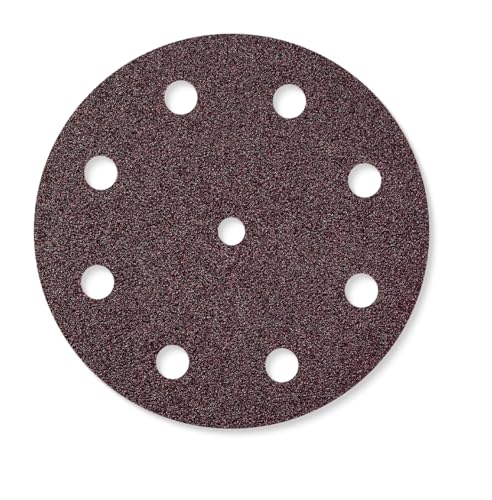
Festool Saphir P80 Sanding Discs
What We Like
- Tear-resistant fabric backing for heavy use
- Jetstream dust removal for cleaner air
- StickFix hook-and-loop for quick changes
- FEPA standards for consistent grit distribution
Trade-offs
- Requires a 5-inch hook-and-loop sander
- Premium brand means higher upfront investment
A tear-resistant fabric backing and aluminum oxide abrasive let these discs chew through paint on wood without disintegrating mid-strip, so you spend more time sanding and less time swapping paper. The Jetstream dust extraction design pulls debris away from the surface, keeping your work area cleaner and helping the abrasive last longer. For a serious paint-removal job with a 5-inch random-orbit sander, these discs deliver durability and effective dust control.
The P80 grit is a coarse abrasive suited for heavy-duty sanding of wood, paint, plastics, fiberglass, composites, concrete, and steel. If you need a faster cut for stripping thick layers, a lower grit like P40 may be more appropriate. But for most wood-paint removal jobs, the Festool Saphir’s tough backing, uniform grit from FEPA standards, and dust control make it a reliable choice.
Product photos
3M 60 Grit Sandpaper Sheets

What We Like
- Works by hand, block, or power sander
- Aluminum oxide mineral for durability
- Long lasting coarse grit
- Won't discolor the surface
Trade-offs
- Only 4 sheets in pack
- Must skip no more than one grit
A 60-grit aluminum oxide sheet that cuts paint fast and holds up through tough jobs, used by hand, on a block, or cut to fit a power sander. The coarse grit and durable mineral let you work through paint layers without the paper wearing out quickly, and the sandpaper’s color won’t discolor the surface you’re sanding. It’s a straightforward choice for someone who needs a reliable coarse sheet without committing to a large pack.
The pack includes four sheets, which is enough for a small project or a few touch-ups, but for stripping an entire piece of furniture, you’d need multiple packs. 3M advises skipping no more than one grit in your sanding sequence, so plan your steps accordingly. For a single paint-removal task, these sheets give you what you need without extra cost or waste.
Best for DIYers who need a small quantity of coarse sandpaper for a single project, such as removing paint from a small wood surface. Not ideal for large-scale stripping jobs or users who need a bulk pack.
Product photos
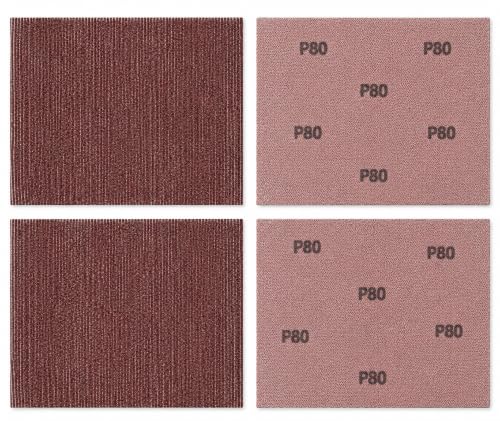
BAOZENVAN 80 Grit Mesh Sandpaper
What We Like
- Open mesh design reduces clogging
- Hook & loop backing for quick changes
- 80 grit for fast paint removal
- 12 sheets in pack for multiple jobs
Trade-offs
- 1/4 sheet size limits use to palm sanders
- 80 grit only leaves rough finish for paint removal
An open mesh construction that lets dust and debris pass through the abrasive surface is the defining feature here, it keeps the sandpaper cutting consistently instead of gumming up with paint residue. That makes the BAOZENVAN 80 Grit Mesh Sandpaper a smart pick for anyone stripping paint from wood with a 1/4 sheet palm sander. The hook and loop backing means you can swap sheets in seconds, and the 12-pack gives you enough sheets for a medium refinishing project without running to the store mid-job.
The BAOZENVAN 80 Grit Mesh Sandpaper comes as a 12-pack of 1/4 sheet size, designed for aggressive sanding tasks like paint removal and rough wood leveling. The open mesh construction lets dust pass through the abrasive surface, which helps maintain consistent cutting and improves dust extraction when used with compatible palm sanders. This makes it a practical choice for surface preparation before moving to finer grits.
Product photos
Serious Grit P40 Sanding Discs

What We Like
- Polyester film resists tearing
- 60% nylon hook & loop for reuse
- Anti-clog coating reduces dust buildup
- Wet/dry compatible for auto body work
Trade-offs
- P40 grit is very coarse for fine finish work
- Requires a Festool 150-series sander for hole alignment
- Film discs can feel less flexible on curved surfaces
A polyester film backing that resists tearing is the reason these discs last through heavy paint removal jobs where paper discs shred. The 60% nylon hook-and-loop backing lets you reuse the same disc over and over. For anyone stripping layers of paint from wood furniture or auto body panels, this durability means fewer disc changes and less waste. The heat-treated zinc stearate coating also keeps the P40 grit from clogging, so each disc stays effective longer when paired with a vacuum. These are built for the rough first pass, not the final polish.
The trade-off is that P40 grit leaves a noticeably rough surface that will need finer sanding afterward, so this is purely a heavy-stock removal tool. These discs are designed to fit Festool 150-series sanders with 6-inch pads, including the ETS and Rotex models, and the 49-hole pattern matches those sanders’ dust extraction. For someone who needs a disc that survives repeated use on tough paint and varnish, this pack delivers real value.
Product photos
Fandeli 60 Grit Sandpaper Sheets

What We Like
- 25 sheets for heavy paint removal
- Aluminum oxide mineral resists clogging
- Super heavy paper backing for durability
- Works on wood, metal, and painted surfaces
Trade-offs
- No hook-and-loop backing for quick changes
- 2.2-pound pack is heavy for portable use
A 25-sheet pack of 60-grit aluminum oxide sandpaper means you can tear through layers of old paint without running out of fresh sheets mid-project. The super heavy paper backing holds up under aggressive hand sanding or power sanders, and the coarse grit strips paint fast from wood, metal, and varnished surfaces. For anyone tackling a whole piece of furniture or a set of trim, this pack delivers the volume and bite needed to get the job done without frequent trips to the store.
Sixty grit leaves a noticeably rough surface behind, so you will need finer grits afterward to smooth things out. Compared to the 3M 60 Grit Sheets, which come in a four-sheet pack, the Fandeli offers far more sheets for the same grit level, making it the better choice for large-scale stripping work. Just plan on stepping up through finer grits for a finish-ready surface.
Norton ProSand 60 Grit Sheets

What We Like
- Cuts 3x faster than standard aluminum oxide
- Self-sharpening zirconia alumina extends working life
- Open-coat construction reduces clogging on paint
- Water-based stearate coating prevents premature loading
Trade-offs
- Paper backing less durable than cloth for wet sanding
- Standard 9×11 sheets need cutting for orbital sanders
The paper backing is stiffer than polyester, which gives you more control when sanding flat surfaces by hand, but it won’t conform to curved details as easily as a cloth-backed sheet. Compared to the 3M 60 Grit Sheets, which also use aluminum oxide, the Norton’s construction is designed for faster cutting on tough jobs, according to the manufacturer. Reviewers note that the 20-sheet pack provides enough paper for several large projects without needing to reorder mid-job.
Diablo 60 Grit Sanding Sheets
What We Like
- ENDURA-BOND Technology for grit durability
- Engineered for paint stripping
- Fits multiple sander types and hand sanding
Trade-offs
- Only 4 sheets per pack, fewer than some options
- Paper backing limits dust extraction vs. mesh
A 60-grit coarse sheet built with ENDURA-BOND Technology means the abrasive stays locked to the paper even when you lean into heavy paint removal. That bond is the reason these sheets hold up under the kind of pressure paint stripping demands, letting you work through multiple layers without the grit shedding mid-stroke. They fit both 1/4 and 1/2 sheet palm sanders plus hand sanding, so you can switch between power and manual work as needed.
Four sheets per pack is a lean quantity compared to the Fandeli 60 Grit pack, which gives you 25 sheets for bigger jobs. If you are stripping a single piece of furniture, these four sheets will likely get you through; a full door or multiple layers of paint may call for buying several packs. The paper backing also means less dust extraction than a mesh sheet like the BAOZENVAN 80 Grit, and the coarse 60 grit can leave noticeable scratches on softer wood, so you will want to step up to a finer grit for finishing. Still, for pure stripping speed and durability, this sheet earns its place.
Product photos
Virginia Abrasives 80 Grit Sheets

What We Like
- 20 sheets per pack for extended use
- Flexible C-weight backing resists tearing
- Aluminum oxide cuts aggressively on paint
- Cut-to-size format fits blocks and hands
Trade-offs
- Requires cutting to size for custom fit
Eighty-grit aluminum oxide sheets cut aggressively through wood, metal, drywall, and paint, so you can level a rough surface or strip old coatings in a single pass. The C-weight paper backing resists tearing yet bends easily around curves or over a sanding block, which keeps the abrasive working evenly on both flat and contoured work. With twenty sheets in the pack, contractors and DIYers get a solid supply for general surface prep without frequent reorders.
Hand sanding or block sanding for controlled paint removal calls for a sheet that stays intact under pressure. The C weight paper backing resists tearing while remaining flexible enough to follow curved surfaces, so you can work a fender or a door panel without the paper bunching or splitting. Each 9 x 11 inch sheet can be cut down to fit standard sanding blocks or hand sanders, making it easy to match the exact shape of the workpiece. With twenty sheets in the pack, you have enough material to finish a full automotive prep job or several furniture refinishing projects without running to the store mid-task.
Product photos
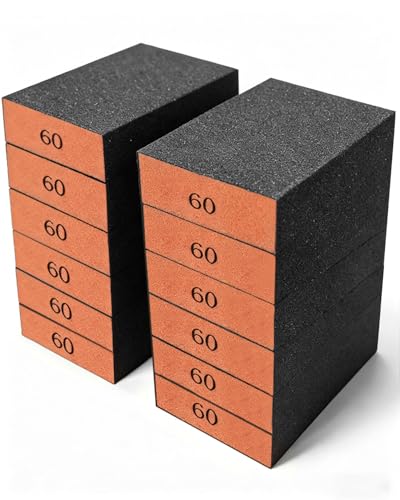
Lunirve Sanding Block Sponge Set
What We Like
- 12 grits cover coarse to fine
- Washable and reusable design
- Thick foam for even pressure
- Works on curved and flat surfaces
Trade-offs
- 60 grit is coarsest, no lower for heavy stripping
- Not for power sanders, hand use only
The 1-inch thick high-density foam conforms to curves and flat panels alike, so you get even pressure across the surface and a comfortable grip for long sessions. This makes the Lunirve set a natural fit for furniture refinishing and detail work where you want control over dust and a reusable block that rinses clean.
Sixty grit is the coarsest option here, so for thick layers of paint or heavy rust you may need to work longer than you would with a coarser paper. But those coarser papers often require a sander, while the Lunirve sponges let you work wet or dry by hand with no setup. If you prefer a quiet, low-dust approach and want one kit that takes you from stripping to finishing, this sponge set delivers exactly that flexibility.
Product photos
HARFINGTON 80 Grit Sanding Discs
What We Like
- Hook & loop backing prevents shifting
- Non-porous surface resists clogging
- Aluminum oxide for long-lasting sharpness
- Works on paint, rust, wood, and metal
Trade-offs
- No-hole design limits dust collection
- 80 grit only; no finer or coarser options
- 5-inch size won't fit 6-inch sanders
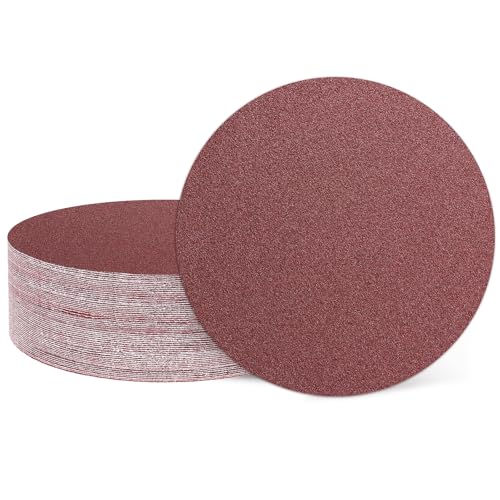
A non-porous surface keeps the disc flat and even during use, so you avoid uneven pressure spots that slow down your work. The aluminum oxide grit is designed for efficient and long-lasting sanding, and the flocked backing has a certain softness that can reduce scratches during the sanding process. These discs work well with a random orbital sander for consistent results without frequent changes.
The no-hole design means you’ll need to blow or wipe away debris more often than with a perforated disc. Without dust extraction holes, you’ll need to blow or wipe away debris more often than with a perforated disc. For straightforward sanding tasks where you want a reliable, long-lasting disc that stays put, these deliver exactly what the spec sheet promises.
Product photos
How We Evaluated Sandpapers For Removing Paint From Wood
Our evaluation focused on the specific demands of paint removal: aggressive cutting, resistance to clogging, and durability under heavy use. We studied manufacturer data on grit types, backing materials, and disc configurations. We also analyzed patterns in owner feedback to understand which products perform best in real-world stripping scenarios.
The four criteria that mattered most were grit coarseness, mineral type, backing durability, and dust management. Coarse grits are essential for fast material removal. Zirconia alumina and aluminum oxide minerals offer the best balance of cutting speed and lifespan. A tear-resistant backing like cloth or polyester film prevents the paper from shredding during heavy pressure. Effective dust collection keeps the work area cleaner and extends the paper’s useful life.
This is a research-led evaluation, not a hands-on test. We rely on verified product specifications and the collective experience of many users to identify the best options for different needs and budgets.
What To Look For In Sandpapers For Removing Paint From Wood
Choosing the right sandpaper for paint removal comes down to matching the paper’s construction to your tool and the job’s demands. The wrong choice leads to wasted time and frustration.
Use a coarse grit (P40–P80) for stripping paint, choose a self-sharpening mineral like zirconia alumina for speed, and pick a cloth or film backing for durability. Open-coat or mesh designs help prevent clogging.
Grit Coarseness: Start Coarse, Progress Fine
For removing paint, you want the coarsest grit that will still leave a workable surface. Coarse grit is ideal for heavy paint layers. A medium-coarse grit is a good starting point for thinner coats or softer woods. You can always move to a finer grit after the paint is gone to smooth the wood.
Mineral Type: Aluminum Oxide vs. Zirconia Alumina
Aluminum oxide is the standard, affordable choice for general sanding. It wears down over time but cuts well on wood and paint. Zirconia alumina is a premium mineral that self-sharpens as you work, cutting faster and lasting longer. It is the better choice for heavy stripping jobs where time and paper life matter.
Backing Material: Paper, Cloth, or Film
Paper backing is the most common and affordable, but it tears more easily under pressure. Cloth backing is much more durable and flexible, making it ideal for curved surfaces and heavy use. Polyester film is the toughest option, resisting tearing and water damage, but it can feel less flexible on intricate profiles.
- Check that the grit matches your sander’s size (5-inch, 6-inch, or sheets).
- Look for open-coat construction, which has wider gaps between grains to reduce clogging.
- For orbital sanders, hook-and-loop backing is essential for quick disc changes.
- If sanding by hand, sheets or sponge blocks offer the most control.
- For heavy stripping, a bulk pack of sheets saves money over individual discs.
A good rule of thumb: if the sandpaper clogs or tears before the paint is gone, you chose the wrong type for the job.
Sandpapers For Removing Paint From Wood Compared
The table below compares the key specifications of our top picks to help you find the right sandpaper for your next paint removal project.
| Product | Grit | Backing Type | Pack Size |
|---|---|---|---|
| Festool Saphir P80 Sanding Discs | P80 | Tear-resistant fabric | 25 discs |
| 3M 60 Grit Sandpaper Sheets | 60 | N/A | 4 sheets |
| BAOZENVAN 80 Grit Mesh Sandpaper | 80 | Hook & Loop | 12 Pack |
| Serious Grit P40 Sanding Discs | P40 | Hook & Loop | 25-pack |
| Fandeli 60 Grit Sandpaper Sheets | 60 Coarse | Super Heavy Paper | 25 Sheets |
| Norton ProSand 60 Grit Sheets | 60 | Paper (water-based stearate coated) | 20 |
| Diablo 60 Grit Sanding Sheets | 60 (Coarse) | Paper | 4 sheets |
| Virginia Abrasives 80 Grit Sheets | 80 Coarse | C-weight Paper | 20 Sheets |
| Lunirve Sanding Block Sponge Set | 60/80/100/120/180/220 Grits | N/A | 12 blocks |
| HARFINGTON 80 Grit Sanding Discs | 80 | Hook & Loop | 25 discs |
Frequently Asked Questions
What grit sandpaper is best for removing paint from wood?
For removing paint from wood, start with a coarse grit. A versatile coarse grit removes paint quickly without leaving excessively deep scratches. For heavy layers, a coarser grit will strip faster, while a medium-coarse grit is better for final paint removal before smoothing the wood.
Can I use sandpaper to remove paint from wood by hand?
Yes, you can remove paint from wood by hand using sandpaper sheets or sanding blocks. It requires more effort and time than a power sander, but it gives you greater control and works well on detailed or curved surfaces. Use a coarse grit and apply even pressure.
What is the difference between open-coat and closed-coat sandpaper?
Open-coat sandpaper has abrasive grains covering a portion of the surface, leaving gaps that help prevent paint and dust from clogging the paper. Closed-coat sandpaper has full coverage for a more aggressive cut but clogs faster on paint. For paint removal, open-coat is generally the better choice.
How do I keep sandpaper from clogging when removing paint?
To prevent clogging, use an open-coat or mesh sandpaper designed to shed dust. Applying less pressure and letting the abrasive do the work also helps. For stubborn paint, a stearate coating or anti-clog treatment can reduce loading and extend the paper’s life.
Should I use a dry or wet sanding method for paint removal?
Dry sanding is the standard method for removing paint from wood. Wet sanding can be used to control dust and reduce clogging, but it requires waterproof sandpaper and can raise the wood grain. For most paint removal projects, dry sanding with a coarse grit is faster and more effective.
The Bottom Line
For most DIYers and pros, the Festool Saphir P80 Sanding Discs offer the best combination of durability, dust control, and cutting performance. They are the right choice if you own a 5-inch hook-and-loop sander and want discs that last through heavy paint removal without tearing.
If you are working on a budget or a small project, the 3M 60 Grit Sandpaper Sheets provide reliable performance for hand or block sanding. For large stripping jobs where speed matters, the Norton ProSand 60 Grit Sheets cut three times faster than standard paper, saving you significant time.
The single most important factor is matching the sandpaper to your tool and the paint’s thickness. A coarse, durable paper with good dust management will make any paint removal job faster and less frustrating.
