
8 Best Wood Primers in 2026
This post contains affiliate links. As an Amazon Associate, we earn from qualifying purchases.
For priming bare wood, sealing knots, or blocking stubborn stains, the Zinsser B-I-N Shellac Primer Spray is our best overall pick. Its shellac base seals knots and sap streaks while also blocking pet, smoke, and musty odors. For heavy stain blocking on interior wood, the Rust-Oleum 271009 Wood Primer is a top choice, while the Glidden Stain Block Primer offers a budget-friendly option with fast drying and easy cleanup.
The real challenge with priming wood is dealing with unpredictable surfaces, knots that bleed sap, tannins that stain through paint, and odors that linger. A primer that handles one problem may fall short on another. We looked for formulas that target specific issues so you can match the primer to your project.
This guide is based on a careful review of manufacturer specifications, expert advice on paint chemistry, and patterns in owner feedback. We break down what each primer does best, what to look for when buying, and which one suits your particular wood-priming job.
Top 8 Wood Primers in the Market
Certain content that appears on this site comes from Amazon. This content is provided "as is" and is subject to change or removal at any time.
The Best Wood Primers, Reviewed
Zinsser B-I-N Shellac Primer Spray

What We Like
- Shellac base seals knots and sap streaks
- Blocks pet, smoke, and musty odors
- Works on interior and spot exterior
Trade-offs
- Small can size limits coverage for large projects
- Strong solvent smell requires good ventilation
A shellac-base primer-sealer that blocks the toughest stains, knots, sap streaks, even pet and smoke odors, makes this spray a go-to for problem spots. It handles interior work and spot exterior touch-ups, so you can seal odors from water and fire damage or a knotty surface without extra steps. For anyone dealing with stains, knots, or musty odors, this is the primer that stops trouble before paint goes on.
Product photos
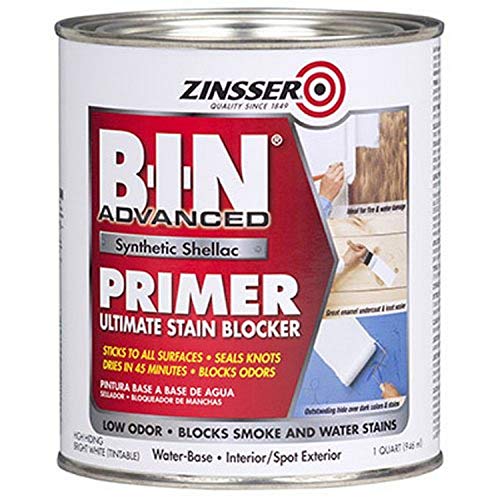
Rust-Oleum 271009 Wood Primer
What We Like
- Ultimate stain blocking
- Superior odor sealing
- Seals knots, sap, tannin
- High hiding bright white
Trade-offs
- Dries fast, limiting working time for large brushwork
- Shellac-based, so requires denatured alcohol for cleanup
A synthetic shellac formula that seals knots, sap, and tannin makes this primer a first-line defense against the most stubborn wood stains. Its high hiding bright white covers dark patches in one coat, saving you time on re-coats. For anyone refinishing old cabinets, knotty pine paneling, or water-damaged trim, the stain-blocking power here is exceptional. The superior odor sealing also means it locks in smoke or pet smells, so it works on more than just wood. This is the primer you reach for when you need a clean, bright base and zero bleed-through.
The Rust-Oleum 271009 Wood Primer is a synthetic shellac primer that seals knots, sap, and tannin, making it a reliable choice for interior wood with serious stain issues. At 0.2 pounds for a quart, the container feels surprisingly light, so check that the lid is sealed tight before you store it. For projects that include exterior wood or metal, the oil-based Zinsser Cover-Stain is formulated for those surfaces, while this primer focuses on interior wood stain blocking.
Zinsser Cover-Stain Oil-Based Primer
What We Like
- Blocks water, smoke, nicotine stains
- Sticks to interior and exterior surfaces
- Sands easily for smooth finish
- Dries quickly on interior surfaces
Trade-offs
- Oil-based formula means strong solvent odor
- Quart size limits coverage on large projects
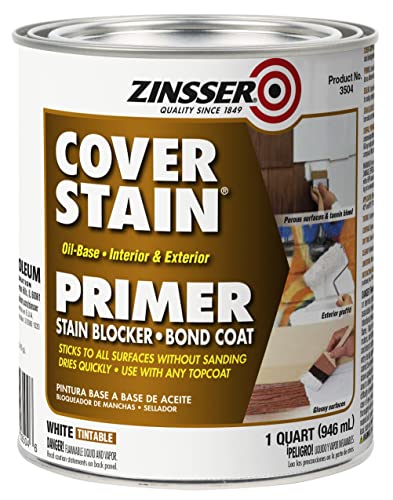
An oil-based stain killer that seals water, smoke, and nicotine stains means this primer tackles tough discolorations before they ruin your topcoat. It sticks to interior and exterior surfaces and sands easily, so you can prep problem areas without fighting bleed-through later. For anyone needing a high-hiding formula that blocks most stains, this primer is a reliable choice.
The trade-off is the strong solvent smell that comes with any oil-based formula, so you will want good ventilation or a respirator while working. Compared to the Zinsser B-I-N Shellac Primer Spray, which is a shellac-based spray primer, Cover-Stain is an oil-based liquid primer that requires a brush or roller. Pick it when the stain is the problem, not the smell.
Glidden Stain Block Primer
What We Like
- Blocks water, smoke, ink, and tannin stains
- Adheres to glossy surfaces without sanding
- Topcoat-ready in just 1 hour
- Easy soap-and-water cleanup
Trade-offs
- Acrylic formula does not block odors.
- Flat finish limits topcoat sheen options.
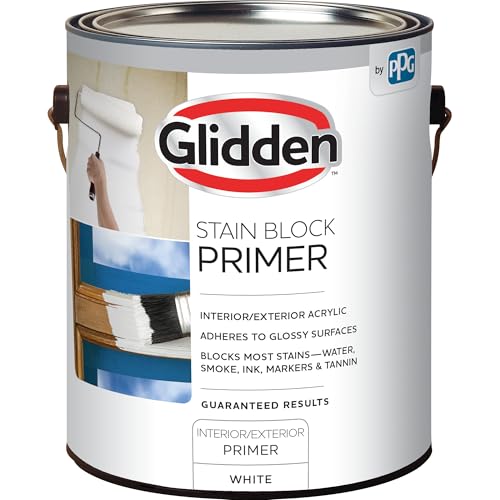
A one-hour recoat time means you can prime a surface and have it ready for topcoat in the time it takes to clean your brushes. That speed, paired with the ability to block stains like water, smoke, ink, markers, and tannins, makes this a capable primer for many projects. It also sticks to glossy surfaces without the extra step of sanding, which saves time on repaints or furniture flips. Cleanup is simple with just soap and water.
This is an acrylic primer, so it cleans up with soap and water instead of requiring harsh solvents. It blocks water, smoke, ink, marker, and tannin stains, and it adheres to glossy surfaces without sanding. You can topcoat it in just one hour, which keeps a project moving fast. The flat finish is something to keep in mind when choosing your topcoat sheen.
Product photos
Retique It Wood'n Primer

What We Like
- Patented formula mimics raw wood absorbency
- Works on glass, metal, plastic, and tile
Trade-offs
- Requires a separate stain and sealer for final finish
- Requires sanding old finishes before application
A patented formula engineered to mimic the absorbency of raw wood lets stain penetrate like it would into natural lumber. The core idea is simple: paint it on, then stain it, and the finish looks and feels like real wood, because it is real wood. That makes it a fit for anyone who wants to transform old furniture, laminate, or even glass and metal into something that convincingly passes for stained wood without the backbreaking work of stripping and sanding original finishes. The water-based, ultra-low VOC composition also makes it safe for indoor projects with simple soap and water cleanup.
This is a two-step system: you still need to apply a stain afterward to get the final look, whereas some all-in-one primers block stains and seal in one coat. Compared to Zinsser B-I-N Shellac Primer, which seals knots and odors in a single spray application, Retique It demands more steps but rewards you with a stainable, wood-like finish that those shellac primers are not designed to deliver. If your goal is a convincing stained wood appearance on non-wood surfaces, this primer is the right tool for the job.
Product photos
Polar Wood Primer
What We Like
- Dries in 1-2 hours
- Flexible, weather-resistant finish
- Penetrates bare wood deeply
- Works on MDF as well
Trade-offs
- 500ml size covers limited area
- Requires 4 hours before recoating
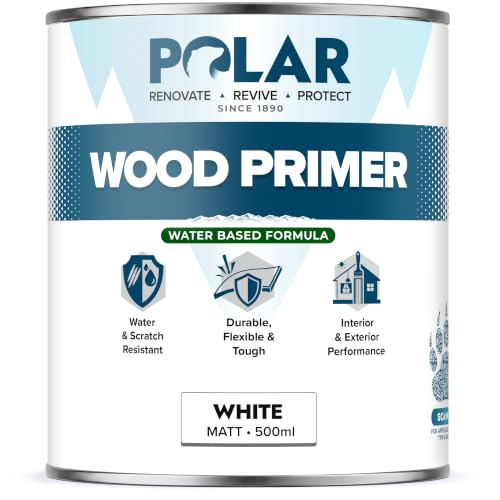
A 1-2 hour dry time and a 4-hour recoat window mean you can apply a second coat or topcoat within a few hours, keeping the project moving. Polar Wood Primer is built for bare and unfinished timber, using low surface tension to sink into the grain and create a smooth base that helps topcoats stick. It works indoors and out, resists cracking and water, and even handles MDF, so it fits renovation work on doors, frames, and furniture without fuss.
The 500ml can covers roughly 10-12 m² per liter, so a larger project like a full fence or multiple doors will need more than one tin. Compared to the Zinsser B-I-N Shellac Primer Spray, which is designed to seal knots and porous wood, Polar focuses on quick turnaround for bare wood rather than blocking existing marks. If your wood is fresh and you want to keep the job moving fast, this primer earns its place in the cart.
Rust-Oleum Painter's Touch 2X Spray Primer

What We Like
- Dries to touch in 20 minutes
- Sprays from any angle
- Oil-based formula resists chips
Trade-offs
- Coverage limited to 12 sq ft per can
- Oil-based requires solvent for cleanup
The trade-off is coverage: at up to 12 square feet per can, you’ll need multiple cans for anything larger than a nightstand. That makes it less practical for big jobs like fencing or siding. But for the DIYer who values speed and convenience on smaller pieces, the fast dry and any-angle spray are useful features. Just remember you’ll need mineral spirits or paint thinner for cleanup, not soap and water.
Unknown W45W00702-14 Wood Primer

What We Like
- Oil-based alkyd for exterior wood
- Heavy-duty 3.0-pound can
Trade-offs
- At 3.0 lb, heavier than many spray primers
- Oil-based requires solvent cleanup
This primer is an exterior oil-based alkyd formula, so it is designed specifically for outdoor wood surfaces. The can weighs 3.0 pounds, which means you are getting a substantial quantity of material rather than a small spray can.
How We Evaluated Wood Primers
Our evaluation focused on manufacturer data, resin type, drying time, coverage claims, and surface compatibility, alongside expert advice from painting professionals and patterns in owner feedback from thousands of projects. We prioritized primers that solve real problems: stain blocking, adhesion, and durability.
We judged each primer on four key criteria. Those were stain-blocking ability (especially for knots, tannins, and water or smoke stains), drying time and recoat readiness, ease of application and cleanup, and versatility across interior and exterior surfaces. A primer that excels at one task but fails at another was noted honestly.
Every evaluation has limits. Real-world results vary with surface prep, application technique, and environmental conditions. We present the facts so you can choose with confidence, not as a substitute for your own test on a scrap piece.
What To Look For In Wood Primers
Choosing the right wood primer means matching the formula to your surface and the problem you are solving. Consider the resin type, drying time, and cleanup requirements.
The best wood primer for your project seals stains, bonds to the surface, and dries fast enough to keep your schedule on track. Match the resin type, shellac, oil, or water-based, to your stain-blocking needs and cleanup preferences.
Resin Type: Shellac, Oil, or Water-Based
Shellac-based primers like the Zinsser B-I-N are the gold standard for blocking stubborn stains, knots, sap, smoke, and pet odors. They dry fast and bond to almost anything, but they require denatured alcohol for cleanup and have a strong solvent smell. Oil-based primers, such as the Zinsser Cover-Stain, excel on exterior surfaces and seal tannin bleed well, but they also have strong odors and need mineral spirits for cleanup.
Water-based acrylic primers like the Glidden Stain Block Primer are low-odor and clean up with soap and water, but they do not block odors as effectively.
Drying Time and Recoat Readiness
Fast-drying primers let you move through a project quickly. The Polar Wood Primer dries in 1-2 hours, while the Rust-Oleum Painter’s Touch 2X Spray Primer is dry to the touch in just 20 minutes. However, faster drying often means a shorter working time for brush application, the Rust-Oleum 271009 dries fast, so you need to work in smaller sections. For large projects, a slower-drying oil-based primer may give you more time to achieve a smooth finish.
Stain-Blocking Performance and Surface Compatibility
Not all primers block the same stains. For heavy tannin bleed from cedar or redwood, choose a dedicated stain-blocking primer like the Zinsser Cover-Stain or Rust-Oleum 271009. For water, smoke, or ink stains, shellac or oil-based formulas are best. If you are priming glossy surfaces without sanding, the Glidden Stain Block Primer offers good adhesion. For non-wood surfaces you want to stain, the Retique It Wood’n Primer mimics raw wood absorbency.
- Check the label for specific stain types the primer blocks.
- Look for “bonding” or “adhesion” claims if painting over glossy or slick surfaces.
- For exterior projects, confirm the primer is rated for outdoor use and UV resistance.
- Consider the cleanup method: water-based is easiest, solvent-based requires proper disposal.
A shellac or oil-based primer is usually the right call for any stain-blocking job; save water-based primers for clean, bare wood or low-stain surfaces.
Wood Primers Compared
The table below compares the key specs and best uses for each of the eight wood primers we evaluated.
| Product | Type | Use | Stain Sealing |
|---|---|---|---|
| Zinsser B-I-N Shellac Primer Spray | Shellac-base primer-sealer | Interior and spot exterior | Greatest stain sealer |
| Rust-Oleum 271009 Wood Primer | Synthetic Shellac Primer | N/A | Ultimate stain blocking |
| Zinsser Cover-Stain Oil-Based Primer | Oil-based stain killer primer/sealer | Interior/exterior | Blocks most stains |
| Glidden Stain Block Primer | Interior/exterior acrylic primer | Interior/exterior | Blocks most stains |
| Retique It Wood'n Primer | Water-based, ultra-low VOC | N/A | N/A |
| Polar Wood Primer | N/A | Interior and exterior | N/A |
| Rust-Oleum Painter's Touch 2X Spray Primer | Oil-based, low odor | Interior/exterior | N/A |
| Unknown W45W00702-14 Wood Primer | Oil-based alkyd | Exterior wood | N/A |
Frequently Asked Questions
What is the best primer for blocking knots in wood?
The Zinsser B-I-N Shellac Primer Spray is the top choice for sealing knots and sap streaks. Its shellac base dries hard and prevents the sticky resin from bleeding through your topcoat. For larger areas, the Rust-Oleum 271009 Wood Primer also offers excellent knot-blocking performance.
Can I use a water-based primer on exterior wood?
Yes, but choose carefully. The Glidden Stain Block Primer is acrylic-based and works on exterior surfaces, but it does not block odors and may not seal heavy tannin bleed as well as an oil-based primer. For exterior wood with tannin issues, the Zinsser Cover-Stain Oil-Based Primer or the Unknown W45W00702-14 Wood Primer are better options.
How long should I wait before painting over a wood primer?
Drying times vary by formula. The Polar Wood Primer dries in 1-2 hours and allows recoating after 4 hours. The Rust-Oleum Painter’s Touch 2X Spray Primer is dry to the touch in 20 minutes. Always follow the manufacturer’s instructions and test a small area first.
What primer should I use to stop tannin bleed from cedar?
For cedar or redwood, an oil-based primer like the Zinsser Cover-Stain is very effective at sealing tannins. Shellac-based primers like the Zinsser B-I-N also work well. Water-based primers may not fully block tannin bleed, especially on new or unfinished cedar.
Can I stain over a wood primer?
Only if the primer is designed for it. The Retique It Wood’n Primer is formulated to mimic raw wood absorbency, allowing stain to penetrate and look natural. Most other primers are meant to be painted over, not stained. If you plan to stain, use a stainable primer or apply stain directly to bare wood.
The Bottom Line
For most DIYers and painters, the Zinsser B-I-N Shellac Primer Spray is the best overall choice. It handles the toughest stain-blocking jobs, knots, sap, odors, and works on both interior and spot exterior projects. If you are working on a large interior project with heavy stains, the Rust-Oleum 271009 Wood Primer offers superior coverage in a brushable formula.
If budget is your main concern, the Glidden Stain Block Primer delivers fast drying and easy cleanup for a lower cost, though it won’t block odors. For furniture flippers wanting to stain non-wood surfaces, the Retique It Wood’n Primer is a unique solution. The single most important factor in choosing a wood primer is matching the resin type to the specific stain or surface problem you need to solve.
