
10 Best Tablet Art in 2026
This post contains affiliate links. As an Amazon Associate, we earn from qualifying purchases.
For digital artists, the Wacom Cintiq 16 Drawing Tablet stands out as the best overall pick because of its Pro Pen 3 with 8192 pressure levels and a cinematic 99% DCI-P3 color display. For artists who need to work without a computer, the Wacom MovinkPad 11 Android Tablet is a top choice for its ultra-light design. The XPPen Artist 12 3rd Drawing Tablet leads the way for those who prioritize ultra-portability.
Choosing the right tablet for art means balancing your need for a color-accurate screen, pressure sensitivity, and whether you want a standalone device or one that connects to a computer. A tablet that feels natural to draw on can transform your creative workflow, while the wrong one can be a constant source of frustration.
This guide is research-based, drawing on manufacturer specifications, expert round-ups, and patterns in owner feedback. We break down the key features to help you find the perfect match for your art style, budget, and workspace.
Top 10 Tablet Art in the Market
Certain content that appears on this site comes from Amazon. This content is provided "as is" and is subject to change or removal at any time.
The Best Tablet Art, Reviewed
Wacom Cintiq 16 Drawing Tablet

What We Like
- Pro Pen 3 with 8192 pressure levels
- Cinematic 99% DCI-P3 color display
- Built-in fold-out legs for 20-degree angle
- USB-C connection with DisplayPort Alt Mode
Trade-offs
- At 4.5 pounds, less portable than lighter models
- No adjustable stand included for varied angles
The 16-inch display covers 99% of the DCI-P3 color gamut, so the colors you see match what modern movies and digital media demand, rich, accurate, and ready for print or web. The Pro Pen 3 responds to the lightest touch with 8192 pressure levels, making every pencil stroke or ink wash feel natural. This is the tool for artists who want a dedicated, professional-grade canvas that doesn’t compromise on visual fidelity or pen feel. It suits anyone serious about illustration, comics, or animation who already has a compatible computer and values a large, color-accurate workspace over portability.
For studio use where screen size and color accuracy matter most, the Cintiq 16 delivers a focused, premium experience that smaller screens or lower-gamut displays can’t match.
Product photos
XPPen Artist 12 3rd Drawing Tablet
What We Like
- Ultra-portable at 1.58 lb
- AG etched glass reduces 85% glare
- Dual X-Dial wheels for brush/zoom
- 16K pressure with 2g initial force
Trade-offs
- 11.9-inch screen smaller than some competitors
- Requires connection to a computer or device
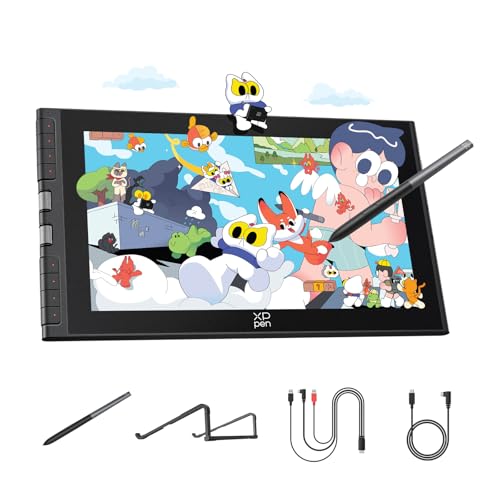
At just 1.58 pounds with an 11.9-inch screen, this tablet is built for artists who draw on the go, tucking into a bag between classes or sketching at a café table. The AG etched glass cuts 85% of glare and feels like paper under the pen, while the dual X-Dial wheels let you adjust brush size and zoom without digging into menus. With 16,384 pressure levels and a 2-gram initial activation force, even the lightest feather stroke registers, making it a natural fit for illustrators who value precision in a portable package.
The trade-off for that portability is screen real estate: at 11.9 inches, it’s smaller than the Wacom Cintiq 16’s display. If you prefer sprawling canvases and working at a fixed desk, the larger model may suit you better. But the XP-Pen’s factory-calibrated ΔE<1.5 color accuracy and single USB-C connection keep your workspace clean and colors reliable, making it a practical choice for photo retouching or sketching on compatible devices.
HUION Kamvas 13 Gen 3 Drawing Tablet

What We Like
- Factory color calibration report included
- Full lamination reduces glare
- 16384 pressure levels for fine control
Trade-offs
- Weight and size limit true portability
- Non-standalone; requires a computer or laptop.
A factory-calibrated Delta E of less than 1.5 means the screen shows colors that are close to the original source, which helps when you need consistent hues across projects. That precision, paired with 99% sRGB coverage, makes this a natural fit for illustrators and designers who work with digital files. The fully laminated Canvas Glass 2.0 cuts down on glare, so you can work under a desk lamp or near a window without fighting reflections. Five programmable shortcut keys and two dials let you keep your hand on the canvas instead of reaching for a keyboard, which speeds up repetitive tasks like brush resizing or layer switching.
The trade-off is that this is a monitor, not a standalone tablet. It needs a computer or compatible Android device to run, so you cannot sketch on the couch or in a coffee shop without hauling a laptop along. At two pounds with a 13.3-inch screen, it is lighter than the Wacom Cintiq 16, but still too large to slip into a day bag. If you work from a dedicated desk and value color accuracy over portability, the Kamvas 13 Gen 3 delivers factory-calibrated color at a weight that is less than half of some larger displays.
Wacom MovinkPad 11 Android Tablet

What We Like
- No computer needed for drawing
- Paper-like matte etched glass screen
- Ultra-light 1.3 lb portable design
- Quick Draw launch for instant sketching
Trade-offs
- Android 14 limits pro desktop software options
- 8GB RAM can slow heavy multi-layer work
The 11.45-inch Android 14 display means you can draw anywhere without lugging a laptop, just grab the 1.3-pound tablet and the Pro Pen 3 and start sketching the second an idea hits. The matte etched glass surface feels like real paper under the pen, cutting glare and fingerprints so you stay focused on your lines. If you want a true sketchbook replacement that fits in a backpack, this is the most direct path from thought to canvas without a computer in between.
With 8GB of RAM and 128GB of storage, the MovinkPad 11 is built for everyday sketching and note-taking rather than heavy multi-layer animation work. It keeps things simple and portable, so you can grab it and start drawing without waiting for a computer to boot up. For on-the-go creativity, that trade-off makes sense.
Product photos
HUION KAMVAS Slate 11 Standalone Tablet

What We Like
- Full-laminated anti-glare screen
- Pre-installed drawing app on Android 14
- 8-core CPU with 8GB RAM
- 8000mAh battery for all-day use
Trade-offs
- 10.95-inch screen is smaller than many desktop tablets
- Only 4096 pressure levels vs higher-count pens elsewhere
- Weighs 1.1 lb but still needs a case for travel
An 8000mAh battery and 8GB of RAM mean this standalone tablet can keep you drawing all day without hunting for an outlet or fighting lag. The 10.95-inch FHD+ screen with a full-laminated anti-glare surface gives a paper-like feel that reduces eye strain during long sessions, and the pre-installed Android 14 drawing app lets you start sketching right out of the box. If you want a lightweight, no-computer-needed setup for cafe sketching, note-taking, or quick concept work, this is a focused, portable tool that won’t weigh down your bag.
The 10.95-inch screen is compact enough to slip into a bag for sketching on the go, while the 90Hz refresh rate keeps the display smooth when you’re drawing fast lines or scrolling through layers. The 4096 levels of pressure sensitivity on the H-Pencil give you natural control over stroke weight. The 128GB of storage (expandable up to 1TB) means you can carry a large portfolio without needing a computer. If portability matters more than a huge canvas, this setup keeps you working anywhere.
Product photos
XPPen Magic Drawing Pad Standalone Tablet
What We Like
- 16384 pressure levels for ultra-fine control
- Paper-like AG-etched screen with 97% sRGB
- 13-hour battery for all-day drawing
- Android 14 with Clip Studio Paint membership
Trade-offs
- Android 14 limits pro desktop software access
- No built-in stand or kickstand included
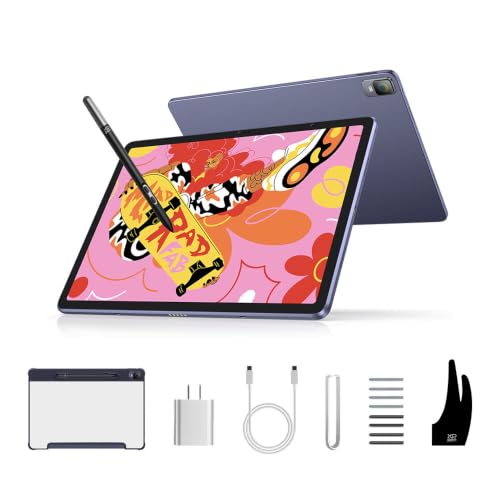
The XPPen Magic Drawing Pad delivers 16,384 pressure levels, matching the highest sensitivity found in some competing standalone tablets. That means every subtle shift in your hand translates into the line, which is ideal for delicate inking or soft shading. The 12.2-inch AG-etched screen offers a paper-like drawing experience, and the 97% sRGB coverage keeps colors rich and accurate. With a 13-hour battery, you can sketch through a long session without needing to recharge. This tablet suits artists who want precise control in a portable, no-computer-required device for detailed linework.
The trade-off comes in screen size and ecosystem. At 12.2 inches, the Magic Drawing Pad is more portable than a desktop display but smaller than the Wacom Cintiq 16, which offers a larger QHD canvas for sprawling compositions. Android 14 gives you access to Clip Studio Paint and ibis Paint X, but you won’t run full desktop software like Photoshop or Corel Painter directly. That keeps it lightweight and mobile, but it limits heavy compositing work. If you need a bigger screen and desktop power, the Cintiq 16 remains a strong alternative. For standalone drawing with unmatched pen sensitivity, this XP-Pen delivers where it counts.
Product photos
Simbans A10 Tablet Art
What We Like
- Standalone, no computer needed
- Paper-like laminated screen reduces glare
- Lifetime VIP tutorials for beginners
- 6GB RAM + expandable storage up to 1TB
Trade-offs
- At 3.3 lb, heavier than many portable tablets
- Only 4096 pressure levels versus 16384 on some rivals
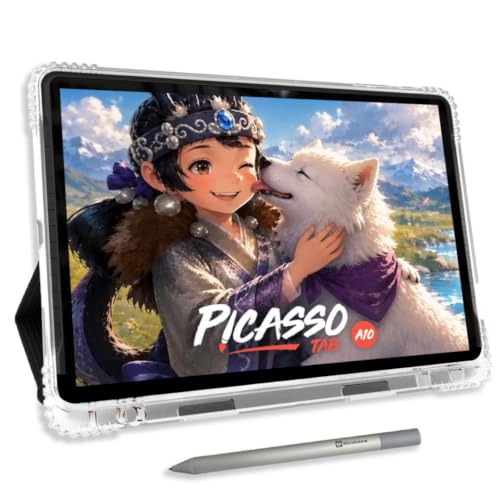
A 10-inch standalone drawing tablet with a paper-like laminated screen and 4096-level pressure sensitivity means you can sketch, paint, and animate anywhere without tethering to a computer. That freedom, paired with a lifetime VIP tutorial upgrade and preloaded creative apps, makes this an ideal starting point for someone new to digital art. The octa-core processor and 6GB of RAM keep things moving smoothly through lessons and layered drawings, and the expandable storage gives room to grow.
Weight is the main drawback: at 3.3 pounds, this tablet is noticeably heavier than the 1.1-pound HUION KAMVAS Slate 11, so it’s less comfortable for long handheld sessions. Its 4096 pressure levels also lag behind the 16384-level pens found on pricier standalone tablets like the XPPen Magic Drawing Pad. Still, for a beginner who wants a complete, self-contained kit with built-in guidance and a screen that feels more like paper, this delivers a lot of value.
UGEE UE12 11.6 Inch Drawing Tablet

What We Like
- Zero-parallax full-laminated screen
- 124% sRGB color gamut
- 16K-level pressure sensitivity
- Dual Type-C ports for flexible connection
Trade-offs
- No standalone operation; requires computer or Android device
- 11.6-inch screen limits sweeping arm movements
The full-laminated, anti-glare screen provides a zero-parallax drawing experience, meaning the cursor aligns with the pen tip for precise placement. With 124% sRGB color gamut, the display covers a wide range of colors, which helps when working on projects that need accurate color reproduction. The 16K-level pressure sensitivity captures fine variations in pressure, giving you control over stroke weight similar to a traditional pencil.
PicassoTab X14 Standalone Drawing Tablet
What We Like
- Largest portable canvas at 14 inches
- No computer needed, standalone operation
- Preloaded with 5 drawing and animation apps
- Laminated paper-like display reduces glare
Trade-offs
- At 5.1 lb, heavier than standalone rivals
- 4096 pressure levels, not the highest available
- No shortcut keys or dial for quick controls
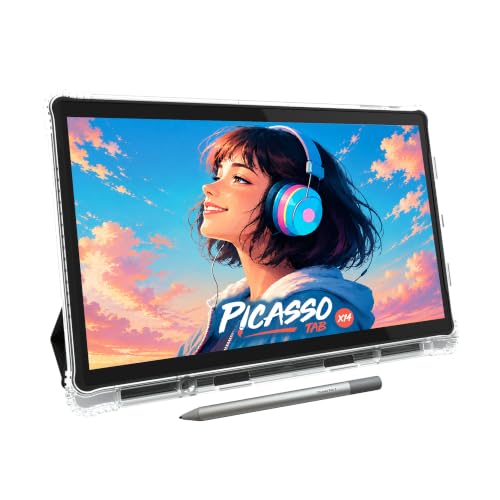
The 14-inch laminated screen on this tablet is the largest portable canvas PicassoTab has made, and it doesn’t need a computer to run. That size lets you arrange sketches and reference images without feeling cramped, while the paper-like finish cuts glare and the 4096-level pen responds to subtle pressure changes. Five apps come preloaded, including lifetime PRO upgrades for Concepts and Artixo, so you can start drawing right after unboxing. If you want a big standalone screen that fits in a bag, this one gives you the most drawing area without a computer.
VEIKK VK850 Digital Drawing Tablet

What We Like
- 290 PPS high reading rate
- 16,384 pressure levels with tilt
- 10 customizable shortcut keys
- Battery-free pen with 20 nibs
Trade-offs
- No built-in screen for direct drawing
- Battery and charger sold separately
A 290 PPS reading rate means this tablet captures every fast flick and rapid brushstroke without lag, making it a natural fit for artists who work quickly or play rhythm games like Osu. The 8×5-inch active area gives you 66.7% more room than a standard 6×4 panel, so your wrist isn’t cramped during long sketching sessions. With 16,384 pressure levels and ±60° tilt support, it responds to subtle shifts in angle and pressure, which helps you get smooth line variation and natural-looking strokes in programs like Photoshop or Clip Studio Paint. The battery-free pen never needs charging, and the ten customizable shortcut keys let you set up your workflow without reaching for the keyboard.
This is a pen tablet without a screen, so you’ll be drawing while looking at your monitor rather than directly on the surface. That takes some getting used to, especially if you’re coming from a display tablet like the Wacom Cintiq 16. The VK850 is powered via USB and requires a computer port or a separate power adapter. At just 2mm thick, the lightweight body is easy to transport but may not feel as sturdy as thicker models. Still, for a tool with a high reading rate and generous shortcut controls, it offers responsive performance for digital artists who don’t need a built-in screen.
Product photos
How We Evaluated Tablet Art
Our evaluation focused on how a tablet performs as a creative tool, not as a general-purpose device. We analyzed specifications from manufacturers, studied expert commentary from art communities, and looked for consistent feedback from digital artists about their real-world experiences.
The most critical criteria were pressure sensitivity for nuanced line work, color accuracy for faithful reproduction, and the type of connection (standalone vs. Computer-dependent). A tablet’s screen technology, including lamination and anti-glare properties, was also a major factor, as it directly affects the drawing experience by reducing parallax and reflections.
This guide is based on technical specifications and insights from the art community to help you understand the trade-offs between different models without relying on a single tester’s opinion.
What To Look For In Tablet Art
Choosing a drawing tablet involves more than just screen size. The right choice depends on how the tablet feels to draw on, how accurately it displays color, and how it fits into your creative setup.
Focus on pressure sensitivity levels (from 4096 to 16384), screen type (laminated vs. Non-laminated), color gamut (sRGB or DCI-P3), and whether you need a standalone device or a computer-connected pen display.
Pressure Sensitivity and Pen Technology
The pen is your primary tool, so its responsiveness is paramount. Pressure levels, measured from 4096 to 16384, determine how subtly the tablet can register changes in your stroke. A higher count, like the 16384 levels on the HUION Kamvas 13 Gen 3, allows for incredibly fine control between a whisper-thin line and a bold stroke. Equally important is the initial activation force; a low force, like the 2g on the XPPen Artist 12, means the pen responds to the lightest touch.
Screen Quality: Color Accuracy and Lamination
A screen that distorts color will ruin a piece meant for print or client work. Look for a high color gamut, such as 99% DCI-P3 or 124% sRGB, which ensures vibrant and accurate hues. Full lamination eliminates the air gap between the glass and the display, reducing parallax, the visual gap between the pen tip and the cursor. This makes the drawing feel direct and natural, as if you are drawing on paper.
Standalone vs. Computer-Connected
This is the most significant workflow decision. A computer-connected tablet (like the Wacom Cintiq 16) offers immense power and access to full desktop software but tethers you to a desk. A standalone tablet (like the Wacom MovinkPad 11) frees you to draw anywhere but runs on Android, which limits access to some pro software. Consider where and how you create most often.
- Do you need a battery-free pen to avoid interruptions?
- Is the tablet light enough for your intended use (e.g., 1.58 lb for portability)?
- Does the tablet include a stand or kickstand, or will you need to buy one separately?
- Are there customizable shortcut keys or dials for your most-used functions?
- Does the screen have an anti-glare or paper-like texture to reduce reflections?
A good rule of thumb: prioritize screen quality and pen feel over raw specs, as these directly affect your daily drawing experience.
Tablet Art Compared
The table below compares the 10 tablets across key specs like screen size, pressure levels, and whether they require a computer, helping you quickly narrow down your options.
| Product | Screen Size | Pressure Levels | Weight |
|---|---|---|---|
| Wacom Cintiq 16 Drawing Tablet | 16 inches | 8192 levels | 4.5 pounds |
| XPPen Artist 12 3rd Drawing Tablet | 11.9 inches | 16,384 | 1.58 lb |
| HUION Kamvas 13 Gen 3 Drawing Tablet | 13.3 in | 16384 | 2.0 lb |
| Wacom MovinkPad 11 Android Tablet | 11.45" | 8,192 | 1.3 lbs |
| HUION KAMVAS Slate 11 Standalone Tablet | 10.95 inches | N/A | 1.1 pounds |
| XPPen Magic Drawing Pad Standalone Tablet | 12.2 inches | 16384 | 1.3 pounds |
| Simbans A10 Tablet Art | 10" | 4096 | 3.3 pounds |
| UGEE UE12 11.6 Inch Drawing Tablet | 11.6 inches | 16K-level | N/A |
| PicassoTab X14 Standalone Drawing Tablet | 14 inches | 4096 | 5.1 pounds |
| VEIKK VK850 Digital Drawing Tablet | 8×5 inch | 16,384 | 0.6 pounds |
Frequently Asked Questions
What is the difference between a drawing tablet and a regular tablet?
A drawing tablet, also called a pen display, is designed specifically for digital art. It has a screen that you draw on directly with a stylus, offering high pressure sensitivity and low parallax. A regular tablet, like an iPad, is a general-purpose device that can be used for drawing but may not have the same level of pen precision or specialized features.
Do I need a computer to use a drawing tablet?
It depends on the model. Many drawing tablets, like the Wacom Cintiq 16, require a connection to a computer (or Android device) to function. They are essentially high-quality monitors you draw on. Standalone tablets, like the Wacom MovinkPad 11, have a built-in operating system and can run drawing apps without any external device.
What pressure sensitivity level should I look for?
For beginners, 4096 levels are more than sufficient. For intermediate and professional artists, 8192 or 16384 levels offer greater nuance and control, especially for detailed line work and shading. The higher the number, the more precisely the tablet can detect variations in how hard you press.
Is a laminated screen important for drawing?
Yes, a fully laminated screen is highly beneficial. It eliminates the air gap between the display and the glass, reducing parallax, the visual offset between the pen tip and the cursor. This makes the drawing experience feel more direct and natural, as if you are drawing directly on the surface of the screen.
Can I use a drawing tablet for photo editing or 3D modeling?
Yes, drawing tablets are excellent for photo editing in programs like Photoshop and for 3D modeling in software like Blender. The pressure-sensitive pen allows for precise masking, brush work, and sculpting that is difficult to achieve with a mouse. Models with high color accuracy are particularly well-suited for color-critical editing work.
The Bottom Line
The Wacom Cintiq 16 Drawing Tablet is our best overall pick for digital artists who prioritize a large, color-accurate workspace for serious studio work. Its Pro Pen 3 and 99% DCI-P3 display make it a powerful tool for illustrators and designers who work primarily at a desk.
If your art happens on the go, consider the Wacom MovinkPad 11 for a true standalone experience without a computer, or the XPPen Artist 12 3rd for an ultra-portable computer-connected option. For beginners on a budget, the Simbans A10 Tablet Art offers a complete standalone package with built-in tutorials.
Ultimately, the single most important factor is finding a tablet whose pen feels natural in your hand and whose screen makes your art look the way you intended. Focus on that connection, and the rest will follow.
