
6 Best Exterior Oil Based Primers in 2026
This post contains affiliate links. As an Amazon Associate, we earn from qualifying purchases.
For exterior projects that demand tough adhesion and serious stain blocking, Zinsser Cover-Stain Oil Base Primer is the best overall pick. It seals wood against tannin bleed, sticks to metal and masonry, and dries to the touch in 35 minutes. For large siding or fence jobs, the Zinsser Bulls Eye 1-2-3 Plus Primer delivers the best large coverage, while Rust-Oleum Stops Rust Rusty Metal Primer Spray is the top choice for heavily rusted surfaces.
The challenge with exterior priming isn’t just picking a color, it’s about fighting moisture, temperature swings, and stubborn stains that can ruin a finish. You need a primer that bonds to weathered wood, blocks tannins from bleeding through, and won’t crack or peel after a season of rain and sun. The wrong choice means repainting sooner than you planned.
We built this guide by studying manufacturer specifications, reading expert round-ups from painting professionals, and analyzing patterns in thousands of owner experiences. Our goal is to match you with the right oil-based primer for your specific surface and project size, so you can paint with confidence and get lasting results.
Top 6 Exterior Oil Based Primers in the Market
Certain content that appears on this site comes from Amazon. This content is provided "as is" and is subject to change or removal at any time.
The Best Exterior Oil Based Primers, Reviewed
Zinsser Cover-Stain Oil Base Primer

What We Like
- Blocks stains from fire, smoke, water
- Seals exterior wood and blocks tannin bleed
- Dries to touch in 35 minutes
- Adheres to wood, metal, concrete, drywall
Trade-offs
- Oil-based formula requires solvent cleanup
- Coverage limited to 100 sq ft per quart
Cover-Stain dries to the touch in 35 minutes and can be recoated in just two hours. That fast turnaround means you can move through a priming project without losing an entire afternoon waiting between coats. Paired with its ability to block tough stains from fire, smoke, and water damage, it is the primer you reach for when you need to seal a problem surface and get back to painting the same day. It also penetrates and seals exterior wood to stop tannin bleed, a common headache with cedar and redwood, so it suits anyone refreshing a deck, siding, or trim that has stubborn discoloration underneath.
The main strength of this primer is its oil-based formula, which locks in tough stains from fire, smoke, and water damage permanently. You will need mineral spirits or paint thinner for cleanup, but the trade-off is that it sticks to more surfaces, previously painted drywall, cured plaster, wood, metal, concrete, than the EVOLVE Alkyd Enamel Primer, which is aimed at direct-to-metal and masonry. If water cleanup is a priority, the Zinsser Bulls Eye 1-2-3 Plus is an alternative.
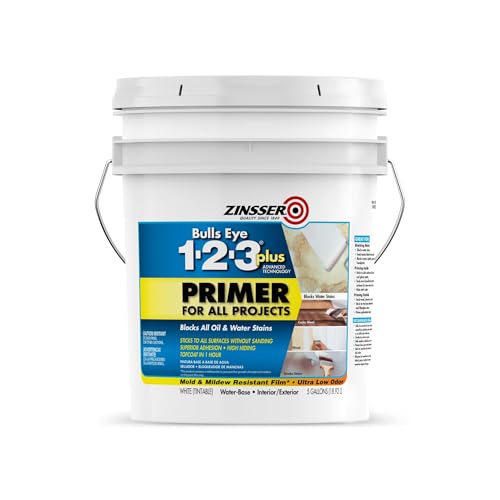
Zinsser Bulls Eye 1-2-3 Plus Primer
What We Like
- Covers 400 sq. ft. per gallon
- Dries to the touch in 30 minutes
- Sticks without sanding on glossy surfaces
- Blocks stains and imperfections in one coat
Trade-offs
- At 57.5 lb, the 5-gallon pail is very heavy
- Oil-based formula means solvent cleanup required
A full 5 gallons of primer means you can tackle an entire house exterior without running back to the store mid-project. At up to 400 square feet per gallon, that’s enough to cover a large area in a single pass. The oil-based formula grabs hold of glossy or previously painted surfaces without any sanding, which saves hours of prep work. It becomes touch-dry in just 30 minutes, so you can recoat or topcoat the same day. This is the primer to reach for when you have a big job and a tight schedule.
The trade-off is the weight. At 57.5 pounds, that five-gallon bucket is a beast to lug up a ladder or carry around the yard. If your project is smaller, the Zinsser Cover-Stain Oil Base Primer comes in a 32-ounce can that’s far easier to handle. But for a full exterior repaint, the bulk size of this Bulls Eye 1-2-3 Plus Primer means fewer trips and less waste. It also requires mineral spirits or paint thinner for cleanup, which is standard for any oil-based primer but worth noting if you prefer water-based products.
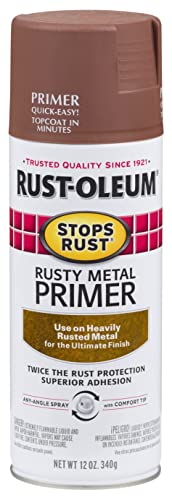
Rust-Oleum Stops Rust Rusty Metal Primer Spray
What We Like
- Oil-based formula for durable rust prevention
- Dries to touch in 15-30 minutes
- Creates surface for topcoat adhesion
- Withstands demanding heavy-use environments
Trade-offs
- Only for heavily rusted metal surfaces
- Coverage limited to 10-12 sq ft per can
An oil-based formula that becomes touch-dry in 15-30 minutes means you can move through a rust-repair project without waiting all day for the next coat. This spray is intended for priming heavily rusted metal surfaces that need a base for topcoat adhesion. It creates a surface that topcoats can easily adhere to, even in demanding, heavy-use environments. If your project involves heavily rusted metal, this primer targets that problem directly.
This primer is purpose-built for rusted metal only, not for bare wood, drywall, or lightly rusted surfaces. Compared to a general-purpose option like Zinsser Cover-Stain, which handles wood and drywall alongside metal, this Rust-Oleum spray stays in its lane. The coverage of 10-12 square feet per can also means larger projects will need multiple cans. For a straightforward rust-priming job, though, the formula and fast dry time make it a focused, effective choice.
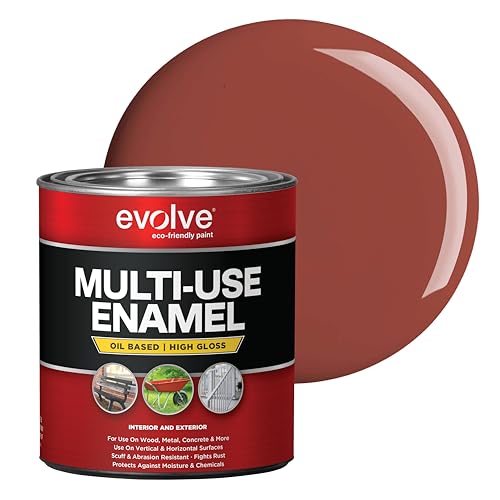
EVOLVE Alkyd Enamel Primer
What We Like
- Multi-surface use: wood, metal, concrete, masonry
- Scuff and abrasion resistant finish
- Rust protection for metal surfaces
- Moisture and chemical barrier
Trade-offs
- Red oxide color limits topcoat color options
- Alkyd formula requires solvent cleanup
A tough, scuff-resistant alkyd enamel that bonds to wood, metal, concrete, and masonry means you can prime a fence gate, a steel railing, and a concrete planter with one can. EVOLVE Alkyd Enamel Primer is designed for interior and exterior use, with rust protection for metal and a moisture-chemical barrier. That versatility makes it a natural fit for homeowners tackling mixed-material projects where a single primer simplifies the job.
The red oxide tint can show through lighter topcoats unless you apply a second coat or stick to darker paints. Compared to Zinsser Cover-Stain, which comes in white and blocks stains, EVOLVE asks for a bit more planning on color. But if you value one-coat adhesion across different substrates and a finish that resists scuffs and chemicals, this alkyd primer delivers without complaint.
Product photos
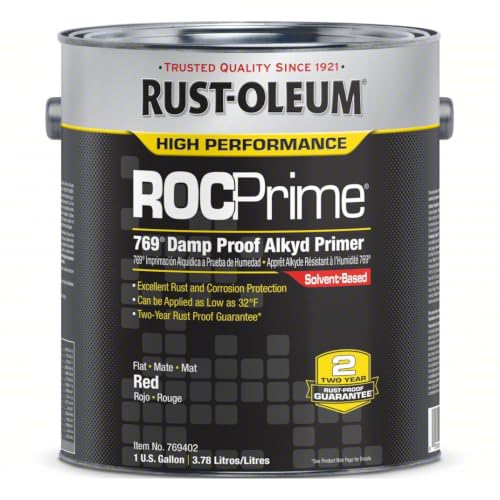
STANIOS INDUSTRIAL SUPPLY 769402 Exterior Oil Based Primer
What We Like
- Direct-to-rust formula minimizes prep
- Works in temps as low as 32°F
- High coverage at 725 sq ft/gal
Trade-offs
- Requires 48-hour recoat time
- Loose rust must still be removed before use
A 725-square-foot-per-gallon coverage means one gallon can handle a sizable metal shed or fence without needing a second can. This primer is built for the person who wants to stop rust from spreading without spending hours with a wire brush. Its direct-to-rust formula bonds tightly to properly prepared rusted surfaces, cutting down prep time while still delivering corrosion protection for outdoor metal.
Patience is required here: a 48-hour recoat time means you cannot rush the job, so this is not the choice for a same-day project. For anyone restoring a metal gate, machinery, or outdoor structures where rust is the main enemy, the extra drying time is a fair price for the corrosion protection it delivers.
Product photos
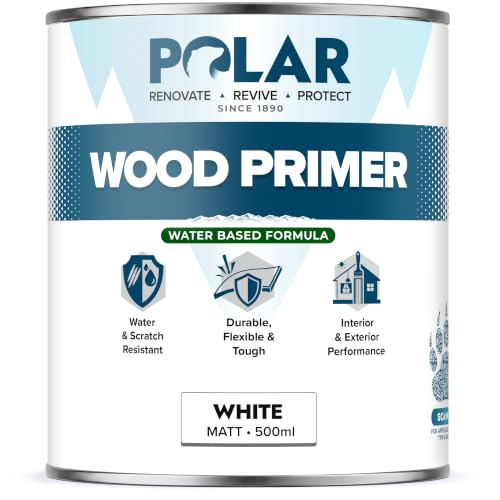
Polar Wood Primer White Undercoat
What We Like
- Quick-drying in 1-2 hours
- Flexible, weather-resistant finish
- Deep penetration for bare wood
- UV and water resistant
Trade-offs
- Only 500ml size limits large projects
- Requires compatible topcoat for full protection
A 1-2 hour dry time means you can prime a garden bench or door in the morning and start painting before lunch. That quick turnaround is a key advantage for outdoor wood projects. The primer sinks deep into bare timber thanks to its low surface tension, creating a flexible base that resists cracking and repels water, exactly what outdoor wood needs. For anyone refreshing a fence, shed, or exterior joinery, this Polar primer keeps the job moving fast without sacrificing adhesion or weather protection.
The 500ml tin covers roughly 10-12 square meters per liter, fine for a few doors or a piece of furniture, but you will need multiple cans for a full deck or large shed. Compared to the Zinsser Cover-Stain Oil Base Primer, which comes in a larger 32oz can and also blocks stains, the Polar is more about speed than stain-blocking. If your project is small and you value efficiency, this is your pick. For bigger work, you might want a gallon-sized option.
How We Evaluated Exterior Oil Based Primers
To find the top exterior oil-based primers, we started with the fundamentals: adhesion claims, stain-blocking ability, and dry times across different surfaces. We dug into manufacturer technical data sheets and product descriptions for each formula, noting which surfaces each primer was designed for, wood, metal, concrete, or masonry. We also paid close attention to coverage rates, since a primer that covers more square feet per gallon can save you money and time on large jobs.
We then cross-referenced these specs with patterns found in expert round-ups and real owner feedback. We looked for consistent praise around durability, ease of application, and how well each primer held up against moisture and temperature changes. We also flagged common complaints about cleanup difficulty, odor, and recoat times, since these are real factors that affect your workday.
A research-led evaluation like this has limits: we haven’t personally sprayed or brushed every can. Instead, we’ve synthesized the most reliable information available from manufacturers, professional painters, and experienced DIYers. The result is a clear, practical ranking that helps you choose based on your surface, your project size, and your tolerance for solvent cleanup.
What To Look For In Exterior Oil Based Primers
Choosing the right exterior oil-based primer comes down to matching the formula to your surface and conditions. Here are the key criteria to consider before you buy.
Choose an exterior oil-based primer that matches your surface (wood, metal, or masonry), blocks the specific stain you’re dealing with (tannin, rust, or water), and dries fast enough for your schedule. Coverage rate and cleanup method matter too.
Surface Compatibility
Not every oil-based primer works on every surface. Some are formulated specifically for bare wood to block tannin bleed, while others are designed for rusty metal or porous masonry. Check the label to confirm the primer bonds to your material, using the wrong one can lead to peeling or poor adhesion. Multi-surface primers like the EVOLVE Alkyd Enamel Primer save you from buying separate cans for wood, metal, and concrete.
Stain Blocking and Rust Prevention
The main reason to choose an oil-based primer over water-based is its superior stain-blocking power. Look for a primer that specifically mentions blocking tannins from wood, water stains, smoke damage, or rust bleed-through. For metal surfaces, a primer with rust-preventive properties, like the Rust-Oleum Stops Rust formula, creates a barrier that stops corrosion from spreading under your topcoat.
Coverage and Dry Time
Coverage rates vary widely, from around 100 square feet per quart to over 700 square feet per gallon. For a single fence or shed, a quart may be enough; for whole-house siding, a gallon or five-gallon pail makes more sense. Dry time is equally important for outdoor work, where weather windows can be short. Some primers dry to the touch in 15-30 minutes, while others need up to 48 hours before recoating.
- Confirm the primer is labeled for exterior use and the specific surface you’re painting.
- Check the recoat window: fast-dry formulas let you topcoat the same day.
- For metal, verify the primer is designed for the level of rust present (light surface rust vs. Heavy corrosion).
- Consider cleanup: oil-based primers require mineral spirits or paint thinner, not soap and water.
- Look at the can weight if you’re carrying it up a ladder, a 5-gallon pail can be over 50 pounds.
For exterior work, a longer dry time isn’t always better, fast-drying primers let you seal the surface and move on before the weather turns.
Exterior Oil Based Primers Compared
The table below compares all six primers side by side, so you can see how they stack up on coverage, dry time, and surface compatibility at a glance.
| Product | Coverage | Dry Time | Recoat Time |
|---|---|---|---|
| Zinsser Cover-Stain Oil Base Primer | 100 sq ft | 35 min to touch | 2 hours |
| Zinsser Bulls Eye 1-2-3 Plus Primer | 400 sq. ft. per gallon | 30 minutes to touch | N/A |
| Rust-Oleum Stops Rust Rusty Metal Primer Spray | 10-12 sq ft per can | 15-30 minutes | N/A |
| EVOLVE Alkyd Enamel Primer | N/A | N/A | N/A |
| STANIOS INDUSTRIAL SUPPLY 769402 Exterior Oil Based Primer | 725 sq ft/gal | Tack-free 3-5 hr | 48 hr |
| Polar Wood Primer White Undercoat | 10-12 m² per liter | 1-2 hours | 4 hours |
Frequently Asked Questions
Can I use an exterior oil-based primer indoors?
Yes, but the strong fumes and solvent cleanup make it less practical for indoor use. Many oil-based primers are labeled for both interior and exterior, but you’ll need good ventilation. For interior projects, a water-based primer is often more convenient and low-odor.
How long does oil-based primer take to dry before painting?
It varies by product. Some formulas dry to the touch in 15 to 30 minutes, while others need up to 48 hours before you can apply a topcoat. Always check the manufacturer’s recoat time on the label for best results.
Do I need to sand before applying oil-based primer?
It depends on the surface condition. For bare wood, light sanding opens the grain and improves adhesion. For glossy or previously painted surfaces, many oil-based primers claim to stick without sanding, but a quick scuff helps ensure a durable bond. For heavily rusted metal, you must remove loose rust before priming.
What’s the difference between oil-based and water-based exterior primer?
Oil-based primers offer stronger stain blocking, better adhesion on difficult surfaces, and a harder, more durable finish. Water-based primers dry faster, clean up with soap and water, and have lower VOCs. Choose oil-based for tannin bleed, rust, or heavy stains; choose water-based for ease of use and low odor.
Can I paint over oil-based primer with water-based paint?
Yes, once the oil-based primer is fully dry and cured, you can apply a water-based topcoat. This is a common practice for exterior projects. Just make sure the primer has cured according to the manufacturer’s instructions before painting.
The Bottom Line
For most exterior projects, Zinsser Cover-Stain Oil Base Primer is the best overall choice because it handles wood, metal, and masonry while blocking tough stains and drying fast. If you’re covering a large area like siding or a fence, the Zinsser Bulls Eye 1-2-3 Plus Primer gives you the best large coverage with one-coat stain blocking. For rusty metal surfaces, Rust-Oleum Stops Rust Rusty Metal Primer Spray is the dedicated solution.
If you need a single primer that works on multiple surfaces, the EVOLVE Alkyd Enamel Primer offers excellent scuff resistance and rust protection. For minimal prep on rusted metal, the STANIOS INDUSTRIAL SUPPLY 769402 Exterior Oil Based Primer works in cold temperatures down to 32°F. And for small wood projects, the Polar Wood Primer White Undercoat dries in just one to two hours.
The single most important factor in choosing an exterior oil-based primer is matching the formula to your specific surface and stain problem. Get that right, and you’ll save yourself a second coat, and a second weekend.
