
10 Best Primers For Trim in 2026
This post contains affiliate links. As an Amazon Associate, we earn from qualifying purchases.
For trim work, the right primer is everything. The Zinsser Bulls Eye 1-2-3 All Surface Primer wins as the best overall because it sticks to glossy surfaces without sanding, seals and primes in one coat, and works indoors or out. For heavy stain blocking, the Rust-Oleum Zinsser B-I-N Shellac Primer is your go-to, while the KILZ Original Low Odor Primer is a smart budget-friendly choice.
The biggest challenge with trim is getting paint to stick to slick, often glossy surfaces without chipping or peeling. You also need a primer that can handle the unique stains and odors trim attracts, like smoke, grease, or water damage.
This guide is built from manufacturer specifications, expert best practices, and patterns found in thousands of owner reviews. We’ve focused on adhesion, stain-blocking power, dry time, and ease of cleanup to help you pick the perfect primer for your specific trim project.
Top 10 Primers For Trim in the Market
Certain content that appears on this site comes from Amazon. This content is provided "as is" and is subject to change or removal at any time.
The Best Primers For Trim, Reviewed
Zinsser Bulls Eye 1-2-3 All Surface Primer

What We Like
- Sticks without sanding on glossy surfaces
- Seals and primes in one coat
- Stain-blocking for interior and exterior
- Works over oil or latex topcoats
Trade-offs
- Quart size covers only 100 sq. ft.
- Requires thorough surface cleaning for best adhesion.
This water-based primer sticks to surfaces without sanding, including glossy or difficult surfaces like metal and masonry, so you can skip the tedious prep step. It dries to the touch in 30 minutes and is ready for a topcoat in 1 hour, covering up to 100 square feet per quart. That combination of adhesion and speed makes it a practical choice for trim work where sanding would otherwise slow you down.
The trade-off is its gray color. While gray helps deep, vivid topcoats cover better, it can mean an extra coat of white or pastel paint to block it out. The quart size also covers only 100 square feet, so a larger project will need multiple cans. Compared to the Zinsser B-I-N Shellac Primer, which is a shellac-based formula, Bulls Eye 1-2-3 is water-based and cleans up with soap and water.
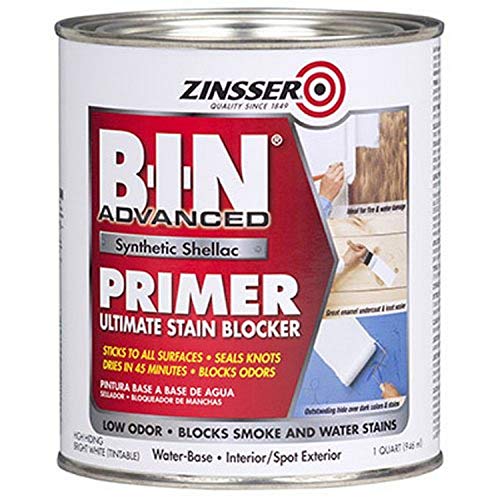
Rust-Oleum Zinsser B-I-N Shellac Primer
What We Like
- Superior odor sealing
- Ultimate stain blocking
- Seals knots, sap and tannin
- Excellent adhesion
Trade-offs
- Shellac base requires alcohol for cleanup
- Strong solvent odor during application
This primer seals knots, sap, and tannin, making it a strong choice for raw wood where stains can bleed through. The bright white finish provides high hiding power, so dark marks are covered well. If you are dealing with problem stains on wood, this product’s stain-blocking and odor-sealing features are designed to handle them.
For the toughest stains, this shellac primer seals knots, sap, tannin, and odors with a high-hiding bright white finish that sticks to nearly any surface. Its excellent adhesion means you can paint over glossy trim or varnished wood without sanding first. The 1-quart size weighs just 0.2 pounds, so it’s light enough to carry in a tool bag or hold in one hand while you work.
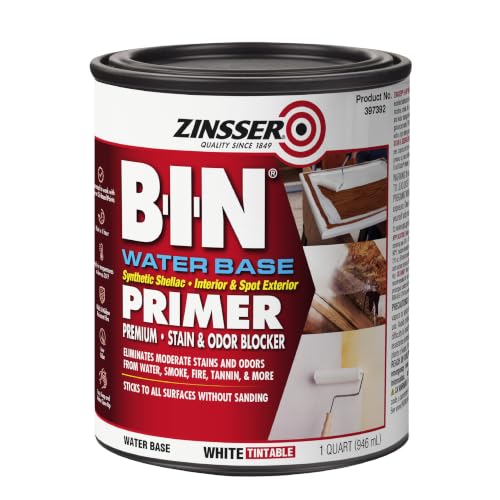
Zinsser B-I-N Water Base Stain & Odor Blocking Primer
What We Like
- Blocks water, smoke, nicotine stains
- Bonds to glossy surfaces without sanding
- Works indoors and outdoors down to 35°F
- Seals knots and sap streaks on exterior wood
Trade-offs
- Only for spot priming, not full-room coverage
- Requires a separate topcoat for full protection
A 30-minute dry time and 1-hour recoat window mean you can knock out problem spots in a single afternoon without waiting around. This primer is built to seal the toughest stains, water rings, smoke damage, nicotine yellowing, even tannin bleed from knots, so they don’t ghost through your finish coat. It also sticks to glossy surfaces like cured plaster or PVA without sanding, which saves serious elbow grease on trim that’s already painted or sealed. If you’re dealing with a stained ceiling patch, a smoke-damaged door frame, or exterior trim with sap streaks, this is the primer that actually locks those problems away.
This primer is designed for spot priming rather than coating an entire room. For full-wall or full-ceiling work, a dedicated all-surface primer like Zinsser Bulls Eye 1-2-3 would be a better fit. But for targeted stain blocking on trim, this is the specialist you want.
KILZ Original Low Odor Primer

What We Like
- Low odor with fast dissipation
- Blocks stains on multiple surfaces
- Bright white, non-yellowing finish
- Works with oil, alkyd, and water-based paints
Trade-offs
- Requires ventilation during use
- 1-quart size covers only small areas
A 30-minute dry time and one-hour recoat window let you move through a project efficiently, though not necessarily without waiting all day. KILZ Original Low Odor Primer delivers the stain-blocking and adhesion of an oil-based primer with a lower solvent odor and fast odor dissipation. That makes it suitable for offices, schools, dining areas, and other spaces sensitive to strong smells. Its bright white, non-yellowing finish provides a clean base, and it works on properly prepared surfaces including brick, painted metal, drywall, paneling, wallpaper, masonry, plaster, and wood. For someone working on a single room or a few pieces of trim, this quart-size primer offers reliable performance with less lingering odor than traditional oil-based primers.
Ventilation is required for proper odor dissipation, which matters if you’re painting in a space without good airflow. But if odor sensitivity and stain blocking are your priorities, this KILZ primer offers a practical middle ground. It has the adhesion and stain blocking performance that KILZ Original is known for but with a lower solvent odor. It’s a focused solution for DIYers who want reliable results on interior surfaces without strong lingering smells.
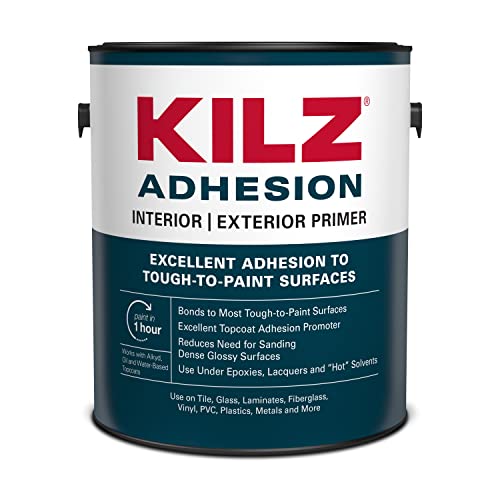
KILZ Adhesion Primer
What We Like
- Works on both interior and exterior
- Accepts water or oil-based topcoats
- Bonds to difficult surfaces like PVC, glass, tile
Trade-offs
- Needs 24-hour dry time before hot-solvent topcoats
- At 12.2 pounds per gallon, heavy for small trim jobs
This primer bonds to difficult surfaces like Kynar, PVC, Formica, vinyl, glass, tile, glazed brick, chalky paints, glossy finishes, fiberglass, and metals, where many primers struggle. Its advanced styrenated acrylic polymer formula provides a sound anchor for topcoats, potentially reducing the need for sanding on dense, glossy surfaces. For anyone facing a slick or unusual substrate, this primer offers a reliable solution for making those surfaces paintable.
The trade-off comes when using hot-solvent topcoats: if you plan to topcoat with epoxies, lacquers, or products containing xylene, allow 24 hours of dry time and test compatibility in an inconspicuous area before full application. That extra wait matters less for standard latex or oil-based paints, where recoat is ready in an hour. Compared to Zinsser Bulls Eye 1-2-3, which is a lighter general-purpose primer, KILZ Adhesion is formulated for situations where a secure bond is critical and traditional primers might be questionable. It is not intended for routine trim work on standard surfaces, but for tough-to-paint substrates it delivers as promised.
Product photos
Benjamin Moore Insl-x Prime Flat Acrylic Latex Primer

What We Like
- Premium Benjamin Moore brand reputation
- Large 1-gallon size for trim projects
- Water-based acrylic latex is easy to clean
Trade-offs
- At 11.2 pounds, heavy for small jobs
A full gallon of Benjamin Moore Insl-x Prime means you can coat a lot of surface without running back to the store mid-project. This water-based acrylic latex primer has a flat finish and weighs 11.2 pounds. It is a 1-gallon container from the Benjamin Moore brand, suitable for those who need a large volume of primer for interior or exterior work.
Weight is the main consideration: at 11.2 pounds, this gallon is heavier than quart-sized options, so it is less convenient for small jobs or carrying up a ladder. If you prefer a lighter container, consider a quart-sized primer instead. But for large projects where a full gallon is needed, this primer provides the coverage you expect from a water-based acrylic latex formula.
Masterchem Industries 10444 Primer

What We Like
- Odorless formula for indoor use
- White color works under most paints
Trade-offs
- 13-oz aerosol covers less area than quart
- Oil-based formula requires mineral spirits for cleanup
This is a 13-ounce aerosol primer that goes on white and stays odorless, which makes it a natural fit for indoor trim work where you don’t want to air out the room for days.
Compared to a quart of Zinsser Bulls Eye 1-2-3, which offers more volume for larger jobs, this 13-ounce aerosol is better suited for touch-ups or small areas. It is not the most economical choice for big renovations, but for a quick trim refresh without strong odors, it delivers what it promises.
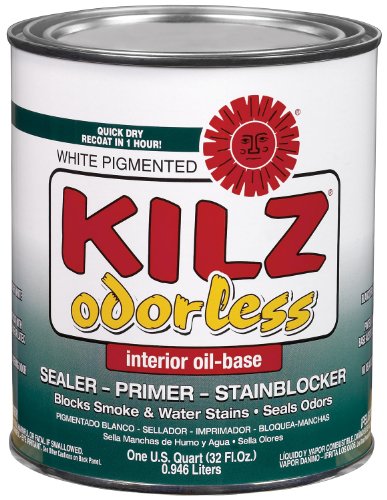
Masterchem 10042 Primer
What We Like
- Low-odor oil-based formula
- Blocks stains and odors effectively
- Works on drywall, masonry, and metal
- Easy to apply with any tool
Trade-offs
- Not waterproof; indoor use only
- Oil-based requires solvent cleanup
A 32-ounce can that covers 75 to 87.5 square feet per coat means you can seal and block stains on trim and doors in a medium-sized room without constant reloading. This oil-based primer is designed for interior surfaces like drywall, masonry, and metal, and its low-odor formula makes it more pleasant to work with than many traditional oil-based primers. For anyone tackling trim work where old stains or odors are a problem, this primer helps prevent them from bleeding through so your topcoat goes on clean.
This is not a waterproof product, so it belongs strictly in dry indoor spaces; don’t use it in bathrooms or on exterior trim. It also requires solvent cleanup, which adds a step compared to water-based options like the Zinsser Bulls Eye 1-2-3. If you need a strong stain blocker and can tolerate the solvent cleanup, this primer delivers reliable odor control and a semi-gloss white base for your finish paint.
Polar Wood Primer Undercoat
What We Like
- Quick-drying in 1-2 hours
- Flexible, weather-resistant protection
- Deep penetration for bare wood
- Versatile on wood and MDF
Trade-offs
- Requires 4-hour wait before recoating
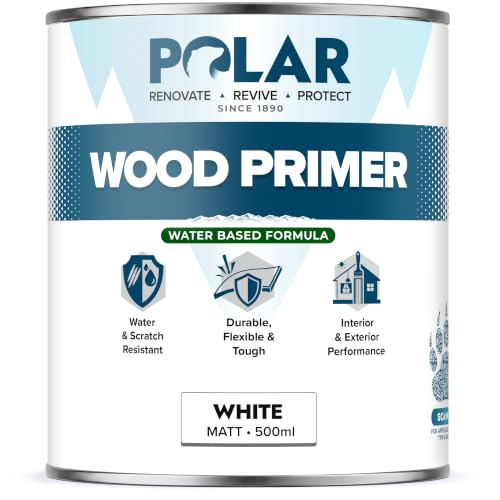
A coverage of 10-12 square meters per liter means this primer goes a long way on bare trim, especially when you’re working on doors, baseboards, or new joinery. Its low surface tension lets the formula sink deep into unfinished timber, creating a stable foundation that helps your topcoat grip and look even. That makes it a natural fit for anyone tackling raw wood for the first time or refinishing old bare trim. The quick 1-2 hour dry time keeps the project moving, and the flexible finish resists cracking and water, so it works just as well on exterior wood as it does inside.
Patience is required here: you need to wait four hours before recoating, which can slow down a full-day trim job. For clean bare wood, though, this primer gives you deep penetration and durable, weather-ready protection at a practical size for smaller to mid-sized projects.
Masterchem 200010 Primer

What We Like
- Water-based formula for easy cleanup
- Seals and blocks stains effectively
- Works as both primer and sealer
Trade-offs
- No coverage area provided for estimating needs
- Not suitable for heavy oil-based stain blocking
A full gallon of water-based sealer-primer means you can coat multiple trim pieces without running back to the store mid-project. Masterchem’s 200010 is built to block stains and seal surfaces in one coat, which saves time when you’re working through a room of baseboards or window casings. The water-based formula cleans up with soap and water, so you’re not stuck with harsh solvents on your brushes or in your workspace. This makes it a practical choice for DIYers who want reliable coverage without the fuss of oil-based products.
If you’re only touching up a single door or a small section of trim, the quart might be a better fit. But for whole-room trim work, this gallon gives you the quantity to finish without interruptions.
How We Evaluated Primers For Trim
To find the top primers for trim, we started with the technical specs. Adhesion ratings, coverage area per quart or gallon, dry and recoat times, and the specific surfaces each formula is designed to bond with were all considered. We cross-referenced this data with manufacturer documentation and professional painter round-ups to understand what makes a primer effective on wood, MDF, PVC, and previously painted trim.
Our evaluation centered on four key criteria. Adhesion was paramount. A trim primer must stick to glossy, slick surfaces without sanding. Stain and odor blocking was next, as trim is often exposed to smoke, water, and tannins. Application and dry time mattered for project speed, and cleanup was a practical concern for DIYers.
A research-led evaluation like this has one honest limit: we can’t simulate years of real-world wear and tear. We rely on the chemical properties of each formula and the consensus of experienced painters to predict performance. This approach gives you a reliable starting point, but your specific surface preparation will always be the final factor.
What To Look For In Primers For Trim
Choosing a trim primer is about matching the formula to your surface and your goal. Focus on adhesion, stain blocking, and how you want to clean up.
Pick a primer that bonds to your trim’s existing finish. For glossy, painted, or non-porous surfaces, choose an all-surface bonding primer. For bare wood, a deep-penetrating wood primer is better. For stains, a shellac-based blocker is the strongest option.
Adhesion to Glossy and Difficult Surfaces
Trim is often finished with glossy paint or varnish, which makes it hard for new paint to stick. Look for primers specifically labeled as “bonding” or “all-surface” primers. These contain resins that grip slick surfaces like polyurethane, enamel, and even tile or glass. The Zinsser Bulls Eye 1-2-3 and KILZ Adhesion Primer are top choices for this.
Stain and Odor Blocking Power
Trim can trap odors from smoke, pets, and cooking, and it’s prone to water stains, nicotine, and tannin bleed from wood knots. Shellac-based primers like the Rust-Oleum Zinsser B-I-N are the gold standard for sealing in these problems. Water-based stain blockers are effective for lighter stains but may need a second coat for heavy smoke or water damage.
Formula Type: Oil vs. Water-Based vs. Shellac
- Oil-based primers offer excellent adhesion and stain blocking but require mineral spirits for cleanup and have strong fumes.
- Water-based (latex) primers are low-odor, dry fast, and clean up with soap and water, making them ideal for occupied homes.
- Shellac-based primers are the ultimate stain and odor sealers but have a strong solvent odor and require alcohol for cleanup.
For the easiest project, choose a water-based bonding primer. For the toughest stains, a shellac primer is worth the extra effort.
Primers For Trim Compared
The table below compares the key specs of each primer to help you see which one fits your trim project best.
| Product | Type | Coverage | Use |
|---|---|---|---|
| Zinsser Bulls Eye 1-2-3 All Surface Primer | Water-based primer-sealer | Up to 100 sq. ft. | Interior/exterior |
| Rust-Oleum Zinsser B-I-N Shellac Primer | Shellac primer | N/A | N/A |
| Zinsser B-I-N Water Base Stain & Odor Blocking Primer | Water-based primer | N/A | Interior and spot exterior |
| KILZ Original Low Odor Primer | Primer, sealer, stainblocker | 75-100 sq ft/gal | Interior |
| KILZ Adhesion Primer | Water-based primer | 75-100 sq ft | Interior/Exterior |
| Benjamin Moore Insl-x Prime Flat Acrylic Latex Primer | Water-Based Acrylic Latex Primer | N/A | N/A |
| Masterchem Industries 10444 Primer | Aerosol primer | N/A | N/A |
| Masterchem 10042 Primer | Oil-based | 75-87.5 sq ft per coat | Interior |
| Polar Wood Primer Undercoat | Wood primer | 10-12 m² per liter | Interior and exterior wood |
| Masterchem 200010 Primer | Water-based sealer-primer-stain blocker | N/A | N/A |
Frequently Asked Questions
Can I use regular wall primer on trim?
No. Wall primer is formulated for porous drywall and lacks the adhesion needed for glossy or slick trim surfaces. Using it can lead to peeling and chipping. Always choose a primer designed for trim, cabinets, or high-adhesion surfaces.
What is the best primer for glossy trim without sanding?
A bonding or all-surface primer is your best option. The Zinsser Bulls Eye 1-2-3 is specifically designed to stick to glossy surfaces like polyurethane and enamel without sanding, saving you a significant amount of prep time.
How do I choose between oil-based and water-based primer for trim?
Choose water-based for easier cleanup and lower odor in occupied spaces. Choose oil-based for superior stain blocking and adhesion on surfaces like metal or high-moisture areas. Shellac-based primers are a separate category, offering the best stain sealing with a solvent cleanup.
Do I need to prime previously painted trim?
Yes, especially if the existing paint is glossy, chipping, or you are changing from oil-based to water-based paint (or vice versa). Priming ensures the new topcoat adheres properly and provides a uniform base for a consistent color finish.
What primer is best for covering dark trim paint?
Choose a high-hiding white primer. The KILZ Original Low Odor Primer is a bright white option that helps block dark colors. For very dark or red trim, you may need two coats of primer or a tinted primer to prevent bleed-through.
The Bottom Line
For most trim projects, the Zinsser Bulls Eye 1-2-3 All Surface Primer is the best overall choice because it eliminates sanding on glossy surfaces, seals well, and works on interior and exterior trim. It’s the most versatile pick for DIYers and pros alike.
If you’re dealing with stubborn stains from water, smoke, or wood knots, the Rust-Oleum Zinsser B-I-N Shellac Primer is the superior solution. For budget-conscious projects that still need stain blocking, the KILZ Original Low Odor Primer offers solid performance for less.
The single most important factor is matching the primer to your trim’s surface. A bonding primer for glossy trim, a shellac primer for stains, or a deep-penetrating wood primer for bare wood will save you time, frustration, and a second coat of paint.
