
10 Best Paint Brushes For Edges in 2026
This post contains affiliate links. As an Amazon Associate, we earn from qualifying purchases.
For clean paint edges without tape, the Wooster Shortcut Angle Sash Paintbrush is our best overall pick, thanks to its 2-inch handle that offers exceptional maneuverability in tight spaces. For those seeking a smoother finish, the Wooster Silver Tip delivers, while the Purdy Clearcut Dale provides the stiff bristles needed for precise cut-in lines.
The challenge with painting edges is controlling the paint flow and brush angle to get a crisp line on trim, corners, and window sash without bleeding. A brush that is too wide can be clumsy, while one with too-soft bristles may not hold a sharp edge.
This guide is research-based, drawing from manufacturer specifications, expert round-ups, and patterns in owner feedback to help you choose the right brush for your next painting project. We break down the key features that matter most for edge work.
Top 10 Paint Brushes For Edges in the Market
Certain content that appears on this site comes from Amazon. This content is provided "as is" and is subject to change or removal at any time.
The Best Paint Brushes For Edges, Reviewed
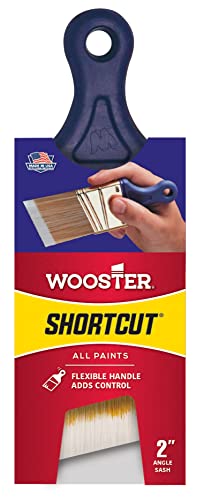
Wooster Shortcut Angle Sash Paintbrush
What We Like
- 2-inch handle adds maneuverability in tight spaces
- Nylon-polyester blend works with all paints
Trade-offs
- Short handle limits leverage for long, straight cuts
- At 2 inches wide, slower on broad trim runs
A 2-inch handle lets you pivot the brush into corners and around window sash hardware without bumping your knuckles. That stubby grip, paired with a flexible Shergrip surface, gives you precise control when cutting in along ceilings, baseboards, or cabinet edges. The nylon-and-polyester blend bristles work with all paints, which is why this brush suits detail-focused painters who need accuracy over raw speed.
The 2-inch handle adds maneuverability in tight spaces, but for long stretches of door casing, the Purdy XL Glide Angular Trim Paint Brush has a hardwood handle. If your work is mostly corners, sash, and edges, the Wooster Shortcut’s compact design gives you an edge that longer brushes cannot match.
Wooster Silver Tip Polyester Angle Sash Paintbrush

What We Like
- Angled sash design for precision edges
- Works with latex and oil paints
- Stainless-steel ferrule resists corrosion
Trade-offs
- 2.5-inch width is too wide for very tight corners
- Soft bristles lack stiffness for heavy stippling or rough surfaces
The 100% CT polyester filaments are the key here. They’re soft and flexible, which means the brush lays paint down with minimal brush marks and excellent leveling. That makes it a natural fit for anyone who wants a clean, even finish on trim, edges, and sash work without fighting the tool. The angled head helps you cut in along walls and corners with control, and the stainless-steel ferrule and hardwood handle give it a durable feel that should hold up through multiple projects.
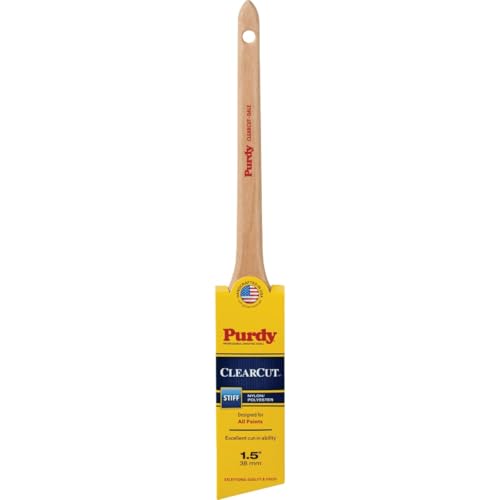
Purdy Clearcut Dale Angular Trim Paint Brush
What We Like
- Stiff bristles for precise cut-in lines
- Lightweight alderwood handle for control
- Works with all latex paints and primers
- Stainless steel ferrule resists corrosion
Trade-offs
- 1.5-inch width slower on long straight runs
- Natural handle lacks rubber grip for wet hands
The Tynex nylon and Orel polyester-blend filaments in this brush are designed for well-defined lines and precise cut-in ability around molding, trim, corners, and ceilings. At 1.5 inches wide, the brush is built for precision work where accuracy matters most. The lightweight alderwood handle and stainless steel ferrule make it easy to control, so you can hold a steady line. This brush is ideal for precision work on baseboards, window casings, or crown molding, and it handles all latex paints and primers.
The 1.5-inch head that makes cut-in accurate will cover less area per stroke than a wider brush. For larger trim runs, the Wooster Shortcut Angle Sash Paintbrush has a 2-inch head, but its bristles are synthetic. If your project is all about edges and you value a clean line over speed, this brush is a good fit for your kit.
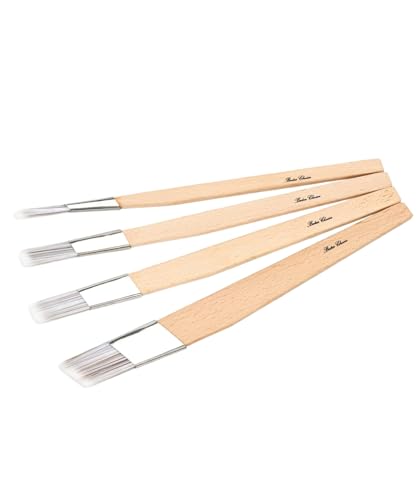
Bates Detail Trim Paint Brushes Set
What We Like
- Four sizes from fine to broad
- Angled bristles for clean edges
- Synthetic bristles for smooth paint flow
- Wooden handles for comfortable control
Trade-offs
- No size larger than 25 mm for wide surfaces
The four sizes in this set, 6, 12, 16, and 25 mm, cover everything from tiny touch-ups on window mullions to broader strokes along baseboards. You can switch between fine detailing and trim work without reaching for a different brush. The angled synthetic bristles are designed to cut in along edges and corners cleanly, and the wooden handles give you a stable, comfortable grip for precise control. This makes the Bates Detail Trim set a practical choice for anyone who wants a single pack that handles the whole range of edge-painting tasks, from narrow door frames to wider trim runs.
If you are painting large sections of baseboard or other broad surfaces, you might find yourself making more passes than you would with a wider brush. That said, for detail-focused work where accuracy matters more than speed, having all four sizes at hand is a genuine advantage. The set’s range means you rarely need to swap to a different brand mid-project.
Product photos
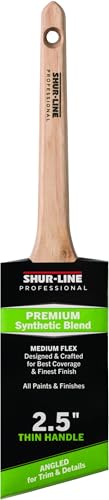
Shur-Line Pro Thin Angled Paint Brush
What We Like
- Thin profile slips into tight gaps
- Holds a controlled load of paint
- Works with latex and oil paints
- Cleans and reuses easily
Trade-offs
- No ergonomic grip details for extended use
A 2.5-inch thin angled brush that slips into tight trim and narrow gaps means you can cut clean lines in detail work without smearing paint on adjacent surfaces. This brush is built for precision edging, holding a full controlled load of paint so you reload less and keep a wet edge. It suits painters who need to reach into tight spaces like window frames, baseboards, or crown molding, and it works with both latex and oil-based paints, primers, and stains.
The 2.5-inch thin angled brush slips into tight trim and narrow gaps for clean lines in detail work, so it handles most cutting-in tasks without needing to switch tools. It holds a controlled load of paint and releases it evenly, meaning you reload less and keep a wet edge longer. For general trim and gap work, this brush delivers reliable results.
Pro Grade Angled Paint Brush 3 Pack

What We Like
- Works with latex, oil, and stains
- Medium stiff bristles for control
- Designed for precision cutting-in
Trade-offs
- No ergonomic handle grip mentioned
- No ergonomic handle grip for extended use.
The medium stiff synthetic bristles hold enough paint for long, steady strokes along trim and baseboards, while the angled tip lets you cut clean lines against ceilings and corners. This set is built for value-minded DIYers and pros who need reliable edge work on multiple surfaces, from interior walls to cabinets and furniture, using either latex or oil-based paints.
Product photos
Purdy XL Glide Angular Trim Paint Brush
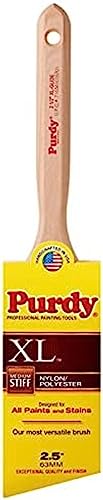
What We Like
- American-made hardwood handle
- Nylon polyester blend bristles
- 2-inch width for trim edges
- Lightweight at 0.2 pounds
Trade-offs
- Only one size width available
- No ergonomic grip on handle
The 2-inch width on this Purdy angular trim brush is a common size for cutting in along baseboards, door frames, and window trim. The nylon polyester bristles are a standard synthetic blend for paint brushes. It is made in the United States, and the hardwood handle provides a traditional grip. For anyone who values domestic production and a straightforward tool, this brush is a functional option.
The main trade-off is that you only get one size, so if you need a narrower brush for tight sash work or a wider one for larger edges, you will have to look elsewhere. Compared to the Wooster Shortcut, which also comes in a 2-inch size but weighs next to nothing, the Purdy feels more substantial in the hand. That extra heft can reduce hand fatigue over a long day of edging, but it is not the lightest option in the guide. For a single, well-built brush that handles most edge-painting tasks, this is a straightforward choice.
Zibra Triangle Paint Brush

What We Like
- Triangle shape reaches tight corners easily
- Ergonomic hourglass handle reduces hand cramping
- Durable pro-grade construction with aluminum inserts
Trade-offs
- 1.25-inch width limits coverage on large flat areas
- Narrow brush slows work on broad wall sections
The 1.25-inch triangle shape is the defining feature here, letting you push paint directly into inside corners without overspray or taping. That geometry, paired with Smooth Filament Technology that provides 25% more pack-out than industry standard brushes, means fewer dips and a cleaner line along ceiling edges, cabinet panels, and molding. For anyone who dreads cutting in around door frames or baseboards, this brush turns a fiddly chore into a quick, controlled stroke. The hourglass handle also helps you keep a relaxed grip through a full afternoon of trim work, which matters when you’re holding a brush at awkward angles.
The trade-off is reach: at 1.25 inches wide, this brush is purpose-built for detail and corners, not for sweeping long stretches of wall or wide window casings in a single pass. If your project is mostly straight runs of baseboard or broad trim, a 2-inch angled sash brush like the Wooster Shortcut will cover more ground faster. But when you need a tool that fits exactly into a corner and delivers paint precisely where you want it, the Zibra Triangle earns its spot as the go-to for those tight, fussy spots.
Product photos
PinStone Angled Paint Brush Set

What We Like
- Short rubber handle for confined spaces
- Shed-free synthetic bristles hold paint well
- Angled tip creates crisp edge lines
- Works with all paint and stain types
Trade-offs
- 2-inch width is narrow for large wall sections
- Short handle reduces reach on tall surfaces
A 2-inch angled brush with a short rubber handle puts you in full command of tight corners and trim work. The synthetic bristles are shed-free and hold paint evenly, so you can cut in along baseboards or window frames without fighting stray filaments or uneven release. This set gives three identical brushes, which means less stopping to clean between colors or rooms. It suits anyone who values precise control in cramped spots, painting sash windows, cabinet edges, or the junction where wall meets ceiling.
The trade-off is reach. At 6.5 inches long with a stubby grip, this brush is not built for covering broad wall sections quickly; you will want a longer-handled brush for those passes. The PinStone set includes three brushes, while the other products list does not specify the quantity for the Wooster Shortcut. If you frequently paint tall baseboards or high crown molding, the short handle can force you to stretch or climb a step stool, but for detail work at arm’s length it is hard to beat.
This brush is best for detail work where precision matters more than speed. The short handle and angled tip let you cut in along edges and corners with control, making it a good fit for trim, window frames, and furniture touch-ups. If you are painting large wall sections or high ceilings, you will want a longer-handled brush or a roller for those areas. The set of three brushes means you can keep one for each color or task without stopping to clean as often.
Product photos
Bates 6-Pack Angled Paint Brushes

What We Like
- Six brushes cover three sizes
- Angled edge for precision cutting in
- Wooden handles offer comfortable grip
- Works with paints, varnishes, stains
Trade-offs
- No single size larger than 2 inches
- No dedicated detail size below 1 inch
A six-brush set spanning 1 to 2 inches means you always have the right angle brush for the job, whether cutting in along a ceiling line or painting a window sash. The angled edge lets you reach tight corners without smearing, and the bristles are designed for smooth paint application on a variety of surfaces. This variety is what makes the Bates set a smart pick for anyone who tackles different edge-painting tasks in one project. You grab the 1-inch for narrow trim, the 2-inch for longer runs, and never stop to clean a single brush mid-job.
The biggest limitation of this set is that no brush is wider than 2 inches, so covering large wall sections or wide trim will take extra strokes. Compared to the Wooster Shortcut (a single 2-inch brush), the Bates pack offers six sizes from 1 to 2 inches, giving you more options for different tasks. If you need a brush narrower than 1 inch, this set won’t work for that.
Product photos
How We Evaluated Paint Brushes For Edges
Our evaluation is based on a careful analysis of product specifications, manufacturer documentation, and the collective experience shared in expert round-ups and owner reviews. We focused on the design features that directly impact how well a brush can create a clean, straight paint line.
The most important criteria we considered were bristle stiffness for line control, brush width for fitting into tight spaces, handle length for maneuverability, and bristle material compatibility with different paint types. A brush that excels in all these areas will make cutting in far easier.
It is important to note that this is a research-led evaluation, not a hands-on test. We synthesize what the specs and experienced users report to help you make an informed decision. Your personal comfort and painting style will also play a significant role.
What To Look For In Paint Brushes For Edges
Choosing the right brush for edges comes down to how the bristles, width, and handle work together to give you control. The best brush for you will match the spaces you paint most often.
Look for a brush with firm, flagged bristles, an angled tip, and a handle length that gives you control in the spaces you paint. Width should match the trim or corner size.
Bristle Material and Stiffness
The bristles are the most critical part of an edging brush. Nylon-polyester blends, like those on the Wooster Shortcut, offer a good balance of stiffness and paint release, working well with both latex and oil paints. Stiffer bristles, such as those on the Purdy Clearcut Dale, are better for creating a precise, sharp cut-in line because they hold their shape against the surface.
Softer bristles, like those on the Wooster Silver Tip, can provide a smoother finish but may not be as effective on rough surfaces or for heavy stippling. For most DIY projects, a medium-stiff synthetic bristle is a versatile choice.
Brush Width and Angle
The width of the brush determines where it can be used effectively. A 2-inch angled sash brush is a standard choice for most trim and edges, fitting well against window sash and baseboards. For very tight corners or narrow gaps, a 1.5-inch or 1.25-inch brush (like the Zibra Triangle) provides better control.
An angled tip is non-negotiable for edge work. The angle allows the bristles to form a precise point that can be guided along a straight line, whether it is a ceiling corner or a door frame.
- Choose a 2.5-inch width for standard trim and window sash.
- Pick a 1.5-inch or 1.25-inch width for tight corners.
- Select a 2-inch or 2.5-inch width for broad trim runs.
Handle Design and Length
The handle is your connection to the brush and directly affects control. A standard-length handle provides good leverage for long, straight cuts. A short handle, like the 2-inch one on the Wooster Shortcut, is designed for maneuverability in confined spaces like window sash and cabinets.
An ergonomic grip can reduce hand fatigue during extended painting sessions. Some handles, like the hourglass shape on the Zibra Triangle, are specifically designed to reduce cramping. Consider where you will be painting most to decide which handle length and grip style suits you.
A brush with a handle that fits your hand and the space you are painting will give you the most control and comfort.
Paint Brushes For Edges Compared
The table below compares the key specifications of our top picks to help you see at a glance how they differ in width, bristle type, and handle design.
| Product | Bristle Type | Brush Width | Handle Material |
|---|---|---|---|
| Wooster Shortcut Angle Sash Paintbrush | Nylon & polyester blend | 2 inches | Rubber |
| Wooster Silver Tip Polyester Angle Sash Paintbrush | 100% CT polyester | 2 1/2" | Hardwood |
| Purdy Clearcut Dale Angular Trim Paint Brush | Tynex nylon / Orel polyester blend | 1-1/2 inch | Alderwood |
| Bates Detail Trim Paint Brushes Set | Synthetic | 6, 12, 16, 25 mm | Wooden |
| Shur-Line Pro Thin Angled Paint Brush | Thin angled | 2.5 inches | Comfortable handle |
| Pro Grade Angled Paint Brush 3 Pack | Medium stiff synthetic | 2 inches | N/A |
| Purdy XL Glide Angular Trim Paint Brush | Nylon Polyester | 2 in | Hardwood |
| Zibra Triangle Paint Brush | Synthetic | 1.25 inches | Ergonomic hourglass |
| PinStone Angled Paint Brush Set | Synthetic | 2-inch | Rubber short handle |
| Bates 6-Pack Angled Paint Brushes | High-quality bristles | 1", 1.5", 2" | Wooden |
Frequently Asked Questions
What is the best paint brush for cutting in edges?
The Wooster Shortcut Angle Sash Paintbrush is our best overall pick for cutting in edges, primarily due to its short 2-inch handle that provides excellent control in tight spaces. For a brush with stiffer bristles for an ultra-precise line, the Purdy Clearcut Dale Angular Trim Paint Brush is a top choice.
How do I get a straight line when painting edges?
Using a high-quality angled sash brush with firm, flagged bristles is key. Load the brush with a moderate amount of paint, then guide the flat edge of the bristles along the line you want to create, using the angle of the brush to maintain control.
What size paint brush is best for painting trim and edges?
A 2-inch angled sash brush is the most versatile size for most trim, window sash, and baseboards. For very tight corners or narrow gaps, a brush between 1 and 1.5 inches offers better precision.
What is the difference between an angled brush and a flat brush?
An angled brush has bristles cut at a slanted angle, which allows the tip to form a precise point for cutting in clean lines along edges and corners. A flat brush has a straight, square edge, which is better for covering large, flat surfaces.
Are expensive paint brushes worth the extra cost?
Higher-priced brushes from brands like Wooster and Purdy often feature better quality bristles that hold their shape, more durable ferrules, and more comfortable handles. For frequent painting, these features can lead to better results and a brush that lasts longer.
The Bottom Line
For most painters, the Wooster Shortcut Angle Sash Paintbrush is the best overall choice because its short handle and quality bristles are purpose-built for the precise maneuverability that edging requires. It is the tool for anyone who frequently paints window sash, cabinets, and detailed trim.
If you are on a budget, the Pro Grade Angled Paint Brush 3 Pack offers multiple brushes for cutting in on walls and trim without a significant investment. For those who need a brush for ultra-tight corners, the Zibra Triangle Paint Brush has a unique shape designed to reach those spaces.
The single most important factor in choosing a brush for edges is finding one with bristles that are stiff enough to hold a sharp line and a width that fits the space you are painting. Focus on those two features, and you will get consistently clean results.
