
10 Best Car Primers For Bare Metal in 2026
This post contains affiliate links. As an Amazon Associate, we earn from qualifying purchases.
The Seymour Professional Self Etching Primer is the best overall choice for bare metal because it etches and primes in one step while offering zinc-enhanced rust protection that works even if the coating gets scratched. For budget-conscious repairs, the Rust-Oleum Automotive Self Etching Primer delivers fast-drying performance, and the U-POL Etching Primer Spray is our top pick for aluminum and fiberglass surfaces.
Priming bare metal is the most critical step in any automotive paint job. A poor bond leads to peeling, rust bloom, and wasted effort. The right primer must chemically etch the surface, block corrosion, and provide a stable foundation for your topcoat.
We evaluated these primers by analyzing manufacturer specifications, expert techniques from automotive painting guides, and common patterns in owner feedback. This guide breaks down the key features and trade-offs to help you choose the right primer for your project.
Top 10 Car Primers For Bare Metal in the Market
Certain content that appears on this site comes from Amazon. This content is provided "as is" and is subject to change or removal at any time.
The Best Car Primers For Bare Metal, Reviewed
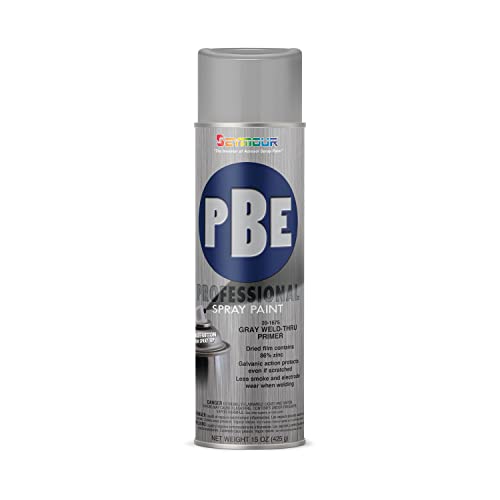
Seymour Professional Self Etching Primer
What We Like
- Etches and primes bare metal in one step
- Zinc-enhanced coating guards against rust
- Electrochemical protection even if scratched
- Heat resistant up to 250°F
Trade-offs
- Limited to 250°F heat resistance
A zinc-enhanced formula that chemically bites into bare steel and aluminum in a single step means you skip the separate acid etch and sanding primer entirely. For anyone prepping car body panels, this saves time and reduces the chance of adhesion failure. The electrochemical galvanic action also keeps protecting against rust even if the coating gets nicked or chipped, which is a real advantage on welded joints that get scratched during assembly. It handles temperatures up to 250°F, so it works under hood areas or near exhaust components that don’t see extreme heat.
The 86% pigment dry film produces less smoke during welding and cuts faster than 100% zinc-rich coatings, which is a practical advantage for anyone doing bodywork. Compared to the Rust-Oleum Automotive Self Etching Primer, this Seymour formula offers the same one-step etch-and-prime convenience. That makes it a solid fit for DIYers and pros who need a self-etching primer that works with welding and handles moderate heat up to 250°F.
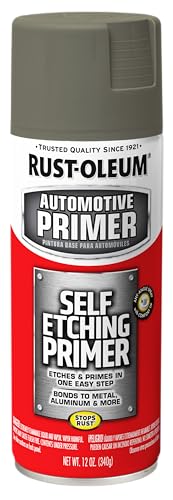
Rust-Oleum Automotive Self Etching Primer
What We Like
- Etches and primes in one step
- Stops Rust formula prevents corrosion
- Dries to touch in 10 minutes
- Sprays at any angle, even upside down
Trade-offs
- Oil-based formula requires solvent cleanup
- Covers only 12 sq ft per can
A 12-square-foot coverage per can and a 10-minute dry-to-touch time make this primer a practical choice for small to medium bare-metal repairs where speed and simplicity matter most. The self-etching formula bonds directly to bare metal, aluminum, and fiberglass while its Stops Rust chemistry builds a corrosion-resistant base coat, so you can move from sanding to topcoat in about half an hour. For anyone working on a weekend fender patch or a single body panel on a budget, this two-in-one approach cuts out the extra step of a separate etch treatment without sacrificing adhesion.
The Rust-Oleum Automotive Self Etching Primer covers up to 12 square feet, dries to the touch in 10 minutes, and can be topcoated in 30 minutes. That means you can move through a repair job quickly without long waits between steps. Unlike the Seymour Professional Self Etching Primer, which uses a zinc-enhanced formula for corrosion protection on welded joints, this one focuses on everyday adhesion on bare metal, aluminum, and fiberglass. Its any-angle spray technology lets you shoot the can upside down, making it easy to coat awkward spots under a fender or inside a door jamb without repositioning the part.
U-POL Etching Primer Spray

What We Like
- Anti-corrosive formula prevents rust
- Works on aluminum and fiberglass
- Fast-drying for quick workflow
- Anti-clog nozzle for steady spray
Trade-offs
- Not suitable on plastics
- Requires thorough surface prep before use
U-POL’s self-etching primer is formulated specifically for bare metals including galvanized steel, aluminum, and fiberglass, substrates that many general-purpose primers struggle to bond with. The anti-corrosive formula actively prevents rust while the fast-drying spray lets you move through prep and paint stages without long waits. The anti-clog nozzle keeps the application smooth, so you’re not fighting a clogged tip mid-job.
The trade-off is that this primer demands proper surface preparation: you must clean, degrease, and abrade the metal before spraying. It also won’t work on plastics, so if you’re painting a mixed-material panel, you’ll need a different primer for those areas.
Product photos
U-POL Raptor Acid Etch Primer

What We Like
- Etches and primes in one step
- Strong adhesion on galvanized steel and aluminum
- Anti-corrosive barrier prevents rust
- Flat fan nozzle for even coverage
Trade-offs
- Aerosol can limits coverage on large panels
- Single-component formula, not a catalyzed two-part system
The phosphoric acid ester formula in this aerosol chemically bites into slick surfaces like galvanized steel and aluminum, creating a bond that standard primers can’t match. That makes it the go-to choice when you’re working with problem metals that usually reject paint, bare panels, rub-throughs, or any spot where adhesion is make-or-break. It primes and etches in a single pass, so you skip the extra step of applying a separate etch solution. The flat fan nozzle lays down a wide, even coat that’s ready for color without sanding.
As a single-component 1K aerosol without a separate hardener, this primer isn’t catalyzed, so it’s best for spot repairs and smaller panels where adhesion on tricky metals matters most. The 13.2-ounce can covers those jobs efficiently, but for a full hood or door you’d need multiple cans, unlike the gallon-size Custom Shop Premium Self Etching Primer, which stretches further on big surfaces.
Product photos
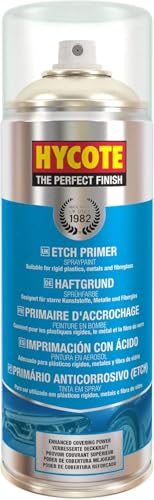
Hycote Etch Primer Spray Paint
What We Like
- Self-etching for bare metal adhesion
- Weatherproof coating resists chipping and peeling
- Works on non-ferrous metals and rigid plastics
Trade-offs
- Not suitable for copper or brass surfaces
- Requires compatible Hycote top coats for best finish
The Hycote Etch Primer Spray Paint is formulated with a specialty resin that delivers exceptional adhesion to non-ferrous metals like galvanized steel and aluminum, making it a strong candidate for bare-metal jobs that face the elements. Its weatherproof build resists chipping, peeling, and general weathering, so it holds up in harsh outdoor conditions without needing frequent touch-ups. This primer suits anyone working on automotive panels, industrial parts, or DIY projects where long-term durability against rain, sun, and road debris matters most.
A potential downside is that the primer is formulated to work best with Hycote top coats and lacquers for a flawless finish, which may limit your freedom to mix brands if you already have a favorite finish. Compared to the Seymour Professional Self Etching Primer, which uses a zinc-enhanced formula for corrosion protection on welded auto body work, Hycote focuses on adhesion to non-ferrous metals and weather resistance. If your priority is a primer that sticks well to non-ferrous metal and resists the elements, this is a well-tested option, just plan to stick with Hycote paints for the final layers.
Product photos
Dupli-Color Self-Etching Primer

What We Like
- Etches bare surfaces for strong bond
- Built for spot repairs
- Maximum adhesion and corrosion resistance
- Works on bare metal, aluminum, fiberglass
Trade-offs
- 12 oz can is small for large panels
- Requires a topcoat for full protection
A 12-ounce can is purpose-built for spot repairs, not for priming an entire hood or door. That compact size means you can touch up a rock chip, a sanded-through patch, or a small weld area without wasting material or overspraying half the panel. The self-etching formula bites into bare metal, aluminum, and fiberglass, giving you maximum adhesion and corrosion resistance exactly where you need it. For someone fixing a few chips or a small rust bubble, this is the focused tool for the job.
The 12-ounce can is ideal for spot repairs and small touch-ups, but if you’re priming a full quarter panel or a replacement fender, you’ll run out fast and need multiple cans. Seymour Professional Self Etching Primer comes in a 9-inch-tall can and is described as a zinc-enhanced primer for etching bare metal and aluminum with corrosion protection for welded auto body. Dupli-Color keeps things simple and precise for the small jobs that bigger cans would overkill.
Product photos
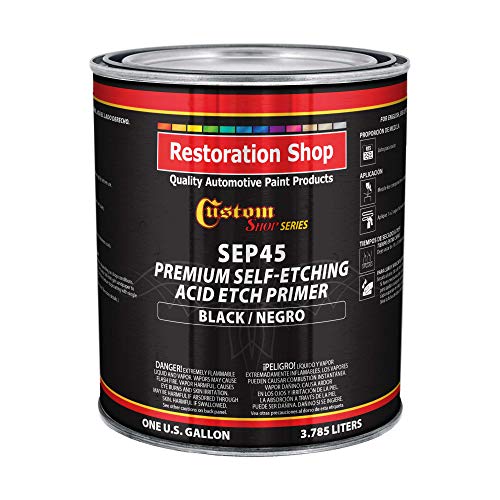
Custom Shop Premium Self Etching Primer
What We Like
- Etches and primes bare metal in one step
- Anti-corrosive properties for steel and aluminum
- Ready-to-spray, no mixing required
- Works under major truck bed liner coatings
Trade-offs
- Requires proper surface prep for best adhesion
- Not suitable for aerosol spray can users
A full gallon of ready-to-spray primer means you can coat an entire truck bed, a set of steel wheels, or multiple body panels without stopping to buy more. This self-etching acid etch primer etches and primes bare, rust-free metal in one step, saving you a step compared to using separate etch and primer coats. Its anti-corrosive properties make it suitable for steel and aluminum, and it is sandable after 60 minutes. For anyone tackling a large restoration or fleet project, this is the volume that keeps the workflow moving without constant trips to the store.
A potential downside is that a gallon can is a lot of primer if you are only touching up a single fender or a small patch of bare metal. The product is ready to spray, which means you will need a spray gun and some experience with it, since it is not an aerosol can like the Rust-Oleum Automotive Self Etching Primer. But if you are already set up with a compressor and want the lowest cost per ounce for big jobs, this gallon delivers the coverage and chemical etch that smaller cans cannot match.
Product photos
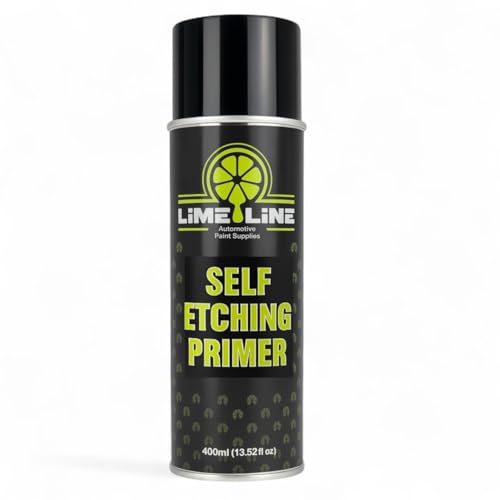
LiME LiNE Self Etching Primer
What We Like
- Acid-etch bonds chemically to bare metal
- Fast-drying in 15-30 minutes
Trade-offs
- Single-pack limits coverage for large jobs
- Single aerosol can limits coverage for large panels
A 15-to-30-minute dry time means you can move from primer to topcoat in under an hour, which keeps a restoration or touch-up project from stalling.
Compared to the Seymour Professional Self Etching Primer, which offers a zinc-enhanced formula for welded areas, LiME LiNE focuses purely on fast, straightforward etching for bare metal. It is best for quick, focused jobs where convenience and drying speed matter more than covering a whole project in one go.
Product photos
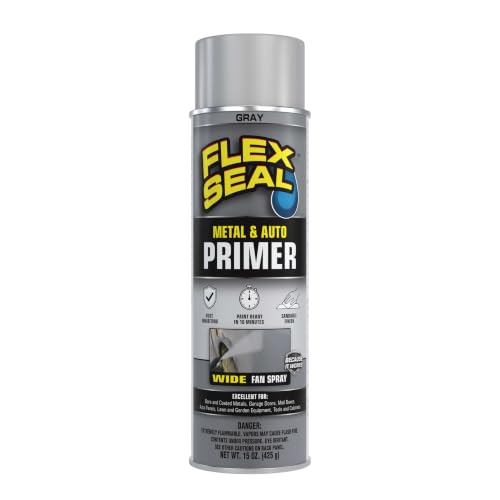
Flex Seal Metal & Auto Primer Spray
What We Like
- Sandable in 5 minutes
- Topcoat ready in 10 minutes
- Rust-inhibiting protection
- Wide fan spray for even coverage
Trade-offs
- Not a self-etching primer for bare metal adhesion
- Heat resistance limited to 250°F
A primer that dries sandable in five minutes and ready for topcoat in ten means you can move from prep to paint in a single afternoon. That speed alone makes this Flex Seal spray a natural fit for anyone tackling small auto body repairs or touch-ups where waiting around for primer to cure kills momentum. The wide fan spray lays down even coats quickly, and the rust-inhibiting formula gives bare metal a fighting chance against corrosion before the color coat goes on. It suits weekend DIYers who value efficiency over etching chemistry.
Choosing between a straight rust-inhibiting primer and a self-etching formula depends on the surface you’re prepping. The Flex Seal Metal & Auto Primer Spray is a fast-drying, rust-inhibiting primer designed for bare and coated metals. The Seymour Professional Self Etching Primer uses zinc to etch bare metal and aluminum for weld-through corrosion protection. For auto body work where you need the primer to chemically bite into the metal, a self-etching option is the standard. But for general metal surfaces that just need a reliable corrosion barrier and a smooth base for paint, this Flex Seal primer delivers superior adhesion without the acid-etch chemistry. Reviewers note it sands smooth in five minutes and accepts a topcoat in ten, so it keeps projects moving quickly.
Product photos
LiME LiNE Sandable Primer Surfacer

What We Like
- Exceptional weather and corrosion resistance
- Direct-to-metal application saves time
- High-build formula fills minor imperfections
- Sandable surface for smooth topcoat prep
Trade-offs
- 2K urethane requires mixing before use
- Limited to 1.25 quart kit size only
A 4:1 mixture ratio means this is a 2K urethane primer that cures into a durable film with exceptional weather and corrosion resistance, so it’s suited for outdoor-stored vehicles. Its direct-to-metal formulation skips a separate etching step, saving time on bare metal. The high-build surfacer helps fill minor surface imperfections, which is handy when prepping a daily driver or project car.
A key difference is that 2K urethane requires mixing activator into the primer, so you have a limited working time once combined. That is unlike a simple aerosol like the U-POL Etching Primer Spray that sprays straight from the can. But that extra step is part of what gives LiME LiNE its sandable surface and corrosion resistance. If you are set up with a spray gun and want strong protection for a vehicle that sees real weather, this kit rewards the effort with a durable foundation.
How We Evaluated Car Primers For Bare Metal
Our evaluation is research-based, drawing on manufacturer technical data sheets, professional body-shop best practices, and consistent feedback from DIY and professional users. We focused on the chemical and mechanical properties that determine real-world performance on bare metal.
The four criteria that mattered most were adhesion chemistry (self-etching vs. Standard primer), corrosion resistance (zinc content, anti-corrosive additives), application method (aerosol vs. Spray-gun ready), and drying time. Self-etching primers use acid to bond directly to the metal, which is essential for preventing rust under the paint.
Our conclusions come from comparing documented formulations, coverage rates, and the reported experiences of owners who have used these products on actual car panels. This approach helps you make an informed purchase based on verifiable specifications.
What To Look For In Car Primers For Bare Metal
Choosing a primer for bare metal means understanding how it bonds, how it protects, and how it fits your workflow. The right choice depends on the metal type, the size of the job, and your equipment.
Self-etching primers chemically bond to bare metal and prevent corrosion. For aluminum or galvanized steel, choose an acid-etch formula. For large jobs, buy a quart or gallon that requires a spray gun. For spot repairs, an aerosol can offers convenience.
Adhesion Chemistry: Self-Etching vs. Standard Primer
A standard primer simply coats the surface. A self-etching primer contains acid that chemically bites into bare metal, creating a bond that resists moisture and peeling. For bare steel, aluminum, or galvanized surfaces, a self-etching formula is essential. Products like the Seymour Professional Self Etching Primer and the U-POL Raptor Acid Etch Primer are formulated for this purpose. Standard primers are better suited for previously painted or primed surfaces.
Corrosion Resistance and Rust Protection
Bare metal is vulnerable to flash rusting before you even apply the topcoat. Look for primers with zinc compounds or anti-corrosive additives. Zinc-rich primers offer electrochemical protection, meaning they continue to guard the metal even if the coating is scratched. The Seymour Professional Self Etching Primer and the Rust-Oleum Automotive Self Etching Primer both include rust-inhibiting formulas designed to stop corrosion from starting under the paint.
Application Method and Coverage
Aerosol cans are convenient for small repairs, spot priming, and hard-to-reach areas. They typically cover 10 to 15 square feet per can. For larger panels, full resprays, or fleet work, a ready-to-spray gallon like the Custom Shop Premium Self Etching Primer is more economical. Some primers, like the LiME LiNE Sandable Primer Surfacer, are 2K urethane formulas that require mixing and a spray gun, offering superior durability for serious restoration jobs.
- Check the surface prep requirements: most self-etching primers need clean, oil-free, and lightly abraded metal.
- Confirm the primer is compatible with your topcoat: some brands recommend their own paint for best results.
- Consider the drying time: fast-drying formulas like the Flex Seal Metal & Auto Primer Spray are sandable in minutes.
- Measure your project: a small aerosol can is fine for door jambs and chips, but a full panel needs a larger volume.
- Verify the primer works on your specific metal: some are not suitable for copper, brass, or plastics.
Always test the primer on a scrap piece of the same metal you are painting to confirm adhesion and compatibility.
Car Primers For Bare Metal Compared
The table below compares the key specifications and best-use scenarios for each of the ten primers, making it easy to see which one fits your project.
| Product | Type | Compatible Substrates | Dry Time |
|---|---|---|---|
| Seymour Professional Self Etching Primer | Self-etching primer | Bare metal, aluminum | N/A |
| Rust-Oleum Automotive Self Etching Primer | Self-etching primer | Bare metal, aluminum, fiberglass | 10 min to touch |
| U-POL Etching Primer Spray | Self-etching primer | Galvanized steel, aluminum, fiberglass | Fast-drying |
| U-POL Raptor Acid Etch Primer | Acid etch primer | Bare metal, galvanized steel, aluminum | N/A |
| Hycote Etch Primer Spray Paint | Self etching automotive primer | Non-ferrous metals, rigid plastics | Fast drying |
| Dupli-Color Self-Etching Primer | Self-etching primer | Bare metal, aluminum, fiberglass | N/A |
| Custom Shop Premium Self Etching Primer | Self-etching acid etch primer | Bare metal, steel, aluminum, fiberglass | Sandable after 60 minutes |
| LiME LiNE Self Etching Primer | Acid-etch, self-etching | Bare metal | 15-30 minutes |
| Flex Seal Metal & Auto Primer Spray | Rust-inhibiting primer | Bare metal, auto body | Sandable in 5 min, topcoat in 10 min |
| LiME LiNE Sandable Primer Surfacer | 2K Urethane | Direct-to-Metal | N/A |
Frequently Asked Questions
What is a self-etching primer and why do I need it for bare metal?
A self-etching primer contains acid that chemically bonds to bare metal, creating a surface that paint can grip. Without it, paint peels and rust forms under the coating. It is the right choice for bare steel, aluminum, and galvanized surfaces.
Can I apply a self-etching primer over rust?
Self-etching primers are designed for clean, bare metal. Surface rust should be removed by sanding or grinding until you reach bright metal. For areas with deep rust, use a rust converter or filler primer after treatment.
How long should I wait before painting over self-etching primer?
Drying times vary by product. Many fast-drying formulas are ready for topcoat in 10 to 30 minutes. Always check the manufacturer’s instructions for recoat windows and sanding requirements.
What is the difference between a self-etching primer and a high-build primer?
A self-etching primer bonds to bare metal and prevents corrosion. A high-build primer is thicker and fills minor scratches, sanding marks, and imperfections. Many paint jobs use a self-etching primer first, then a high-build primer for a smooth surface.
Do I need a topcoat over self-etching primer?
Yes. Self-etching primers are porous and not UV resistant. They must be covered with a primer surfacer or a topcoat to seal the surface and protect against moisture and sunlight.
The Bottom Line
For most DIYers and professionals, the Seymour Professional Self Etching Primer is the best overall choice. Its zinc-enhanced formula provides electrochemical rust protection, and it etches and primes in one easy step. It is ideal for bare steel, welded areas, and parts that will see moderate heat.
If you are working on a tight budget or doing small touch-ups, the Rust-Oleum Automotive Self Etching Primer offers reliable performance at a lower cost per can. For aluminum or fiberglass panels, choose the U-POL Etching Primer Spray to get the right chemical bond for those tricky surfaces.
The single most important factor is choosing a self-etching formula for bare metal. A standard primer will not bond properly, and your paint job will fail. Match the primer to your metal type, your project size, and your equipment, and you will get a durable, rust-free finish.
