
9 Best Paint For Clay Pottery in 2026
This post contains affiliate links. As an Amazon Associate, we earn from qualifying purchases.
The Mayco Stroke & Coat Ceramic Glaze Kit is the best overall paint for clay pottery because it works on wet clay, greenware, and bisque, and fires to a glossy finish without needing a separate clear overglaze. For potters who want opaque colors for detailed painting, the Pasler Underglaze Set is our pick for best opaque underglaze set. Beginners will appreciate the Creative Hobbies Ceramic Glaze Kit 1 for its non-toxic formula and included technique booklet.
The real challenge with painting pottery isn’t finding color, it’s matching the paint to your clay stage, firing temperature, and desired finish. A glaze that works beautifully on bisque may bead up on wet clay, and an underglaze that looks vibrant in the bottle can shift dramatically in the kiln.
We built this guide by comparing manufacturer specifications, expert techniques from ceramic art resources, and patterns in user feedback across nine top-rated paint sets. You’ll find clear recommendations for every skill level and project type.
Top 9 Paints For Clay Pottery in the Market
Certain content that appears on this site comes from Amazon. This content is provided "as is" and is subject to change or removal at any time.
The Best Paints For Clay Pottery, Reviewed
Mayco Stroke & Coat Ceramic Glaze Kit

What We Like
- Versatile on wet clay, greenware, and bisque
- Glossy finish without clear overglaze
- Food-safe when fired correctly
- 12 best-selling colors included
Trade-offs
- Requires up to 3 coats for full opacity
- Bottles lack a clear glaze for matte finishes.
The twelve 2 oz bottles of Mayco Stroke & Coat cover a wide spectrum from Cotton Tail to Tuxedo, giving you a starter palette that works on wet clay, greenware, earthenware bisque, or stoneware bisque. That means you can brush detailed designs, try sgraffito, or lay down solid coverage without switching products mid-project. The heavy pigmentation keeps colors true from bottle to fired finish, and the glaze fires to a glossy surface without needing a clear overglaze. This versatility makes it a natural pick for studios, classrooms, and hobbyists who want reliable results across different techniques and clay types.
The trade-off is that each bottle holds only 2 ounces, so if you are covering large platters or multiple pieces, you may need to buy refills sooner than you would with a larger jar. For comparison, the AMACO Velvet Underglazes Set also offers 2 oz jars and intermixable colors, but the Mayco kit gives you a gloss finish straight from the bottle, saving you an extra firing step. The kit is best for potters who value convenience and a broad range of ready-to-use colors over maximum economy per ounce.
Product photos
Pasler Underglaze Set

What We Like
- 12 vibrant, blendable opaque colors
- Non-toxic and food-safe after glazing
- Works on bisque or greenware
Trade-offs
- Requires transparent glaze for full shine
- Needs clear glaze layer for glossy finish
A set of 12 concentrated opaque underglazes means you can paint bold, vivid designs on bisque or greenware without worrying about colors running or bleeding during firing. For potters who want crisp, opaque decoration that doesn’t move in the kiln, this set delivers exactly that kind of control.
These underglazes need a clear transparent glaze on top to achieve a glossy, rich finish; without it, the surface stays matte and less durable. That is standard for underglazes, but if you prefer a one-step glazing process, something like the Mayco Stroke & Coat Glaze Kit may be worth considering. Still, for detailed painting, sgraffito, or mishima work where opacity and precision matter most, the Pasler set offers a formula that will not shift during firing. It is a focused tool for the artist who wants control over their surface design.
Product photos
Creative Hobbies Ceramic Glaze Kit 1

What We Like
- Food safe and non-toxic certification
- 12 intermixable colors included
- Works on wet clay or bisque
- Adjustable opacity with coat count
Trade-offs
- Requires kiln firing for final finish
- Glossy finish needs clear glaze for maximum shine
- Low fire cone 06 limits high-fire projects
With 12 two-ounce bottles of Mayco Stroke & Coat glaze, this kit gives you a full palette of low-fire cone 06 colors that can be brushed onto wet clay or bisque. The glazes are food safe and non-toxic, so finished pieces can hold snacks or drinks without worry. The included booklet offers guidance on application, and the glazes can be used with one coat for a translucent finish or three coats for rich opaque coverage. That flexibility makes it easy to experiment without committing to a heavy layer on your first try.
These glazes need a kiln firing to set, so they aren’t a quick air-dry option. For maximum shine, the manufacturer recommends applying a clear glaze over them before firing. If you work at higher cone temperatures, the AMACO Velvet Underglazes Set No. 4 fires from cone 05 to 10 and is intermixable for bisque and wet clay. But for someone just starting out with pottery glazing, this kit provides a range of colors and a booklet to help learn the basics.
Product photos
AMACO Velvet Underglazes Set No. 4

What We Like
- 12 assorted colors in one set
- Works on bisque or wet clay
- Intermixable for custom shades
- Soft velour look when unglazed
Trade-offs
- Requires clear glaze for glossy finish
- No matte glaze included in set
- Small 2 oz jars limit large projects
A 12-color set with 2 oz jars means you get a broad palette right out of the box, and the ability to intermix them opens up hundreds of custom shades. These underglazes are designed for both bisque and wet unfired clay, so you can work at whatever stage suits your process. When left unglazed, they have a soft, velour look that differs from typical glossy ceramics. That makes this set a natural fit for potters who want that specific unglazed appearance.
Achieving a glossy or satin look requires buying a separate clear glaze, which adds cost and an extra firing step. For artists who enjoy mixing their own colors and value the unglazed velour finish, the flexibility here is notable. It’s a thoughtful choice for anyone focused on surface design rather than quick one-coat results.
Product photos
AMACO Semi-Moist Underglazes Set No. 3
What We Like
- Concentrated opaque formula for fine detail
- Behaves like watercolor for blending and layering
- Packaged in convenient tray with hinged lid
- Peach and Rose hold color to Cone 6
Trade-offs
- Only 8 colors in set limits variety
- Some colors lose hue above Cone 6
- Requires brush and water, not ready-to-use liquid
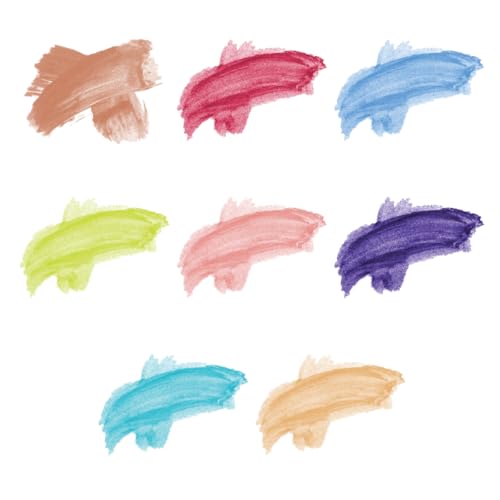
With eight concentrated opaque pans that apply like traditional watercolor paints, this set is suitable for fine detail work on unfired clay or bisque. The formula becomes more opaque when layered and more transparent when diluted with water, and the hinged tray keeps the pans together. It works well for potters who want to paint fine lines and details without the thickness of a typical glaze.
This set offers a smaller palette than some liquid underglaze sets, eight colors versus twelve from options like the Pasler Underglaze Set. And while Peach and Rose hold their color up to Cone 6, the other colors can be fired to Cone 10, so you may need to plan your kiln schedule accordingly. If you enjoy detailed brushwork and don’t mind a compact kit, this set offers that capability.
Product photos
Speedball Underglaze Sampler Pack

What We Like
- Opaque colors won't move or bleed
- Lead-free and dinnerware safe with glaze
- Twelve vibrant colors launched in 2020
Trade-offs
- Requires 2-3 liberal coats for opacity
- Must be covered with a clear glaze for food safety
The underglaze set is designed to perform at Cone 06 through Cone 6. It can also be fired at Cone 10, which means you can use the same colors across low-fire earthenware and high-fire stoneware projects. That flexibility makes it a natural fit for potters who experiment with multiple firing temperatures or want one reliable palette for both bisque and greenware decoration. The twelve 2-ounce jars give you a broad spectrum of 2020-launched hues, from Saffron Yellow to Blue Frost, and the opaque formula stays put during application, no bleeding or shifting when you layer details.
The Speedball Underglaze Sampler Pack fires successfully from Cone 06 all the way up to Cone 10, so you can use the same colors for low-fire earthenware or high-fire stoneware without worrying about burnout. You’ll need two to three coats for opaque coverage, which uses up material faster than some glazes, and a clear covering glaze is required for food safety. The twelve 2-ounce jars include shades like Flame Red and Blue Frost, giving you a versatile palette for detailed painting or sgraffito work.
Penguin Pottery Underglaze Variety Set

What We Like
- Lead-free and non-toxic formula
- Food-safe for functional pottery
- 8 vibrant colors in 4 oz jars
- Supports arts education through donations
Trade-offs
- Only 8 colors, fewer than some 12-color sets
- Requires a calibrated kiln, not kitchen oven
These underglazes are made in Vermont, USA, with a lead-free, non-toxic, food-safe formula that fires from Cone 04 to Cone 6. That wide range means you can use them on low-fire earthenware or mid-fire stoneware, and the finished pieces are safe for food contact, so plates, mugs, and bowls stay functional. The eight 4-ounce jars come in a variety set, and the brand donates 1% of sales to underserved school ceramics programs, which adds a thoughtful layer to the purchase.
Color variety is a trade-off here: eight shades is a solid starter palette, but if you want more options straight out of the box, the 12-color Mayco Stroke & Coat set offers a different selection. Still, the Penguin set’s commitment to safety and community support makes it a notable option for potters who prioritize nontoxic materials and want their hobby to give back.
Product photos
Pasler Underglaze Marker

What We Like
- Soft tip glides smoothly on bisque
- Water-based, blendable, quick-drying
- Tip rinses clean with water
- Fires from Cone 05 to Cone 6
Trade-offs
- Only one color (Black) in this marker
- Requires clear glaze for food safety
A soft tip that works smoothly on pottery bisque means you can draw fine, fluid lines without fighting the surface. This Pasler marker uses water-based opaque underglaze that dries quickly and blends easily, so corrections or shading are straightforward. It fires across a wide range from Cone 05 to Cone 6, giving you flexibility whether you work at low or mid temperatures.
Color choice is limited: this marker comes only in Black. If you need a full palette for detailed multicolor work, a liquid underglaze set like the Pasler Underglaze Set offers twelve colors in bottles. Just remember that food safety requires a clear glaze over the fired marker, something to plan for if your piece will hold food.
Product photos
Mayco Jungle Gems Crystal Glaze Set

What We Like
- Unique glass frit crystal effects
- Fluid base for crystal movement
- Versatile firing range Cone 06-10
- 12 vibrant colors in set
Trade-offs
- Requires thorough shaking before each use
- Avoid heavy crystal concentration near bottom
- Best results need specific Cone 04 firing
Each piece turns out one-of-a-kind because glass frit crystals melt and bloom during firing, so no two results ever look the same. The fluid base glaze lets those crystals flow and move as they fire, which enhances the unique patterns that form. This set packs 12 colors: Royal Fantasy, Bloomin Blue, Pistachio, Blue Caprice, Sassy Orange, Firecracker, Blue Azure, Mystic Jade, Kaleidoscope, Black Iris, Mocha Marble, and Masquerade. You can fire anywhere from Cone 06 to Cone 10 to get different effects, but for the most dramatic bloom, Cone 04 is the sweet spot.
You need to shake the jar well before every use to keep the crystals evenly distributed, and you must avoid piling too many crystals near the bottom of your piece. For the most dramatic bloom, firing at Cone 04 is recommended, so if you usually fire at a different cone, you may not get the full effect. The Mayco Stroke & Coat set is designed for detailed designs and consistent color, while Jungle Gems is built for those who want varied, crystalline results from piece to piece.
Product photos
How We Evaluated Paints For Clay Pottery
This guide draws on manufacturer technical data sheets, expert ceramic art guides on firing temperatures and application methods, and patterns in owner feedback across multiple paint sets.
We evaluated each paint set on four criteria that matter most for clay pottery. Those criteria are firing range (whether the paint survives low-fire Cone 06 through high-fire Cone 10), application versatility (works on wet clay, greenware, or bisque), finish quality (glossy, matte, velour, or crystal), and food safety (lead-free and non-toxic certification for functional ware).
A research-led evaluation has limits. We cannot report on long-term durability through hundreds of dishwasher cycles, nor can we predict how a given paint will behave with a specific clay body. We recommend testing any new paint on a small test tile before committing to a finished piece.
What To Look For In Paints For Clay Pottery
Before buying, match the paint type to your clay stage and firing setup. The best paint for your project depends on whether you work on wet clay, bisque, or both.
Look for paints labeled for your clay stage (wet, greenware, or bisque) and firing temperature. Check if the finish is glossy or matte, and confirm food safety if the piece will hold food or drink.
Firing Temperature Compatibility
Most pottery paints fire between Cone 06 and Cone 6. Some underglazes, like the Speedball Underglaze Sampler Pack, maintain color from Cone 06 all the way to Cone 10, making them ideal for potters who fire at multiple temperatures. If you work exclusively with low-fire clay, a set rated for Cone 06 may be all you need.
Application Stage: Wet Clay vs. Bisque
Paints labeled for wet clay or greenware can be applied before the first firing, which saves time and allows for techniques like sgraffito (scratching through the paint layer). Bisque-only paints require an initial firing before you can paint. The Mayco Stroke & Coat is unusual in that it works on all three stages, giving you maximum flexibility.
Finish and Food Safety
Glossy finishes often come from glazes or a clear overglaze applied over underglaze. If you want a velour look, the AMACO Velvet Underglazes Set achieves this without a clear coat. For functional pottery, confirm the paint is labeled food-safe and non-toxic after proper firing. Most underglazes require a clear glaze layer to become food-safe.
- Check the firing range on the label and match it to your kiln’s typical settings.
- Decide whether you want a glossy, matte, velour, or crystal finish before buying.
- For food-safe ware, choose paints explicitly labeled as such or plan to add a clear glaze.
- If you need precise details, look for semi-moist or marker formats.
No paint set can guarantee results on every clay body, always test on a small tile first.
Paints For Clay Pottery Compared
The table below compares all nine paint sets side by side, including their firing range, application stage, finish, and food safety status.
| Product | Number of Colors | Volume per Color | Firing Range |
|---|---|---|---|
| Mayco Stroke & Coat Ceramic Glaze Kit | 12 | 2 oz | N/A |
| Pasler Underglaze Set | 12 | 2 fl oz (60 ml) | Cone 06-6 (999°C–1222°C) |
| Creative Hobbies Ceramic Glaze Kit 1 | 12 | 2 oz | Low fire cone 06 |
| AMACO Velvet Underglazes Set No. 4 | 12 | 2 oz (59 mL) | Cone 05-10 |
| AMACO Semi-Moist Underglazes Set No. 3 | 8 | N/A | Cone 05 to Cone 6 (some to Cone 10) |
| Speedball Underglaze Sampler Pack | 12 | 2 oz | Cone 06-6, can be Cone 10 |
| Penguin Pottery Underglaze Variety Set | 8 | 4 fl oz | Cone 04 to Cone 6 |
| Pasler Underglaze Marker | N/A | N/A | Cone 05 to Cone 6 |
| Mayco Jungle Gems Crystal Glaze Set | 12 | 4 oz | Cone 06 to Cone 10 |
Frequently Asked Questions
Can I use acrylic paint on clay pottery?
Standard acrylic paint is not designed for pottery. It will peel or chip because it cannot withstand kiln firing and does not bond with the clay body. Use ceramic glazes or underglazes formulated for pottery.
What is the difference between glaze and underglaze?
Glaze contains glass-forming materials that melt and fuse to the clay during firing, creating a glossy, often food-safe surface. Underglaze is a colored slip that stays matte or velour unless covered with a clear glaze for gloss and food safety.
Do I need a kiln to use pottery paint?
Yes. All the paints in this guide require kiln firing to cure properly. Some air-dry clay paints exist, but they are not food-safe and lack the durability of fired ceramics. If you don’t have kiln access, look for a community studio or ceramic shop that offers firing services.
How many coats of underglaze should I apply?
Most underglazes need two to three liberal coats for full opacity. Thinner coats produce a more translucent, watercolor-like effect. Always let each coat dry before applying the next to avoid lifting or brush marks.
Is Mayco Stroke & Coat food safe?
Yes. When fired correctly to the manufacturer’s recommended temperature, Mayco Stroke & Coat is food-safe. It does not require a separate clear glaze layer to achieve a glossy, food-safe finish.
The Bottom Line
For most potters, the Mayco Stroke & Coat Ceramic Glaze Kit is the best overall choice because it works on every clay stage, fires glossy without extra steps, and is food-safe. It saves time and simplifies your workflow whether you teach, throw, or hand-build.
If you prefer opaque colors for painting techniques like sgraffito or mishima, choose the Pasler Underglaze Set. Beginners should start with the Creative Hobbies Ceramic Glaze Kit 1 for its non-toxic certification and learning booklet. For one-of-a-kind crystal effects, the Mayco Jungle Gems Crystal Glaze Set rewards experimentation.
The single most important factor is matching the paint to your clay stage and firing temperature. Buy a set that fits your kiln’s range and your typical workflow, and you’ll get reliable results every time.
