
10 Best Pressure Treated Wood Stains in 2026
This post contains affiliate links. As an Amazon Associate, we earn from qualifying purchases.
For pressure treated wood, SaverSystems #1 Deck Wood Fence Stain and Sealer wins as Best Overall because it combines stain and sealer in one low-odor formula that applies to damp wood after cleaning. The Armstrong-Clark Oil-Based Wood Stain earns Best Oil-Based Penetrating Stain for those wanting deep fiber penetration, while the Penofin F3PTTGA is Best For ACQ Treated Wood thanks to its specialized formulation.
Pressure treated lumber presents unique challenges: the wood is often damp from the treatment process, and the chemicals used can affect how stains adhere and perform. You need a product that bonds well with this specific wood type, resists the moisture that pressure treated wood is exposed to, and holds up against sun and weather.
This guide is research-based, drawing on manufacturer specifications, expert round-ups, and thousands of owner feedback patterns to identify the ten best stains for pressure treated wood. We break down what makes each pick excel so you can match the right formula to your project.
Top 10 Pressure Treated Wood Stains in the Market


Certain content that appears on this site comes from Amazon. This content is provided "as is" and is subject to change or removal at any time.
The Best Pressure Treated Wood Stains, Reviewed
SaverSystems #1 Deck Wood Fence Stain and Sealer

What We Like
- Stain and sealer in one formula
- Works on damp wood after cleaning
- Low odor and soap-and-water cleanup
- Suitable for pressure-treated pine, cedar, redwood
Trade-offs
- Coverage range is wide (100-150 sq ft)
- Semi-transparent finish shows grain but less hiding power
At 100 to 150 square feet per gallon in two wet-on-damp coats, this water-based stain and sealer covers a typical fence section without forcing you to wait for bone-dry wood. That damp-wood tolerance is a real time-saver when you are staining a long fence line under shifting weather. It is made for pressure-treated pine, cedar, and redwood, so it hits the core materials most outdoor projects use. The five semi-transparent colors let the wood grain show through while adding a flat, natural-looking tint, which makes it a straightforward pick for anyone who wants protection without a heavy painted-on look.
Coverage varies from 100 to 150 square feet per gallon, so a thirsty rough-sawn cedar fence will soak up more than smooth pressure-treated pine. That means you might need extra product to get even results. The water-based formula cleans up with soap and water and has a low odor, which makes the job more pleasant than working with oil-based alternatives. For a straightforward stain that goes on damp wood and works on most softwood fences, this is a practical place to start.
Product photos
Armstrong-Clark Oil-Based Wood Stain

What We Like
- Penetrates deep into wood fibers
- UV and water resistant protection
- Easy maintenance without sanding
- Professional-grade color retention
Trade-offs
- Color varies by wood type and age
- Requires cleaning before reapplication, not just a simple recoat
A gallon covers 150 to 250 square feet on horizontal softwood decking, which means one coat handles a medium-sized deck without needing a second can right away. The oil-based formula penetrates deep into wood fibers, helping prevent cracking and peeling. For anyone working with pressure-treated pine, cedar, or redwood, the stain locks in UV and water resistance while keeping the natural grain visible. It even applies in direct sunlight, so you are not racing against shade on a hot afternoon.
The final color depends on the wood species, age, and prep work, so what you see on the can may shift once it hits an old pressure-treated plank. If you need a perfectly uniform tone across mixed wood types, a solid-color stain like SaverSystems #1 Deck Premium Solid Color Stain might be a better fit. But for a penetrating finish that simplifies future recoats, this professional-grade option delivers the durability and natural look that restoration pros rely on.
Penofin F3PTTGA Pressure-Treated Wood Stain

What We Like
- Formulated for ACQ pressure-treated wood
- Locks in carcinogens in CCA wood
- One-coat application saves time
- Available in three natural wood tones
Trade-offs
- Limited to three natural wood tones only
- Heavier than some other one-gallon stains at 10.0 pounds
This stain is built specifically for pressure-treated lumber, with a formula that locks in carcinogens from older CCA wood and performs well on modern ACQ treated wood. The one-coat application means you can finish a deck or fence in less time than two-coat systems, and the three natural wood tones let you match the grain without hiding it. For anyone working with pressure-treated wood, especially ACQ treated stock, this is a purpose-built solution that addresses the unique chemistry of those boards.
This stain is formulated specifically for pressure-treated wood, so it brings out the natural grain while meeting EPA guidelines to lock in carcinogens in CCA wood. The one-coat formula saves you time. It also performs well on ACQ wood. If you need a solid color or more color choices, the SaverSystems #1 Deck Premium Solid Color Stain offers a different type of finish, but for a penetrating stain that respects the nature of pressure-treated wood, this one earns its place.
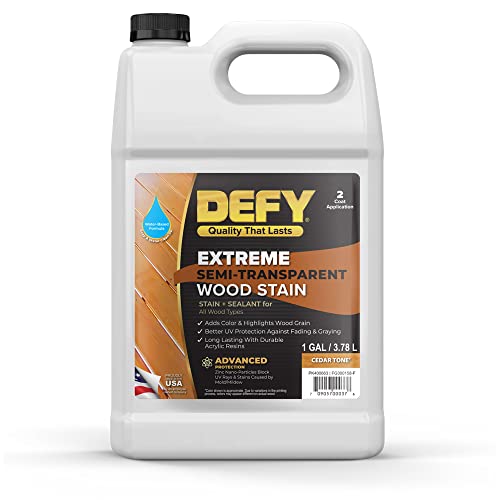
DEFY Extreme Wood Stain and Sealer
What We Like
- Zinc nano-particles block UV rays
- Waterproof coating prevents moisture damage
- Works on fences, decks, furniture
- Easy cleanup with mild soap & water
Trade-offs
- Coverage is 100-150 sq. ft. per gallon
- Semi-transparent finish shows wood grain less
The zinc nano-particles in this stain actively block harmful UV rays, which means your pressure-treated wood keeps its color longer and resists the gray, weathered look that direct sun causes. DEFY Extreme also seals out moisture, so it fights the warping and cracking that rain and humidity bring. For anyone who wants a single coat that handles both sun and water damage on decks, fences, or furniture, this stain delivers reliable protection across multiple surfaces without needing a separate sealer.
The trade-off is coverage: one gallon covers about 100 to 150 square feet, so a large deck will need more product than some other stains. And because it is semi-transparent, it lets the wood texture show through rather than hiding it with a solid coat. If you prefer a bold, opaque color that covers the grain completely, you might lean toward a solid stain instead. But if UV and moisture defense matter most, this is a strong, straightforward choice.
Product photos
SaverSystems #1 Deck Premium Solid Color Stain

What We Like
- Opaque finish hides wood grain completely
- UV protection against fading and graying
- Dual-action stain and sealer in one
- Low odor and low VOCs
Trade-offs
- Only 6 color options limit palette choices
- Two coats needed for full coverage
- Opaque finish hides natural wood grain
With a dual-action formula that penetrates deep into wood pores while sealing the surface, this stain delivers full opaque coverage that hides the natural grain entirely. That makes it a strong choice if you want a uniform, painted look on pressure-treated lumber or other outdoor wood, especially on decks where UV exposure and mildew are constant threats. The six solid colors, from Simply White to Dark Cocoa, give you a curated palette, and the low-VOC, water-based product washes off with soap and water, keeping the job simple.
This opaque finish completely covers the wood’s texture and grain, so it won’t suit anyone wanting a semi-transparent look that lets the wood show through. If you need a broad color range beyond six options, you may find the selection limiting.
Product photos
TWP 101 Pro-Series Exterior Wood Stain

What We Like
- Formulated for mildew resistance
- Deeply penetrates wood fibers
- Resists water absorption and freeze damage
- Applies with brush, roller, or sprayer
Trade-offs
- Not available in CA, CO, CT, DC, DE, IL, IN, ME, MD, MA, NH, NJ, NY, OH, PA, RI, UT, or VA
- 7.7-pound gallon is heavy for overhead fence staining
The mildew-resistant surface is a key feature here, as the formula is designed to resist the organic growth that can degrade untreated wood in damp or shaded conditions. The oil-based formula penetrates deep into the wood fibers to repel water and lock out moisture, which helps prevent warping, cracking, and freeze damage in colder climates. For anyone whose exterior wood sits in a humid or shaded environment, this protection helps keep the wood looking good and structurally sound year after year.
Strict VOC regulations mean this stain cannot be shipped to over a dozen states, including California, Colorado, and New York. If you live in one of those areas, you will need to look at the TWP 1500 Series low-VOC alternative instead. Compared to other exterior stains on the market, the TWP 101 puts its emphasis on mildew resistance and water repellency, making it a smart pick for damp climates, but only if your state allows the sale.
Product photos
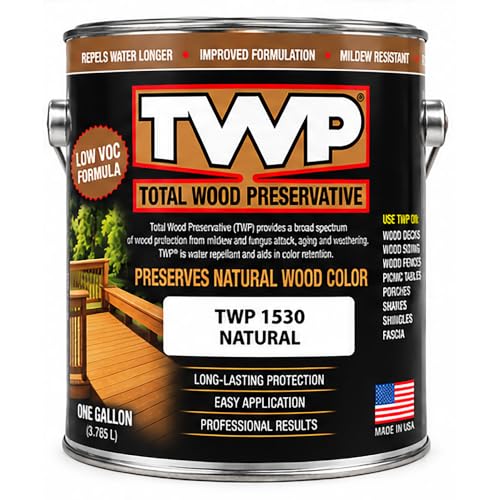
AMTECO DIVISION OF GEMINI INDUSTRIE TWP-1530-1 Pressure Treated Wood Stain
What We Like
- Low VOC formula for eco-conscious use
- Wood preservative prevents decay
- UV and water resistant protection
- Easy application for DIYers
Trade-offs
- 0.1-pound listed weight suggests possible listing error
- Not ideal for high-traffic decks needing a film finish.
A Low VOC formula that meets strict state regulations without cutting corners on protection, that’s the core promise here. TWP 1500 SERIES works as a wood preservative, so it’s designed to stop structural damage and decay before it starts. This makes it a strong fit for anyone working on decks, fencing, siding, or log homes who wants long-lasting durability and a clear conscience about environmental impact. The easy application means you don’t need pro-level experience to get even, reliable coverage.
At just 0.1 pounds per gallon, this stain feels surprisingly light compared to heavier options like the Penofin F3PTTGA (which weighs 10 pounds). That lighter weight might raise questions about how much solid pigment or oil is in the can, though the specs confirm it still delivers UV and water resistance. If you prioritize eco-friendly ingredients and a preservative that fights rot, this is your pick. For those who want a heavier-bodied stain that feels more substantial in the bucket, the Penofin offers a denser alternative.
Product photos
Vermont Natural Coatings PolyWhey Exterior Stain

What We Like
- Bio-based whey protein co-binder
- Non-toxic waterproof barrier
- UV and moisture protection
- Easy soap and water cleanup
Trade-offs
- 48-hour dry time slows projects
- Quart size covers small areas only
The whey protein co-binder in this stain comes from a renewable resource, so you get a finish that sidesteps heavy reliance on petrochemicals. It drives color and waterproofer deep into the wood, forming a non-toxic waterproof barrier that fights rot and decay. The 48-hour dry time is longer than some competitors, meaning you will need to plan around it for multi-coat jobs or quick turnarounds.
That dry time is the main trade-off compared to other stains in this guide. But if you prioritize a stain that uses a renewable resource and cleans up with just soap and water, Vermont Natural Coatings delivers those benefits without sacrificing protection. The quart size works best for smaller projects like a chair or a planter box rather than a full deck.
Restore-A-Deck Semi-Transparent Wood Stain
What We Like
- Penetrates deep to minimize peeling
- Same-day prep and stain application
- Eco-safe water-based formula
- Protects wood from UV oxidation
Trade-offs
- Works best with companion cleaner and brightener
- Semi-transparent finish shows wood grain, not heavy coverage
A 2.5-gallon container and a water-based formula that penetrates deep into wood fibers mean fewer trips to the store for a deck project. Restore-A-Deck Semi-Transparent Wood Stain is designed specifically for old, weathered, and pressure-treated wood, so if your deck has turned gray and thirsty, this stain helps revive the grain while protecting from UV damage. The same-day prep and stain system saves time when you’re racing against a weekend forecast.
This stain penetrates deep into wood fibers to reduce peeling, so future maintenance coats are simpler. It works best when paired with Restore-A-Deck’s own cleaner and brightener, meaning you’ll need those companion products for the full restoration system. The water-based product washes off with soap and water, which is a practical advantage for weathered wood that needs revival rather than a thick surface film.
Product photos
Thompson’s WaterSeal Semi-Transparent Waterproofing Wood Stain
What We Like
- Fade-resistant UV protection
- Applies to damp or dry wood
- Semi-transparent preserves texture
Trade-offs
- Requires thorough surface prep for best results
- Semi-transparent hides wood grain
The Thompson’s WaterSeal Semi-Transparent Waterproofing Wood Stain meets the ASTM D-4446 waterproofing standard, which means it’s designed to protect outdoor wood from water damage. It adds a light chestnut brown color while letting the wood’s texture show through, and the advanced polymers help resist UV fading to keep that look over time. It’s a straightforward choice if you want reliable waterproofing with easy application, even on damp wood, and don’t need a heavy pigment layer.
You also need to clean the wood thoroughly before applying, skipping that step risks uneven coverage. For a stain that prioritizes waterproofing certification and fade resistance over hiding power, this is a strong fit.
How We Evaluated Pressure Treated Wood Stains
We evaluated each stain against the specific needs of pressure treated wood. Our research method combined manufacturer technical data sheets, expert recommendations from painting and woodworking professionals, and analysis of owner feedback patterns across hundreds of user experiences.
Three criteria mattered most. First, chemical compatibility: pressure treated wood contains copper-based preservatives (ACQ, CCA) that can react poorly with some stain formulations, causing adhesion failure or discoloration. Second, moisture management: the wood is often damp during application, so we prioritized stains that accept application on slightly moist surfaces. Third, protection durability: UV resistance, waterproofing, and mildew prevention are critical for outdoor wood that faces direct weather exposure.
An honest limit of a research-led evaluation is that we cannot replicate every real-world climate condition or wood age. Your specific deck’s sun exposure, humidity, and previous treatments will affect results. We recommend buying a sample quart and testing on an inconspicuous area before committing to a full project.
What To Look For In Pressure Treated Wood Stains
Choosing the right stain starts with understanding your wood’s treatment type and your desired finish. Here are the key factors to consider.
Focus on chemical compatibility with your wood’s preservative, choose between oil-based or water-based for your climate, and decide on transparency level based on how much grain you want visible.
Chemical Compatibility With Pressure Treated Wood
Modern pressure treated wood uses ACQ (Alkaline Copper Quaternary) or CCA (Chromated Copper Arsenate) preservatives. Some stains contain ingredients that react poorly with these chemicals, leading to peeling or discoloration within months. Look for stains explicitly labeled for pressure treated or ACQ treated wood. The Penofin F3PTTGA is formulated specifically for this purpose, while SaverSystems products are also designed to work with treated lumber.
Oil-Based vs. Water-Based Formulation
Oil-based stains like Armstrong-Clark penetrate deeper into wood fibers, providing longer-lasting protection and easier future maintenance, you can recoat without sanding. Water-based stains like the SaverSystems and DEFY options offer lower odor, faster cleanup with soap and water, and lower VOCs. The trade-off is that water-based stains may not penetrate as deeply on dense or heavily weathered wood. Your choice depends on whether you prioritize easy application and cleanup or maximum penetration.
Transparency and Coverage
Stains range from semi-transparent (showing wood grain) to solid (hiding grain completely). Semi-transparent stains like Thompson’s WaterSeal preserve the natural texture of pressure treated wood but offer less hiding power for imperfections. Solid stains like SaverSystems’ Premium Solid Color Stain hide grain entirely and provide more uniform UV protection. Consider how much of the wood’s natural look you want to retain versus how much coverage you need.
- Check the label for “pressure treated wood compatible” or “ACQ safe” wording
- Determine if your wood is still damp from treatment, some stains require dry wood, others accept damp application
- Measure your square footage and compare to the stain’s listed coverage range (typically 100-150 sq. Ft. Per gallon)
- Verify the number of coats needed, some products require two coats for full protection
- Check your state’s availability for restricted formulas like TWP 101
A stain that matches your wood’s treatment type and your climate will outlast a generic product by years, saving you labor and material costs.
Pressure Treated Wood Stains Compared
The table below compares the ten best pressure treated wood stains across key features to help you narrow your choice quickly.
| Product | Type | Coverage | VOC |
|---|---|---|---|
| SaverSystems #1 Deck Wood Fence Stain and Sealer | Water-based, semi-transparent | 100-150 sq ft/gal (2 wet-on-damp coats) | Under 250 g/L |
| Armstrong-Clark Oil-Based Wood Stain | Oil-based penetrating stain | 150-250 sq ft/gal (horizontal softwoods) | N/A |
| Penofin F3PTTGA Pressure-Treated Wood Stain | One-coat | N/A | 250-VOC |
| DEFY Extreme Wood Stain and Sealer | Semi-Transparent | 100-150 sq. ft. | N/A |
| SaverSystems #1 Deck Premium Solid Color Stain | Opaque solid color, matte | 100-150 sq. ft./gal (2 coats) | <60 g/L |
| TWP 101 Pro-Series Exterior Wood Stain | Oil-based | N/A | 550 g/L |
| AMTECO DIVISION OF GEMINI INDUSTRIE TWP-1530-1 Pressure Treated Wood Stain | Low VOC Wood Preservation Stain | N/A | Low VOC |
| Vermont Natural Coatings PolyWhey Exterior Stain | Whey protein bio-based | N/A | N/A |
| Restore-A-Deck Semi-Transparent Wood Stain | Water-Based | N/A | N/A |
| Thompson’s WaterSeal Semi-Transparent Waterproofing Wood Stain | Semi-Transparent | N/A | N/A |
Frequently Asked Questions
Can I stain pressure treated wood right after building?
Most pressure treated wood needs to dry for several weeks before staining, but some products like SaverSystems #1 Deck Wood Fence Stain and Sealer accept application on damp wood after cleaning. Check the manufacturer’s moisture content recommendation, typically below a certain percentage for most stains.
What is the difference between oil-based and water-based stain for pressure treated wood?
Oil-based stains penetrate deeper into wood fibers, offering longer protection and easier recoat without sanding. Water-based stains have lower odor, clean up with soap and water, and dry faster, but may not penetrate as deeply on dense or weathered pressure treated wood.
How do I know if my pressure treated wood is ACQ or CCA treated?
Newer pressure treated wood is typically ACQ treated, identifiable by a tag or stamp on the wood. Older wood may be CCA treated, which contains arsenic. The Penofin F3PTTGA is formulated to lock in carcinogens in CCA wood while protecting ACQ wood.
Can I apply a new stain over an old one on pressure treated wood?
Yes, but surface preparation is critical. Oil-based stains like Armstrong-Clark require cleaning before reapplication rather than simple recoating. For best adhesion, remove loose or peeling stain, clean the surface, and test a small area first.
How long does pressure treated wood stain last before needing reapplication?
Durability varies by formulation, climate, and sun exposure. A quality oil-based penetrating stain typically lasts 2-3 years, while water-based stains may need reapplication every 1-2 years. Proper surface preparation and using a compatible stain for your wood type extends the lifespan.
The Bottom Line
For most homeowners, the SaverSystems #1 Deck Wood Fence Stain and Sealer is the best overall choice. It solves the two biggest headaches with pressure treated wood: applying to damp lumber and cleaning up without harsh solvents. Its stain-and-sealer-in-one formula simplifies the process while delivering reliable protection.
If your priority is deep penetration and long-term durability on older or weathered wood, the Armstrong-Clark Oil-Based Wood Stain offers professional-grade color retention and easy maintenance without sanding. For those with ACQ treated wood specifically, the Penofin F3PTTGA is the only pick formulated to lock in preservatives while providing a one-coat finish.
The single most important factor in choosing a pressure treated wood stain is chemical compatibility with your wood’s treatment type. Match that correctly, and you’ve eliminated the most common cause of premature failure.
