
9 Best Metal Primer Paint in 2026
This post contains affiliate links. As an Amazon Associate, we earn from qualifying purchases.
For prepping bare metal, the Rust-Oleum Automotive Self Etching Primer Spray is our best overall pick. It etches and primes in one step, dries to the touch in just 10 minutes, and includes the brand’s Stops Rust formula for corrosion protection. We also rate the Hycote Etch Primer Spray Paint as the top choice for non-ferrous metals like aluminum, and the Seymour 20-1675 PBE Professional Primer as the best option for welding prep.
Choosing the right metal primer means understanding the surface you are working with. Bare steel, aluminum, galvanized metal, and rusted surfaces each require a different chemical approach, self-etching primers bond via acid, while rust converters neutralize existing corrosion. Picking the wrong primer leads to peeling, bubbling, or failed topcoats.
This guide is based on a thorough review of manufacturer specifications, industry expert recommendations, and patterns found in thousands of owner experiences. We break down the key differences between etching primers, rust converters, and multi-surface primers so you can match the right product to your specific project.
Top 9 Metal Primer Paints in the Market
Certain content that appears on this site comes from Amazon. This content is provided "as is" and is subject to change or removal at any time.
The Best Metal Primer Paints, Reviewed
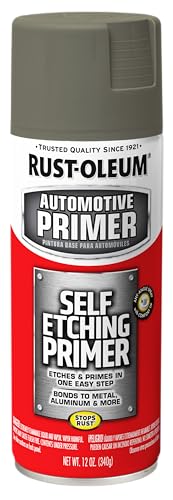
Rust-Oleum Automotive Self Etching Primer Spray
What We Like
- Etches and primes in one step
- Rust prevention with Stops Rust formula
- Any-angle spray works upside down
- Dries to touch in 10 minutes
Trade-offs
- Oil-based formula requires mineral spirits for cleanup.
- Needs mineral spirits for cleanup, not water.
A 2-in-1 formula that etches and primes bare metal, aluminum, and fiberglass in a single pass saves serious time on prep work. The Stops Rust formula locks out corrosion from the start, while the any-angle spray lets you reach tight spots under a car or inside a frame without flipping the can. For someone restoring a vehicle or repairing body panels, this primer delivers maximum adhesion and a flat finish that helps the topcoat lay down smoothly. It does all this in about half the steps of a traditional two-product system.
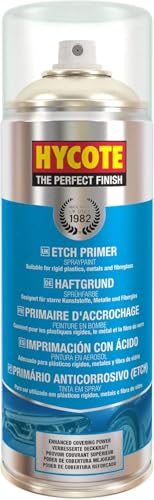
Hycote Etch Primer Spray Paint
What We Like
- Exceptional adhesion to non-ferrous metals
- Fast drying for quick project turnaround
- Weatherproof and chip-resistant finish
- No runs or drips formulation
Trade-offs
- Not suitable for copper or brass surfaces
- Designed for use with Hycote top coats for optimal finish
A specialty resin designed to grip tricky non-ferrous metals like aluminum, galvanized steel, and zinc-coated surfaces makes this primer a standout for anyone working with those materials. It dries fast, so you can move to your top coat without a long wait, and the no-runs, no-drips formula lays down a clean, even base. For automotive repair, DIY metal projects, or industrial touch-ups where adhesion is critical, this etch primer delivers a bond that resists weathering and chipping over time.
This primer is not suitable for copper or brass, so if your project involves those metals, you’ll need a different product. For non-ferrous metals like galvanized steel, aluminum, and zinc-coated surfaces, its specialty resin delivers exceptional adhesion that helps paint stay put. The 13.5-ounce can is a standard size for automotive primer, and for large surfaces you might need a couple of cans.
Product photos
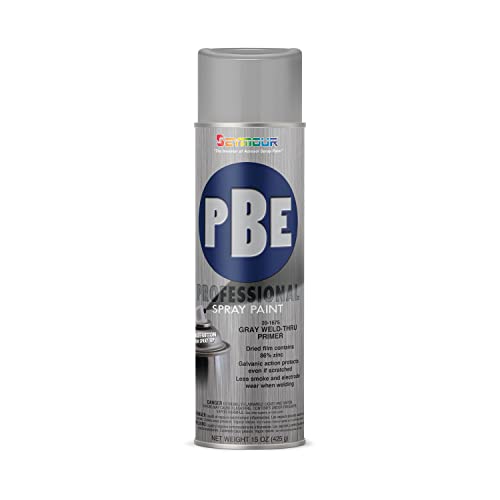
Seymour 20-1675 PBE Professional Primer
What We Like
- Etches and primes in one step
- Zinc-enhanced galvanic rust protection
- 86% pigment dry film for cleaner welding
- Heat resistant to 250°F
Trade-offs
- Only one color (gray) available
- Gray finish only, no color options
The 86-percent pigment dry film is the standout feature here: it produces less smoke and electrode wear during welding, and cuts faster than full 100-percent zinc coatings. That makes this primer a purpose-built tool for anyone prepping auto body panels or metal joints that will be welded. The self-etching formula chemically bites into bare steel and aluminum in a single step, saving the hassle of a separate acid etch. The zinc-enhanced layer provides electrochemical protection that keeps working even if the coating gets scratched. For welders and fabricators who need a primer that won’t fight the torch, this is the right pick.
The trade-off is that this is a dedicated welding-prep primer, not a general-purpose metal primer. Its gray finish and 250°F heat limit mean it is not ideal for high-temperature engine components or for applications where a topcoat color match matters. Compared to the Rust-Oleum Automotive Self Etching Primer, which focuses on broad adhesion and rust prevention for bodywork, the Seymour leans harder into the welding-specific benefits, less smoke, faster cuts, and galvanic corrosion protection. If your project involves welding, the extra capability is worth the narrower focus.
Rust-Oleum Professional Aluminum Primer Spray Paint

What We Like
- Designed specifically for bare aluminum
- Dries to touch in 15 minutes
Trade-offs
- Not self-etching; requires clean bare aluminum.
- Strong solvent odor during application.
A 15‑minute dry‑to‑touch time means you can apply a topcoat almost immediately, which is a real advantage when you’re working on a project that needs to move fast. This primer is designed for bare aluminum, using an oil‑based formula that bonds directly to the metal and provides rust protection that stands up to weathering and heavy use. It’s the right choice if you need a base coat that won’t let go on aluminum surfaces.
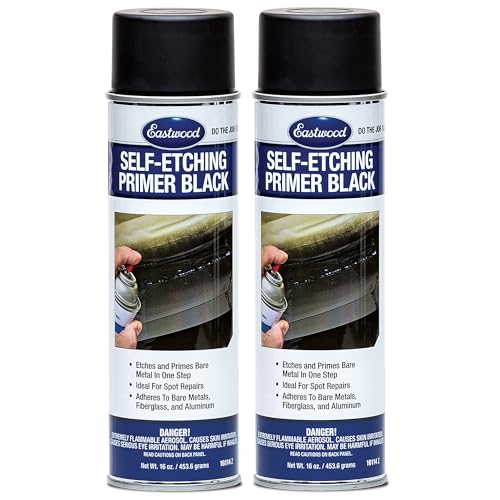
Eastwood Self Etching Primer Spray Paint Aerosol
What We Like
- Single-stage formula needs no catalyst
- Bonds to steel, stainless, aluminum, chrome
- Great base for high-build primers
- Two cans in one pack
Trade-offs
- Withstands only up to 170°F
- Not for use near engine or exhaust heat
This pack gives you two 16-ounce cans of a lacquer-based, single-stage primer that needs no catalyst, just shake and spray. It adheres to steel, stainless steel, aluminum, and chrome, so it works on a range of bare metals. The two cans mean you have extra material on hand for larger jobs without needing to buy more mid-project.
With a heat tolerance of only 170°F, this primer isn’t designed for engine bays or exhaust systems. The Eastwood comes as a 2-pack, so you get two cans in one purchase, while the Rust-Oleum Automotive Self Etching Primer Spray is a single can with its own specs.
Krylon Rust Tough Anti-Rust Primer for Metal
What We Like
- Anti-Rust Technology for corrosion protection
- Direct application to bare metal surfaces
- Quick dry in 25 minutes to touch
- Helps with drastic color changes
Trade-offs
- Requires temperature between 55°F and 75°F
- Humidity must stay below 60% for best results
- Only available in gray color
A 32-ounce can of Krylon Rust Tough Anti-Rust Primer delivers a generous amount of anti-rust protection in one spray. Its Anti-Rust Technology is built into the primer, providing a base coat with corrosion defense. That makes it a practical pick for anyone refreshing metal surfaces like outdoor furniture, tools, or railings, especially when you want a flat, no-shine finish. The primer dries to the touch in 25 minutes and is ready to handle in an hour, which keeps projects moving without long delays.
This primer demands the right conditions to perform best: you need temperatures between 55°F and 75°F and humidity below 60%. That limits its usefulness in very hot, cold, or damp weather unless you work indoors. Compared to a self-etching primer like Rust-Oleum Automotive Self Etching Primer Spray, which chemically bonds to bare metal, Krylon’s approach is more about a tough barrier layer. It’s a straightforward, no-fuss choice for rust prevention when the weather cooperates.
Product photos
Corroseal Rust Converter & Metal Primer
What We Like
- Converts rust and primes in one step
- Water-based, non-flammable and non-corrosive
- Cleans up with just soap and water
- Covers 200-250 sq ft per gallon
Trade-offs
- At 10.2 lb, heavy for handheld spraying
- Requires 8-10 mils wet thickness for proper coverage
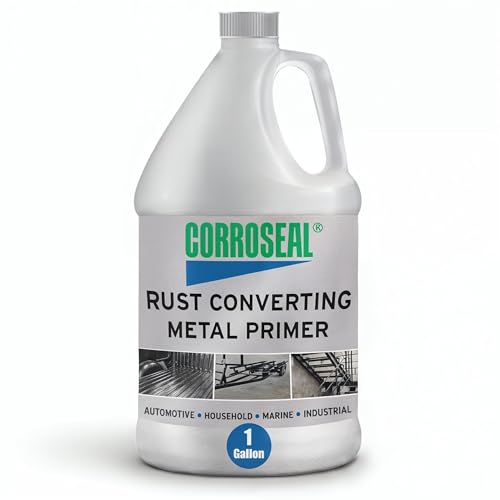
This water-based rust converter also acts as a latex metal primer, so you can paint, prime, and convert rust in one step. You can brush, roll, or spray it over rusted surfaces, and it stops corrosion while preparing the metal for a topcoat. For marine, automotive, household, and industrial applications, this one-step approach simplifies the process. The 200-250 square feet per gallon coverage works for larger projects, and cleanup with soap and water keeps things simple.
Weight and application thickness are the main considerations here. At 10.2 pounds per gallon, this is a heavy product, and the 8-10 mils wet film thickness means you need to apply it at that specific thickness for proper coverage. It’s a product for serious rust repair, not a quick fix.
Dupli-Color Multi-Purpose Primer Sealer
What We Like
- Maximum corrosion resistance protects metal
- Works on metal, wood, and fiberglass
- Smooth uniform surface for top coat
- Dries to touch in 30 minutes
Trade-offs
- 12 oz can is smaller than some competitors
- Not self-etching for bare metal adhesion
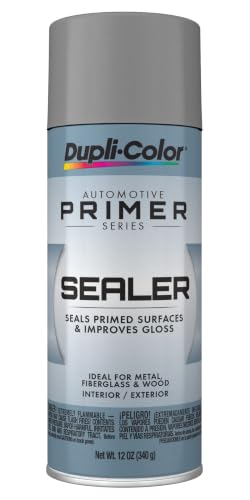
A 30-minute dry-to-touch time means you can move through a multi-surface project without long waits between coats. Dupli-Color Multi-Purpose Primer Sealer is formulated for maximum corrosion resistance, which makes it a strong pick for metal pieces that face moisture or outdoor conditions. It also bonds to wood and fiberglass, so a single can handles a mixed-material repair or craft job, from a steel gate to a wooden chair with fiberglass patches. The smooth uniform finish it leaves behind gives your top coat a reliable foundation, helping the final color look even and last longer.
This is a general-purpose primer, not a dedicated self-etching formula for bare metal. On raw steel or aluminum, a product like Rust-Oleum Automotive Self Etching Primer Spray is designed for that specific use, while Dupli-Color is formulated for maximum corrosion resistance on multiple surfaces. That makes it less ideal for bare metal applications where a self-etching primer is preferred, but more versatile for the DIYer who needs one primer for multiple substrates. If your project is mostly painted or lightly rusted metal, wood, or fiberglass, this primer keeps things simple and effective.
Product photos
LAUCO Self Etching Primer Grey Aerosol Spray Can
What We Like
- Etches and primes bare metal in one step
- Promotes adhesion on galvanized steel and aluminum
- Superior corrosion resistance with phosphoric acid
- Fast drying between coats
Trade-offs
- Designed for bare metal, not painted or rusted surfaces
- Requires stripping existing paint or rust before use
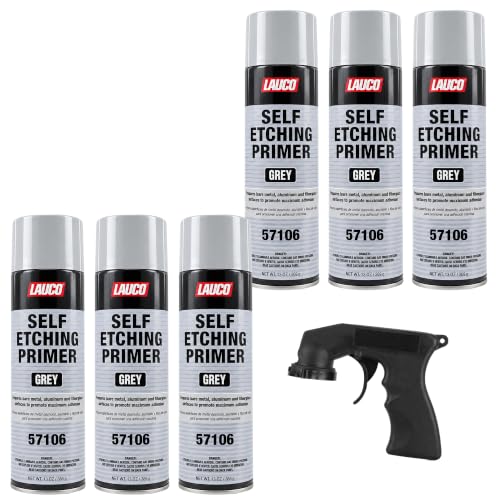
The phosphoric acid etch formula in this primer bites into bare metal, including tricky surfaces like galvanized steel and aluminum, creating a strong bond that resists rust and corrosion. That makes it a practical choice for anyone prepping metal before applying a truck bed liner, where durability and adhesion matter most.
Designed for bare metal surfaces, this self-etching primer uses a phosphoric acid etch formula that creates a protective barrier against rust and corrosion. Reviewers note it promotes excellent adhesion even on difficult substrates like galvanized steel and aluminum, making it ideal for prepping areas before applying truck bed liner or other coatings. The fast-drying formula allows efficient work between coats, and the sandable finish means you can topcoat without additional prep work. Just keep in mind that existing paint or heavy rust needs to be stripped or treated first before applying this primer.
Product photos
How We Evaluated Metal Primer Paints
Our evaluation relied on manufacturer technical data sheets, expert guidance from automotive and industrial painting sources, and analysis of common owner feedback across dozens of product lines. We focused on the chemical mechanism each primer uses, whether it etches bare metal, converts rust, or simply seals the surface, since that determines its real-world performance.
The three most important criteria were adhesion mechanism (self-etching vs. Non-etching), rust protection capability, and application practicality. Self-etching primers use phosphoric acid to bite into bare metal, creating a chemical bond that standard primers cannot match. We also weighed dry time and cleanup requirements heavily, as these affect how quickly a project can move from primer to topcoat.
Instead, we cross-referenced manufacturer claims with the real-world experiences of auto restorers, metal fabricators, and DIY homeowners to identify which products deliver on their promises and which fall short in common conditions.
What To Look For In Metal Primer Paints
Choosing a metal primer starts with understanding the surface you are covering and the environment it will face. The wrong primer choice means wasted time and a finish that fails prematurely.
The best metal primer for your project depends on the metal type (steel, aluminum, galvanized), whether rust is present, and the temperature and humidity of your workspace. Self-etching primers work best on bare metal, while rust converters are ideal for surfaces with existing corrosion.
Adhesion Mechanism: Self-Etching vs. Standard Primer
Self-etching primers contain phosphoric acid that chemically bites into bare metal, creating a surface profile for the topcoat to grip. These are essential for non-porous metals like aluminum, stainless steel, and galvanized surfaces where standard primers will peel. Standard primers rely on mechanical adhesion and are better suited for previously painted or lightly sanded metal.
Rust Protection and Corrosion Resistance
Look for primers with zinc additives or anti-rust compounds that provide galvanic protection. Rust converters use tannic acid to chemically neutralize iron oxide into a stable black coating. For outdoor or marine environments, a primer with high corrosion resistance and a thick dry film is critical, some formulations offer up to 250°F heat resistance for engine bay or exhaust area work.
Application Conditions and Cleanup
Oil-based primers require mineral spirits for cleanup and emit stronger fumes, while water-based options like Corroseal clean up with soap and water. Temperature and humidity ranges matter: many primers require conditions between 55°F and 75°F with humidity below 60% for proper curing. Spray cans offer convenience for small jobs, while gallon-sized rust converters cover 200-250 square feet for large projects.
- Check the metal type: self-etching for bare steel and aluminum; standard for painted surfaces.
- Assess rust level: converter for heavy rust; etching primer for light surface rust.
- Verify temperature and humidity range for your workspace.
- Confirm cleanup method: mineral spirits or soap and water.
- Choose can size based on project scope: aerosol for touch-ups, gallon for large surfaces.
A simple rule: if you can see bare, shiny metal, use a self-etching primer. If you see red rust, use a rust converter first.
Metal Primer Paints Compared
The table below compares all nine primers side by side, highlighting their adhesion type, dry time, rust protection features, and best-use scenarios so you can quickly find the right match.
| Product | Dries to touch | Surfaces | Size |
|---|---|---|---|
| Rust-Oleum Automotive Self Etching Primer Spray | 10 minutes | Bare metal, aluminum, fiberglass | 0.8 pounds |
| Hycote Etch Primer Spray Paint | Fast drying | Non-ferrous metals, rigid plastics | 13.5 oz |
| Seymour 20-1675 PBE Professional Primer | N/A | Bare steel and aluminum | N/A |
| Rust-Oleum Professional Aluminum Primer Spray Paint | 15 minutes | Bare aluminum | 15 oz |
| Eastwood Self Etching Primer Spray Paint Aerosol | N/A | Steel, stainless, aluminum, chrome | 16 oz, 2-pack |
| Krylon Rust Tough Anti-Rust Primer for Metal | 25 minutes | Metal | 32 oz |
| Corroseal Rust Converter & Metal Primer | N/A | Metal | 1 Gallon |
| Dupli-Color Multi-Purpose Primer Sealer | 30 Minutes | Metal, wood, fiberglass | 12 oz |
| LAUCO Self Etching Primer Grey Aerosol Spray Can | Fast drying | Bare metal | 6 cans |
Frequently Asked Questions
What is the difference between self-etching primer and regular primer?
Self-etching primer contains acid that chemically bonds to bare metal, creating a surface profile for paint adhesion. Regular primer relies on mechanical adhesion and will peel off bare metal surfaces like aluminum or galvanized steel.
Can I use metal primer over existing paint?
Yes, but you must sand the existing paint first to create a mechanical bond. Self-etching primers are designed for bare metal and will not work properly over paint. Use a multi-surface or sandable primer for previously painted metal.
How long does metal primer take to dry before painting?
Most aerosol metal primers dry to the touch in 10 to 30 minutes. For best results, allow the primer to cure fully before applying topcoat, especially in humid or cool conditions.
Do I need to remove rust before using a rust converter primer?
No. Rust converters are designed to be applied directly over rust. They chemically neutralize iron oxide into a stable, paintable surface. You do need to remove loose, flaking rust with a wire brush first.
What primer works best on aluminum surfaces?
A self-etching primer specifically formulated for non-ferrous metals, such as the Hycote Etch Primer or Rust-Oleum Professional Aluminum Primer, provides the best adhesion on aluminum. Standard primers will not bond to aluminum without etching.
The Bottom Line
For most DIY auto restorers and metalworkers, the Rust-Oleum Automotive Self Etching Primer Spray delivers the best balance of speed, adhesion, and rust protection in a single can. Its 10-minute dry time and any-angle spray make it ideal for body panels, brackets, and small parts where you need to move from primer to paint quickly.
If you are working with aluminum, galvanized steel, or chrome, the Hycote Etch Primer offers superior adhesion on these tricky non-ferrous surfaces. For large-scale rust remediation on trailers or machinery, the Corroseal Rust Converter & Metal Primer covers up to 250 square feet per gallon and cleans up with water.
The single most important factor in choosing a metal primer is matching the chemical mechanism to your surface condition. Self-etch for bare metal, convert for rusted metal, and seal for painted metal, get that right, and your topcoat will last.
