
10 Best Exterior Paint For Brick in 2026
This post contains affiliate links. As an Amazon Associate, we earn from qualifying purchases.
For a durable, fade-resistant finish on brick, the Glidden Total Exterior Paint with Primer is our best overall pick, combining paint and primer in one formula that resists cracking, peeling, and dirt. For below-grade walls facing moisture, the KILZ Basement and Masonry Waterproofing Paint stands out, while those wanting a self-priming option should consider the KILZ Self-Priming Masonry and Brick Paint.
Painting brick is different from painting siding. Brick is porous, often textured, and can face moisture issues that standard exterior paints aren’t designed to handle. Choosing the wrong paint can lead to peeling, efflorescence, or trapped moisture that damages the masonry over time.
This guide is research-based, drawing on manufacturer specifications, expert round-ups, and patterns in owner feedback to help you choose the right paint for your brick project. We cover 10 top options, from all-in-one paints to specialized waterproofers and breathable mineral coatings.
Top 10 Exterior Paints For Brick in the Market
Certain content that appears on this site comes from Amazon. This content is provided "as is" and is subject to change or removal at any time.
The Best Exterior Paints For Brick, Reviewed
Glidden Total Exterior Paint with Primer

What We Like
- All-in-one paint and primer
- Resists fading, cracking, peeling
- Dirt-resistant finish
- Works on brick and masonry
Trade-offs
- Requires thorough surface preparation
- Not waterproofing, only paint with primer
Coverage up to 400 square feet per gallon means fewer trips for extra cans on a typical project. This all-in-one paint and primer resists fading, cracking, peeling, and dirt, so exterior surfaces hold up through sun and rain. It applies down to 35°F, which lets you paint earlier in spring or later in fall.
For exterior brick or masonry that’s in good shape and just needs a fresh coat of color and protection, this paint-and-primer combo can cover up to 400 square feet per gallon. A single gallon might handle a small accent wall or a modest garden wall. It resists fading, cracking, and peeling, and it also stands up to dirt, which means less frequent cleaning on a facade that faces the street. You can even apply it when temperatures drop to 35 degrees Fahrenheit, giving you a longer painting season in cooler climates.
Product photos
KILZ Basement and Masonry Waterproofing Paint

What We Like
- Blocks up to 12 PSI water pressure
- Low-odor formula for indoor use
- Dries to touch in 1 hour
- Resists alkali buildup on masonry
Trade-offs
- Needs hydraulic cement in cracks below grade
- Full cure takes 7-14 days
A 12 PSI water-pressure rating means this paint can handle serious hydrostatic pressure against basement brick walls, not just light splashing. That’s the kind of protection you want when water is pushing in from saturated soil outside. The low-odor formula makes it practical for indoor basement work, and it resists alkali buildup, which is common on fresh masonry and can ruin ordinary paints. For anyone dealing with a damp brick foundation or retaining wall, this is the one that actually stops water rather than just covering it.
This paint blocks up to 12 PSI of water pressure using nanotechnology, so it’s a serious defense against water infiltration on basement walls and masonry. You’ll need to fill any cracks below grade with hydraulic cement before painting, and the full cure takes 7-14 days before the finish is washable. Compared to the INSL-X WaterBlock Acrylic Masonry Waterproofer, the KILZ offers higher water-pressure resistance, making it the stronger pick for below-grade brick where moisture is a real threat.
KILZ Self-Priming Masonry and Brick Paint

What We Like
- Self-priming on brick and stucco
- Alkali-resistant up to pH 12.0
- Water-repellent acrylic latex formula
- Cleans up with soap and water
Trade-offs
- Flat finish shows surface imperfections
- Coverage varies widely with texture
- 1-gallon can limits large projects
This paint resists alkali up to pH 12.0, which means it can handle the high alkalinity found in fresh masonry and brick without the common problems that cause other paints to lift or degrade. The self-priming acrylic latex formula is designed to adhere to textured surfaces like stucco, brick, and drywall, and it cleans up easily with soap and water. Coverage ranges from 250 to 400 square feet per gallon depending on surface texture, so you may need to account for roughness when estimating. The flat finish gives a natural look that works well on porous surfaces, but it won’t hide bumps or old repairs the way a glossier sheen can. For a straightforward paint that bonds to challenging masonry, this is a reliable option.
Coverage varies from 250 to 400 square feet per gallon depending on surface texture, so you might need extra paint for heavily textured brick. The flat finish gives a natural look that accentuates texture rather than hiding it. By comparison, the Glidden Total Exterior Paint with Primer comes in a semi-gloss sheen, which is a different look entirely.
Product photos
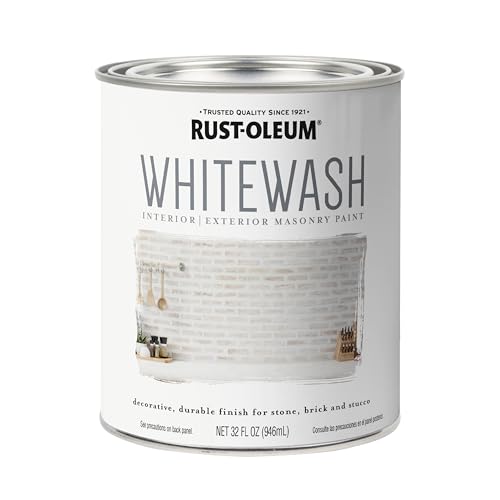
Rust-Oleum Whitewash Masonry Paint
What We Like
- Self-priming and self-sealing
- Customizable coverage with water dilution
- Low odor, low VOC formula
- Works on highly porous surfaces
Trade-offs
- Quart size covers less area than gallon options
- Requires water dilution for desired coverage
A quart of water-based paint that self-primes and self-seals means you can brighten rough, porous brick without a separate primer coat. The matte finish lets every bump and grain of the brick show through, which is exactly what you want when the surface texture is the whole point. Because you can thin it with water, you control how much of the original brick color peeks through. This makes it a natural fit for anyone who wants a whitewashed look rather than a solid, opaque layer. This is the paint to reach for when your brick has character you don’t want to bury.
A quart covers less area than a gallon, so if you are painting a whole house, you will need multiple quarts. The matte finish is a deliberate choice for texture, not for high-gloss shine. For a single accent wall, a fireplace, or a small exterior patch, the ability to dial in exactly how much coverage you want makes this a smart, deliberate choice.
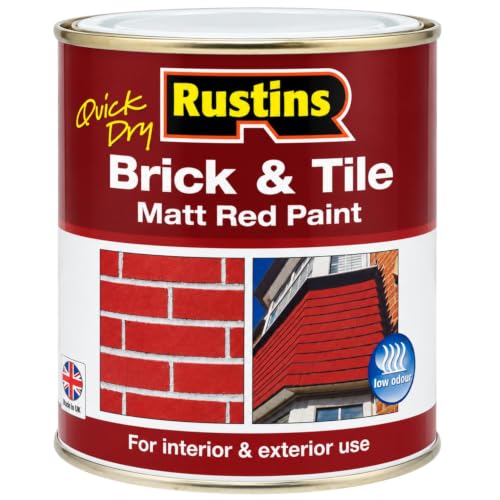
Rustins Quick Dry Brick and Tile Paint
What We Like
- Micronized red oxide for opacity
- Good exterior durability
Trade-offs
- Only available in 500ml size
- Not self-priming; requires separate primer for some surfaces.
The 500ml size is compact and targeted, which means this paint is best for smaller brick projects like a single accent wall, a garden feature, or a fireplace surround. The micronized red oxide pigment gives good opacity and exterior durability, so the red stays rich and holds up against weather. That makes it a smart choice for anyone refreshing a red brick surface who wants a straightforward, reliable finish without buying a gallon they won’t use.
The 500ml can is small enough to stow in a tool tote, but you will need multiple cans for a full house or large facade. For bigger surfaces, Glidden Total Exterior Paint with Primer comes in a full gallon with a semi-gloss finish. For a focused red brick refresh, this Rustins paint delivers exactly what the job calls for.
Product photos
INSL-X TuffCrete Acrylic Concrete Stain Paint
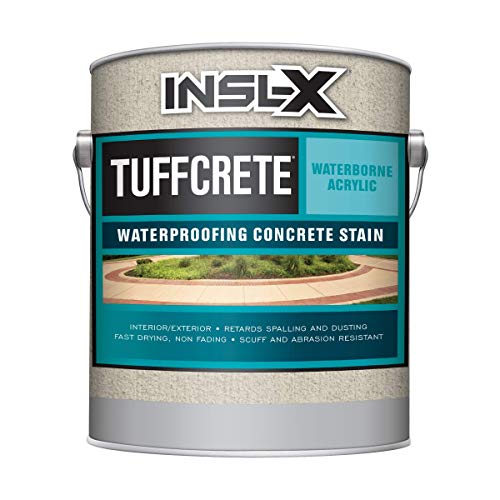
What We Like
- One-coat stain or two-coat opaque finish
- Fast-drying and non-fading
- Resists detergents, oils, grease, scrubbing
- Suitable for vertical and horizontal masonry
Trade-offs
- Cannot apply when surface temp exceeds 90°F
- Light gray only in this size
- Requires careful prep per label instructions
A 300-400 square foot per gallon coverage means one gallon can handle a modest brick wall or a small accent facade without needing a second can. This paint is designed for interior or exterior, vertical or horizontal masonry surfaces like brick, stucco, and concrete. It can be applied as a single translucent stain coat or two coats for a fully opaque finish. That flexibility makes it a smart choice if you want to control how much of the original brick texture shows through. The fast-drying, non-fading acrylic resists detergents, oils, grease, and scrubbing, so it holds up well on exterior walls that face weather and occasional cleaning.
Keeping the surface temperature below 90°F during application means you’ll need to plan around the hottest part of a summer day, but the payoff is a durable, washable finish on masonry. Unlike the KILZ Self-Priming Masonry and Brick Paint, this stain works on both vertical and horizontal surfaces, and it can be applied in one coat for a stain look or two for an opaque finish. Follow the label’s prep steps, and you get a coating that resists detergents, oils, grease, and scrubbing.
Product photos
Rodda Paint CASCADIA XL Exterior Velvet Paint
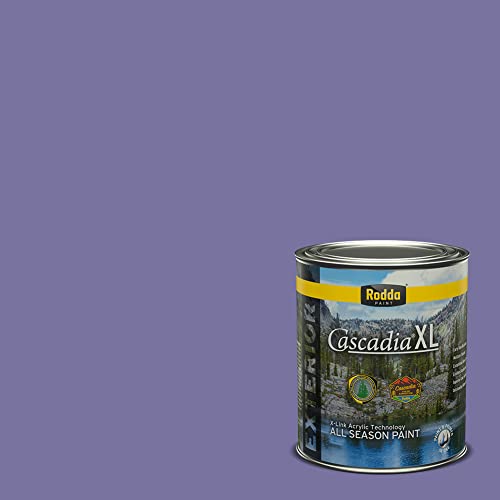
What We Like
- 100% acrylic latex for moisture tolerance
- Paint & primer in one saves time
- Velvet sheen masks imperfections
- Rain protection technology for all seasons
Trade-offs
- Quart size covers less area than gallon options
- Velvet sheen is less reflective than gloss
The 100% acrylic latex formula includes rain protection technology, which helps the paint resist moisture on exterior surfaces like brick and masonry. The paint-and-primer-in-one design means you apply one product instead of two separate coats. This paint is suitable for homeowners who want a durable finish with color retention through seasonal weather changes.
The velvet sheen hides surface imperfections and cleans easily, but if you want a high-gloss reflective look on trim or accent brick, you might prefer the semi-gloss finish of the Glidden Total Exterior Paint with Primer. This Rodda paint comes in a quart size, which covers less area than a gallon. Choose this paint if you want a low-sheen, washable finish that works for exterior walls, wood, trim, siding, masonry, brick, concrete, stucco, vinyl, pre-painted aluminum siding, and primed metal surfaces.
Meoded Lime Slurry For Brick And Stone
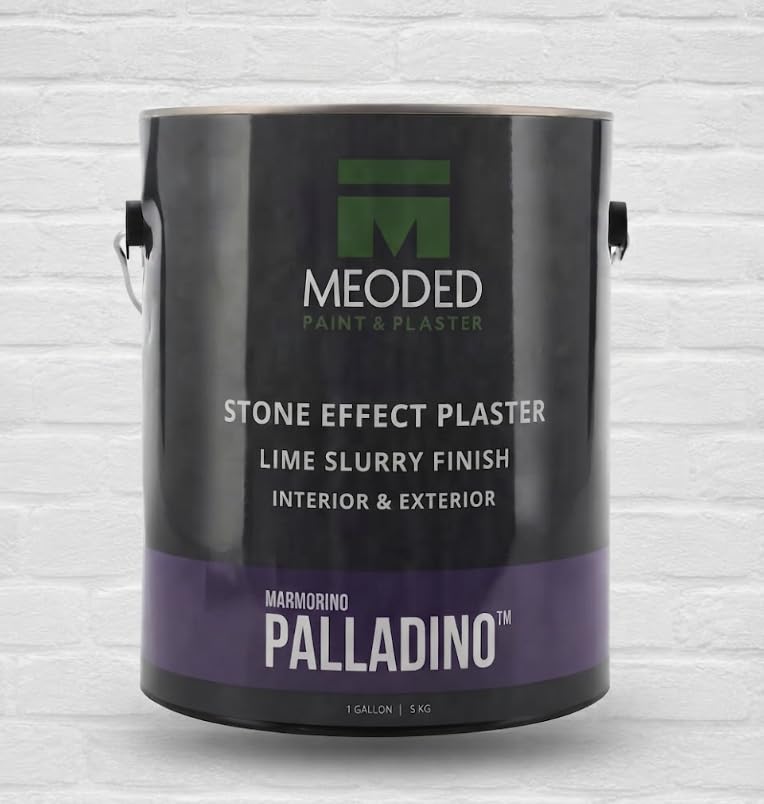
What We Like
- No primer needed on raw brick
- Breathable mineral coating for masonry
- Thick, dimensional old-world texture
- Ages beautifully with soft tonal variation
Trade-offs
- Low coverage: 65-75 sq. ft. per gallon
- Requires 48-hour cure before sealing
- Natural White only, no color options
A 5kg gallon covers roughly 65 to 75 square feet with two coats, so this lime slurry is best suited for accent walls or small facades rather than whole-house projects. The thick, brush-applied texture soaks into raw brick and stone pores instead of sitting on top like conventional paint, which keeps the surface breathable and able to handle weather swings without trapping moisture. It delivers a handcrafted, European-aged look that develops character over time, especially on unpainted masonry where you can skip primer entirely.
The trade-off is that you’re working with Natural White and a fairly involved process: mix with water, brush two coats, then wait 48 hours before sealing with a separate product. Compared to some self-priming masonry paints that roll on in fewer steps, the Meoded demands more patience and precision. But if you’re after that dimensional, lived-in finish that ordinary masonry paint can’t copy, the extra effort is part of the appeal.
Product photos
BEHR PREMIUM Elastomeric Masonry And Brick Paint
What We Like
- Elastomeric formula for flexible, crack-bridging coverage
- Designed specifically for masonry and brick
Trade-offs
- Elastomeric paints can be thicker and harder to apply
- Requires careful surface preparation for proper adhesion
A gallon of elastomeric paint brings a thick, flexible film that seals brick and masonry against moisture and minor cracks. That rubbery stretch makes it ideal for older brick walls or stucco where movement and hairline fractures are common. For someone wanting a durable option that still delivers protection, this BEHR PREMIUM formula is a practical choice.
The biggest reason to choose this BEHR paint is its elastomeric formula. It creates a thick, flexible coating that bridges hairline cracks in masonry and brick, ideal for aging exterior walls that shift with temperature changes. That same thickness, however, means you’ll need to work it into the surface more deliberately than you would with a standard masonry paint. Reviewers note it takes extra effort to get a smooth finish with a brush or roller. If your main concern is preventing future cracks rather than speed of application, the trade-off is worth it.
Not ideal for quick, one-coat touch-ups or for those who prefer a thin, runny consistency. This paint’s elastomeric nature means it is thicker and requires more effort to apply evenly, which may not suit every project or preference. For homeowners focused on durability and crack coverage, however, the extra patience during application is often justified.
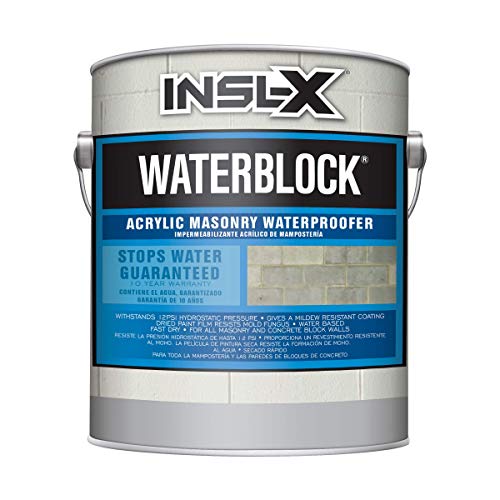
INSL-X WaterBlock Acrylic Masonry Waterproofer Paint
What We Like
- Withstands up to 12 psi hydrostatic pressure
- High alkali resistance up to pH-13
- Water-based for easy cleanup
- Works on interior and exterior masonry
Trade-offs
- Only for vertical surfaces, not horizontal
- Requires surface and air temp between 50-90°F
A 12 psi hydrostatic pressure rating means this paint can handle serious water intrusion on basement walls and retaining walls, not just light splashes. That makes it the go-to choice for anyone dealing with damp masonry or below-grade brick where moisture is a real threat. It bonds to cinder block, stucco, and brick equally well, and the high alkali resistance up to pH-13 keeps it stable against fresh concrete or lime-rich surfaces that would eat lesser paints alive.
The trade-off is that this is a specialized waterproofer, not a general exterior beauty paint. The application window is narrow, 50 to 90°F, which can be tricky for late-fall or early-spring projects. But for stopping water on masonry walls, it offers a high pressure rating that makes it a strong option for below-grade use.
Product photos
How We Evaluated Exterior Paints For Brick
We evaluated these paints by examining manufacturer specifications, technical data sheets, and expert recommendations for masonry coatings. Owner feedback patterns across multiple platforms helped us understand real-world performance on brick surfaces. We focused on four criteria that matter most for brick: adhesion to porous masonry, resistance to moisture and alkali, durability against weather, and ease of application.
For brick specifically, moisture management is critical. A paint that seals too tightly can trap water inside the brick, leading to spalling or freeze-thaw damage. We looked for paints with breathability ratings, waterproofing pressure ratings, and alkali resistance numbers where available. We also noted whether each product required a separate primer, as this affects both cost and labor.
An evaluation has limits. Conditions vary widely between brick types, climates, and surface preparation. The recommendations are based on the consensus of experienced painters and masonry professionals.
What To Look For In Exterior Paints For Brick
Choosing the right paint for brick means understanding how brick behaves differently from wood or drywall. The key is matching the paint’s properties to your brick’s condition and your project’s goals.
Look for a paint formulated for masonry that offers alkali resistance (pH 10 or higher), breathability to release trapped moisture, and a finish that matches your brick’s texture. Check whether a separate primer is needed and verify the paint’s waterproofing rating if moisture is a concern.
Breathability and Moisture Management
Brick must breathe. If you seal a brick wall with a non-breathable paint, moisture from the ground or rain can get trapped inside. During freeze-thaw cycles, this trapped water expands and can cause the brick face to pop off, a process called spalling. Look for paints described as “breathable,” “vapor-permeable,” or formulated for masonry. For below-grade walls, check the hydrostatic pressure rating; products like the INSL-X WaterBlock withstand up to 12 psi.
Alkali Resistance
New brick and concrete are highly alkaline, with pH levels often above 12. If your paint isn’t alkali-resistant, it can react with the surface, causing discoloration, peeling, or “blushing.” Paints like the KILZ Self-Priming Masonry and Brick Paint are rated to resist alkali up to pH 12.0. If you’re painting fresh mortar or recently laid brick, this is a critical specification to check.
Surface Preparation Requirements
No paint adheres well to dirty, chalky, or efflorescence-covered brick. Most manufacturers require cleaning, etching, or priming before application. Some paints, like the Glidden Total Exterior Paint with Primer, are all-in-one but still demand a clean, sound surface. Others, like the Meoded Lime Slurry, need no primer on raw brick but require a 48-hour cure before sealing. Read the preparation instructions before buying.
- Check if the paint requires a separate primer or is self-priming
- Verify the recommended application temperature range (typically 50-90°F)
- Confirm the paint is suitable for your brick type (new, old, painted, unpainted)
- Look for the coverage rate per gallon to estimate how much you’ll need
- Determine the recoat time and full cure time before rain exposure
A general rule: the more preparation you skip, the sooner you’ll be repainting.
Exterior Paints For Brick Compared
The table below compares the key specs, best uses, and trade-offs of each exterior paint for brick, helping you narrow down the best option for your project.
| Product | Coverage | Finish/Sheen | Dry Time |
|---|---|---|---|
| Glidden Total Exterior Paint with Primer | Up to 400 sq. ft./gal | Semi-Gloss | 30-60 min |
| KILZ Basement and Masonry Waterproofing Paint | N/A | N/A | 1 hour to touch |
| KILZ Self-Priming Masonry and Brick Paint | 250-400 sq ft/gal | Flat | N/A |
| Rust-Oleum Whitewash Masonry Paint | N/A | Matte | N/A |
| Rustins Quick Dry Brick and Tile Paint | N/A | Matt | N/A |
| INSL-X TuffCrete Acrylic Concrete Stain Paint | 300-400 sq ft/gal | N/A | Fast drying |
| Rodda Paint CASCADIA XL Exterior Velvet Paint | N/A | Velvet | N/A |
| Meoded Lime Slurry For Brick And Stone | 65-75 sq. ft. per gallon | Thick textured | N/A |
| BEHR PREMIUM Elastomeric Masonry And Brick Paint | N/A | N/A | N/A |
| INSL-X WaterBlock Acrylic Masonry Waterproofer Paint | N/A | N/A | Fast Drying |
Frequently Asked Questions
What is the best paint for exterior brick?
The Glidden Total Exterior Paint with Primer is the best overall choice for most homeowners. It combines paint and primer in one formula, resists fading, cracking, and peeling, and works well on brick and masonry. For damp or below-grade brick, the KILZ Basement and Masonry Waterproofing Paint is a better fit.
Do I need to prime brick before painting?
Not always. Some paints are self-priming, like the KILZ Self-Priming Masonry and Brick Paint or the Glidden Total Exterior Paint with Primer. Others, like the Rustins Quick Dry Brick and Tile Paint, may require a separate primer depending on the surface. Always check the manufacturer’s instructions for your specific brick condition.
Can you paint brick to look like whitewash?
Yes. The Rust-Oleum Whitewash Masonry Paint is designed specifically for this effect. It’s self-priming and self-sealing, and you can customize the coverage by diluting it with water. It works well on highly porous surfaces and has a low-odor, low-VOC formula.
How long does exterior brick paint last?
With proper surface preparation and a quality paint like the Rodda Paint CASCADIA XL, you can expect 5-10 years of durability on brick. Factors like sun exposure, moisture levels, and the paint’s elastomeric properties affect longevity. Elastomeric paints, such as the BEHR PREMIUM Elastomeric Masonry And Brick Paint, can bridge minor cracks and extend the paint’s lifespan.
What is the difference between masonry paint and regular exterior paint?
Masonry paint is formulated specifically for porous surfaces like brick, concrete, and stucco. It typically has higher alkali resistance, better breathability, and stronger adhesion to mineral surfaces. Regular exterior paint may not bond well to brick and can peel or trap moisture, leading to damage.
The Bottom Line
For most homeowners painting exterior brick, the Glidden Total Exterior Paint with Primer offers the best balance of durability, coverage, and ease of use. It’s an all-in-one solution that resists fading, cracking, and dirt, making it ideal for facades, accent walls, and painted brick exteriors.
If you’re dealing with a damp basement wall or below-grade brick, skip the standard paint and go with the KILZ Basement and Masonry Waterproofing Paint or the INSL-X WaterBlock Acrylic Masonry Waterproofer. These are engineered to handle hydrostatic pressure and will protect your brick from moisture damage far better than a general-purpose paint.
The single most important factor in any brick painting project is surface preparation. Clean the brick, remove efflorescence, patch cracks, and apply the right primer if needed. The best paint in the world won’t save a poorly prepared surface.
