
10 Best Paper For Oil Pastels in 2026
This post contains affiliate links. As an Amazon Associate, we earn from qualifying purchases.
For artists who love the creamy layering of oil pastels, the right paper makes all the difference. We found the MEEDEN Oil Pastel Paper Pad to be the best overall because its embedded oil-resistant tracing paper prevents bleed-through while its fine texture grips pastels firmly for intense blending. For a heavyweight sanded surface that handles wet underpainting, the Somime Sanded Pastel Paper Pad is a top choice, while the Canson Mi-Teintes Pastel Paper offers two surface textures in one sheet.
The challenge with oil pastels is that they never fully dry, so they can bleed through, smudge, or slide off a paper that lacks the right tooth. You need a surface that holds the pigment without letting the oil seep through to the page behind it. This guide cuts through the options to help you choose a paper that matches your technique, whether you are layering thickly, blending softly, or working on a final piece.
This guide is based on research into manufacturer specifications, material compositions, and patterns found in expert round-ups and owner feedback. We evaluated each paper for its surface texture, weight, bleed resistance, and archival qualities. The result is a curated list of ten pads that serve different needs, from student practice to professional finished work.
Top 10 Papers For Oil Pastels in the Market
Certain content that appears on this site comes from Amazon. This content is provided "as is" and is subject to change or removal at any time.
The Best Papers For Oil Pastels, Reviewed
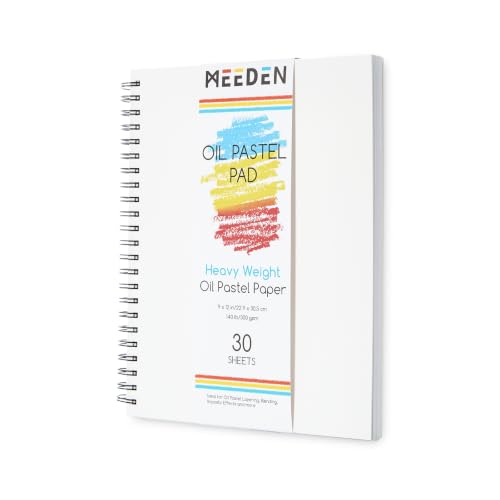
MEEDEN Oil Pastel Paper Pad
What We Like
- Embedded oil-resistant tracing paper prevents bleed-through
- Fine texture grips pastels without slipping
- Spiral binding lays flat for double-page spreads
- DIY cover lets you personalize the pad
Trade-offs
- At 2.2 lb, heavier than some portable pads
- Blank cover requires extra time to decorate
The embedded oil-resistant tracing paper layer structurally blocks oil and water penetration, so stacking multiple oil pastel works won’t cause color bleeding or fading onto the page underneath. The 140lb/300gsm acid-free paper resists aging and yellowing, keeping your art looking fresh for years. For artists who layer and blend heavily, this pad gives a reliable surface that stays clean and vibrant.
The trade-off is weight: at 2.2 pounds, it’s noticeably heavier than a Canson Mi-Teintes pad (0.7 lb), so it’s less ideal for tossing in a bag for quick sketches on the go. But if your work lives on a desk or easel, the spiral binding that opens flat and the 30 laser-perforated sheets that tear out cleanly make it a practical studio companion. It’s built for artists who prioritize performance over portability.
Product photos
GR DZPLUS Oil Pastel Pad

What We Like
- Dual-surfaced for varied texture options
- 50 sheets in a compact pad
- Acid-free, neutral pH paper
Trade-offs
- 5.9-inch sheets limit large-scale work
- Only one color (white), no tinted options
A 5.9 x 5.9 inch sheet size makes this pad ideal for quick studies, color swatches, and small-scale oil pastel sketches where portability matters more than sweeping gestures.
Size is the main compromise: at under six inches square, this pad is much smaller than a 9×12 pad like the MEEDEN Oil Pastel Paper Pad. That pad offers 9×12 inch sheets and a 140 lb weight. If you prefer working larger or need more surface area, the MEEDEN provides more room. But if you value a pad with 50 sheets and two working surfaces in a compact format, the GR DZPLUS delivers focused utility for small sketches or studies without sacrificing paper quality.
Product photos
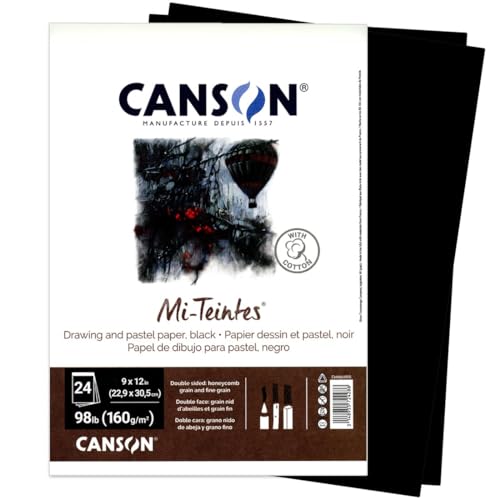
Canson Mi-Teintes Pastel Paper
What We Like
- Dual-sided with heavy and light texture
- 50% cotton for durability and tooth
- Acid-free, colored at pulp level
- Light-fast paper resists fading
Trade-offs
- 160 gsm is lighter than 300 gsm options
- Single color pad limits palette variety
This paper has 50 percent cotton content and two distinct surfaces on each sheet, so you can choose between a heavy texture and a lighter texture depending on your technique. The 160 gsm weight is lighter than some pastel-specific pads, but the cotton content adds durability and a classic tooth that works well for dry pastel and drawing. It’s a good fit if you want surface variety and acid-free, light-fast materials in a single pad.
The main trade-off is weight. At 160 gsm, it won’t stand up to heavy solvent washes or thick impasto as well as the MEEDEN pad’s 300 gsm sheets. If you work wet or build heavy texture, you might want the MEEDEN’s heavier stock. But for dry layering, blending, and the freedom to flip between a rough and a smooth side, the Canson Mi-Teintes offers a versatility that few pastel papers match. It’s a thoughtful pick for artists who like to adapt their surface to the technique.
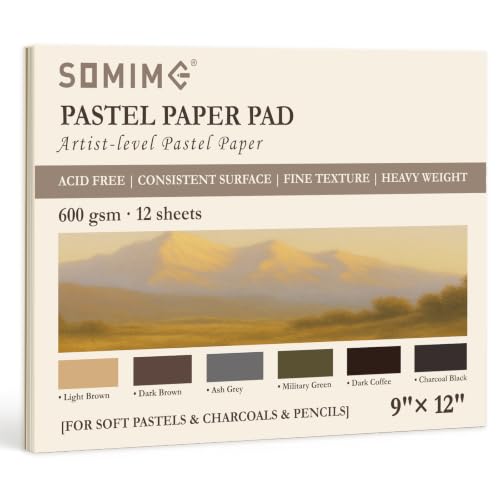
Somime Sanded Pastel Paper Pad
What We Like
- 600gsm heavyweight prevents buckling
- Abrasive surface grips layers for blending
- 12 sheets in 6 assorted colors
- Works with wet or dry underpainting
Trade-offs
- Only 12 sheets per pad
- Assorted colors limit uniform backgrounds
- Heavyweight adds bulk to carry
At 600gsm, this paper is noticeably heavier than many pastel pads, which helps it resist buckling when you work with wet underpainting or heavy layers. The sanded surface grips each stroke of oil pastel, letting you build complex color transitions without everything turning into mud. That texture also makes it a strong pick for artists who push their pastels hard or work with multiple layers. The pad includes 12 sheets in six assorted colors: light brown, dark brown, grey, military green, dark coffee, and charcoal black.
Sheet count is the main compromise here: 12 sheets is slim compared to the 24 or 30 sheets you get with the Canson Mi-Teintes or MEEDEN pads. So if you burn through paper quickly you might run out sooner. And because the colors are mixed, you can’t buy a whole pad of just one shade. Still, for anyone who values a rugged, stay-put surface that handles heavy-handed blending, this pad delivers where lighter papers fall short.
Product photos
Strathmore 400 Series Oil Painting Pad

What We Like
- Linen surface mimics canvas texture
- Heavy 215 lb weight handles layers well
- Designed for final oil pastel pieces
- Convenient pad format, no stretching needed
Trade-offs
- Only 10 sheets per pad
- Glue binding limits full-bleed edge work
- Heavier than typical pastel papers
This 215 lb / 350 gsm paper is a convenient alternative to canvas or boards, with a linen-textured surface that mimics canvas and helps blend and hold layers of paint in place. The pad format means you don’t need to stretch or prepare a surface, making it easy to use for studio or outdoor sessions. The texture is designed to grip oil paints or oil pastels, supporting the creation of finished pieces.
You get only 10 sheets per pad, which goes fast if you’re working through multiple studies or practice pieces. The glue binding also means you can’t paint right up to the edge without fighting the spine. For comparison, the Canson Mi-Teintes Pastel Paper offers 24 sheets at a lighter 98 lb weight, which is better for quick sketches but won’t take the same heavy layering. If you prioritize a canvas-like surface for finished work, this Strathmore pad delivers that feel right out of the gate.
Winsor & Newton Professional Pastel Paper

What We Like
- Archival, acid-free paper resists aging
- Grained surface holds pastel pigment well
- 6 assorted earth colors included
- Durable 160 gsm weight
Trade-offs
- Grained surface only on one side
With 24 sheets of acid-free, archival-quality paper at 160 gsm, this pad is built for work that needs to last. The grained side grabs pastel pigment firmly, so layers stay put without sliding off. It suits artists who value permanence and want a surface that locks in color from the first stroke, especially when working on pieces meant for display or storage over time.
Archival-quality paper free from acids and optical brighteners ensures stability and resistance to ageing, making it suitable for long-term preservation of artwork. The 160gsm weight keeps the pad lighter than many pastel papers, while the grainy, rough surface on one side provides excellent pigment uptake for pastel, pencil, or charcoal. Six assorted earth colors across 24 sheets offer a natural palette for landscape or portrait work. The smooth reverse side allows for alternative techniques or preliminary sketches. At 12 by 16 inches, the sheets provide ample working area, though the single grained surface limits texture options to one side per sheet.
Sennelier Oil Pastel Card Pad

What We Like
- Oil pastel will not bleed or halo
- Textured heavyweight paper
- Acid-free for archival work
- 12-sheet pad is portable
Trade-offs
- Heavier than some pastel pads at 1.1 pounds
- Too few sheets for extensive practice sessions.
The Sennelier Oil Pastel Card Pad is designed so that oil pastel will not bleed, seep, or halo through the paper, according to the manufacturer. That means artists who work with oil pastels can expect the medium to stay where it is applied without staining the next sheet. The paper is textured and heavyweight, which gives it a sturdy feel, and it is acid-free, so it meets a basic standard for materials intended to last. The pad contains 12 sheets at 9.5 x 12.5 inches, making it a compact option for carrying around.
The pad contains 12 sheets, so artists who work through paper quickly may find themselves reordering often. The MEEDEN Oil Pastel Paper Pad offers 30 sheets at a similar size, giving more room for practice. For finished pieces where oil pastel will not bleed, seep, or halo, these 12 textured, heavyweight sheets deliver reliable results.
Product photos
Strathmore 400 Series Pastel Pad

What We Like
- Subtle texture grips oil pastel well
- Assorted colors for varied backgrounds
- 80 lb weight handles layering
Trade-offs
- Only 24 sheets per pad
- Lighter weight than 140 lb options
- Assorted colors limit control over hue
The 80 lb textured surface is designed for oil pastel, offering a subtle texture that grips the medium without being overly aggressive. That means you can apply color smoothly and build up layers without the paper tearing or the pastel stick wearing down too quickly. The assorted colors add variety for quick studies or tonal sketches, letting the paper serve as part of the composition. This pad works well for anyone who wants a responsive surface that doesn’t require heavy pressure to deposit pigment.
Sheet count and weight are the main trade-offs here. With 24 sheets at 80 lb, you get a lighter pad than some alternatives, which may not hold up to very thick or wet applications as well as heavier papers. The assorted colors also mean you don’t get to choose your background for every drawing, a limitation if you need a consistent tone for a series. For artists who want a controlled surface with built-in color variety, this is a thoughtful pick. If you need a plain white sheet or a heavier weight, other pads like the Canson Mi-Teintes or MEEDEN offer those options.
Product photos
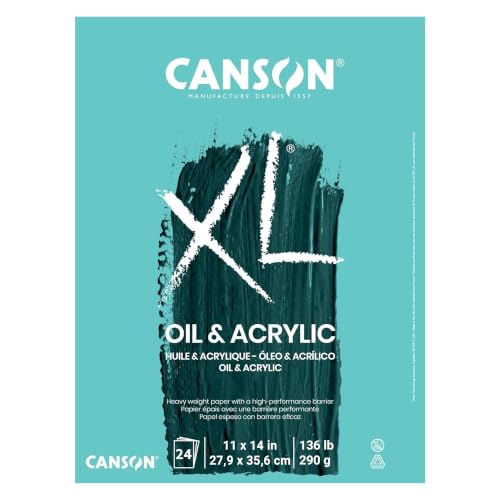
Canson XL Oil & Acrylic Paper Pad
What We Like
- Affordable sturdy paper for practice
- Canvas-like feel on both sides
- Acid-free and bleed-proof
- Ready for oil or acrylic without priming
Trade-offs
- Tape binding can tear with aggressive use
- 136 lb weight less rigid than some heavier options
With a 136-lb weight and a canvas-like texture on both sides, this paper is ready for acrylic or oil paint without any priming, so you can start working right away. It’s designed for student and practice work, meaning you can experiment freely without worrying about wasting sheets. The tape binding keeps the pad together while you work, and the medium texture provides a familiar surface for learning techniques.
The medium texture gives a canvas-like feel, which is ideal for acrylic or oil paint but may not offer the same grip as a sanded pastel paper like the Somime Sanded Pastel Paper Pad. That pad uses a 600gsm weight and grit for pastels, while this Canson pad is built for paint. For everyday practice and learning, this paper provides a sturdy, affordable surface that handles paint without bleeding through.
Product photos
Sennelier La Carte Pastel Pad

What We Like
- Acid-free and lightfast paper
- Unique cork and vegetable flake surface
- Ideal for dry drawing techniques
Trade-offs
- Only one surface texture available
- Heavier than many competitor pads at 1.1 pounds
A finely ground mixture of cork and vegetable flakes coats a 200 lb. card, giving this paper a surface unlike anything else in the guide. That texture is ideal for dry drawing techniques such as pastel, charcoal, or pencil, where the tooth holds the medium without smudging. The heavy 200 lb. card stock feels rigid and substantial, so it stays flat during use and resists buckling under heavy layering.
The pad’s surface is a finely ground mixture of cork and vegetable flakes applied to a 200 lb. card, giving it a distinctive tooth that grabs dry media without needing a fixative spray. That means you can layer soft pastels or charcoal without worrying about fallout, but the trade-off is that this is the only surface you get, there’s no smooth side or alternative finish within the pad. For studio work where surface character matters most, that weight and texture are exactly the point.
How We Evaluated Papers For Oil Pastels
To build this guide, we studied the specifications and material data provided by each manufacturer. We looked at fiber content, weight in gsm or pounds, surface texture descriptions, and whether the paper is acid-free. We also reviewed patterns in expert round-ups and long-term owner feedback to understand how each paper performs in real studio conditions.
The four criteria that mattered most for oil pastel paper were surface texture, paper weight, bleed resistance, and archival quality. Surface texture determines how well the pastel grips the paper for layering and blending. Weight prevents buckling under heavy applications. Bleed resistance keeps oil from seeping through to the next page. Archival quality ensures your work will not yellow or degrade over time.
This evaluation has limits. The best paper for your style may depend on subtle factors like how much pressure you apply or how much solvent you use for blending.
What To Look For In Papers For Oil Pastels
Choosing the right paper for oil pastels means balancing surface grip, paper weight, and bleed resistance against your preferred technique and budget. The table below summarizes the key specs of our top picks.
Look for a paper with a textured or sanded surface that grabs oil pastel pigment. Choose a weight of at least 160 gsm to prevent buckling. Confirm the paper is bleed-proof or oil-resistant if you plan to work in a pad. For lasting artwork, pick acid-free paper.
Surface Texture and Tooth
The surface of the paper is the most important factor for oil pastels. A smooth surface will let the pastel slide, making it hard to build up layers or create fine detail. A textured surface, often called tooth, grips the pigment and allows you to layer colors without them slipping off. Sanded papers like the Somime have an abrasive surface that holds many layers, while traditional laid or grained papers like the Winsor & Newton Professional Pastel Paper offer a more subtle grip.
Paper Weight and Thickness
Oil pastels are applied thickly, and the oil in the pigment can saturate lighter papers, causing them to buckle or wrinkle. A heavier paper, measured in pounds (lb) or grams per square meter (gsm), resists this. Lightweight papers around 80 lb are fine for practice, but for layering or wet techniques, look for 140 lb or higher. The Somime Sanded Pastel Paper Pad is 600 gsm, making it one of the heaviest options for aggressive work.
Bleed Resistance and Archival Quality
Because oil pastels never fully dry, the oil can bleed through paper over time, especially in a pad where sheets are pressed together. Some papers, like the MEEDEN and Sennelier Oil Pastel Card Pad, are specifically designed to prevent this. For archival work, choose acid-free paper, which resists yellowing and embrittlement. Look for papers with a neutral pH and lightfast pigments if you want your artwork to last.
- Check the paper’s gsm or lb weight to ensure it can handle your layering style.
- Confirm whether the paper is bleed-proof or oil-resistant if you work in a pad.
- Look for acid-free and archival labels for finished pieces.
- Consider whether you want a single color or an assortment of colored backgrounds.
- Decide between a spiral binding for flat lay or a glue-bound pad for clean edges.
A good rule of thumb: if you plan to layer heavily or use solvent for blending, choose a paper that is at least 140 lb and has a sanded or heavily textured surface.
Papers For Oil Pastels Compared
The table below compares the key specs of our top picks so you can see at a glance how each paper stacks up for weight, surface, and sheet count.
| Product | Weight | Sheets | Size | Surface |
|---|---|---|---|---|
| MEEDEN Oil Pastel Paper Pad | 140lb/300gsm | 30 | 9" x 12" | Fine, fabric-like |
| GR DZPLUS Oil Pastel Pad | 123 lb/200g | 50 | 5.9 x 5.9 in | Dual-surfaced |
| Canson Mi-Teintes Pastel Paper | 98 lb/160 gsm | 24 | 9×12 inches | Dual-sided, two textures |
| Somime Sanded Pastel Paper Pad | 600gsm | 12 | 9×12 inches | Sanded / abrasive |
| Strathmore 400 Series Oil Painting Pad | 215 lb/350 gsm | 10 | 9" x 12" | Linen-textured mimics canvas |
| Winsor & Newton Professional Pastel Paper | 160 gsm | 24 | 12 x 16 inches | Grained one side, smooth the other |
| Sennelier Oil Pastel Card Pad | N/A | 12 | 9.5 x 12.5 inches | Textured – heavyweight |
| Strathmore 400 Series Pastel Pad | 80 lb | 24 | 9 x 12 inches | Textured |
| Canson XL Oil & Acrylic Paper Pad | 136 lb/290 gsm | 24 | 11 x 14 inches | Medium texture, canvas-like feel |
| Sennelier La Carte Pastel Pad | 200 lb. card | N/A | N/A | Cork & vegetable flakes |
Frequently Asked Questions
What kind of paper is best for oil pastels?
The best paper for oil pastels has a textured surface that grips the pigment, a weight of at least 160 gsm to prevent buckling, and bleed resistance to stop oil from seeping through. Sanded papers and heavy pastel papers with high cotton content are excellent choices for layering and blending.
Can I use regular drawing paper for oil pastels?
Regular drawing paper is usually too thin and smooth for oil pastels. The oil will bleed through, and the paper may buckle under heavy application. It is fine for quick practice, but for any serious work, a heavier, textured paper designed for pastels or oil painting will give much better results.
Do I need to seal oil pastel drawings on paper?
Sealing oil pastels is not always necessary, but a fixative can help prevent smudging. Because oil pastels never fully dry, a spray fixative made for pastels or a varnish can protect the surface. Always test the fixative on a scrap piece first, as some can darken or dissolve the pastel.
What is the difference between sanded and unsanded pastel paper?
Sanded pastel paper has an abrasive surface that grips many layers of pastel, ideal for heavy layering and wet underpainting. Unsanded paper relies on the natural tooth of the fiber, which holds fewer layers but gives a softer, more traditional look. Sanded papers are heavier and more durable, while unsanded papers are lighter and better for quick sketches.
How many sheets do I need in an oil pastel pad?
The number of sheets depends on your usage. A pad with about a dozen sheets is good for finished pieces or specific projects, while pads with two dozen to 50 sheets are better for regular practice and experimentation. Heavier, sanded papers often come in smaller pads because the material is thicker and more expensive to produce.
The Bottom Line
For most artists, the MEEDEN Oil Pastel Paper Pad is the best all-around choice. Its embedded oil-resistant tracing paper and fine texture handle everything from quick sketches to heavily layered pieces, and the spiral binding makes it easy to work on both sides of the page. It is ideal for anyone who wants a durable, bleed-proof paper that does not compromise on surface grip.
If your budget is tighter or you are just starting out, the Canson XL Oil & Acrylic Paper Pad offers a sturdy, bleed-proof surface at a more accessible price point. For artists who want a sanded surface for aggressive layering and wet techniques, the Somime Sanded Pastel Paper Pad is worth the investment, despite its smaller sheet count.
The single most important factor when buying oil pastel paper is surface texture. A paper with the right tooth will hold your pastel in place, allow you to blend smoothly, and prevent the frustration of pigment sliding off the page. Choose the texture that matches your technique, and the rest will follow.
