
8 Best Boat Paint in 2026
This post contains affiliate links. As an Amazon Associate, we earn from qualifying purchases.
For a durable, professional-looking finish above the waterline, we like the TotalBoat Wet Edge Topside Marine Paint best. It offers a scratch-resistant polyurethane surface that self-levels for smooth results on fiberglass, wood, or metal. For bottom protection, the Rust-Oleum Marine Boat Bottom Antifouling Paint provides fast-drying copper antifouling, while the Pettit Vivid Hybrid is a top choice for multi-season performance on trailered boats.
Choosing the right boat paint means balancing where you paint (above or below the waterline), the material of your hull, and how long you want the protection to last. An antifouling paint for the bottom prevents marine growth, while a topside enamel needs UV resistance and a glossy look.
This guide is built from manufacturer specifications, expert recommendations, and patterns in owner feedback. We break down the key differences between paint types so you can pick the right one for your boat and your season.
Top 8 Boat Paints in the Market
Certain content that appears on this site comes from Amazon. This content is provided "as is" and is subject to change or removal at any time.
The Best Boat Paints, Reviewed
TotalBoat Wet Edge Topside Marine Paint

What We Like
- Scratch-resistant, chemical-resistant polyurethane finish
- Self-leveling for smooth professional results
- Works on fiberglass, wood, metal, and previously painted surfaces
- Available in 22 high-gloss colors plus flat options
Trade-offs
- Requires separate primer for metals or bare wood
- Above-waterline use only, no antifouling protection
With 22 high-gloss colors and a self-leveling polyurethane formula, this topside paint delivers a finish that resists scratches, chemicals, and fading while being easy to apply by brush, roller, or spray. It covers 350 to 400 square feet per gallon and bonds to fiberglass, wood, metal, and previously painted surfaces, making it a versatile choice for powerboat hulls, sailboat topsides, campers, and RV exteriors. For owners who want a durable, beautiful above-waterline finish that stays glossy season after season, this paint offers the right balance of performance and ease of use.
If your primary need is below-waterline protection against barnacles and algae, a product like Rust-Oleum Marine Boat Bottom Antifouling Paint would be a better fit. But for everything above the waterline, from hulls to trim, this paint’s scratch resistance, color range, and simple one-part application make it the standout choice.
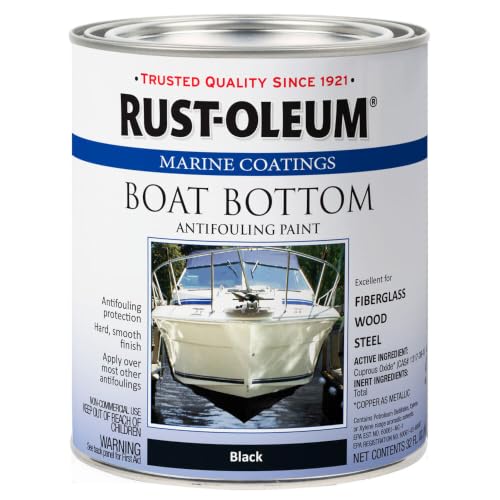
Rust-Oleum Marine Boat Bottom Antifouling Paint
What We Like
- Works on fiberglass, wood, and steel
- Quick 16-hour launch time
- Covers up to 110 sq ft per quart
Trade-offs
- Quart size covers less area than gallon options
- Copper-based formula not for every water condition
A quart covering 110 square feet means you can finish a small hull or touch up a larger one without buying more than you need. It suits boat owners who want reliable fouling protection in both freshwater and saltwater, with a hard smooth finish that lays flat over most aged coatings. The fast 16-hour launch time gets you back on the water quickly.
The trade-off is that the flat sheen won’t appeal to everyone, especially if you prefer a glossy topside look. Compared to the TotalBoat JD Select water-based ablative paint, which is a single-season ablative marine paint, this Rust-Oleum uses a copper-based formula that resists fouling differently. If you need a straightforward antifouling paint that dries fast and fights growth without fuss, this quart is a practical choice for smaller boats or spot repairs.
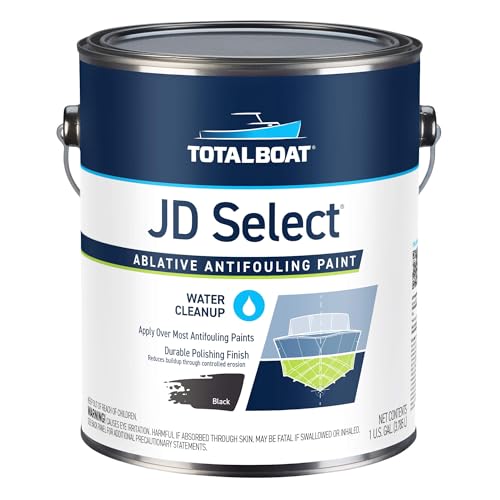
TotalBoat JD Select Water-Based Antifouling Bottom Paint
What We Like
- Low-VOC, low-odor water-based formula
- Ablative wear exposes fresh biocide
- Cleans up with soap and water
- No maximum dry time before launch
Trade-offs
- Single-season protection only
- Requires epoxy primer on bare surfaces
A 25.5% copper biocide in a water-based, ablative formula means this paint gradually wears away as your boat moves, constantly exposing fresh antifouling protection against barnacles, slime, and algae. It covers up to 500 square feet per gallon and dries in as little as two hours, so you can get the job done in a day with minimal odor and no harsh solvents. This makes it an ideal choice for DIY boat owners working in marinas or yards with VOC restrictions, or anyone who wants an easy, low-fuss application that cleans up with soap and water.
This paint delivers single-season protection, so plan on recoating each year. For fiberglass, wood, or steel hulls in salt, fresh, or brackish water, it repels barnacles, slime, algae, and weeds with a water-based formula that cleans up with soap and water. If you want a longer-lasting option, Pettit Vivid Hybrid Dual Biocide can extend performance into a second season, but it requires solvent-based cleanup and has stronger odor.
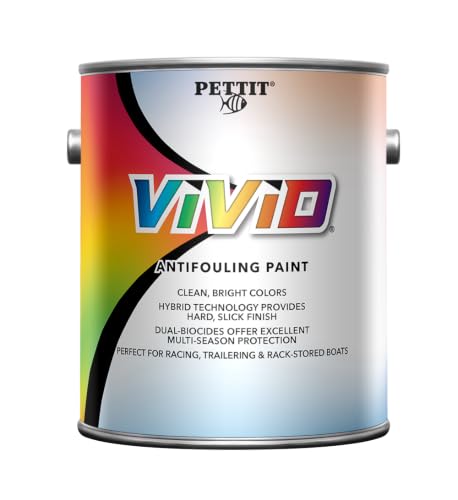
Pettit Vivid Hybrid Dual Biocide Antifouling Bottom Paint
What We Like
- Dual biocide multi-season protection
- Hard, burnishable racing surface
- Aluminum-safe with proper primer
- Withstands trailering and rack storage
Trade-offs
- Requires specific primer for aluminum hulls
- Heavy at 16 pounds per gallon
A hybrid that blends hard paint durability with ablative self-renewal means you get a tough, smooth finish that won’t build up season after season. The dual-biocide formula, Cuprous Thiocyanate and Zinc Pyrithione, provides dependable protection against barnacles, algae, and slime in a variety of water conditions. For racers or anyone who trailers, the hard surface remains easy to burnish into a super-slick racing finish and withstands trailering, hauling, and relaunching. That versatility makes it a strong option for performance-minded boaters who want lasting protection without the annual scrape-down.
If your boat is aluminum, you’ll need the recommended primer system to make it safe, as stated by the manufacturer. At 16 pounds per gallon, this paint is heavier than some alternatives, but the hybrid toughness and multi-season coverage are well suited for boats that are trailered or rack-stored.
Product photos
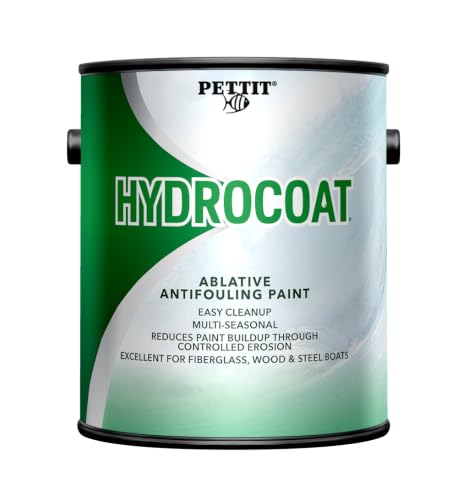
Pettit Hydrocoat Water-Based Ablative Bottom Paint
What We Like
- Water-based with soap-and-water cleanup
- Multi-season protection in all waters
- Unlimited dry time before launch
- Compatible with most existing bottom paints
Trade-offs
- Quart size covers less area than a gallon
- Copper biocide not suitable for aluminum hulls
Unlimited dry time to launch means you can paint this hull in fall or winter and not worry about a launch window until spring. That alone makes Pettit Hydrocoat a standout for boaters who do offseason maintenance. Its water-based ablative technology delivers multi-season protection against barnacles, algae, and slime in freshwater, saltwater, and brackish environments, while the self-polishing action keeps biocide fresh and reduces sanding between cycles. For active boaters who trailer, beach, and launch frequently, this paint holds up well and cleans up with soap and water instead of harsh solvents.
The water-based formula cleans up with soap and water instead of harsh solvents, which makes application more convenient for boat owners and professionals. If you prefer a solvent-based option, Interlux Fiberglass Bottomkote NT is another antifouling paint available. But for anyone who wants the convenience of painting on their own schedule without solvent fumes, and who values easy cleanup and multi-season reliability, Hydrocoat earns its place as the best multi-season water-based choice.
Product photos
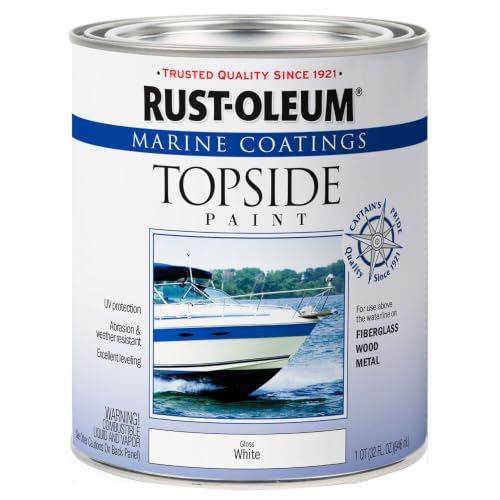
Rust-Oleum Marine Topside Semi-Gloss White Paint
What We Like
- Dries in 1-2 hours
- Covers up to 100 sq ft
- UV and weather resistant
- Flexible oil-based formula
Trade-offs
- Only for above-waterline use
- Oil-based requires solvent cleanup
A quart that covers up to 100 square feet means you can finish a dinghy or topside section without buying extra cans. The oil-based formula is designed for easy application and good leveling, and the semi-gloss finish resists UV exposure and weather. This paint is built for durability and appearance above the waterline, so your boat looks its best at the dock.
This paint is strictly for above the waterline, so it won’t help with antifouling below. It works on fiberglass, wood, or metal surfaces and uses an oil-based formula that applies easily with good leveling. Drying to the touch in as little as 1 to 2 hours, it covers up to 100 square feet per quart, making it a practical choice for a straightforward topside project where you want a durable, glossy finish.
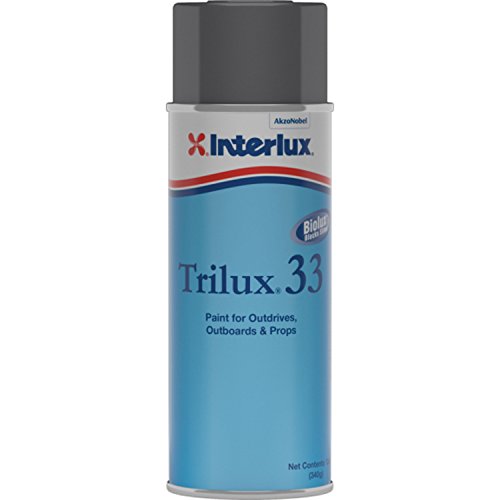
Interlux Trilux 33 Aerosol Antifouling Paint
What We Like
- Aerosol format for easy application
- Lightweight 1.0-pound can for portability
Trade-offs
- Small 16 oz can limits coverage area
- Not suitable for freshwater boats
The Interlux Trilux 33 Aerosol Antifouling Paint comes in a 16-ounce aerosol can weighing 1.0 pounds, which makes it easy to handle and store for small jobs. The spray format lets you apply antifouling protection without mixing or brushing, so it is convenient for quick touch-ups or reaching tight spots on the hull. For boaters who need a no-fuss solution for small areas or seasonal maintenance, this can delivers portability and ease of use.
A single 16-ounce can will not cover a full bottom job, so this paint is best suited for dinghies, outdrive units, or spot repairs rather than a large hull. Compared to the gallon-sized Pettit Vivid Hybrid, which offers more volume for extensive painting, the Trilux 33 Aerosol prioritizes convenience over quantity. If you need to paint a whole hull, you will need multiple cans; for targeted antifouling where ease of application matters most, this aerosol is a practical choice.
Interlux Fiberglass Bottomkote NT Antifouling Paint

What We Like
- Designed for fiberglass hulls
- Blue color for easy application visibility
Trade-offs
- 8-pound gallon is heavy for single-hand application
- Not ideal for aluminum hulls or outdrives.
A full gallon of blue antifouling paint means you can coat a typical trailerable fiberglass hull in one go without running short mid-project. The Amazon listing calls this product best in class, so it is positioned as a top-tier option for keeping marine growth off the bottom.
At 8 pounds per gallon, this can is noticeably heavier than some competitors like the Rust-Oleum Marine Boat Bottom Antifouling Paint, which comes in a quart size at 4 pounds. If you need a full gallon for a larger hull, the extra heft is a fair price for the added coverage. Just be ready to brace the can with your off hand or set it on a stable surface while you work.
Product photos
How We Evaluated Boat Paints
We evaluated these paints by studying manufacturer data sheets, expert buying guides, and the experiences shared by boat owners in forums and reviews. Our research focused on the real-world factors that determine whether a paint job holds up: adhesion, durability, and ease of application.
The four criteria that mattered most were intended use (above vs. Below waterline), substrate compatibility (fiberglass, wood, metal, aluminum), the type of protection offered (antifouling vs. Cosmetic), and application properties like dry time and cleanup method. A paint that works on fiberglass may not bond to aluminum, and a topside enamel will fail underwater.
An evaluation based on research cannot replace testing every product on every hull material. What it can do is highlight the specifications and trade-offs that experienced owners consistently point to, so you can make an informed choice without trial and error.
What To Look For In Boat Paints
Choosing the right boat paint starts with knowing your hull material and where the paint will be applied. The wrong paint can peel, blister, or fail to protect against marine growth.
The three most important factors are paint type (antifouling, topside, or primer), hull material compatibility, and whether you need multi-season or single-season protection.
Paint Type and Location
The first decision is whether you are painting above or below the waterline. Topside paints, like polyurethane enamels, provide a hard, UV-resistant cosmetic finish. Bottom paints contain biocides (typically copper) that prevent barnacles and algae from attaching. Using a topside paint below the waterline will lead to rapid fouling and paint failure.
Hull Material Compatibility
Fiberglass, wood, steel, and aluminum each require different primers and paint chemistries. Aluminum hulls are especially sensitive: copper-based antifouling paints can cause galvanic corrosion. Look for paints specifically labeled as aluminum-safe, and always use the recommended primer system for bare surfaces.
Application and Dry Time
Some paints require sanding between coats, while others self-level. Dry time matters if you need to launch quickly. Water-based formulas offer easy cleanup with soap and water and low odor, but may provide only single-season protection. Oil-based and epoxy paints are more durable but require solvents for cleanup.
- Check the recommended primer for your hull material before buying paint.
- Confirm the paint is rated for your water type (fresh, salt, or both).
- Consider how many coats you need and the coverage area per quart or gallon.
- Look for a paint that matches how you store your boat (trailered, rack, or moored).
A paint that works for a weekend sailor on a trailer may not hold up on a boat that sits in salt water all season.
Boat Paints Compared
The table below compares the eight paints across the features that matter most: intended location, hull compatibility, protection type, and cleanup method.
| Product | Type | Use | Coverage |
|---|---|---|---|
| TotalBoat Wet Edge Topside Marine Paint | 1-part polyurethane | Above waterline only | 350-400 sq. ft./gal |
| Rust-Oleum Marine Boat Bottom Antifouling Paint | Hard, smooth, flat sheen | Below waterline use | 110 sq ft |
| TotalBoat JD Select Water-Based Antifouling Bottom Paint | Water-based ablative | Below the waterline | Up to 500 sq. ft./gal |
| Pettit Vivid Hybrid Dual Biocide Antifouling Bottom Paint | Hybrid (hard + ablative) | N/A | N/A |
| Pettit Hydrocoat Water-Based Ablative Bottom Paint | Water-based ablative | Fresh, salt, brackish water | N/A |
| Rust-Oleum Marine Topside Semi-Gloss White Paint | Semi-gloss | Above waterline | Up to 100 sq ft |
| Interlux Trilux 33 Aerosol Antifouling Paint | Aerosol Antifouling Paint | N/A | N/A |
| Interlux Fiberglass Bottomkote NT Antifouling Paint | Antifouling Marine Paint | N/A | N/A |
Frequently Asked Questions
What type of boat paint is best for fiberglass?
For fiberglass hulls, a two-part polyurethane topside paint like the TotalBoat Wet Edge gives a hard, glossy finish that resists chipping and UV damage. For below-waterline protection, choose an antifouling paint designed for fiberglass, such as the Interlux Fiberglass Bottomkote NT, which bonds well without lifting the gelcoat.
Can I paint over old boat paint?
Yes, but compatibility matters. Water-based antifouling paints like the Pettit Hydrocoat are compatible with most existing bottom paints, including hard and ablative formulas. Always test a small area first and follow the manufacturer’s instructions for surface preparation, including sanding and cleaning.
How often should I repaint my boat bottom?
It depends on the paint type and how much you use the boat. Single-season ablative paints wear away gradually and need recoating every year. Multi-season paints like the Pettit Vivid Hybrid can last two to three seasons on a trailered or rack-stored boat. Check the paint film thickness each haul-out to decide.
Is water-based boat paint as good as oil-based?
Water-based boat paints offer lower VOCs, easier cleanup, and less odor, making them a good choice for DIY painters. Modern formulas like the TotalBoat JD Select provide effective antifouling protection for a single season. Oil-based paints tend to be harder and more durable for topside finishes, but require solvent cleanup.
What is the difference between ablative and hard antifouling paint?
Ablative paints wear away slowly as the boat moves through the water, exposing fresh biocide. They are ideal for powerboats and do not require sanding between coats. Hard antifouling paints form a durable film that can be burnished smooth, making them popular for racing sailboats, but they do need sanding before each new coat.
The Bottom Line
For a topside finish that combines scratch resistance, self-leveling ease, and excellent color retention, the TotalBoat Wet Edge Topside Marine Paint is our best overall pick. It works on fiberglass, wood, and metal, and its high-gloss polyurethane formula delivers professional-looking results for above-waterline surfaces.
If you need bottom protection, the Rust-Oleum Marine Boat Bottom Antifouling Paint is a reasonable option for small boats and touch-ups with a 16-hour launch time. For multi-season antifouling on a trailered or rack-stored boat, the Pettit Vivid Hybrid offers a hard, burnishable surface that holds up well.
The single most important factor when buying boat paint is matching the paint type to the surface you are painting. Choose a topside enamel for above-waterline cosmetic work and an antifouling paint for the hull bottom, and always verify compatibility with your hull material before you start.
